Skip to Content
Iran’s Role in Arab Allies’ Underground Warfighting
  • Analysis
  • Iran’s Role in Arab Allies’ Underground Warfighting

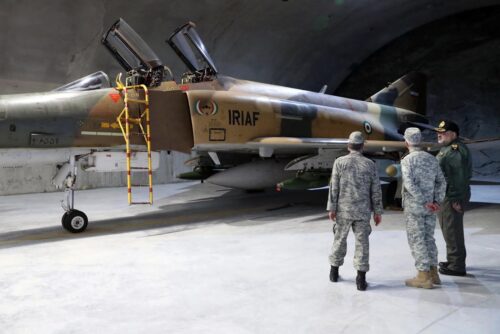
    Hamas, Hizballah and Houthi tunnel networks resemble Iran’s underground missile cities. But their origins reveal a more complicated story of local necessity, Iranian assistance and military adaptation.

    Dr. Marwan Muasher: Has the Middle East Really Changed?
  • Podcast
  • Dr. Marwan Muasher: Has the Middle East Really Changed?

    Have October 7 and the Iran war remade the Middle East, or just made it more dangerous? In the first episode of Re-Orient, Gönül Tol puts that question to Dr. Marwan Muasher, Jordan’s former Deputy Prime Minister and Foreign Minister. Muasher draws on his extensive career to unpack the key issues driving today’s Middle East, from regional alignments to US influence, and offers insights on what has the potential to shape this volatile part of the world.

    In Iran, a Divided Regime Is Not a Paralyzed One
  • Analysis
  • In Iran, a Divided Regime Is Not a Paralyzed One

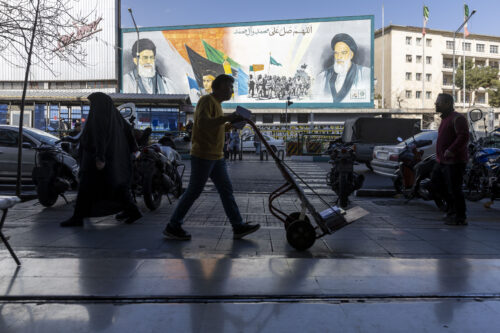
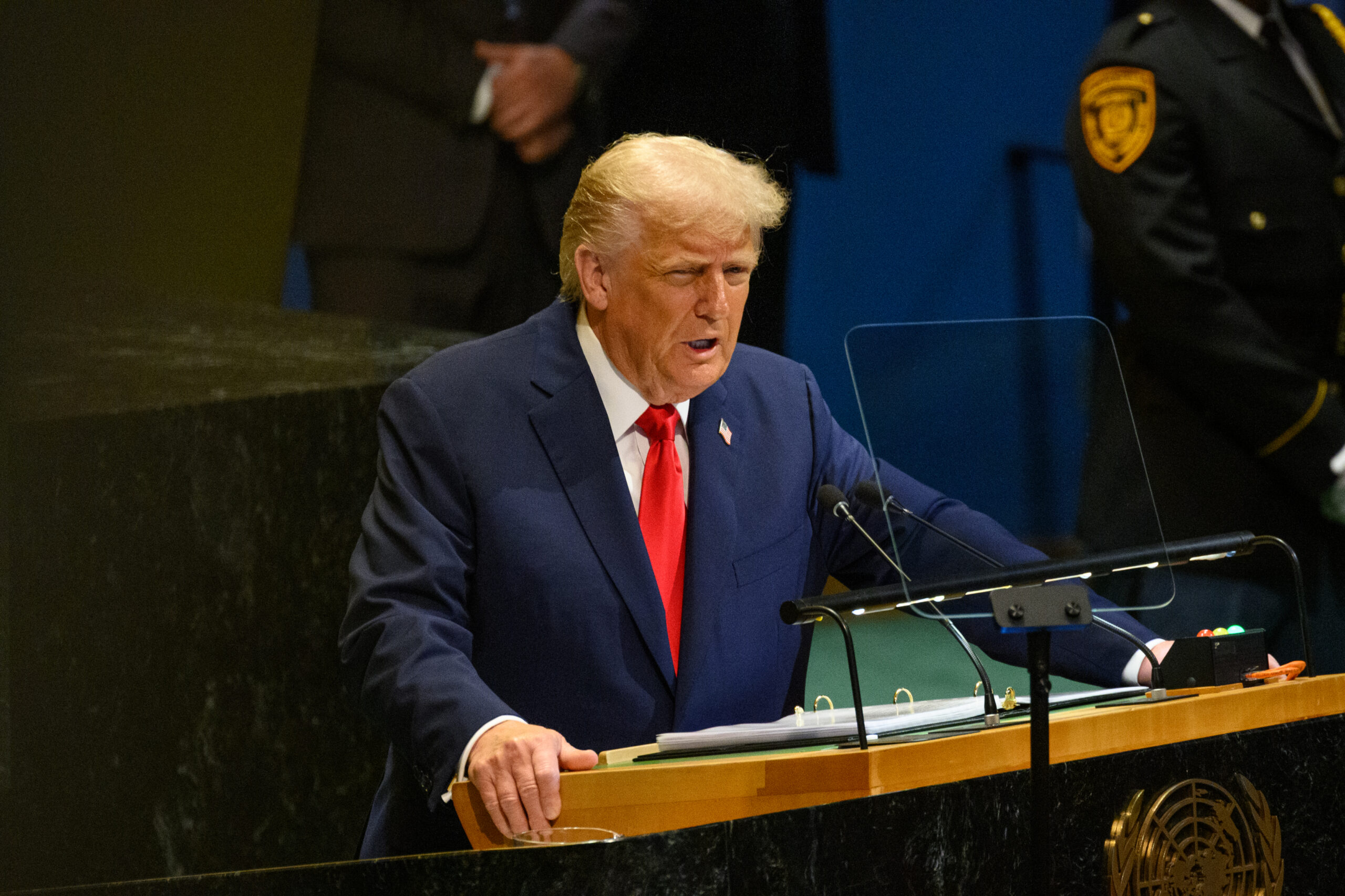
    President Donald Trump’s next move on Iran should follow from what he actually wants, and with his legacy at stake, the choice matters. If the ultimate goal is regime change through internal collapse, the logic points to a long squeeze: tighter enforcement of the economic blockade and periodic military strikes to limit Iranian actions in the Strait of Hormuz, a campaign that might outlast his presidency. Whether by design or by drift, that is roughly the course Washington is on today.

    Featured Experts

    Filter by
    4590 Results
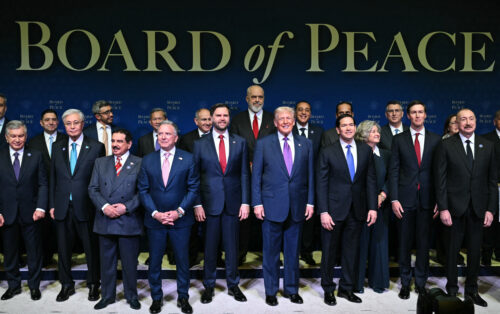
    Board of Peace Meets as Storm Clouds Gather for Another Possible Middle East War
  • Analysis
  • Board of Peace Meets as Storm Clouds Gather for Another Possible Middle East War

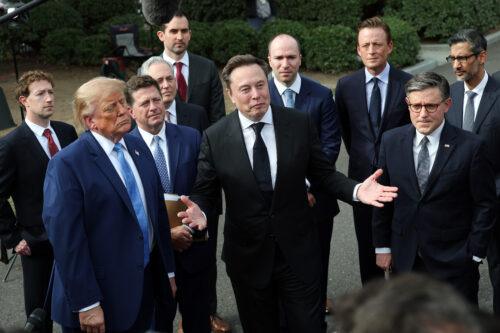
    US President Donald Trump hosted an idiosyncratic gathering of global representatives in Washington on February 19 that included some key Middle East figures meeting under the banner of peace to discuss the next steps in Gaza just as the US was sending more military forces to the region to pressure and possibly target Iran.

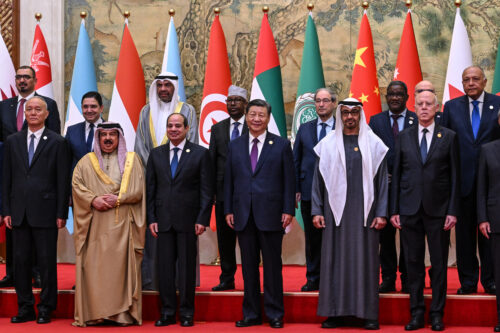
    China’s power in the Middle East has hard limits
  • Commentary
  • China’s power in the Middle East has hard limits

    China is becoming harder to ignore in the Middle East. Yet the gap between economic presence and strategic power remains wide, even as American policy swings, argues US academic John Calabrese.

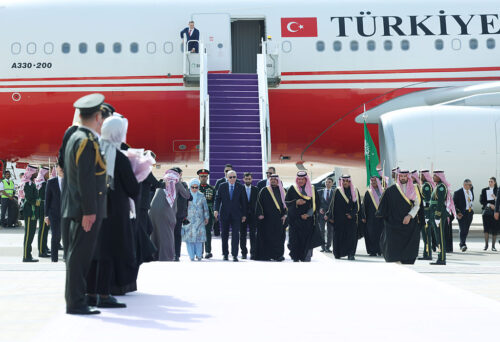
    The Saudi-Turkish Pragmatic Realignment
  • Analysis
  • The Saudi-Turkish Pragmatic Realignment

    February talks between Saudi Arabia and Turkey signaled the emergence of a pragmatic regional order grounded in economic complementarity, defense cooperation, and shared anxieties about instability.

    Courage Runs in the Iranian People’s DNA
  • Podcast
  • Courage Runs in the Iranian People’s DNA

    Brian sits down with Holly Dagres, Libitzky Family Senior Fellow at the Washington Institute for Near East Policy, to discuss Iranian public opinion and protest movements. Dagres, who was born in Los Angeles and moved to Iran at age thirteen, offers a rare insider perspective on the views and aspirations of the Iranian people. The conversation explores the formative experiences of her teenage years in Iran, the roots of the country’s powerful women’s movements, the power of youth voices, and US policy toward Iran.

    US Military Posture and Strike Options Against Iran
  • Virtual Briefing Series
  • US Military Posture and Strike Options Against Iran

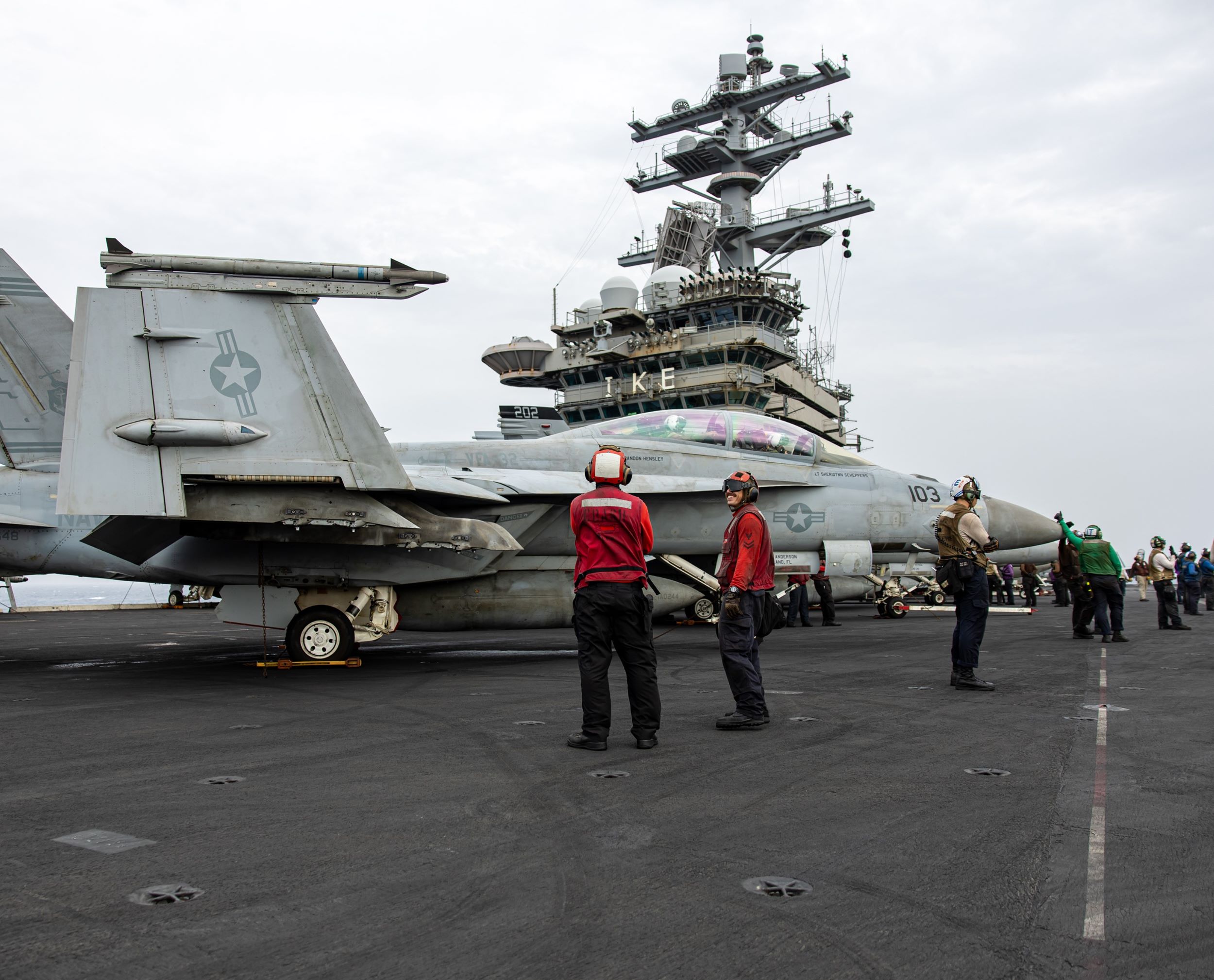
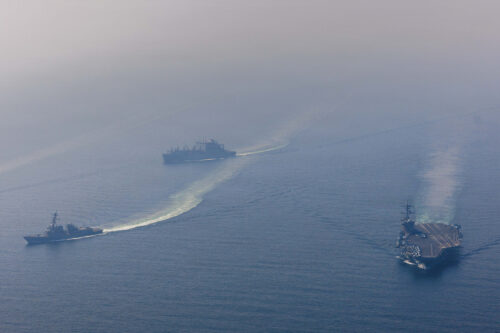
    On January 14, as the Iranian regime brutally cracked down on the largest street protests the country had seen in years, US President Donald Trump urged Iranians to persevere, posting on social media “help is on its way.” At the time, however, limited US military resources in the theater constrained the president’s military options. In the ensuing month since Trump’s post, the Pentagon has repositioned significant forces to the Middle East. This has led to wide speculation that the US is preparing for renewed strikes on Iran even as the Trump administration pursues diplomatic talks with the Iranian regime. To better understand the military planning and force posture dynamics shaping US policy choices, this briefing featured two Distinguished Military Fellows, former commander of the 5th Fleet VADM Kevin Donegan, USN (Ret.), and former Deputy Assistant Secretary of Defense for the Middle East Mick Mulroy. MEI Senior Fellow Jason Campbell moderated the discussion.
    February 17, 2026, 11:00 AM – 12:00 PM

    The Abraham Accords: The US Perspective
  • Commentary
  • The Abraham Accords: The US Perspective

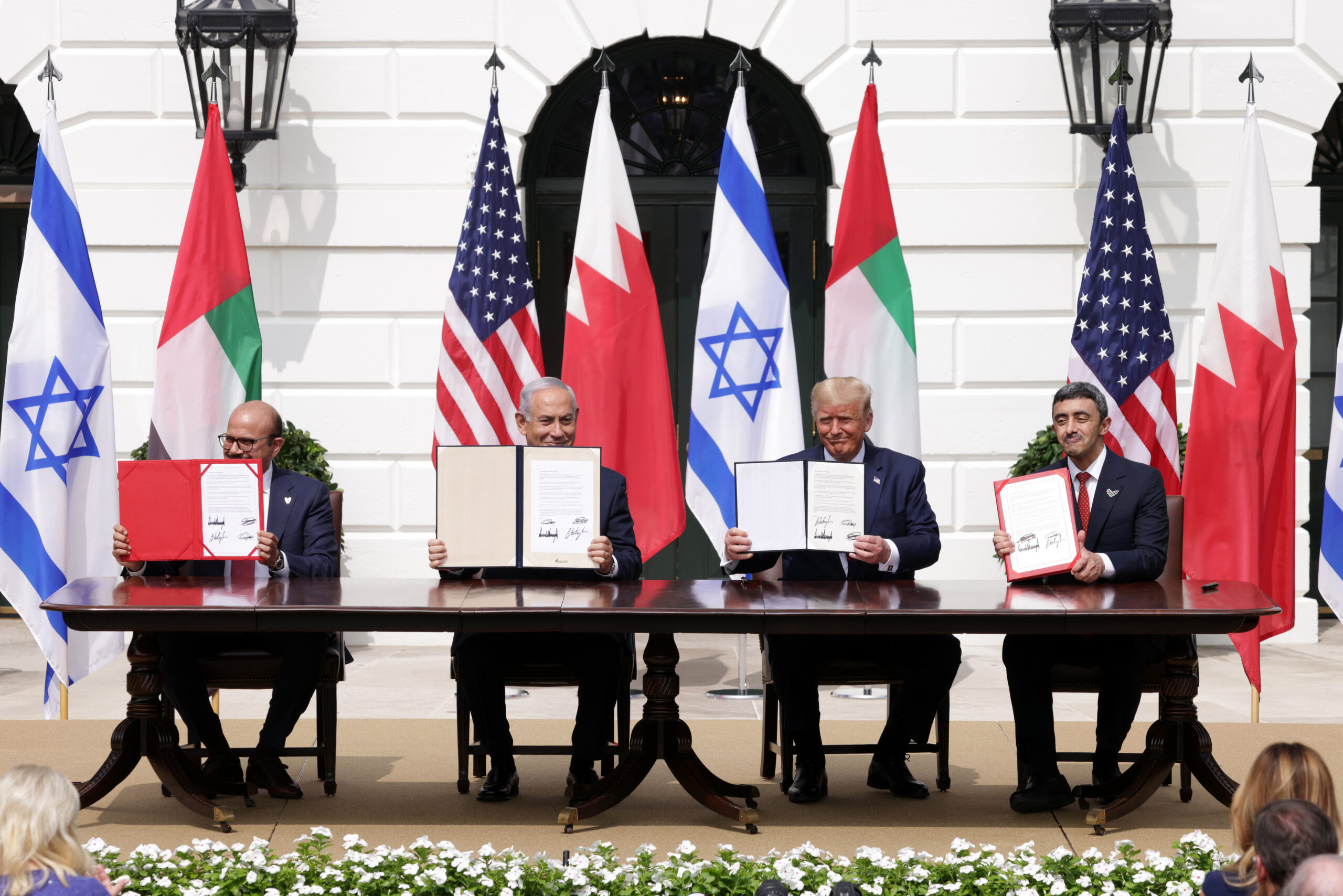
    The Abraham Accords have represented a remarkable shift in U.S. Middle East policy. They reframed Arab-Israeli normalization as a result of shared interests – within the Middle East and directly with the US, rather than as a byproduct of Israeli-Palestinian peace. Signed in September 2020, on the last leg of the first Trump administration, the Accords brokered by Washington normalized relations between Israel and the United Arab Emirates (UAE) and Bahrain, followed by framework agreements with Morocco and Sudan. From the American perspective, the Accords were intended to break decades of diplomatic stagnation in the Middle East in order to establish a regional framework aligned with American strategic objectives.

    Iran’s divided opposition
  • Analysis
  • Iran’s divided opposition

    Whenever Iran is shaken by nationwide protests, as it was just last month, analysts and activists are consumed by the same two questions: will the country’s regime finally fall, and what will come next if it does? Answers abound.

    From the Middle East to West Asia: Redefining America’s Global Strategy
  • Podcast
  • From the Middle East to West Asia: Redefining America’s Global Strategy

    MEI Senior Fellow Mohammed Soliman joins hosts Alistair Taylor and Matthew Czekaj to discuss his new book, West Asia: A New American Grand Strategy in the Middle East. The book argues that it is time for the United States to move decisively away from nation-building and focus instead on order-building, outlining a framework for a new regional order that links Europe to the Indo-Pacific. Soliman also shares how he conceived of the core ideas behind his book and explains why his thesis is especially relevant in today’s geopolitical, economic, and technological landscape.

    February 12, 2026

    Putting Trump on paper: What the new US strategy documents say about the Middle East
  • Commentary
  • Putting Trump on paper: What the new US strategy documents say about the Middle East

    Trying to capture US President Donald Trump’s proudly unpredictable approach to foreign policy in fixed policy documents is inherently difficult. Surprise, leverage and improvisation are not bugs in Mr Trump’s world view; they are features. Yet the administration has now attempted this exercise twice: with the release of the National Security Strategy last December and the National Defence Strategy this January.

    February 12, 2026

    Read the Middle East Journal

    The oldest peer-reviewed publication dedicated to the study of the modern Middle East, MEI’s flagship journal covers politics, society, and culture in the region.