Iran’s Role in Arab Allies’ Underground Warfighting
Hamas, Hizballah and Houthi tunnel networks resemble Iran’s underground missile cities. But their origins reveal a more complicated story of local necessity, Iranian assistance and military adaptation.
Dr. Marwan Muasher: Has the Middle East Really Changed?
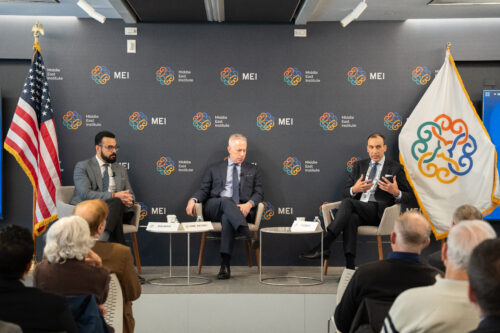
Have October 7 and the Iran war remade the Middle East, or just made it more dangerous? In the first episode of Re-Orient, Gönül Tol puts that question to Dr. Marwan Muasher, Jordan’s former Deputy Prime Minister and Foreign Minister. Muasher draws on his extensive career to unpack the key issues driving today’s Middle East, from regional alignments to US influence, and offers insights on what has the potential to shape this volatile part of the world.
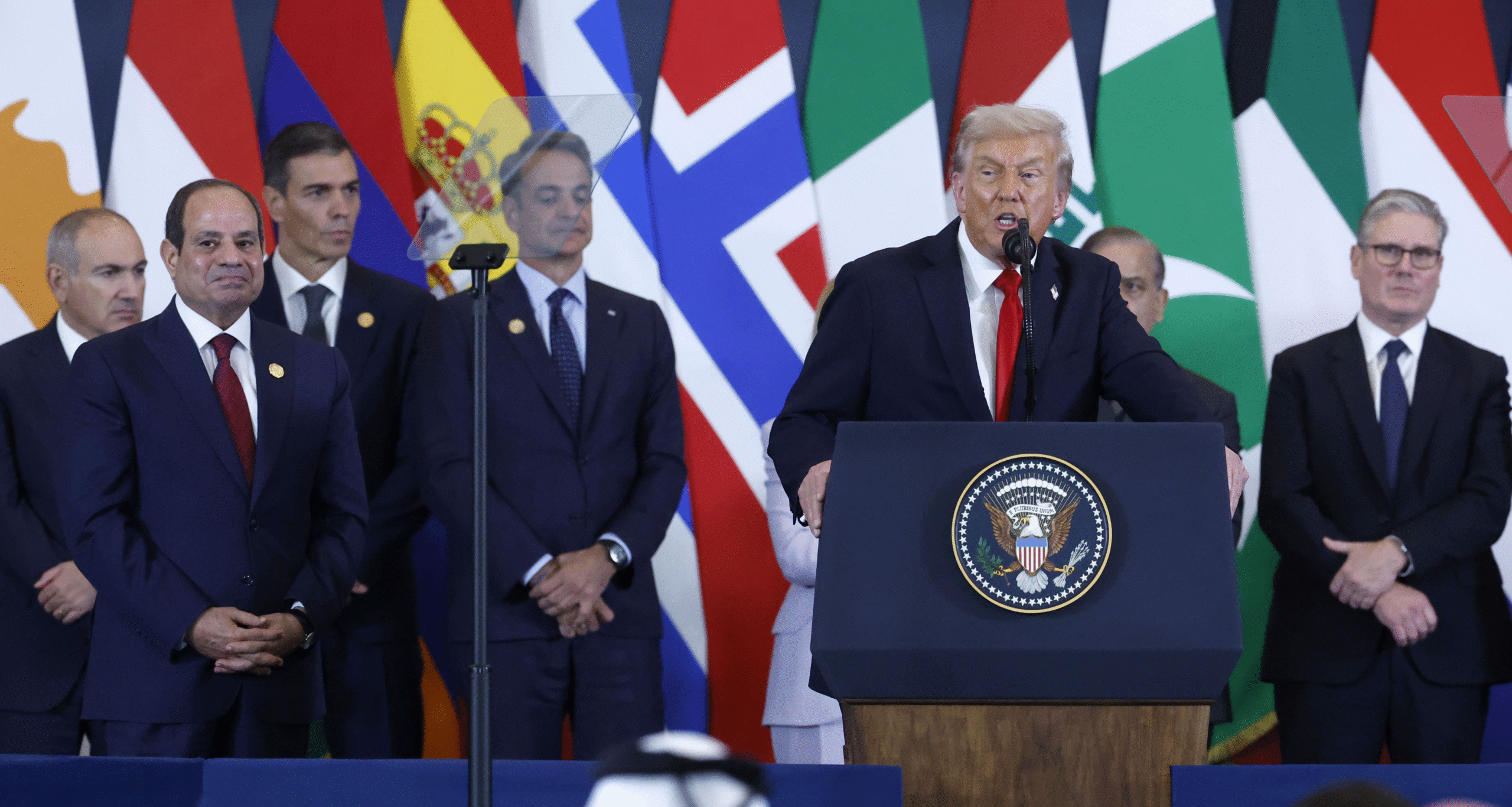
President Donald Trump’s next move on Iran should follow from what he actually wants, and with his legacy at stake, the choice matters. If the ultimate goal is regime change through internal collapse, the logic points to a long squeeze: tighter enforcement of the economic blockade and periodic military strikes to limit Iranian actions in the Strait of Hormuz, a campaign that might outlast his presidency. Whether by design or by drift, that is roughly the course Washington is on today.
How Iraq’s vote will shape the next phase of US-Iran competition
For Iran, Iraq is strategic depth, political sanctuary, and economic lifeline all at once. The results of the November 11 Iraqi elections will decide who in Baghdad controls the budgetary levers, internal security appointments, and committees that could codify, or constrain, Iraq’s Iran-backed militias.
From Ballots to Bargains: The Struggle for Iraqi Democracy
Iraqis have just gone to the polls in a pivotal parliamentary election that could redefine the country’s political trajectory. What do the results tell us about the state of Iraqi democracy? What happens next? And is there still space for meaningful democratic reform?
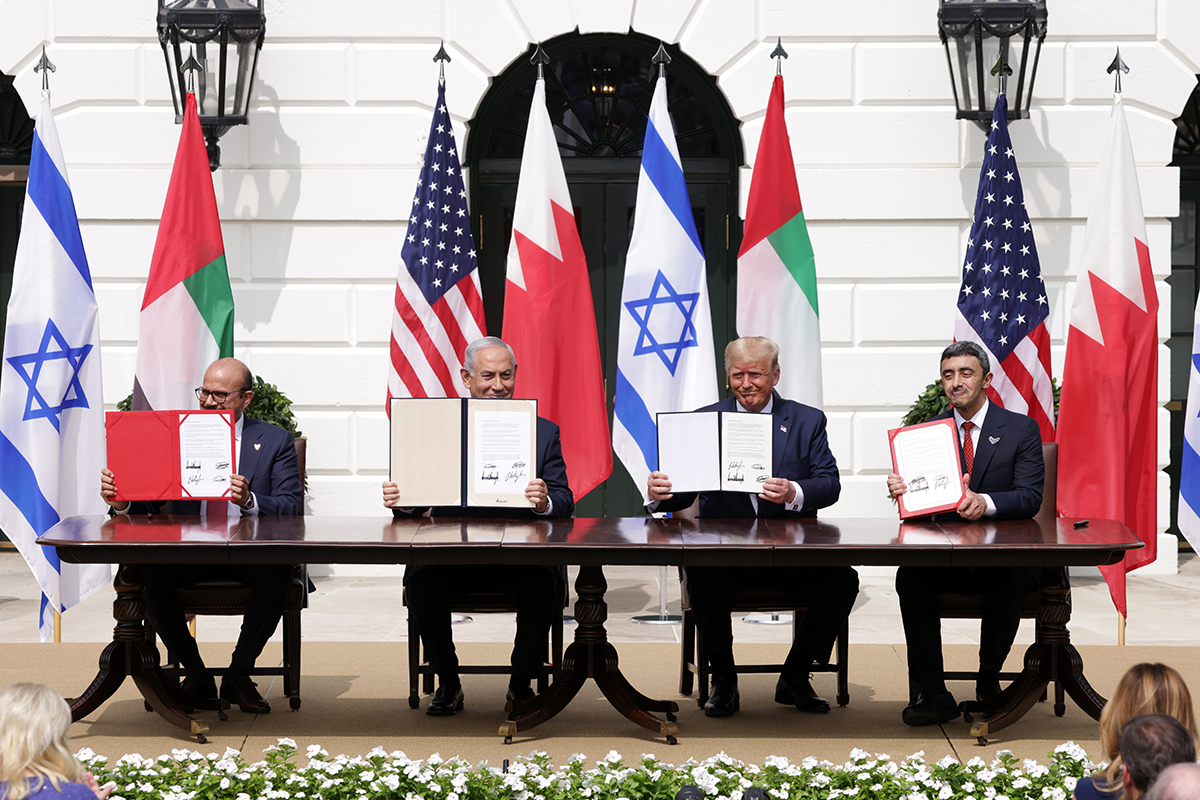
This backgrounder provides an overview of how the Abraham Accords came about, the US interests involved, their economic and strategic consequences, and the prospects for further enlargement going forward.
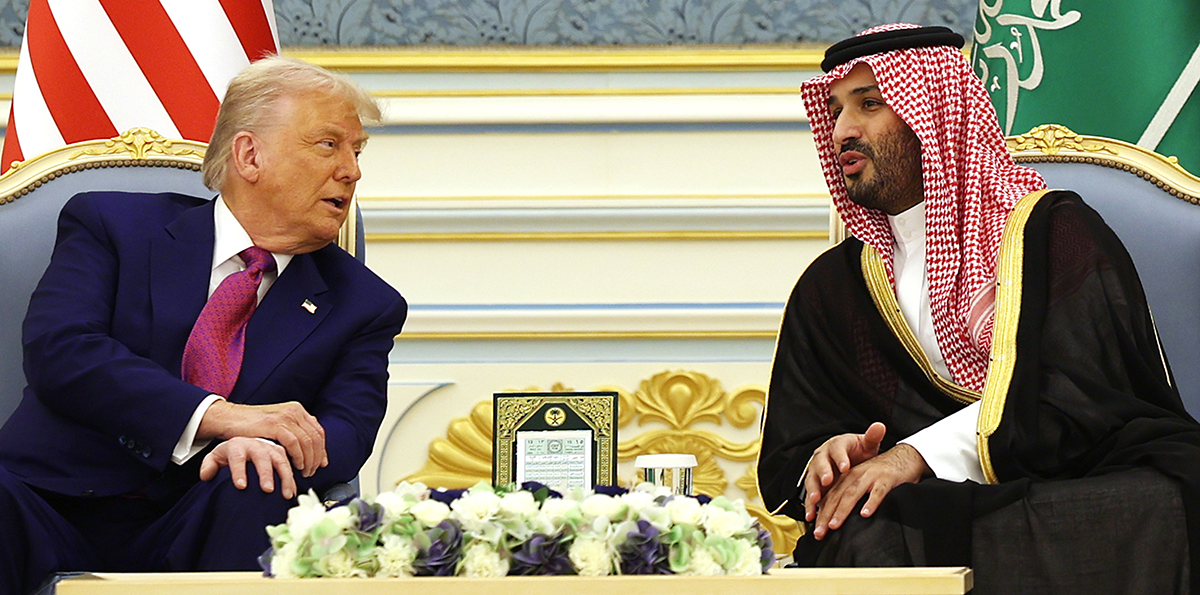
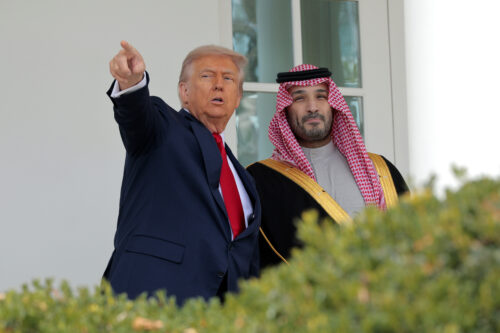
On November 18, Saudi Crown Prince Mohammed bin Salman is scheduled to make his first trip to Washington since 2018. In a new MEI Policy Memo, Daniel Benaim breaks down why it matters for the US and the relevant policy considerations.
On November 18, Saudi Crown Prince Mohammed
bin Salman (MBS) is scheduled to make his first trip to Washington since 2018. President Donald Trump has doubled down on the Gulf from the outset of his second term, making Riyadh his first planned overseas trip and reorienting ties around major artificial intelligence (AI) and investment deals. MBS’s visit will test whether both sides can translate ambitious pledges into concrete outcomes. Significant upgrades in defense and security are expected, with movement possible on semiconductor sales and nuclear cooperation. Behind the ambitions, harder questions about Saudi-Israeli normalization and alignment in a rapidly changing region loom as important Oval Office topics.
Divisions at home hinder America’s ambitions abroad
Over the past week, US President Donald Trump made an extended trip to Asia and threatened military actions against Latin American and African countries. But despite his administration’s continuing ambitions in the Middle East region, few major breakthroughs are expected there in the immediate future due to the government shutdown and unilateral cuts to national security infrastructure.
The legitimacy trap: How international institutions sustain the Houthis’ hold on Yemen
For years, the prevailing assumption was that the Houthis’ survival depended on battlefield victories and Iranian support. Both are essential, but there is a third critical and often overlooked factor: the weaponization of international engagement. In a pattern that continues to repeat itself, engagement without accountability strengthens rather than moderates Houthi behavior.
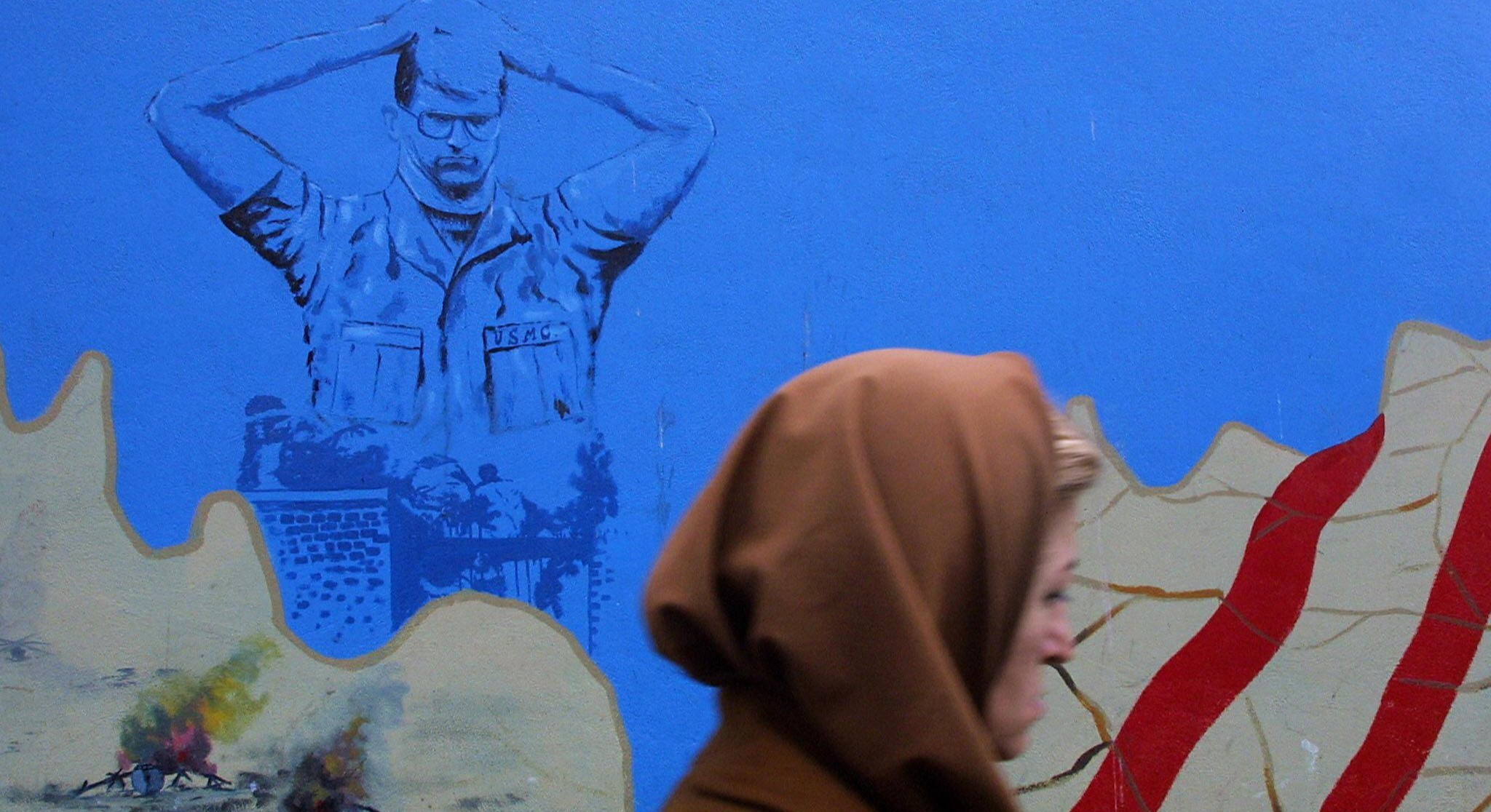
The taboo of regret: Iranian reflections on the seizure of the US embassy in 1979
For decades, the 1979 takeover of the US Embassy in Tehran has symbolized the righteousness of the Islamic Republic of Iran’s revolutionary defiance and the legitimacy of “resistance” as state ideology. To question it is to pry open the logic of the entire enterprise.
US Policy in the Middle East: Third Quarter 2025 Report Card
President Donald Trump continued to rewrite the playbook of US foreign policy this summer and early fall, with mixed results on the global stage but producing some important openings for progress in the Middle East due to a negotiated Gaza cease-fire and hostage-release deal.
Has Pakistan agreed to use nuclear force to defend Saudi Arabia?
Saudi Arabia and Pakistan signed a mutual defense pact on September 17, 2025, declaring that “any aggression against either country shall be considered an aggression against both.” The wording of the agreement sparked speculation that Pakistan might use its nuclear capabilities to defend Saudi Arabia. MEI’s F. Gregory Gause contends otherwise, offering insight into the history and strategic calculations driving the deal. To learn more about the deal, visit our website.
The oldest peer-reviewed publication dedicated to the study of the modern Middle East, MEI’s flagship journal covers politics, society, and culture in the region.