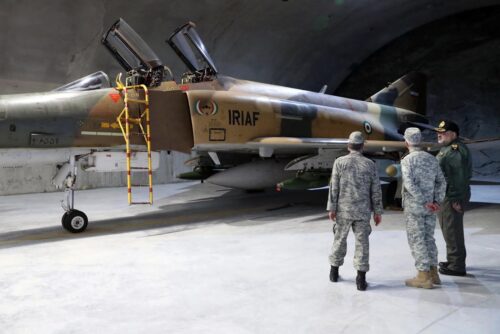
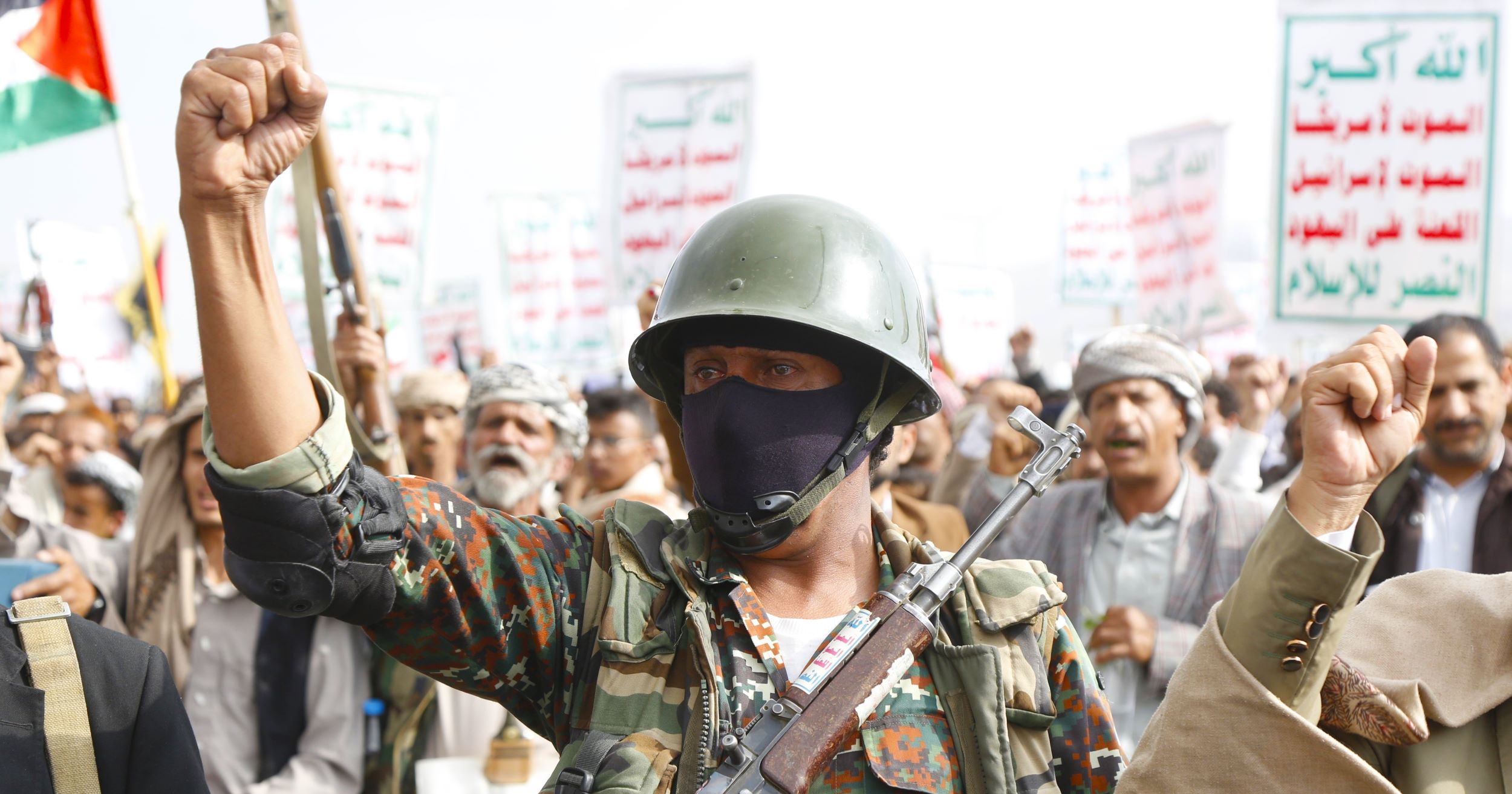
Iran’s Role in Arab Allies’ Underground Warfighting
Hamas, Hizballah and Houthi tunnel networks resemble Iran’s underground missile cities. But their origins reveal a more complicated story of local necessity, Iranian assistance and military adaptation.
Dr. Marwan Muasher: Has the Middle East Really Changed?
Have October 7 and the Iran war remade the Middle East, or just made it more dangerous? In the first episode of Re-Orient, Gönül Tol puts that question to Dr. Marwan Muasher, Jordan’s former Deputy Prime Minister and Foreign Minister. Muasher draws on his extensive career to unpack the key issues driving today’s Middle East, from regional alignments to US influence, and offers insights on what has the potential to shape this volatile part of the world.
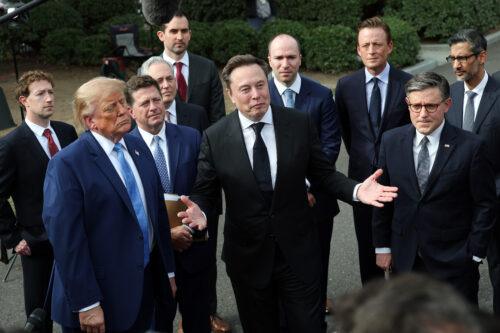
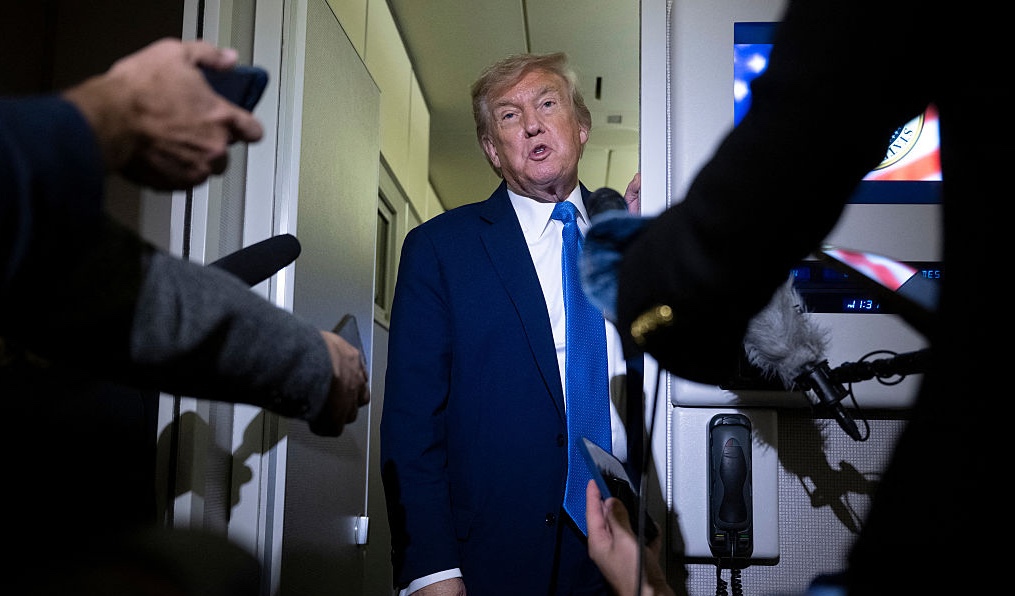
President Donald Trump’s next move on Iran should follow from what he actually wants, and with his legacy at stake, the choice matters. If the ultimate goal is regime change through internal collapse, the logic points to a long squeeze: tighter enforcement of the economic blockade and periodic military strikes to limit Iranian actions in the Strait of Hormuz, a campaign that might outlast his presidency. Whether by design or by drift, that is roughly the course Washington is on today.
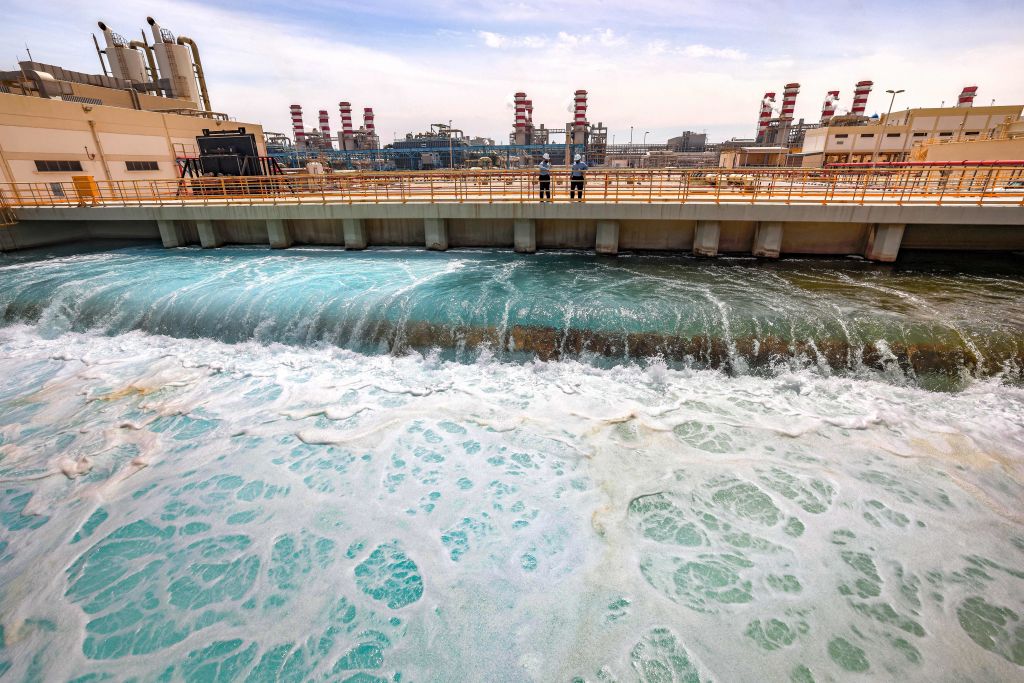
The Gulf’s water crisis: Why cooperation is crucial — and complicated
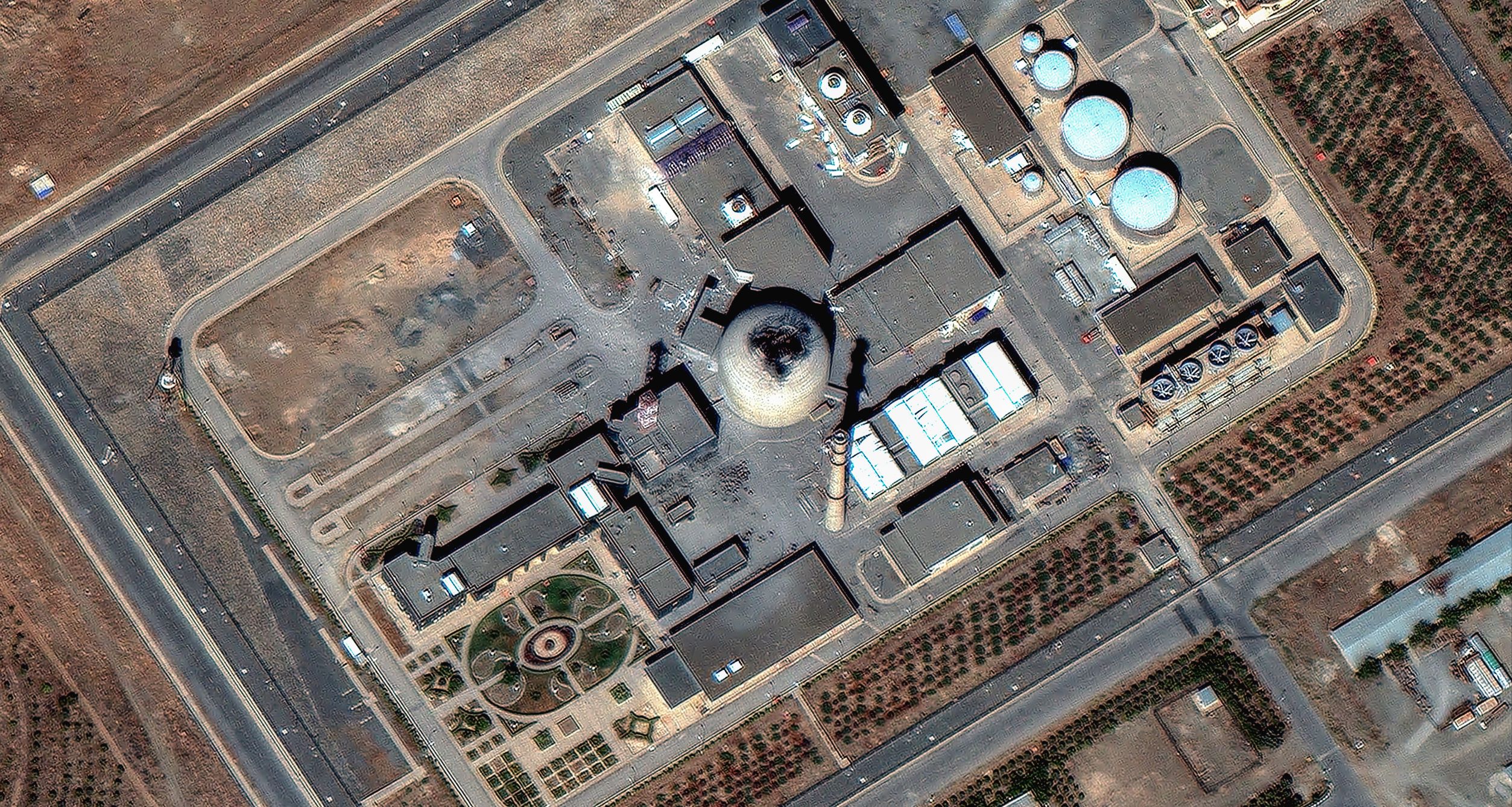
On June 19, false reports of an Israeli strike on Iran’s Bushehr nuclear plant sparked alarm across the Gulf. Though denied by Israeli officials, the claim traces back to a warning from Qatar’s prime minister of a potential catastrophe in the event of nuclear contamination — no water, no food, no life — due to the Gulf’s reliance on desalinated seawater. Gulf governments moved quickly to reassure the public that no radiation had been detected, but the episode underscored the region’s growing sense of vulnerability. A regional approach to water security could help to mitigate such risks.
The balance of power in Yemen after the US-Houthi cease-fire
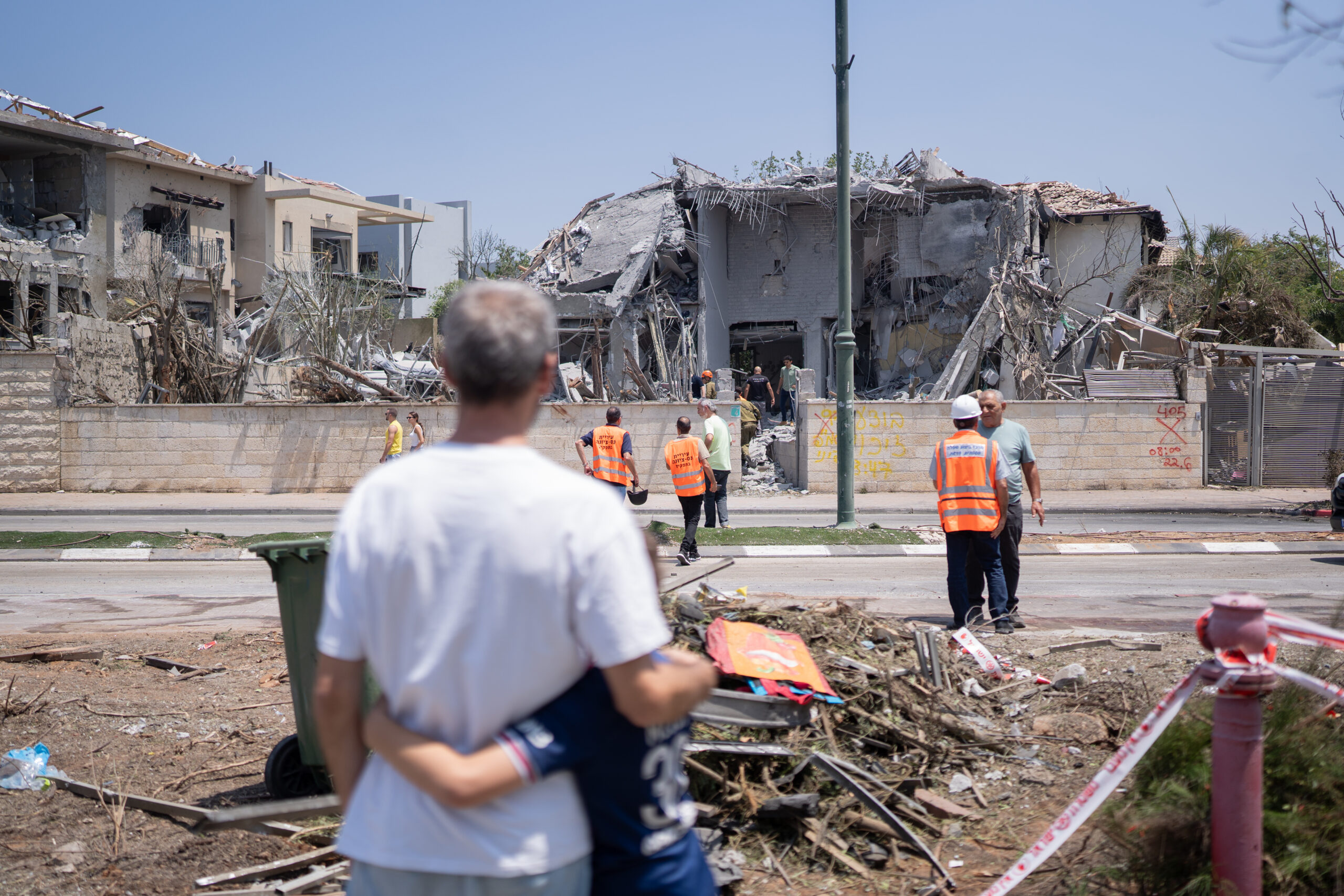
The May 6 cease-fire between the United States and the Houthi militia in Yemen has had a consolidating effect on the balance of power inside the war-torn state and hardened the status quo of the country’s civil war. In turn, the outcome of Israel and Iran’s subsequent 12-day war has the potential to temporarily shake up this status quo once again; but Yemen’s fracturing anti-Houthi coalition is unlikely to be able to exploit that opportunity.
After the 12-Day War: Iran, Israel, and the Future Regional Order
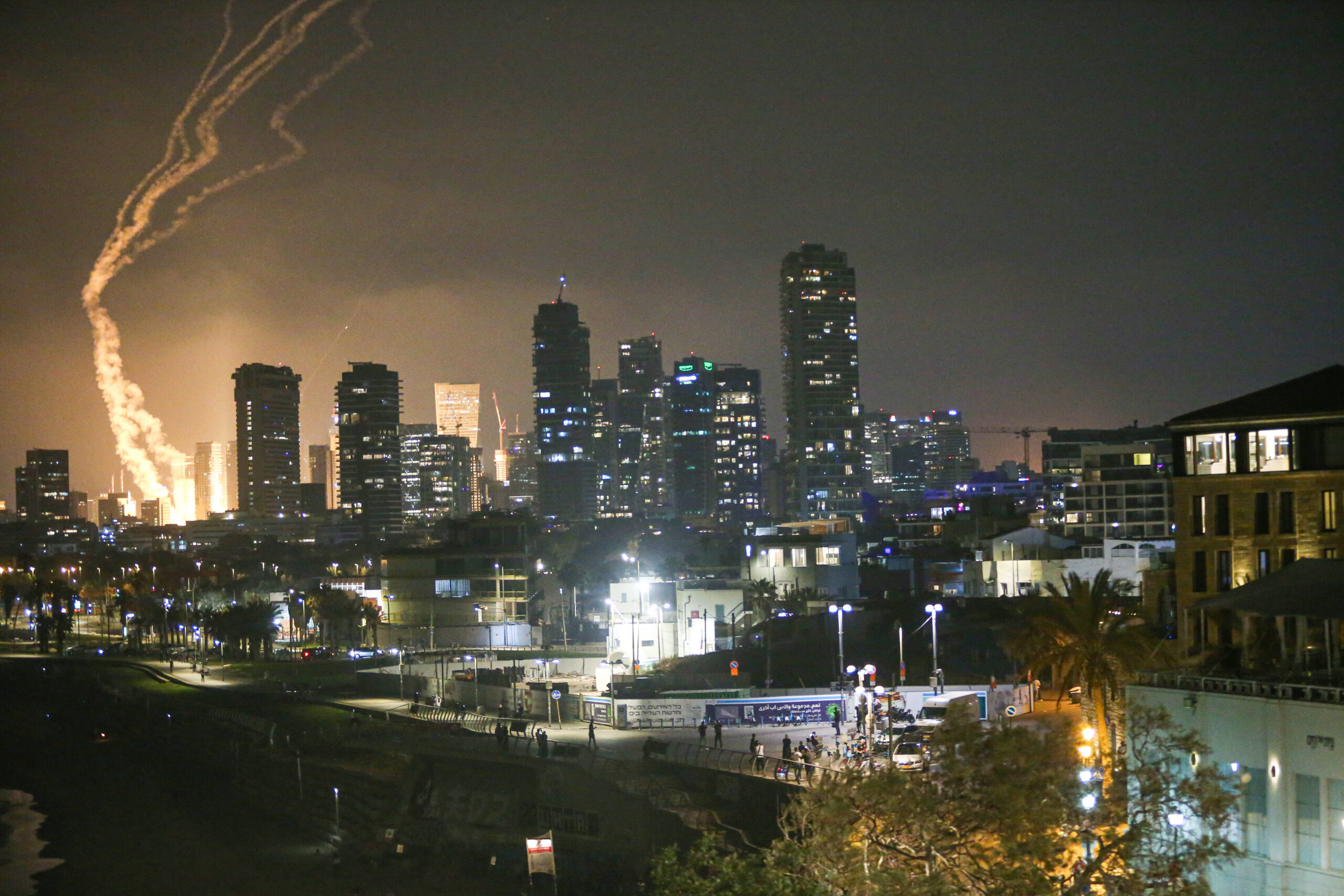
The dust has barely settled following the dramatic 12-day war between Israel and Iran, but its political and strategic reverberations are already shaping the future of the Middle East. In this episode of Middle East Focus, Ross Harrison, senior fellow and book series editor at the Middle East Institute, joins hosts Alistair Taylor and Matthew Czekaj to assess what comes next — from Tehran’s internal power recalibrations to the future of Iran’s forward defense strategy, and shifting regional alliances.
Iraq tries to assert state authority during crisis
The Iraqi government has long navigated a path between maintaining political ties with its Iranian neighbor and Tehran’s allies inside Iraq on the one hand, and preserving its security relationship with the United States on the other. Unsurprisingly, it quickly welcomed US President Donald Trump’s June 23 Israel-Iran cease-fire agreement.
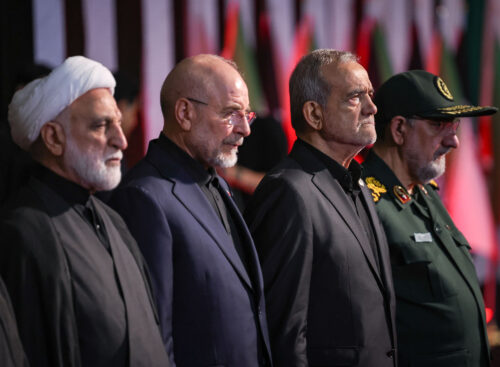
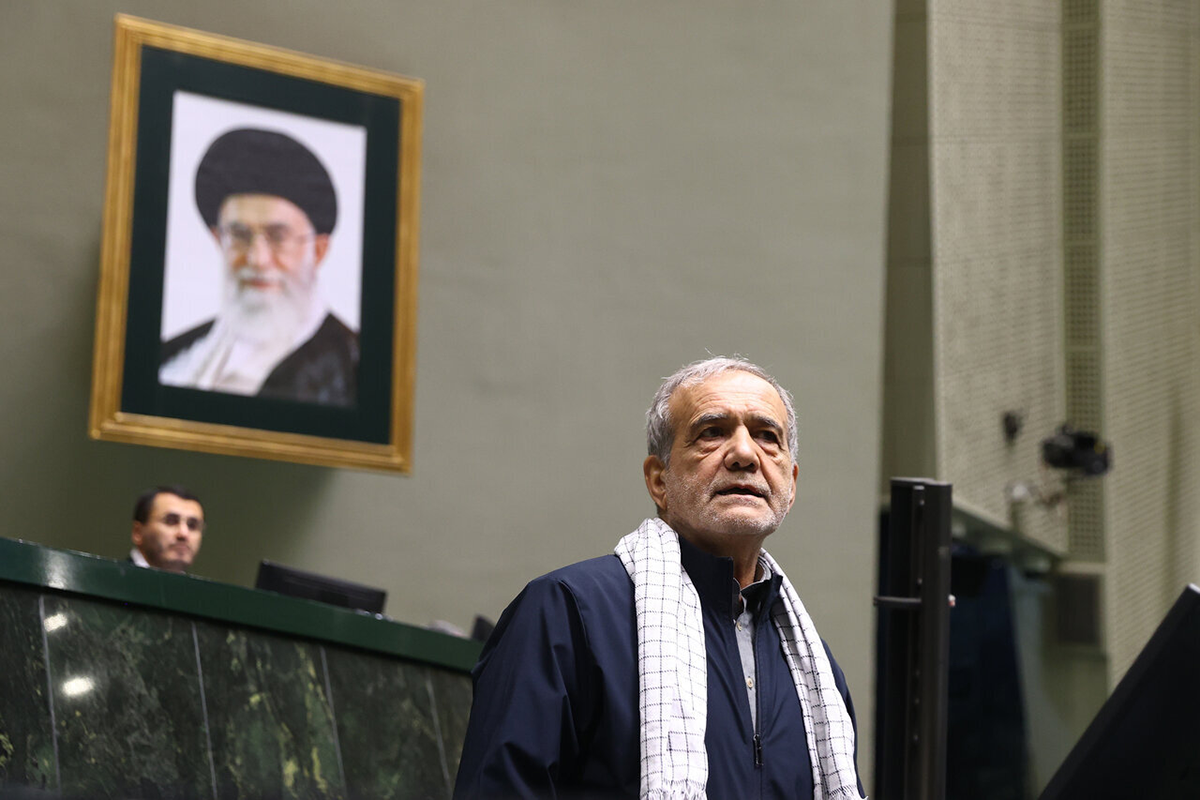
Pezeshkian’s overtures: Cosmetic change or real shift in power?
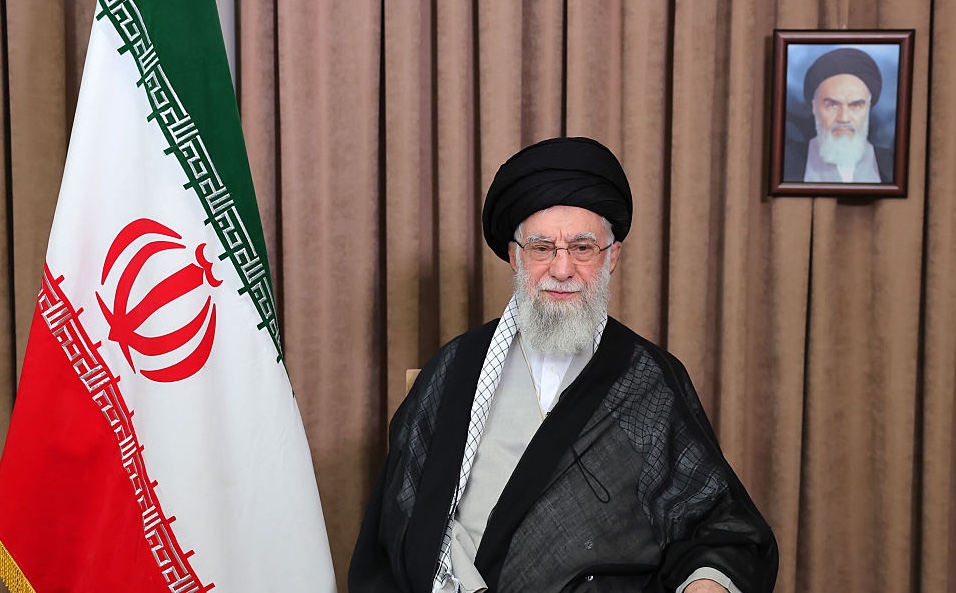
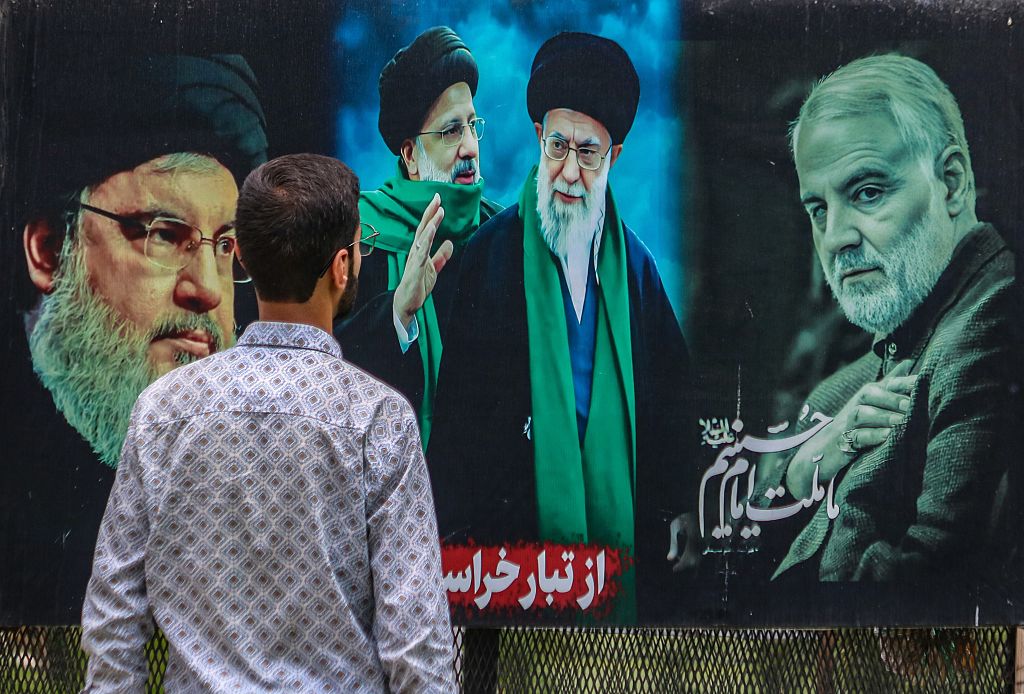
Where is Ali Khamenei? That is the question on the minds of many Iranians and foreign observers in the aftermath of the 12-day war between Iran and Israel. As missiles rained down and retaliatory strikes escalated, one voice was conspicuously absent: that of the supreme leader of the Islamic Republic.
Trump at war with Iran: Regime change, risk, and the hidden battle inside Tehran
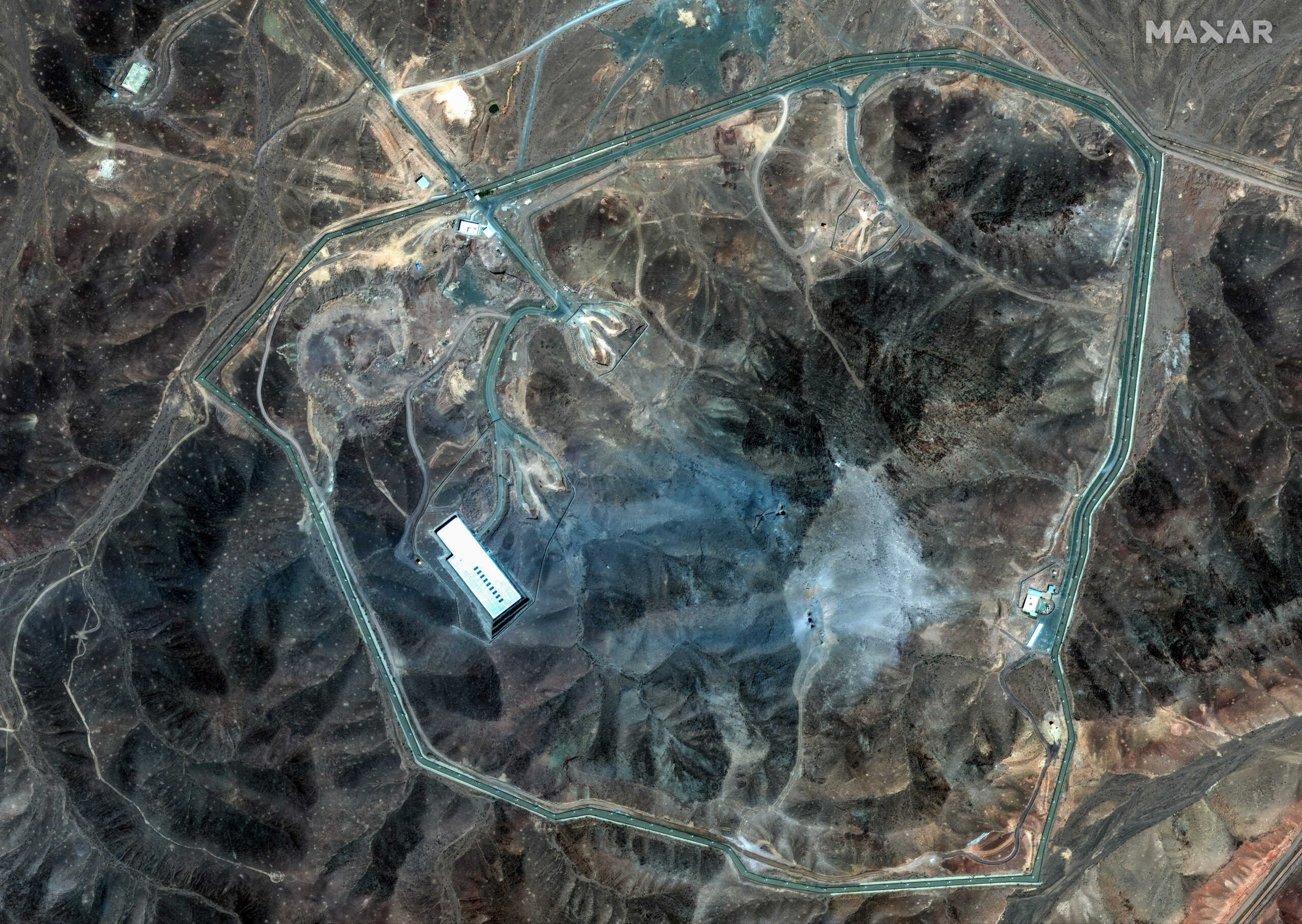
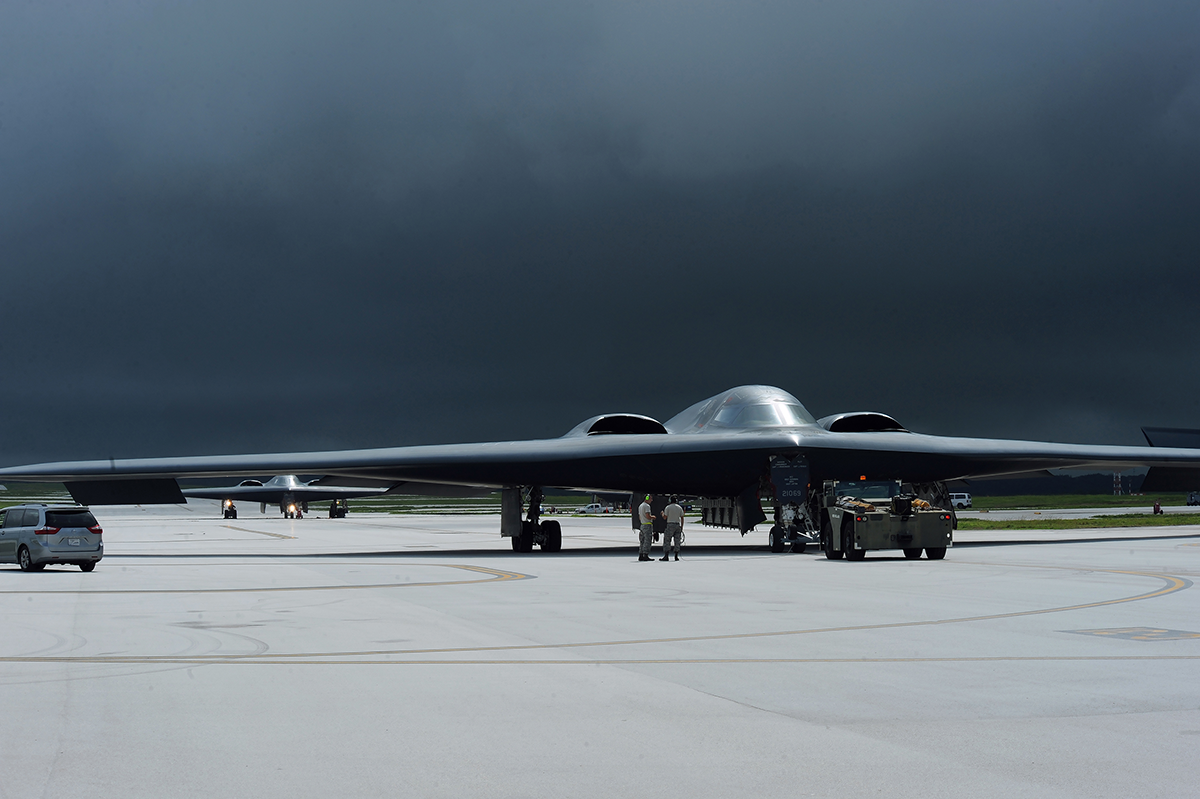
The United States is now at war with Iran, or at least something dangerously close to it. The June 21 US strikes on key Iranian nuclear infrastructure, including the underground Fordow facility, marked a dramatic escalation. Yet Washington has carefully avoided calling this a full-scale war.
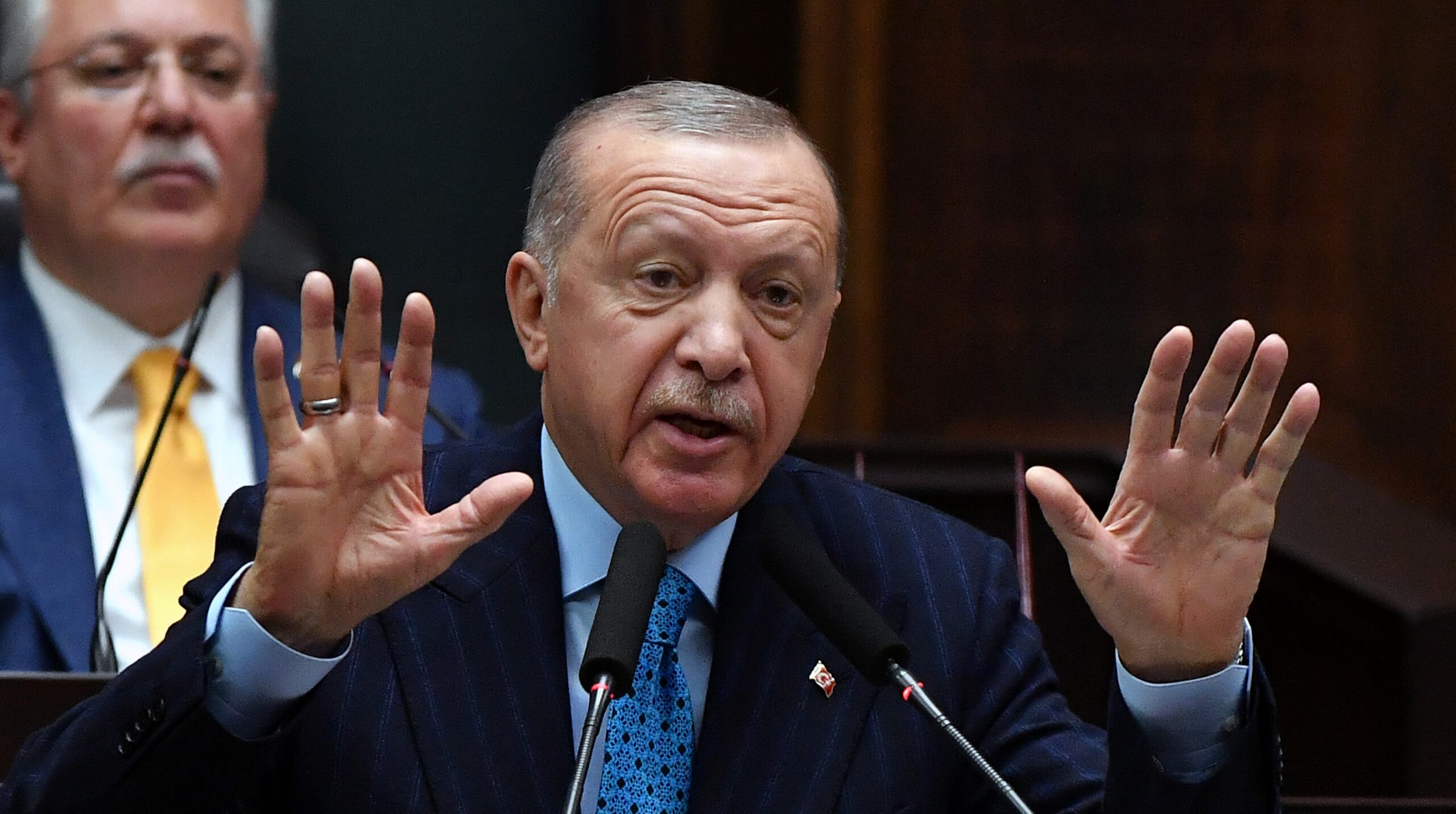
Caught in the crossfire: How the Iran-Israel war undermines Erdoğan’s agenda
Israel’s full-blown war against Iran threatens to upend regional dynamics and Turkey’s careful balancing act. The conflict presents both immediate threats and long-term strategic risks for Turkey.
US has an opening to force concessions from Iran in a potential deal
As the Israel-Iran conflict intensifies, warnings are growing louder that the war could result in hazardous and destructive radiological spillover to much of the region. But the posturing of various key actors in the Gulf and beyond has opened the door to a broader political settlement between the United States and Iran that could end the hostilities before such a dangerous scenario comes to pass.
As the war between Iran and Israel continued, Supreme Leader Ayatollah Ali Khamenei delivered a speech on June 17, framing the conflict as an “imposed war” and calling for national unity. But instead of using this moment to explore diplomatic off-ramps, particularly as President Donald Trump signaled the possible direct participation of the United States in the war on the side of Israel, Khamenei opted for posturing over negotiation and left the Iranian people even more fearful about the future.
A divided and distracted America edges towards another major Middle East war
As the world watches and waits to see whether the conflict between Israel and Iran escalates into a wider war and whether the United States gets more directly involved, Americans remain sharply divided and mostly distracted by events closer to home, for now.
President Donald Trump threatens Iranian Supreme Leader Ali Khamenei. But measured language and disciplined policy can help prevent escalation and protect American interests.
The oldest peer-reviewed publication dedicated to the study of the modern Middle East, MEI’s flagship journal covers politics, society, and culture in the region.