Skip to Content
Iran’s Role in Arab Allies’ Underground Warfighting
  • Analysis
  • Iran’s Role in Arab Allies’ Underground Warfighting

    Hamas, Hizballah and Houthi tunnel networks resemble Iran’s underground missile cities. But their origins reveal a more complicated story of local necessity, Iranian assistance and military adaptation.

    Dr. Marwan Muasher: Has the Middle East Really Changed?
  • Podcast
  • Dr. Marwan Muasher: Has the Middle East Really Changed?

    Have October 7 and the Iran war remade the Middle East, or just made it more dangerous? In the first episode of Re-Orient, Gönül Tol puts that question to Dr. Marwan Muasher, Jordan’s former Deputy Prime Minister and Foreign Minister. Muasher draws on his extensive career to unpack the key issues driving today’s Middle East, from regional alignments to US influence, and offers insights on what has the potential to shape this volatile part of the world.

    In Iran, a Divided Regime Is Not a Paralyzed One
  • Analysis
  • In Iran, a Divided Regime Is Not a Paralyzed One

    President Donald Trump’s next move on Iran should follow from what he actually wants, and with his legacy at stake, the choice matters. If the ultimate goal is regime change through internal collapse, the logic points to a long squeeze: tighter enforcement of the economic blockade and periodic military strikes to limit Iranian actions in the Strait of Hormuz, a campaign that might outlast his presidency. Whether by design or by drift, that is roughly the course Washington is on today.

    Featured Experts

    Filter by
    4590 Results
    Hezbollah's regional challenge
    Middle East Institute
  • Podcast
  • Hezbollah's regional challenge

    Hanin Ghaddar and Kasra Aarabi join host Alistair Taylor to discuss the challenges Hezbollah poses to the region and its key role in Iran’s proxy network, which spans from Iraq to Syria and Lebanon to Yemen.

    May 20, 2021

    Iran’s presidential elections are all about the post-Khamenei era
    Photo by Majid Saeedi/Getty Images
  • Analysis
  • Iran’s presidential elections are all about the post-Khamenei era

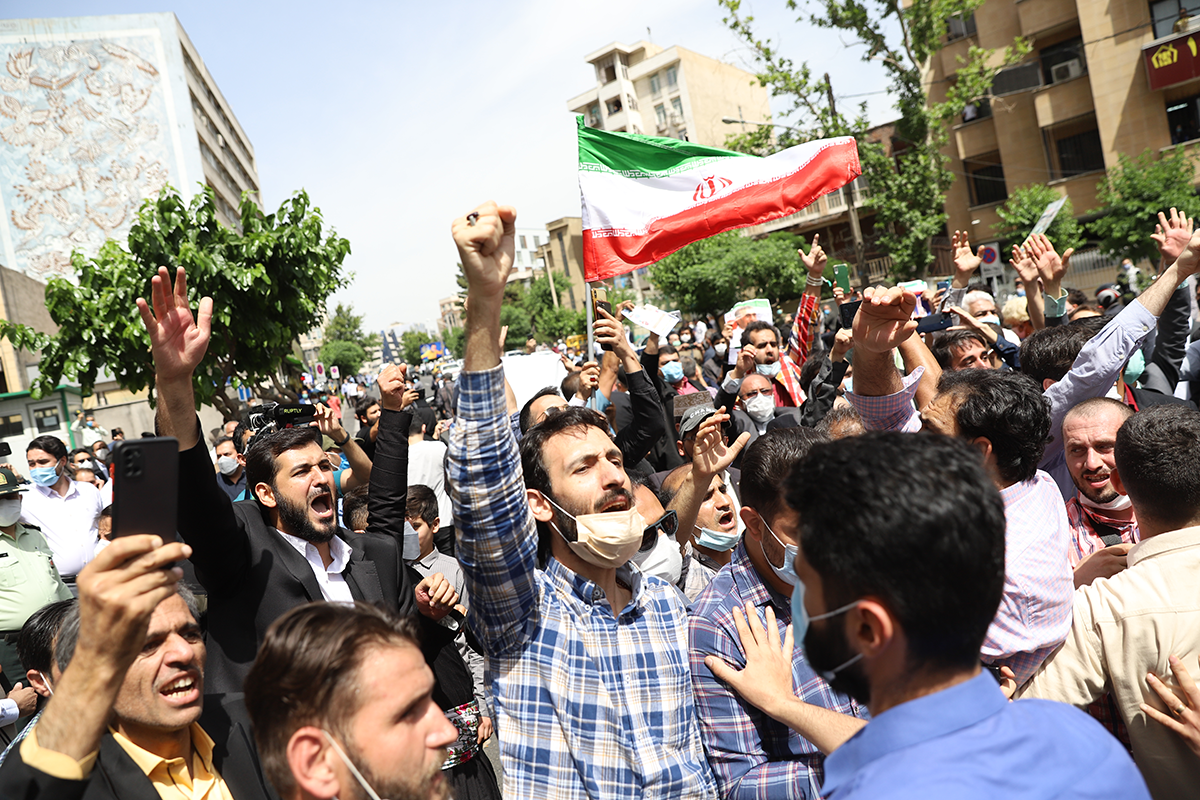
    Iran will hold presidential elections on June 18 and despite considerable efforts by the authorities, the battle at the ballot box is set to be a lifeless affair. A solid majority of Iranian voters have by now entirely lost hope that voting makes any difference. Actual turnout could be as low as 20% as compared to the 73% recorded in 2017. Ayatollah Ali Khamenei, the unelected supreme leader who has ruled over Iran since 1989, is not on the ballot. Nor are the Revolutionary Guards, the armed defenders of the Islamic Republic’s theocratic system. These two institutions wield the real power in Tehran, not the Presidential Palace.

    Reviving the Iran nuclear deal
    Middle East Institute
  • Podcast
  • Reviving the Iran nuclear deal

    Alex Vatanka, Abdolrasool Divsallar, and Michael Eisenstadt join host Alistair Taylor to discuss the high-level talks in Vienna, now in their fifth week, aimed at reviving the 2015 nuclear deal that the Trump administration withdrew the US from in mid-2018.

    May 13, 2021

    The other Iran talks
    ATTA KENARE/AFP via Getty Images
  • Analysis
  • The other Iran talks

    On the margins of Vienna’s nuclear talks, Riyadh and Tehran have opened their own conversation in Baghdad. Despite predictions of a potential grand bargain, Saudi and Iranian identity security will confine the results to a mere cooling of relations, at best. 

    May 13, 2021

    Lights On: Art at the Noor Riyadh Festival
  • Analysis
  • Lights On: Art at the Noor Riyadh Festival

    The rapidly growing state-supported arts infrastructure in Saudi Arabia tends to overshadow the lesser-known history of independent artist-led initiatives. The pioneering modernist Mohammed Alsaleem, for example, is known for establishing Dar Al Funoon Al Sa’udiyyah (The Saudi Art House) in Riyadh in 1979, the first space where artists could gather, work, mentor each other, and stage exhibitions at a time when there were no art schools or galleries. The Kingdom has gone through various stages in its cultural development from the 1960’s oil boom, a time of artistic productivity and government scholarships to study art abroad, to the tumultuous late 1970s of Islamic militancy and religious conservatism until the 2000s. “The 1960s was a time when art flourished in the Kingdom. In Riyadh, exhibitions by modernist painters were held in football clubs in order to engage the public,” says Raneem Farsi, an expert in Saudi Arabian contemporary art, of a time that has influenced her curatorial narrative. Along with Susan Davidson, former senior curator at the Guggenheim Museum, she is co-curator of the exhibition Light Upon Light: Light Art since the 1960s, which runs until June 12.


    May 12, 2021

    How tech is cementing the UAE-Israel alliance
  • Analysis
  • How tech is cementing the UAE-Israel alliance

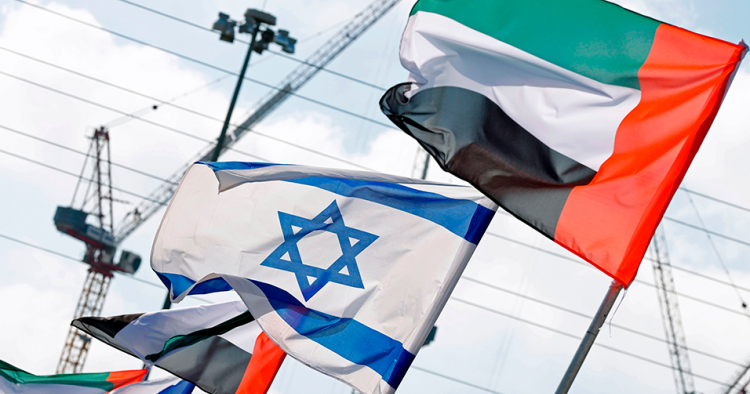
    Since the normalization of UAE-Israel relations was first announced, much of the international commentary only focused on the deal’s political and diplomatic significance. However, the deal will create a new digital order in the Middle East, one in which Israel and the UAE will partner more closely than ever in developing emerging technologies and cyber capabilities. This cooperation will be at the forefront of this UAE-Israel tech order.

    Iranian sanctions evasion and the Gulf’s complex oil trade
    Photo by Ali Mohammadi/Bloomberg via Getty Images
  • Analysis
  • Iranian sanctions evasion and the Gulf’s complex oil trade

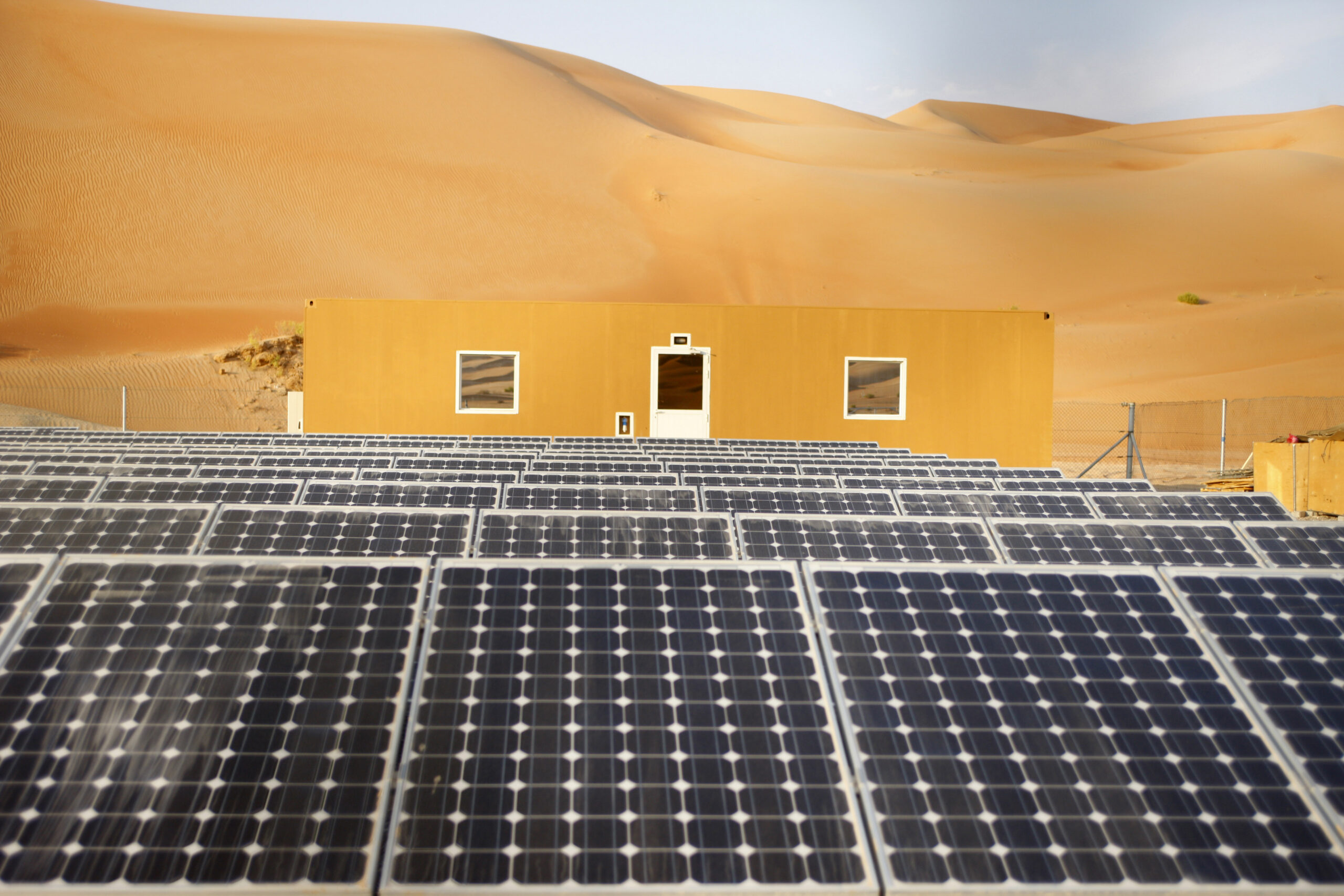
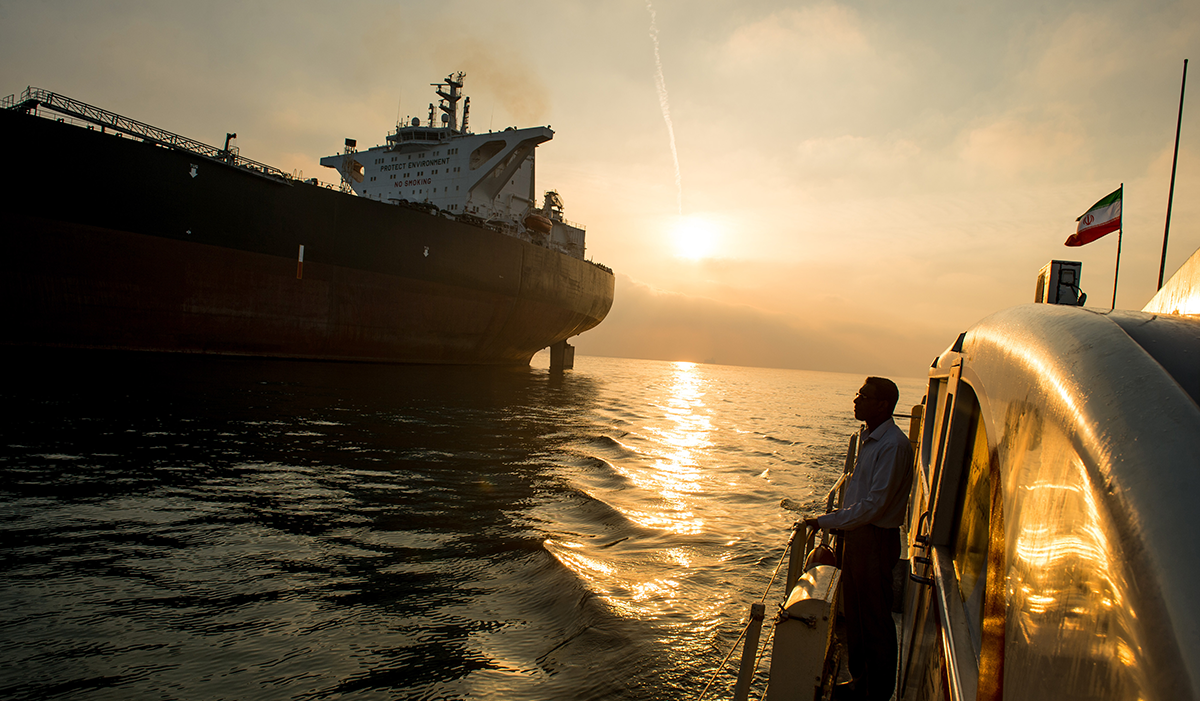
    Sanctions have had a devastating impact on Iran’s oil production and exports, preventing much-needed investment in the country’s ageing fields and barring it from legally exporting crude oil to global customers. Using a range of evasion tactics, however, Iran has succeeded in circumventing sanctions and maintaining a steady — albeit much lower — level of crude exports. The Gulf’s complex regional oil market has facilitated these tactics, providing the perfect environment for trade in oil that U.S. sanctions designate as illicit.

    May 11, 2021

    Reframing Art Dubai
  • Analysis
  • Reframing Art Dubai

    In 2020, the 14th edition of Art Dubai went completely online due to the coronavirus outbreak, with programming focused on performance art and healing curated by Marina Fokidis, a live broadcast of the Global Art Forum, and a digital catalogue. “We didn’t have a model to follow,” Pablo del Val, Art Dubai’s Artistic Director explained. “The online viewing rooms came later and the art industry has shifted to make these platforms meaningful. The future was unknown so we worked blindly.”

    May 7, 2021

    The Houthis and the limits of diplomacy in Yemen
    Photo by Stringer/Getty Images
  • Analysis
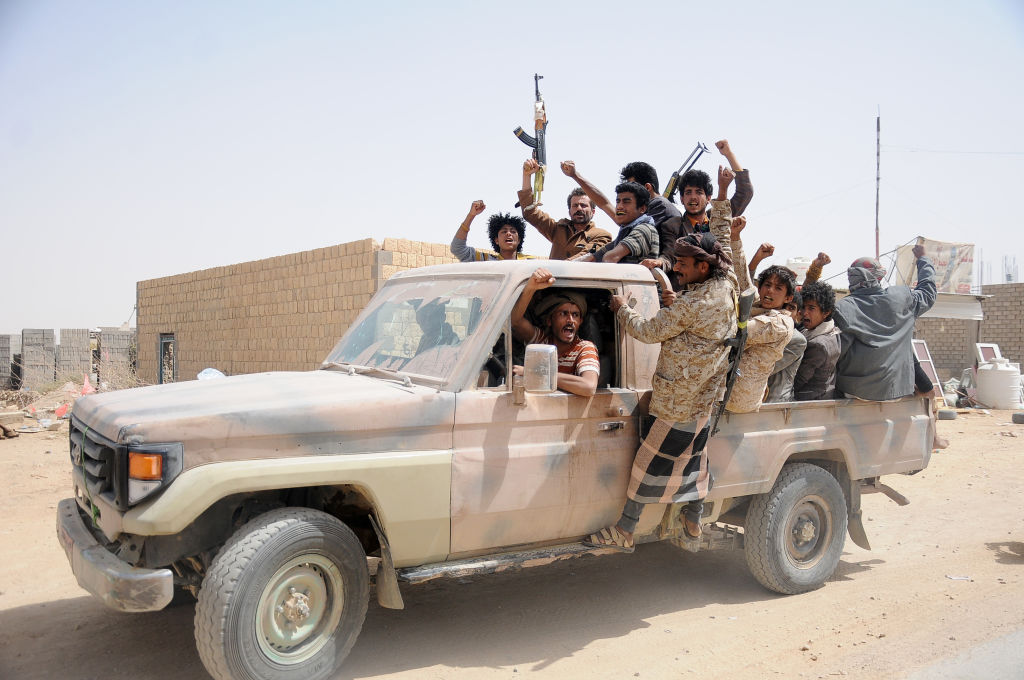
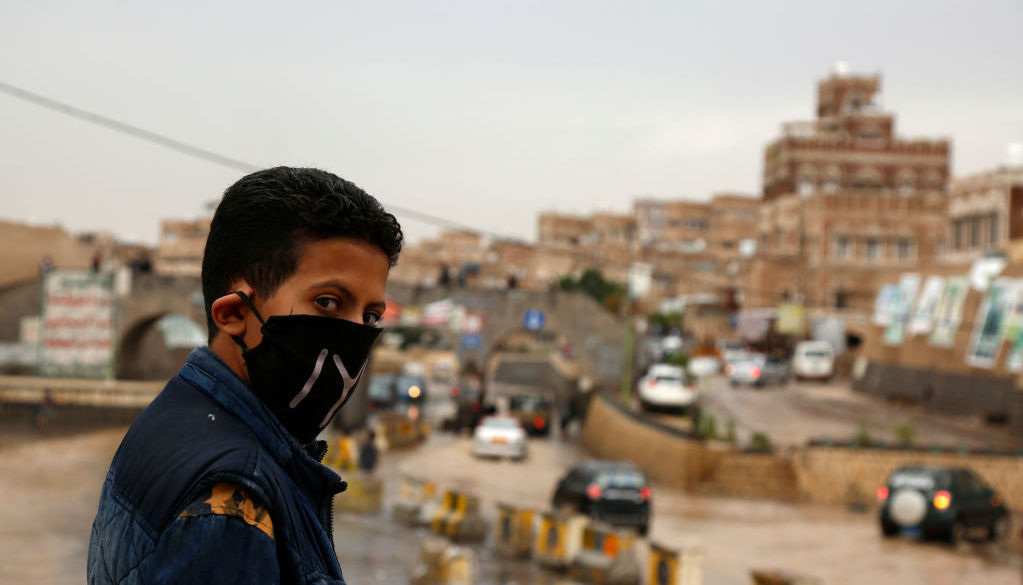
  • The Houthis and the limits of diplomacy in Yemen

    President Joe Biden’s commitment to “stepping up” diplomacy to end the war in Yemen generated hope among peace practitioners and policy shapers. In February, the president appointed Tim Lenderking, a seasoned diplomat with solid experience in the region, as the U.S. special envoy to Yemen.

    بوادر واعدة للانخراط في اليمن، ولكن هناك المزيد الذي يتعين القيام به
  • Commentary
  • بوادر واعدة للانخراط في اليمن، ولكن هناك المزيد الذي يتعين القيام به

    أكثر من أي دولة أخرى في المنطقة، تلقى اليمن اهتمامًا خاصًا من إدارة بايدن. خلال أول 100 يوم من تولي جو بايدن منصبه، أُبلِغَ عن الحاجة إلى إنهاء الدعم العسكري للسعودية (مع ترك الباب مفتوحًا للدفاع عن المملكة) ودفع من أجل تحقيق السلام في اليمن، وكذلك شطب الحوثيين من قوائم الإرهاب، وهو التصنيف الذي فرضته إدارة ترامب. كما عيَّن تيم ليندركينغ مبعوثًا خاصًا لليمن، مما أعطى الزخم لأهمية عملية صنع السلام لهذا البلد.

    May 6, 2021

    EU-Iran relations: Toward a diplomatic confrontation?
    Photo by Olivier HOSLET / POOL / AFP) (Photo by OLIVIER HOSLET/POOL/AFP via Getty Images
  • Analysis
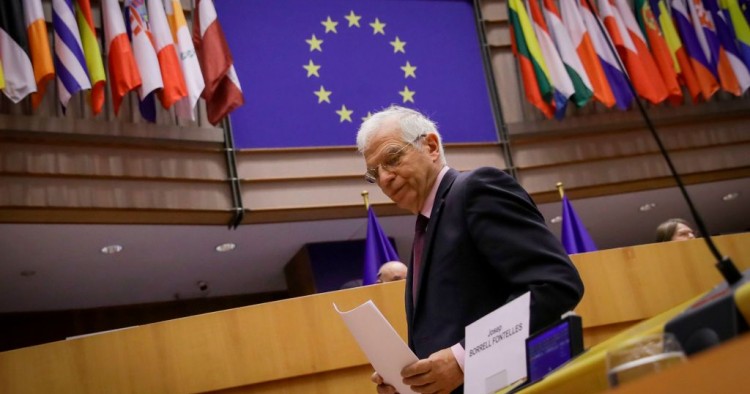
  • EU-Iran relations: Toward a diplomatic confrontation?

    When the EU’s high representative for foreign affairs and security policy, Josep Borrell Fontelles, took office in December 2019, he emphasized the need to preserve the 2015 Joint Comprehensive Plan of Action (JCPOA) and cooperate with Iran. At the same time, he criticized then-U.S. President Donald Trump for maintaining extended sanctions — which in practice prevented leading European firms from concluding large contracts with partners in Iran — and for the U.S.’s withdrawal from the provisions of the treaty.

    May 4, 2021

    Once again, Iraq is at a crossroads
    Photo by Murtadha Al-Sudani/Anadolu Agency via Getty Images
  • Analysis
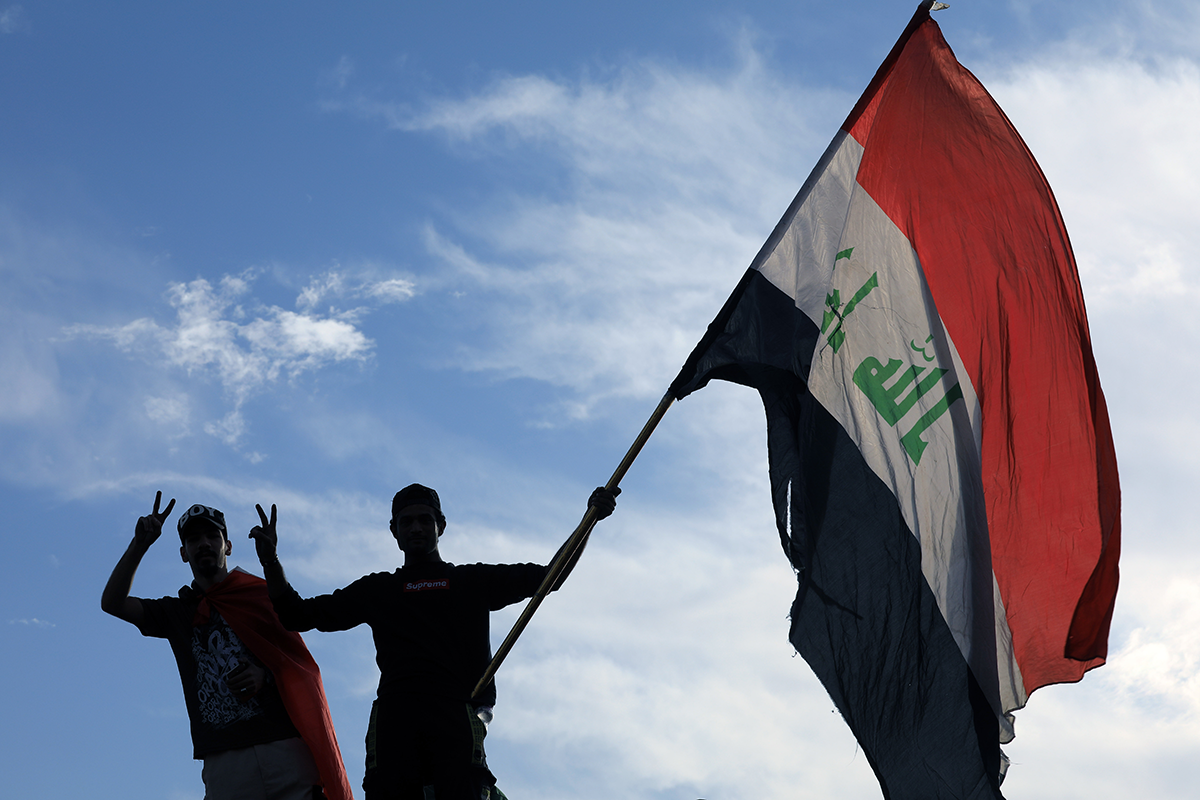
  • Once again, Iraq is at a crossroads

    Although it has been more than 18 months since Iraq’s October 2019 protests, many of the big questions raised remain unanswered, most of which revolve around the sustainability of the post-2003 political system and its ability to correct itself over time.

    May 3, 2021

    Read the Middle East Journal

    The oldest peer-reviewed publication dedicated to the study of the modern Middle East, MEI’s flagship journal covers politics, society, and culture in the region.