The Americans Are Gone. Will Iraq’s Militias Disarm?
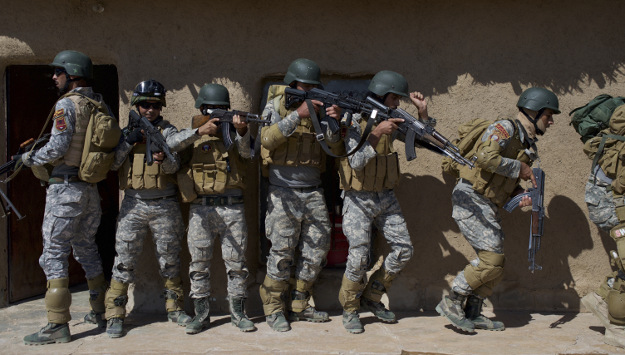
On September 30, the US completed its military withdrawal from Iraq, ending a 12-year-long mission to combat ISIS that began in 2014. The date was also meant to be the deadline for disarming the largely Iranian-backed militias known as the Popular Mobilization Forces (PMF), but Prime Minister Ali al-Zaidi has now pushed that cutoff back to June 30, 2027. MEI Distinguished Diplomatic Fellow Amb. (ret.) Robert S. Ford joins hosts Alistair Taylor and Matthew Czekaj to discuss what the US military withdrawal means for Iraqi security and the nature of the bilateral relationship going forward. They also speak about what it will take for Baghdad to bring the PMF militias to heel, and how Iraq may navigate the post-Iran war era.
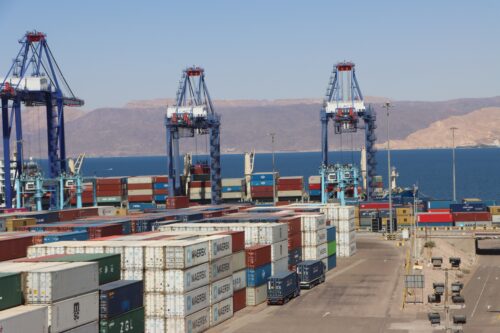
Jordan’s Economy Weathers Iran War’s Shocks and Finds New Opportunities
In the summer of 2003, King Abdullah II told Bloomberg Jordan sits “between Iraq and a hard place,” a play on words designed to describe the kingdom’s challenging environment to an American audience amid the US-led Iraq war to the east and the lingering Palestinian-Israeli conflict to the west. Jordan is grappling with a much “harder place” today.
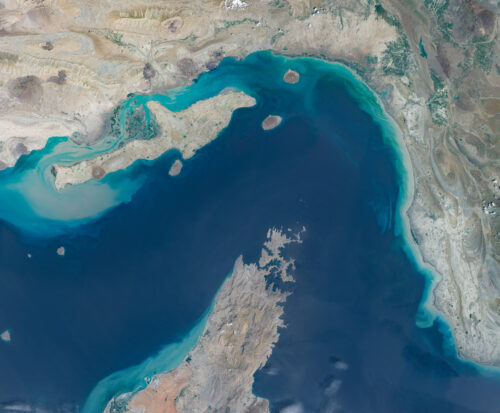
Proponents of the war with Iran have taken recent increases in crude-oil flows through the Strait of Hormuz as proof that the US strategy is finally working. President Trump is so confident in this that he recently rejected a seven-day plan, set forward by Iran’s foreign ministry, to end the war and open the strait. The United States is “winning tremendously,” Trump boasted.
Senior Iranian Official Says Regime’s Opposition to US and Israel to Continue
The secretary general of Iran’s Supreme National Security Council (SNSC), Ali Shamkhani, says latest political and economic deals signed with various countries will not impact Tehran’s fundamental foreign policy priorities.
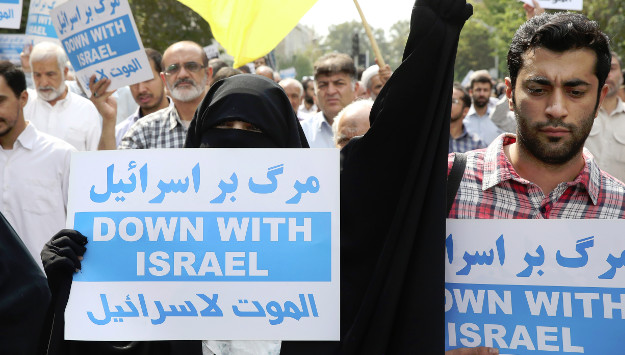
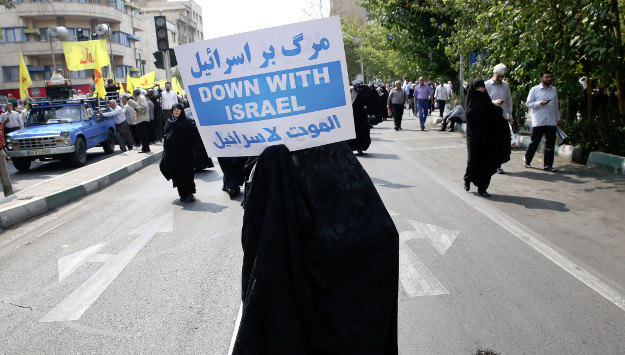
Iran's Hardliners Defy EU's Call to Soften Anti-Israel Stance
On October 25, as the parliament of the European Union condemned Iran’s hostile posture toward Israel, a number of Iranian hardline sites published articles aimed at tormenting the Jewish state.
In an ideal world, the ousting of a militant group that has openly committed genocide and engaged in ethnic and religious cleansing ought to be followed by an affirmation of national unity. This sadly is not the case in Iraq’s war-torn Nineveh province.
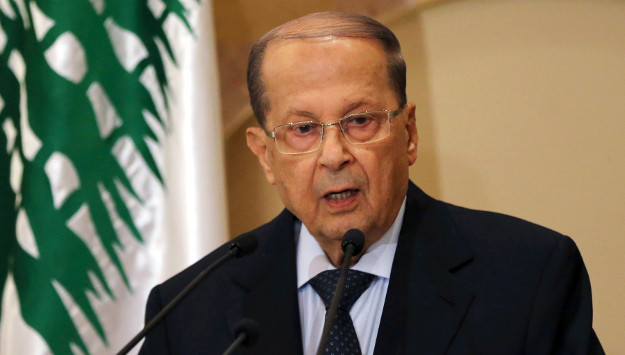
Monday Briefing: Lebanon Set to Elect President; Steady Progress toward Mosul
In this week’s Monday Briefing, MEI experts Paul Salem and Charles Lister provide analysis on recent and upcoming events including the expected election of Michel Aoun as president of Lebanon and the operation to expel ISIS from Mosul.
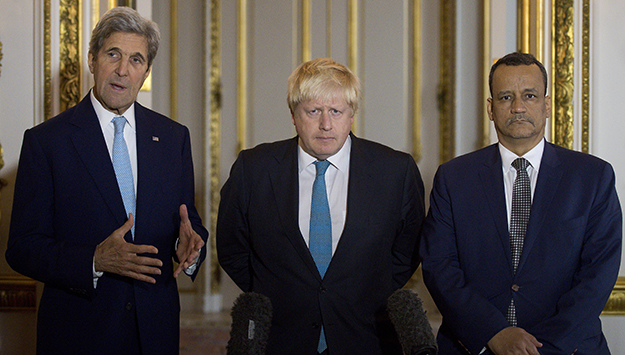
The State Department has welcomed an agreement among all Yemeni parties and the Saudi-led coalition to observe a 72-hour cease-fire beginning on October 19. The warring factions agreed to “implement a full and comprehensive halt to military activities of any kind and help facilitate the delivery of humanitarian assistance to Yemenis across the country.”[i]
Iran’s Oil Minister Comes Out Swinging in Showdown with Hardliners
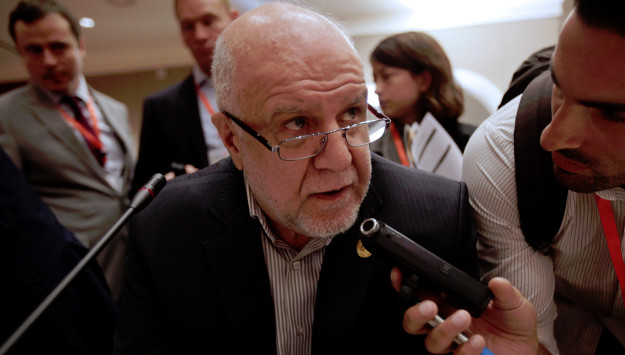
Just a few days after President Hassan Rouhani removed three of his ministers under pressure from his domestic critics, Oil Minister Bijan Zangeneh has come out on the offensive against his critics.
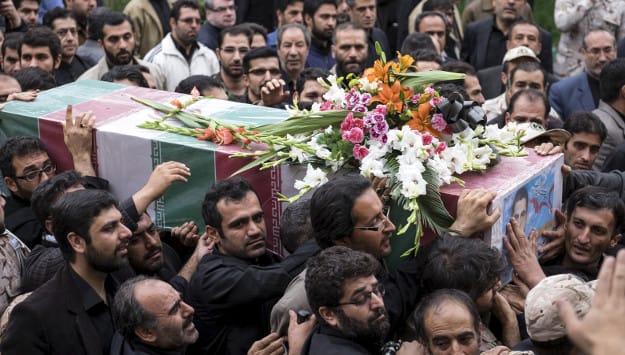
The leadership of the IRGC in Iran has unveiled a new policy of recruiting local volunteers among Iranians to fight on the side of Bashar al-Assad’s forces in Syria.
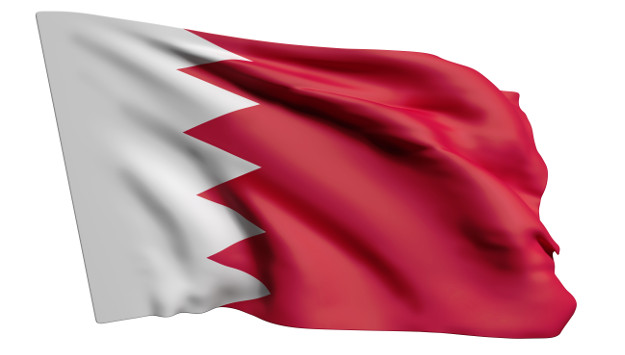
A number of Iranian hardline media outlets are presently running articles condemning the Bahraini government for its treatment of the country’s Shiite political leadership. On October 20, the offices of Al-Wefaq National Islamic Society, a large Shiite political party, were reportedly raided by the Bahraini authorities. Calling it a “historical and strategic mistake,” the Iranian foreign ministry is urging Manama to reach a political settlement on the issue of Shiite political representation in Bahrain.
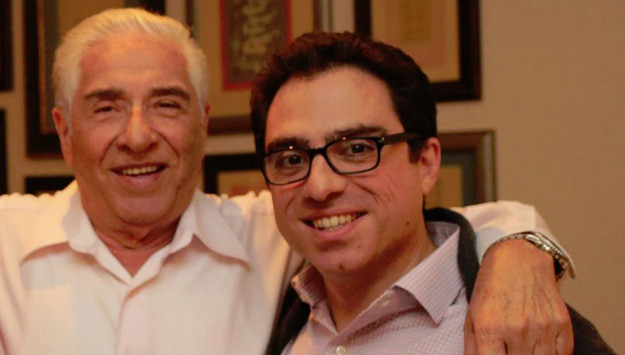
Iran Wrongfully Arrests Iranian-Americans for Potential Prisoner Swap
Fars News, a hardline outlet that promotes the views and interests of the Islamic Revolution Guard Corps (IRGC), ran a so-called exposé on the latest arrests of six individuals charged with collaborating with the United States with the aim of toppling the Iranian regime.
On September 23-24, the Middle East Institute’s Initiative for Track II Dialogues convened its ninth meeting of the Middle East Dialogue in Muscat, Oman. Participants included current and former officials and senior experts from Saudi Arabia, Lebanon, Egypt, Turkey, United Arab Emirates, Syria, Iraq, the Kurdistan Regional Government, Iran, Russia, China, the United States, and the United Nations.
Monday Briefing: Huge Humanitarian Challenges in Mosul
In this week’s Monday Briefing, MEI experts Randa Slim, Gonul Tol, Charles Lister, and Paul Salem provide analysis on recent and upcoming events including potential fallout from the battle for Mosul, how the row between Turkey and Iraq will complicate the operations in Mosul, the implications of ISIS’ loss of Dabiq, and recent military cooperation between Egypt and Russia.
Iraq and Syria: Regional and International Dimensions
October 14, 2016 – In this interview Randa Slim discusses the latest diplomatic and political developments in the Syrian crisis and the regional battle against ISIS, including challenges to be dealt with in the aftermath of an offensive to retake Mosul, with host Paul Salem.
The oldest peer-reviewed publication dedicated to the study of the modern Middle East, MEI’s flagship journal covers politics, society, and culture in the region.