Skip to Content
The India-Middle East-Europe Economic Corridor
  • Backgrounder
  • The India-Middle East-Europe Economic Corridor

    The India-Middle East-Europe Economic Corridor (IMEC) is a proposed multinational infrastructure initiative aimed at upgrading connectivity between the three regions through integrated trade, energy, and digital networks. Announced at the G20 summit in New Delhi in September 2023, IMEC is envisioned partially as a counterweight to China’s international infrastructure project, the Belt and Road Initiative.

    June 3, 2026

    Featured Experts

    Filter by
    4435 Results
    Ahmadian’s appointment completes Khamenei’s purification project
    Photo by KHAMENEI.IR/AFP via Getty Images
  • Analysis
  • Ahmadian’s appointment completes Khamenei’s purification project

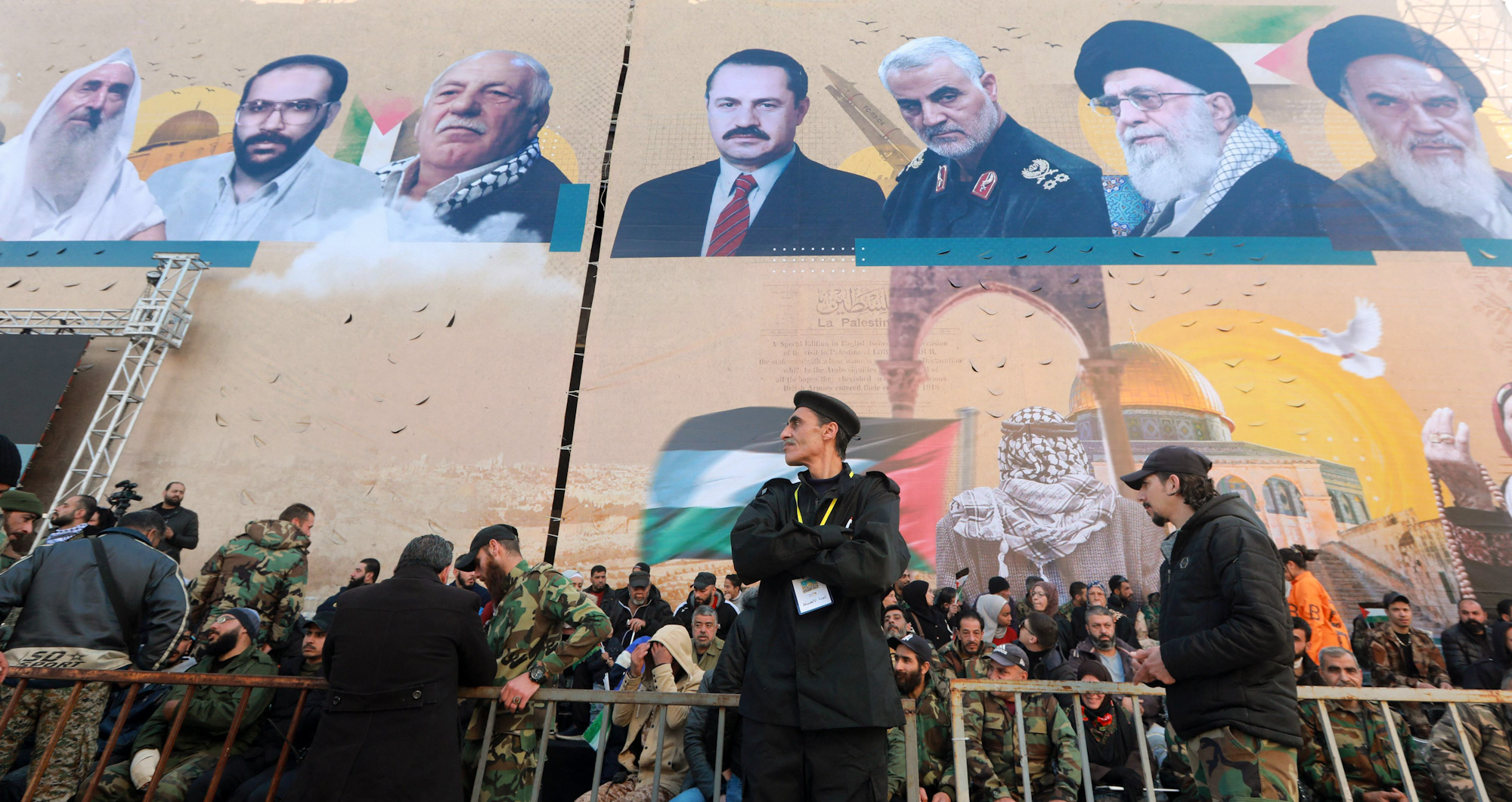
    The recent removal of IRGC commander Ali Shamkhani from his role as the head of the Islamic Republic of Iran’s top foreign and security policy body, the Supreme National Security Council (SNSC), has triggered assessments about the potential implications for Tehran’s external calculus. But the changes at the SNSC should not be viewed in isolation. Rather, they must be understood and assessed in the context of a much deeper transformational project that began in 2019, personally spearheaded by Supreme Leader Ayatollah Ali Khamenei.

    June 6, 2023

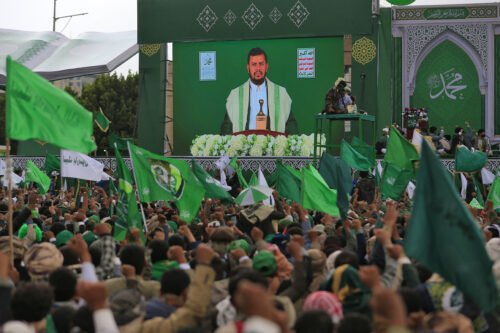
    The Houthi partnership model: Is there a strategy behind the tactics?
    Photo by Mohammed Hamoud/Anadolu Agency via Getty Images
  • Analysis
  • The Houthi partnership model: Is there a strategy behind the tactics?

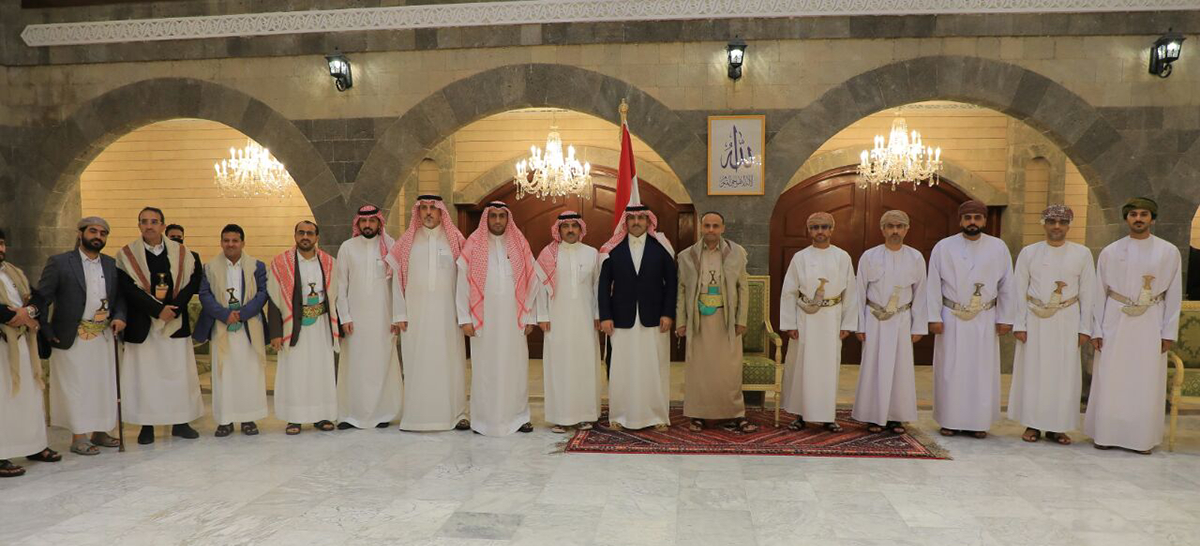
    With the international community viewing the latest “de-escalation roadmap” as paving the way for yet another transitional power-sharing agreement in an effort to “end” Yemen’s protracted conflict, it is useful to review how the Houthis have navigated past partnerships to understand how things may play out in the future.

    June 6, 2023

    Iran’s security chief Shamkhani did his job but had to go
    Middle East Institute
  • Analysis
  • Iran’s security chief Shamkhani did his job but had to go

    Late last month, Iran’s Supreme Leader Ali Khamenei opted to replace the secretary of the Supreme National Security Council (SNSC), Ali Shamkhani. The latter’s removal after 10 years spent in this key role has generated much speculation, misinformation, and outright disinformation.

    Diagnosing Iran’s emerging pivot toward Russia and China
    Photo by ALEXANDR DEMYANCHUK/SPUTNIK/AFP via Getty Images
  • Analysis
  • Diagnosing Iran’s emerging pivot toward Russia and China

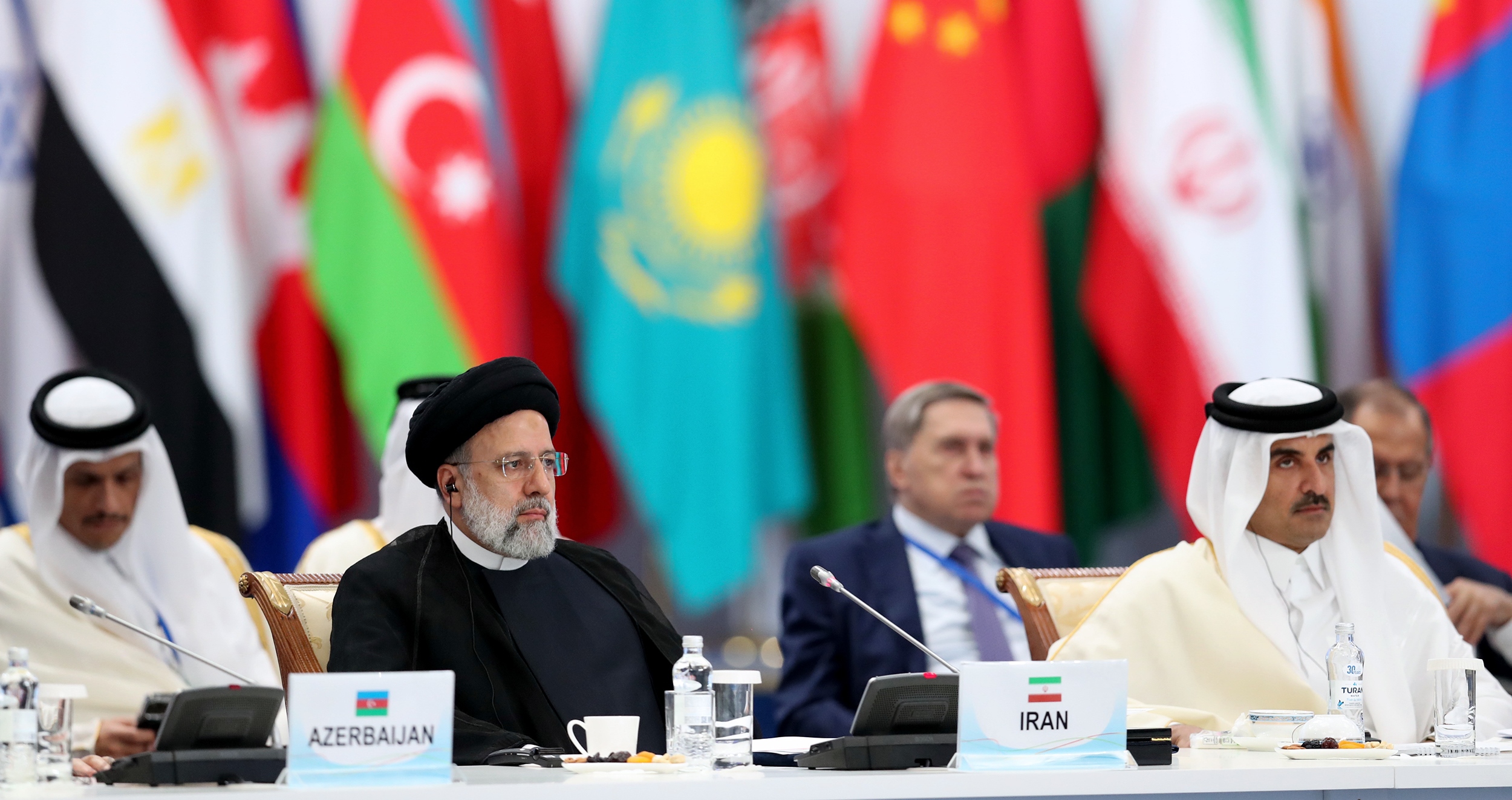
    Since Raisi’s election to the presidency, Iran is pursuing a two-tiered foreign policy: a vigorous and determined shift toward Russia and China on the one hand, while, on the other hand, making incremental concessions on its nuclear program to give the impression that another deal can be struck to replace the JCPOA. The former approach is being implemented with almost zero fanfare and the latter with extensive publicity.

    June 1, 2023

    Putting Diplomacy First in the Middle East: Creating Incentives for De-Escalation
    Photo by LUDOVIC MARIN/AFP via Getty Images.
  • Analysis
  • Putting Diplomacy First in the Middle East: Creating Incentives for De-Escalation

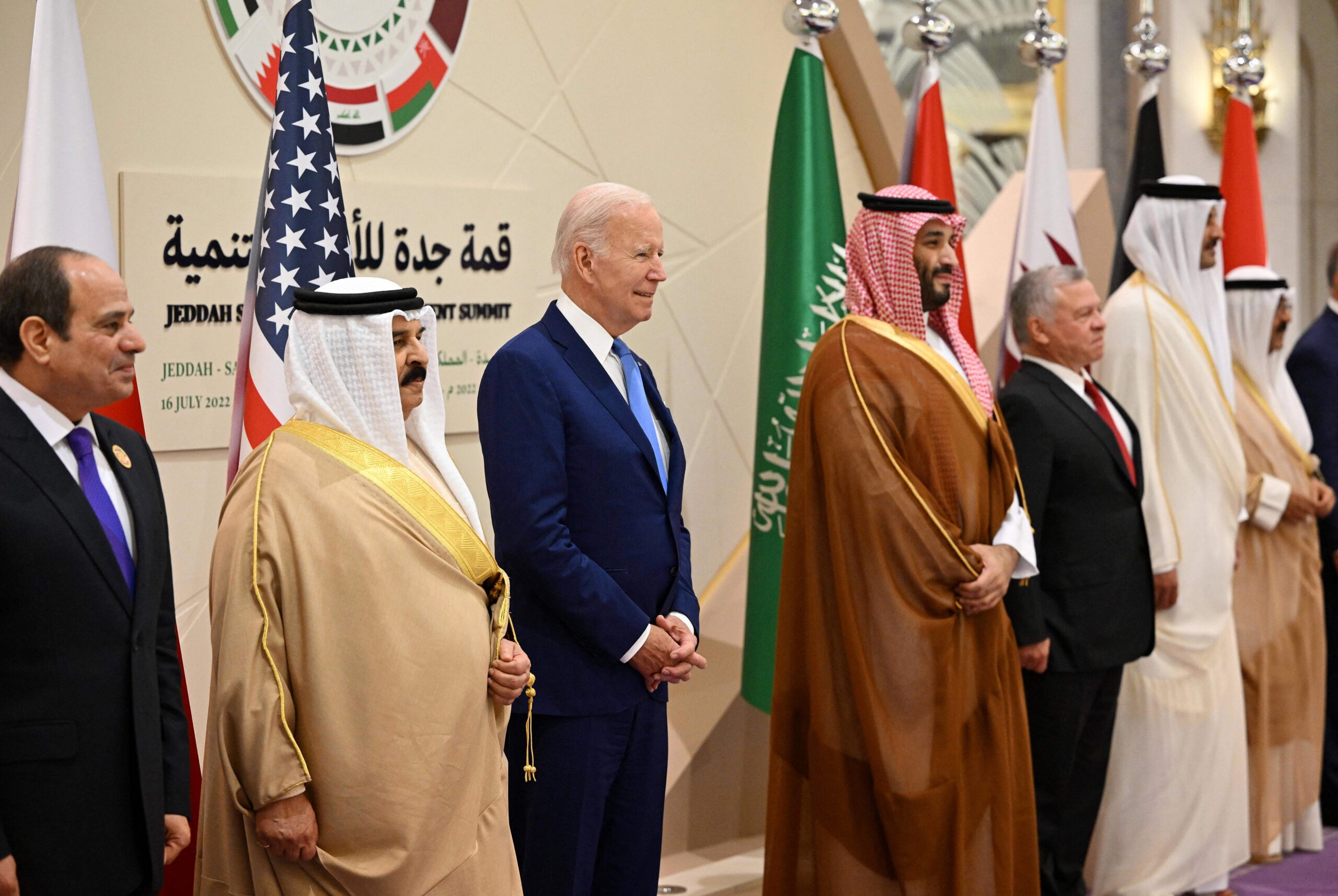
    The Middle East is undergoing a historic transformation with unprecedented opportunities to build new relationships, de-escalate tensions, and foster conditions for stronger integration. At the same time, the region remains on edge because of ongoing tensions in Yemen, Syria, Iraq, and other conflict zones, a civil war that broke out recently in Sudan, along with the overarching challenges presented by fraught relations between Iran, Israel, and several Arab Gulf countries — with the longer-term implications of the still-fragile Iranian-Saudi rapprochement yet to be fully assessed.

    War as a catalyst for greater Black Sea-Gulf interconnectivity
    Photo by Saudi Foreign Ministry / Handout/Anadolu Agency via Getty Images
  • Analysis
  • War as a catalyst for greater Black Sea-Gulf interconnectivity

    Russia’s full-scale invasion of Ukraine has destabilized and distressed the entire Black Sea neighborhood. Yet despite the war, or perhaps because of it, strategically important foreign direct investments into Black Sea littoral countries, including from the Gulf, have endured or even grown.

    In an era of Middle East détente, how should the US and Israel respond?
    Photo by MAZEN MAHDI/AFP via Getty Images
  • Analysis
  • In an era of Middle East détente, how should the US and Israel respond?

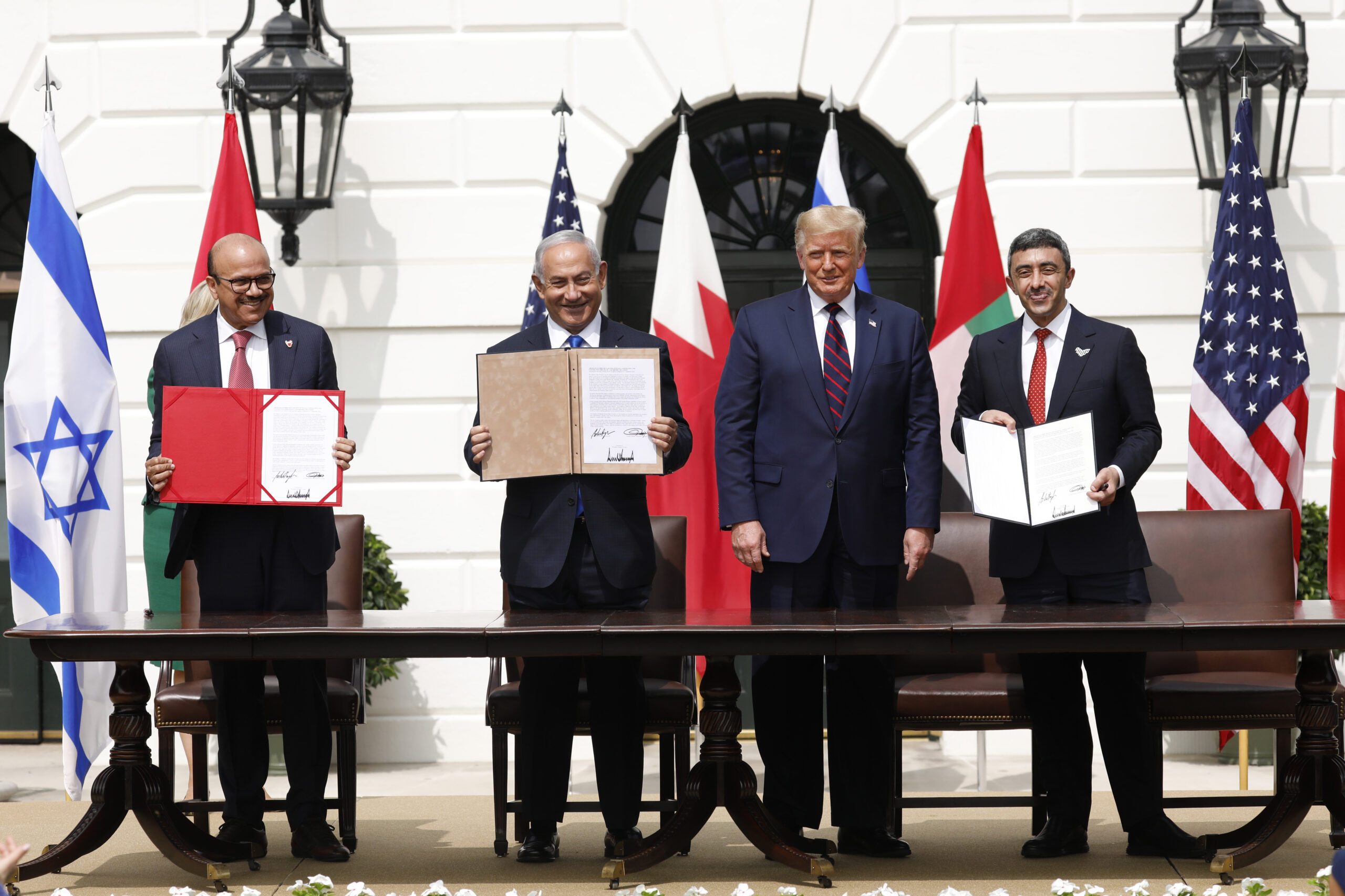
    Both Washington and Jerusalem welcome any reduction in regional tensions and prospects for a more stable, secure, and prosperous environment. However, there is a risk for U.S. and Israeli policy priorities, such as that regional de-escalation will reduce pressure on Tehran to negotiate on issues of concern, especially its nuclear weapons program.

    The technical is geopolitical: Expanding US-UAE relations through AI
    Photo by STEFANI REYNOLDS/AFP via Getty Images
  • Analysis
  • The technical is geopolitical: Expanding US-UAE relations through AI

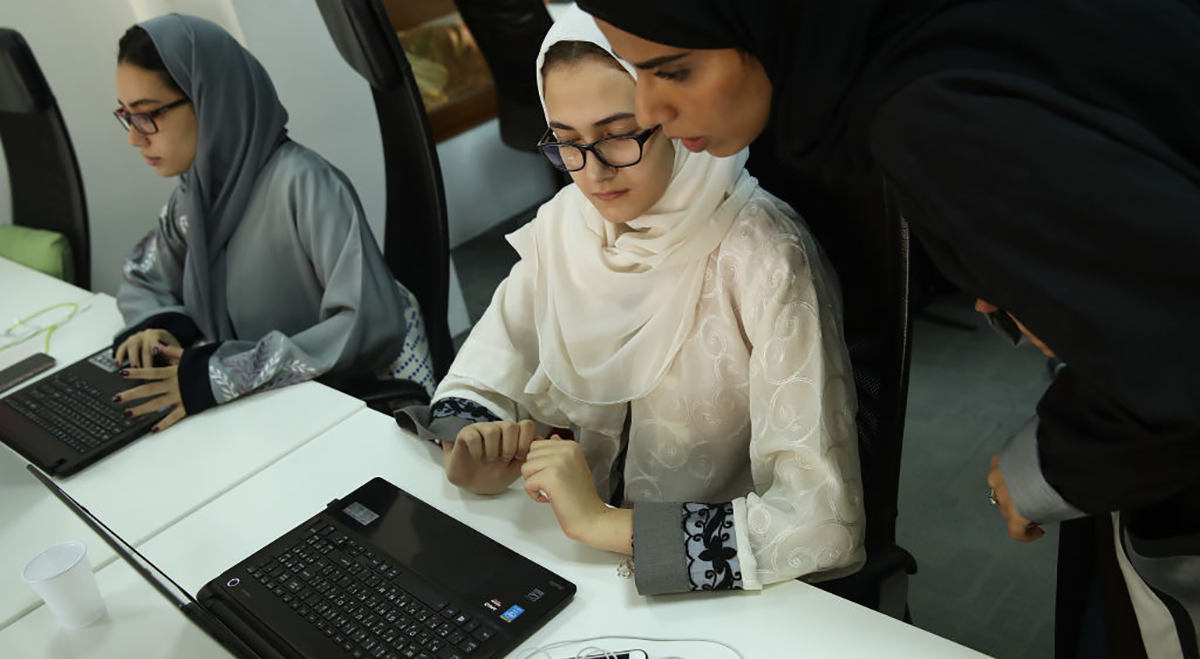
    With AI development disproportionate attention is given to the world’s technological heavyweights, the U.S. and China, as they seek an innovative edge in their great power competition. But Gulf states like the UAE are also moving rapidly to invest in and adopt AI, with significant implications for bilateral relations. The momentum in both the U.S. and the UAE can be leveraged by anchoring further ideas for political, diplomatic, and military cooperation in the technical evolution of AI.

    A Three-Part Formula to Persuade Armed Groups in Yemen to Respect Human Rights
    Photo by Mohammed Hamoud/Getty Images
  • Commentary
  • A Three-Part Formula to Persuade Armed Groups in Yemen to Respect Human Rights

    During nearly a decade of grinding civil war in Yemen, nonstate armed groups and hybrid actors have proliferated on all sides of the conflict. Members of some armed groups have committed violations against civilians, including arbitrary detentions, forced disappearances, torture, land grabbing, extortion, and gender-based violence.

    Read the Middle East Journal

    The oldest peer-reviewed publication dedicated to the study of the modern Middle East, MEI’s flagship journal covers politics, society, and culture in the region.