Skip to Content
Special Episode: Saudi Oil After the East-West Pipeline Attack
  • Podcast
  • Special Episode: Saudi Oil After the East-West Pipeline Attack

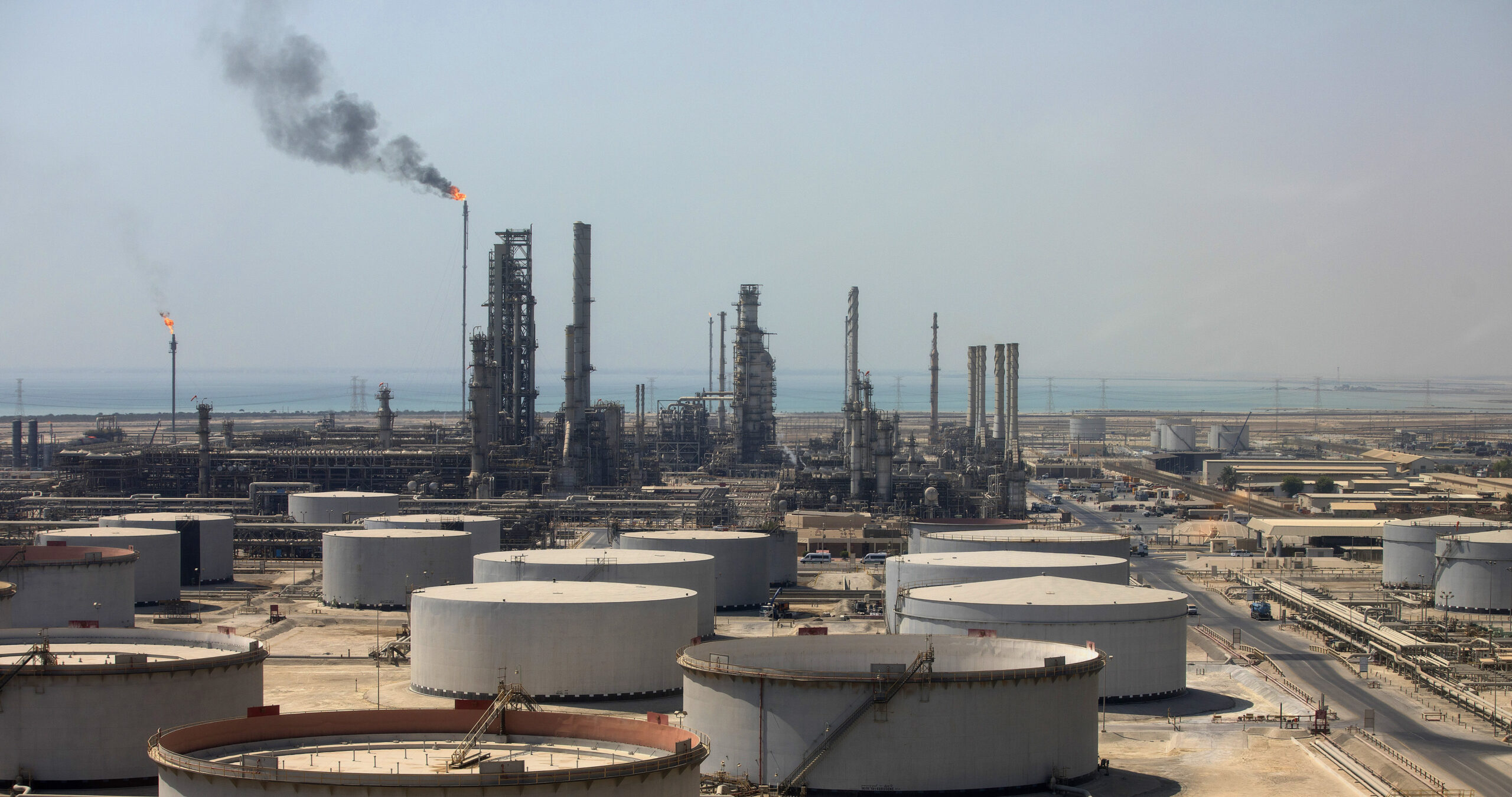
    Saudi Arabia’s East-West pipeline is back in operation after a drone attack from Iraq, blamed on Iran-backed militias, shut it down for nearly two weeks. The pipeline is the kingdom’s main way to export oil while the Strait of Hormuz is closed, so the shutdown dealt another blow to global energy markets. How vulnerable is this route, and what does that mean for the kingdom and the world economy? This episode of Middle East Focus features a recent MEI Virtual Briefing in which Director of Communications Zeina Al-Shaib is joined by MEI Senior Fellow Colby Connelly and MEI Affiliate Yesar Al-Maleki. They examine the new geopolitical risks facing the oil market, what further losses of global supply could mean for Saudi Arabia and the world economy, and which buffers outside the Persian Gulf could ease the pressure.

    October 1, 2026

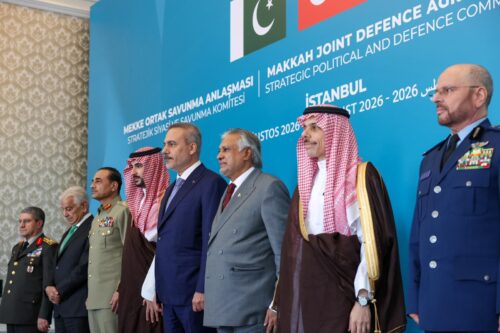
    The Mecca alliance meets the Red Sea – Saudi Arabia’s new defense pact faces its first major test
  • Commentary
  • The Mecca alliance meets the Red Sea – Saudi Arabia’s new defense pact faces its first major test

    When Saudi Arabia, Turkey and Pakistan agreed to a mutual defense pact in August, it was principally seen as a political commitment. The “Mecca alliance,” as it was dubbed, stipulated that an armed attack on one would be treated as an attack on all three, accompanied by deeper military cooperation.

    The Middle East Beyond the Iran War
  • Report
  • The Middle East Beyond the Iran War

    This article is part of a collection of short essays written by the Fellows of the Middle East Institute to explore aspects of the ongoing war with Iran. The intent of the collection is to help readers see new and unexpected elements of the dynamics and impact of the ongoing hostilities and to think harder, deeper, and broader about the implications of the conflict.

    September 28, 2026

    Featured Experts

    Filter by
    4511 Results
    The Houthis’ War and Yemen’s Future
    Photo by MOHAMMED HUWAIS/AFP via Getty Images
  • Analysis
  • The Houthis’ War and Yemen’s Future

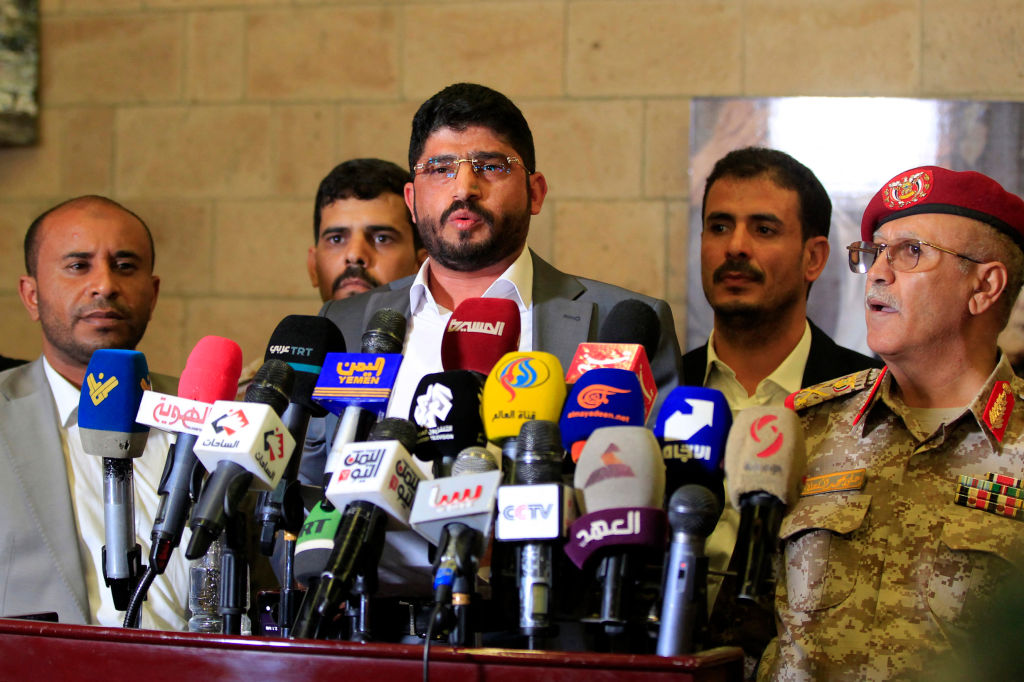
    Since seizing the capital of Sana’a in September 2014, the Houthis have been transforming the portions of Yemen under their control in line with a radical political and religious ideology. The Houthis’ war is complicated and may not be resolved quickly. But for now, the main obstacles to peace are ones that only Yemenis can resolve, which are rooted in rival concerns over the distribution of political power and equitable delivery of public services.

    September 23, 2022

    Will Iran turn to al-Qaeda to combat Islamic State?
    Photo by Sayed Khodaiberdi Sadat/Anadolu Agency via Getty Images
  • Analysis
  • Will Iran turn to al-Qaeda to combat Islamic State?

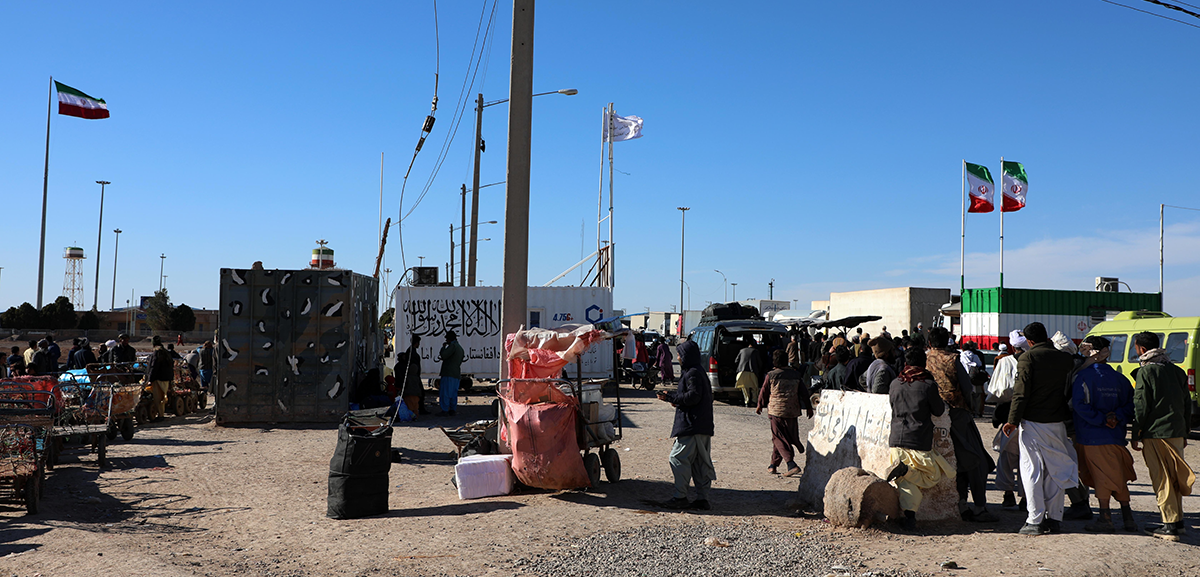
    As the security situation in Afghanistan deteriorates and the Taliban seem incapable of defeating ISKP and protecting religious minorities, Tehran is alarmed about the potential outbreak of a civil war next door and the chances that such a conflict might spill over into Iran. Under these circumstances, Iran may look for more effective means of countering ISKP.

    September 23, 2022

    Iran's Growing Protests
  • Podcast
  • Iran's Growing Protests

    Today’s episode challenges preconceived notions about Iranian society, the hijab, and the regime clinging to power in Tehran. Joining us today for an enlightening conversation are two Iran experts, Marjan Keypour Greenblatt and Alex Vatanka. Marjan is the founder and director of the Alliance for Rights of All Minorities (ARAM), a non-resident scholar with MEI’s Iran Program, and a member of the Anti-Defamation League’s Task Force on Middle East Minorities. Alex is the director of MEI’s Iran Program and a Senior Fellow with the Frontier Europe Initiative.

    September 23, 2022

    OPEC+: Neither with the West, nor with the East
    Photographer: Simon Dawson/Bloomberg via Getty Images
  • Analysis
  • OPEC+: Neither with the West, nor with the East

    Under current, highly unpredictable market conditions, it is unreasonable for OPEC to make sharp movements to saturate the oil market or withdraw a significant number of barrels from it to meet divergent Western interests of lowering prices and punishing Russia.

    America and Iran’s Tough Tango with the Gulf States
  • Commentary
  • America and Iran’s Tough Tango with the Gulf States

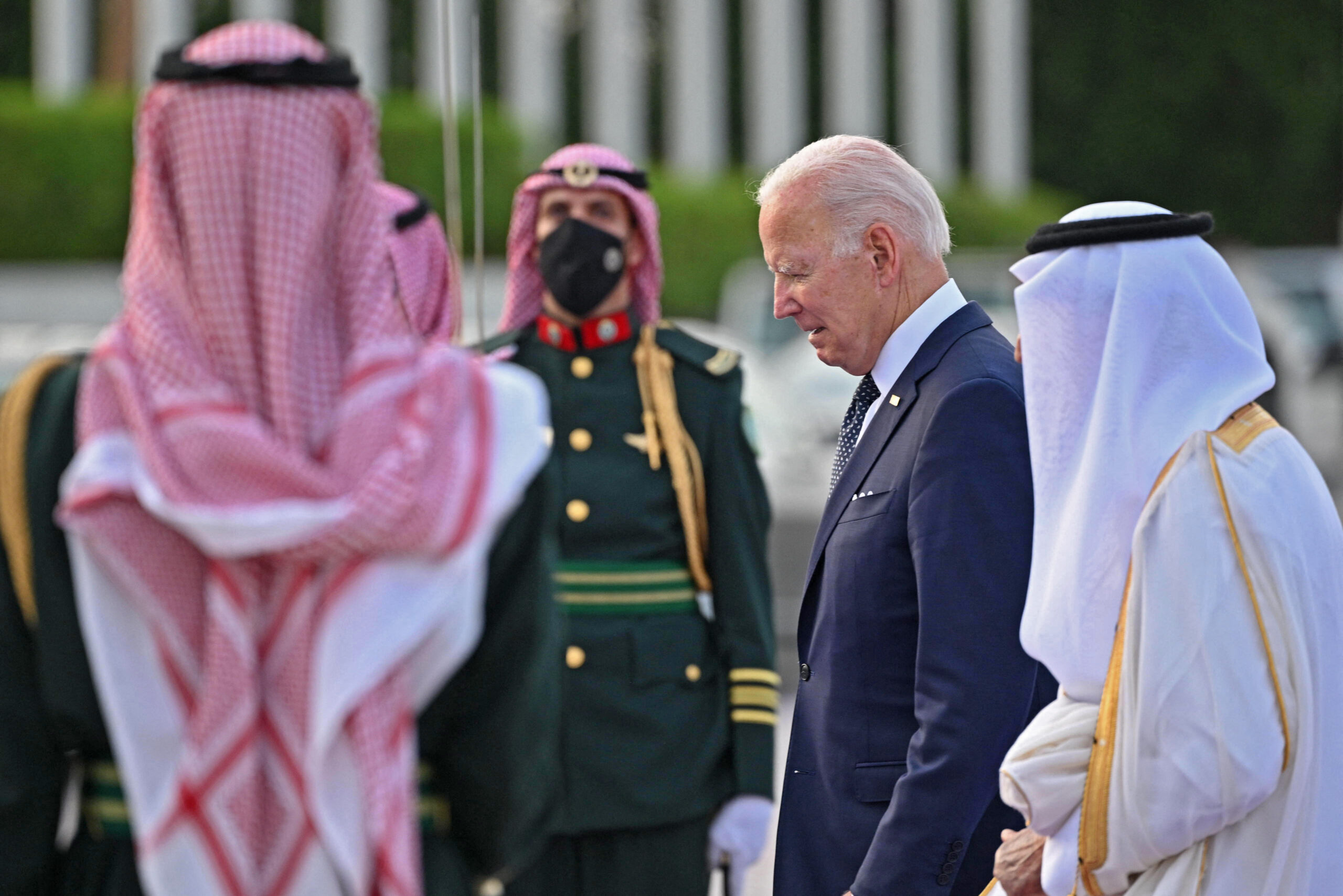
    Since the Biden Administration came to office, Washington has been full of reports that the United States and its Gulf allies are drifting apart. The core argument was that in order to deliver for the Democratic Party’s grassroots base, U.S. President Joe Biden would seek to pursue a foreign policy that prioritized American values over American interests. In such a policy turn, Gulf States would be adversely impacted as the U.S.-Gulf relations are much more about common interests than common values—such as political democracy, the issue of human or labor rights, etc.

    Why Khamenei is unlikely to pick his son to succeed him as Iran’s supreme leader
    Photo by Saeid Zareian/picture alliance via Getty Images
  • Analysis
  • Why Khamenei is unlikely to pick his son to succeed him as Iran’s supreme leader

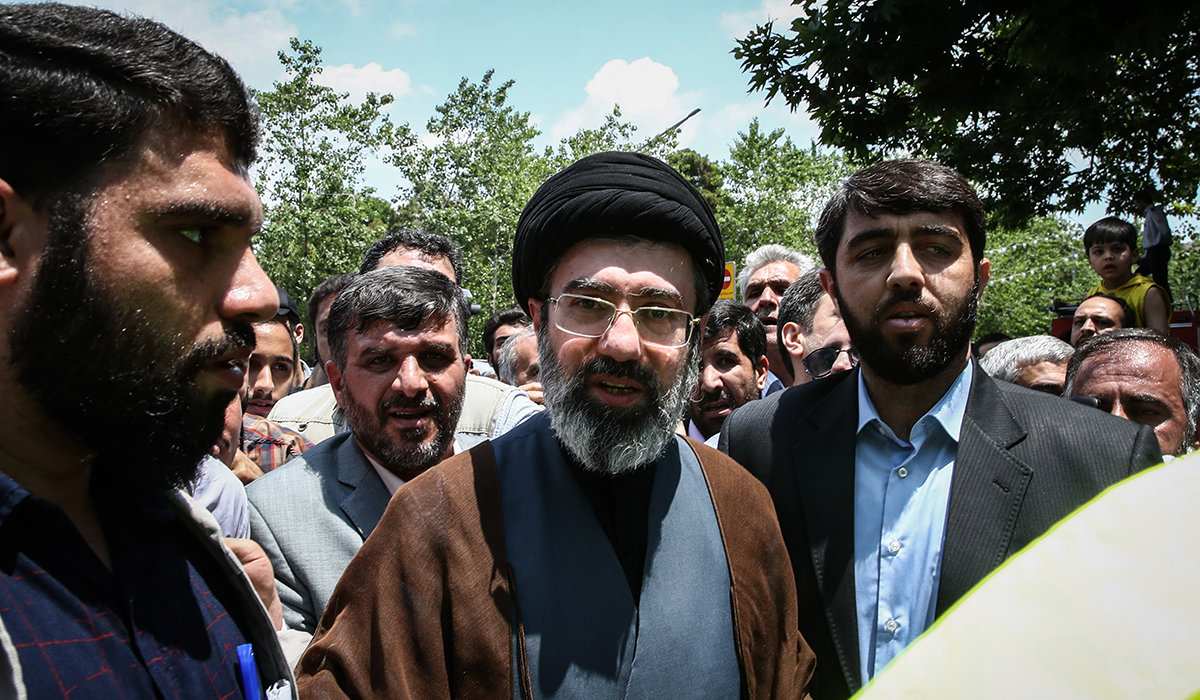
    Amid the ongoing circus over efforts to revive the 2015 Iran nuclear deal, two rumors have started to gain traction inside and outside Iran: Supreme Leader Ayatollah Ali Khamenei is on his deathbed and preparations are being made for his son, Mojtaba, to succeed him.

    September 21, 2022

    Are the Houthis Willing to Compromise in Yemen?
  • Commentary
  • Are the Houthis Willing to Compromise in Yemen?

    The Houthis have a poor track record in negotiations. But giving up on negotiating with them isn’t an option.

    September 21, 2022

    The I2U2 needs an ambitious tech agenda
    Photo by MENAHEM KAHANA/AFP via Getty Images
  • Analysis
  • The I2U2 needs an ambitious tech agenda

    Technology represents one potentially fruitful area where the I2U2 member states — Israel, India, the U.S. and the UAE — could cooperate together, expand their format to include more countries, deliver tangible results, and avoid agitating other global and regional powers.

    Iraq: A crisis of elite, consensus-based politics turns deadly
    Photo by AHMAD AL-RUBAYE/AFP via Getty Images
  • Analysis
  • Iraq: A crisis of elite, consensus-based politics turns deadly

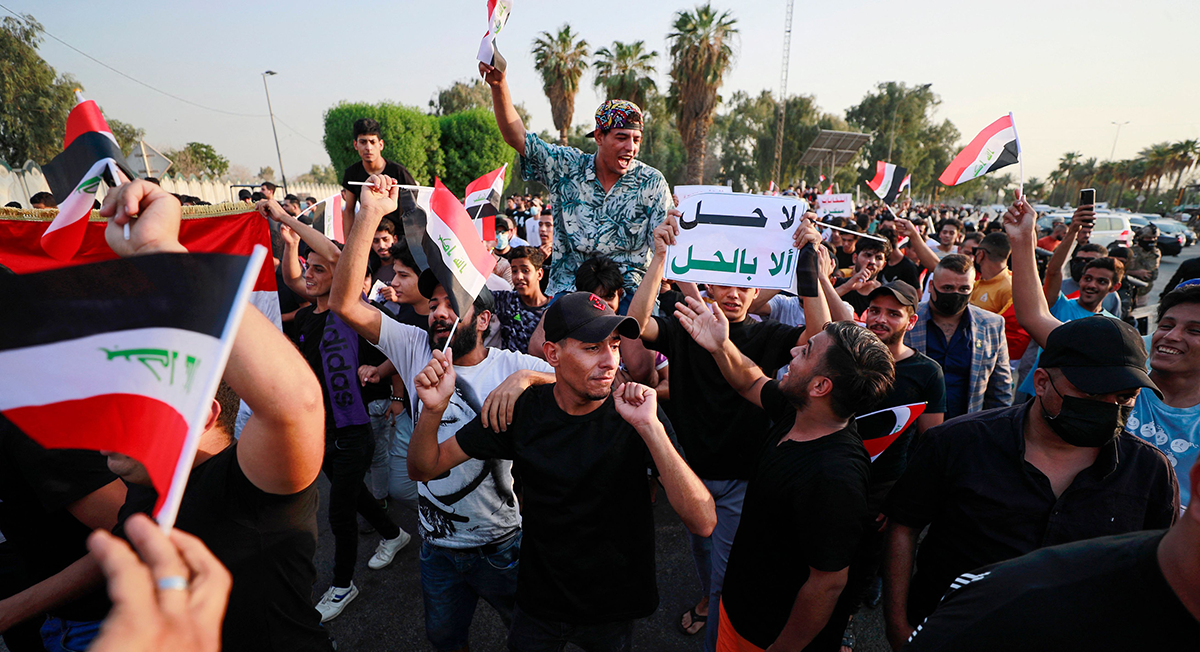
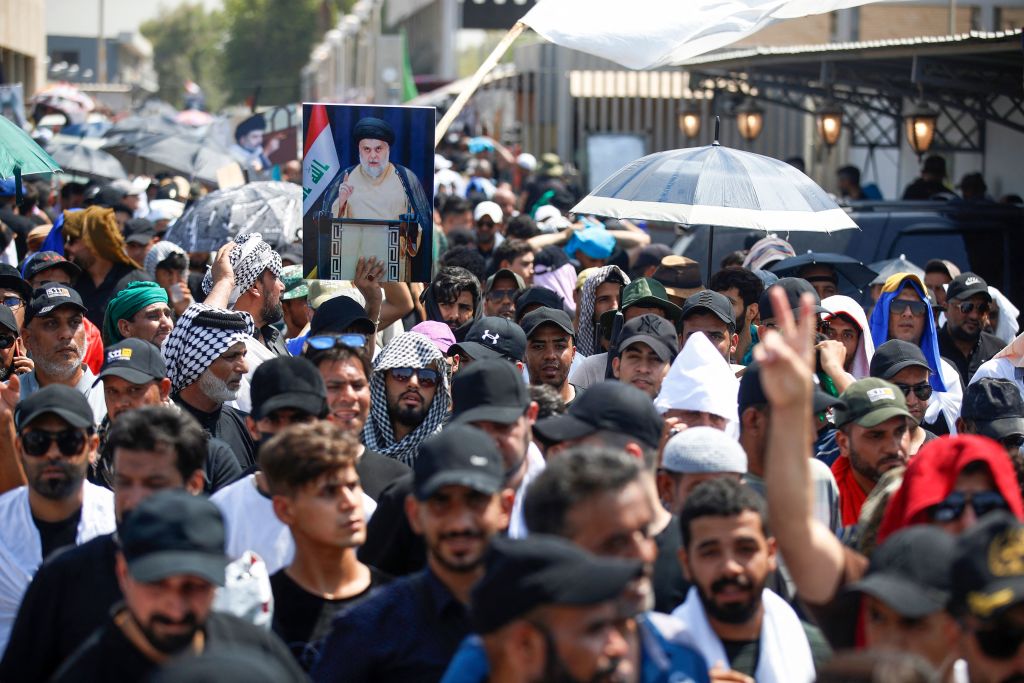
    Iraq is facing one of its worst political crises in years. Following the bloody street battles at the end of August that left more than 30 dead, violence has stopped, for now, but the political crisis is far from over, even if superficial solutions may be found in the interim. Iraqis anxiously await the end of the Arba’een holiday on Sept. 17 to see what will happen next.

    September 15, 2022

    Domestic Political Chaos Is Not the Only Thing Happening in Iraq
  • Commentary
  • Domestic Political Chaos Is Not the Only Thing Happening in Iraq

    It appears that calm has returned to Iraq after the reported intervention of Ayatollah Ali al-Sistani, the country’s chief and widely respected Shia cleric. In recent weeks, violence had occurred in and near parliament, which has been unable to implement last October’s election results. The clashes involved demonstrators and armed forces loyal to Moqtada al-Sadr, the leading candidate in the elections, and militias loyal to a loose array of rival Shia political parties calling themselves the Coordination Framework.

    September 15, 2022

    Beyond Post-Desert Storm: How to Elevate the US-Kuwait Security Partnership
    Photo by Mario Tama/Getty Images
  • Analysis
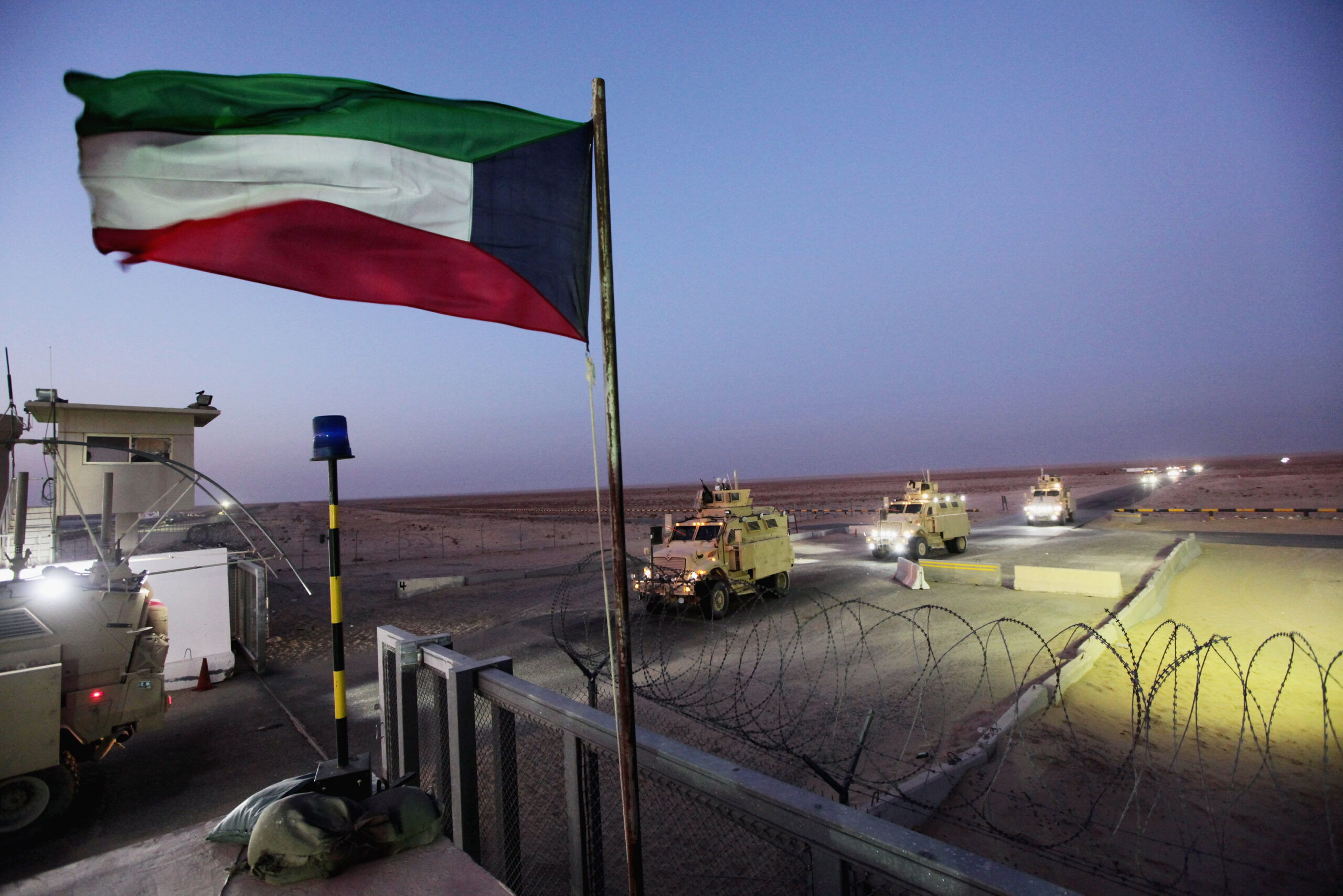
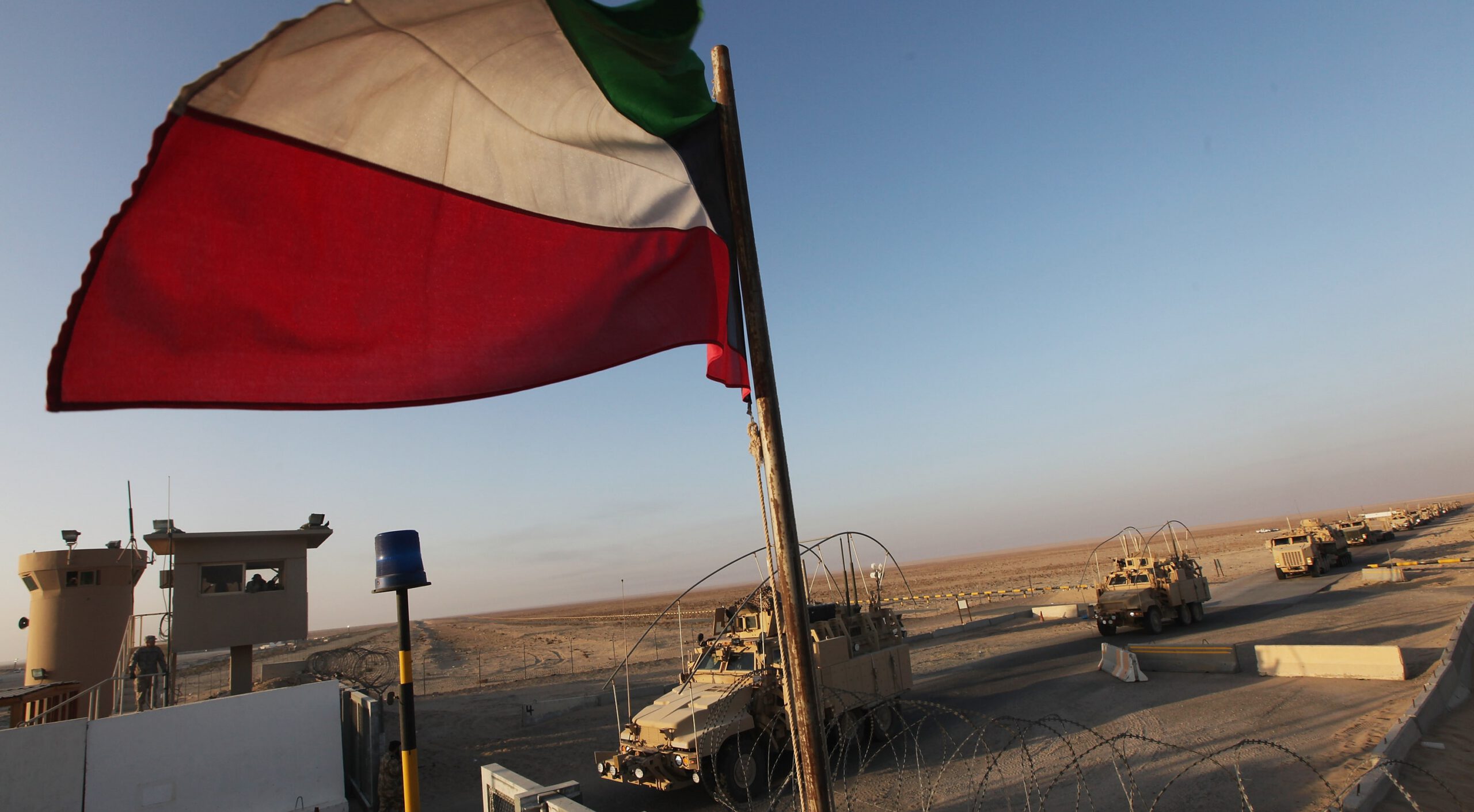
  • Beyond Post-Desert Storm: How to Elevate the US-Kuwait Security Partnership

    Kuwait plays a larger role than is often assumed in America’s present and future military plans in the Middle East. But as Washington prioritizes the Indo-Pacific, it is critical that the security arrangement between the United States and Kuwait is thoughtfully reconfigured.

    September 14, 2022

    Two years on, what is the state of the Abraham Accords?
    Photo by Menahem KAHANA / AFP) (Photo by MENAHEM KAHANA/AFP via Getty Images
  • Analysis
  • Two years on, what is the state of the Abraham Accords?

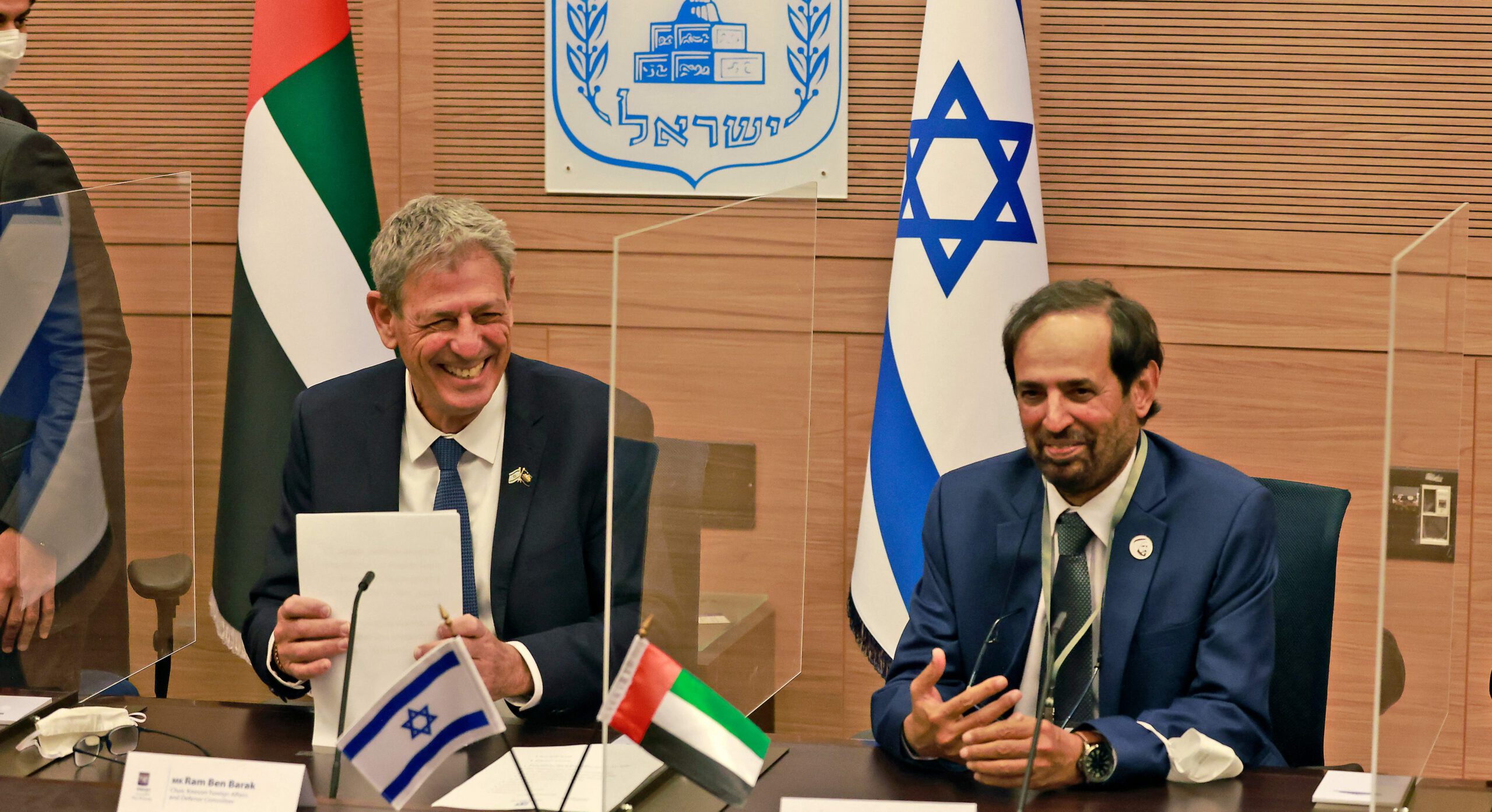
    Two years after the signing of the Abraham Accords, progress in developing relations between Israel and its Arab neighbors has achieved mixed results, opening up some greater cooperation in the security sphere but failing to change Arab publics’ minds due to the lack of movement on the Israeli-Palestinian conflict.

    Read the Middle East Journal

    The oldest peer-reviewed publication dedicated to the study of the modern Middle East, MEI’s flagship journal covers politics, society, and culture in the region.