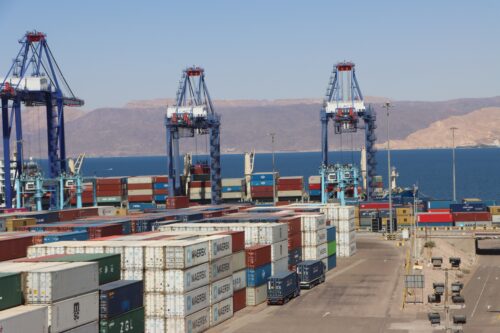
Jordan’s Economy Weathers Iran War’s Shocks and Finds New Opportunities
In the summer of 2003, King Abdullah II told Bloomberg Jordan sits “between Iraq and a hard place,” a play on words designed to describe the kingdom’s challenging environment to an American audience amid the US-led Iraq war to the east and the lingering Palestinian-Israeli conflict to the west. Jordan is grappling with a much “harder place” today.
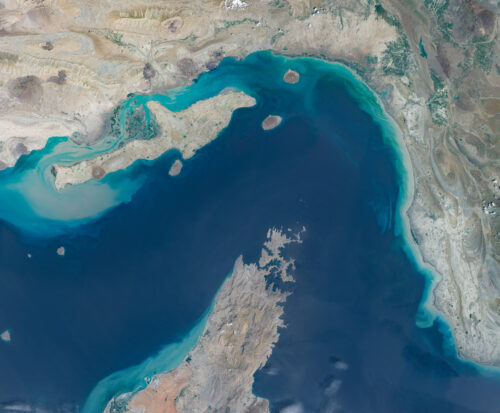
Proponents of the war with Iran have taken recent increases in crude-oil flows through the Strait of Hormuz as proof that the US strategy is finally working. President Trump is so confident in this that he recently rejected a seven-day plan, set forward by Iran’s foreign ministry, to end the war and open the strait. The United States is “winning tremendously,” Trump boasted.
Special Episode: Saudi Oil After the East-West Pipeline Attack
Saudi Arabia’s East-West pipeline is back in operation after a drone attack from Iraq, blamed on Iran-backed militias, shut it down for nearly two weeks. The pipeline is the kingdom’s main way to export oil while the Strait of Hormuz is closed, so the shutdown dealt another blow to global energy markets. How vulnerable is this route, and what does that mean for the kingdom and the world economy? This episode of Middle East Focus features a recent MEI Virtual Briefing in which Director of Communications Zeina Al-Shaib is joined by MEI Senior Fellow Colby Connelly and MEI Affiliate Yesar Al-Maleki. They examine the new geopolitical risks facing the oil market, what further losses of global supply could mean for Saudi Arabia and the world economy, and which buffers outside the Persian Gulf could ease the pressure.
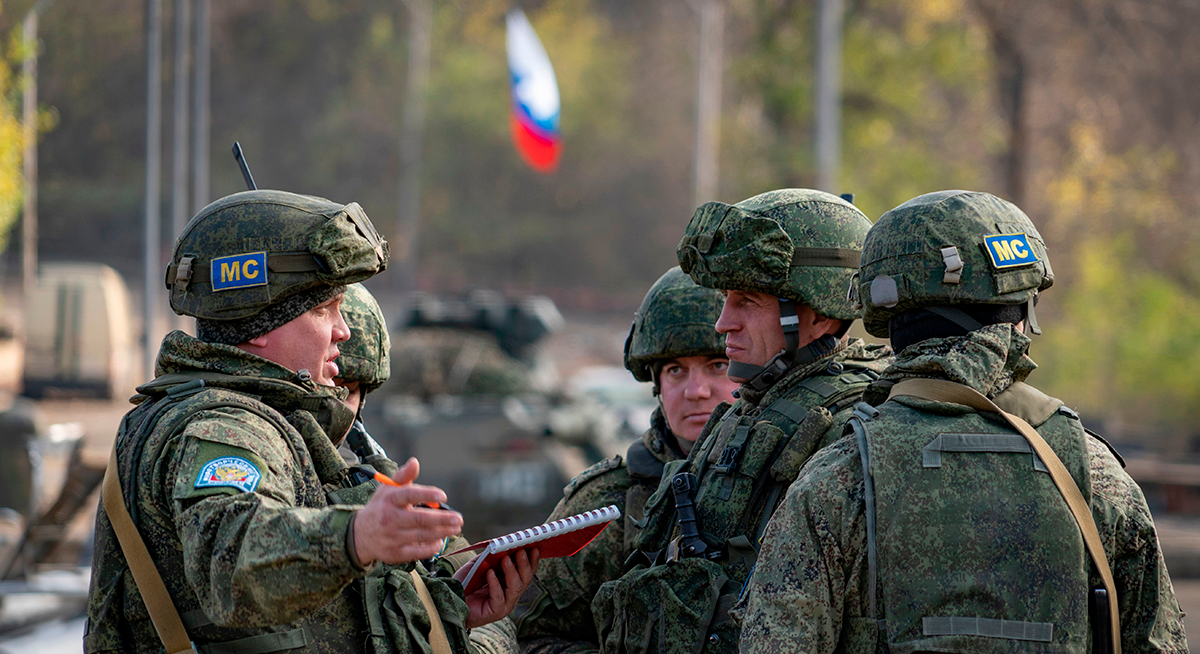
Iran’s strong hand in the Arab world is missing in the Caucasus
Iranian military advisers and pro-Iran foreign proxy groups are present from Yemen and Iraq to Syria and Lebanon. Tens of thousands of armed men operating across the Middle East look to Tehran for guidance and patronage. This sort of sway has made Iran into a regional power broker — at least in the Arab world. But Tehran’s deep ideological and financial investments in Arab states have come at the expense of neglecting Iranian interests closer to home.
The UAE eyes AI supremacy: A key strategy for the 21st century
The (UAE is laying the groundwork for regional supremacy in AI. By fostering a web of novel institutions and partnerships, the Gulf state aims to augment its capacity to execute lofty AI policy initiatives. Further signaling its resolve, Abu Dhabi is lavishing the nascent sector with a host of incentives: financial privileges, office space, and even health care coverage. The embrace of AI comes as the UAE is cultivating emerging technologies as a means of boosting and diversifying its rentier economy, as well as signaling its innovation capacity and viability as a global trade powerhouse.
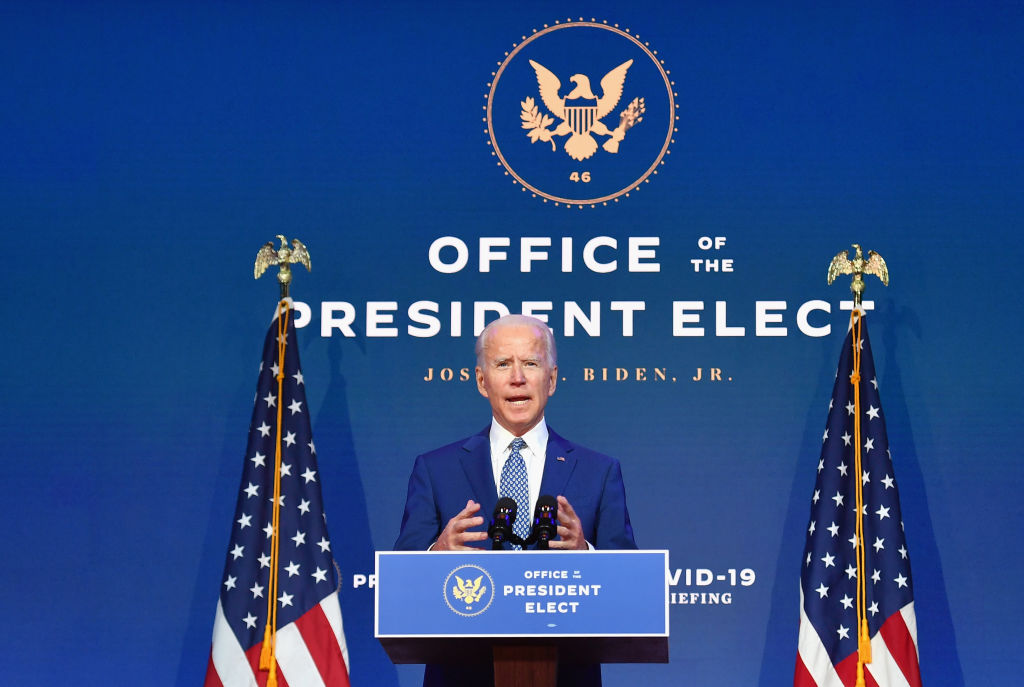
Five lies Iran will try to spread, and how Biden must combat them
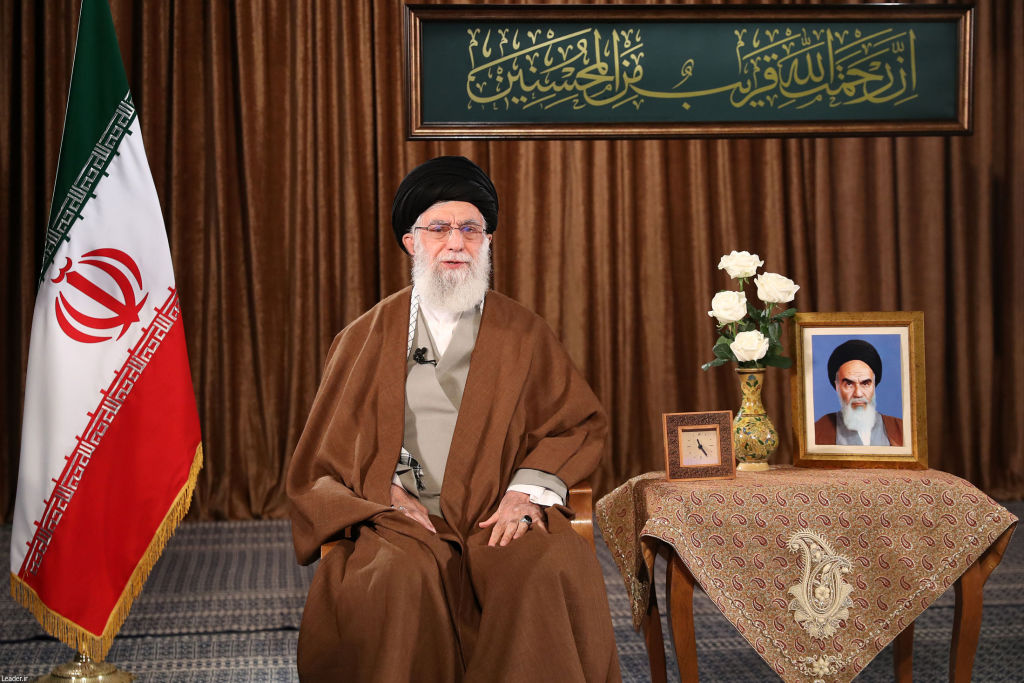
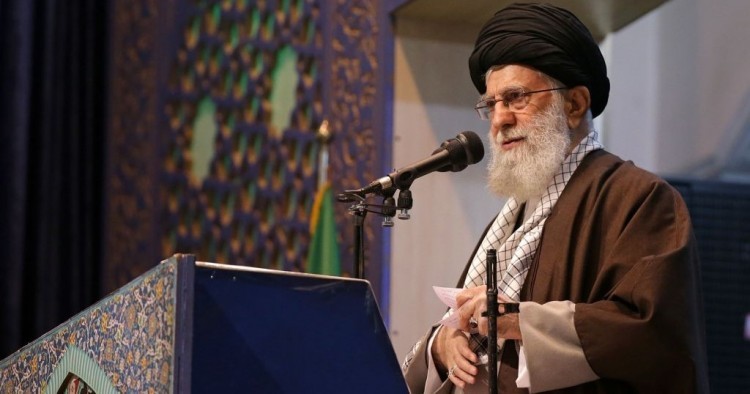
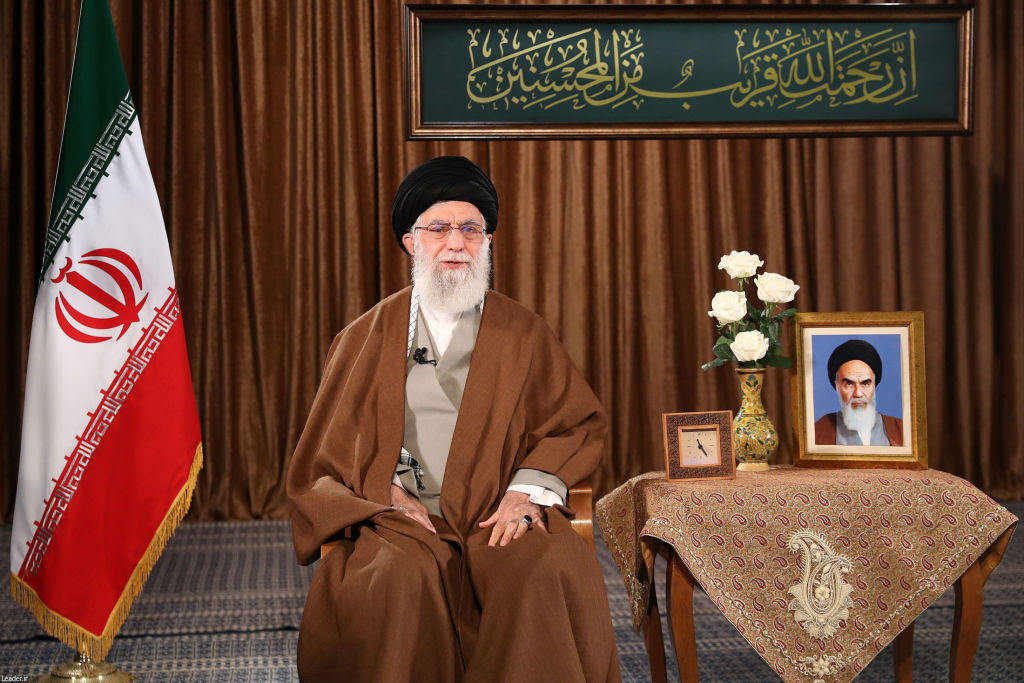
It should come as no surprise that Iran’s Ayatollah Khamenei is once again predicting America’s “political, civil and moral decline” in the wake of the U.S. elections. But the regime’s preemptive attacks on President-elect Biden as an “iron fist in a velvet glove” and its demands that his administration “compensate for past mistakes” mark a departure from the Islamic Republic’s more restrained approach to previous transitions — and portend a flurry of commentary coming out of Tehran over the next two months.
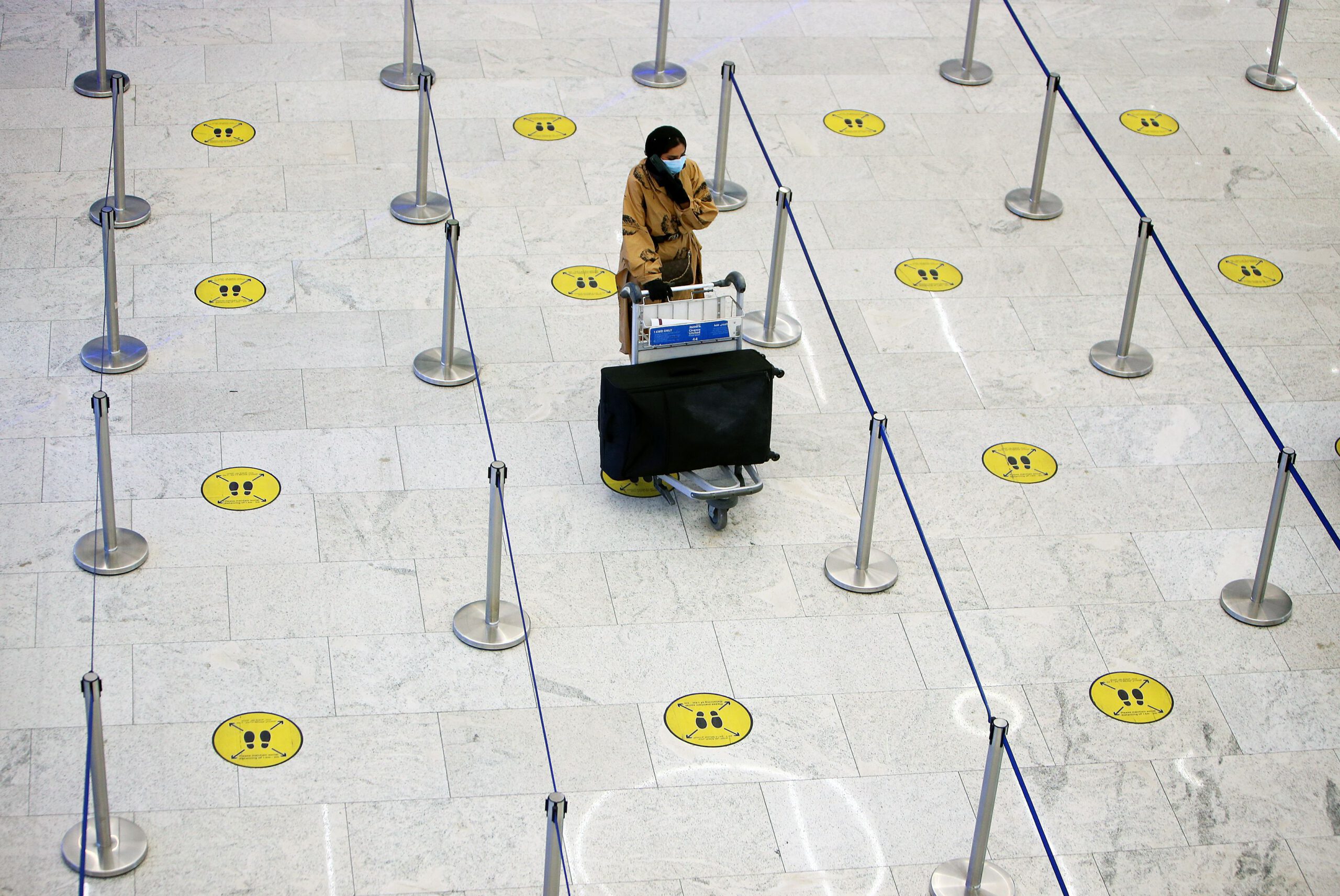
The 2020 COVID-19 pandemic has made Kuwait less welcoming for the 70% of the country’s population and the overwhelming majority of its private sector work force that are expatriates. While Kuwait’s actions and economic pressure might have a short term impact, more permanent, substantial changes to its demographics will only come if the country also changes incentives to encourage Kuwaitis to work in the private sector.
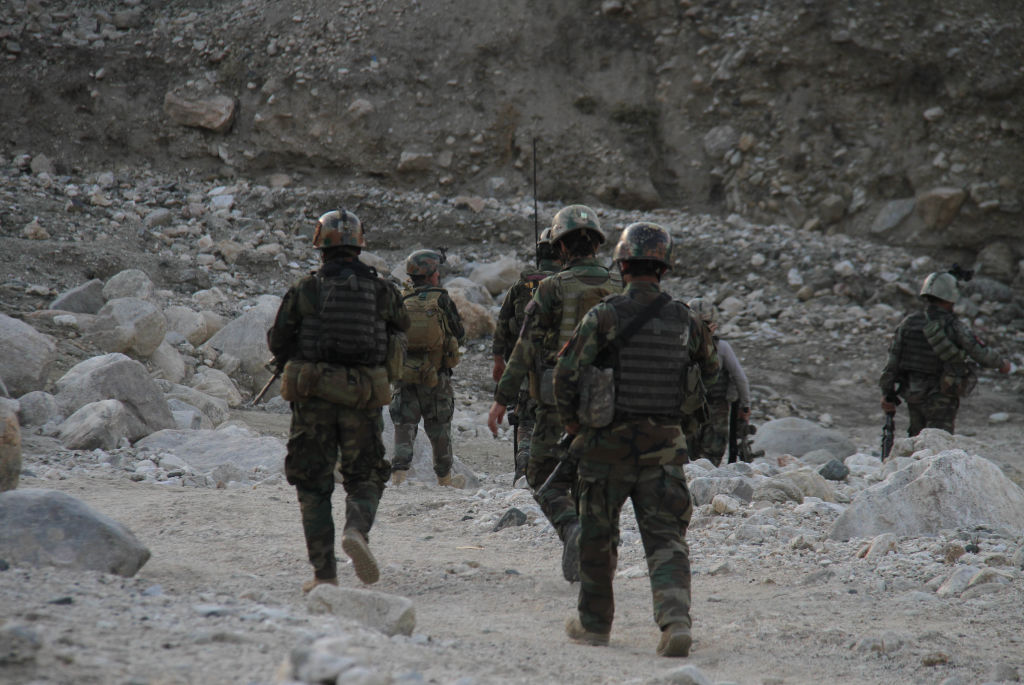
Monday Briefing: Will Afghanistan have a Christmas surprise?
This week’s briefing on recent news and upcoming events in the region featuring Marvin G. Weinbaum, Hafsa Halawa, Robert S. Ford, and Thomas W. Lippman.
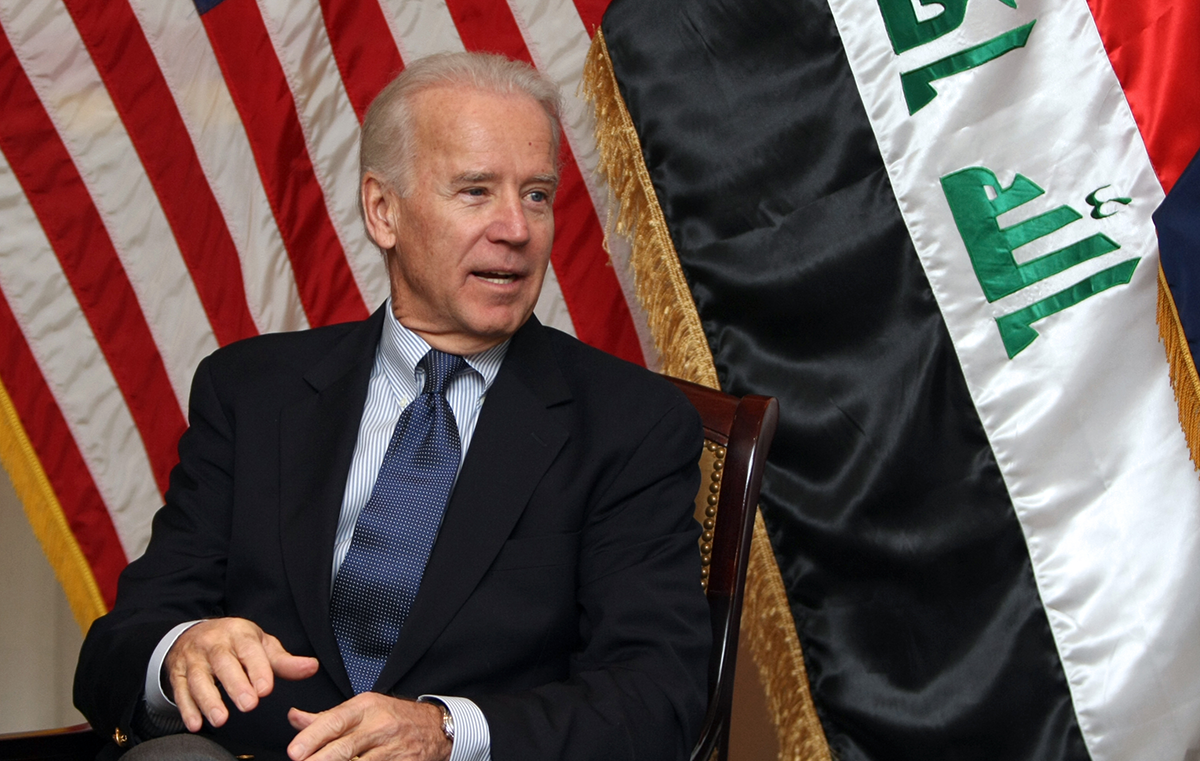
Between Trump’s Iranian lens and Obama’s indifference: What might a Biden presidency mean for Iraq?
Joe Biden is no stranger to Iraq and this informs how Iraqi politicians have responded to his victory in the U.S. presidential election. Some have welcomed the news, while others are more cautious given concerns that a Biden presidency might lead to greater Iranian influence in the country. Indeed, Biden has a mixed record on Iraq. Though a Democrat, he voted for the 2003 Iraq War. But later as vice president, he was President Barack Obama’s right hand and fast-tracked their campaign promise to withdraw U.S. troops in 2011. Looking ahead to his presidency, his familiarity with the political class in Baghdad, forthright proposals about Iraq’s territorial integrity, and previous role in tipping power between major actors may falsely lead to a conclusion that Iraq will be a focus for his upcoming administration. The reality, however, is much different.
A “blue mirage”: Biden’s presidency and the Iranian economy
What does a Biden presidency mean for the economy of Iran? The short answer is: not much. While the Iranian public considers his election good news for the country, these sentiments are fleeting and will soon fade. The reason is simple: Even if Joe Biden decides to reengage with Iran or reenter the 2015 nuclear deal on his first day in office, a Biden presidency will not change many crippling realities for the Iranian economy.
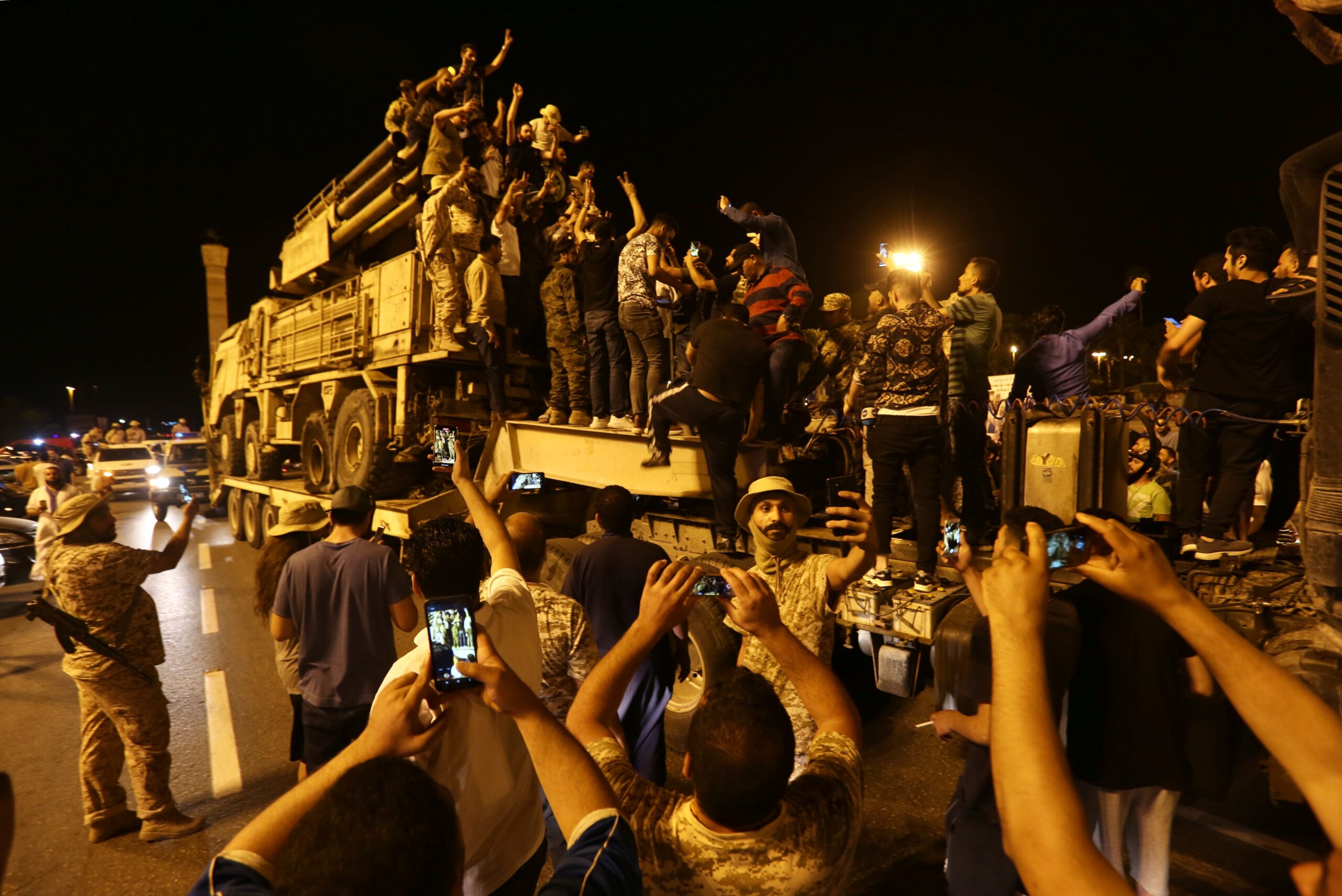
Turning the Tide: How Turkey Won the War for Tripoli
The War for Tripoli, launched by Gen. Khalifa Hifter in April 2019, came to an abrupt end in June 2020 after extensive Turkish military capabilities were introduced to the theater at the beginning of the year. This research paper seeks to drill down into the military, logistical, and technological aspects of the war, highlighting the unique role of drones, soft-kill and hard-kill air defense technologies, private military contractors, and extraterritorial military professionals in determining its final outcome.
Monday Briefing: The reverberations of the US election in the Middle East
This week’s briefing on recent news and upcoming events in the region featuring Paul Salem, Alex Vatanka, Gonul Tol, Gerald Feierstein, Randa Slim, Khaled Elgindy, Charles Lister, Mirette F. Mabrouk, and Marvin G. Weinbaum.
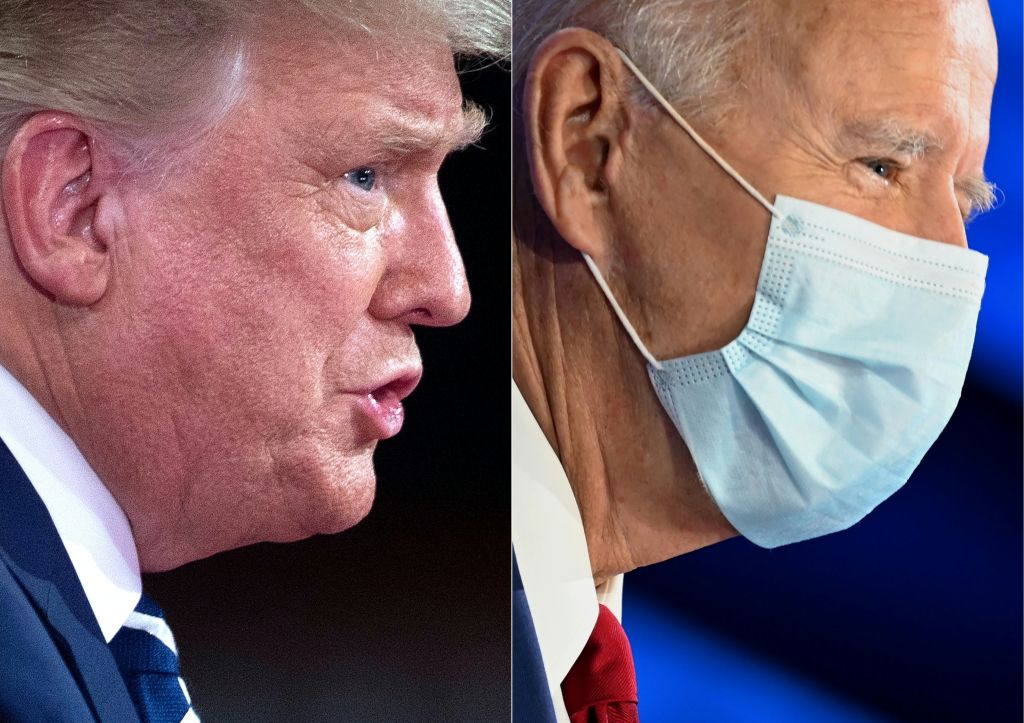
At a rally in Florida, Donald Trump stated that Iran will be the first country to call to him after his reelection because the Iranians are “dying for a deal.” National Security Advisor Robert O’Brien added that “it is very difficult for Iran to refuse to negotiate” because “Iran cannot sustain economic pain much longer and… we don’t think they can hang in there for another four years.”
There is no doubt that the Trump administration’s “maximum pressure” campaign has had serious negative impacts on Iran’s economy and that the country is experiencing a crisis. But, if the past is any indication, the sanctions or economic pressure will not be the main drivers of Tehran’s decision-making if it decides to compromise with the United States. To imagine that a deal is in the offing due to Iran’s dire economic straits seems simplistic.
How the UAE-Israel deal could change the regional power balance
While most experts believe that the recent normalization of ties between Israel and the UAE will not lead to a significant change in the regional balance of power, there are indications that it has the potential to bring about such a change in the long run.
Iraq’s reform program: A white paper with no action plan
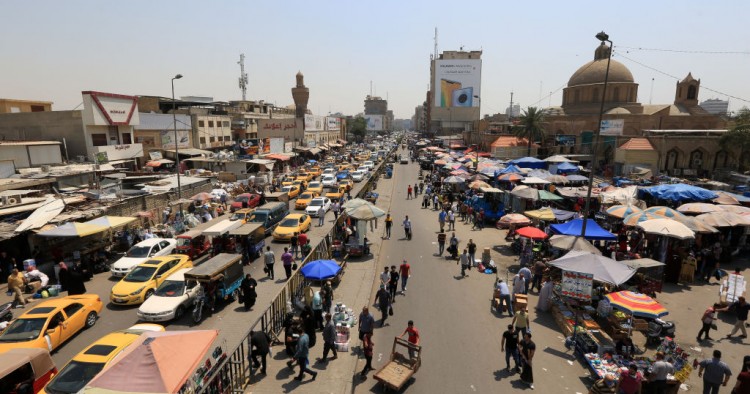
Iraq’s economic and fiscal crises, which came to the forefront this year following the onset of the coronavirus pandemic, were bound to happen at some point. What corona and the ensuing drop in oil prices and declining demand for oil did is accelerate the timing, according to the recently released Iraqi government white paper, a report of the Emergency Cell for Financial Reform. What the paper doesn’t predict is that in the next 6-12 months, and possibly beyond, we could see a worsening of the crisis with both current and future governments trying to adjust oil production and revenues in an effort to contain public discontent.
Ayatollah Khamenei’s gamble and a green light for negotiations
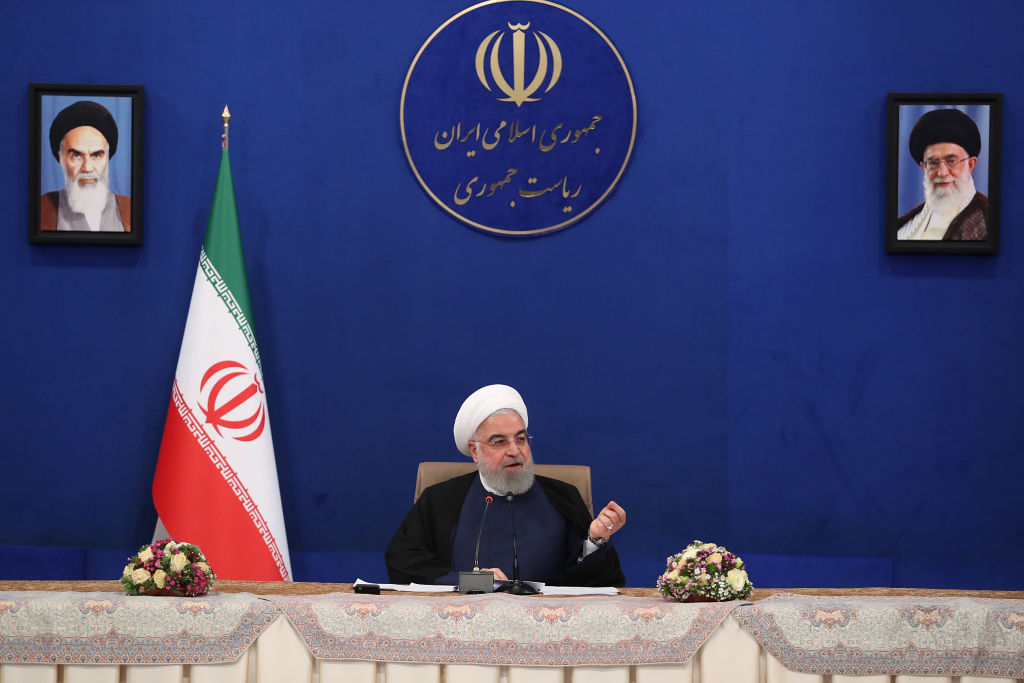
As the U.S. prepares to head to the polls to choose its next president, Iran finds itself at a dead end. Hit hard by American sanctions and its own mismanagement of the economy, Tehran needs to negotiate with Washington to get out of its current economic crisis and shore up its waning popular legitimacy. With an eye to addressing these issues and mindful of the steady erosion of support for the government, President Hassan Rouhani has obtained permission from Iranian Supreme Leader Ayatollah Ali Khamenei to negotiate with the U.S. While the news has not yet been made public, Rouhani has told Ayatollah Khamenei that he will begin talks to reach an agreement with the winner of the upcoming election — regardless of who it is — and the Iranian leader has given his initial consent.
The oldest peer-reviewed publication dedicated to the study of the modern Middle East, MEI’s flagship journal covers politics, society, and culture in the region.