Trump’s Midterm Loss Opens a Window for Iran Diplomacy
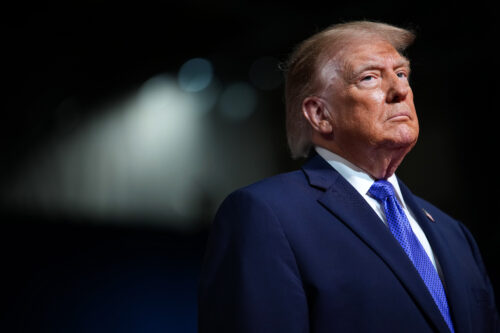
Eight months after launching the war alongside Israel, Trump has yet to explain what an American victory would look like or how much longer the United States must keep fighting to achieve it. While Americans opted to vote for the Democratic Party, which is preparing to challenge the logic of the war, Trump retains much executive power to stay in the war. Going forward, this means the political risks for him and his party will be high.
After decades of political setbacks, Iran’s former Revolutionary Guards commander has returned to the center of power. Is he an incidental beneficiary of war, or have observers underestimated him all along?
The Unavoidable Neighbor: Managing Iran Beyond the War
Gulf states and their partners are increasingly looking beyond their most immediate interests of containing the war with Iran. While recent talks between Saudi Arabia, Turkey, Pakistan, and Iran have kept de-escalation on the agenda, a broader regional security framework and non-aggression pact has also emerged, envisioning a longer-lasting solution to regional conflicts. The talks have yet to produce a settlement, but they reflect a growing recognition that Gulf security cannot depend entirely on Washington. Iran will still be there, and its neighbors will have to find ways of living with it.
The Spectrum of Perceptions in Iran's Nuclear Issue
The relationship between Iran and the West has been marked by mutual mistrust and confrontation for the past 30 years. Iran’s nuclear standoff with Western countries is currently regarded as the main symbol of that confrontational relationship. Iran insists that its nuclear program is exclusively peaceful, while Western countries are suspicious of Tehran’s intentions. There are polarized and incompatible views about this complicated and multidimensional issue. The main source of incompatibility is that this issue is seen from different perspectives.
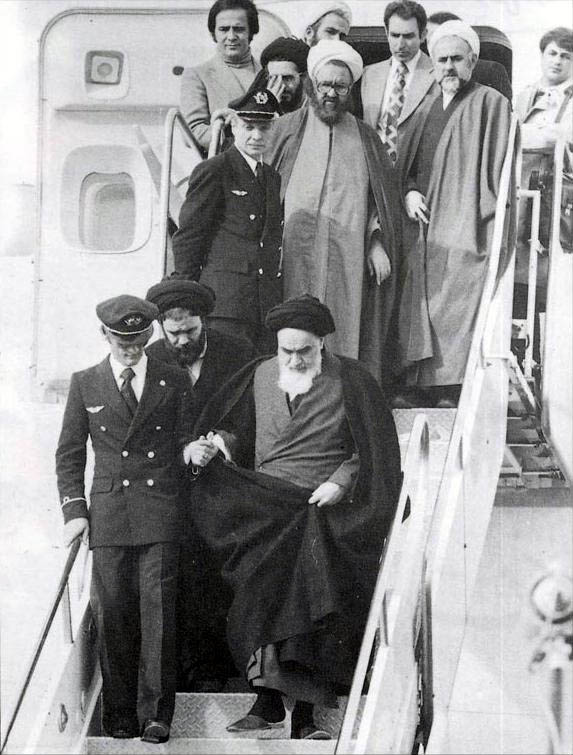
As one of the most important events of the past three decades in the Middle East, the Islamic Revolution not only has sustained itself, but the Islamic Republic which it spawned celebrated its 30th anniversary in February 2009.
The revolution of February 1979 was a revolt of the society against the state. In some of its basic characteristics, the revolution did not conform to the usual norms of Western revolutions, because the state did not represent just an ordinary dictatorship but an absolute and arbitrary system that lacked political legitimacy and a social base virtually across the whole of the society.
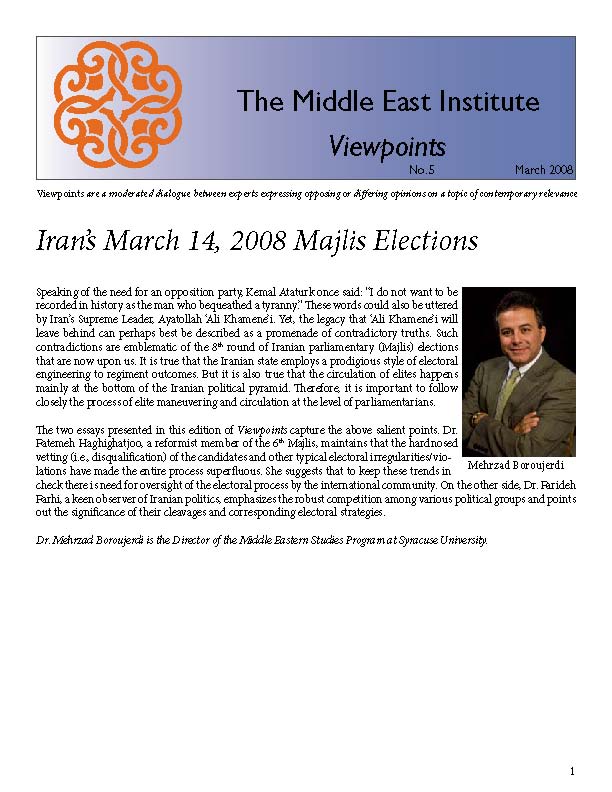
One of the strangest features of contemporary Iranian politics must surely be the reality that despite the concerted and successful effort to narrow the range of candidates allowed to run for various political offices, competition among individuals and groups has not only remained unabated, it has intensified. The elite jockeying that has taken place in the past few months, leading to the upcoming March 14 Majlis elections, is a good example of the competitive intensity that had come to characterize Iranian politics.
On January 3, 2008, Iran’s supreme leader, Ayatollah ‘Ali Khamene’i once again sought to remind domestic and foreign audiences about his stature in Tehran. Stating that “cutting off relations with the US” was one of the “principal policies” of the Iranian government, but that he would be the “first person to endorse these relations” if it benefited the Iranian people, Khamene’i secured news headlines.[1]
The oldest peer-reviewed publication dedicated to the study of the modern Middle East, MEI’s flagship journal covers politics, society, and culture in the region.