A Strategic Conundrum: Pakistan’s Transit Corridor to Iran as Lifeline or Liability
The US-Iran standoff over the Strait of Hormuz — disruptive to global trade and energy flows, and devastating for debt-burdened economies — has handed Pakistan an unexpected geoeconomic opportunity, one that may persist even if the framework agreement announced on June 14 results in a lasting peace and permanent reopening of the strait. But seizing it will have interlocking consequences for Islamabad’s ties with Tehran, Washington, and the Gulf states.
Iran: What’s Next for US Policy as the Region Seeks to Move On
As the US and Iran move to reopen the Strait of Hormuz, the war’s real lesson lies in how Gulf states rapidly adapted — building pipelines, ports, and rail to bypass the chokepoint. Washington should seize this momentum, pursuing a “long game” of regional connectivity that serves shared security and economic interests.
Featured Experts
Assessing the Latest Iran Deal and What It Means for US Interests
Iran Invites Terrorist Group to International Conference It Hosts
On December 15, Iran’s President Hassan Rouhani delivered a speech at the 30th International Islamic Unity Conference in Tehran. He spoke about the need for Muslim unity to fight “colonialist countries” and the “Zionist regime [Israel]” on the same day Iranian-backed militia fighters massacred Muslim civilians in Aleppo. He also called for collection action to fight terrorism.
Iran Continues Its Interference in Bahrain
A hardline Iranian news site that is controlled by the Islamic Revolution Guards Corps (IRGC) continues to seek to incite the Bahraini Shiite population. Quoting a Bahraini activist, the site propagated that the “international posture toward the political situation in Bahrain is merely for show” and aimed to “neutralize the Shiite opposition in the country.”
Comment:
Iran’s So-Called “Moderates” Back Regime’s Expansionist Agenda
Fatima Zolghadr, a parliamentarian from Tehran and a member of reformist Hope Faction, hailed the fall of Aleppo as a victory for the Iran-led “resistance” forces.
Iran's Hidden and Deadly Game in Syria
Tehran’s unwavering support for the regime of Bashar al-Assad continues to irk the Turks, according to press reports. On December 16, the Turkish prime minister, Binali Yildirim, and Iran’s vice president, Eshaq Jahangiri, spoke on the phone. The discussion was ostensibly about Jahangiri’s upcoming visit to Turkey, but also focused on the Syrian civil war.
Iran Regime Hits Hard at Local Protestors
The authorities in the Iranian city of Shiraz have handed 74 people prison sentences ranging from one to eight years. The so-called crime of those sentenced was to gather for an unauthorized event at the tomb of Cyrus the Great, an ancient Persian king. The event happened in the last week of October and led to an outcry among hardliners. One hardliner, Ayatollah Hamedani, called the event an “anti-revolutionary” gesture that needs to be confronted.
Comment:
Polling Middle Eastern Views: Current Conditions and the Road Ahead
Iran Lies about Working toward Muslim Unity
This week again Iranian leaders have been busy publicizing themselves as “promoters of Islamic unity.” On the one hand, Iranian leaders, like President Hassan Rouhani, speak of the illusive “great conspiracy” supposedly concocted by what he calls “big powers” to split the Muslim world.
Khamenei Again Viciously Attacks Israel
Iran’s supreme authority, Ayatollah Ali Khamenei, told a visiting Palestinian militant leader that “Israel will not exist in 25 years.” Khamenei made the remarks to Ramadan Abdullah Shalah, head o
Civilians Massacred in Aleppo by Iranian Backed Militia
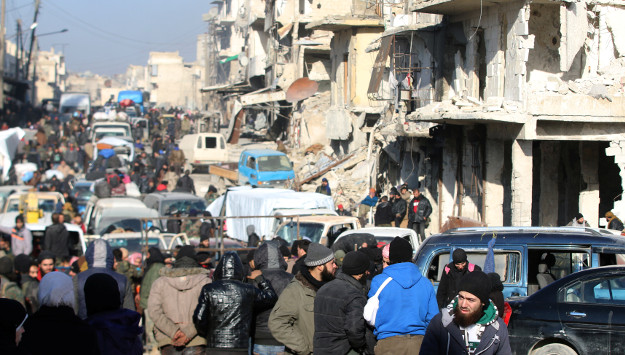
The bloody fall of Aleppo, Syrian opposition forces’ last major urban stronghold, is now certain. Without outside assistance, the rebel groups found it impossible to withstand a ruthless air and ground onslaught by the Iranian-led military forces that are propping up the regime of Bashar al-Assad.
Iran Alarms Region with Plan for Nuclear-Powered Ships
In response to the renewal of the Iran Sanctions Act (ISA) by the US Congress, Iran’s President Hassan Rouhani has ordered the Atomic Energy Organization of Iran (AEOI) to start the development of nuclear-powered ships.
IRGC Increases Ballistic Missile Production despite Sanctions
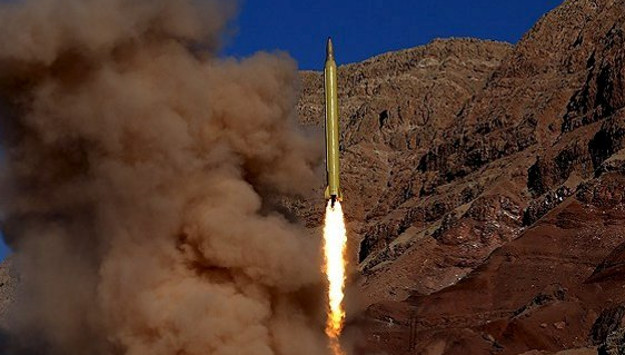
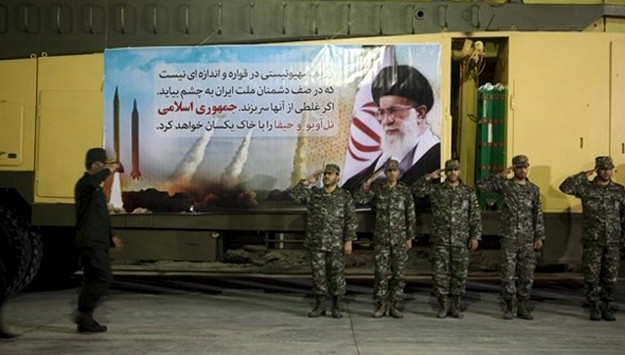
In a remark that may stir concern in the United States, Israel and the Gulf region, a senior commander of the Islamic Republic Revolution Guards Corps (IRGC) says his country has increased the production of ballistic missiles despite international sanctions.
British Premier’s Remarks at G.C.C. Summit Trouble Iran
British Prime Minister Theresa May’s remarks at the Gulf Cooperation Council summit about the need to “push back against Iran’s aggressive” actions in the Middle East have provoked angry reactions and threats from Iranian leaders.
Iraqi Militia Forces Advance toward Tal Afar despite Sunnis’ Concerns
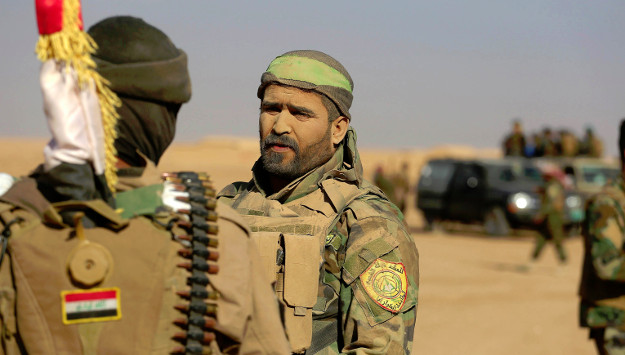
Despite repeated objections by some Iraqi Sunnis and regional Sunni states, the Popular Mobilization Forces (PMF) are continuing to play a major role in the battle of Mosul.
In Japan’s Return to Iran: Risky Business
This essay discusses Japan’s long-standing energy dependence on the Middle East and the complications arising from it, with a focus on relations with Iran. More specifically, it looks at the risks and potential rewards of the revival and strengthening of Japan’s economic relations with Iran in the wake of the nuclear deal.
Read the Middle East Journal
The oldest peer-reviewed publication dedicated to the study of the modern Middle East, MEI’s flagship journal covers politics, society, and culture in the region.