Turkey’s Nuclear Ambitions in the Post-Iran War Environment
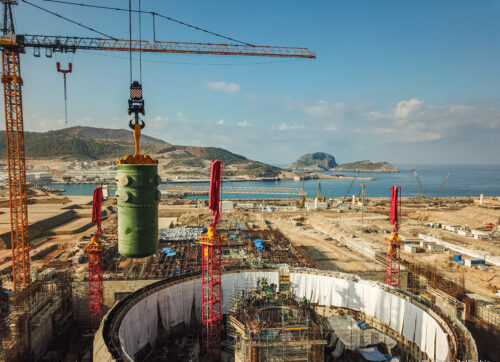
Turkish ambitions to develop nuclear weapons are not new, but the changing security environment is strengthening Ankara’s motivations and rationale for moving away from its longstanding role as a champion of nonproliferation and toward a strategy of preserving the option to build nuclear weapons without actually pursuing them. The challenge for Washington is to manage the nuclear trajectory of regional powers such as Turkey and Saudi Arabia rather than preventing them from acquiring greater nuclear capabilities altogether.
Trump’s South Caucasus Peacemaking Is His Most Successful, but It Remains Unfinished
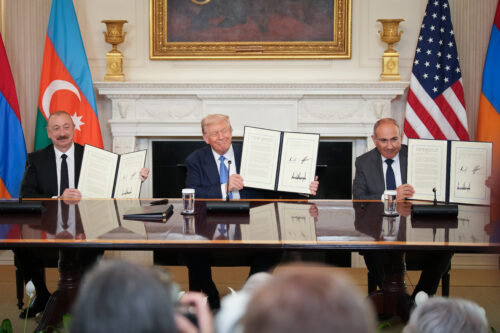
Of all the fronts in President Trump’s peacemaking agenda, the South Caucasus has delivered the most concrete results. The August 2025 Washington Declaration, signed between Armenia and Azerbaijan and witnessed by Trump, marked an important step toward peace in the region. The two sides initialed a peace agreement and advanced plans to unblock regional connectivity, including through the establishment of the Trump Route for International Peace and Prosperity (TRIPP), which would connect Azerbaijan to its Nakhijevan exclave through southern Armenia. Implementation of TRIPP has since made notable progress, but construction has yet to start. A breakthrough on those two tracks would, in turn, unlock Armenia–Türkiye normalization, transforming a long-fractured region into an area of trade and interdependence.
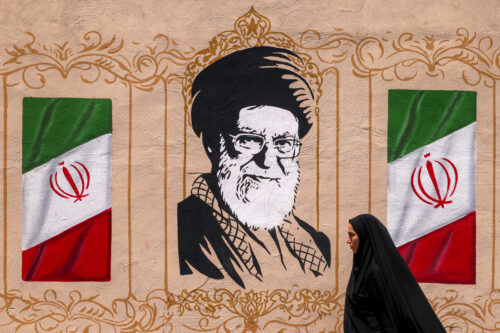
Wars don’t just end. They get interpreted, reinterpreted, and turned into strategic doctrine. That is what happened after the Iran-Iraq War of the 1980s, a conflict that saw the United States back Tehran’s Iraqi adversaries. The war taught Tehran three lessons it never unlearned: that Washington wants the Islamic Republic gone, that Iran stands essentially alone in the world, and that it cannot survive a direct, overt fight with the U.S. and Israel.
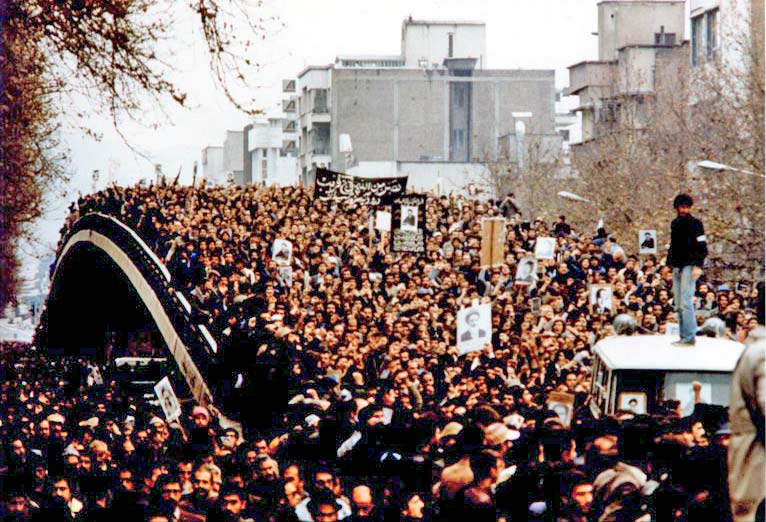
The establishment of several para-governmental organizations (bonyads) following the revolution of 1979 in Iran has created a large socio-economic sector. This sector tried to harness a mass society by creating parallel structures of revolutionary legitimacy and authority in order to contribute to the consolidation process.
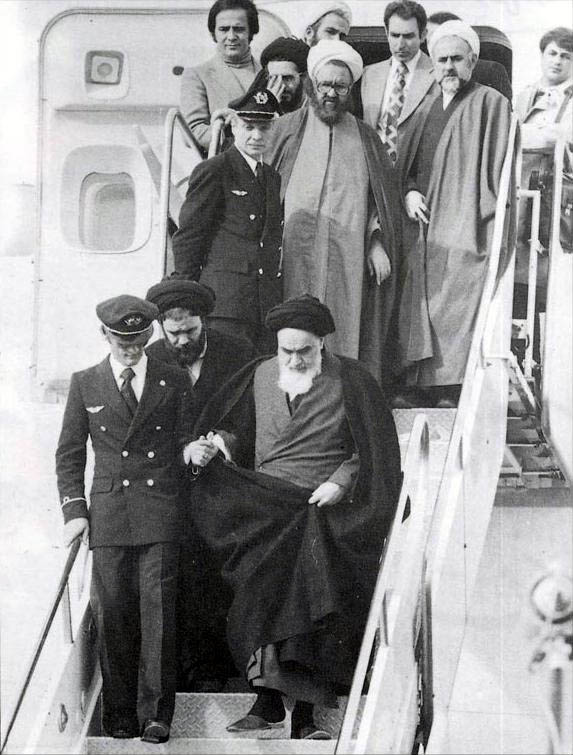
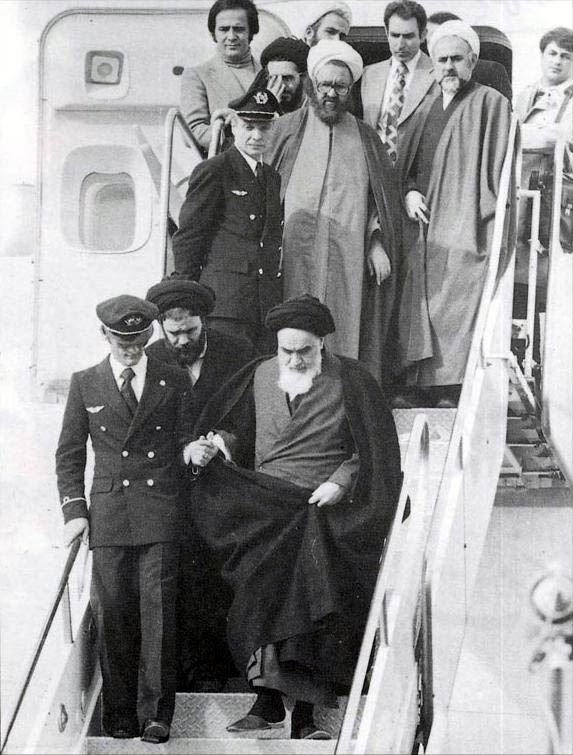
How is it possible that the Islamic Republic of Iran has lasted 30 years? Some of the revolutionaries themselves are probably surprised by this longevity. In 1979, they wrote a constitution that enshrined Imam Ruhollah Khomeini as the leader of the Islamic Republic. Surely they didn’t expect him to live another 30 years, past age 100, but their insistence on Khomeini’s unique characteristics made it unlikely that anybody else would be qualified to succeed him.
The execution of the original project of the Islamic Revolution in Iran has been repeatedly deferred for various reasons. More recently it is the increasing secularization of society under theocratic rule that is hindering the implementation of the original project despite a monopolization of political power by core elite factions.
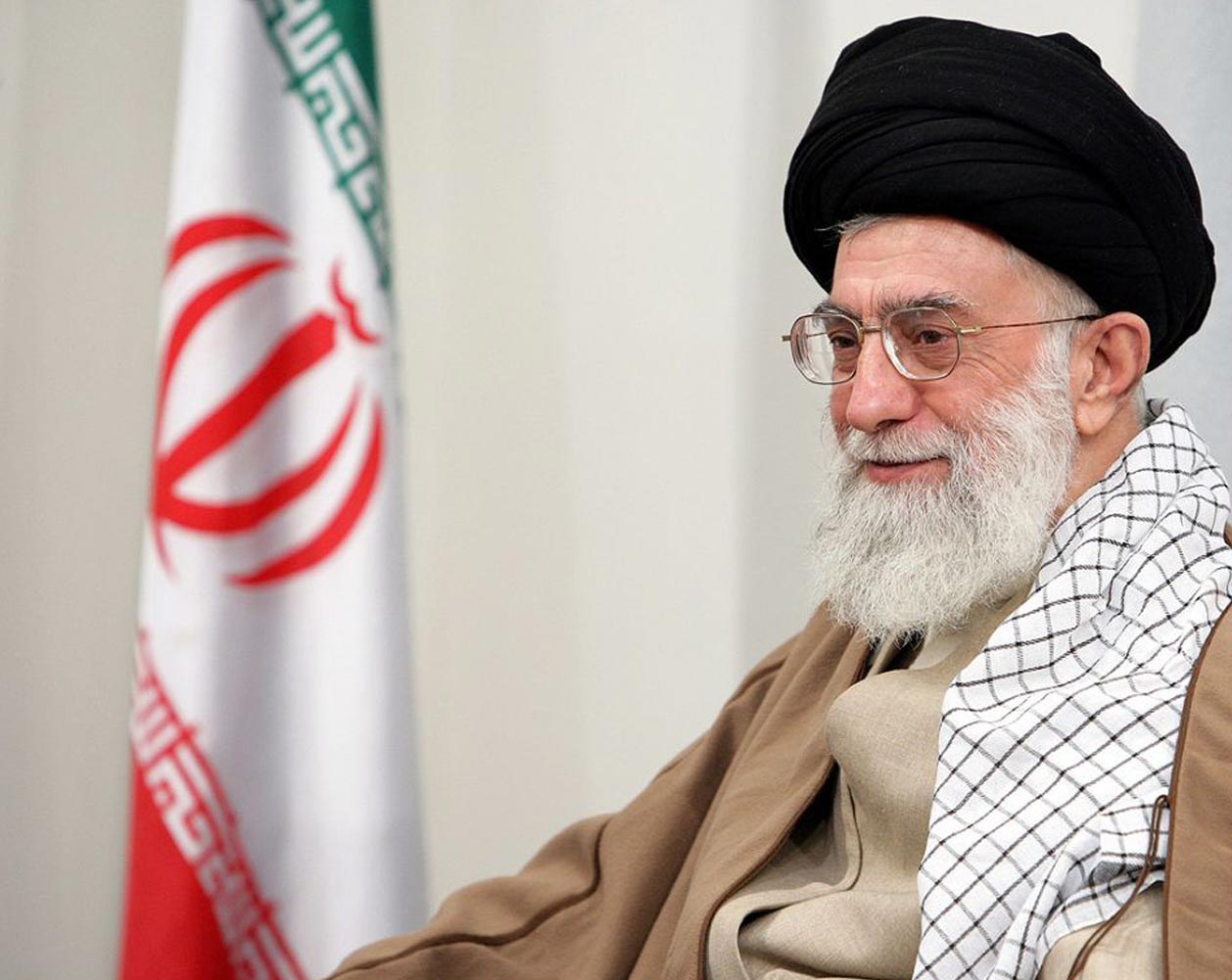
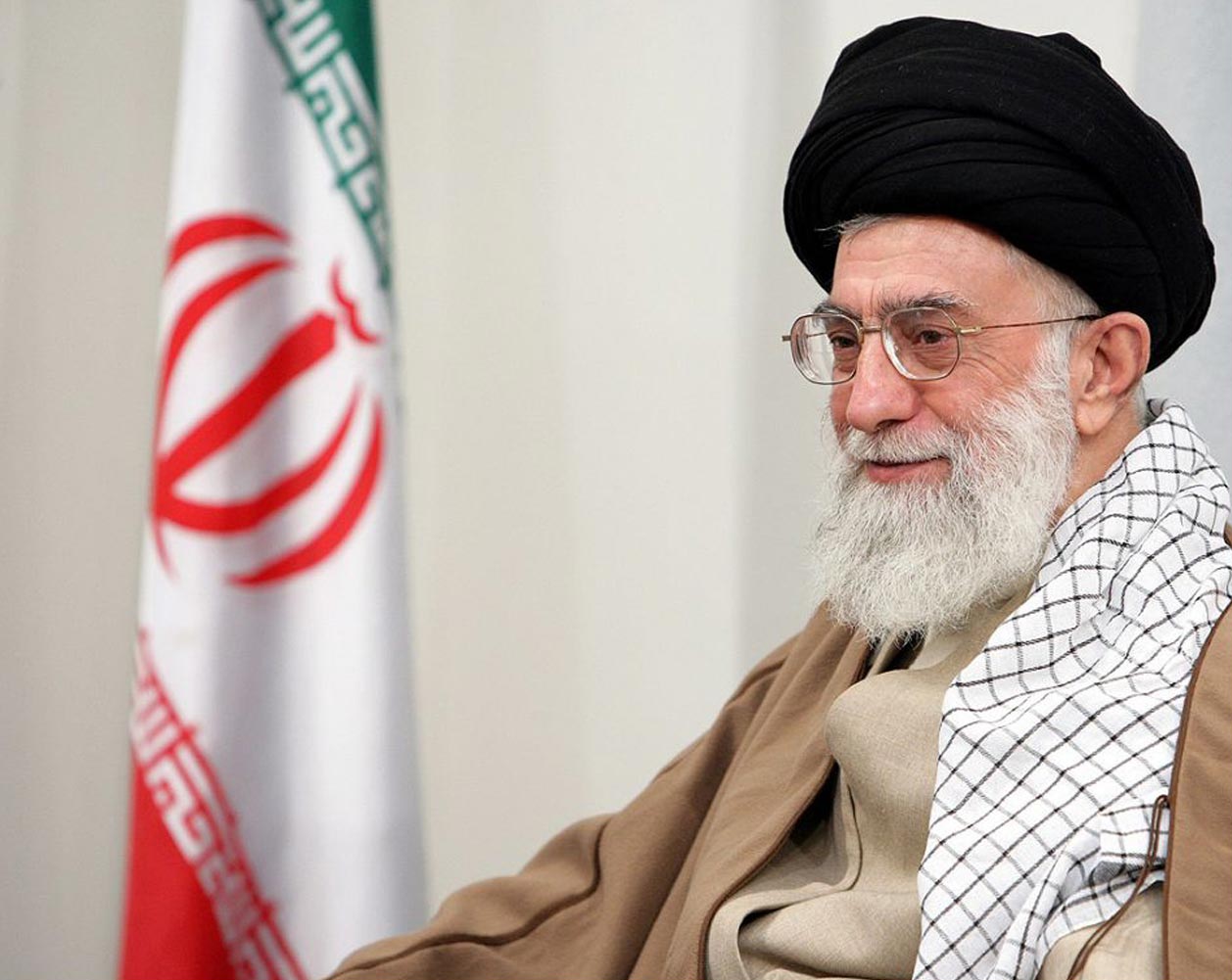
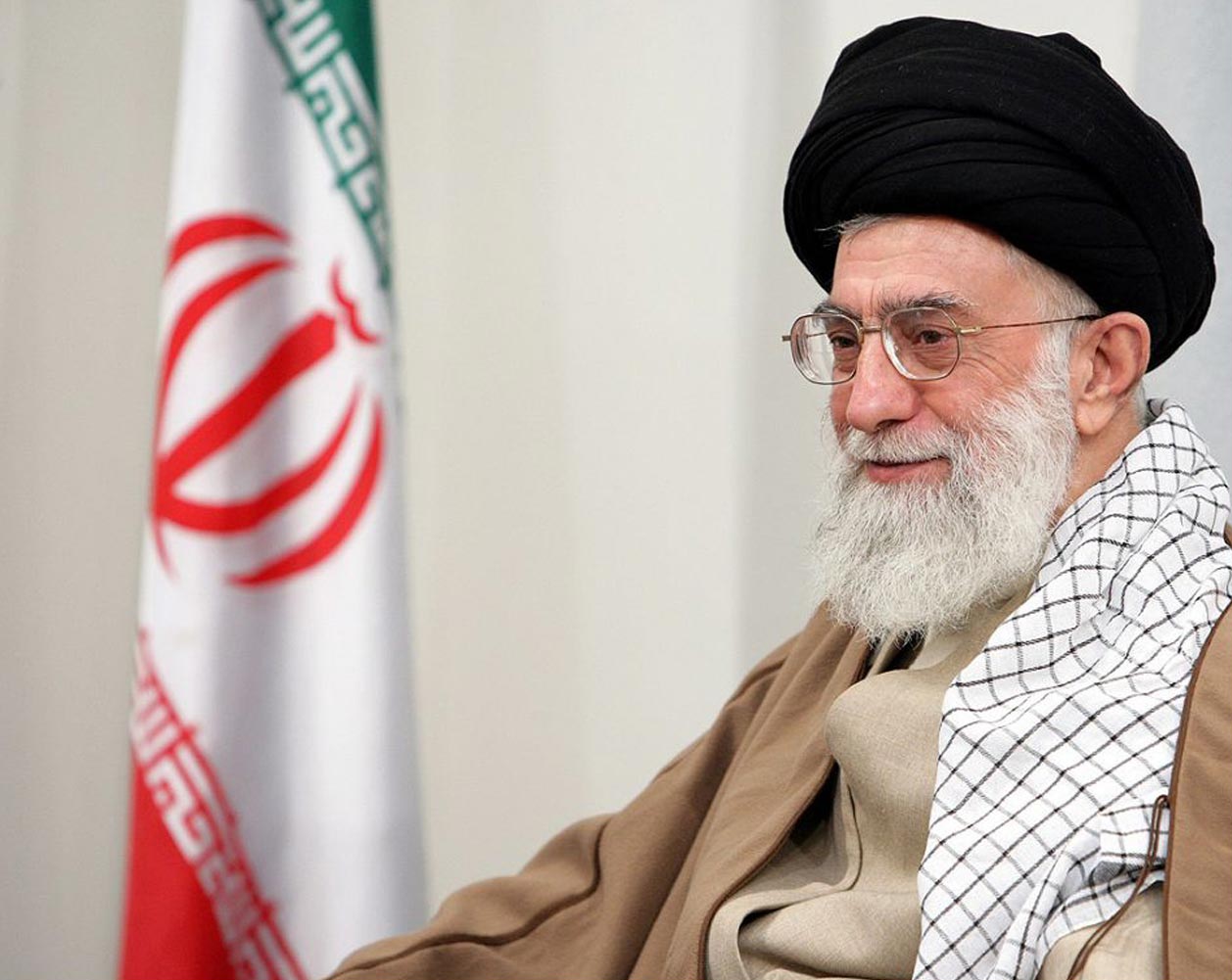
Thirty years ago, Ayatollah Khomeini proclaimed equity and social justice as the Revolution’s main objective. His successor, Ayatollah Khamene’i, continues to refer to social justice as the revolution’s defining theme. Similarly, Presidents Khatami and Ahmadinejad, though they are from very different political persuasions, placed heavy emphasis on social justice in their political rhetoric.
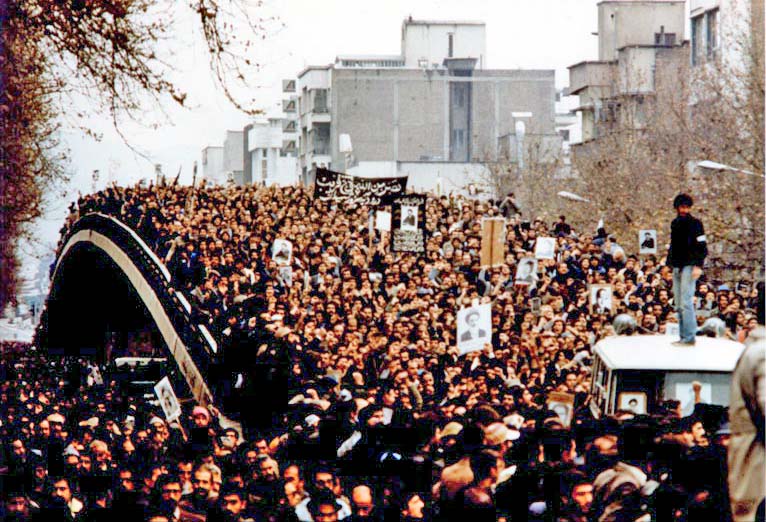
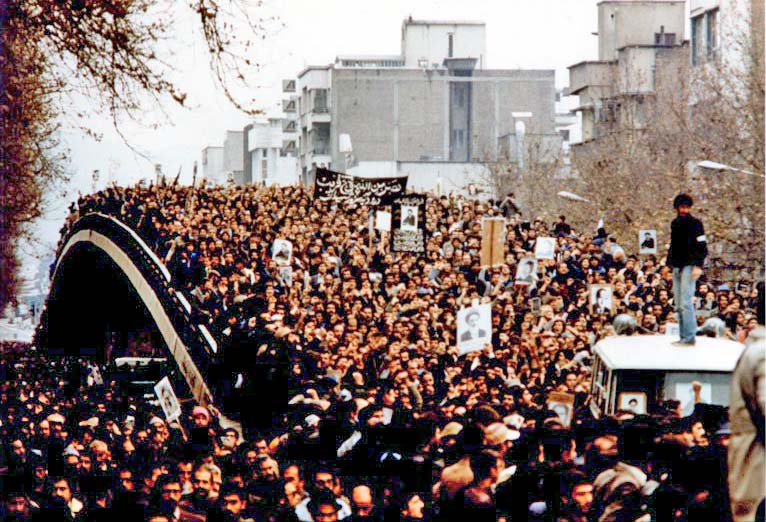
Each year during the anniversary of the revolution, which in Iran is called Dahe-ye Mobarakeh Fajr(The Sacred Ten Days), the Islamic regime leaves no doubt in Iranians’ minds about the causes of the Islamic Revolution.
The term revolution has become a cliché — it is in such common usage that we have forgotten it started its linguistic life as a metaphor. The metaphor was that of a wheel turning upon its axis. The idea, derived from that, is of sweeping change, reminding perhaps of the older, medieval idea of the wheel of fortune (to be found on the tarot card with that name, for example); bringing the mighty low and raising the lowly up on high.
To write briefly about women in Iran since 1979 (and say something different from what is in my recent books Modern Iran and Women in the Middle East and my article on women in the December 2008 issue of Current History) is a challenge.
Elections as a Tool to Sustain the Theological Power Structure
In the 30-year history of the Islamic Republic of Iran (IRI), a total of 30 elections have been held. In spite of losing popular ground, and despite uninterrupted elections, the clerics in Iran still firmly hold the reins of power because elections are designed to serve the status quo rather than to change it.
Women and the Islamic Republic: Emancipation or Suppression?
This essay focuses on the differences between the pre- and post-revolutionary periods in legal interpretations regarding the treatment of female sexuality in marriage and its implications for the freedom of labor and the autonomy of women. I argue that under the monarchy, the theoretical commoditization of female sexuality in marriage was treated as negotiable and modifiable. By contrast, the Islamic Republic has treated the issue as non-negotiable and has reinforced it through the enhancement of women’s entitlements in marriage.
The Iranian Revolution and its aftermath have generated many debates, one of which pertains to the effects on women’s labor force participation and employment patterns. For over 20 years, Iran-born scholars have debated the extent of women’s post-revolutionary marginalization, emphasizing the impact of ideology or economic policy. For some, Islamization led to women’s labor marginalization, while others have argued that Islamization — and its attendant sex segregation — actually benefited women, in that conservative families allowed their daughters to be educated and to seek work.
Shi‘a Politics in Iran after 30 Years of Revolution
In the wake of the 1979 Iranian Revolution, Twelver Shi‘a Islam saw the crystallization of a major radical movement led by activist clerics and militant ideologues with a revolutionary agenda to establish an Islamist political order. The institutionalization of the political ideology of the velayat-e faqih or the “guardianship of the jurist,” advanced by Ayatollah Ruhollah Khomeini (1900-1989), brought to the fore a new conception of Shi‘a government.
Whether or not Muhammad Khatami decides to run again for President of Iran, his prominent legacy symbolizes an ongoing fertile debate inside Iran about political reform and adaptation. For Khatami, democracy and dialogue remain the essential path for Islamic Republic, a bridge between civilizations, a solid course for Iran to the future.
Observers, including this author, often emphasize apparent Iranian paradoxes to alert outsiders to Iran’s vibrant and dynamic society, beyond the static, enigmatic “black” clichés so commonly clung to in popular Western discourse.
Women have played a crucial role in the Iranian struggle for democracy. They have played an important role not only in the victory of the Islamic Revolution,[1]but also in the developments that have occurred since.
The religious make-up of Iran’s population is marked by a paradox: while many religions and sects are present, the overall picture is one of homogeneity, as over 99% of Iranians are Muslims, and of these somewhere between 75% and 90% adhere to Twelver Shi‘ism, Iran’s official state religion for the last five centuries. However, the exact numbers are unknown, since Iranian censuses ask citizens for their religious affiliation but allow only four choices: Islam, Christianity, Judaism, and Zoroastrianism, the latter three constituting the “recognized” minorities.
Azerbaijani Ethno-nationalism: A Danger Signal for Iran
By the Treaty of Turkmenchay in 1828, Iran was forced to cede its dependent khanates north of the river Aras to Russia. The majority population of both North (Russo-Soviet) and South (Iranian) Azerbaijan belong to the same ethnic group within the Turkic linguistic family. Many Azerbaijanis tend not to differentiate between the modern republic and Iranian Azerbaijan; they consider the Iranian Azeris “kith and kin.” In fact, many Azerbaijanis actually have family on the other side.
The oldest peer-reviewed publication dedicated to the study of the modern Middle East, MEI’s flagship journal covers politics, society, and culture in the region.