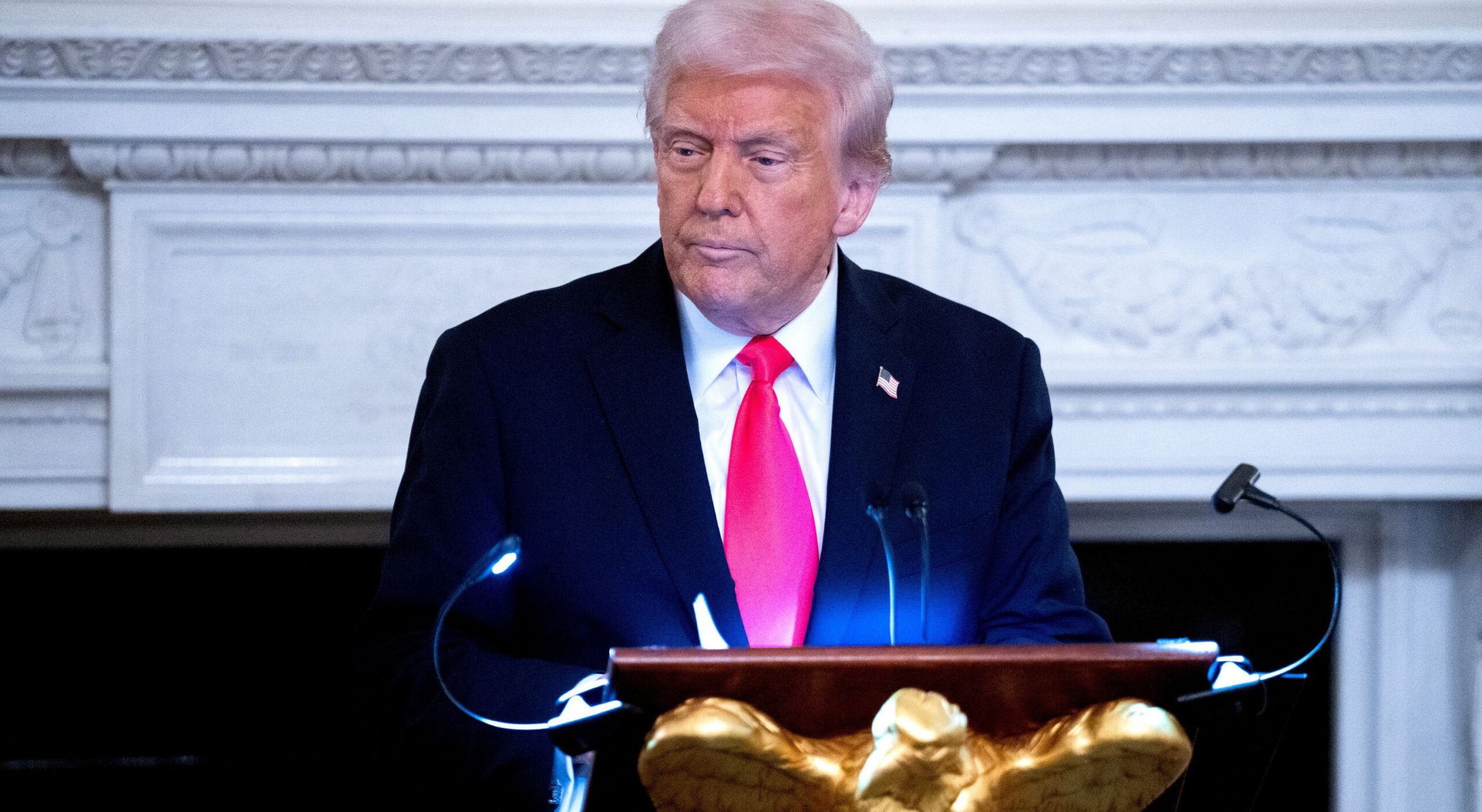
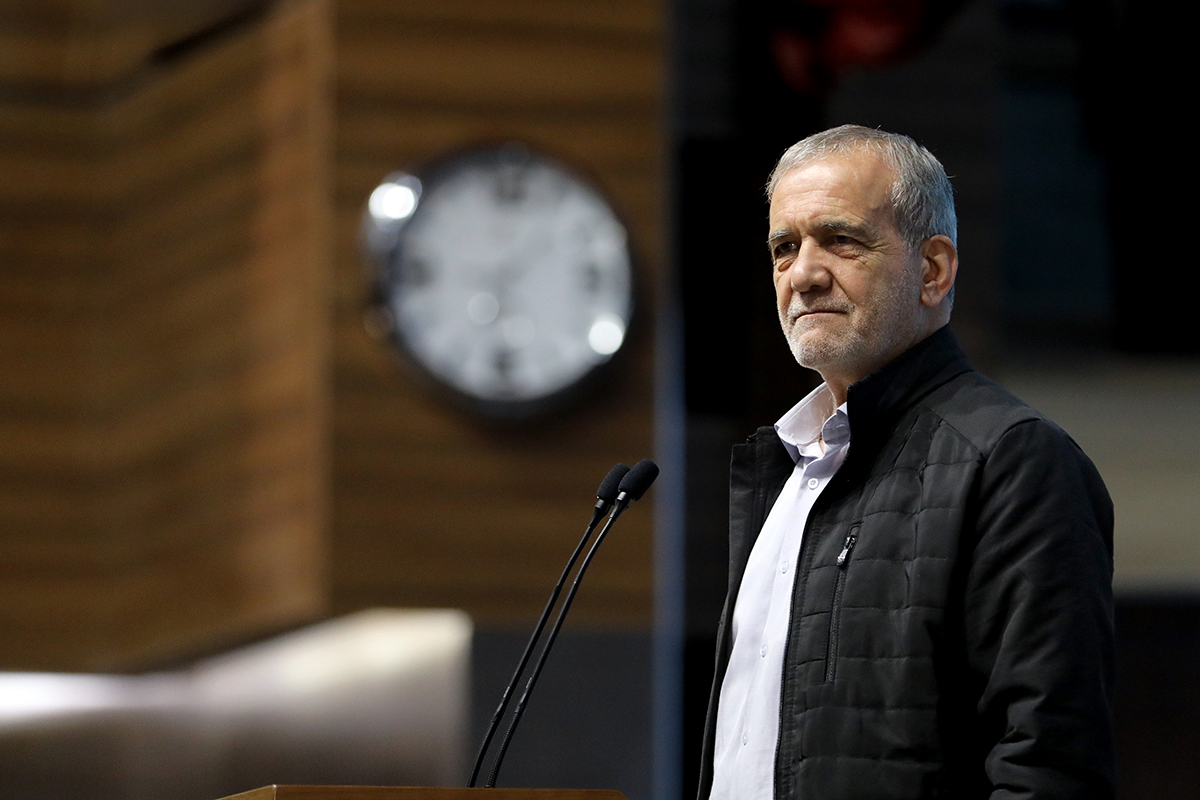
This article is part of a collection of short essays written by the Fellows of the Middle East Institute to explore aspects of the ongoing war with Iran. The intent of the collection is to help readers see new and unexpected elements of the dynamics and impact of the ongoing hostilities and to think harder, deeper, and broader about the implications of the conflict.
Yemen: The Houthis’ Role in the Next Evolution of the Axis of Resistance
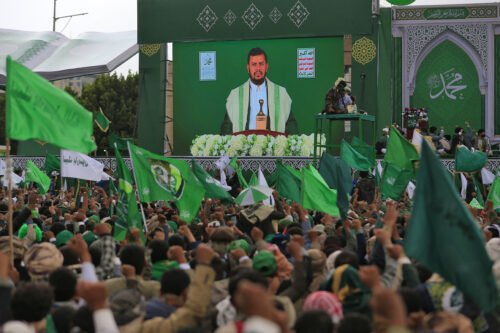
The outbreak of the war with Iran demonstrated the strategic value of maritime chokepoints in the Islamic Republic’s confrontation with the United States. But as Tehran’s strategy of using the Strait of Hormuz to pressure Washington seems to be backfiring, Iran is working with the Houthis to strengthen its leverage over another strategic chokepoint: the Bab el-Mandeb. The recent escalation in Yemen should be viewed within this context.
US Regional Foreign Policy: Unforced Diplomatic Errors Risk Accelerating American Retrenchment
As the summer draws to a close, the storyline for the 2026 Iran war remains incomplete and the United States’ broader Middle East policy direction highly uncertain. None of the major issues that have long headlined Washington’s Iran portfolio appear any closer to resolution, and new problems have emerged that did not exist before.
This week, US President Donald Trump makes his inaugural visit to the Middle East since the start of his second term, traveling to Saudi Arabia, Qatar, and the United Arab Emirates on May 13-16. Amid the heightened focus on US policy toward the Middle East, MEI’s experts take stock of Trump’s trip to the Gulf, how his administration has shaped its approach to the wider region in its first several months, and how regional actors are responding to the policies coming out of Washington.
Trump’s domestic political support craters at the 100-day mark before his Middle East trip
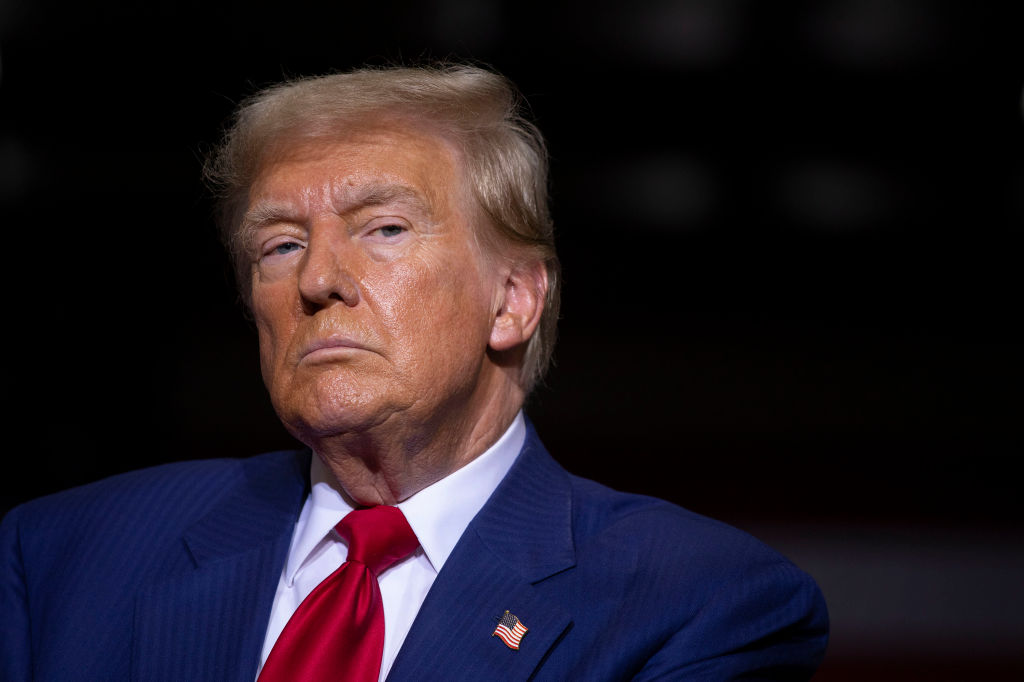
President Donald Trump reached the 100-day mark in his second term this week seeing a sharp drop in his domestic political standing. This comes less than two weeks before Trump embarks on a key Middle East trip to the Gulf. The administration may be looking to the presidential visit as a chance to achieve some progress, but the region remains fraught with uncertainty and US policy in the Middle East rarely provides domestic political dividends.
Iran appears to be reorienting its approach to diplomatic engagement with its neighbors and the West by prioritizing the economic benefits of cooperation. A possible withdrawal of support for the Houthis is the latest significant potential outcome of Iran’s shifting stance. The following are five factors to watch for as a Tehran under duress reformulates its policies.
US-Iran Nuclear Talks: A Fragile Opening for Diplomacy
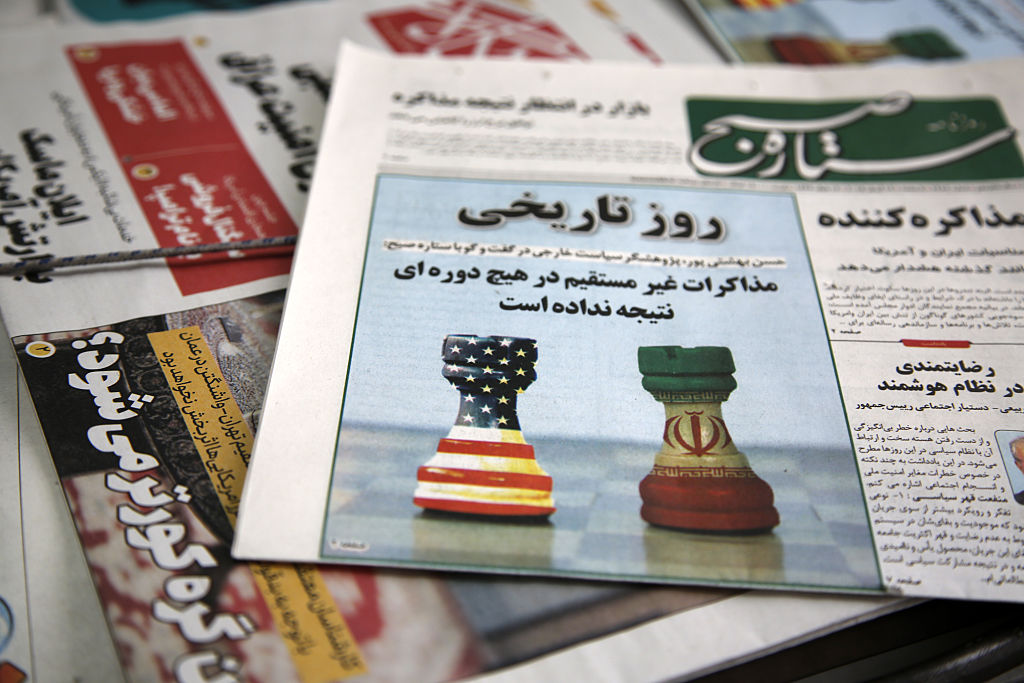
Following seven years of diplomatic deadlock, Washington and Tehran have resumed nuclear negotiations — and for the first time in years, there are signs of real momentum.
Alex Vatanka, MEI Senior Fellow and author of The Battle of the Ayatollahs in Iran, joins hosts Alistair Taylor and Matthew Czekaj to analyze the current round of talks, the technical issues under discussion, and the political stakes on both sides. He explores Iran’s economic and domestic pressures, US red lines, and the role of key players like Israel, China, and Oman in shaping the negotiations.
Deteriorating human security in Gaza will limit Trump’s Middle East aspirations
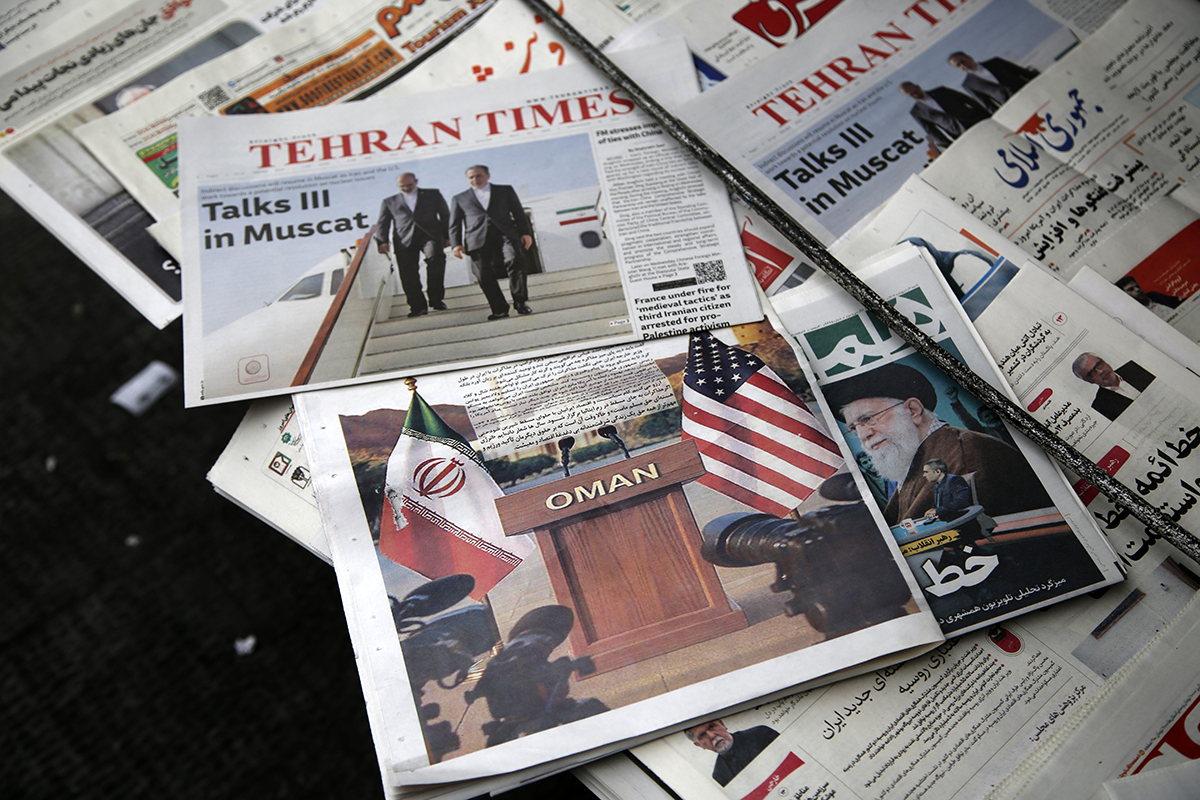
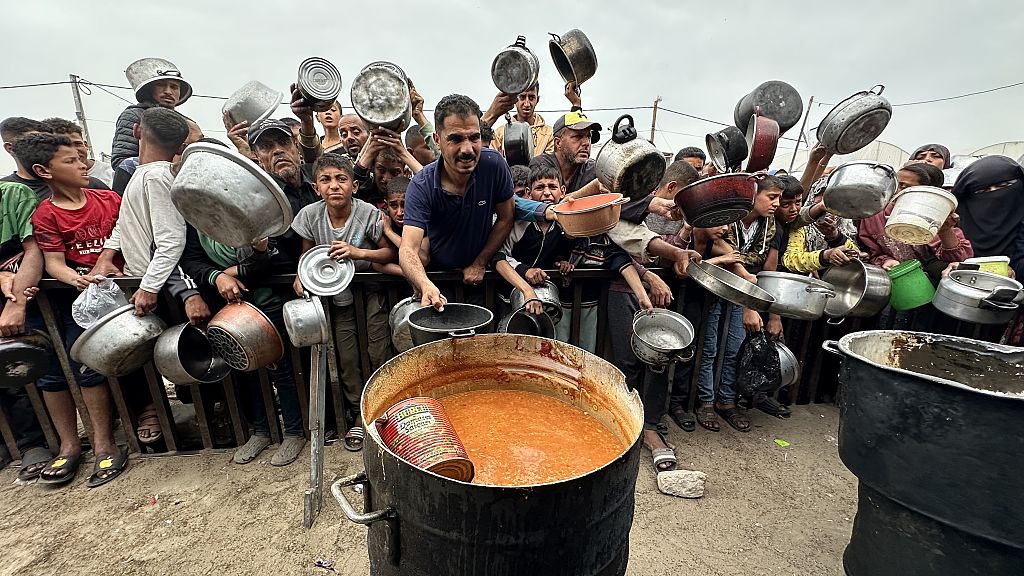
The spotlight on US policy in the Middle East remains focused on talks with Iran, with a third round set for Oman this coming weekend after discussions in Rome on April 19 offered some signs of progress. But a growing humanitarian crisis in the Gaza Strip and the stalled efforts to safely return hostages held by Hamas remain the biggest challenges that President Donald Trump’s administration has yet to address successfully.
Could Russia support US-Iran negotiations? The risks outweigh the benefits.
President Donald Trump wants a deal with Iran. Russia has offered to mediate. But an agreement negotiated by Moscow would turn the Middle East upside down as well as negate years of Western efforts to impede and deter further aggression by the Kremlin.
Could Russia support US-Iran negotiations? An indirect opportunity worth exploring.
On April 12, the United States and Iran wrapped up their first round of renewed diplomatic talks in Muscat, with round two set for April 19, in Rome. In the interim, Iranian Foreign Minister Abbas Araghchi is in Moscow to coordinate with the Russians. But the real breakthrough will not come from nuclear talks alone — it will require confronting the region’s most explosive fault line: the Iranian-Israeli standoff. Russia claims it can help.
Thinking the unthinkable: Improved US-Iran relations under Trump?
It is no surprise that both Iran and the United States have approached their first diplomatic engagement in four years with wariness. There are plenty of reasons to be skeptical about the probability of the negotiations culminating in a deal. But it would be a mistake to assume that the conditions in 2025 are the same as existed in 2015. Time is not on the Iranians’ side now and changes afoot in the Middle East and the broader global community give Iran an incentive to move toward an agreement, assuming that Washington is sincere and realistic in its negotiations with Tehran.
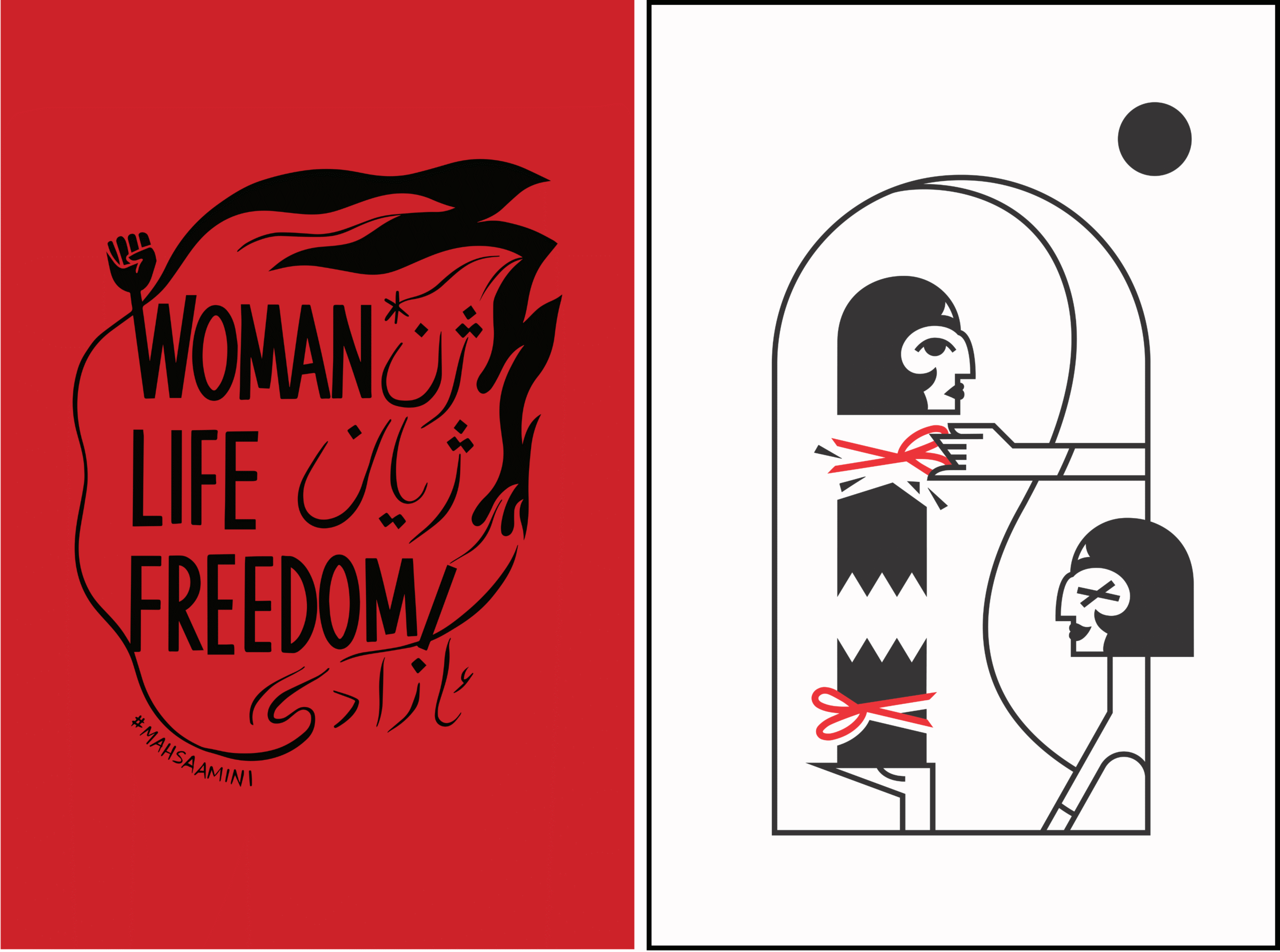
Woman, Life, Freedom: How the Arts Energized Iran’s Women-Led Uprising
The Middle East Institute’s (MEI) Arts and Culture Center invites you to join an in-person panel conversation on the role of the arts in Iran’s Woman, Life, Freedom protest movement and the impact it continues to have three years after the death of Mahsa Amini at the hands of Iran’s morality police.
Three issues to watch in Trump’s emerging Iran policy approach
The biggest development this past week in the Middle East policy of Trump’s second administration was the initiation of talks between the United States and Iran. This small sign of hope for diplomatic progress comes at a time when the administration continues to implement an assertive and unpredictable economic unilateralism that has roiled global markets and reduced trust and confidence between the United States and most close international partners. Brian Katulis unpacks three things to watch closely as Trump’s Iran policy evolves and his broader national security approach unfolds.
Trump’s whirlwind of uncertainty and chaos hits the global economy and the Middle East
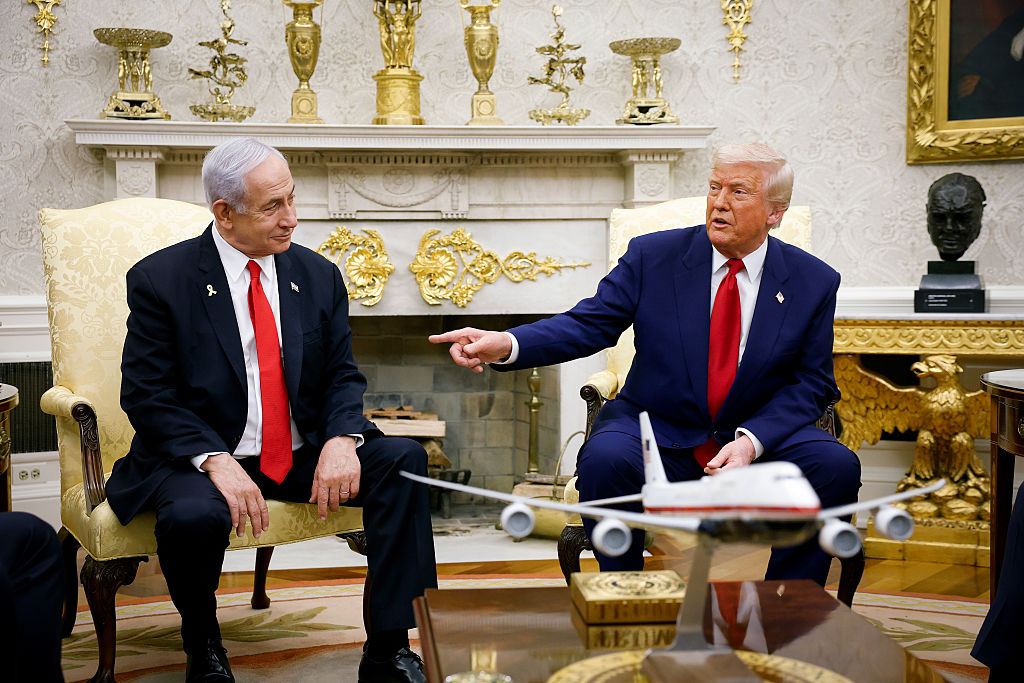
US President Donald Trump surprised Israeli Prime Minister Benjamin Netanyahu by publicly announcing “direct” talks between the United States and Iran set to take place later this week. The American president also unleashed global economic uncertainty by announcing simultaneous, unexpectedly high tariffs on dozens of countries around the world — including a 17% duty on Israel — and kicking off an escalating global trade war.
Trump’s upcoming Middle East trip presents opportunities at a time of increased risks
President Donald Trump confirmed this week that he plans to travel to Saudi Arabia and other Middle East countries later this spring. This visit will bring the region into sharper focus at a time when Trump’s priorities have focused closer to home and on his unique brand of economic warfare.
The first two months of Trump 2.0 in the Middle East: Hard push for elusive breakthroughs
President Donald Trump is focused on realizing two transformative breakthroughs that his predecessors failed to accomplish: an end to the Arab-Israeli conflict, centered on a tripartite US-Saudi-Israeli deal, and an agreement between the US and Iran. Both would be historic achievements. So far, however, progress in each case has proven difficult and plodding.
President Masoud Pezeshkian might be the loneliest man in Iran. Just eight months into his term in office, he is already losing the support of those who once championed him. While the Iranian presidency is a thankless job, Pezeshkian is not helping his own case.
The oldest peer-reviewed publication dedicated to the study of the modern Middle East, MEI’s flagship journal covers politics, society, and culture in the region.