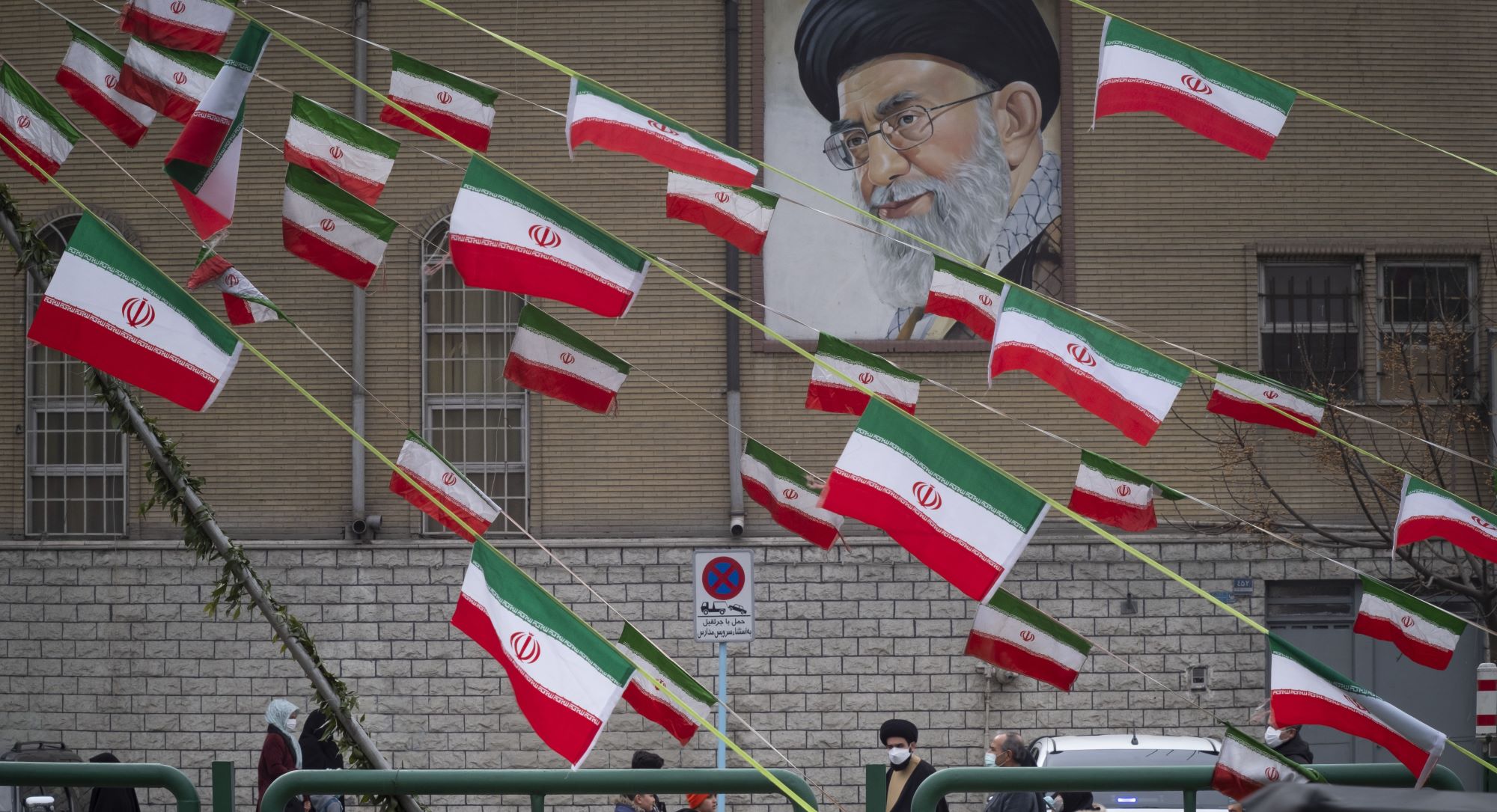
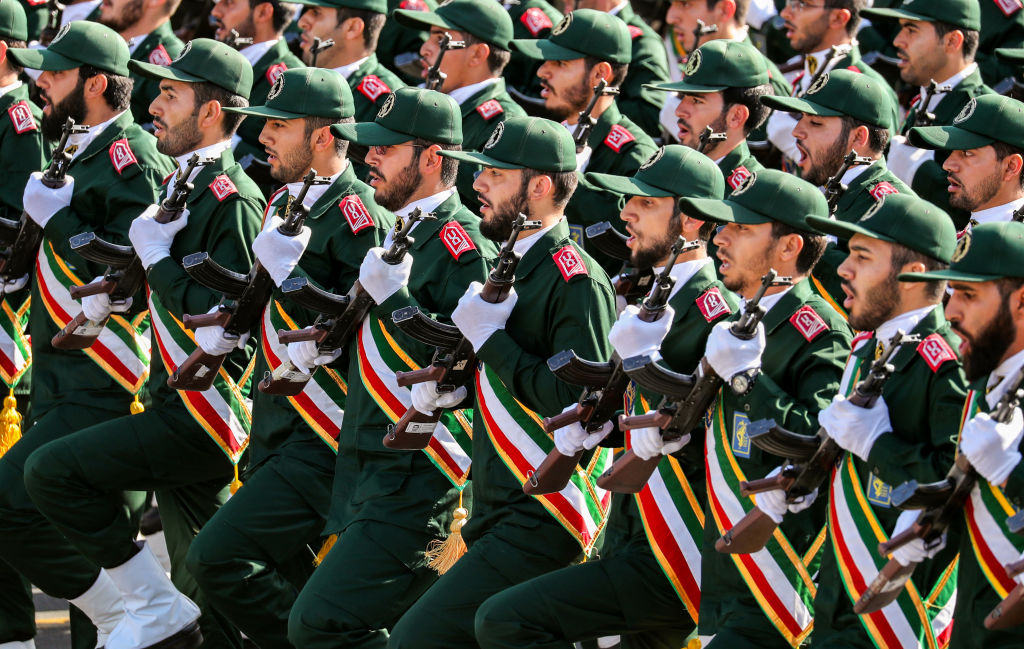
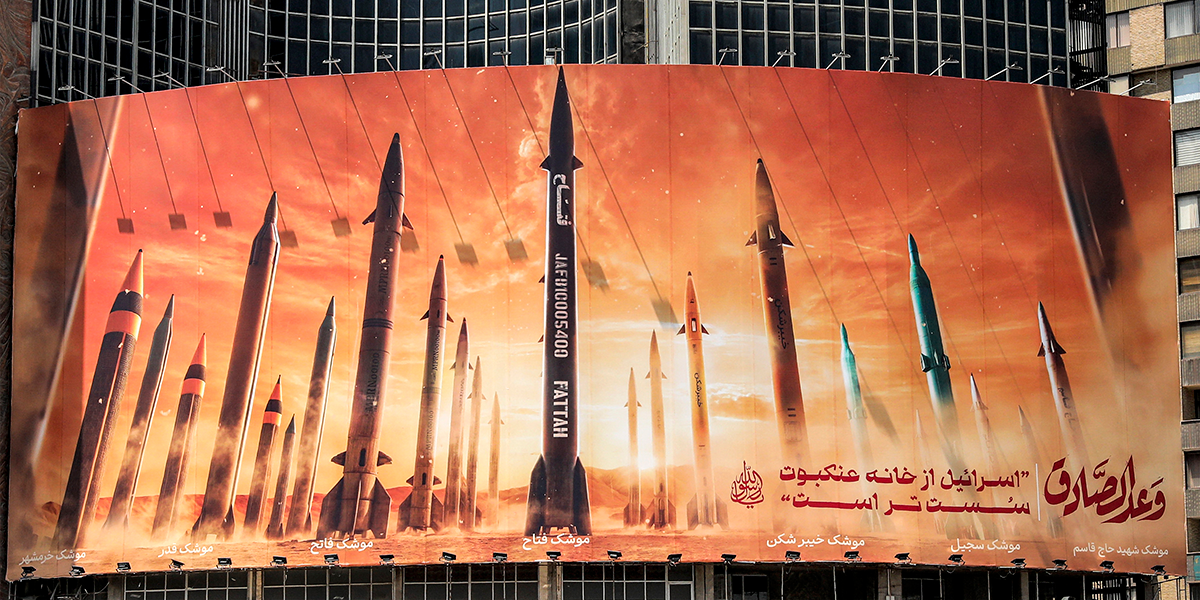
Washington says it doesn’t know who runs Iran. Tehran insists its leadership is united. MEI Senior Fellow Alex Vatanka joins hosts Alistair Taylor and Matthew Czekaj to sort out where the truth lies. They look at the small circle of political and military figures now steering the war effort in Tehran: who they are, how they make decisions, and how unified they really are. They also discuss the current state of US-Iran negotiations, the role of the upcoming midterm elections in the United States, and how the Islamic Republic is preparing for a potential renewal of conflict afterward.
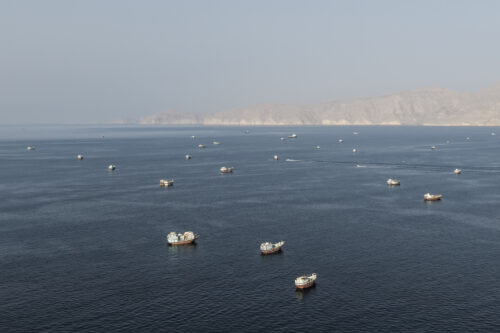
Crude oil is flowing out of the Gulf again, but the market is no better prepared for another disruption in the Strait of Hormuz. It has assembled a temporary system for managing one. Crude exports from the Gulf, excluding Iran, returned to pre-war levels in September, while total Gulf shipments reached 15.5 million barrels a day, more than 80% of the pre-conflict volume.
Many of the immediate consequences of the Israeli-American war with Iran are already clear. The further emergence of drones and missiles as dominant weapons of war; the danger to the global economy from the threats to vital chokepoints such as the Strait of Hormuz and the Bab el-Mandeb; and the inadequacy of US weapons procurement, among other issues, have garnered widespread and entirely merited attention.
Beyond guns and oil: The emerging soft power rivalry between Iran and Saudi Arabia
A little over a year ago, the icy relations between Iran and Saudi Arabia underwent a remarkable thaw. But beneath this détente, a new front emerged in their longstanding rivalry — one rooted not in geopolitics or religious ideologies but in the realm of soft power and societal aspirations.
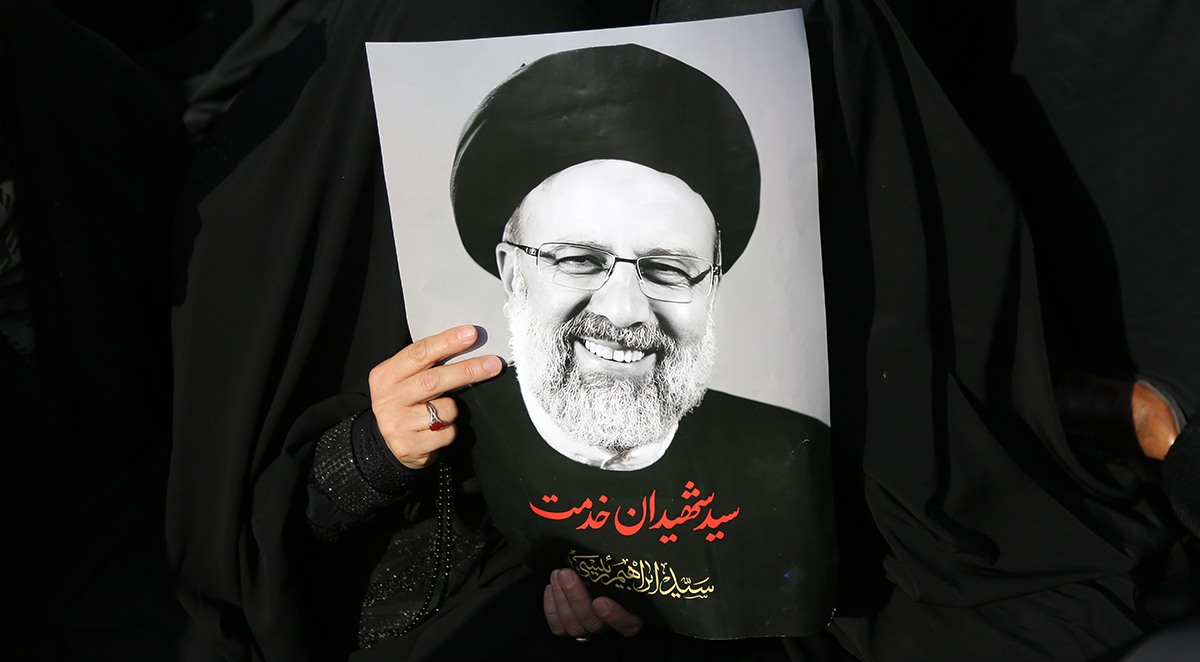
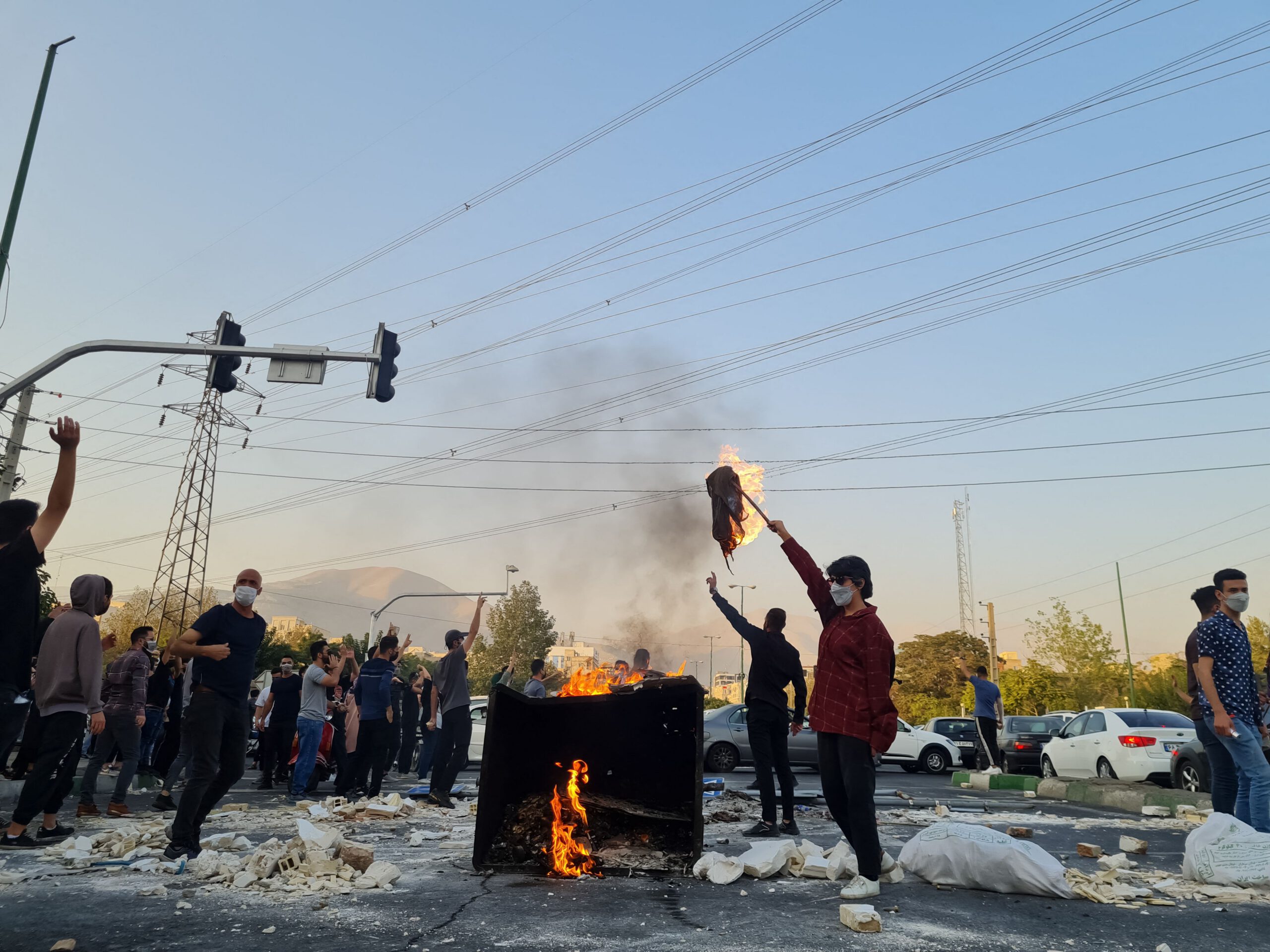
Raisi's death underscores Iran’s instability and potential post-Khamenei destabilization
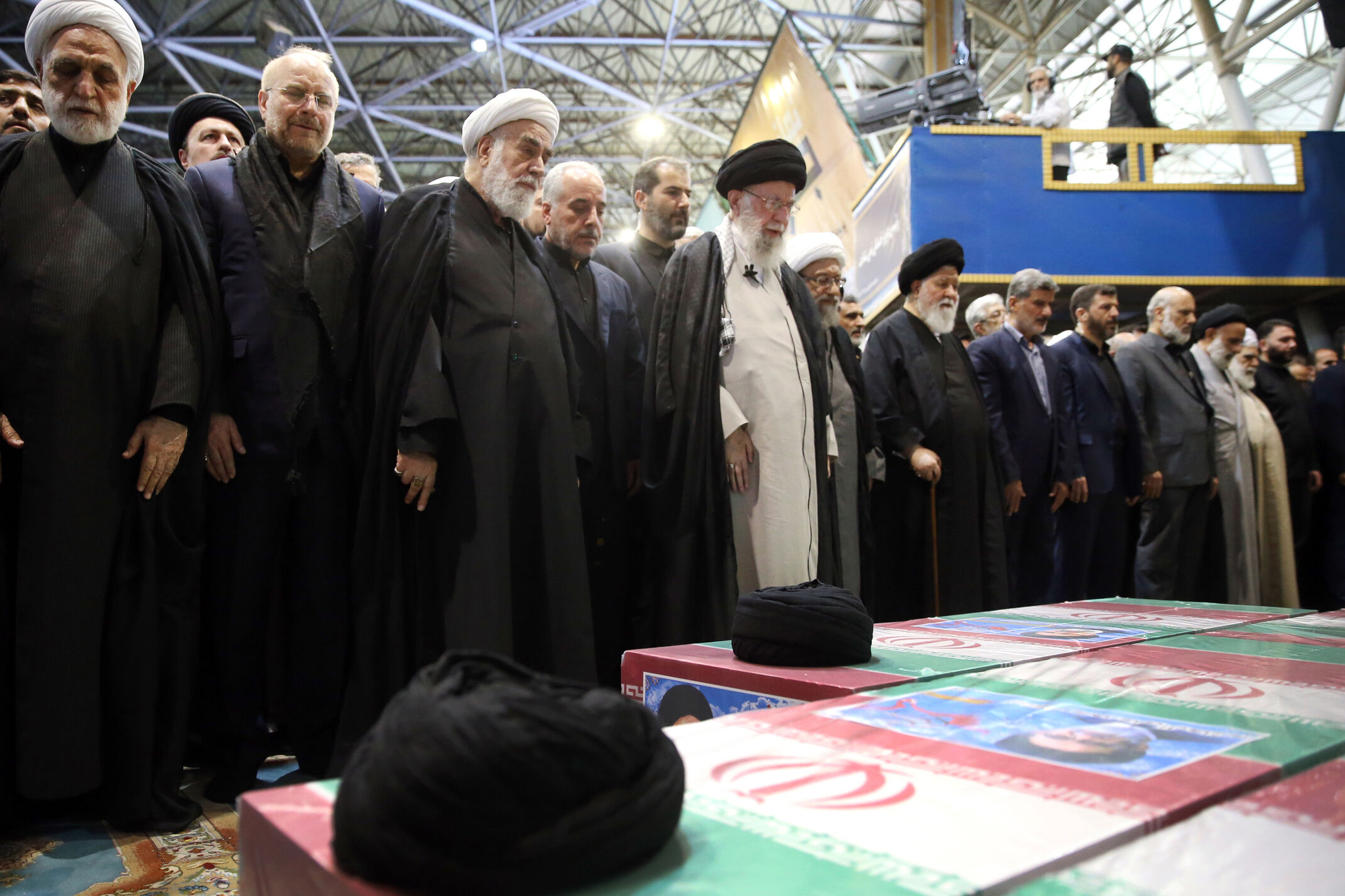
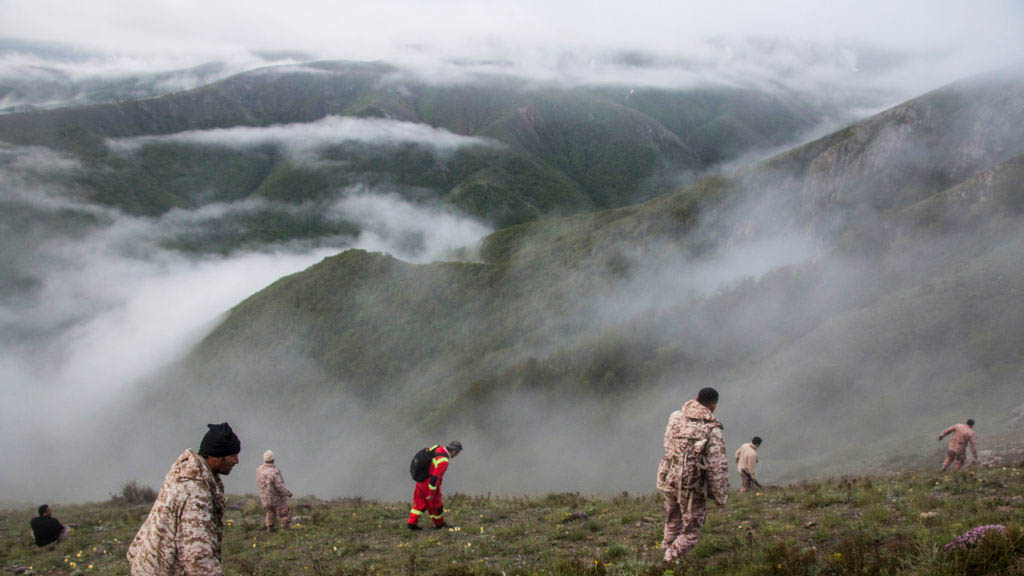
The death of President Ebrahim Raisi serves as a stark reminder of the pervasive instability within the Iranian system of government and its potential repercussions for the future of the Islamic Republic.
Corruption in Iran: A strategic instrument for the Islamic Republic regime
Corruption in Iran is strategic and a key element of the current political order. It serves as an instrument of national strategy and an essential component of governance within the Islamic Republic.
Khamenei will maintain tight grip on Iran’s snap presidential election
The sudden death of President Ebrahim Raisi obliged Iran to hold snap presidential elections by June 28. In the first phase of this electoral process, all eyes will be on Supreme Leader Ali Khamenei, since the relative competitiveness of the upcoming contest depends entirely on who the leader allows to run.
Deterrence Reasserted? Debating Iran's Missile Capabilities and Willingness to Use Force
On this week’s episode, David DesRoches and Abdolrasool (Farzam) Divsallar, a Non-Resident Scholar with MEI’s Iran Program, speak to MEI Managing Editor Matthew Czekaj on Iran’s April 13 missile and drone attack on Israel and what it reveals about both countries’ attack and deterrence capabilities.
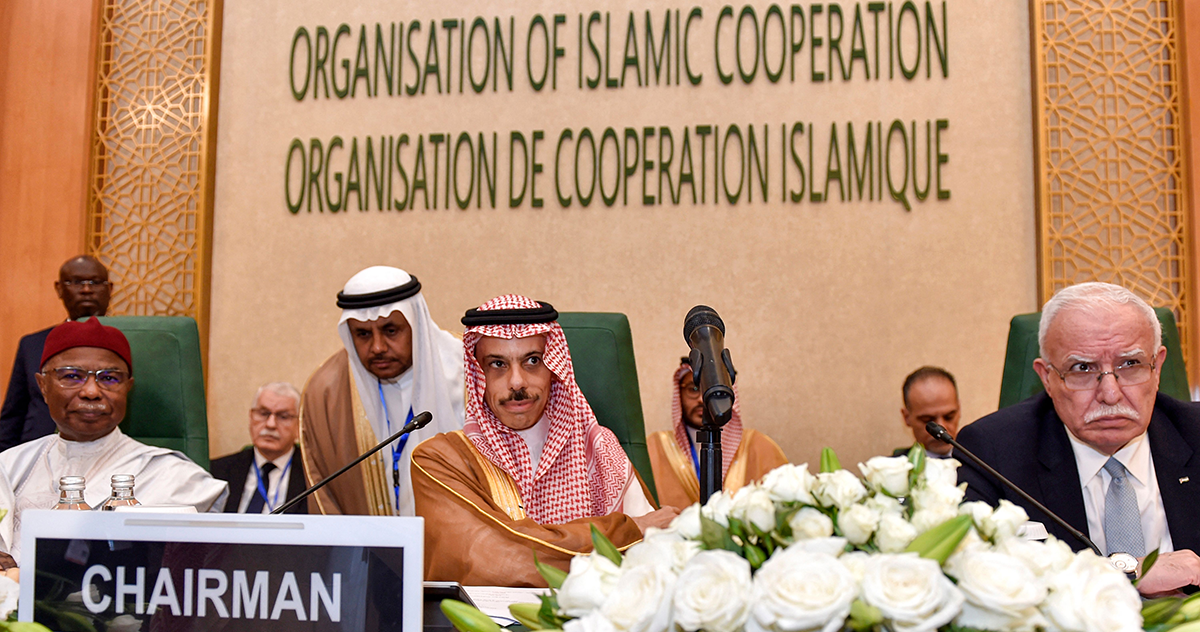
Riyadh and Tehran use OIC to mend ties, but its sway is limited
A year after the restoration of diplomatic relations between Saudi Arabia and Iran, the two countries are working to ease regional tensions in the Middle East in exchange for promises of improved bilateral cooperation. But strains persist in the relationship between Riyadh and Tehran, and the two capitals are using the Saudi-based Organization of Islamic Cooperation, which includes members from 57 Muslim countries, to try to bridge their differences.
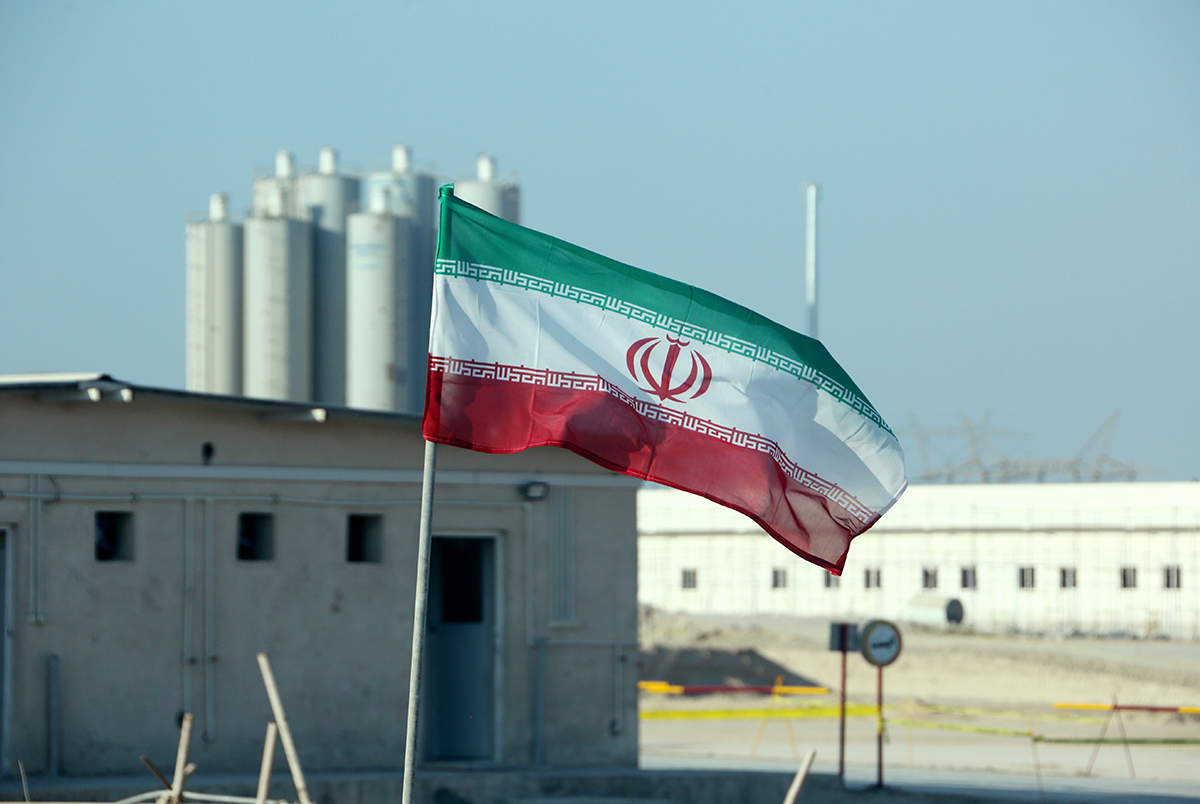
Iran’s new nuclear policy between deterrence and pragmatism
The recent escalation in tensions between Israel and Iran has sparked concerns about a potential shift in Tehran’s strategy toward full weaponization of its nuclear program. Under the current circumstances though, maintaining its status as a threshold nuclear power is likely to be Iran’s chosen strategy, in line with its broader shift from strategic patience to active deterrence.
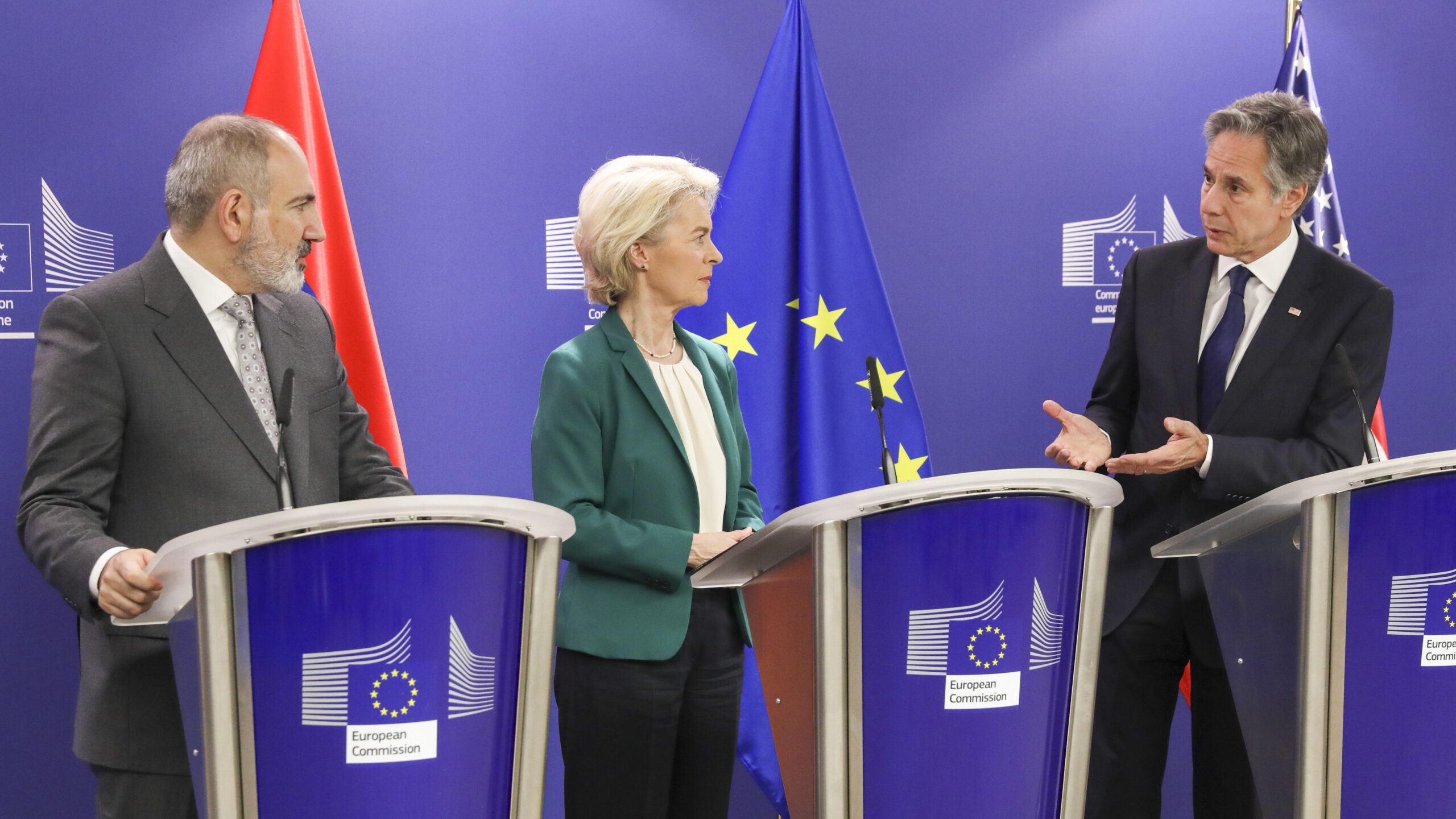
As Armenia gradually reorients toward the West, Azerbaijan faces its own geopolitical choice
In early April, a highly publicized trilateral meeting involving the United States, the European Union, and Armenia was widely believed to mark a turning point in Yerevan’s relationship with the West. If it comes to pass, it will present Baku with its own critical decision: whether to abandon multi-vectorism and more fully align with Russia or the West.
“The IRGC has become a multi-headed dragon”: A conversation with Mohsen Sazegara about the IRGC’s emergence and evolution
This month marks the 45th anniversary of the founding of Iran’s Islamic Revolutionary Guard Corps (IRGC). Mohsen Sazegara, a non-resident scholar with MEI’s Iran Program, was one of the group’s founders and a member of its first board of commanders. He later became a journalist and a reformist political activist. He was arrested and imprisoned four times before ultimately leaving Iran. He was interviewed by MEI in early May.
It’s time for Tehran to take a cold, hard look at its proxy strategy
The recent blow-for-blow strikes by Iran and Israel are bound to result in some introspection in Tehran. It is the first time since the launch of the “Axis of Resistance” some 20 years ago that Tehran has to choose whether it wants to center its entire national security strategy around the conflict with Israel. Going forward, Tehran could choose to handle this conflict through political and diplomatic means rather than via the Axis of Resistance.
The oldest peer-reviewed publication dedicated to the study of the modern Middle East, MEI’s flagship journal covers politics, society, and culture in the region.