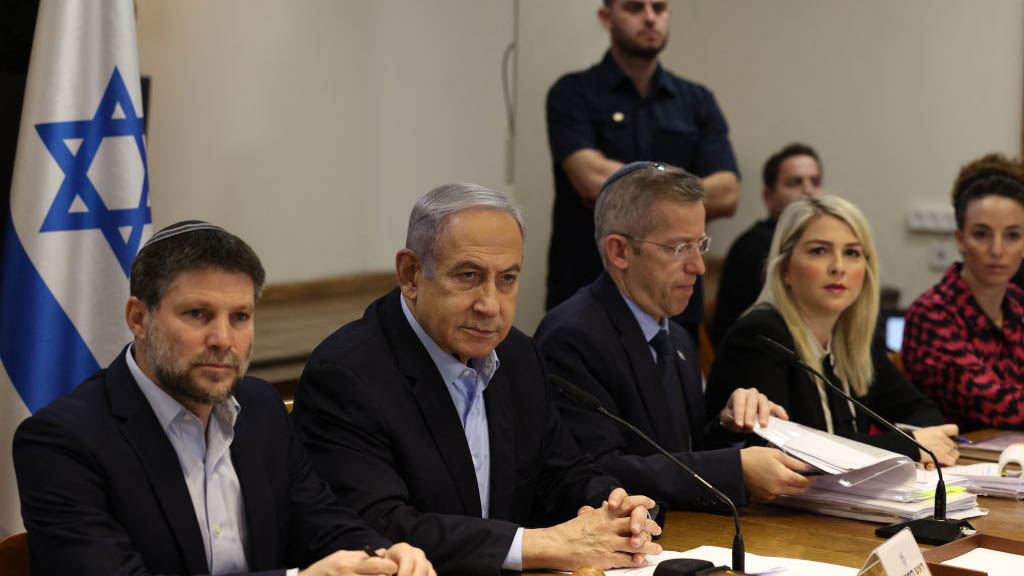
Washington says it doesn’t know who runs Iran. Tehran insists its leadership is united. MEI Senior Fellow Alex Vatanka joins hosts Alistair Taylor and Matthew Czekaj to sort out where the truth lies. They look at the small circle of political and military figures now steering the war effort in Tehran: who they are, how they make decisions, and how unified they really are. They also discuss the current state of US-Iran negotiations, the role of the upcoming midterm elections in the United States, and how the Islamic Republic is preparing for a potential renewal of conflict afterward.
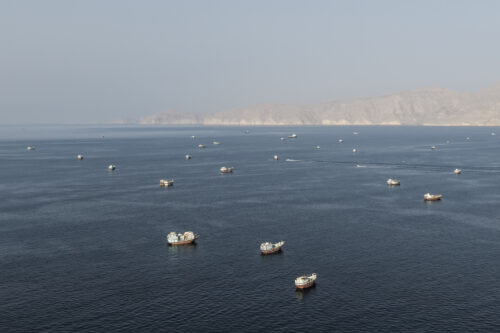
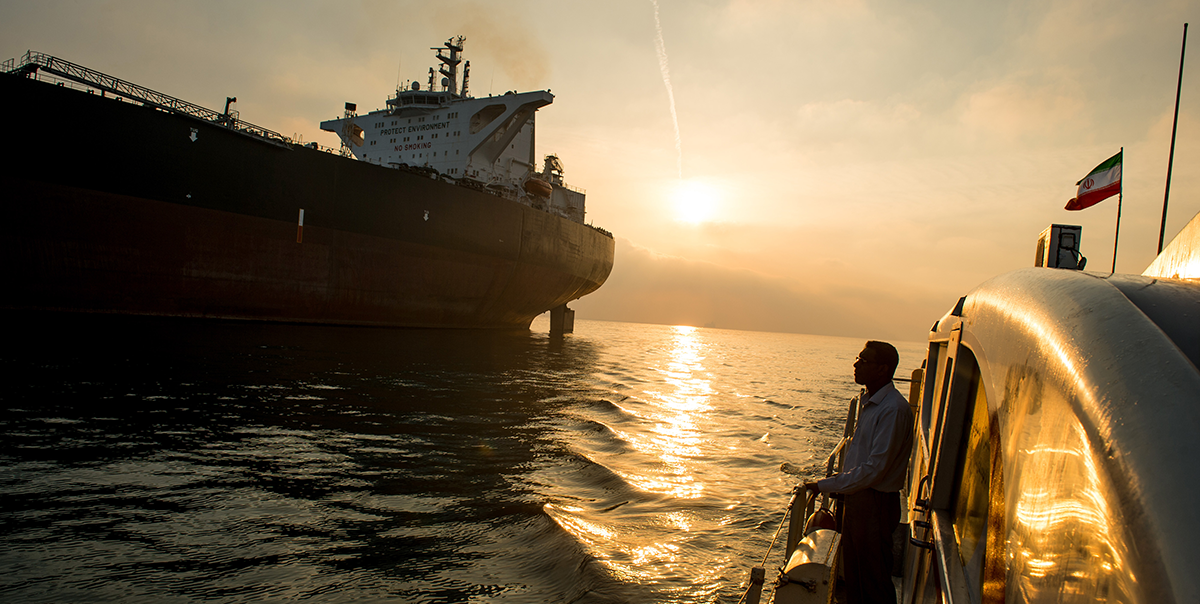
Crude oil is flowing out of the Gulf again, but the market is no better prepared for another disruption in the Strait of Hormuz. It has assembled a temporary system for managing one. Crude exports from the Gulf, excluding Iran, returned to pre-war levels in September, while total Gulf shipments reached 15.5 million barrels a day, more than 80% of the pre-conflict volume.
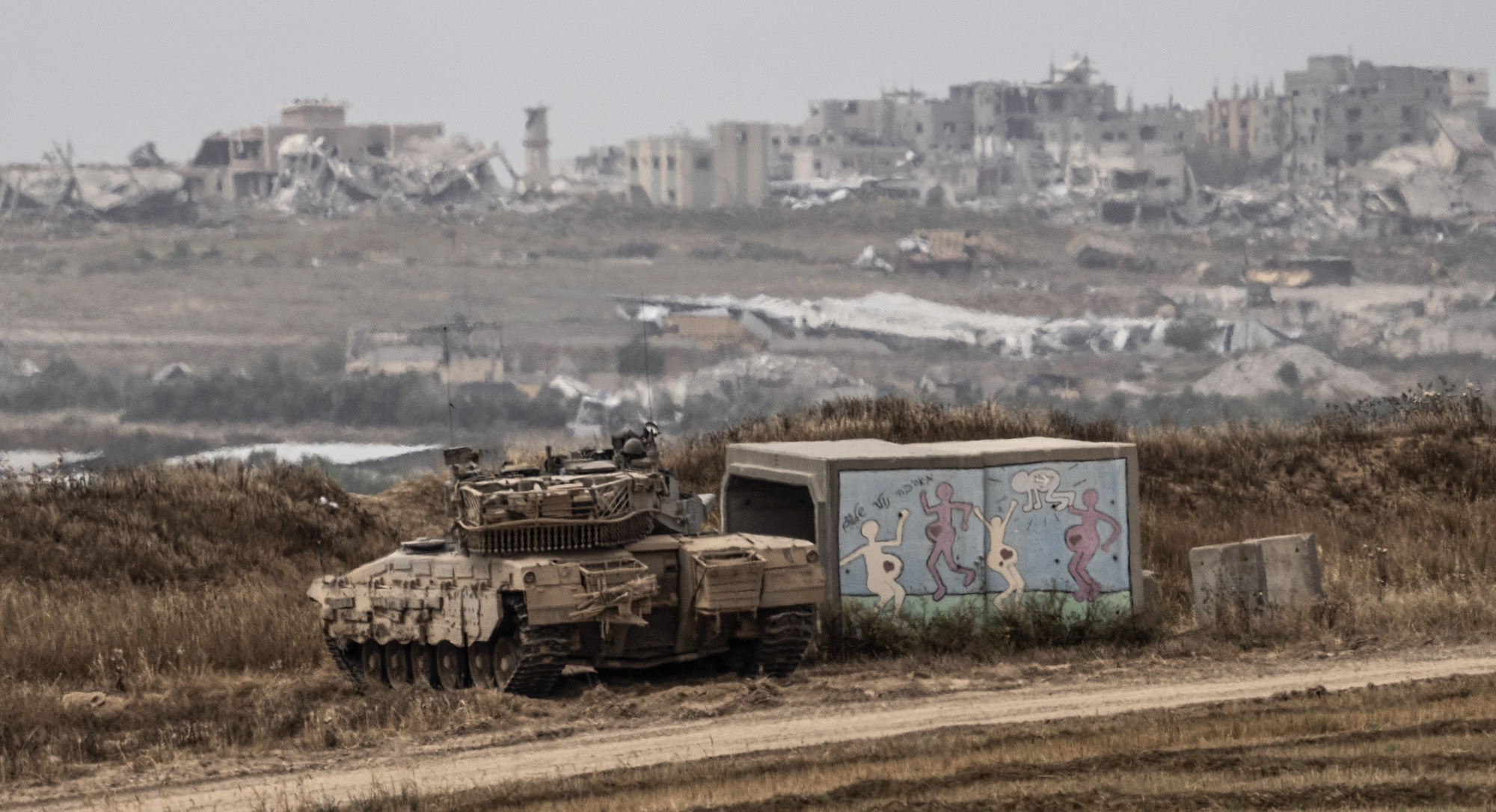
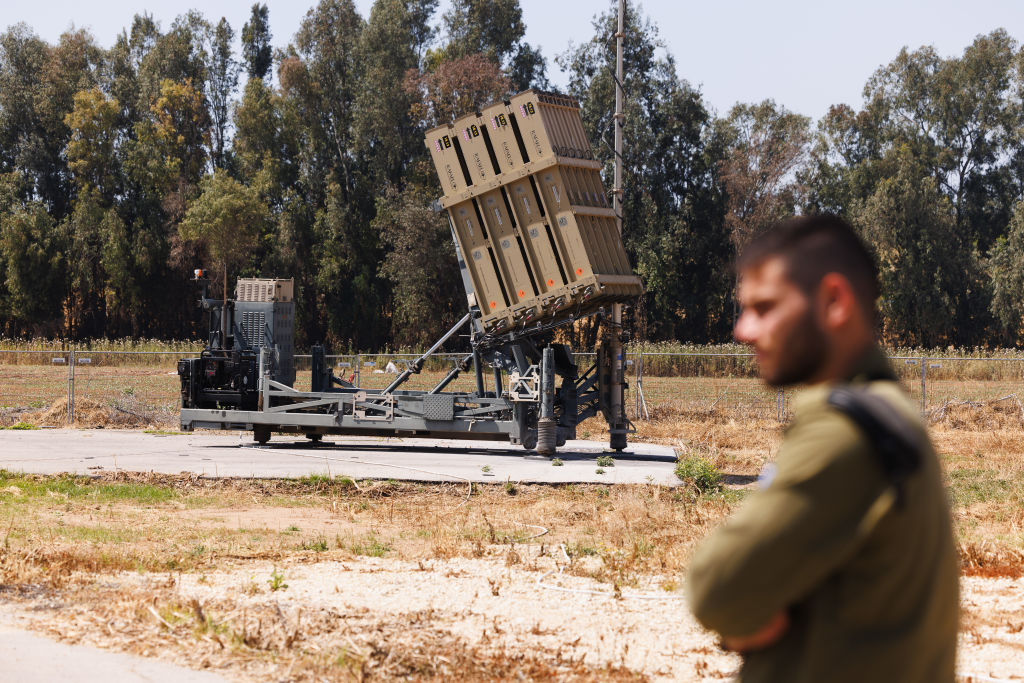
Many of the immediate consequences of the Israeli-American war with Iran are already clear. The further emergence of drones and missiles as dominant weapons of war; the danger to the global economy from the threats to vital chokepoints such as the Strait of Hormuz and the Bab el-Mandeb; and the inadequacy of US weapons procurement, among other issues, have garnered widespread and entirely merited attention.
Expert Views: How should we navigate the new rules of the game in the Israel-Iran conflict?
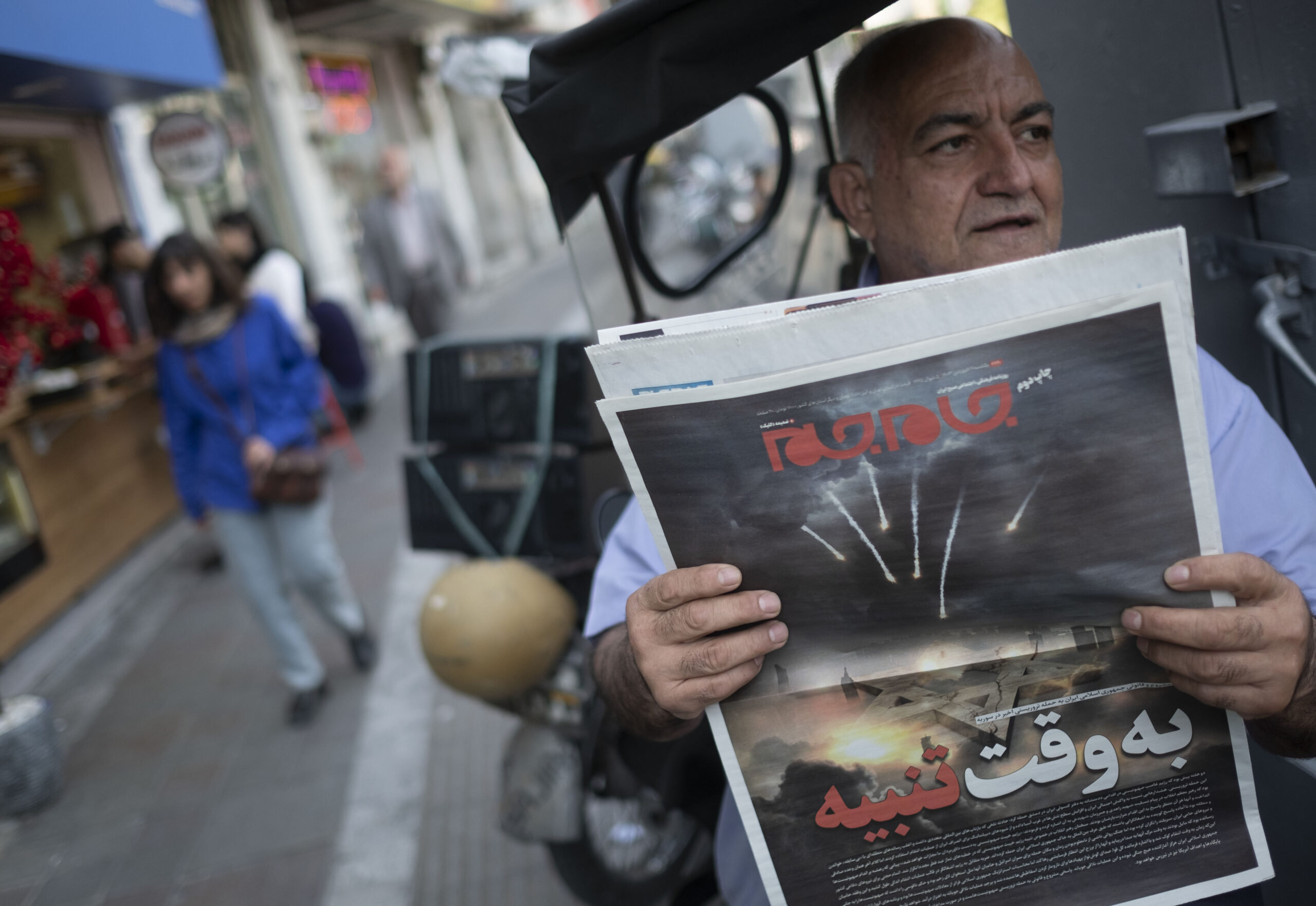
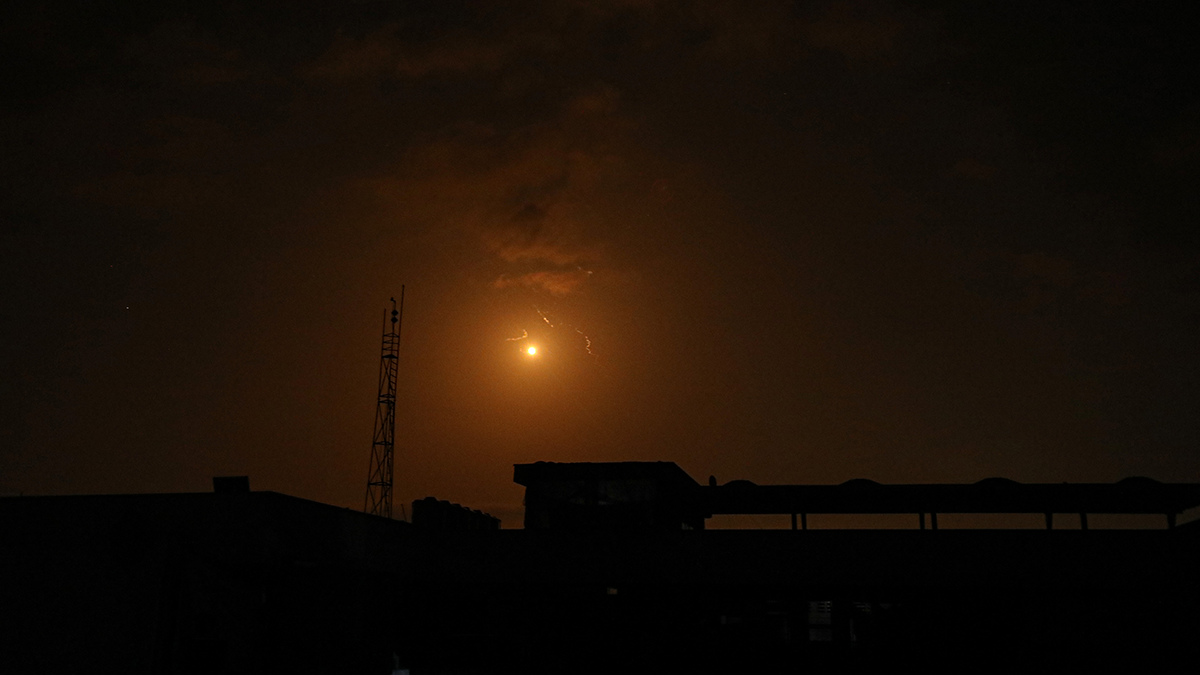
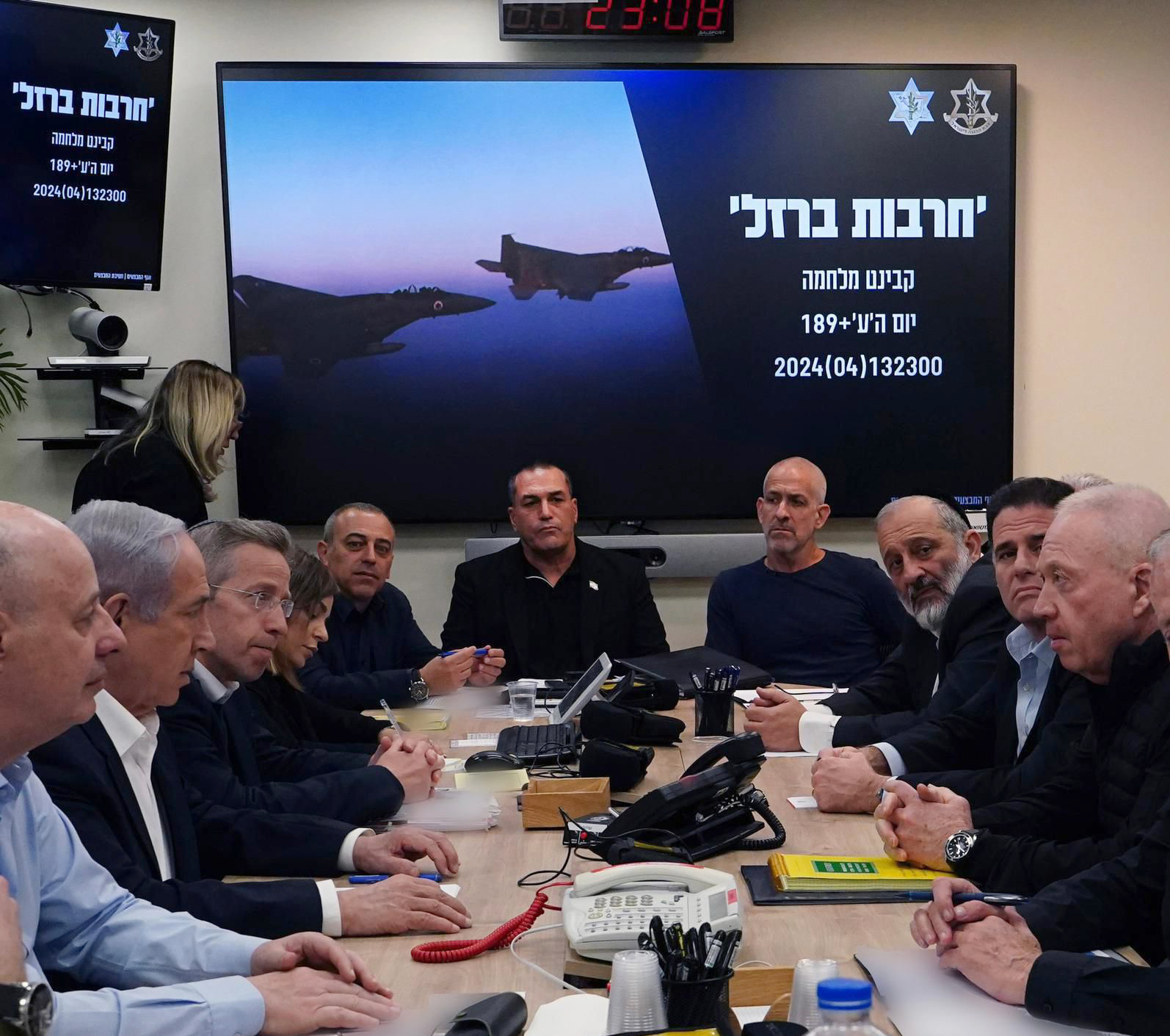
The month of April saw a series of unprecedented escalations in the long-simmering Iranian-Israeli conflict, with both countries launching missile and drone attacks against the other’s territory for the first time in history.
In the wake of these strikes, what will be the impact on the regional security and political environment going forward, what is needed to stabilize the new rules of the game, and how can US diplomacy help to facilitate that process? MEI has asked its experts to weigh in.
Despite new sanctions measures, targeting Iranian oil sales is a lose-lose proposition for the US
On April 21, the US House of Representatives passed the long-awaited aid package for Israel, Ukraine, and Taiwan. The legislation contained another long-sought-after measure: authority for the US government to tighten restrictions on Iran’s oil exports. But in truth, aggressive US action remains unlikely and there are powerful operational, strategic, and political barriers preventing the US from shutting down Iran’s oil trade or hindering it in a material way.
After scoring important points by blocking Iran’s attack, Israel should draw the right lessons from its success
The Iranian strike against Israel was a first of its kind. Its mere occurrence sets a precedent that will have a long-term impact and require Israel to weigh new considerations when planning future military operations against Iranian assets.
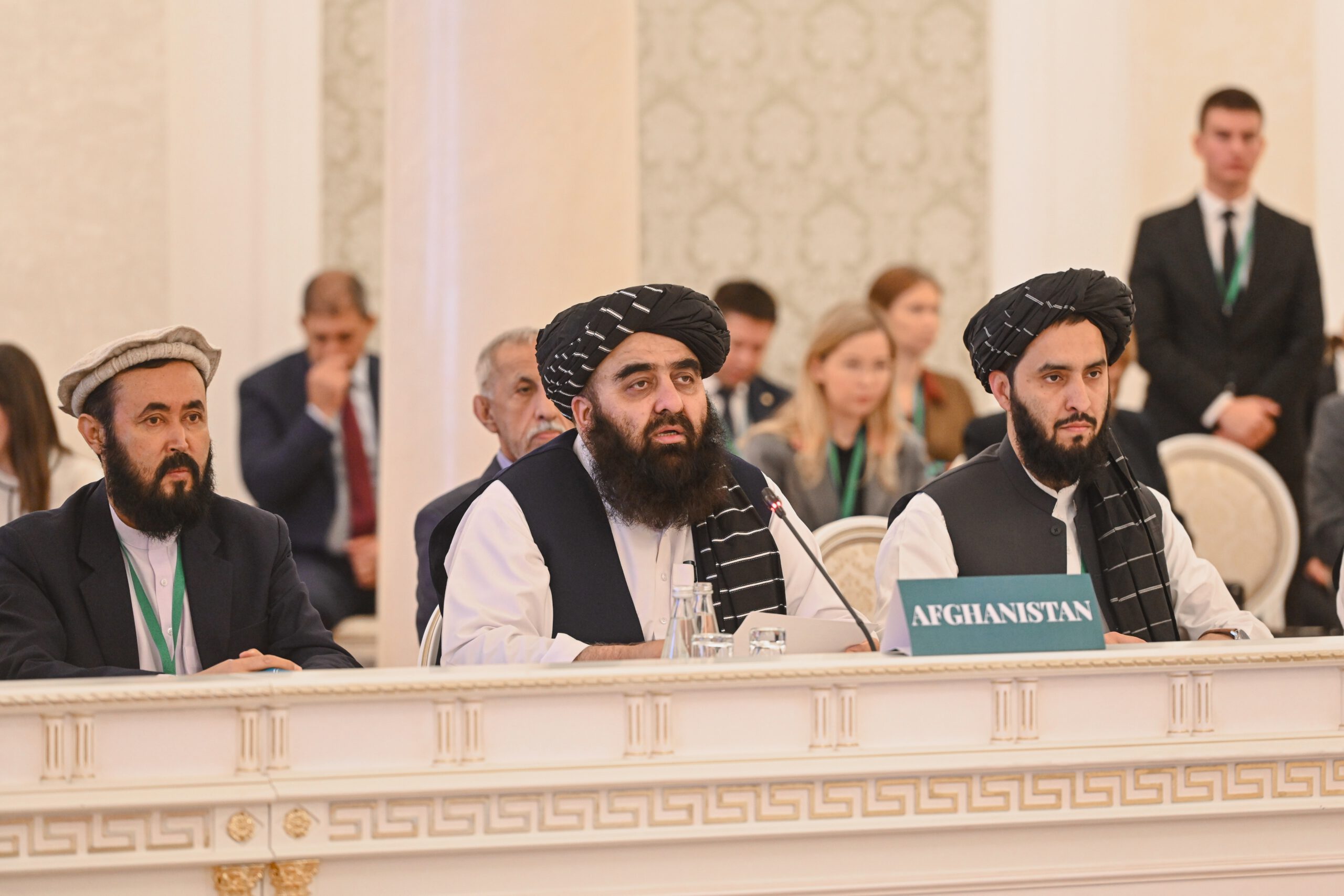
Though Tehran continues to engage the government in Kabul in a pragmatic fashion, Iran and the Taliban are not traditional friends or allies; they share an uneasy relationship. There is a sectarian angle to their differences and a long-standing dispute over water resources. Yet Iran has sought to normalize relations due to broader geopolitical considerations, security concerns, and perceived economic opportunities.
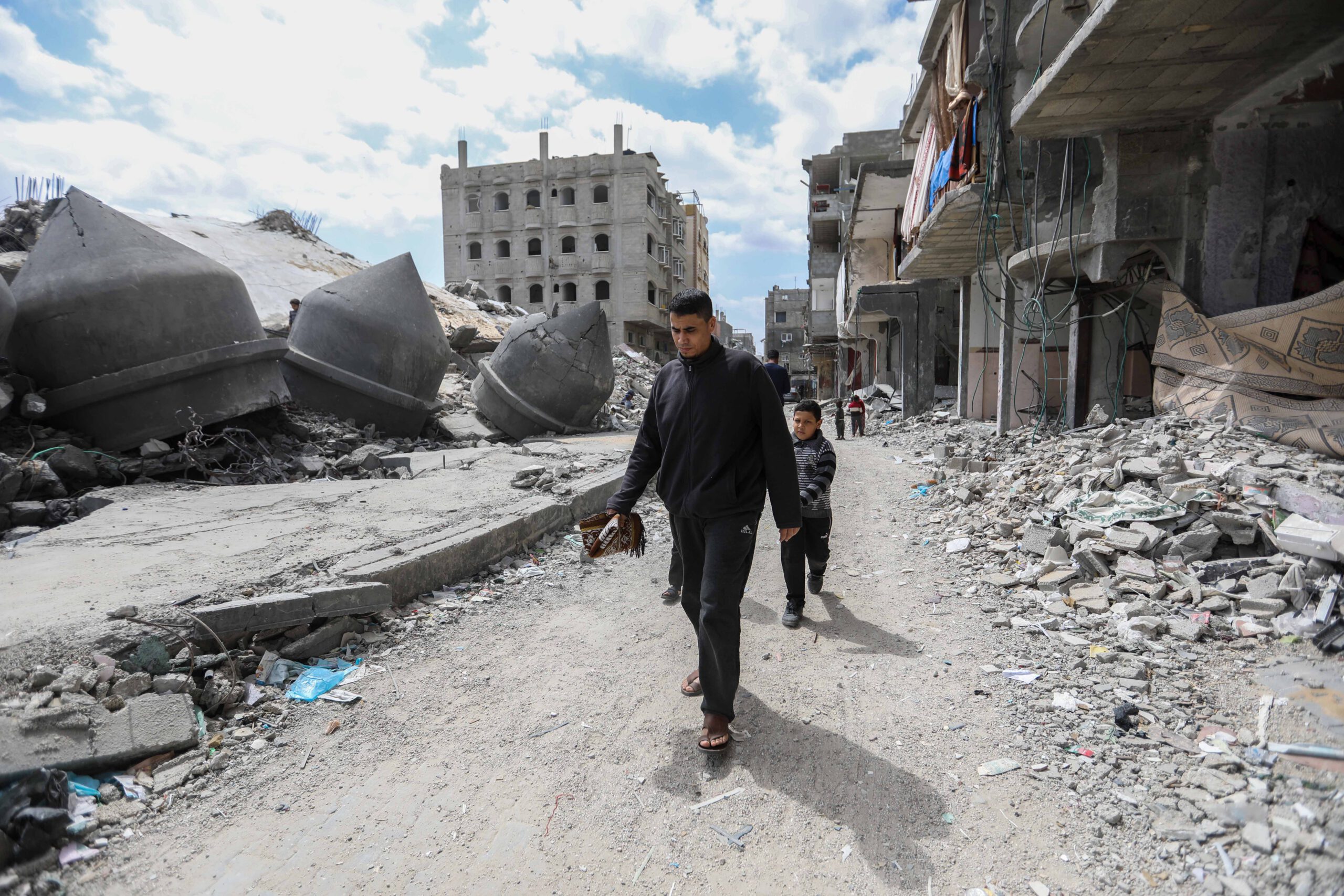
Two realities shape Iran’s stance on the Gaza war and the Israeli-Palestinian conflict
Iran is a key stakeholder in the Israeli-Palestinian conflict. Tehran does not have a deciding vote on the outcome of the current war in Gaza, but it does have plenty of capacity to shape the future course of the conflict. Iran is, after all, among the top backers of Hamas, both in terms of diplomatic support and as a supplier of military materiel and knowhow.
Expert Views: What is needed to end the war in Gaza?
Six months since the October 7 Hamas attacks on Israel and subsequent outbreak of war in Gaza, the deadly and devastating conflict looks no closer to concluding. Is it still possible to achieve a sustainable cessation of hostilities and restart the conflict-resolution process? To get there, what are the incentives and disincentives that could be constructed for the two main combatants, Israel and Hamas?
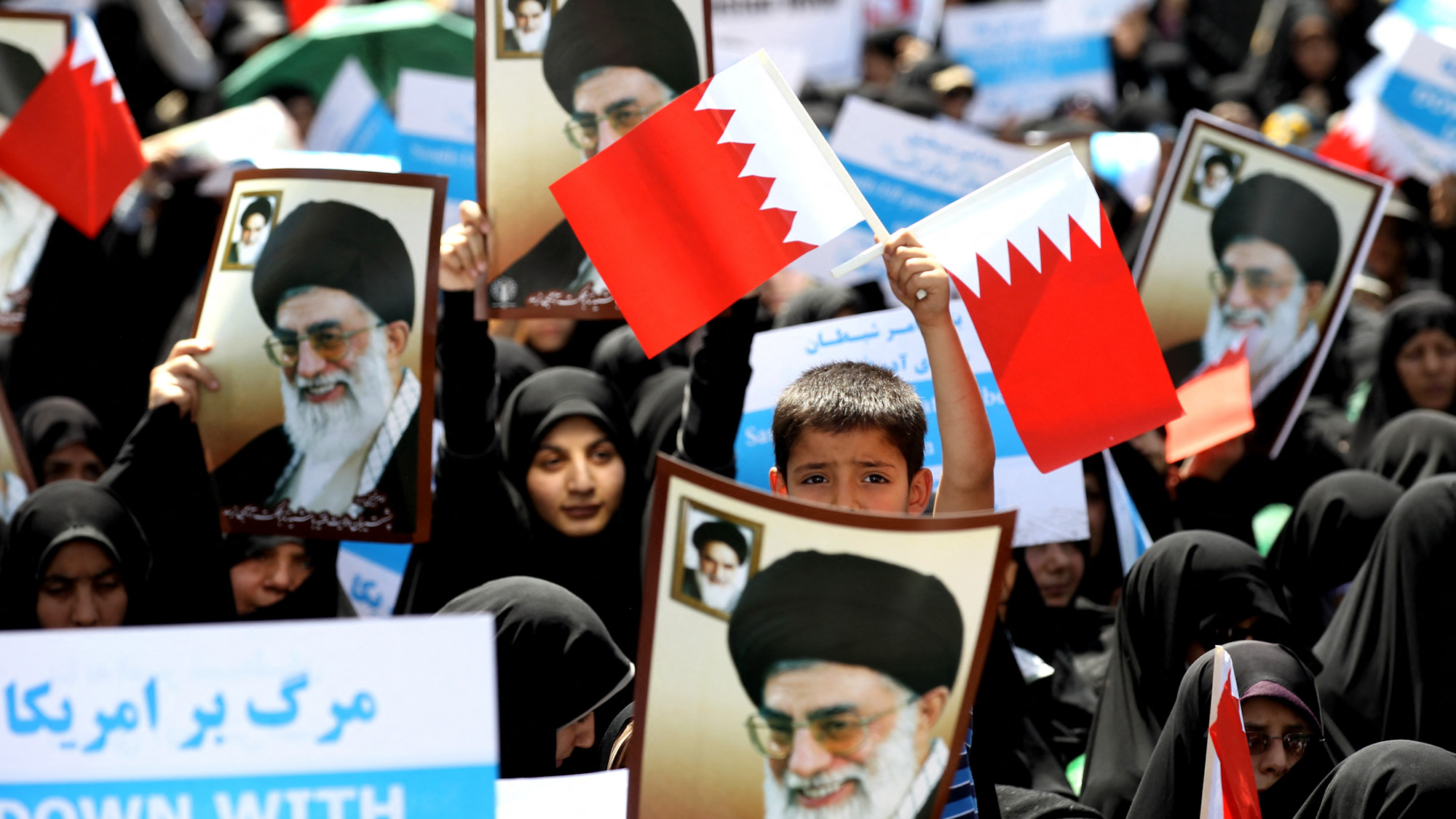
On March 12, the United States Department of the Treasury sanctioned four individuals for supporting the Iran-linked al-Ashtar Brigades in Bahrain. This US announcement might suggest that Iranian-Bahraini relations are about to take a nose-dive. But in reality, that is unlikely to happen — at least not while Iranian-Saudi détente continues.
The oldest peer-reviewed publication dedicated to the study of the modern Middle East, MEI’s flagship journal covers politics, society, and culture in the region.