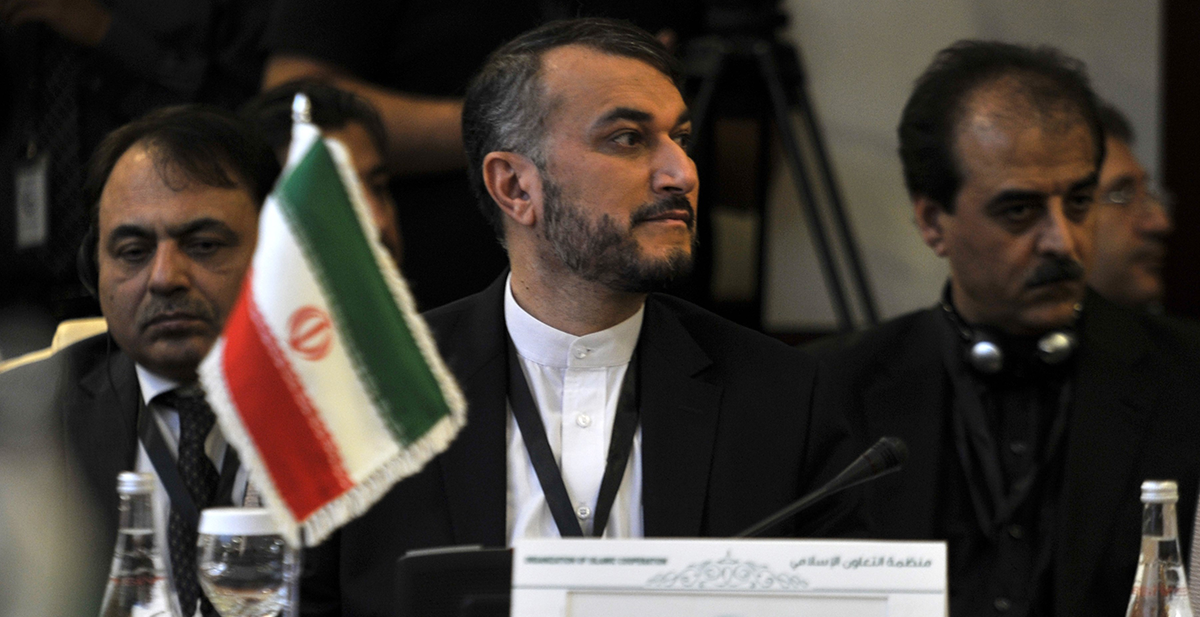
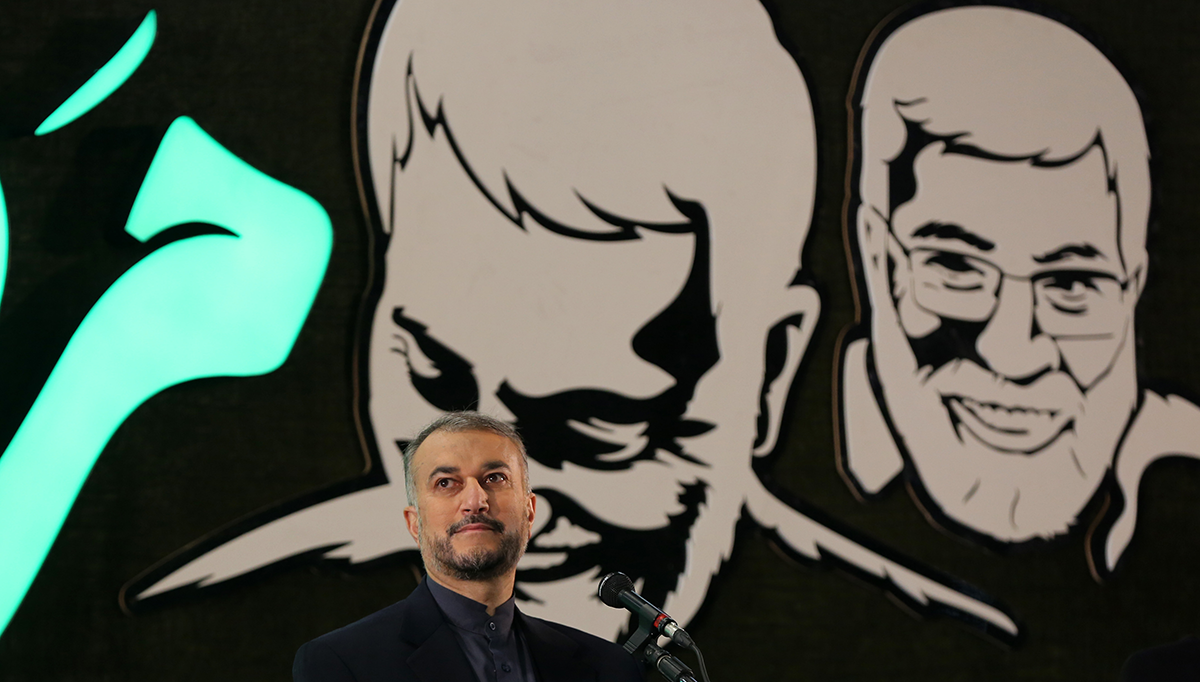
Washington says it doesn’t know who runs Iran. Tehran insists its leadership is united. MEI Senior Fellow Alex Vatanka joins hosts Alistair Taylor and Matthew Czekaj to sort out where the truth lies. They look at the small circle of political and military figures now steering the war effort in Tehran: who they are, how they make decisions, and how unified they really are. They also discuss the current state of US-Iran negotiations, the role of the upcoming midterm elections in the United States, and how the Islamic Republic is preparing for a potential renewal of conflict afterward.
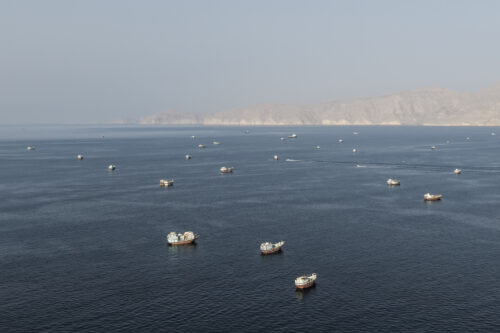
Crude oil is flowing out of the Gulf again, but the market is no better prepared for another disruption in the Strait of Hormuz. It has assembled a temporary system for managing one. Crude exports from the Gulf, excluding Iran, returned to pre-war levels in September, while total Gulf shipments reached 15.5 million barrels a day, more than 80% of the pre-conflict volume.
Many of the immediate consequences of the Israeli-American war with Iran are already clear. The further emergence of drones and missiles as dominant weapons of war; the danger to the global economy from the threats to vital chokepoints such as the Strait of Hormuz and the Bab el-Mandeb; and the inadequacy of US weapons procurement, among other issues, have garnered widespread and entirely merited attention.
With Iran, American policymakers have often chased phantoms in search of solutions to problems they did not understand. This futile shadow-chase continues when “experts” argue that the U.S. should somehow encourage the break-up of Iran on ethnic or linguistic lines. This idea is simply wrong.
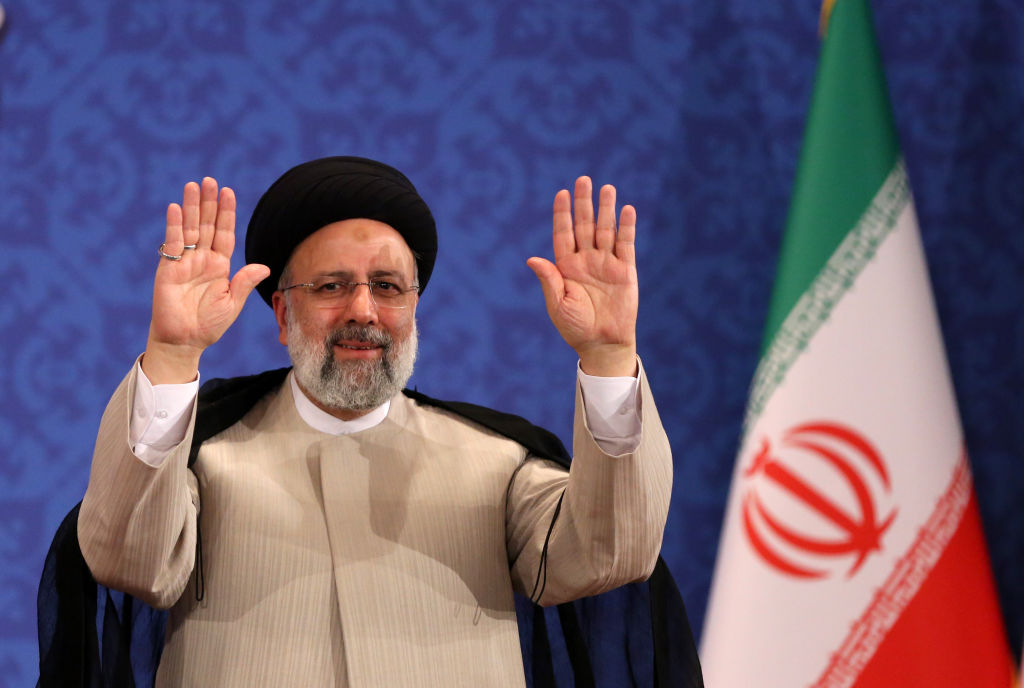
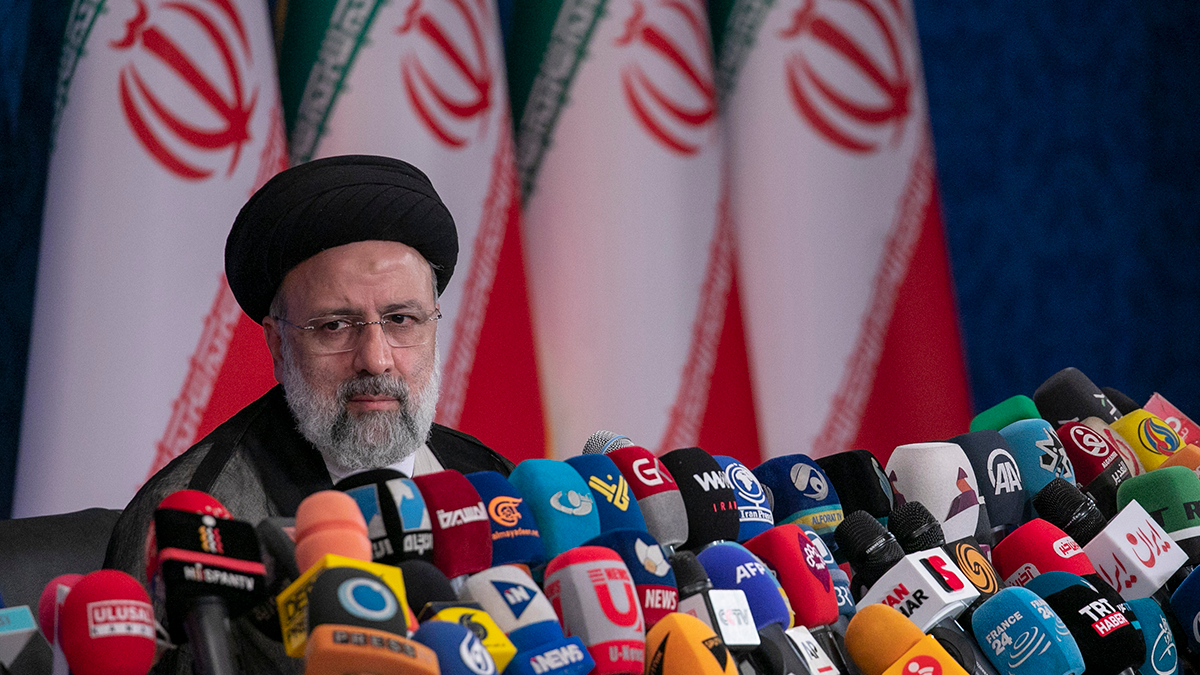
Iran’s President Raisi takes over a ruined country
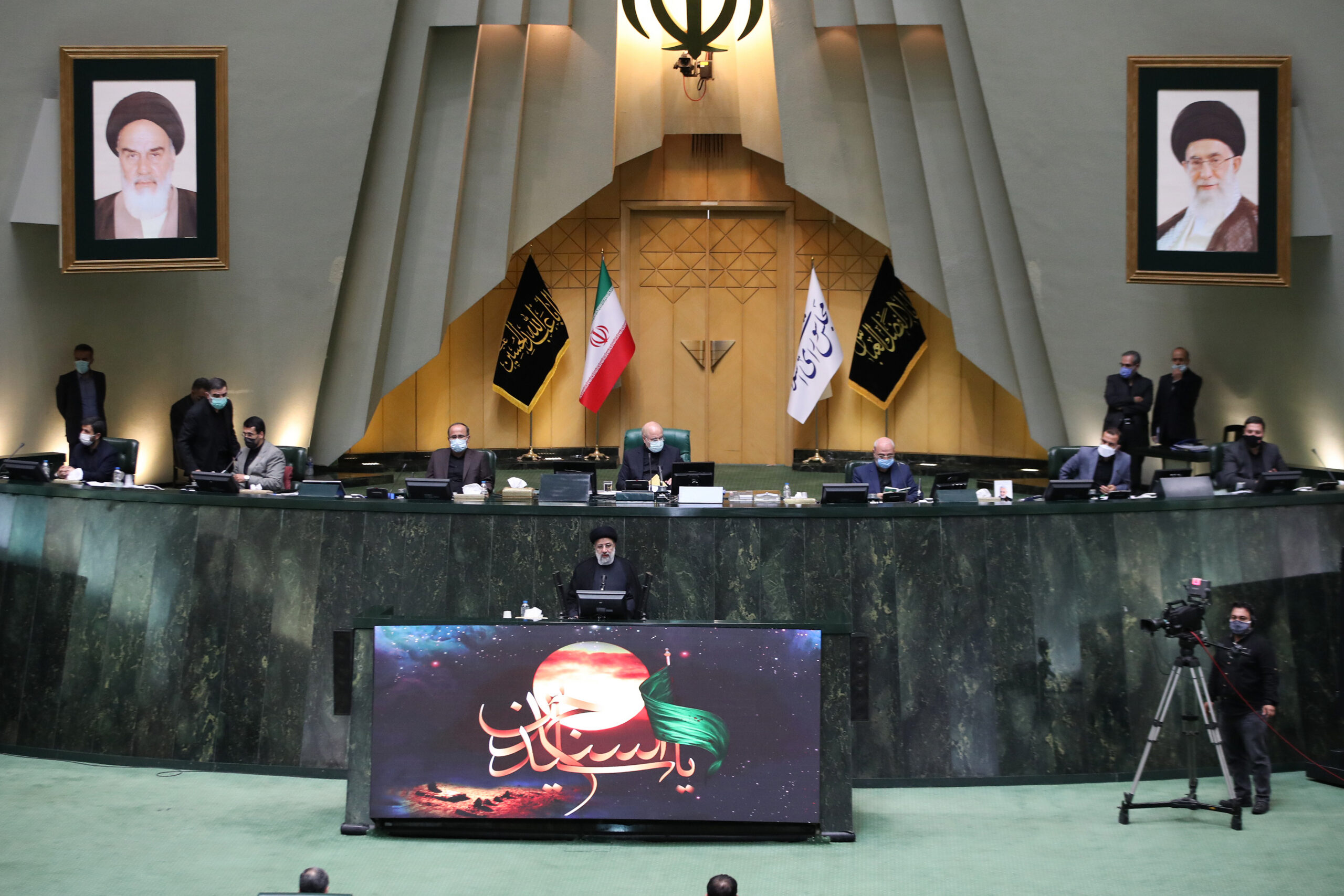
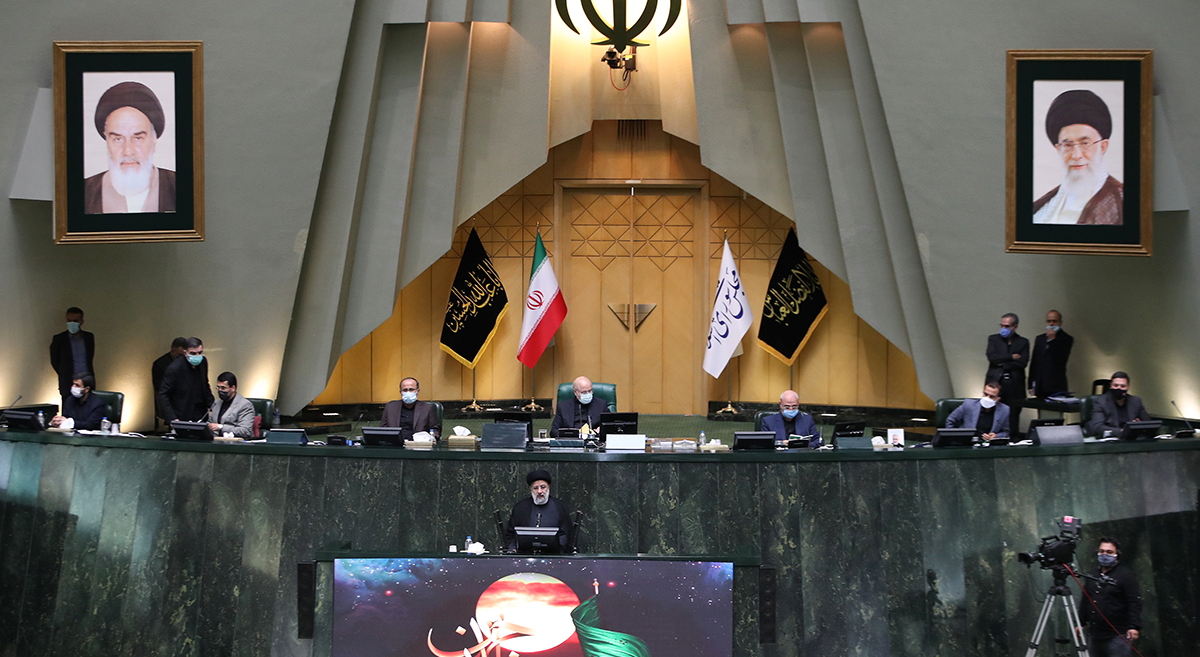
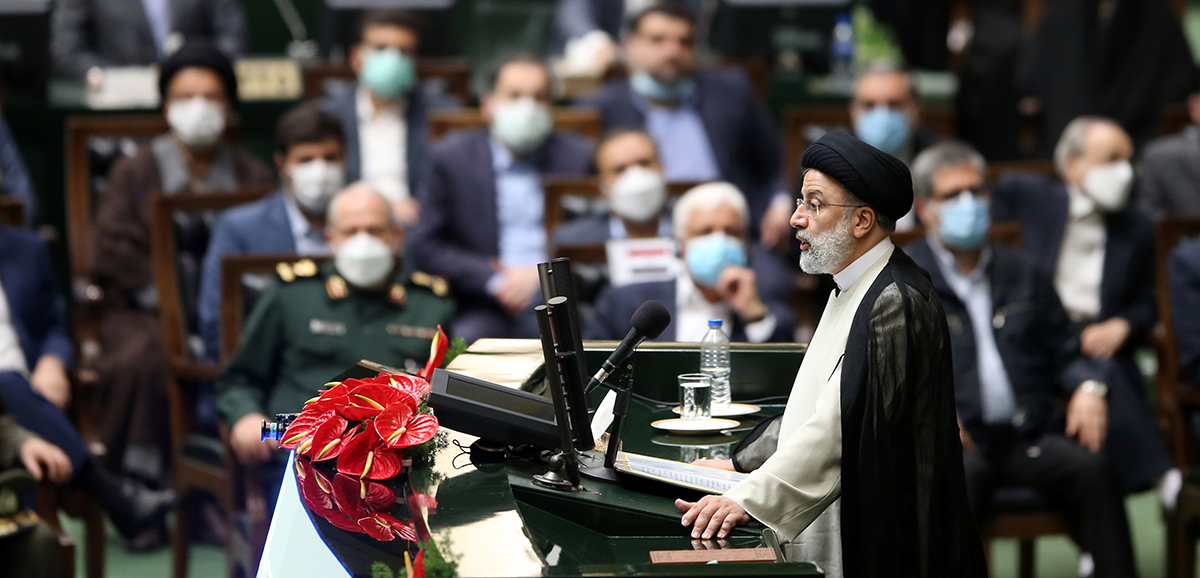
On Aug. 25, Iran’s parliament voted on the cabinet of its new president, Ebrahim Raisi, approving 18 out of the 19 ministers put forward. Raisi’s government is full of revolutionaries likely to adopt a hardline approach to domestic and international affairs, leading to heightened geopolitical risk and potentially prolonging the country’s economic crisis.
Under President Ebrahim Raisi, the Islamic Revolutionary Guard Corps (IRGC) is poised to exert greater control over Iran’s national security agenda and economy. Several of his ministers and advisors were members of the IRGC or have connections to it.
Sectarianism and ideology: The cases of Iran and Saudi Arabia
Many analysts oversimplify the political conflict between Iran and Saudi Arabia as one driven by sectarianism or Shi’a-Sunni tensions that has shaped the two states’ outlook and actions in the Middle East. However, their political differences are actually much more complex and deeper rooted.
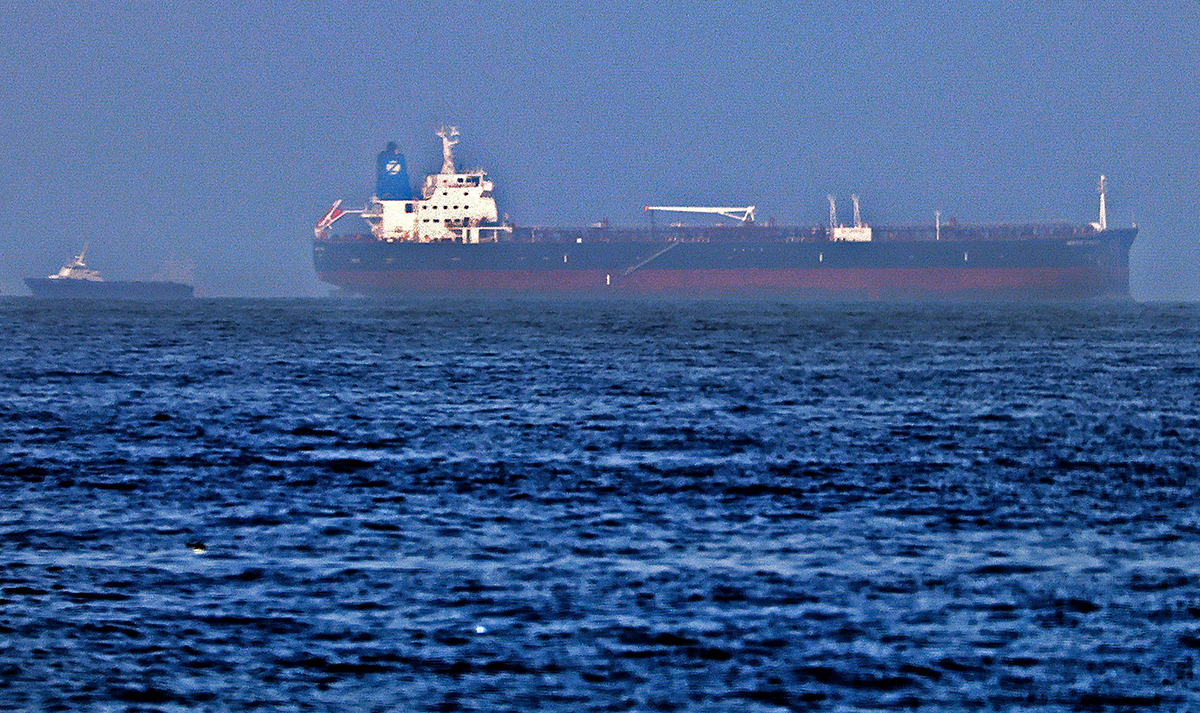
The July 29 suicide drone attack on the Israeli oil tanker Mercer Street, which left two British and Romanian crewmembers dead in the Arabian Sea, was carried out by Iran and was intended to cause human casualties and physical damage, according to the investigative report from U.S. Central Command(CENTCOM). While Tehran denied any hand in the strike, the G7 directly blamed Iran and U.S. Secretary of State Antony Blinken promised a “collective response.”
Iranian women campaign to stop the rise in “honor killings”
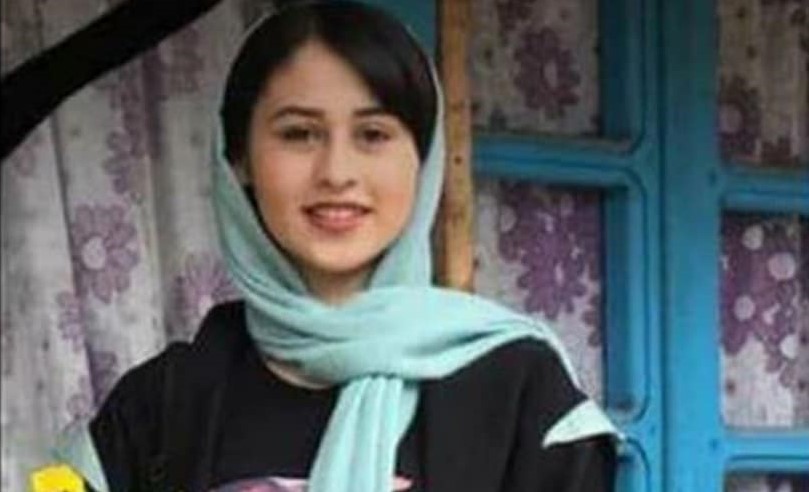
Every year 400-500 women are killed brutally in Iran to protect men’s “honor.” The killers are usually close relatives — often the victim’s father, husband, or brother. According to a report published in The Lancet in October 2020, at least 8,000 such killings were reported in Iran between 2010 and 2014. “The number of honor killing victims is greater than reported as in some cases women were driven to suicide or the cause of the death was not reported as murder but as illness,” according to Dr. Rezvan Moghadam, founder of the Iranian organization Stop Honor Killings. Dr. Moghadam has documented more than 1,200 cases of honor killings in the country. According to research, which will soon be published as a book and made available to the public, these kinds of violent killings of women and girls have been increasing for the last 20 years in different cities and villages in Iran.
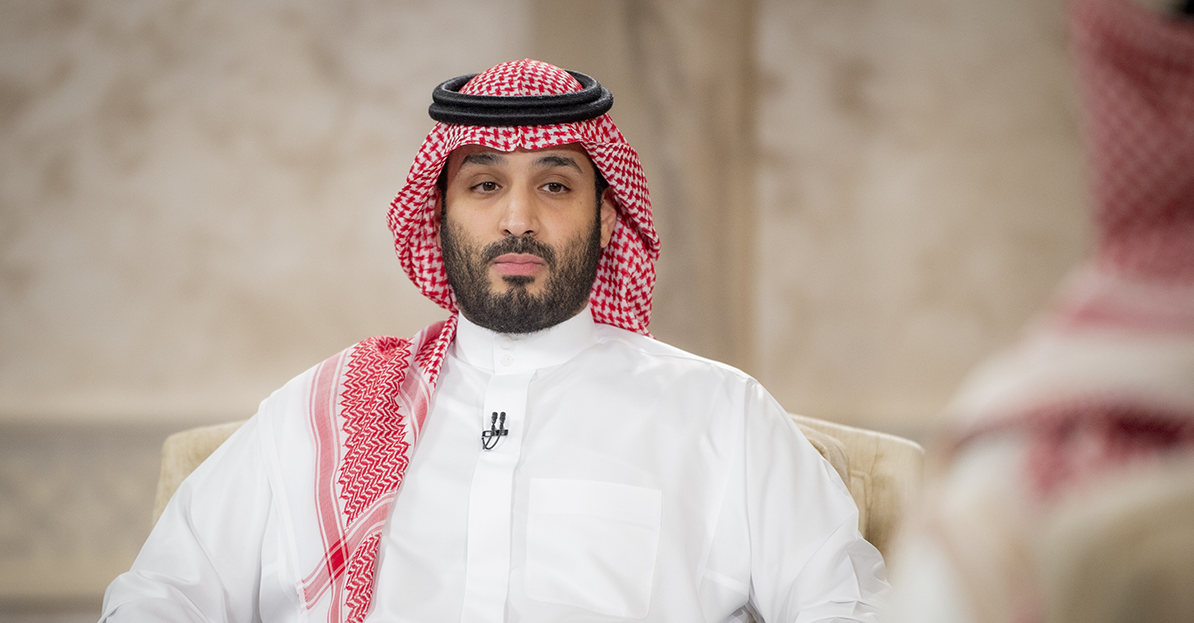
At the dawn of the Biden era of American foreign policy, a more mature, realistic Saudi foreign policy is emerging to match the shifting signals from Washington. In some measure, the Saudis are readopting elements that traditionally characterized their policy preferences before the meteoric rise of Crown Prince Mohammed bin Salman (MbS), the kingdom’s de facto ruler.
Since 1979 U.S. policies toward Iran have alternatively ranged from some version of “maximum pressure” to appeasement and back again while maintaining the same assumptions and calculus: the clerics would ultimately fall when the elite and middle class had enough and were willing to pay the price for revolting. Today, however, the landscape is evolving. While Iran’s leaders appear to be adapting, U.S. thinking is rooted in the past.
Hossein Amirabdollahian: A Quds Force favorite becomes Iran’s new foreign minister (Part 2)
Due to his divergent views on Iran’s international and regional policies, Hossein Amirabdollahian had various disagreements with then-Foreign Minister Mohammad Javad Zarif while serving as deputy foreign minister beginning in 2011, and these ultimately led to his removal from the post in June 2016. The official reason announced for the change was Amirabdollahian’s appointment as Iran’s new ambassador to Oman, although he refused to accept the position.
Hossein Amirabdollahian: A Quds Force favorite becomes Iran’s new foreign minister (Part 1)
Hossein Amirabdollahian, Iran’s new foreign minister, is famous for his exceptionally close relationship with the Quds Force, the foreign operations branch of the Islamic Revolutionary Guard Corps (IRGC), as well as its regional allies.
Iran and Africa: Why Tehran will boost its ties with the continent under the Raisi administration
The inauguration of President Ebrahim Raisi has been heralded as the advent of a “New Iran” by the ultra-conservative camp. Although the Iranian authorities are still interested in the revival of the JCPOA, Raisi represents a resistance discourse that believes Iran has to focus on thwarting the sanctions instead of trying to lift them by means of political negotiations. The focal point of this worldview is the expansion of relations with non-Western countries, and Africa plays a central role in this effort.
Incoming Iranian President Ebrahim Raisi may break the mold of his predecessor by exceeding expectations in his first 100 days, but make no mistake—less horrific is still horrific; no one should be fooled.
The oldest peer-reviewed publication dedicated to the study of the modern Middle East, MEI’s flagship journal covers politics, society, and culture in the region.