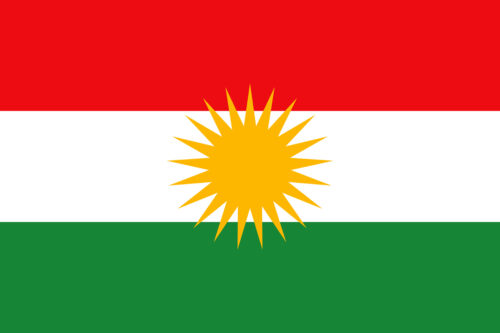
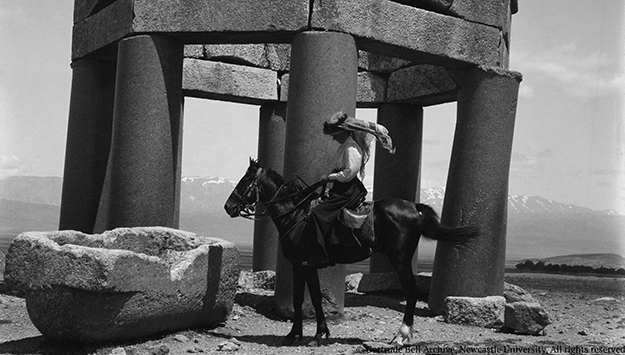
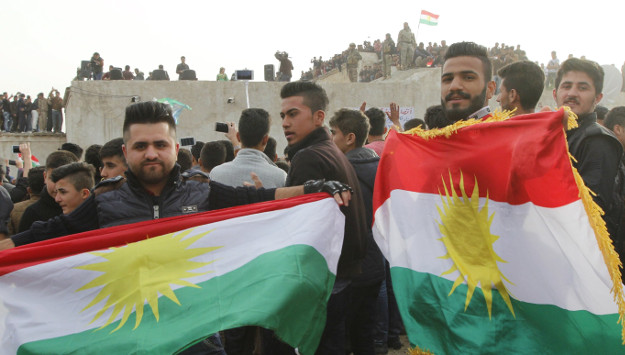
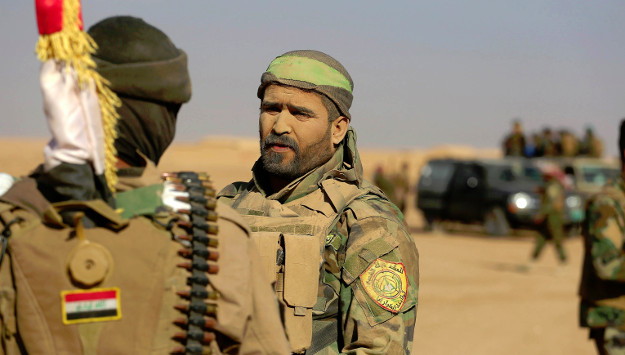
The Kurdistan Region of Iraq (KRI), also known as Iraqi Kurdistan, is a semi-autonomous region in northeastern Iraq with a population of approximately 6.5 million. The KRI’s contemporary politics are rooted in a century of Kurdish efforts to achieve self-rule.
Reflections on a Diplomatic Career in the Middle East: A Conversation With Ambassador Yael Lempert
Brian is joined by Amb. (ret.) Yael Lempert, Vice President for Outreach at MEI, to discuss her career in diplomacy and the importance of US diplomatic efforts abroad. She shares stories from postings across the Middle East in Baghdad, Cairo, Tripoli, Jerusalem, and Amman and examines how her personal and professional experiences shaped her approach to the work. Together, Brian and Yael discuss the realities of life in the Foreign Service, the core tenets of American diplomacy, and why it matters in today’s Middle East.
It has become a commonplace for Americans to describe our current war with Iran as stuck in a kind of limbo, neither full war nor real peace. We’re not the only ones. Iraq finds itself caught in a limbo of its own, between America and Iran, between the tolerable and the intolerable, between progress and relapse.
U.S. Absent as Israel-Palestine Violence Escalates | Monday Briefing
In this week’s Monday Briefing, MEI experts Eran Etzion, W. Robert Pearson, Charles Lister, Alex Vatanka, and Randa Slim weigh in on the implications of Israel-Palestinian violence for U.S. foreign policy, Turkish involvement in the Gulf crisis, al-Qaeda’s response to the U.S. decision to terminate support for a program arming anti-Assad Syrian rebels, confrontational U.S. policy towards the Iran nuclear deal, and a former Iraqi Prime Minister’s power play.
Mosul Turning Ugly, Raqqa Front Slows | Monday Briefing
In this week’s Monday Briefing, MEI experts Charles Lister, Marvin G. Weinbaum, Yousef Munayyer, and Alex Vatanka provide analysis on recent events including the battle for Mosul, corruption in Pakistan, Mahmoud Abbas’s trip to China, and Rouhani’s difficult second presidential term.
Iran’s Islamic Azad University Plans to Open New Branches in Lebanon and Iraq
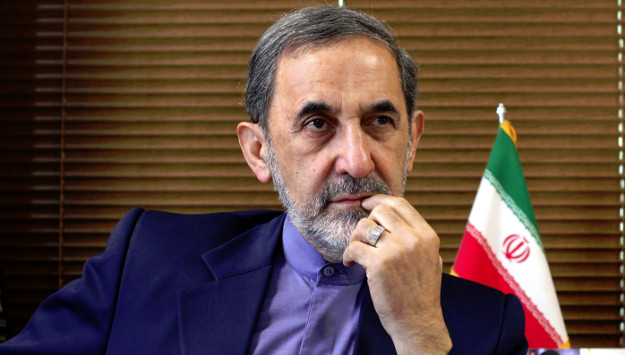
Iran’s Islamic Azad University (IAU) plans to open new branches in Lebanon and Iraq, according to Ali Akbar Velayati, the head of the university’s board of founders and an influential political figure in the Islamic Republic.
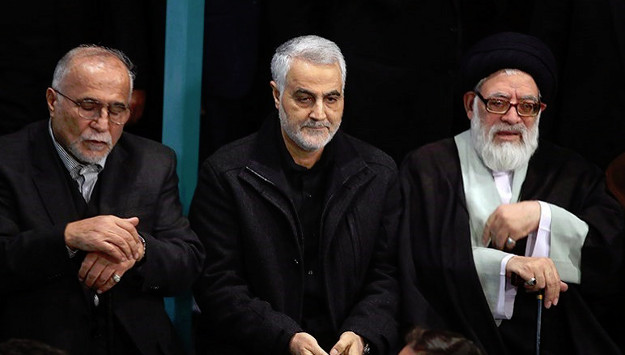
Soleimani Details Iran’s Military Role in Iraq, Hails Iraqi Paramilitary Forces and Hezbollah
On Monday, the head of Iran’s Quds Force revealed that the country’s defense ministry worked over time in recent years to manufacture weapons to equip Iraq’s Army and the Hashd al-Shaabi – the Iraqi paramilitary forces also known as the Popular Mobilization Forces [P.M.F.] – in their fight against the Islam
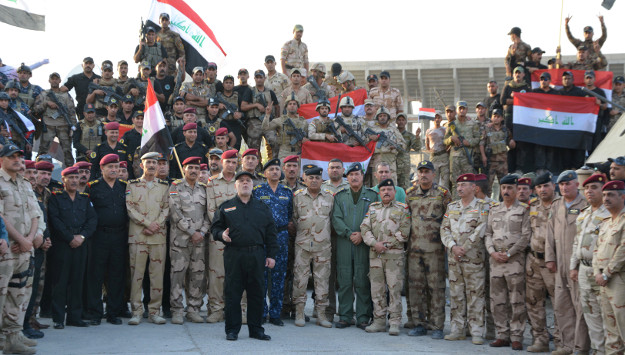
Senior Iranian Military Official: Liberation of Mosul Sounded “Death Knell” for U.S. Plots
A senior Iranian military official said on Tuesday that the liberation of the Iraqi city of Mosul from the Islamic State sounded “the death knell for the divisive plots” of the United States and its regional allies, the Iranian media reported.
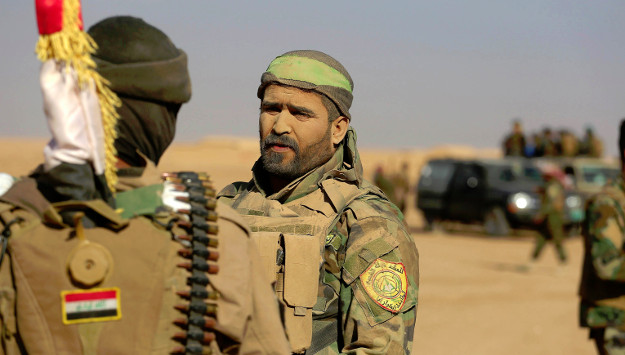
With Islamic State Crumbling, Iran and Its Proxies in Iraq Intensify Anti-U.S. Propaganda
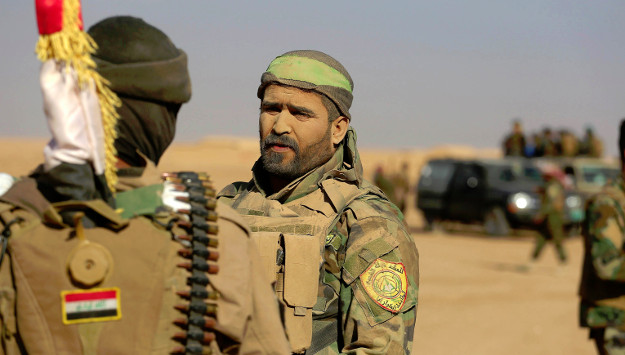
A commander of the Iraqi Popular Mobilization Forces (P.M.F.) – also known as Hashd al-Shaabi – has said that the paramilitary forces will not agree to the presence of American forces or foreign private security firms in post-Islamic State Iraq, particularly in regions near the Syrian border. “The central government has almost agreed to Blackwater controlling the borders. But Blackwater doesn’t have the authority and resources to control the borders or fight Daesh [Islamic State].
Top Iraqi Politician Says Baghdad Will Limit U.S. Military Role in Iraq after Mosul Battle
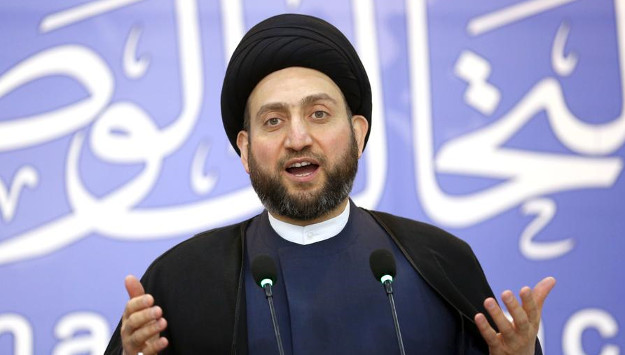
Ammar al-Hakim, the head of Iraq’s Shiite ruling coalition, has said during his visit to Tehran that the Baghdad government will reduce the number of American military advisors and their role after the liberation of Mosul. “We emphasize that we oppose the presence of their military forces the same way we opposed foreign military bases on the Iraqi soil,” Hakim said in an interview with Fars News Agency, which is affiliated with the Islamic Revolution Guards Corps (I.R.G.C.).
Iran Steps up Efforts to Oust U.S. Military from Middle East
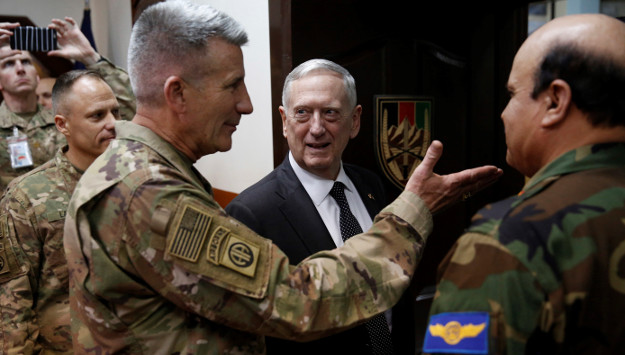
With the Islamic State collapsing in Iraq and losing ground in Syria, Iran and its regional proxies see the United States as the primary threat to their influence and ambitions and have stepped up efforts to oust the U.S. military from the region. Through diplomatic outreach – and at times veiled threats – Iranian leaders have been urging the Afghan and Iraqi governments to expel American forces from their countries. Tehran has also deepened its ties with the Taliban and has reportedly teamed up with Moscow to undermine U.S.-led stabilization efforts in war-torn Afghanistan.
I.R.G.C. Outlet Accuses U.S. Military of Aiding Islamic State in Iraq and Syria
The U.S. military is taking measures in the Iraqi province of al-Anbar close to the Syrian border to counter the growing influence of the Popular Mobilization Forces (P.M.F.), reports Fars News Agency, which is affiliated with the Islamic Revolution Guards Corps (I.R.G.C.). According to the Iranian outlet, the U.S. military seeks to push back against the P.M.F.’s territorial gains because Washington and its allies see the Iraqi paramilitary forces as “Iran’s operational arm” in Iraq and Syria. According to Fars, the U.S.
Monday Briefing: ISIS losing territory, President Erdogan visits Sudan
In this week’s Monday Briefing, MEI experts Charles Lister, W. Robert Pearson, and Yousef Munayyer provide analysis on ISIS’ continued threat to security despite losing territory, President Erdogan’s upcoming visit to Sudan as a political calculation, and Mohammed Dahlan’s effort to return to Palestinian politics.
Gertrude Bell: New Documentary Sheds Light on Woman who Helped Shape Iraq
She was a fearless trailblazer who spurned the comforts of Victorian England for a life of adventure and accomplishment, including extensive exploration through uncharted Arabia in the uneasy last days of the Ottoman Empire.
Letters from Baghdad: The Extraordinary Life and Times of Gertrude Bell, a documentary from New York-based filmmakers Zeva Oelbaum and Sabine Krayenbuhl, opened earlier this month in New York City, and will roll out to other major centers through July.
Iran-Supported Iraqi Paramilitaries Capture al-Baaj Region near Iraqi-Syrian Border
The Iraqi Popular Mobilization Forces (P.M.F.) – also known as the Hashd al-Shaabi – on Sunday seized the center of al-Baaj, one of the last bastions of the Islamic State in northwestern Iraq close to the Syrian border, the Iraqi and Iranian media reported. Iraqi air force assisted the P.M.F.
The oldest peer-reviewed publication dedicated to the study of the modern Middle East, MEI’s flagship journal covers politics, society, and culture in the region.