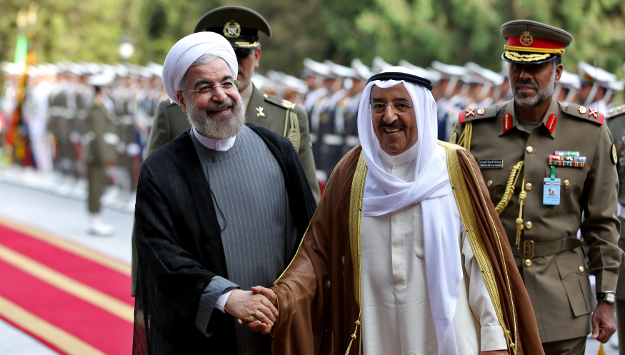
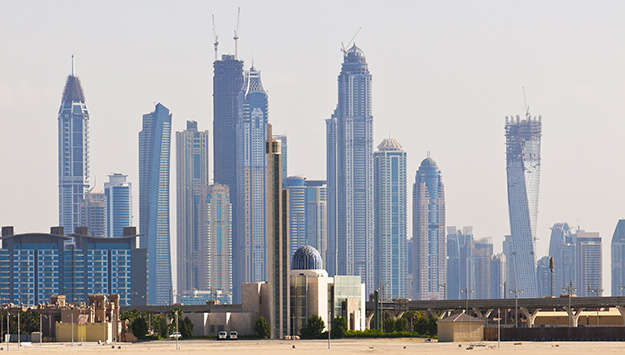
After the US-Israel-Iran war — and the strikes that followed the cease-fire — the Gulf states find themselves dangerously exposed. Host Alistair Taylor is joined by MEI Associate Fellow Gregory Gause to discuss the war’s impact on the Gulf, their partnership with the United States, and whether the turmoil of recent months will push Gulf leaders to reassess their alliances and international engagement.
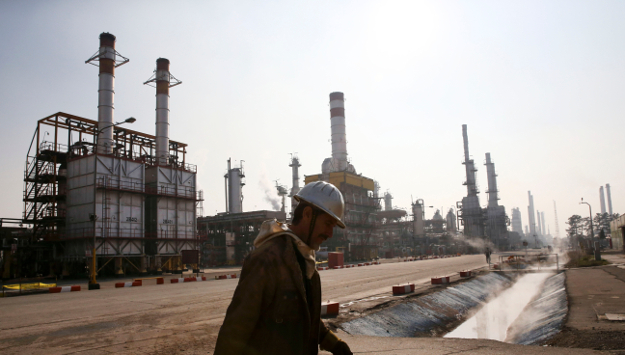
The UAE’s departure represents an undeniable strategic setback for OPEC+. Its most likely response will be to shore up the amount of output capacity subject to quotas. For now, there are two clear pathways it could take to accomplish this, although neither represents a quick fix.
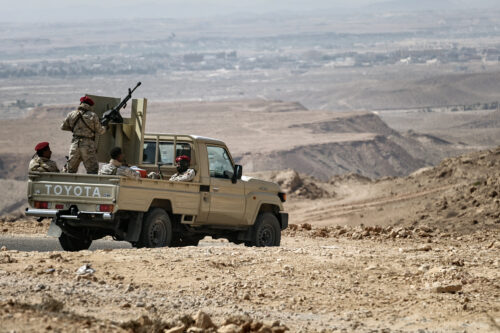
Saudi Arabia has stepped up its efforts to unify and restructure Yemen’s anti-Houthi forces after the rapid expansion and sudden implosion of the United Arab Emirates-backed secessionist Southern Transitional Council following Abu Dhabi’s military withdrawal from the country.
UAE's Siding with Saudi Arabia in Diplomatic Row Unsettles Iran
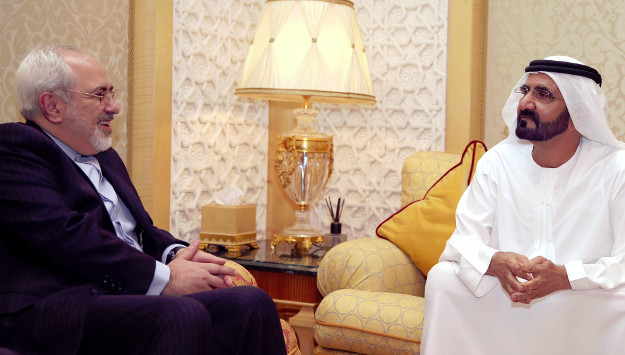
Diplomatic relations between Iran and the United Arab Emirates are going through another rough patch as the latter recently submitted a letter to the United Nations General Assembly, expressing concern over Iran’s “expansionist” policies in the region.
G.C.C., Iran Look to Sea Trade to Reduce Dependence on Oil
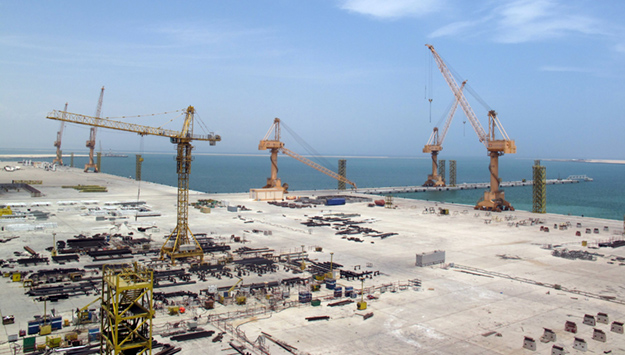
Continuing low oil prices have prompted Persian Gulf states to diversify their heavily petro-dependent economies. This issue is forcing the oil-rich states to invest and expand their potential as international trade hubs as a pathway away from the time bomb of single commodity exports. As many Gulf states have outlined in economic plans, as well as developed on the ground, maritime trade is an increasingly essential link connecting the Middle East to the global economy.
The Potential for Intra-Regional Energy Cooperation
Regional Cooperation Series
This Policy Paper is part of The Middle East Institute’s Regional Cooperation Series. Throughout 2016, MEI will be releasing several policy papers by renowned scholars and experts exploring possibilities to foster regional cooperation across an array of sectors. The purpose is to highlight the myriad benefits and opportunities associated with regional cooperation, and the high costs of the continued business-as-usual model of competition and intense rivalry.
Gulf Decisionmakers' Perceptions of Security Ties with China
The essays featured here are the products of a workshop series analyzing China’s position in the context of Gulf security, organized by the Department of International Affairs and the Center for Humanities and Social Sciences of Qatar University under the direction of Dr. Imad Mansour.
Saudi-Iran Tensions Place Pressure on Smaller GCC States
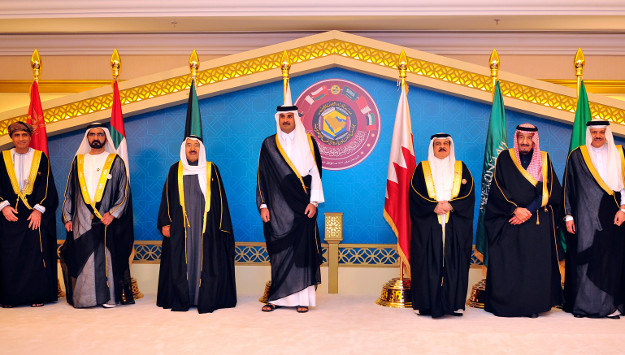
The recent escalation in tension between Saudi Arabia and Iran is throwing the GCC into a crisis of unity. Riyadh’s actions in particular are built on the frustration of the Yemen war and the perception of Iranian encroachment in Arab lands that the Saudi kingdom believes is its domain. King Salman and his son, Deputy Crown Prince Mohammad bin Salman, feel the kingdom is being ignored by the international community in other hot zones, namely Syria, where the outcome of the war is being determined by Washington and Moscow.
The New Year has seen relations in the region spiral out of control with Saudi Arabia cutting off diplomatic ties with the Islamic Republic of Iran. Sectarian tensions mounted following the execution of prominent Saudi Shi’a cleric Nimr al-Nimr and the subsequent attack on the Saudi embassy in Tehran. The immediate impacts of this escalation will likely be felt in Yemen, with the latest ceasefire collapsing over the New Year, and in Syria where U.N.-sponsored peace talks are set to begin later this month.
The UAE and Foreign Aid: Supportive Government, Supportive Citizenry
A recent Ipsos poll asked citizens of the world’s 17 countries that give the most foreign aid their opinion regarding this assistance. The UAE, a small state, has for some time used its petroleum wealth to exert large-state influence in multiple arenas. Its generous foreign aid program is part of that effort.
The flow of oil and gas from the Persian Gulf to East Asia has rejuvenated the ancient Silk Road, refashioning new networks of collaboration. The energy trade―the backbone of Sino-Middle Eastern ties―has provided the foundation for an increasingly diversified and robust set of relationships between China and the Gulf monarchies. The multidimensional strategic partnership between China and the UAE, in particular, is illustrative of this broader pattern.
Chinese Soft Power and Dubai’s Confucius Institute
The Confucius Institute of the University of Dubai is housed in a building named Masaood, a tall structure found off a dusty roundabout about two miles west of the airport. On the day I visit, the UAE is observing National Day, and near the building’s entrance Emirati flags wave in wind smelling of the grilled meat being served as part of a nearby celebration. Up on the fifth floor, where the Institute is housed, signage is in both Arabic and Chinese. Students learn various levels of Mandarin in pristine classrooms.
The oldest peer-reviewed publication dedicated to the study of the modern Middle East, MEI’s flagship journal covers politics, society, and culture in the region.