This article is part of a collection of short essays written by the Fellows of the Middle East Institute to explore aspects of the ongoing war with Iran. The intent of the collection is to help readers see new and unexpected elements of the dynamics and impact of the ongoing hostilities and to think harder, deeper, and broader about the implications of the conflict.
Turkey: Ankara’s Nuclear Ambitions in the Post-Iran War Environment
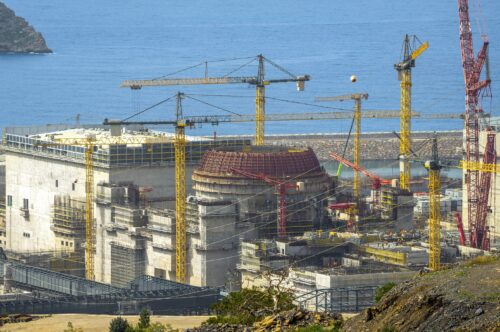
In February 2026, Turkish Foreign Minister Hakan Fidan suggested that shifting international dynamics could push Turkey to acquire nuclear weapons. That rhetoric, combined with Turkey’s civilian nuclear energy and research programs and its indigenous surface-to-surface missile development projects, has fueled concerns that these capabilities could eventually form the backbone of a Turkish nuclear weapons program.
When the US and Israel launched military action against Iran on February 28, 2026, it set in motion a chain of events that saw violence spread across the Middle East. Yet as the region found itself engulfed in conflict, Syria has experienced its most peaceful months in 15 years, and the government in Damascus appears determined to stay its course toward recovery.
Democrats ought to build a moral firewall around Syria policy, establishing a framework for understanding the Syrian conflict and debating policy options.
The US must remain engaged in Lebanon or risk Russian and Chinese gains
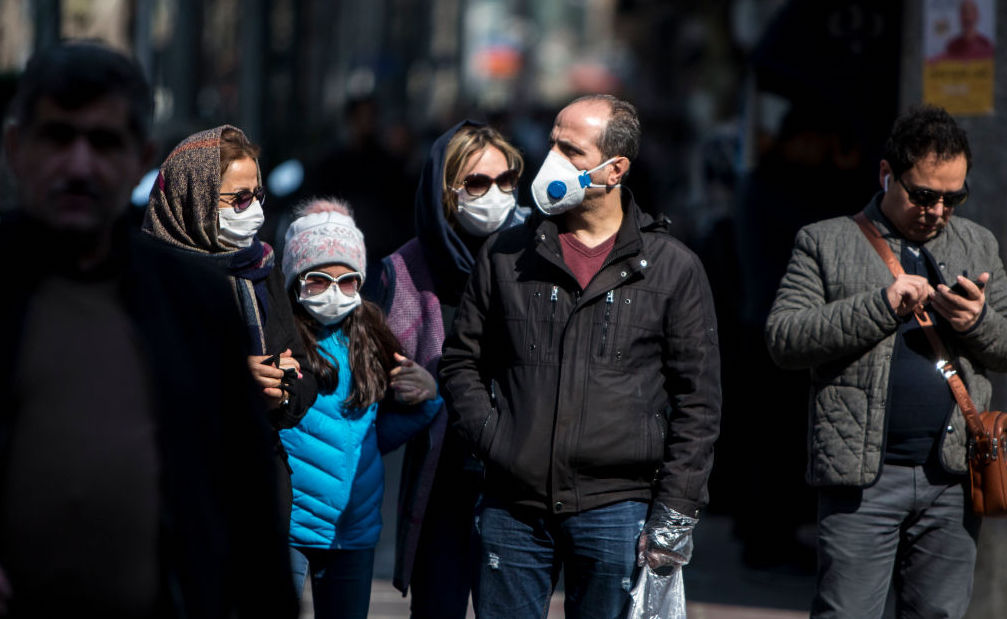
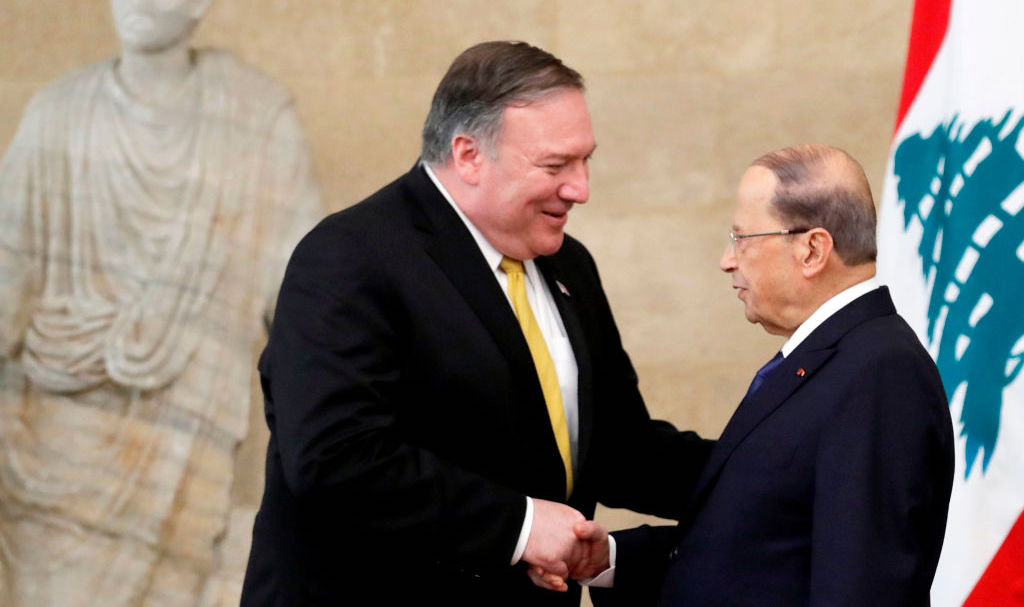
Amid an unprecedented political, economic, and financial crisis and the emergence of a new threat from the global coronavirus pandemic, Lebanon needs all the help it can get. The U.S. has long been an important source of assistance, and yet, as conversations with officials in both Beirut and Washington make clear, the argument for halting U.S. aid to Lebanon seems to be gaining ground.
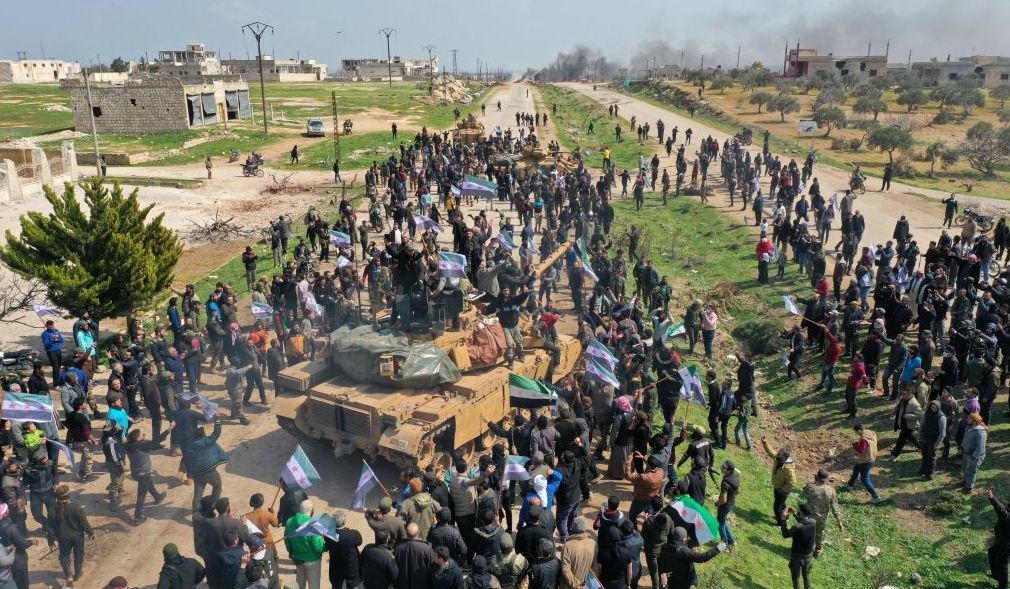
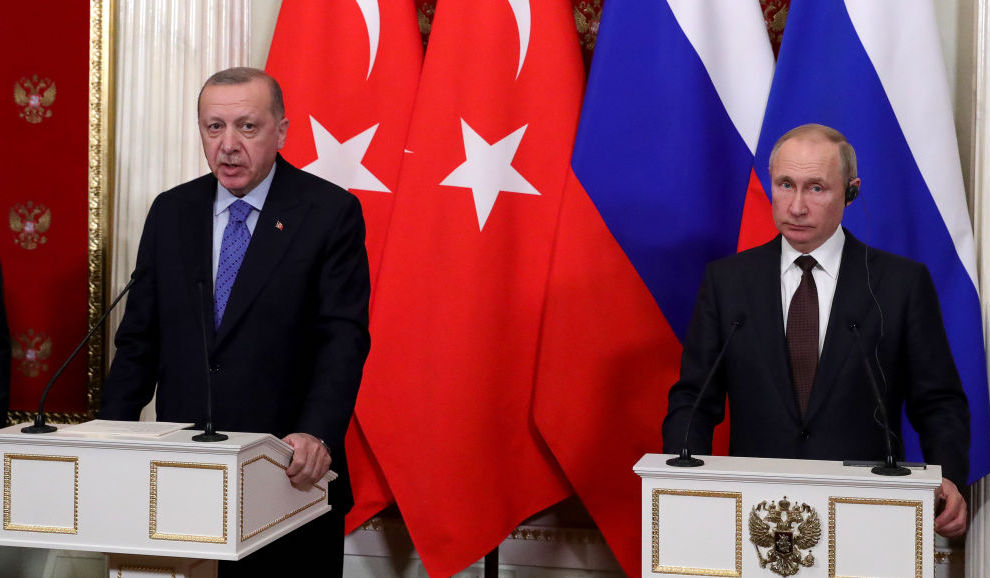
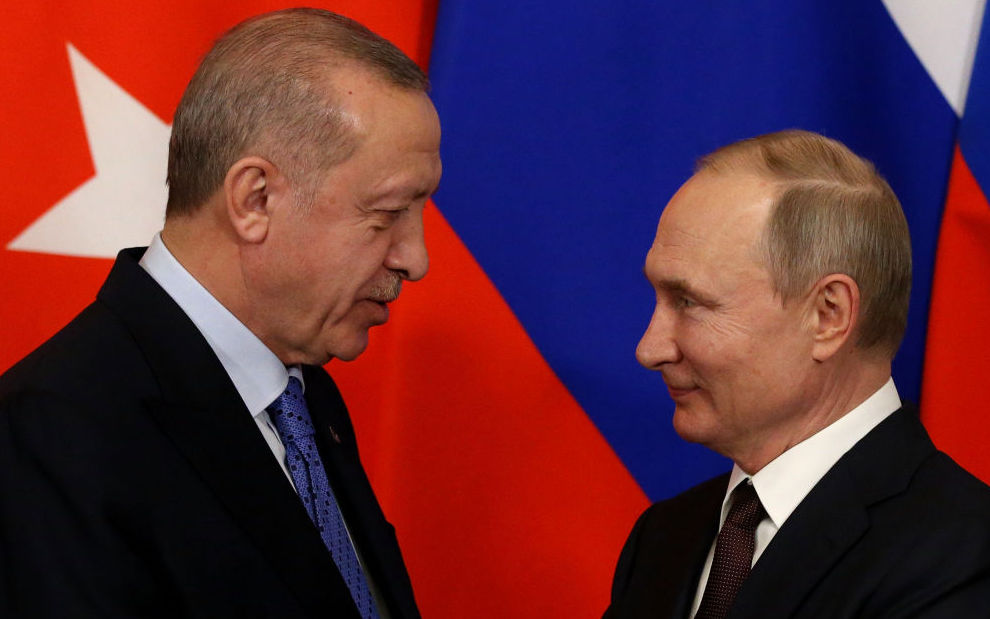
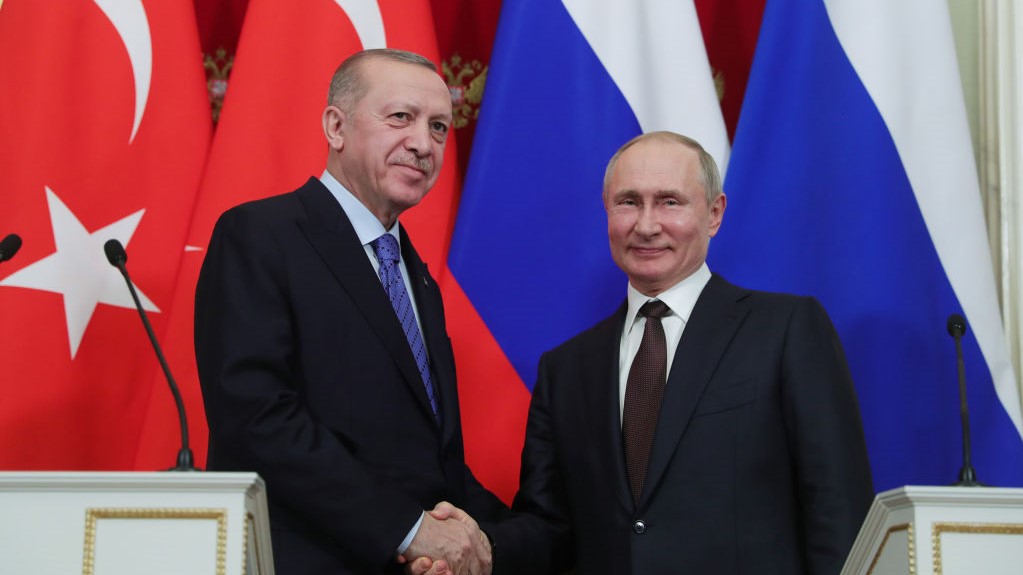
In changing the balance of power on the ground and forcing hostilities to a stalemate, Turkey’s military intervention in Idlib had produced its desired effect. On March 5, Vladimir Putin and Erdogan sat together for six hours and announced to the world a comprehensive cease-fire and the establishment of a secure corridor spanning six kilometers on the north and south sides of the M4 highway.
US-Russia standoffs in northeast Syria: Just getting started
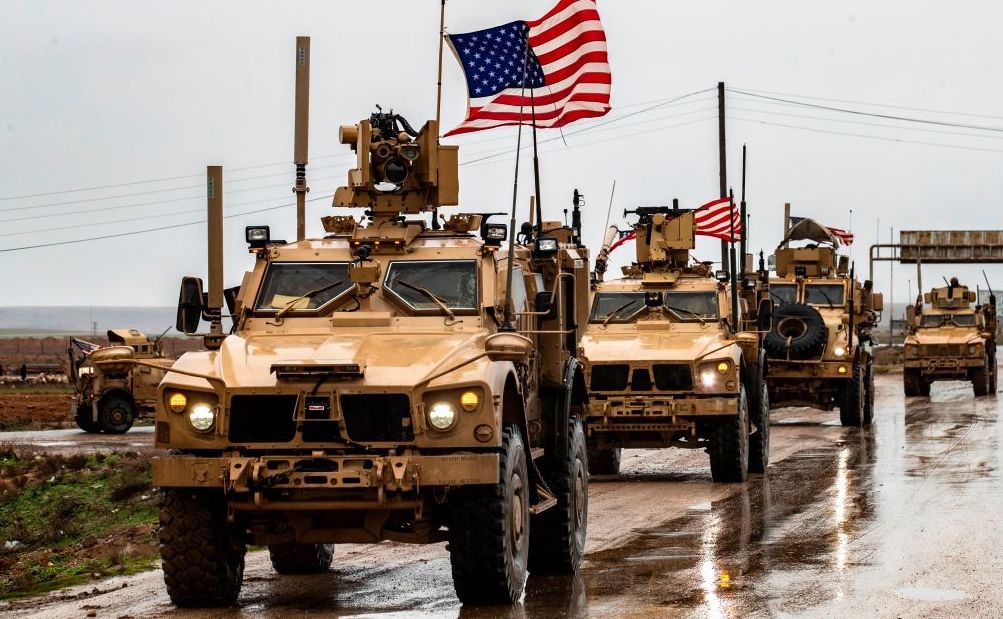
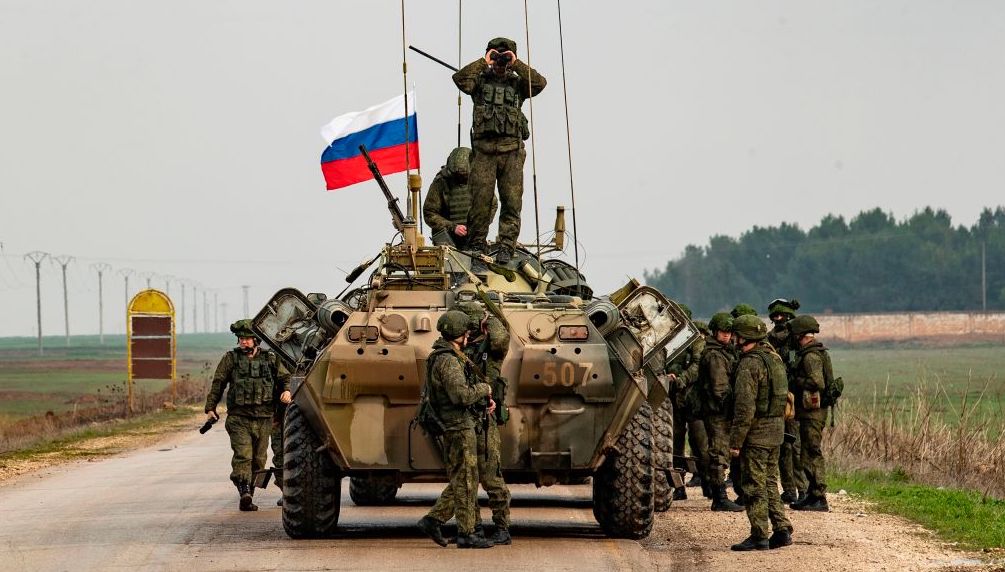
As Syria’s war reaches its ninth anniversary, Russian and U.S. soldiers are increasingly finding themselves face to face — quite literally — in the country’s northeast. A spate of confrontations over the last two months has opened questions about the fate of Syria’s north in the coming year.
After Turkish President Recep Tayyip Erdogan hammered out a deal with his Russian counterpart Vladimir Putin on March 5 to bring an end to the fighting in Idlib in northwestern Syria, he said he was hopeful that the two countries could extend their cooperation to Libya.
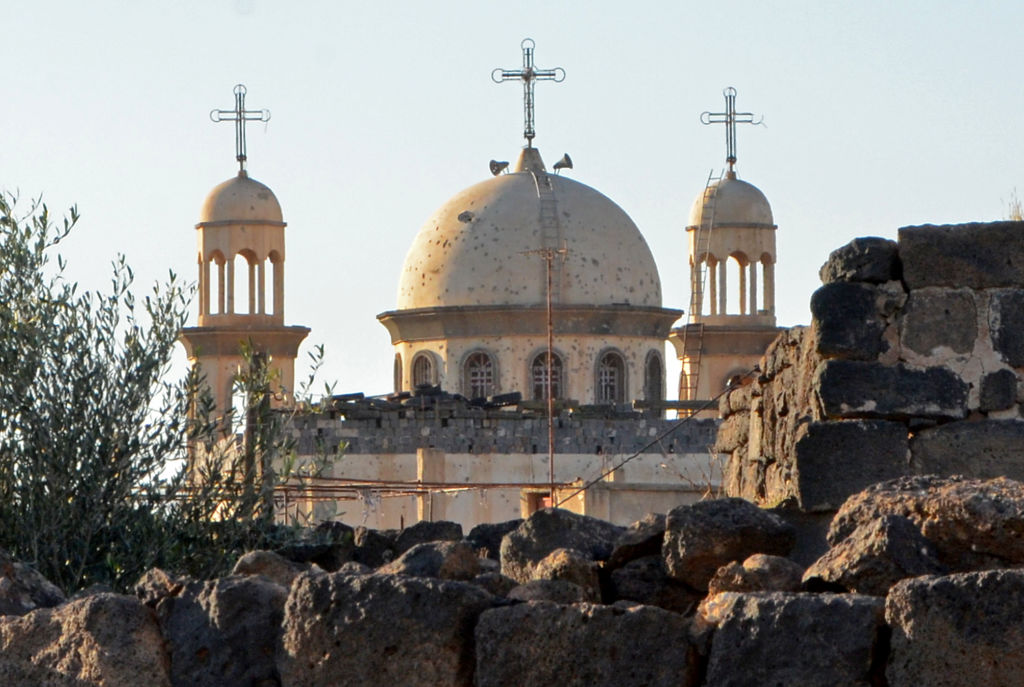
Manufacturing Division: The Assad Regime and Minorities in South-west Syria
Minority communities in south-west Syria have shrunk to a fraction of their pre-2011 size, and the regime’s repressive policies perpetuate a cycle of violence and chaos that prevents their safe return. The regime’s strategy of transforming minority communities into sources of militia fighters has not only led to the deaths of thousands of young Alawite and Shi’a men, but also created sectarian tensions between formerly interconnected communities in south-west Syria. So long as the regime’s policy in the south-west is characterized by violence, the safe and dignified return of displaced Syrians will not be possible. This paper studies current and former minority communities in south-west Syria, the security and economic challenges these groups face, and the manner by which the regime exploits and weaponizes these vulnerable Syrians.
The link between Lebanon’s Hezbollah and Iraqi militias
Iraq has been relatively calm in recent weeks. This could change following Mohammad Allawi’s withdrawal as prime minister-designate, but Iran’s proxies in Iraq are giving dialogue a chance before pushing ahead with what they say is revenge for the slaying of Qasem Soleimani, head of the Iranian Revolutionary Guard’s Al-Quds Force.
Turkey and Russia agree to a cease-fire in Idlib, but will it hold?
In the past, similar cease-fire agreements ended shortly after they were announced and were followed by more fierce fighting that further consolidated the regime’s control.
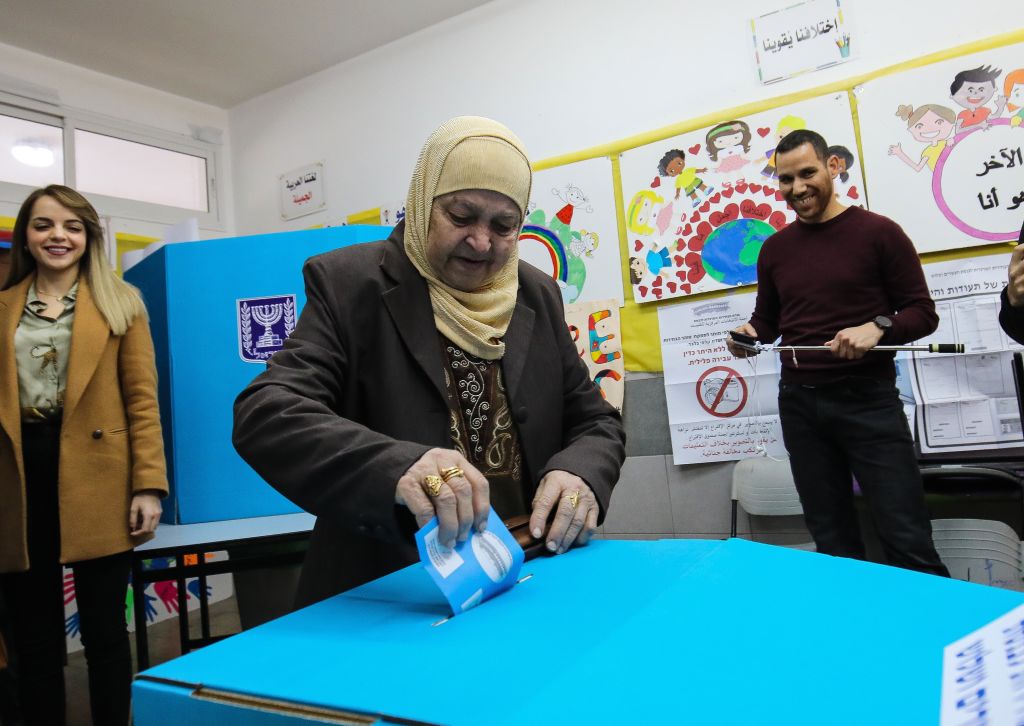
Can Palestinian citizens of Israel teach other Arabs a lesson in democracy?
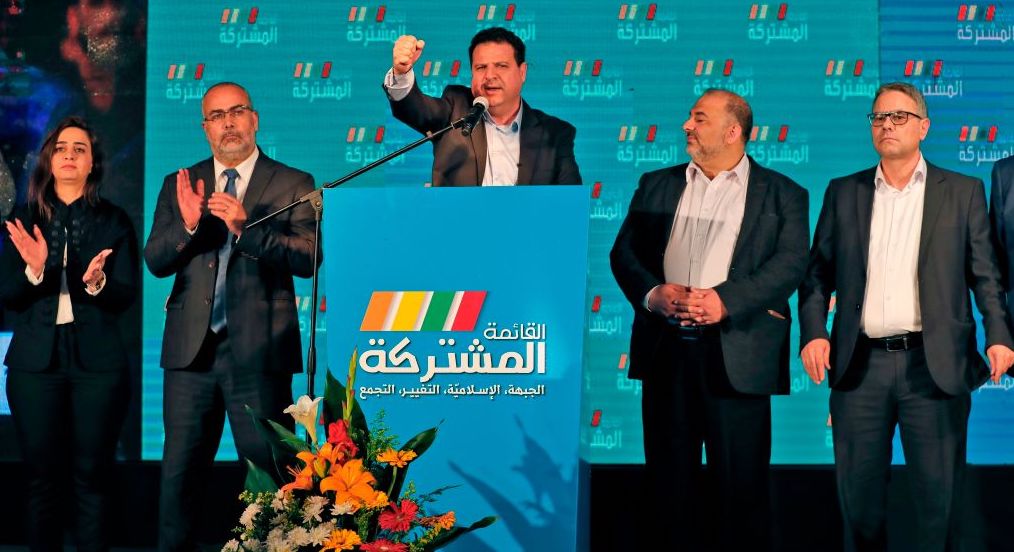
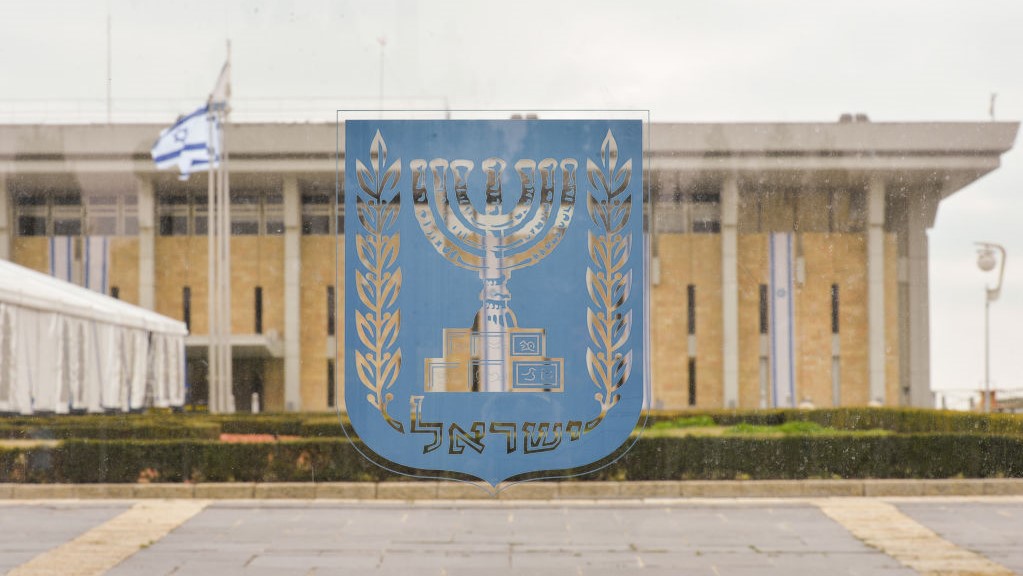
While attention in the third Israeli general elections in a year has focused on the performance of the caretaker prime minister Binyamin Netanyahu, a powerful light must be shed as well on the successful performance of Israel’s Palestinian citizens, who again increased their representation in Israel’s parliament.
The oldest peer-reviewed publication dedicated to the study of the modern Middle East, MEI’s flagship journal covers politics, society, and culture in the region.