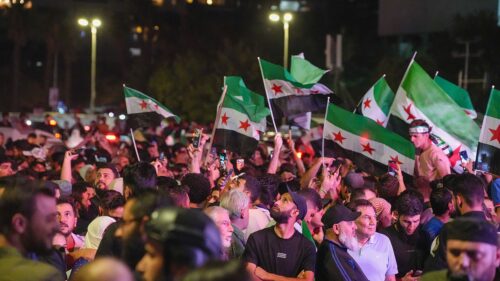
Unlocking the Levant: Why the United States and Syria Must Pursue a Bilateral Trade and Investment Agreement
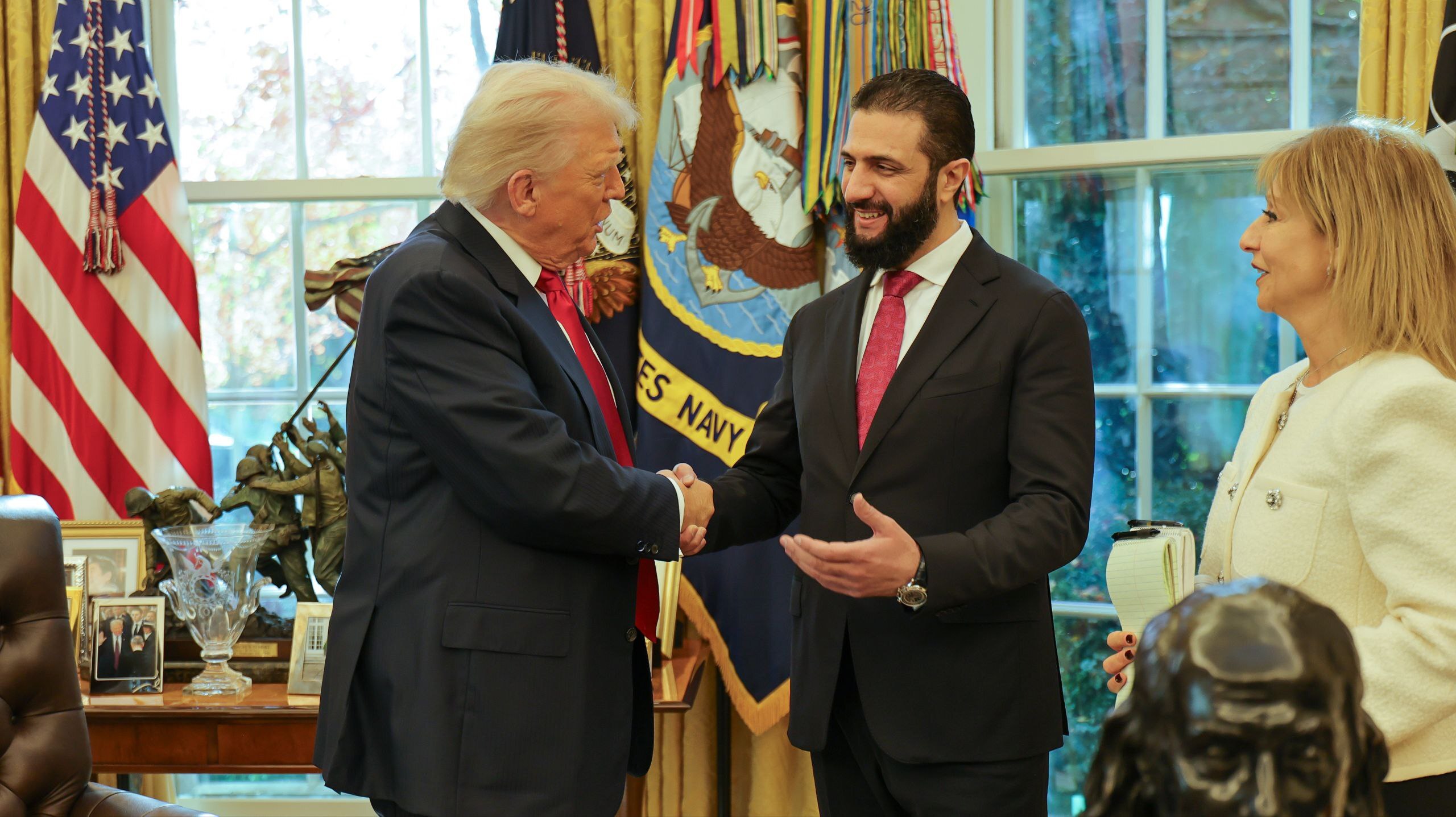
Apart from the brief honeymoon period between 1961 and 1963 under President John F. Kennedy and President Nazim al-Qudsi, US-Syria relations have never held such optimistic potential as they do today. Today, following the fall of Bashar al-Assad regime and the rise of a new government under President Ahmad al-Sharaa at the end of 2024, a new geopolitical window has opened.
Consolidating Sovereignty, Security and Peace: Time to Step up the Game
Although it has been a frustrating summer, Lebanon remains on the right track. My observation after a ten-day visit to Beirut and Jerusalem this month is that leaders in both capitals remain strongly committed to a shared objective.
Soft Power in Hard Times: Pope Leo XIV’s Visit to Lebanon
MEI Senior Fellow Fadi Nicholas Nassar joins host Matthew Czekaj to share expert insights and personal reflections on Pope Leo XIV’s trip to Lebanon from November 30 to December 2. Nassar unpacks the significance of the visit, part of the pontiff’s first overseas tour since assuming office, and its potential impact on Lebanon’s untenable status quo. The conversation explores key questions, including the ability of spiritual and moral authority to compensate for the shortcomings of political leadership as well as whether Lebanon’s government will be able to capitalize on the momentum generated by this visit as the possible return of conflict looms on the horizon.
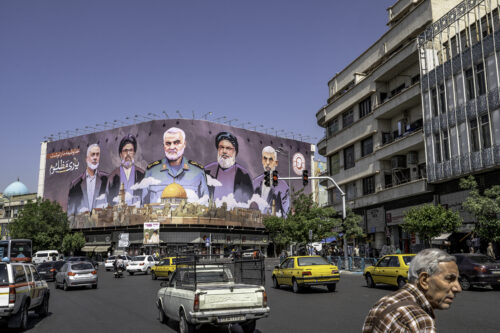
This backgrounder provides an overview of the Axis of Resistance, a loosely aligned network of armed groups and state actors led and supported by Iran to project its influence and military strength across the Middle East.
How Palestinian Roots Shaped an American Ambassador
Brian welcomes Ambassador (ret.) Theodore “Ted” Kattouf, who previously served as US Ambassador to Syria and the United Arab Emirates, as well as President and CEO of the leading nonprofit organization Amideast. Kattouf reflects on how his Palestinian-American background shaped his diplomatic career and worldview. The two also take time to honor the life and legacy of Paul Kattouf, Ted’s son and Brian’s high school classmate, who was murdered in 2024.
MENA Energy Recap, Q3-2025: Gulf Giants Abroad, Fragile Deals at Home
The MENA Energy Recap is a quarterly review of key energy developments that took place in the region from July through September of 2025 and what they signal in the months ahead. The Recap views these developments through the lens of policy and strategy, energy security, and markets.
This backgrounder provides an overview of the history of Hamas, its ideology and leadership, military capabilities and goals, the October 7 attack, relevant US government policies and legislation, and the group’s future in Gaza.
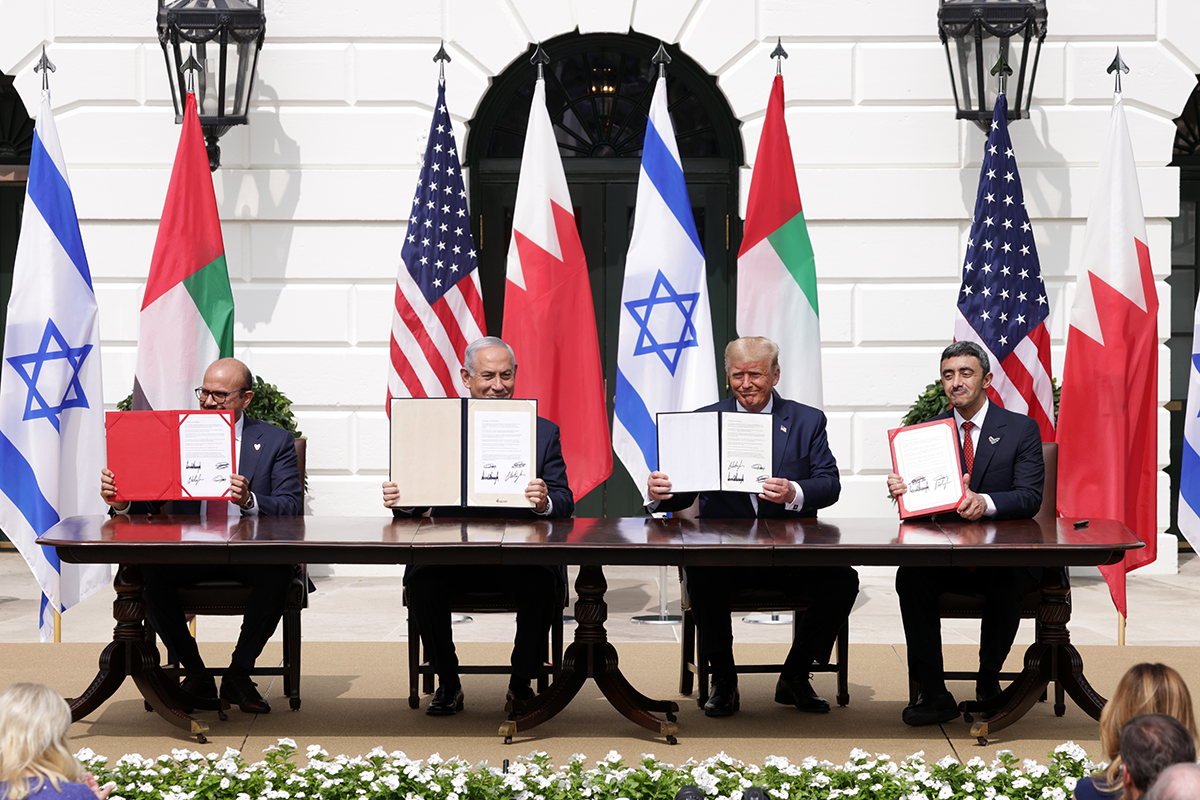
This backgrounder provides an overview of how the Abraham Accords came about, the US interests involved, their economic and strategic consequences, and the prospects for further enlargement going forward.
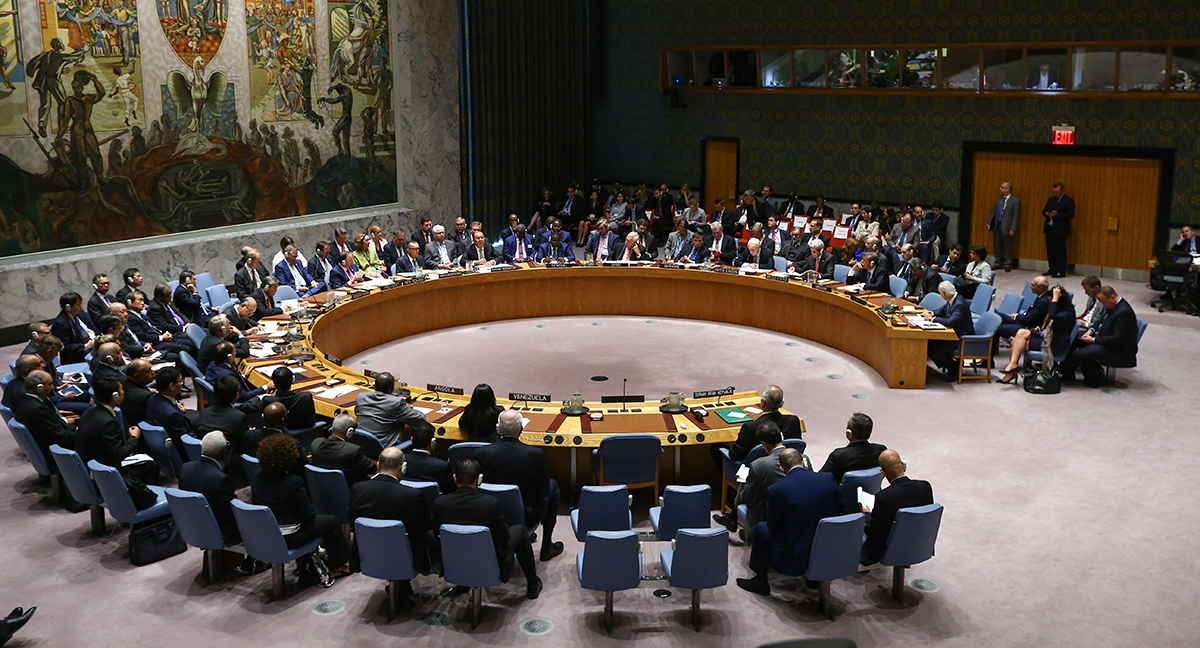
The United States plans to submit a resolution on Gaza to the United Nations Security Council by the end of November. Reportedly, the latest draft endorses President Donald Trump’s 20-point plan, recognizes the Board of Peace as a “transitional governance administration,” and authorizes the BoP to establish an International Stabilization Force. In a new MEI Policy Memo, Lucy Kurtzer-Ellenbogen breaks down why it matters for the US and the relevant policy considerations.
The United States plans to submit a resolution on Gaza to the United Nations Security Council (UNSC) by the end of November. Reportedly, thelatest draftendorses President Donald Trump’s 20-point plan, recognizes the Board of Peace (BoP) as a “transitional governance administration,” and authorizes the BoP to establish an International Stabilization Force (ISF). The UN resolution is a first stepto achieving buy-in from potential ISF contributors. In turn, a viable ISF will be one key to moving beyond the cease-fire to securing the 20-point plan’s envisioned Hamas disarmament, further Israeli military withdrawal, and a path to Palestinian governance. The US faces several dilemmas as it seeks to transition from cease-fire to stabilization and beyond.
Help Syria move forward — Repeal the Caesar Act sanctions
By repealing the 2019 Caesar Act sanctions, the United States today can take a meaningful, achievable step to reverse the Assads’ damaging legacy, supporting the emergence of a unified and integrated Syria that engenders peace and prosperity both at home and in the wider region.
In this episode of Middle East Focus, hosts Alistair Taylor and Matthew Czekaj are joined by MEI Senior Fellow Gönül Tol to discuss democratic backsliding in Turkey under President Recep Tayyip Erdoğan.
In September, just days after tens of thousands of Turks had poured into the streets to protest President Recep Tayyip Erdogan’s latest crackdown on his political opponents and a fal
Divisions at home hinder America’s ambitions abroad
Over the past week, US President Donald Trump made an extended trip to Asia and threatened military actions against Latin American and African countries. But despite his administration’s continuing ambitions in the Middle East region, few major breakthroughs are expected there in the immediate future due to the government shutdown and unilateral cuts to national security infrastructure.
The oldest peer-reviewed publication dedicated to the study of the modern Middle East, MEI’s flagship journal covers politics, society, and culture in the region.