This article is part of a collection of short essays written by the Fellows of the Middle East Institute to explore aspects of the ongoing war with Iran. The intent of the collection is to help readers see new and unexpected elements of the dynamics and impact of the ongoing hostilities and to think harder, deeper, and broader about the implications of the conflict.
Turkey: Ankara’s Nuclear Ambitions in the Post-Iran War Environment
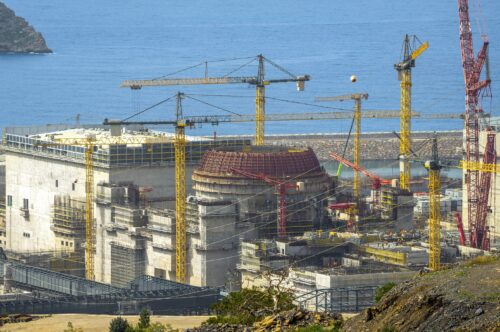
In February 2026, Turkish Foreign Minister Hakan Fidan suggested that shifting international dynamics could push Turkey to acquire nuclear weapons. That rhetoric, combined with Turkey’s civilian nuclear energy and research programs and its indigenous surface-to-surface missile development projects, has fueled concerns that these capabilities could eventually form the backbone of a Turkish nuclear weapons program.
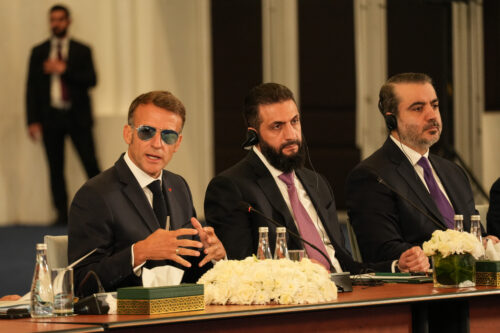
When the US and Israel launched military action against Iran on February 28, 2026, it set in motion a chain of events that saw violence spread across the Middle East. Yet as the region found itself engulfed in conflict, Syria has experienced its most peaceful months in 15 years, and the government in Damascus appears determined to stay its course toward recovery.
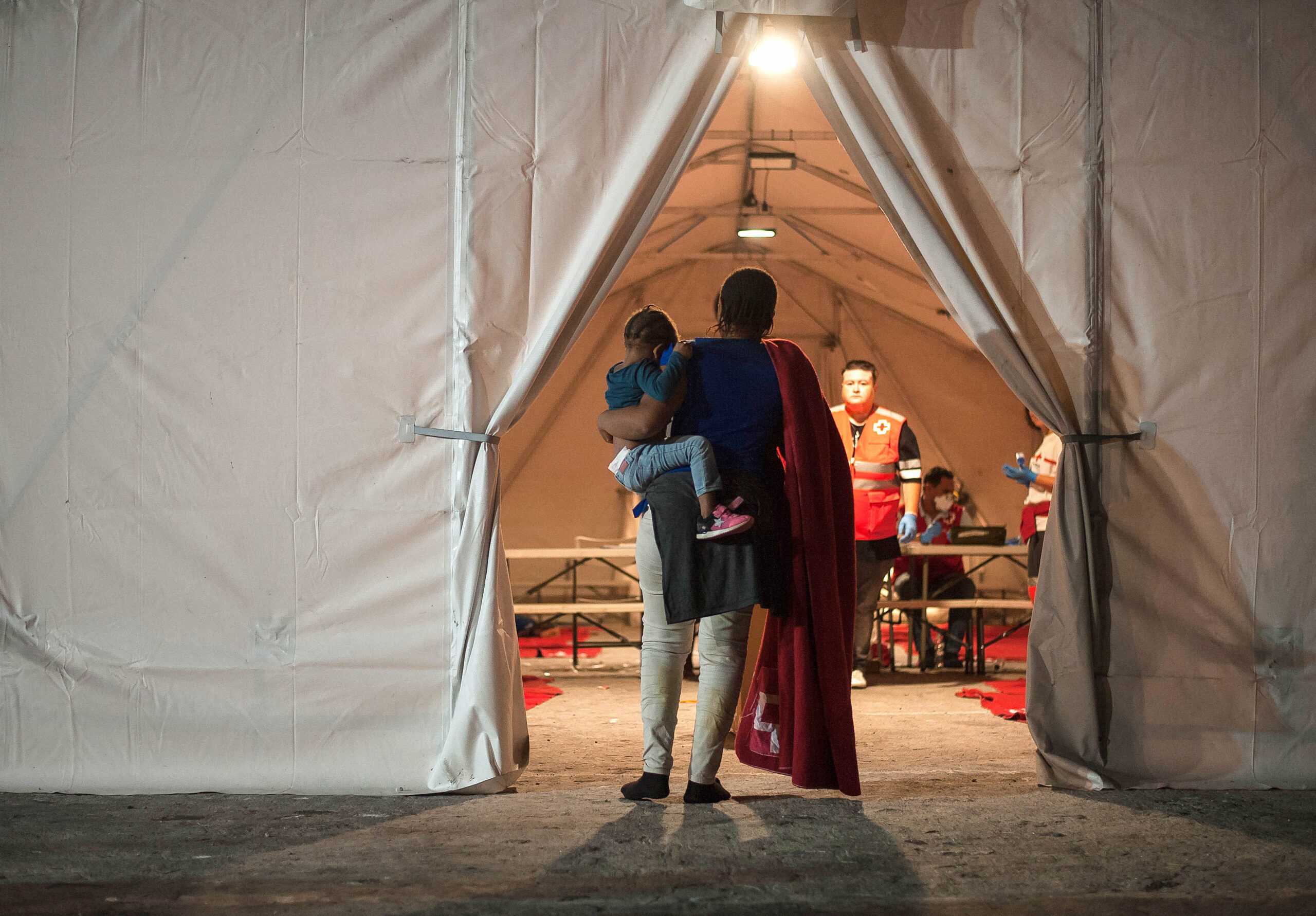
The most recent EU summit, in June 2018, only proved that the EU’s member states do not share any common long-term perspective on migration from Middle East to Europe. This lack of cohesion, as well as a lack of substantial cooperation with the U.S., are the best recipe for a humanitarian disaster in 2019.
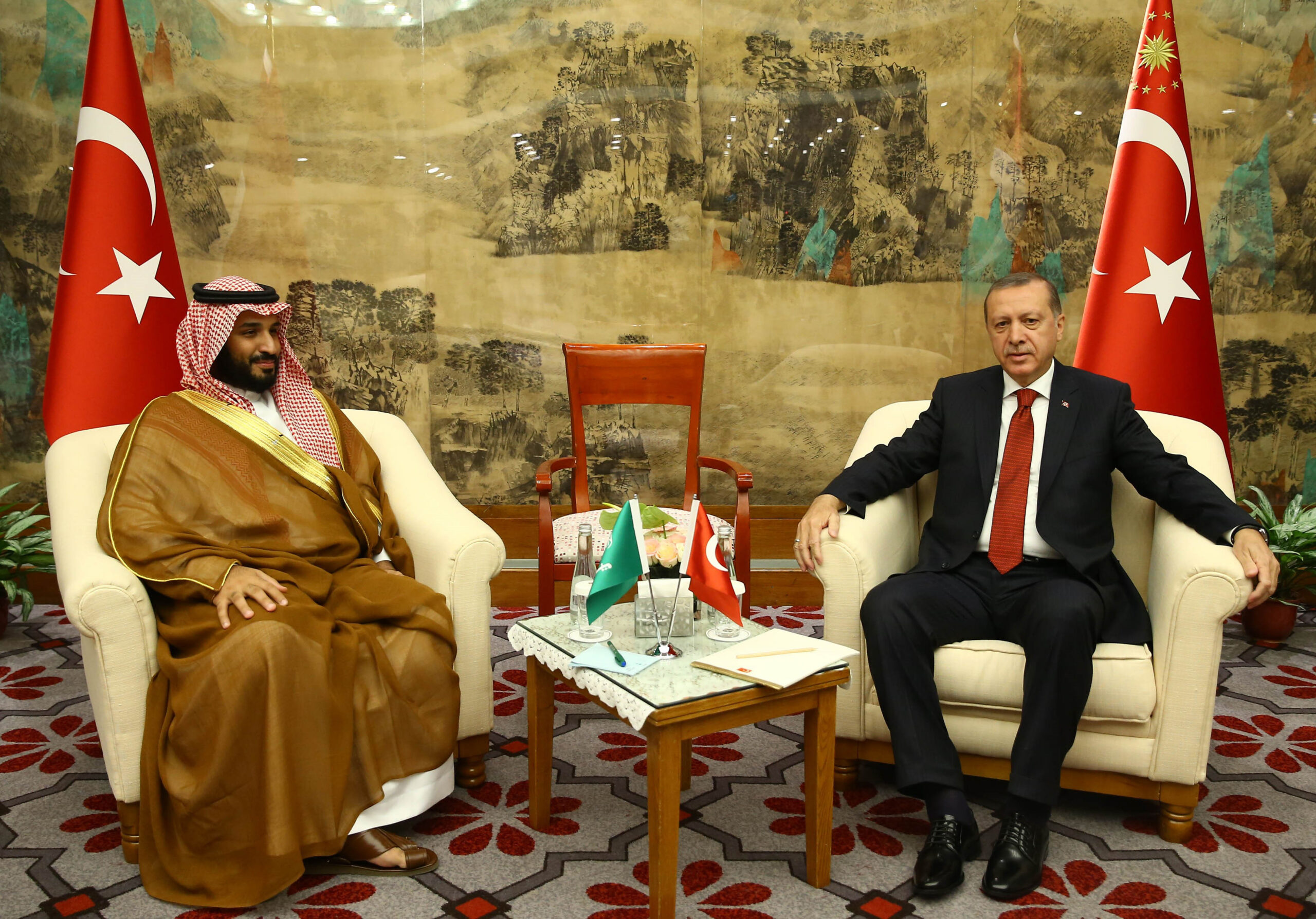
Khashoggi crisis creates new challenges for Turkey’s foreign policy
The incident threatens to spark a major crisis between the two countries, and potentially between Turkey and Saudi Arabia’s Gulf allies, putting much-needed Gulf investment at risk.
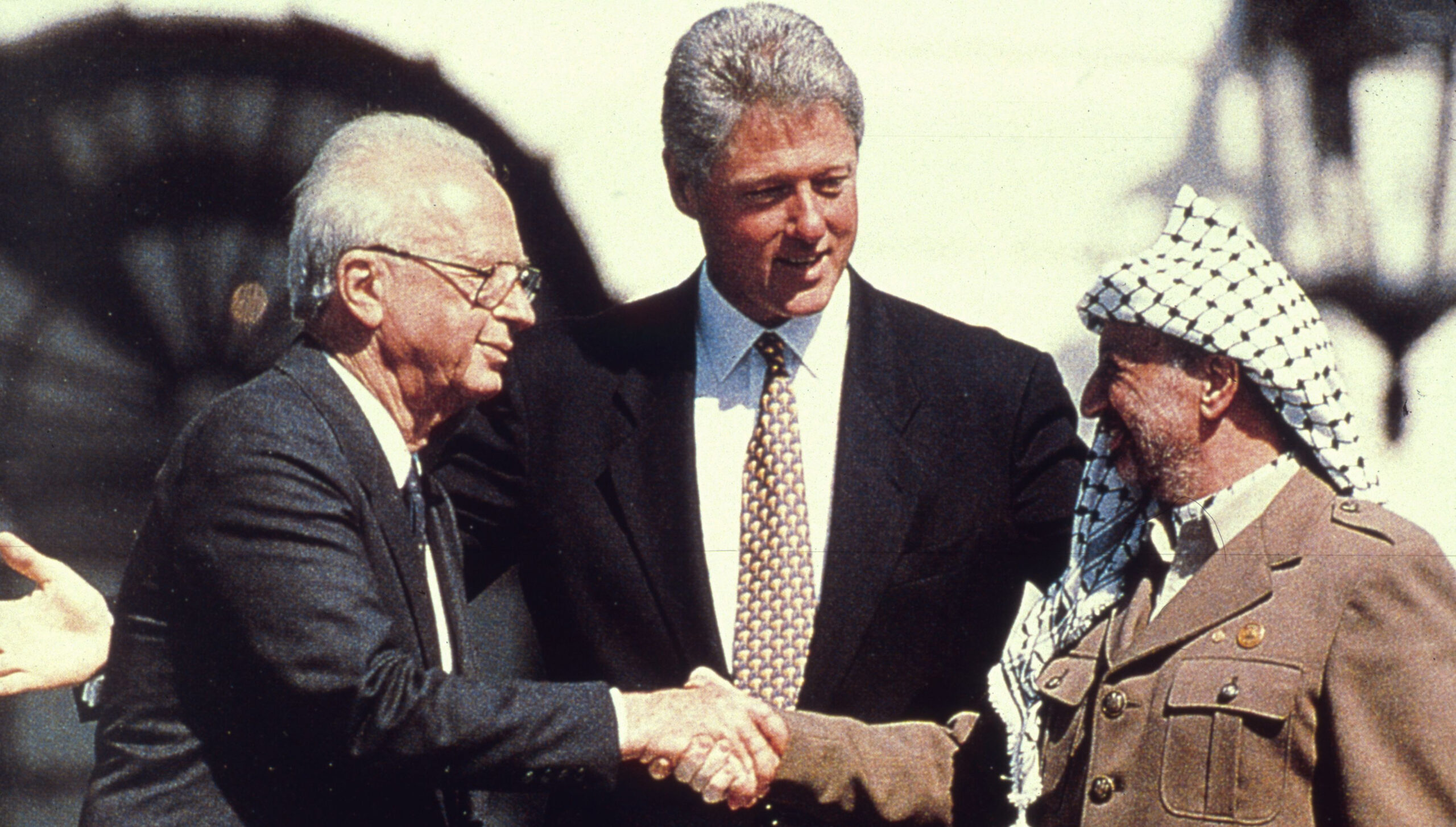
On Sep. 13, 1993, President Bill Clinton presided over one of the most dramatic handshakes in modern history. On the White House lawn, the handshake between Israeli Prime Minister Yitzhak Rabin and the Palestinian Liberation Organization Chairman Yasser Arafat was hailed as a political breakthrough that would constitute the dawn of a new era for the Middle East. Now, 25 years after the announcement of the Declaration of Principles––also known as the Oslo Accords––the prospect of peace appears more elusive than ever.
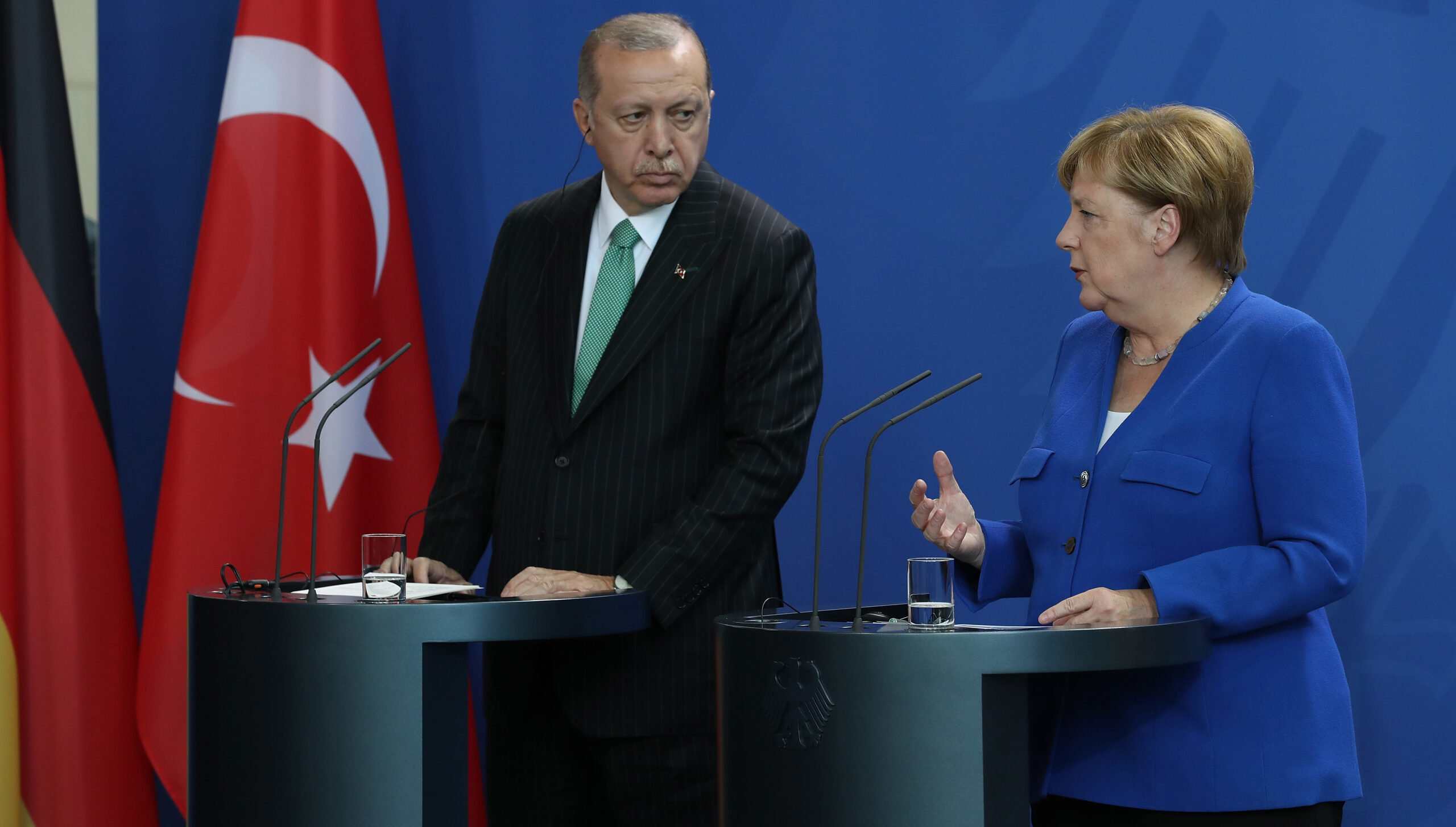
From "fascists" to friends: Erdogan embraces the EU
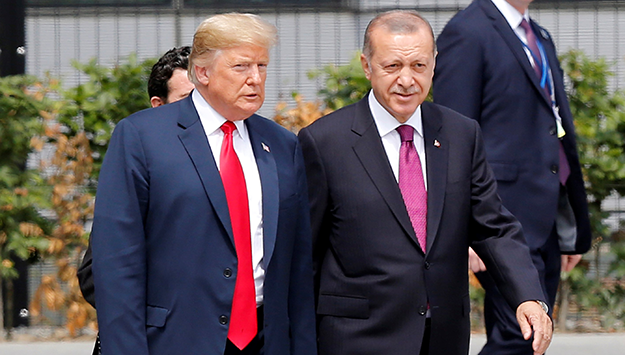
The one good thing that has come out of the ongoing tension in Turkey-U.S. relations has been the rapprochement between Turkey and its key European allies. With no immediate prospect of normalization with Washington, Erdogan now feels he must mend ties with the European countries that he called “Nazi remnants” not long ago to help his country’s ailing economy.
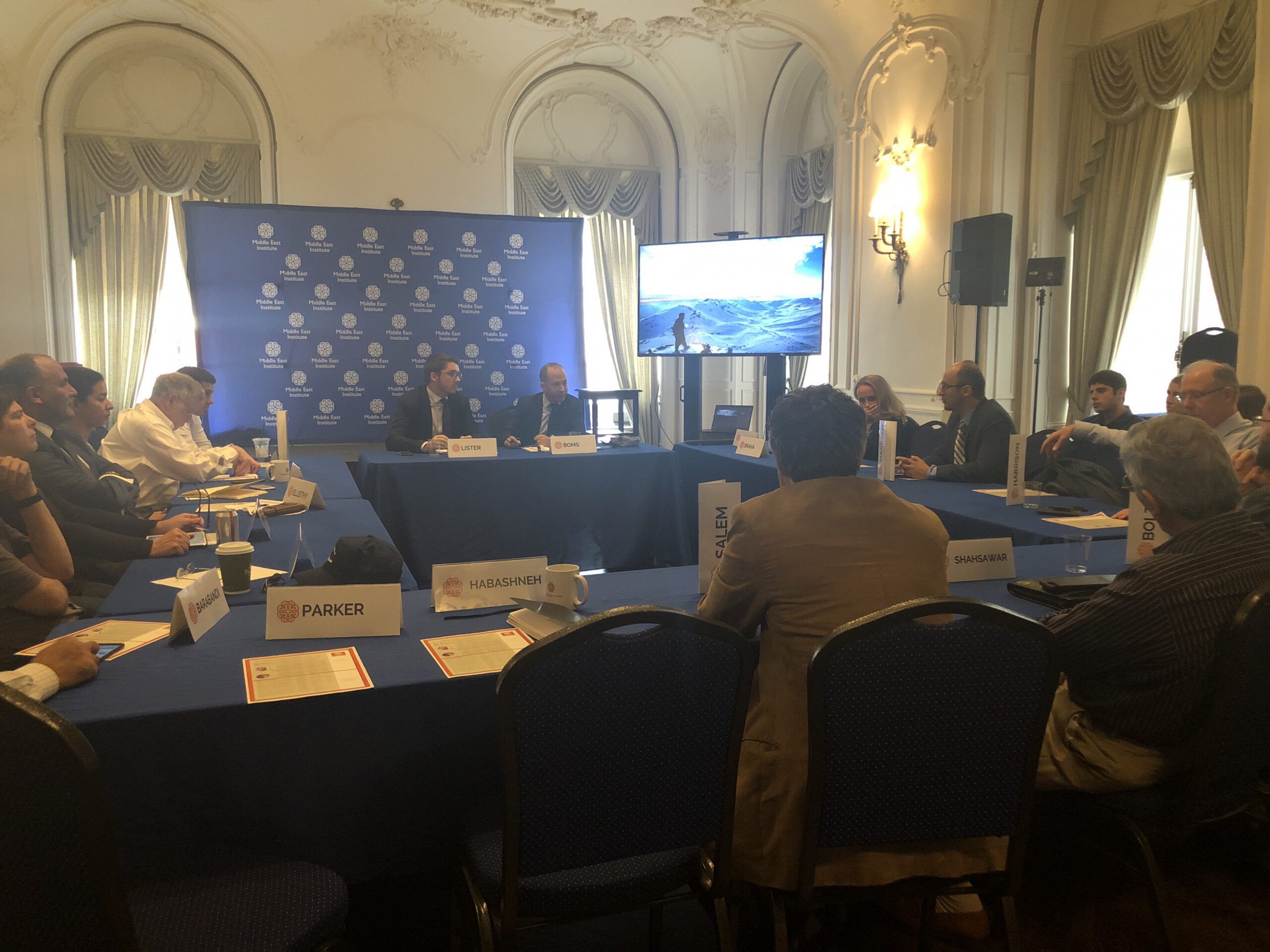
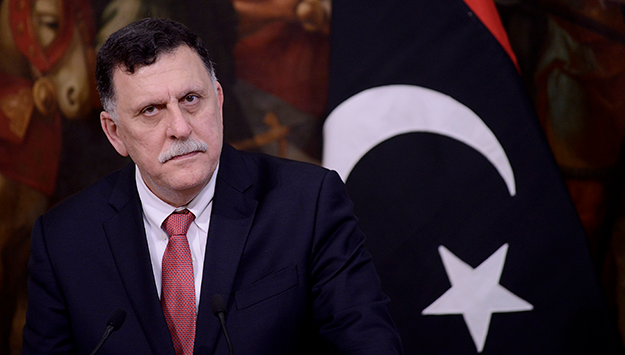
In this week’s Monday Briefing, MEI experts Jonathan M. Winer, Robert S. Ford, and Alex Vatanka provide analysis on recent and upcoming events including political turmoil in Libya, the meeting between Turkey and Russia to discuss the fate of Idlib province, and Iran’s attempts to forge new relationships to offset U.S. sanctions.
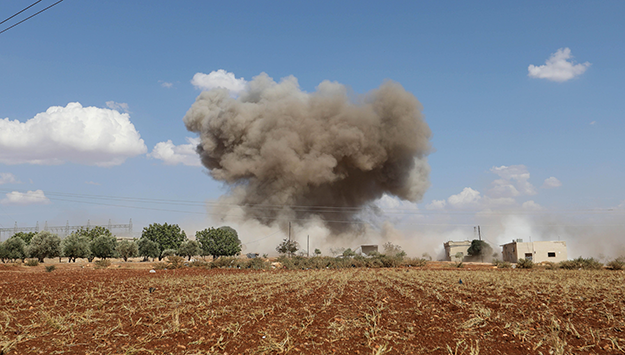
In this week’s Monday Briefing, MEI experts Charles Lister, Randa Slim, Jean-François Seznec, and Mirette F. Mabrouk provide analysis on recent and upcoming events including escalating tensions in Idlib, protests in Basra and their implications for Iraqi politics, a Saudi sovereign wealth fund’s loan to help make up for Aramco IPO revenue, and Egypt’s diplomatic outreach to China.
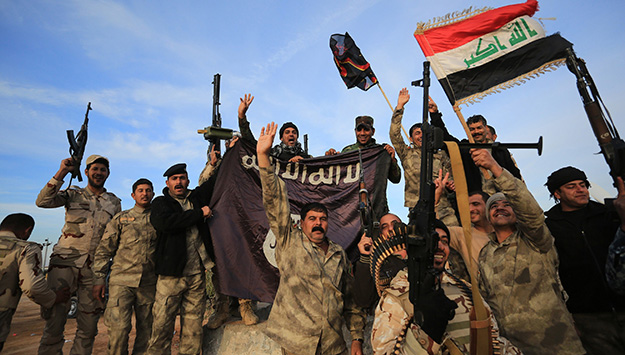
This paper examines ISIS’s actions, publications, and communications to determine its insurgency strategies and long-term organizational outlook, emphasizing sources that have been largely overlooked by forces fighting the group.
Turkey is under enormous strain as it faces an economic crisis that has caused the lira to lose 40% of its value since the beginning of this year; an ongoing crisis in domestic politics; and an international relations crisis with the United States. Gönül Tol, MEI’s director of Turkish studies, and Ömer Taşpınar, professor at the National War College, join host Paul Salem to explain the causes of these challenges and what lies ahead.
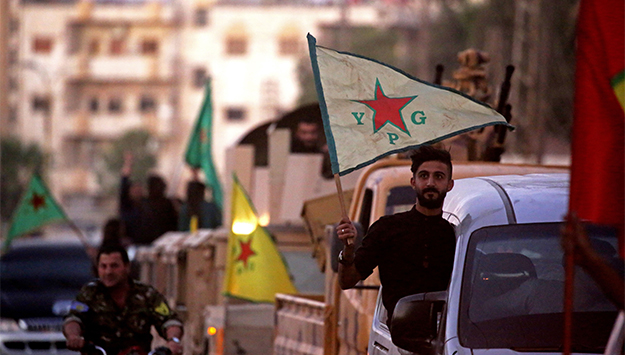
There are numerous, unmistakable signs that the crisis in Syria is moving to a new phase, one that will push Washington further to the sidelines. Not least among these fresh developments is the rapidly evolving situation in Syria’s northeast, where Washington’s Kurdish allies are slowly but surely reconciling with the Assad regime.
Can the US and Turkey mend fences in Manbij? | Monday Briefing
In this week’s Monday Briefing, MEI experts Gonul Tol, Robert S. Ford, Bilal Y. Saab, and Mirette F. Mabrouk provide analysis on recent and upcoming events including Turkey-U.S. cooperation in Syria amid diplomatic tensions, talks between U.S. and Russian officials on Syria policy, the implications of a new Iranian fighter jet, and Egypt’s revitalized work in regional diplomacy.
Seven years after Syria’s civil uprising broke out, the war isn’t over, but it is entering a new phase. MEI Senior Fellow Robert Ford, the last U.S. ambassador to Syria, and Charles Lister, director of MEI’s Countering Violent Transnational Movements project, join host Paul Salem to discuss the state of play and how things may develop in the months ahead.
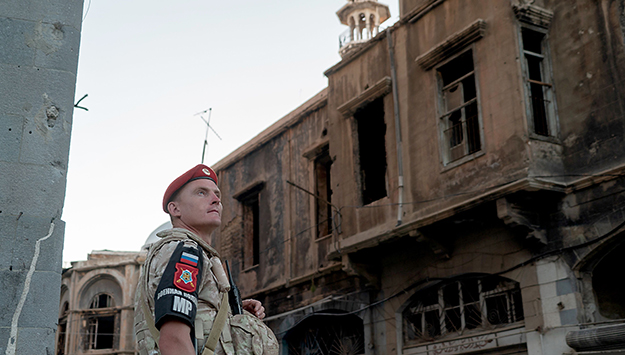
Following the Syrian government’s full reconquest of the country’s south, there are real signs that Russia intends to reduce its presence and responsibilities in Syria. Moscow has not stated this openly, in contrast to its three previous drawdown announcements. Each of these announcements came after a major victory, such as the recapture of Aleppo from rebels or eastern Syria from ISIS, and did not result in any tangible reductions. Despite an absence of fanfare, however, recent developments and statements indicate that a partial drawdown is already underway.
The oldest peer-reviewed publication dedicated to the study of the modern Middle East, MEI’s flagship journal covers politics, society, and culture in the region.