This article is part of a collection of short essays written by the Fellows of the Middle East Institute to explore aspects of the ongoing war with Iran. The intent of the collection is to help readers see new and unexpected elements of the dynamics and impact of the ongoing hostilities and to think harder, deeper, and broader about the implications of the conflict.
Turkey: Ankara’s Nuclear Ambitions in the Post-Iran War Environment
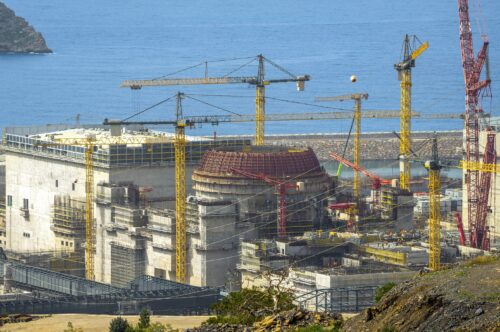
In February 2026, Turkish Foreign Minister Hakan Fidan suggested that shifting international dynamics could push Turkey to acquire nuclear weapons. That rhetoric, combined with Turkey’s civilian nuclear energy and research programs and its indigenous surface-to-surface missile development projects, has fueled concerns that these capabilities could eventually form the backbone of a Turkish nuclear weapons program.
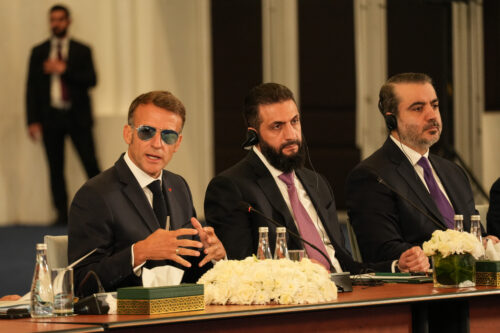
When the US and Israel launched military action against Iran on February 28, 2026, it set in motion a chain of events that saw violence spread across the Middle East. Yet as the region found itself engulfed in conflict, Syria has experienced its most peaceful months in 15 years, and the government in Damascus appears determined to stay its course toward recovery.
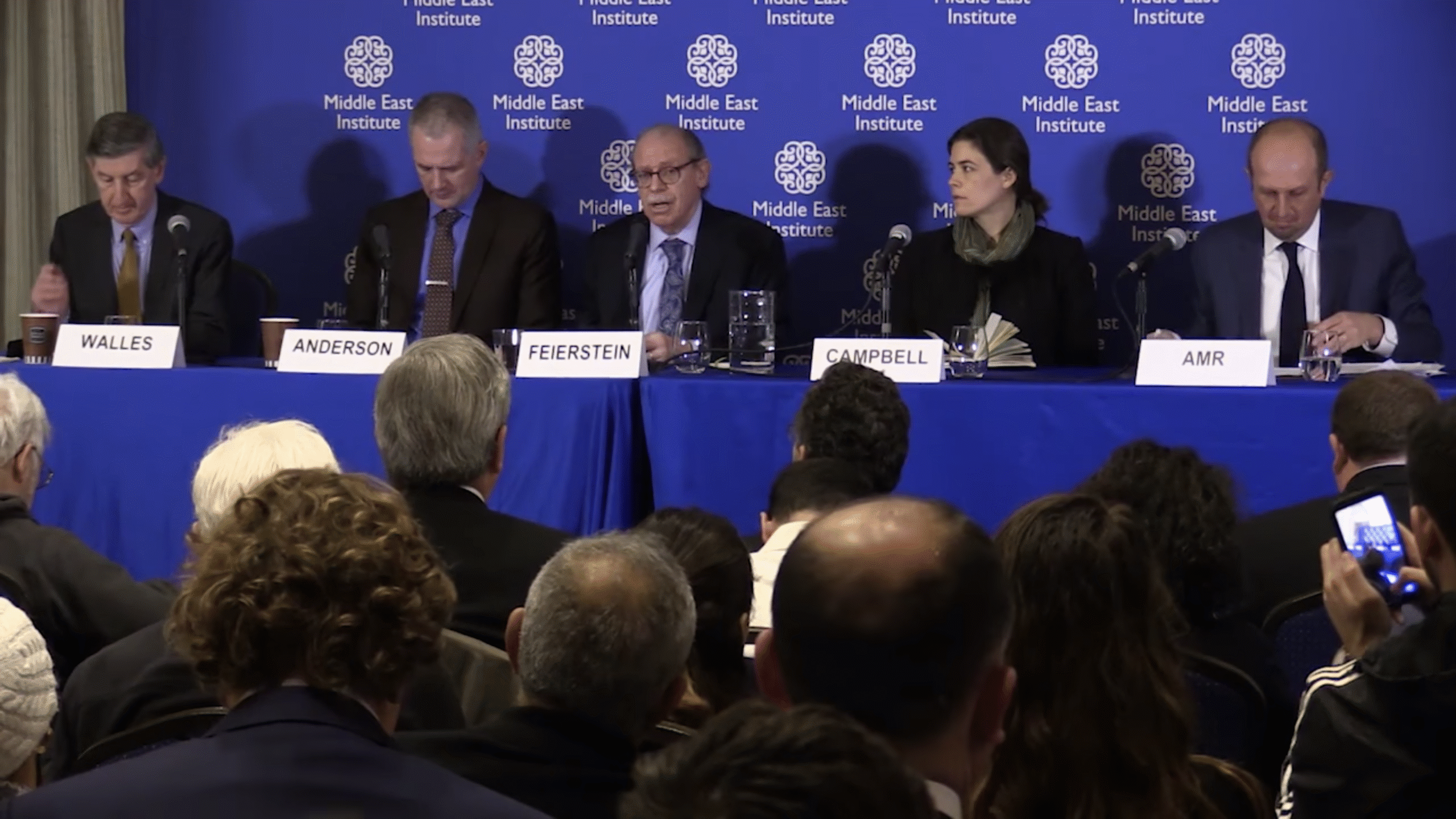
Lebanon has not held parliamentary elections for almost a decade, delayed in part to await the outcome of the Syrian crisis next door. Polls are now set for May 6 and the race to form a majority coalition is on. What will the elections mean for Lebanon’s ability to manage domestic and external pressures? How strong will Hezbollah’s influence be? And will a new election law help or add to the confusion? MEI’s Paul Salem and Randa Slim join guest host Jerry Feierstein to discuss.
Alive in Graves: A film screening and discussion on Syria's detainees
Tens of thousands have been subjected to enforced disappearance in Syria since 2011. The regime is responsible for a majority of these detentions, but various armed groups have been guilty of the practice as well. Amnesty International has warned that “the plight of those who have vanished after being arrested by the authorities or detained by armed groups is a tragedy that has been largely ignored internationally.”
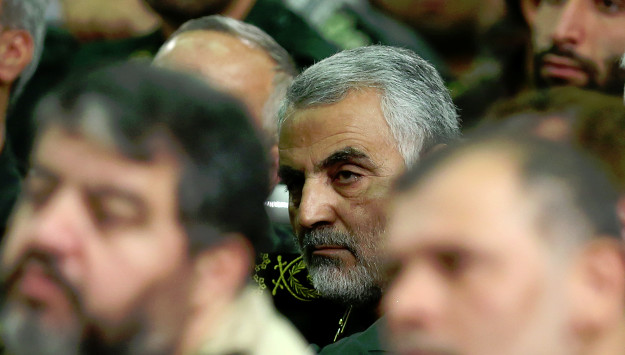
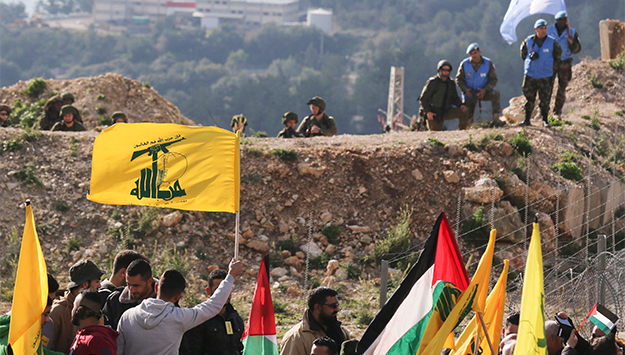
Soleimani commemorates Hezbollah commander by promising Israel’s destruction
Iran’s top general responsible for external operations marked the 10th assassination anniversary of late Hezbollah commander Imad Mughniyeh by promising the destruction of the state of Israel,
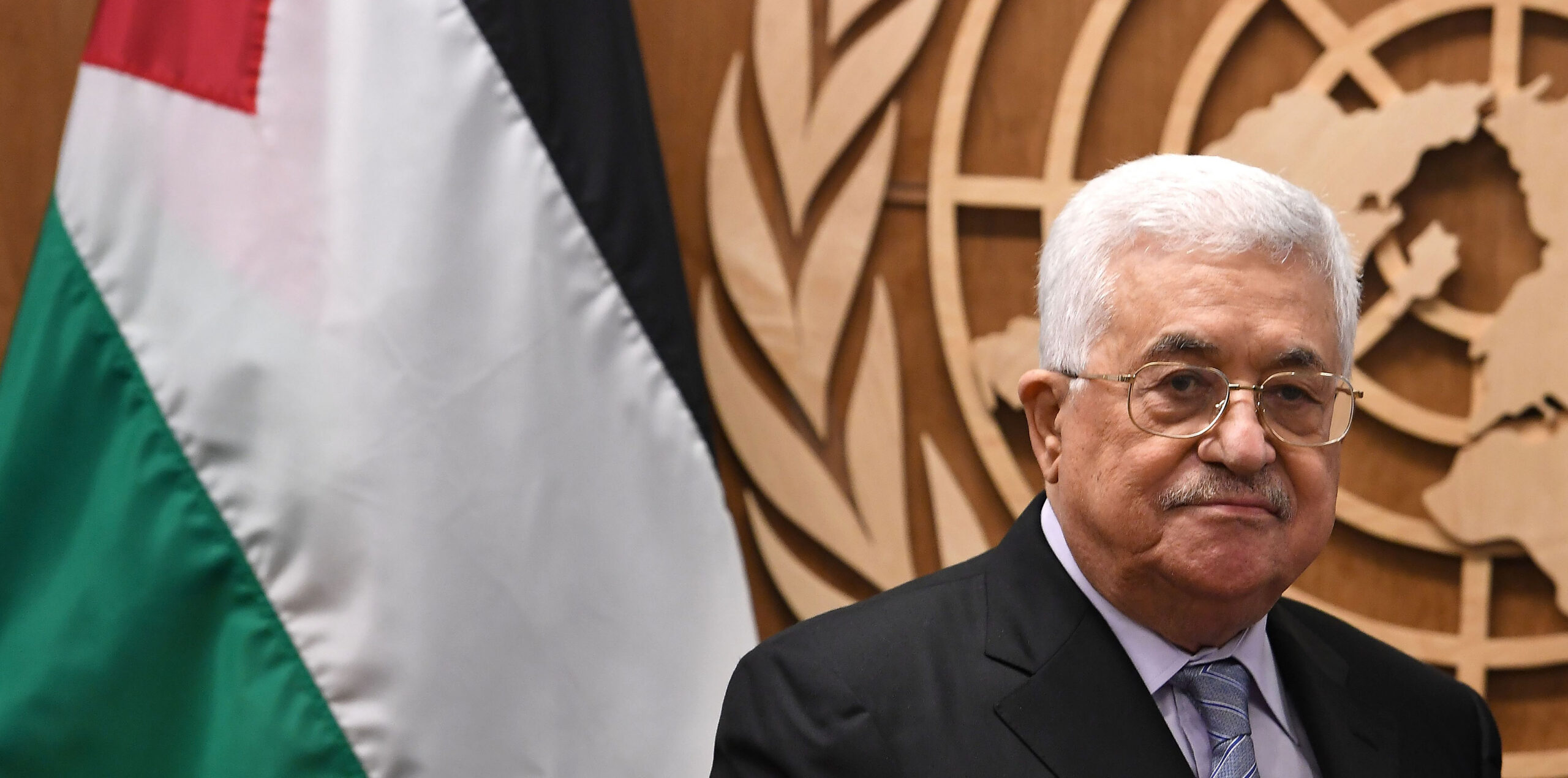
“Abbas needs a crisis,” a veteran Palestinian analyst told me, circa 2012. Sitting in his East Jerusalem office, surrounded by photos chronicling Palestinian history in sepia, the respected academic was commenting on the inertia that has long characterized the policy decisions of Palestinian President Mahmoud Abbas.
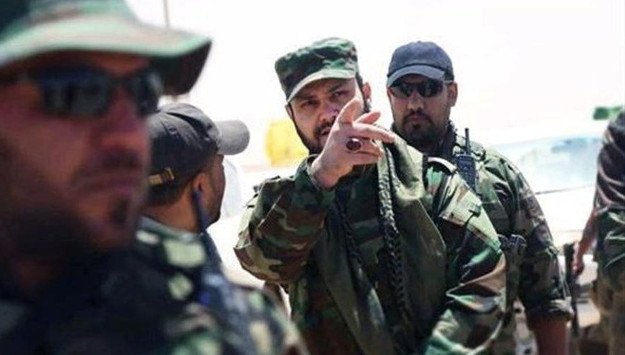
Another Iran-backed Iraqi militia leader visits Lebanon, threatens Israel
The leader of an Iraqi militia group with close ties to Iran traveled to Lebanon this week to voice solidarity with Hezbollah and pledged to stand with the “axis of resistance” in any future wars with Israel. Akram al-Kaabi, the head of Harakat al-Nujaba, made the remarks to reporters in southern Beirut after visiting the tomb of late Hezbollah commander Imad Mughniyeh, who was allegedly killed by Israel. “We, at the axis of resistance, will mobilize forces against Israel at any place.
Negotiating Protection in the Syrian Refugee Response
This essay examines the humanitarian negotiation of protection in the Syrian refugee response. Focusing on the case of Lebanon, the essay presents three examples of how the United Nations High Commissioner for Refugees (UNHCR) has negotiated refugee protection: by avoiding the refugee label, by establishing the contested notion of “protection space,” and by suspending refugee registration at the request of the Lebanese government.
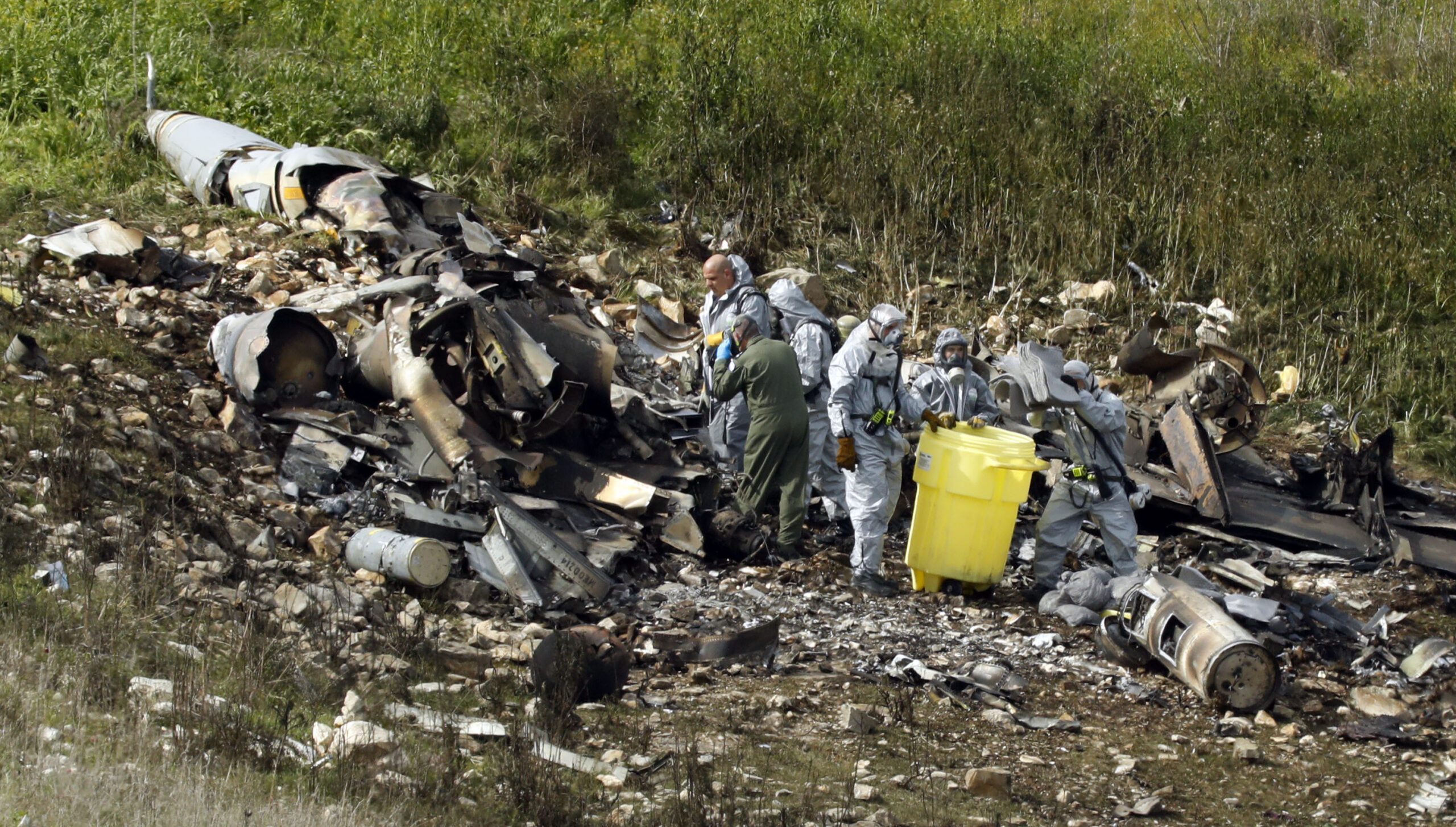
The latest evidence of the evolving nature of the war in Syria was on display Saturday, Feb. 10, when Israel mounted what a senior Israeli officer called “the biggest and most significant attack the air force has conducted against Syrian air defenses” since the 1982 Lebanon war. The unprecedented encounter was precipitated by the intrusion of an Iranian drone into Israeli airspace and led to the downing of a top-of-the-line Israeli F-16 by Syrian air defenses.
Monday Briefing: The Syrian-Iranian downing of an Israeli fighter jet
In this week’s Monday Briefing, MEI experts Charles Lister, Bilal Y. Saab, Eran Etzion, Gonul Tol, Paul Salem, and Randa Slim provide analysis on recent and upcoming events including the Syrian-Iranian downing of an Israeli fighter jet, the critical crossroads of U.S. and Turkey relations, Rex Tillerson’s upcoming visit to Lebanon, and Iraqi reconstruction plans.
With the absence of multilateral diplomatic forums in the Middle East and the Trump administration scaling back on U.S. diplomatic outreach, the role of backdoor diplomatic channels, known as “Track II” dialogues, has seldom been more important. Randa Slim, director of MEI’s program on conflict management and Track II dialogues, and Robert Ford, former US ambassador to Syria, join Paul Salem to discuss the role of these dialogues in addressing issues ranging from the Syrian civil war to the conflict in Yemen and regional tensions between Iran and Saudi Arabia.
In the wake of his announcement to relocate the U.S. embassy in Israel to Jerusalem, President Trump has also vowed to cut funding to the United Nations Relief and Works Agency for Palestine Refugees (UNRWA) by 83 percent, in a stated effort to bring the Palestinian Authority to the negotiating table. International governments and NGOs swiftly condemned these funding cuts by the United States, citing the critical role UNRWA plays in promoting security and stability in the region through health, education, and assistance programs for Palestinian refugees.
Open letter: US-Turkey cooperation remains vital for Syria
Secretary of State Rex Tillerson and National Security Advisor H.R. McMaster, you will visit Ankara this weekend and next week to address what is now a crisis between the United States and Turkey. We are on a collision course over dramatically opposing goals. The United States is determined to eliminate ISIS as a threat in Syria and prevent its return. Turkey is determined to block any coalition of Kurdish forces from having a viable military presence on its borders. Over the past few years, each country has tried—and failed—to persuade the other to support its strategy.
Syria: Which Way Forward? | Congressional Testimony by Charles Lister
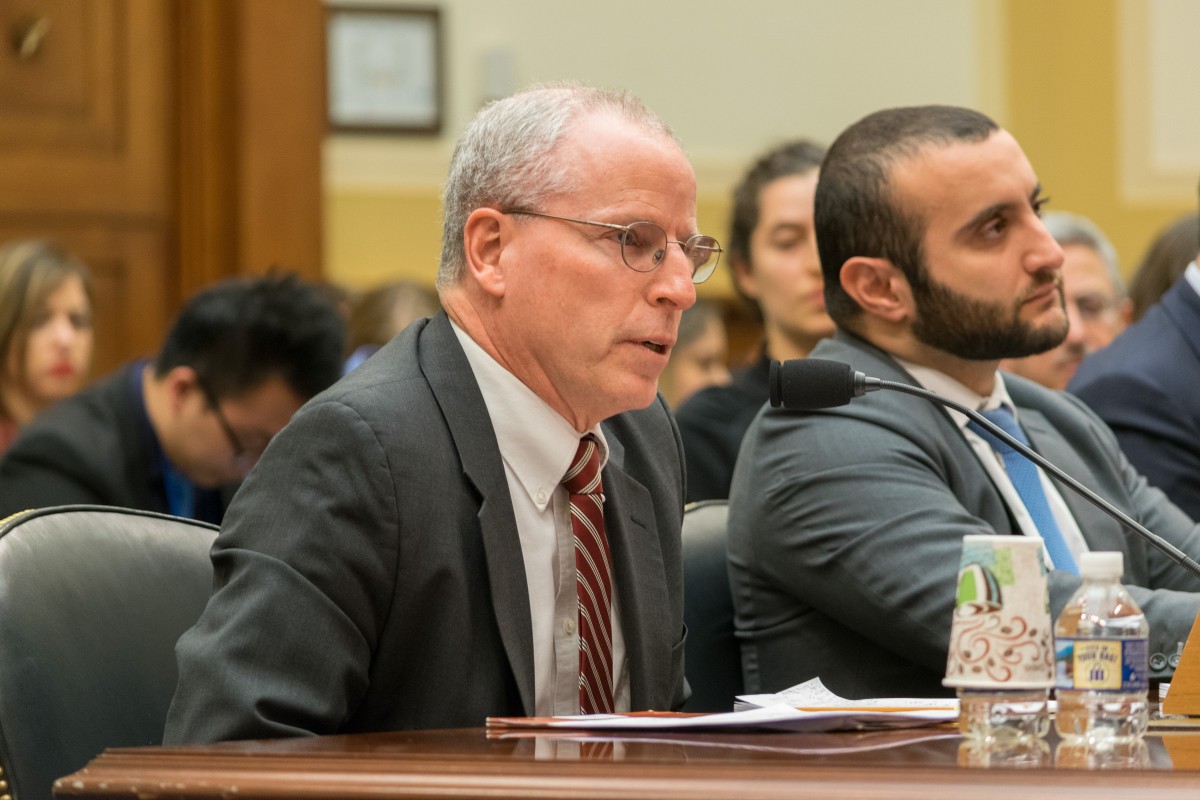
The below testimony was delivered to the House Foreign Affairs Committee by Charles Lister on February 6, 2018. See also testimony by Amb. Robert S. Ford, delivered at the same hearing, or the video webcast of the proceedings.
Syria: which way forward? | Testimony by Amb. Robert S. Ford
The below testimony was delivered before the House Foreign Affairs Committee by Amb. (ret.) Robert S. Ford on February 6, 2018. See also testimony by Charles Lister, delivered at the same hearing, or the video webcast of the proceedings.
The oldest peer-reviewed publication dedicated to the study of the modern Middle East, MEI’s flagship journal covers politics, society, and culture in the region.