This article is part of a collection of short essays written by the Fellows of the Middle East Institute to explore aspects of the ongoing war with Iran. The intent of the collection is to help readers see new and unexpected elements of the dynamics and impact of the ongoing hostilities and to think harder, deeper, and broader about the implications of the conflict.
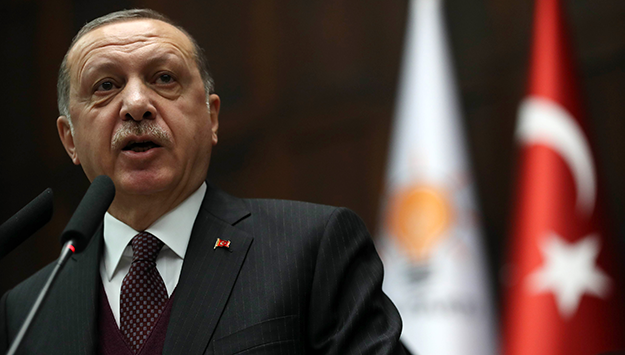
Turkey: Ankara’s Nuclear Ambitions in the Post-Iran War Environment
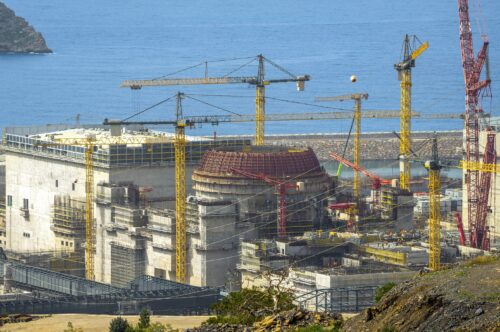
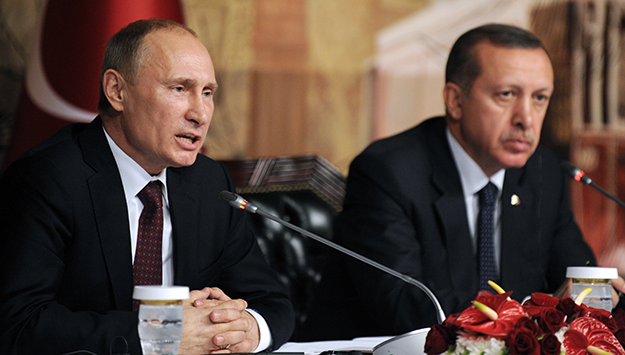
In February 2026, Turkish Foreign Minister Hakan Fidan suggested that shifting international dynamics could push Turkey to acquire nuclear weapons. That rhetoric, combined with Turkey’s civilian nuclear energy and research programs and its indigenous surface-to-surface missile development projects, has fueled concerns that these capabilities could eventually form the backbone of a Turkish nuclear weapons program.
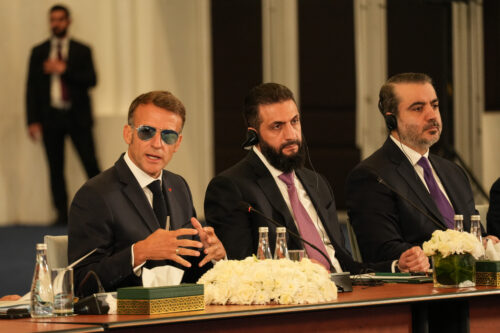
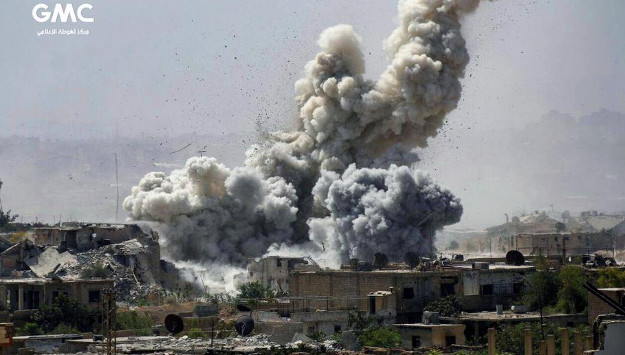
When the US and Israel launched military action against Iran on February 28, 2026, it set in motion a chain of events that saw violence spread across the Middle East. Yet as the region found itself engulfed in conflict, Syria has experienced its most peaceful months in 15 years, and the government in Damascus appears determined to stay its course toward recovery.
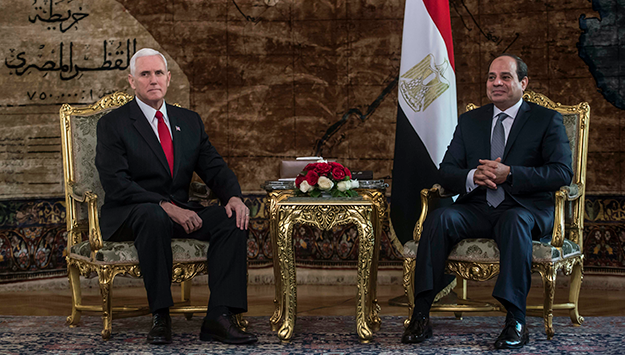
Pence’s pointless peregrination in the Mideast | Monday Briefing
In this week’s Monday Briefing, MEI experts Paul Salem, Robert S. Ford, Randa Slim, and Jonathan M. Winer provide analysis on recent and upcoming events including Vice President Mike Pence’s trip to the Middle East, Turkey’s assault on Afrin, Iraq’s upcoming elections, and the U.N. humanitarian aid plan for Libya.
Hamas leader vows new intifada against Israel in letter to Iran's Khamenei
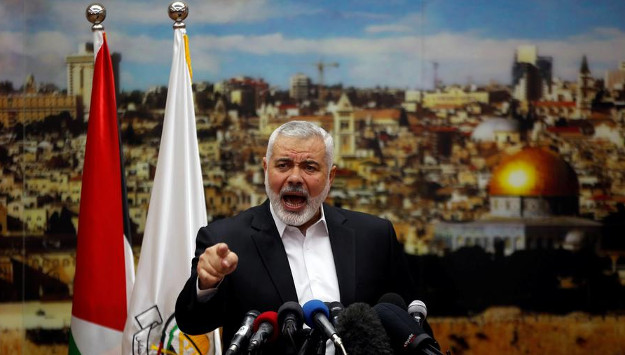
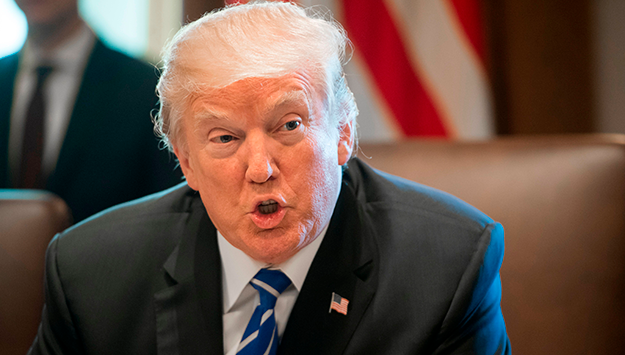
In a letter to Iran’s Supreme Leader Ali Khamenei, Ismail Haniyeh, the leader of Palestinian Hamas, has praised Iranian support for the militant group, and particularly Tehran’s “unwavering and valuable” stance on the issue of Jerusalem. According to the Iranian media, Haniyeh denounced President Donald Trump’s decision to recognize Jerusalem as Israel’s capital and emphasized in the letter that launching another intifada against Israel would be the best course of action at present.
Iran’s soft power: Islamic Azad University opening branches in major Syrian and Iraqi cities
While Iran’s military involvement in regional conflicts and support for militant groups often make headlines, Tehran’s sophisticated soft power strategies aimed at promoting the Islamic Republic’s ideological and political goals in the region are largely overlooked. The establishment of Islamic Azad Universities in major Syrian and Iraqi cities and the expansion of its main branch in Lebanon is one example of how Tehran uses soft power tools to expand its sphere of influence across the region.
Trump will no longer waive U.S. nuclear sanctions on Iran | Weekly Briefing
In this week’s Monday Briefing, MEI experts Alex Vatanka, Charles Lister, Marvin G. Weinbaum, and Eran Etzion provide analysis on recent and upcoming events including President Trump’s statement that he will no longer waive U.S. nuclear sanctions on Iran, new developments in northern Syria, Pakistan’s response to the withdrawal of U.S. security assistance, and Benjamin Netanyahu’s trip to India.
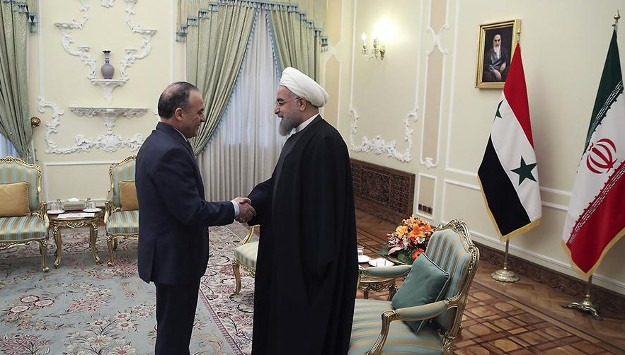
An Iranian parliamentary delegation visited Syria to seek ways of boosting bilateral ties between the two countries, particularly in the economic and trade sectors.
More than 10,000 Afghans sent by Iran to Syria reported killed and injured
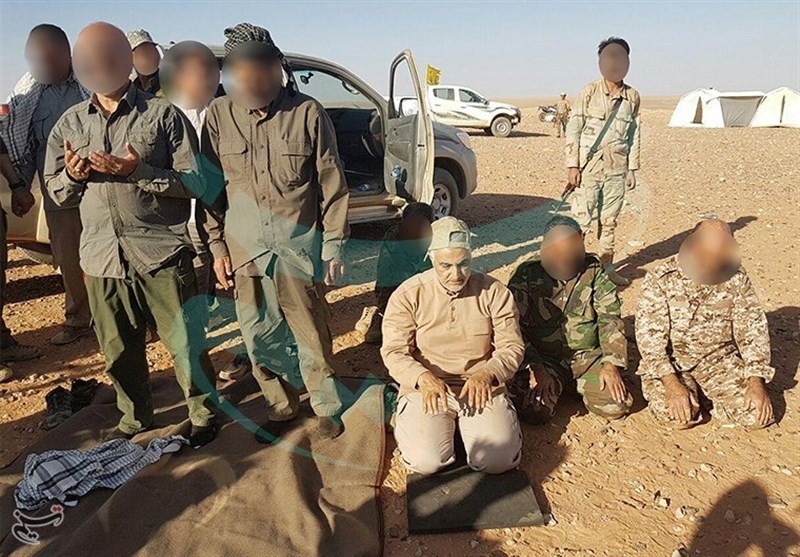
An official of the Fatemiyoun Division has revealed that at least 2,000 Afghan Shiites have been killed and 8,000 more injured in the Syrian conflict – more than twice the number previously reported. The Fatemiyoun Division is a predominantly Afghan militia unit that has been fighting under the leadership of Iran’s elite Quds Force in Syria to prop up the embattled regime of Bashar al-Assad.
Iran Plans to Keep Long-Term Military Presence in Syria
A senior Iranian officials has said that Tehran will keep its military presence in Syria for the long haul, the Iranian media reported. “Based on the request of the legitimate government of Syria, we will continue our presence and advisory assistance until all terrorist groups in this country are destroyed,” said Ali Shamkhani, the secretary of Iran’s Supreme National Security Council.
The oldest peer-reviewed publication dedicated to the study of the modern Middle East, MEI’s flagship journal covers politics, society, and culture in the region.