This article is part of a collection of short essays written by the Fellows of the Middle East Institute to explore aspects of the ongoing war with Iran. The intent of the collection is to help readers see new and unexpected elements of the dynamics and impact of the ongoing hostilities and to think harder, deeper, and broader about the implications of the conflict.
Turkey: Ankara’s Nuclear Ambitions in the Post-Iran War Environment
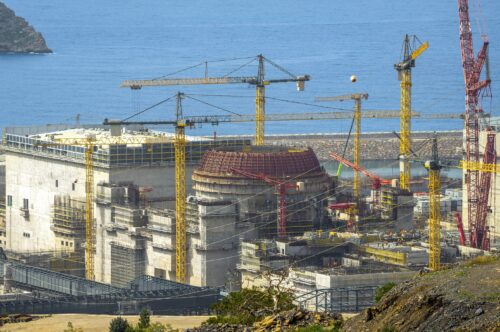
In February 2026, Turkish Foreign Minister Hakan Fidan suggested that shifting international dynamics could push Turkey to acquire nuclear weapons. That rhetoric, combined with Turkey’s civilian nuclear energy and research programs and its indigenous surface-to-surface missile development projects, has fueled concerns that these capabilities could eventually form the backbone of a Turkish nuclear weapons program.
When the US and Israel launched military action against Iran on February 28, 2026, it set in motion a chain of events that saw violence spread across the Middle East. Yet as the region found itself engulfed in conflict, Syria has experienced its most peaceful months in 15 years, and the government in Damascus appears determined to stay its course toward recovery.
Iranian Lawmakers Praise Assad for "Defeating" U.S. and Israel in Syria
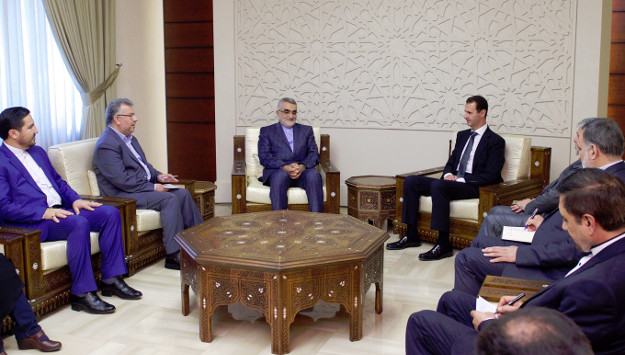
A senior Iranian parliamentary delegation visited Damascus and held talks with Syrian President Bashar al-Assad earlier today, the Iranian media reported. Alaeddin Boroujerdi, the chairman of the parliament’s national security and foreign policy committee, described Syria as a key pillar of the so-called “resistance front” against the United States and congratulated the Syrian president for the latest territorial gains by the Syrian Army and its foreign allies.
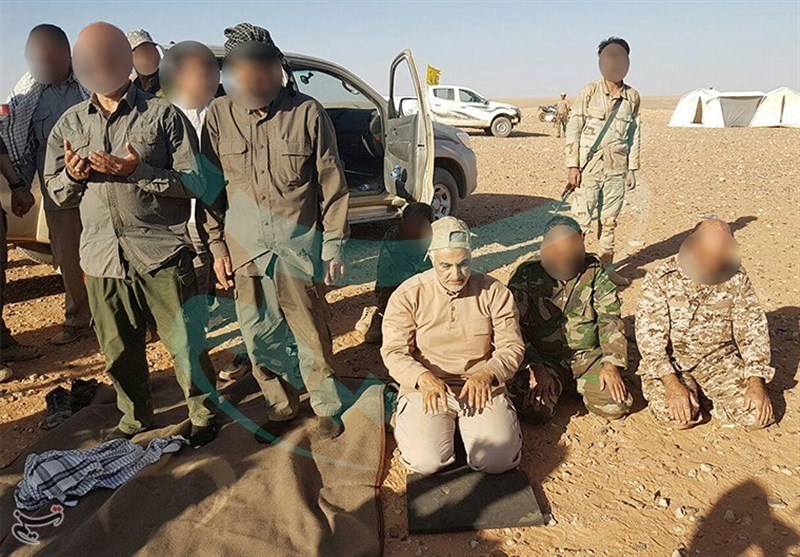
Fatemiyoun: We’ll Capture Al-Mayadin and Abu Kamal to Fulfill Soleimani’s Promise
Afghan Shiite militias fighting in Syria have made significant gains in military operations against the Islamic State in Deir Ezzor Province, the Iranian media reports.
Erdogan Visits Iran as Tension Rises over Kurdish Vote | Monday Briefing
In this week’s Monday Briefing, MEI experts Alex Vatanka, Randa Slim, Marvin G. Weinbaum, Yousef Munayyer, and Gerald Feierstein provide analysis on recent and upcoming events including Turkish President Erdogan’s visit to Iran, Ayatollah Ali al-Sistani’s efforts to push for dialogue after the Kurdish independence referendum, the pending indictment of Nawaz Sharif in Pakistan, signs of progress in the reconcilliation attempt between Hamas and Fatah, and the Saudi king’s visit to Moscow.
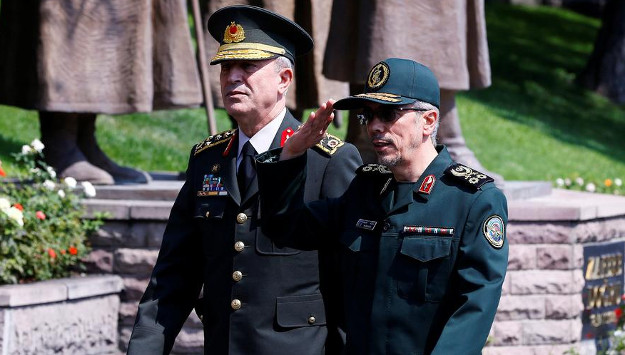
Turkish Military Delegation in Tehran ahead of Erdogan’s Visit
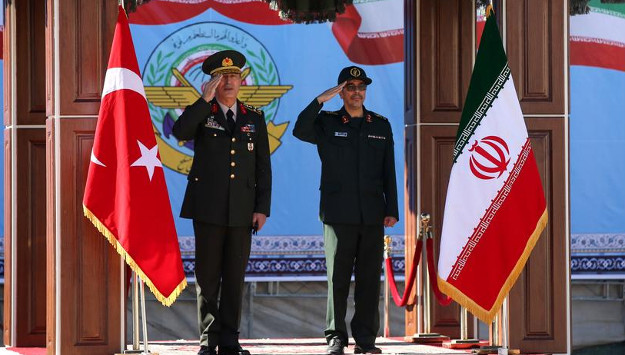
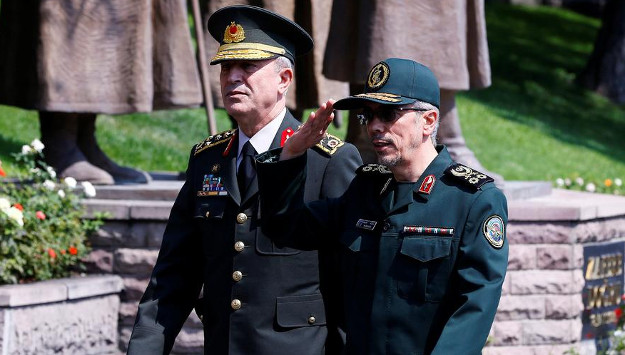
Turkey’s Chief of General Staff Hulusi Akar held talks with senior Iranian leaders in Tehran earlier today to discuss ways of boosting military cooperation between the two countries, the Iranian media reported.
House Committee Passes Anti-Hezbollah Legislation | MEI Flash
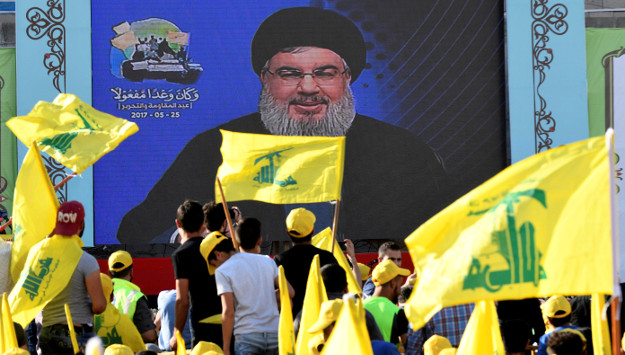
The U.S. House of Representatives Foreign Affairs Committee passed two bills today that tighten sanctions on Hezbollah. The bills amend sections of the Hezbollah International Financing Act of 2015. The first bill imposes sanctions on any foreign person that assists a number of key Hezbollah financial, security, foreign relations, and media institutions. The second bill imposes sanctions on persons responsible for use of people as human shields in the 2006 war or thereafter, and names Hezbollah senior leadership among those intended.
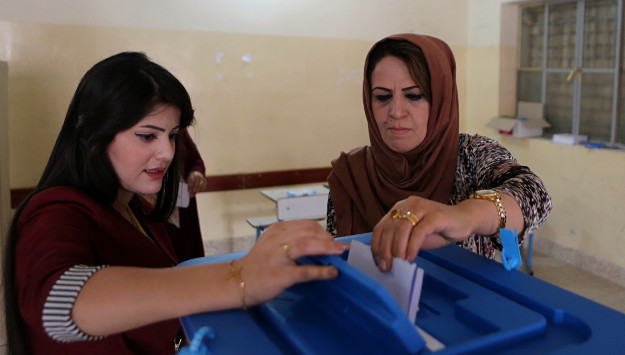
Turkey has been threatening economic sanctions and military action against its long-time ally, the Kurdistan Regional Government (K.R.G.) over Erbil’s decision to hold an independence vote.
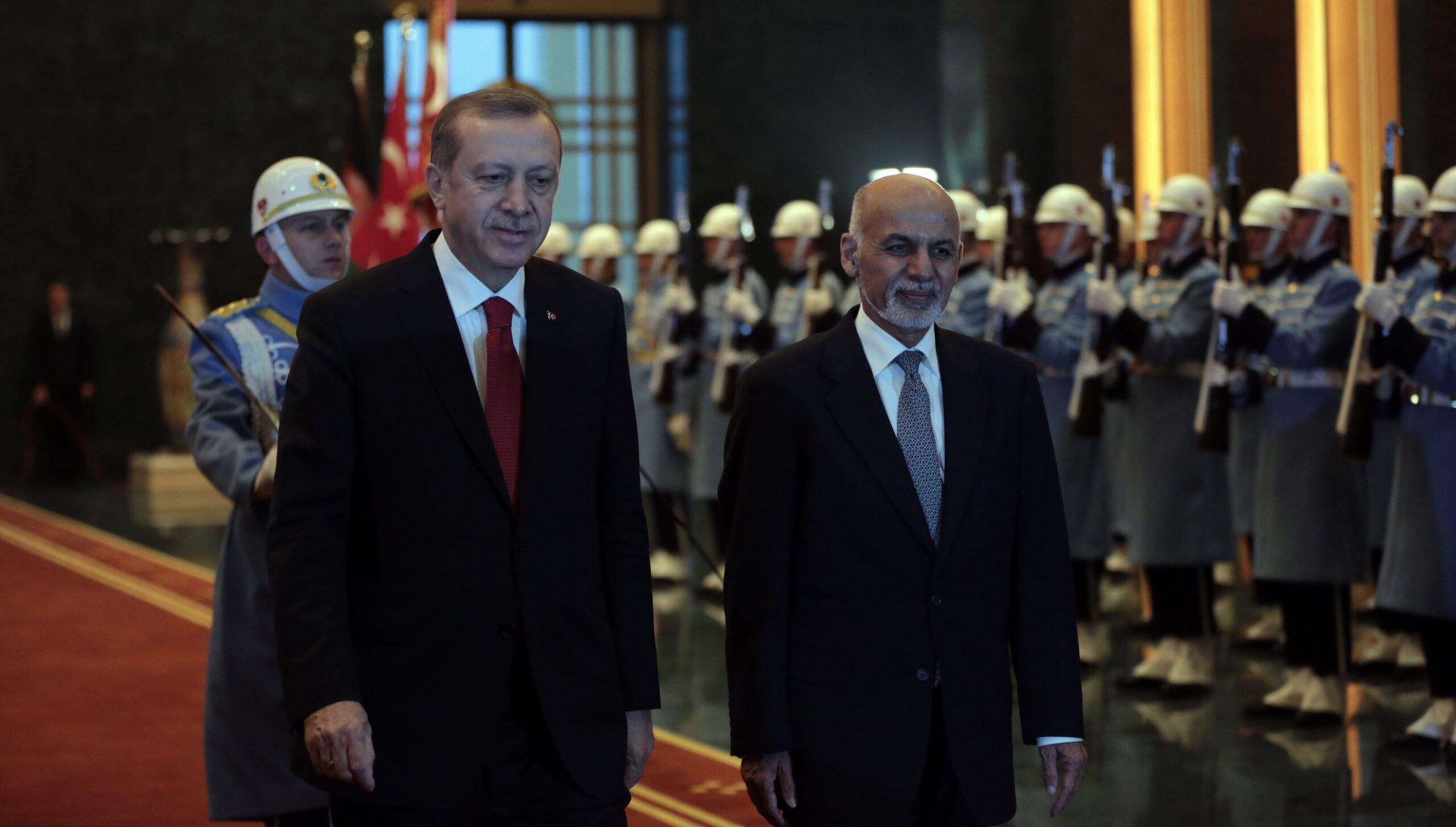
It is increasingly clear that Turkey has been seeking to expand its role in the war-torn and conflict-ridden Afghanistan by making a concerted effort to step up diplomatic, developmental, and military engagements in the country. The scope and scale of Turkey’s interests in Afghanistan are an expression of the transformation of Turkish foreign policy in recent years.
High-Level Turkish Military Delegation to Visit Iran Next Week
Turkey’s Chief of the General Staff Hulusi Akar, leading a high-ranking military delegation, will visit Tehran for strategic talks next week, the Iranian media reported today. Akar is expected to meet with his Iranian counterpart General Mohammad Hossein Bagheri, President Hassan Rouhani and other top Iranian military and political leaders.
Iran and Venezuela to Build $1 Billion Oil Refinery in Syria
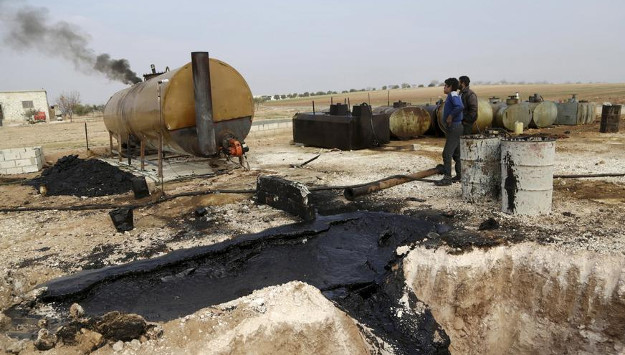
Iran will start constructing an oil refinery in Syria by this year’s end, a senior official of Iran’s Research Center of Petroleum Industry (R.I.P.I.) announced today.
Kurdish Leaders Confident Referendum Won’t Result in War | Monday Briefing
In this week’s Monday Briefing, MEI experts Randa Slim, Gonul Tol, W. Robert Pearson, and Alex Vatanka provide analysis on recent and upcoming events including the Kurdish independence referendum and how it will impact the K.R.G.’s negotiations with Baghdad, Turkey’s limited options to respond to the referendum, growing ties between Turkey and Russia, and the mounting political pressure on Iran’s President Rouhani amid President Trump’s attacks on the nuclear deal.
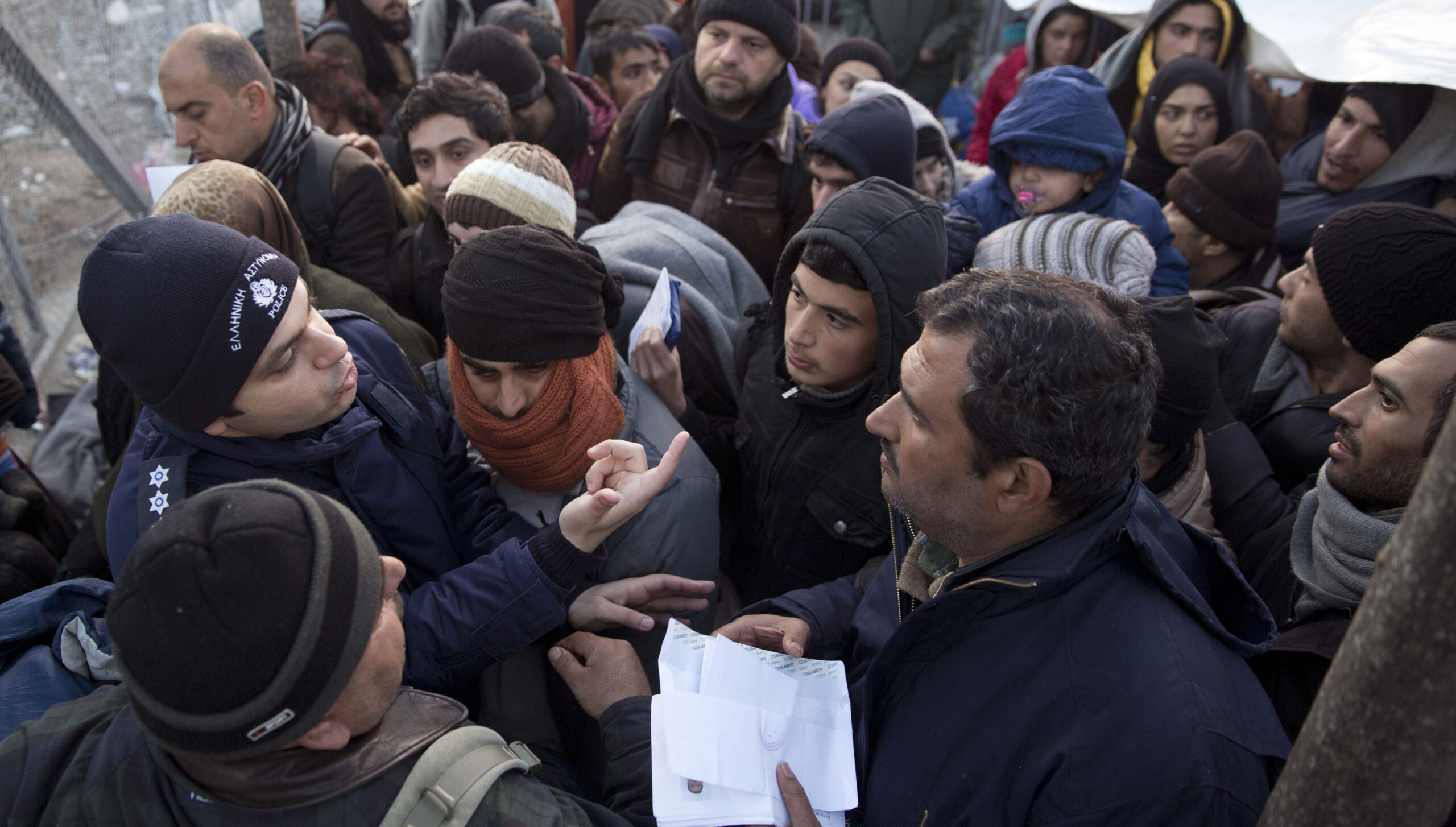
Recent surveys conducted in Europe indicate a rise in Islamophobia since 2015, namely since the beginning of the refugee crisis. Islamophobic incidents have been taking place across the whole continent, even in places where Muslim communities are almost absent, for example, in some Central European states. Islamophobia is exacerbated by some European governments and right-wing politicians who openly express anti-Muslim opinions.
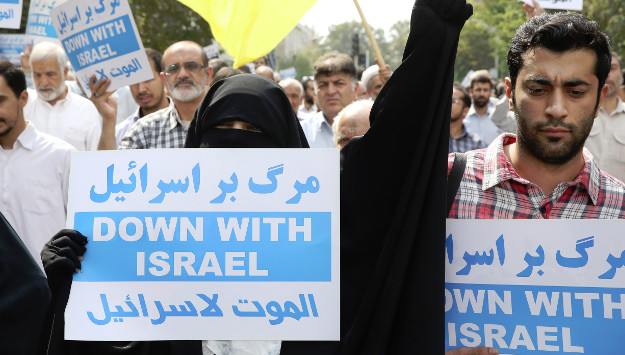
Iran’s New Army Chief: Tiniest Mistake Will Shorten Israel’s 25-Year Lifespan
On Monday, the new chief commander of Iran’s Army said Israel had a maximum life span of 25 years and that the Jewish state would perish even earlier if it “makes any mistake” over its remaining lifetime. “The notion that the Zionist regime of Israel will not be existing 25 years from now does not mean that it would have a full time span of 25 years to live,” Tasnim News Agency quoted Major General Abdolrahim Mousavi as saying. He also warned that any Israeli mistake would result in the destruction of Haifa and Tel Aviv.
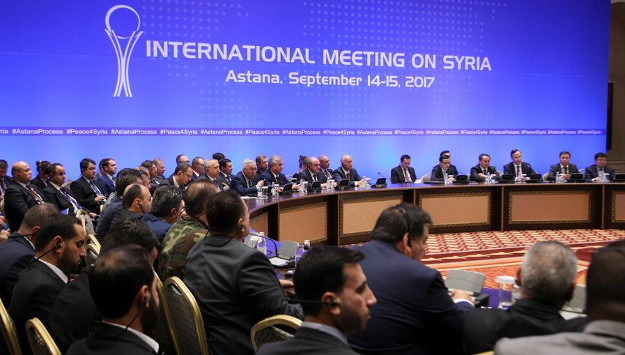
Tehran, Ankara and Moscow Reach Agreement over Syria’s Idlib
Iran, Turkey and Russia have agreed to establish the fourth de-escalation zone in Syria’s Idlib Province, according to a joint statement issued by the three countries at the end of the sixth round of talks in Kazakhstan today. Iranian media published the full text of the statement in Farsi and English.
Top Iranian, Turkish Military Leaders Discuss Regional Issues over Phone
The top Iranian and Turkish military officials discussed the Iraqi Kurdistan’s independence referendum plan and its implications in a telephone call earlier today, Iranian media reported. “The two sides stressed the significance of enhancing bilateral relations and cooperation and described the potential independence referendum in the Iraqi Kurdistan and its ramifications on regional security, peace and stability – including on Iran and Turkey – as detrimental and dangerous,” Iran’s Fars News Agency reported.
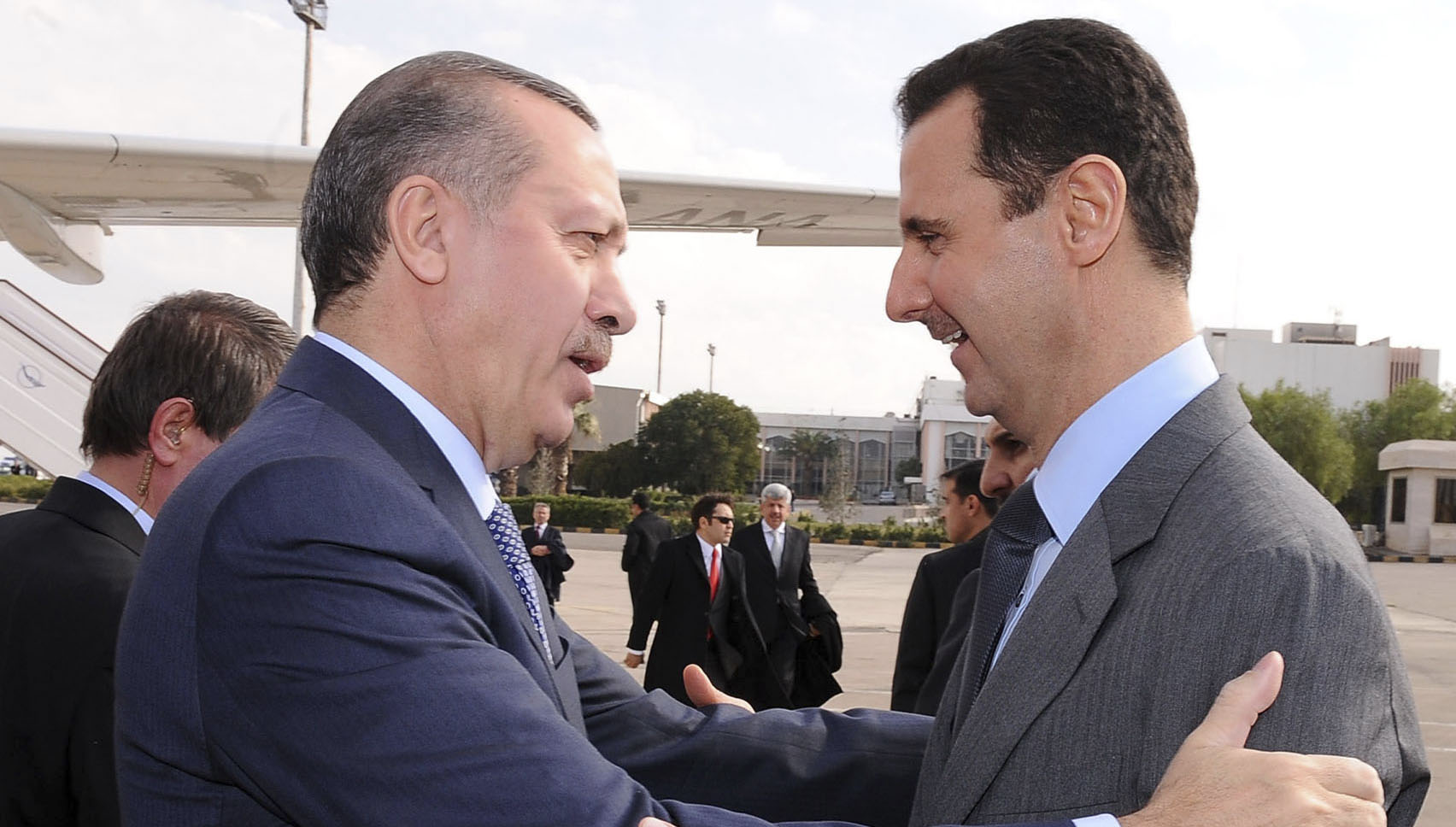
Before the conflict in Syria started, Turkey cultivated close ties to the Assad regime. The two countries lifted visa requirements, held joint military exercises and cabinet meetings, and collaborated against the Kurdistan Workers’ Party (P.K.K.). Ankara’s newly-adopted philosophy, “zero problems with neighbors,” had—at the time—won praise both at home and abroad. Turkish foreign minister, Ahmet Davutoglu, the architect of the policy, at one point described Turkey’s Syria policy as a “striking example” of the success of Ankara’s new foreign policy vision.
The oldest peer-reviewed publication dedicated to the study of the modern Middle East, MEI’s flagship journal covers politics, society, and culture in the region.