This article is part of a collection of short essays written by the Fellows of the Middle East Institute to explore aspects of the ongoing war with Iran. The intent of the collection is to help readers see new and unexpected elements of the dynamics and impact of the ongoing hostilities and to think harder, deeper, and broader about the implications of the conflict.
Turkey: Ankara’s Nuclear Ambitions in the Post-Iran War Environment
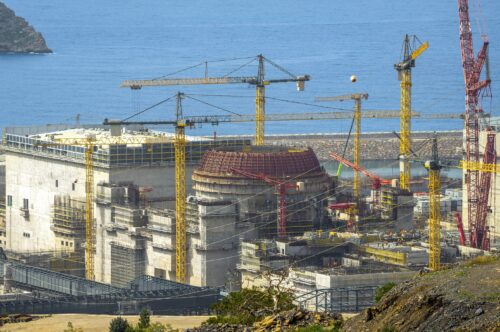
In February 2026, Turkish Foreign Minister Hakan Fidan suggested that shifting international dynamics could push Turkey to acquire nuclear weapons. That rhetoric, combined with Turkey’s civilian nuclear energy and research programs and its indigenous surface-to-surface missile development projects, has fueled concerns that these capabilities could eventually form the backbone of a Turkish nuclear weapons program.
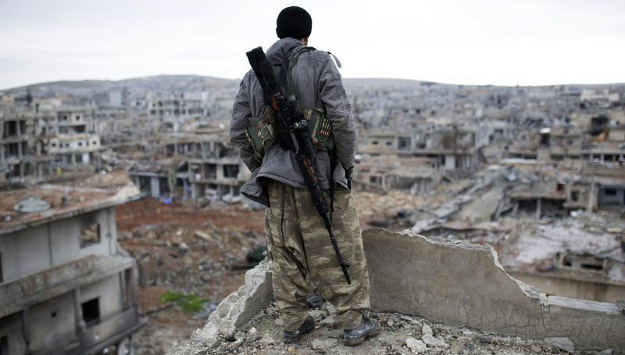
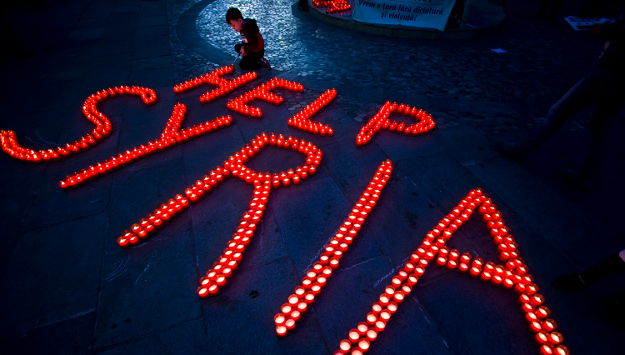
When the US and Israel launched military action against Iran on February 28, 2026, it set in motion a chain of events that saw violence spread across the Middle East. Yet as the region found itself engulfed in conflict, Syria has experienced its most peaceful months in 15 years, and the government in Damascus appears determined to stay its course toward recovery.
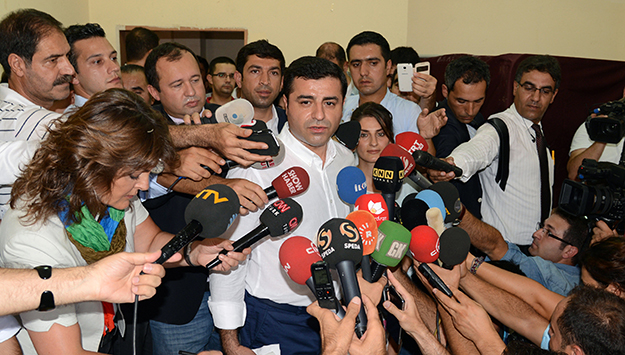
Could Kurds Be the Liberal Alternative Turks Have Been Looking For?
Turkey’s first tangible democratic push came from the Islamist camp in 2002 when the Islamist-rooted Justice and Development Party (AKP) came to power. The second could come from an unlikely source: the Kurds.
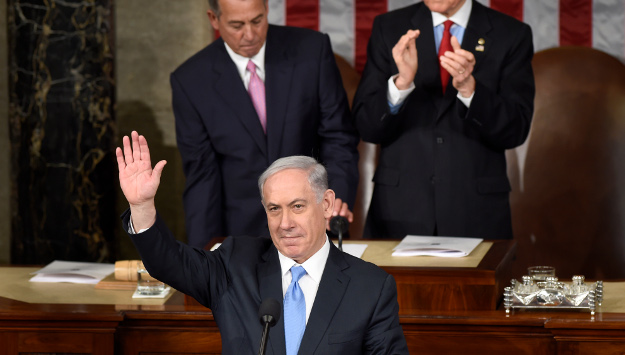
Israeli Prime Minister Benjamin Netanyahu has come to the United States, spoken his piece and returned home to Israel to finish campaigning for the March 17 elections. Netanyahu’s visit to Washington was neither the triumph he expected nor the disaster forecast by opponents of the visit. Indeed, the visit shed no new light on the supposedly central issue of the day: the state of play in the Iran negotiations.
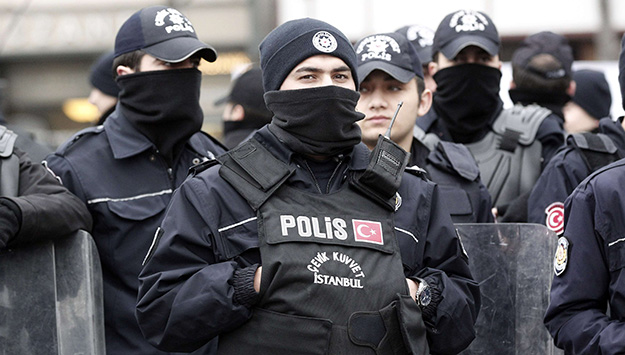
Turkey is in an unprecedented state of political tumult. Since the ascent of Recep Tayyip Erdogan’s Justice and Development Party (AKP) to power in 2002, all Turks have struggled to support, defeat, or accommodate this party that rose suddenly in free elections to national power. Now, that contest has entered a new and more dangerous phase.
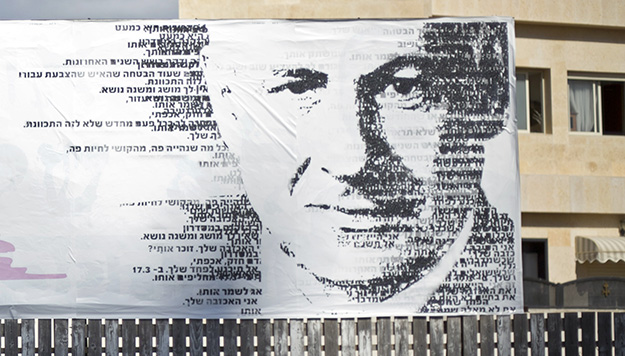
One of the more enduring characteristics of Israel’s electoral campaigns is their ability to produce surprises, often with considerable political consequences.
In his recent National Interest blog post entitled “Assad Will Have to Stay for Awhile,” Paul Pillar advises the Obama administration to ignore regional calls to help bring down the Assad regime, for three reasons: the resilience of the regime; the need to avoid fighting it and ISIS simultaneously; and the need to preserve stability in Syria. Pillar’s three reasons are flawed.
Hind Kabawat is a senior program officer at the United States Institute of Peace (USIP) and a senior research associate at the Center for World Religions, Diplomacy and Conflict Resolution (CRDC) at George Mason University. Since 2012, she has been conducting periodic conflict resolution and peace-building workshops for communities within Syria and for Syrian refugees living in Jordan and Turkey.
Mohammed Dahlan is making a comeback, and not for the first time since his ignominious ouster from Gaza almost eight years ago, when the Palestinian Authority (PA) forces he was leading as the PA’s security chief were routed by Hamas. These days, the 53-year-old, who grew up in the poorest of Gaza’s refugee camps, is seeking to do well for himself by doing good for Gaza.
Drug Use and Harm Reduction in the MENA Region and in Lebanon
Repressive policies that stigmatize and punish drug users have tended to exacerbate social problems rather than mitigate them. In contrast, harm reduction (HR) approaches to drug use have been shown to prevent the spread of blood-borne viruses (such as HIV, HBV, and HCV), thereby lowering morbidity and mortality rates. Over the past 15 years, many HR initiatives have been launched in the MENA region, including Lebanon. However, continued progress in HIV prevention will require more structured and comprehensive HR interventions, adjusted to the needs of local populations.
Analysis of Syrian civil war dynamics tends to draw a sharp contrast between the southern front, referring to the southernmost provinces of Deraa, Quneitra, and Suwayda, and the north. Most observers point to the south, in contrast to the north, as lacking a significant Islamic State (ISIS) presence. How true does this general assessment hold? Are radical or extremist groups much less influential in the south?
The Syrian Opposition Meeting in Cairo: One Small Step
Around 100 Syrian opposition figures recently concluded a conference in Cairo. The meeting was noteworthy for two reasons. It signaled Cairo’s cautious but unmistakable entry into the Syrian minefield, and it marks the still-fragmented opposition’s first careful steps in the direction of a compromise with the Assad regime.
The oldest peer-reviewed publication dedicated to the study of the modern Middle East, MEI’s flagship journal covers politics, society, and culture in the region.