From the Middle East to Middle America: Engineering Better Policy with Andrew J. Tabler
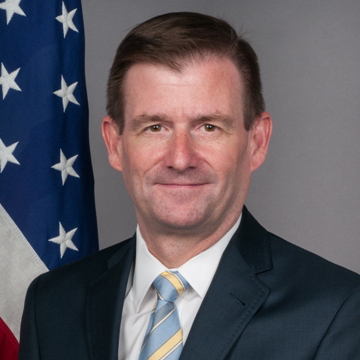
Brian sits down with Andrew J. Tabler, the Martin J. Gross Senior Fellow in the Linda and Tony Rubin Program on Arab Politics at The Washington Institute, to trace his unique and distinctive path from Oil City, Pennsylvania, to fourteen years living and working in the Middle East. Tabler discusses his time in Syria under the Assad regime, his service as director for Syria at the National Security Council and as senior advisor to the Special Envoy for Syria Engagement at the US State Department’s Bureau of Near Eastern Affairs in the first Trump administration, and explains how these experiences shaped his perspective and inspired him to found the Drake Energy Forum.
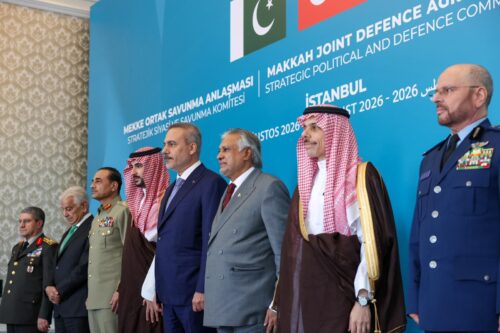
The Mecca alliance meets the Red Sea – Saudi Arabia’s new defense pact faces its first major test
When Saudi Arabia, Turkey and Pakistan agreed to a mutual defense pact in August, it was principally seen as a political commitment. The “Mecca alliance,” as it was dubbed, stipulated that an armed attack on one would be treated as an attack on all three, accompanied by deeper military cooperation.
This article is part of a collection of short essays written by the Fellows of the Middle East Institute to explore aspects of the ongoing war with Iran. The intent of the collection is to help readers see new and unexpected elements of the dynamics and impact of the ongoing hostilities and to think harder, deeper, and broader about the implications of the conflict.
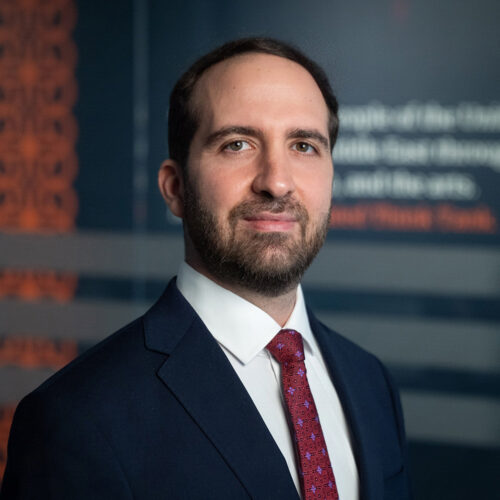
The Israel-Palestine Conflict: Views of a Palestinian-Israeli member of the Israeli Knesset
Dr. Ahmad Tibi is a member of the Arab Movement for Change and was first elected to the Israeli Knesset in 1999. He currently serves as Deputy Speaker of the Knesset and head of the parliamentary committee of inquiry, which seeks to accommodate Palestinians through integration into jobs in the public sector. He has played a key role in the politics of the Palestinian-Israeli community, which constitutes approximately one fifth of Israel's population. He has also played a key role in relations between Palestinian-Israelis and Palestinians in the occupied territories and Dr.
Turkey and the Middle East: Ambitions and Constraints
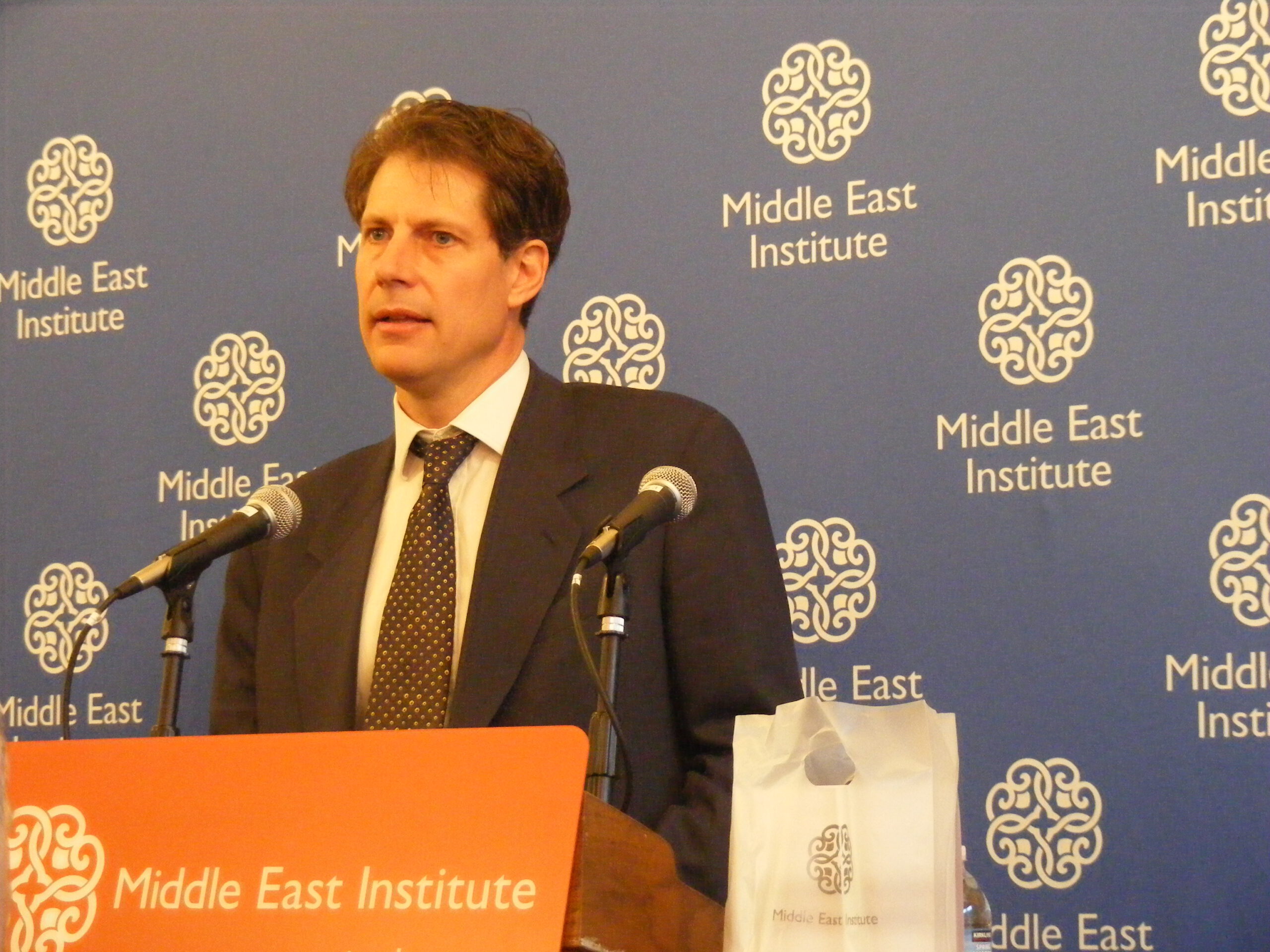
Hugh Pope, Turkey/Cyprus Project Director for the International Crisis Group (ICG), discussed the issue of recent speculation regarding Turkey’s “shift away from the West.”
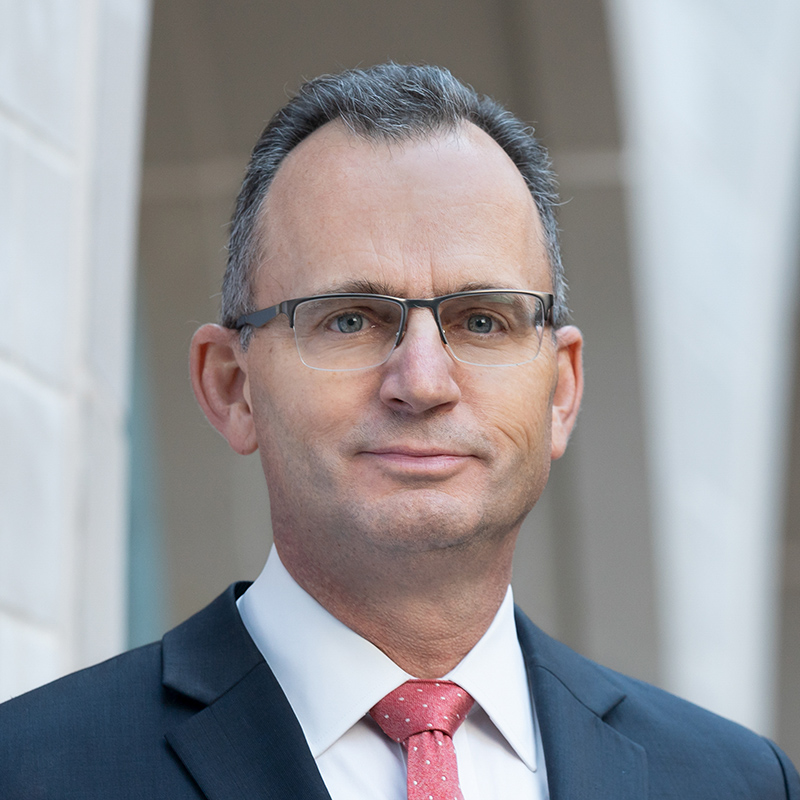
US Military Assistance to Lebanon: A Discussion of the Pros and Cons
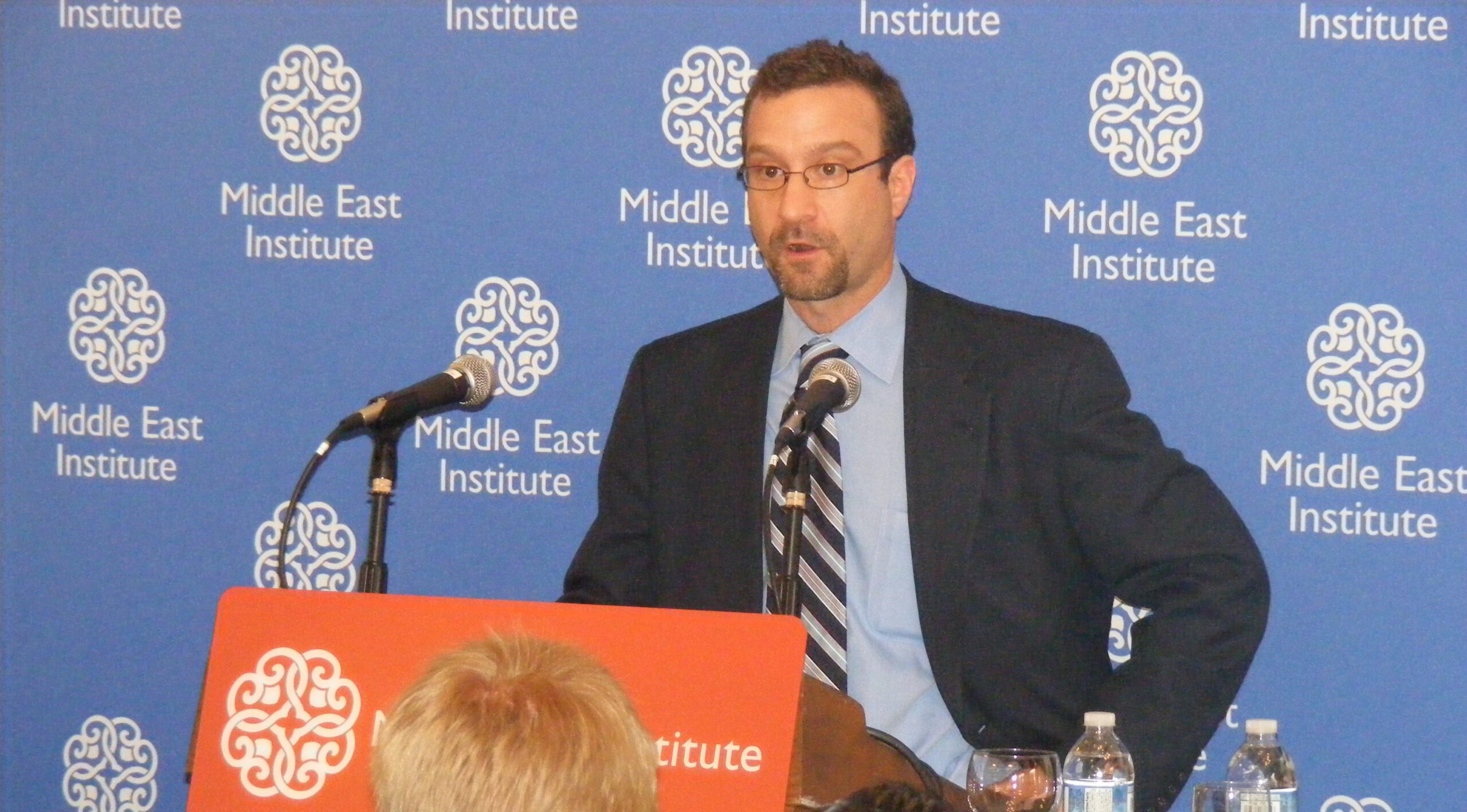
The Middle East Institute is proud to host Aram Nerguizian and David Schenker for a discussion about the pros and cons of US support to the Lebanese Armed Forces (LAF). In 2005, after the withdrawal of Syrian military forces from Lebanon and the subsequent election of a pro-Western Lebanese government, the Bush Administration pledged to help the LAF bolster domestic security and to strengthen state institutions. Since then, the US has provided more than $530 million in security assistance to the LAF and other Lebanese security forces.
The oldest peer-reviewed publication dedicated to the study of the modern Middle East, MEI’s flagship journal covers politics, society, and culture in the region.