Unlocking the Levant: Why the United States and Syria Must Pursue a Bilateral Trade and Investment Agreement
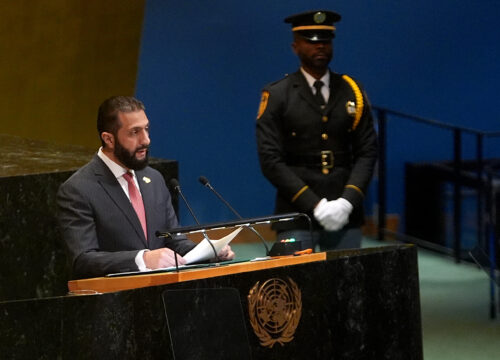
Apart from the brief honeymoon period between 1961 and 1963 under President John F. Kennedy and President Nazim al-Qudsi, US-Syria relations have never held such optimistic potential as they do today. Today, following the fall of Bashar al-Assad regime and the rise of a new government under President Ahmad al-Sharaa at the end of 2024, a new geopolitical window has opened.
Consolidating Sovereignty, Security and Peace: Time to Step up the Game
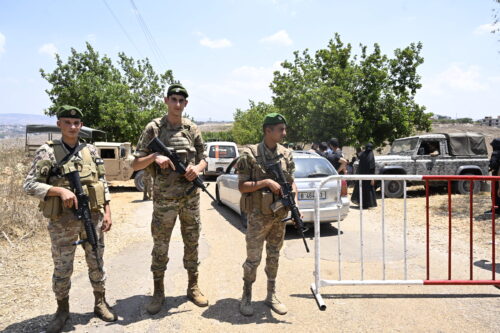
Although it has been a frustrating summer, Lebanon remains on the right track. My observation after a ten-day visit to Beirut and Jerusalem this month is that leaders in both capitals remain strongly committed to a shared objective.
After an uprising and violent crackdown, Syria’s Deir ez-Zor is at a critical juncture
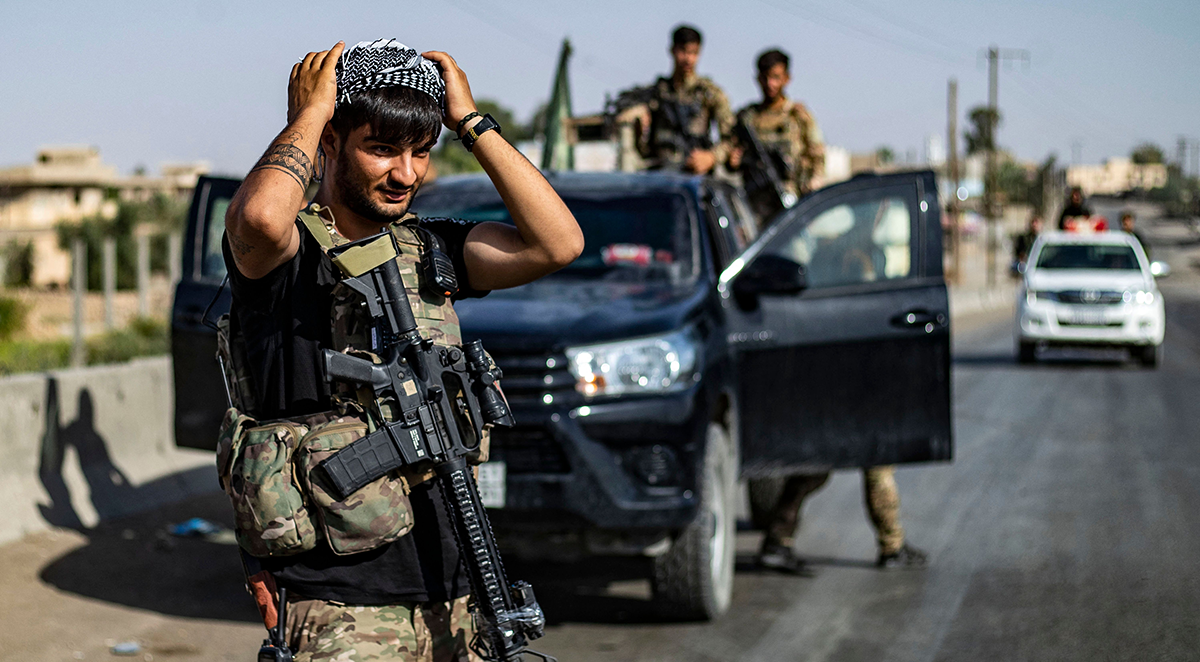
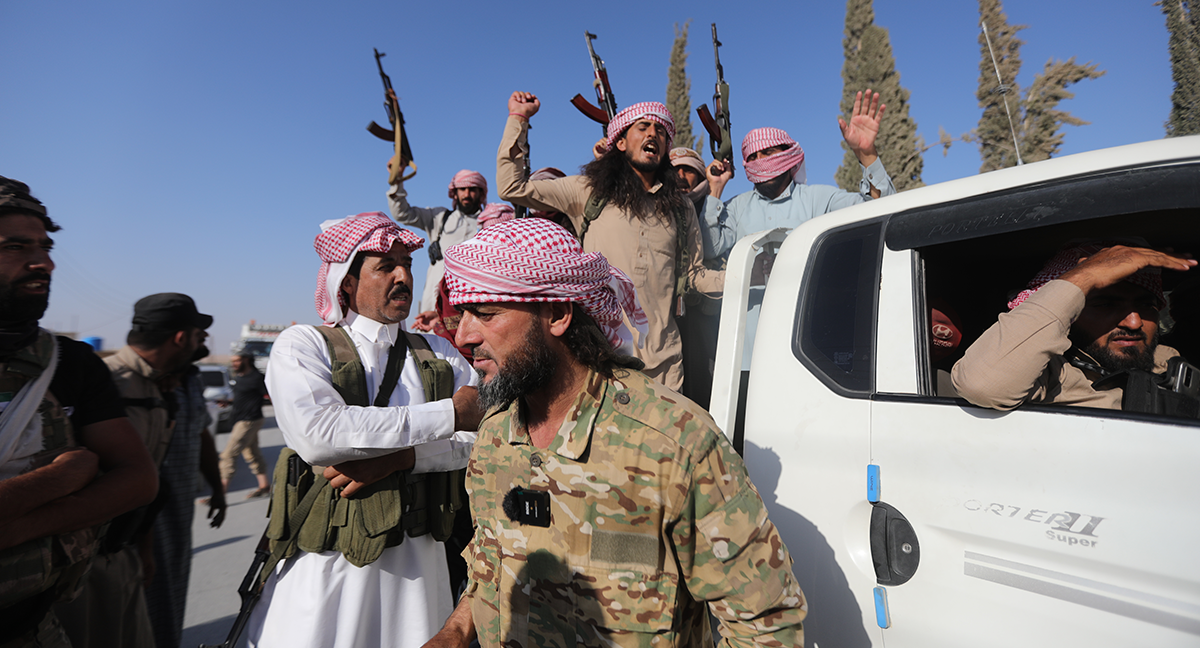
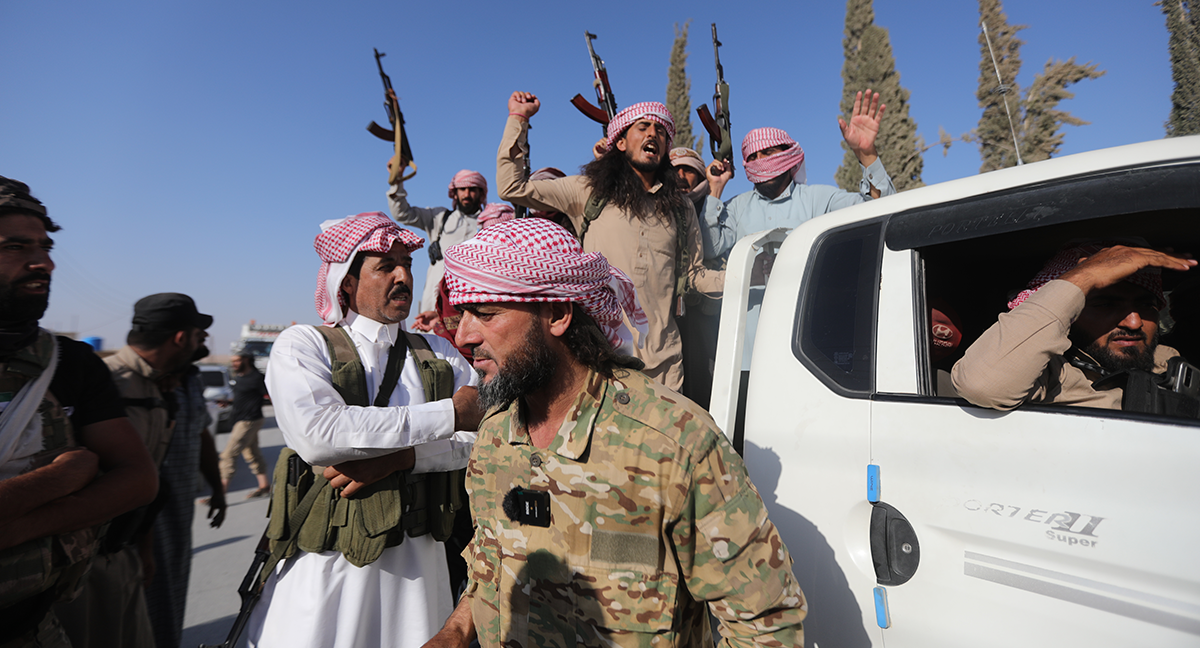
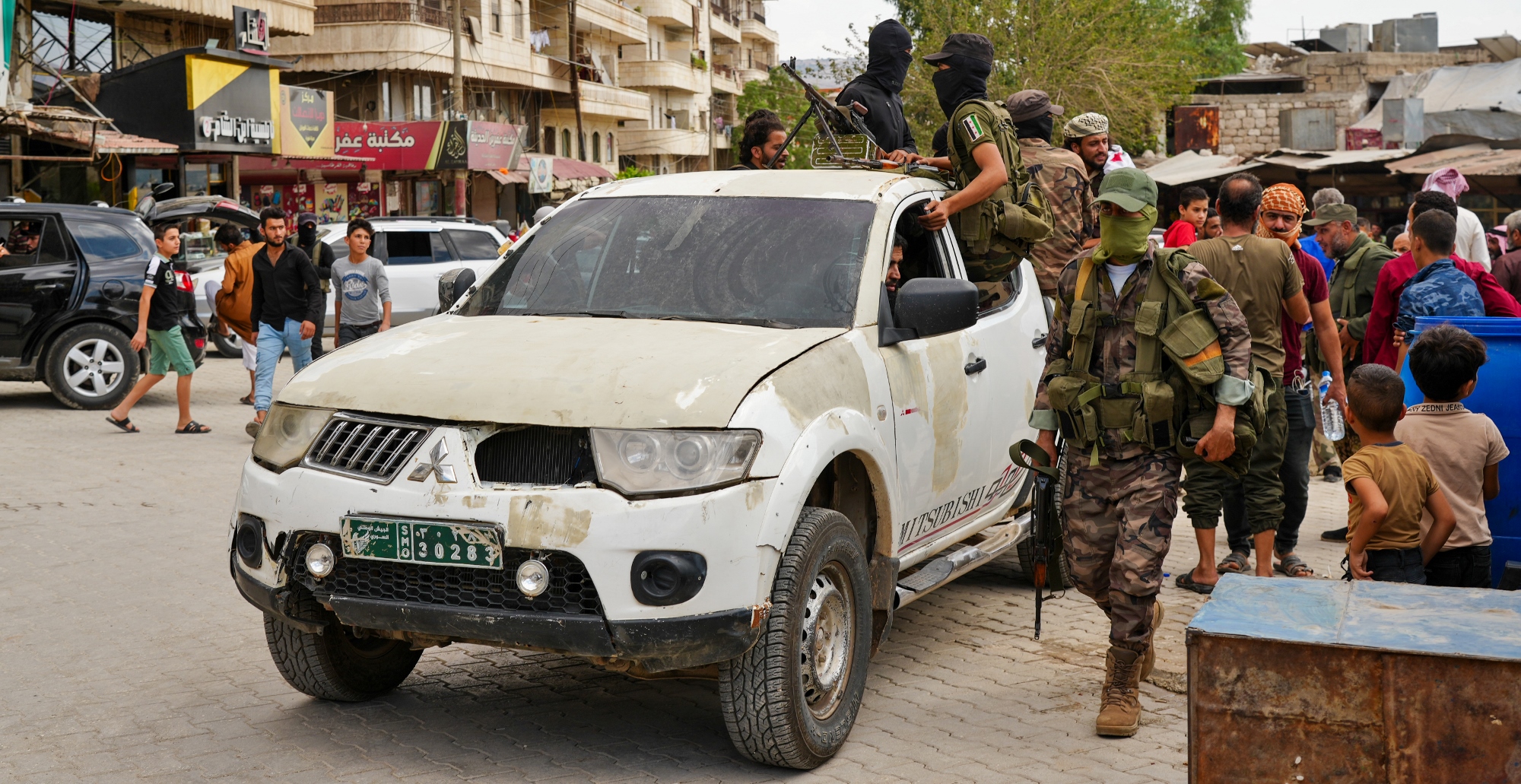
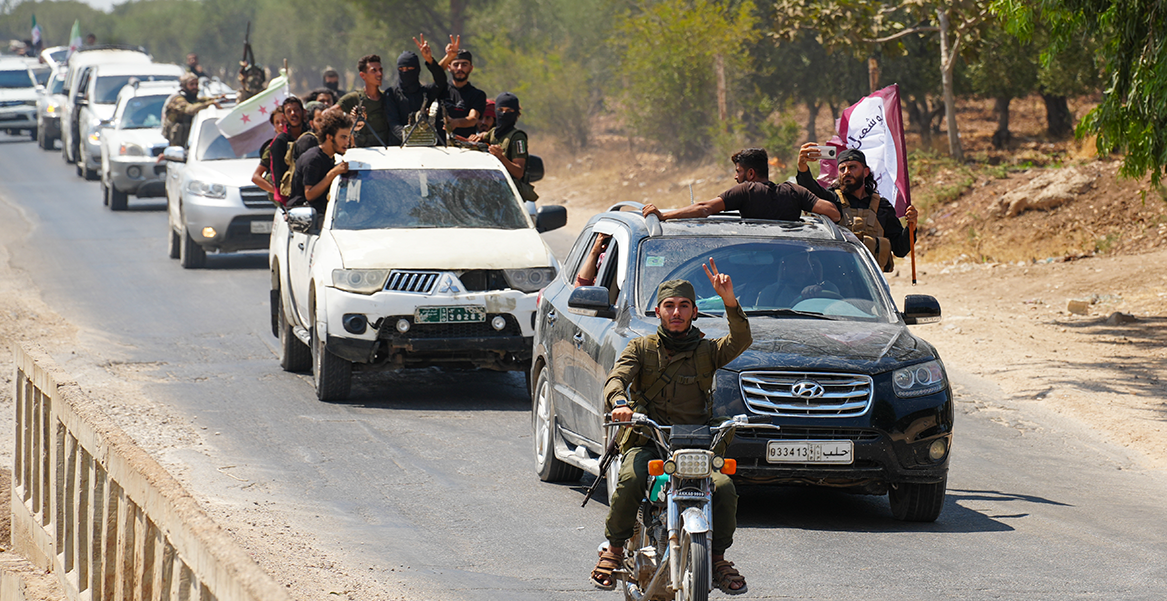
On Sept. 8, the Kurdish-led SDF, a key U.S. ally, announced the end of its “Operation Security Enhancement” in Deir ez-Zor in northeast Syria. While framed as an operation targeting ISIS sleeper cells and criminals, it aimed at quashing an armed uprising led by Arab tribesmen, particularly members of the Akidat tribe. While multiple factors may have contributed to fueling the uprising, the importance of the region’s longstanding grievances cannot be overstated.
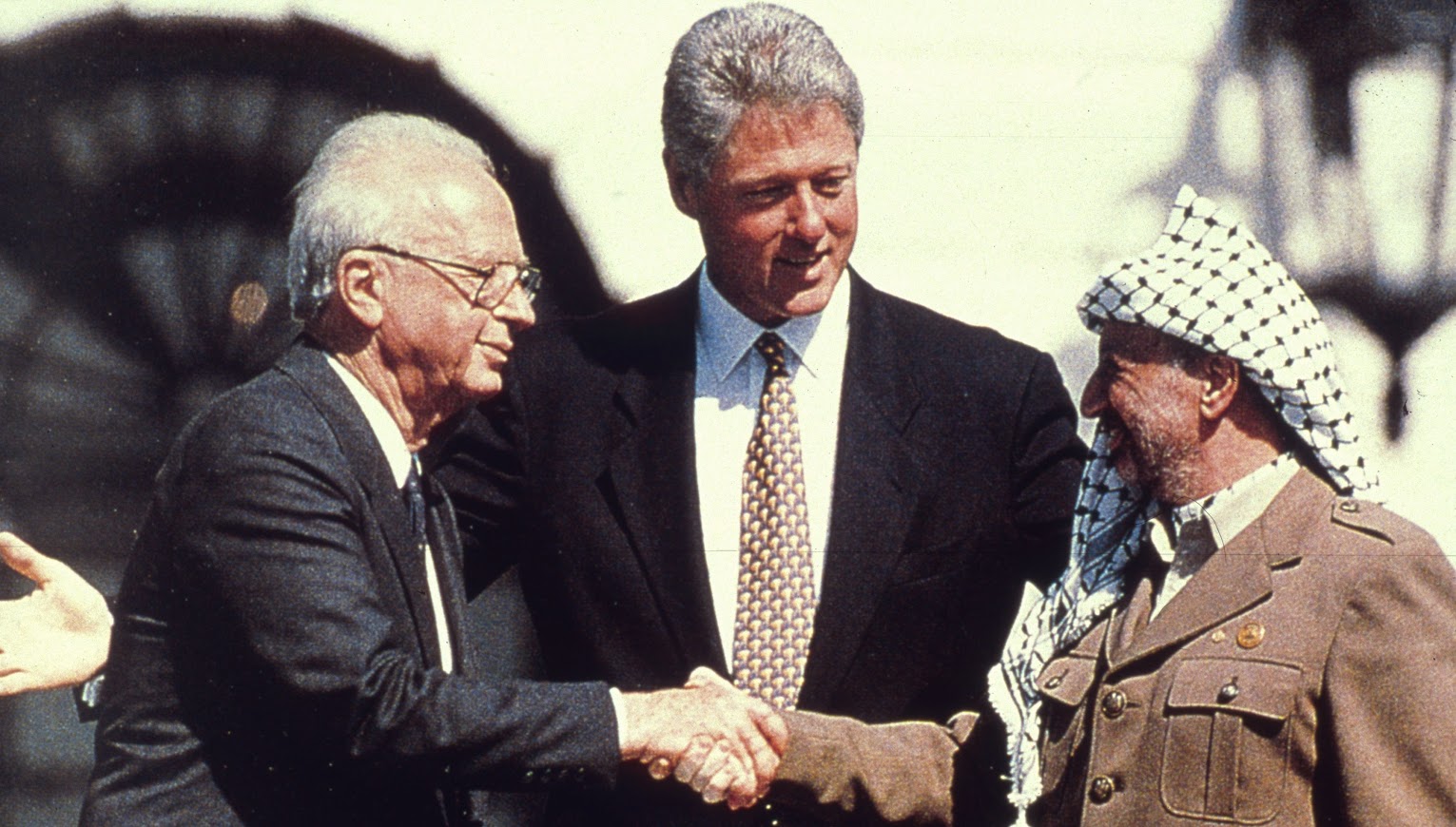
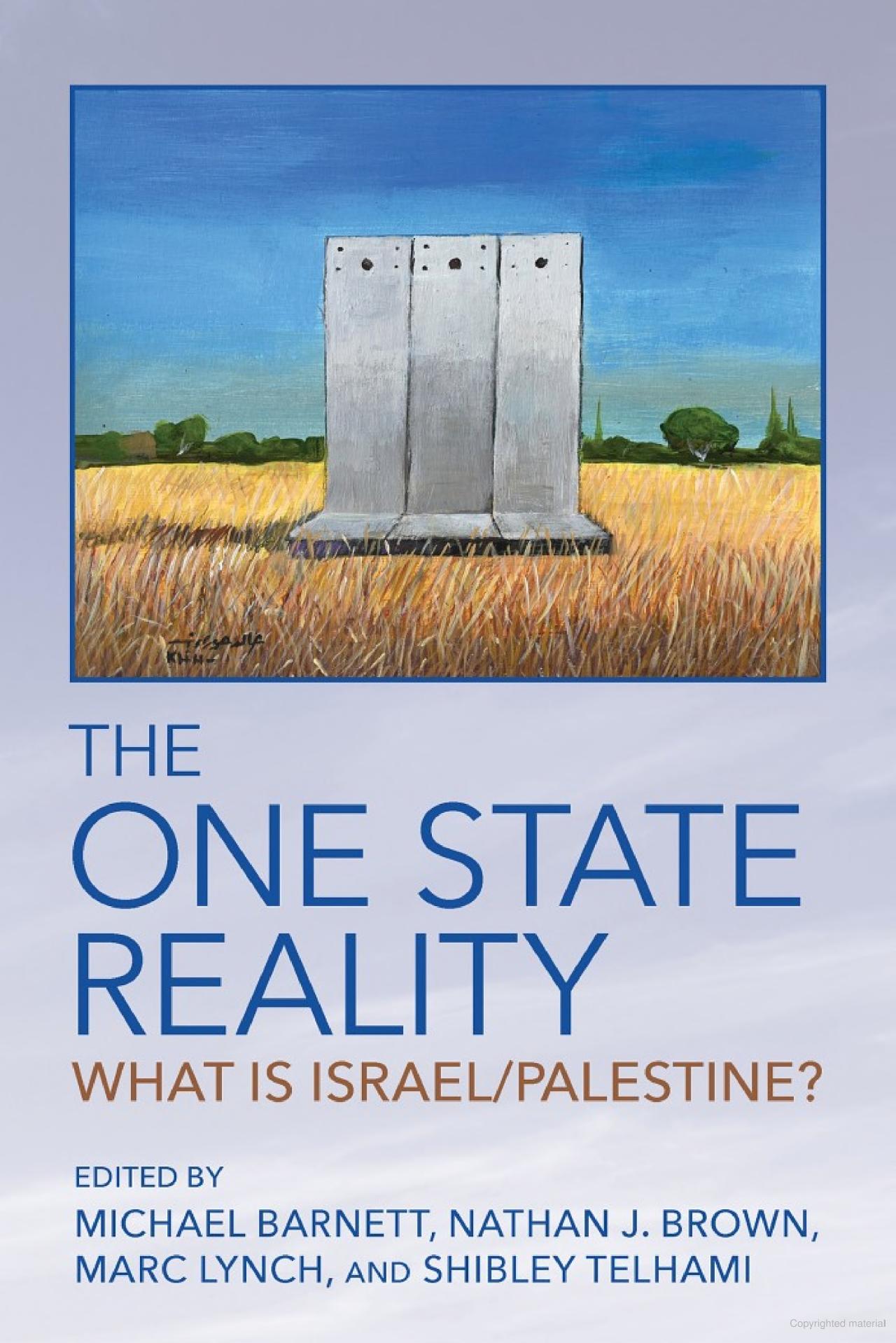
Thirty years on since its historic signing, the Oslo Accords framework continues to define virtually all aspects of Israeli-Palestinian relations as well as America’s and the broader international community’s approach to the peace process. Yet Oslo’s extraordinary longevity stands not as a testament to its utility but to its unmitigated and ongoing failure.
Deir ez-Zor torn between Arab tribes’ struggle for independence and the SDF’s efforts to subdue them
On Sept. 8, the Syrian Democratic Forces were able to enter the villages and towns of Deir ez-Zor’s eastern countryside, stretching from al-Tayyanah to al-Baghouz, regaining control of all of the areas that had witnessed an uprising against their forces beginning on Aug. 27. But what sparked the fighting in the first place, how did things play out, and what might it mean for the region going forward?
صراع ديرالزور بين دفاع العشائر عن الاستقلالية ومخطط "قسد" للإخضاع
تمكنت قوات سوريا الديمقراطية في الثامن من أيلول/سبتمبر، من الدخول إلى قرى وبلدات ريف ديرالزور الشرقي الممتد من بلدة الطيانة حتى الباغوز، بذلك أعادة السيطرة على جميع المناطق التي شهدت حالة تمرد ضد قواتها، التي بدأت في السابع والعشرين من شهر آب/ أغسطس الماضي.
Russia’s aggressive behavior in the Black Sea can be challenged
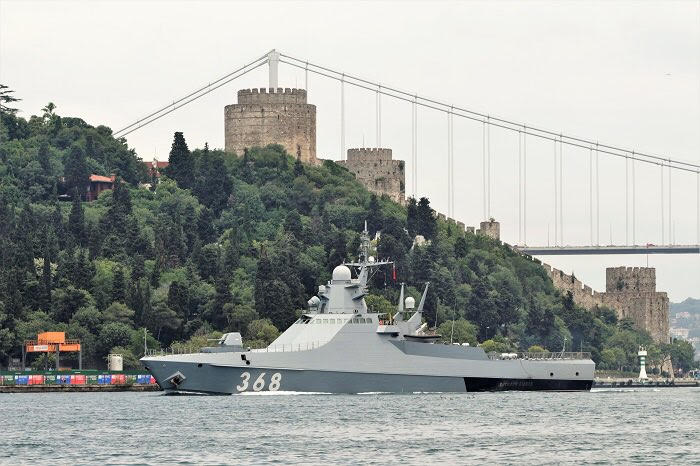
Russia’s malign behavior in the Black Sea includes piracy, plunder, petroleum price cap violations, and actions to prevent the free transit of foreign commercial and naval vessels. Its largely unchallenged position in the Black Sea also helps Russia maintain access to foreign-made products and components, circumventing sanctions. The West and the broader international community have yet to act to decisively rein in these flagrant violations of international laws and norms.
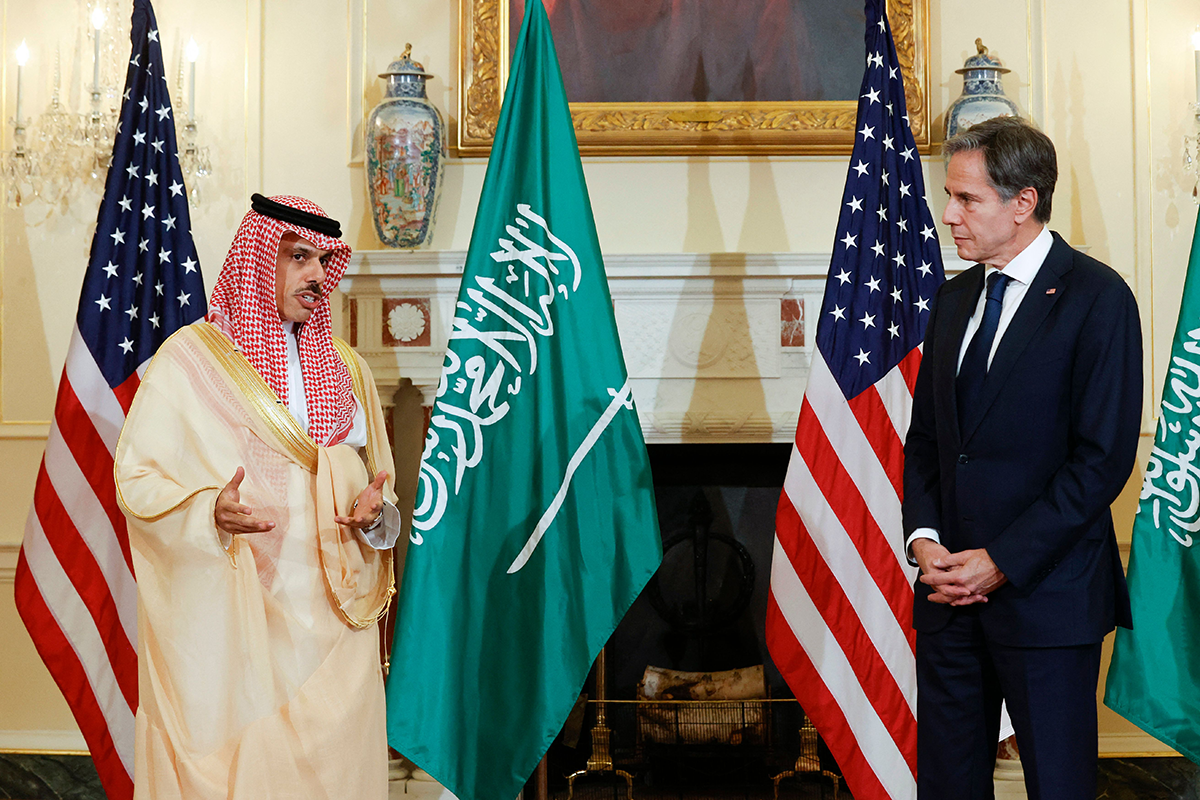
The oncoming Saudi-Israeli normalization: Obstacles, opportunities, and the US role
The normalization of relations between Saudi Arabia and Israel is looking increasingly likely, even if it does not take place in the immediate future. For Israel, normalizing relations with as many Arab states as possible — especially if it does not have to give up much in exchange — has always been a strategic goal. For the new Saudi Arabia, those ambitious goals strongly suggest opening up to the Israeli economy.
Years of simmering tensions between the Syrian Democratic Forces (SDF) and local populations in northeast Syria have exploded this week into still-expanding battles across much of Deir ez-Zor. Conflict resolution requires the international coalition to engage with the Kurdish administration on deep political and administrative reforms. However, the violence in Deir ez-Zor may demand a more creative and locally driven approach to the northeast to foster a more resilient governance and security structure.
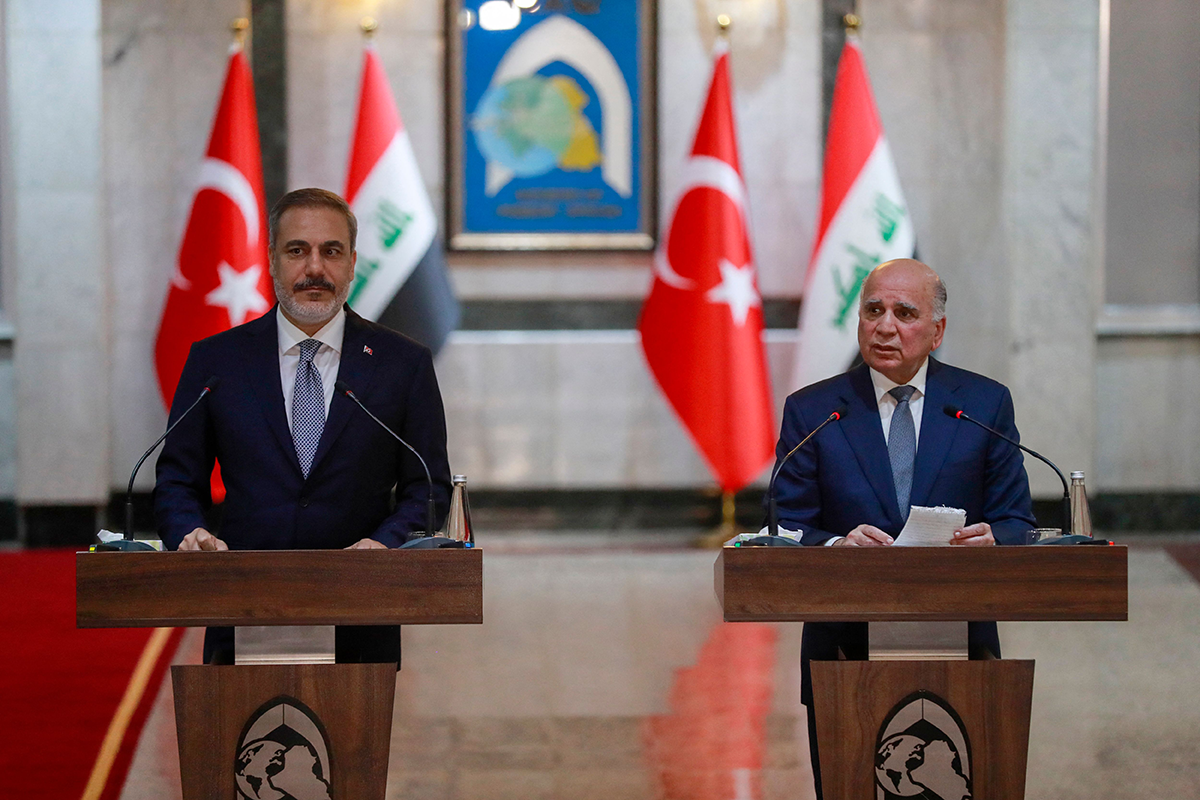
Can oil and water mix?: Creating opportunities for Iraq-Turkey cooperation
Last week saw a flurry of diplomatic activity between Baghdad and Ankara. The top priorities in the talks were oil exports, the presence of the PKK in Iraq, and Iraq’s water crisis. The outcomes have been unimpressive, but there is an opportunity for Iraq to shake things up and improve its bargaining position, at least on the oil export issue, possibly more.
After Prigozhin: The future of Wagner and Russian gray zone activities in MENA
As the Wagner Group has an entrenched military presence in Syria, Libya, and Sudan, the evisceration of its senior leadership will have serious repercussions for Russia’s influence in the MENA region. Wagner’s military contractors are unlikely to depart, since they guard strategically valuable oil and mining facilities; but they are likely to now be swiftly integrated into the regular Russian Armed Forces.
The SDF has always been a diverse coalition of localized actors. Over the past eight years, it has managed to contain these persistent frictions, but that may now be coming to an end. In the past three days, at least 50 people have been killed in fighting between Arab tribal fighters and the SDF in the region where Syria’s Khabur and Euphrates rivers meet. The catalyst for this fighting occurred late on Aug. 27, when Ahmed al-Khubayl, the leader of the SDF’s Deir ez-Zor Military Council, was lured north to Hasakah for a purported meeting, only to be arrested alongside his brother and four other commanders.
Putting Egypt-Turkey relations on a sustainable footing
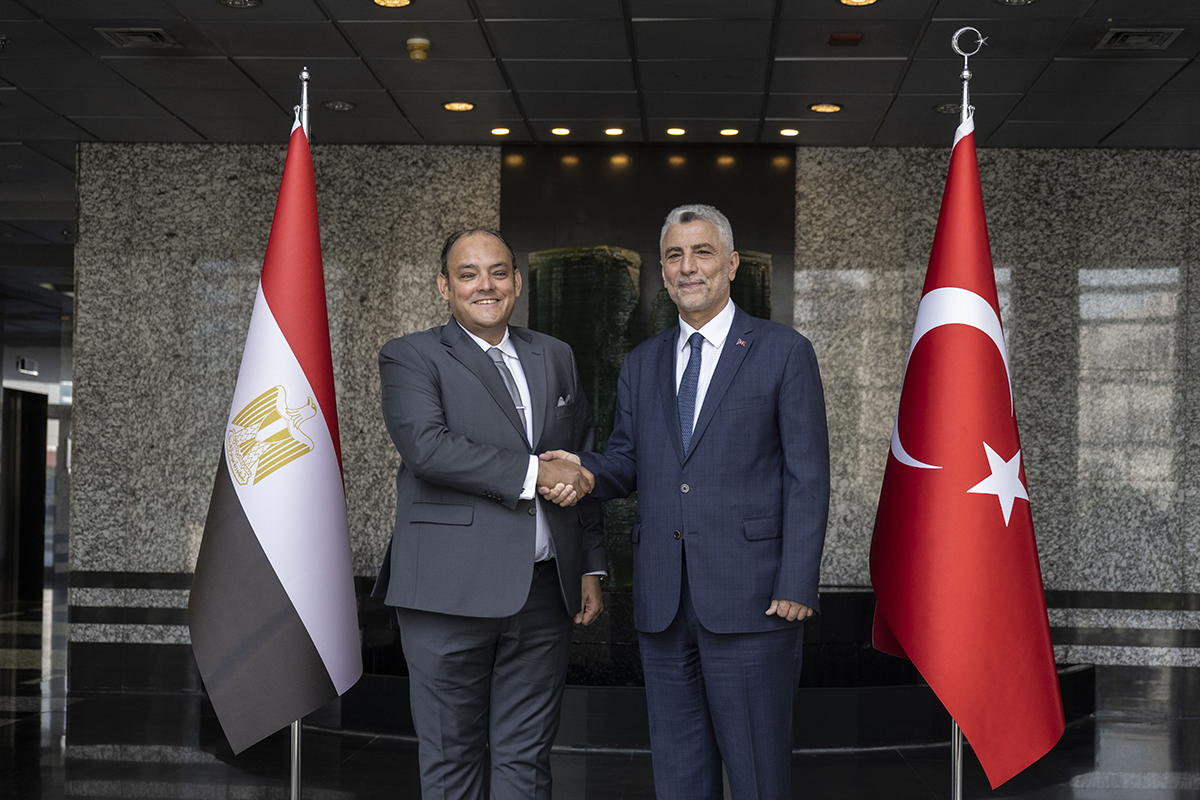
Turkey and Egypt, two influential regional players with a complex history of cooperation and conflict, are now working on mending their ruptured ties. As officials navigate this process, it is essential to identify practical steps to capitalize on the diplomatic breakthrough. Sustainable peace can only be ensured by shifting the focus from political ideology to shared interests. One way to do that is by creating an inclusive, multi-track process that involves state institutions, businesses, NGOs, academics, and the grassroots.
The Niger Coup and Turkey’s Military Industrial Complex in Africa
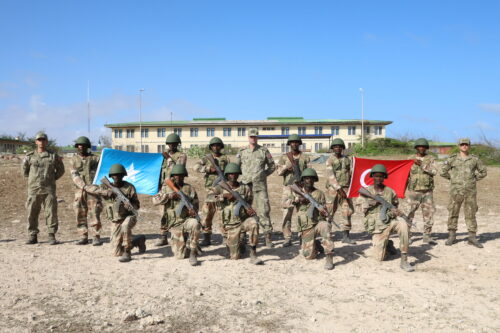
The recent military coup in Niger marks the point of no return for the unraveling of France’s dominant economic and military influence across West Africa. Turkey is the foreign actor that stands to benefit most, with the potential to emerge as a leading strategic partner for the nations of the region. Turkey’s engagement with West Africa is a unique, dual approach that blends military and economic engagement while deftly intertwining humanitarian aid and cultural outreach.
The oldest peer-reviewed publication dedicated to the study of the modern Middle East, MEI’s flagship journal covers politics, society, and culture in the region.