Skip to Content
Blue Wave, Regional Ripples: Turkey and Lebanon React to the Midterms
  • Podcast
  • Blue Wave, Regional Ripples: Turkey and Lebanon React to the Midterms

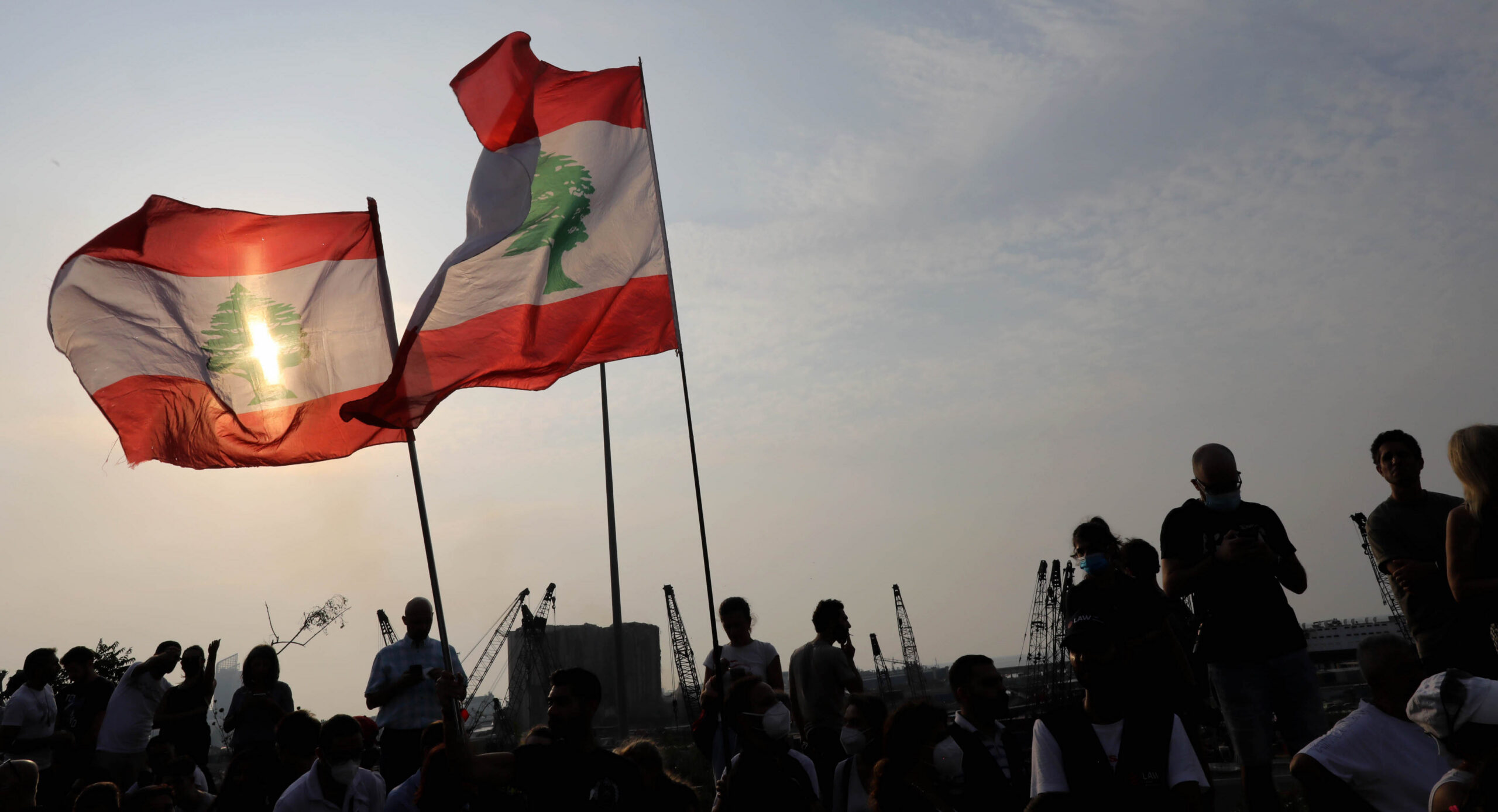
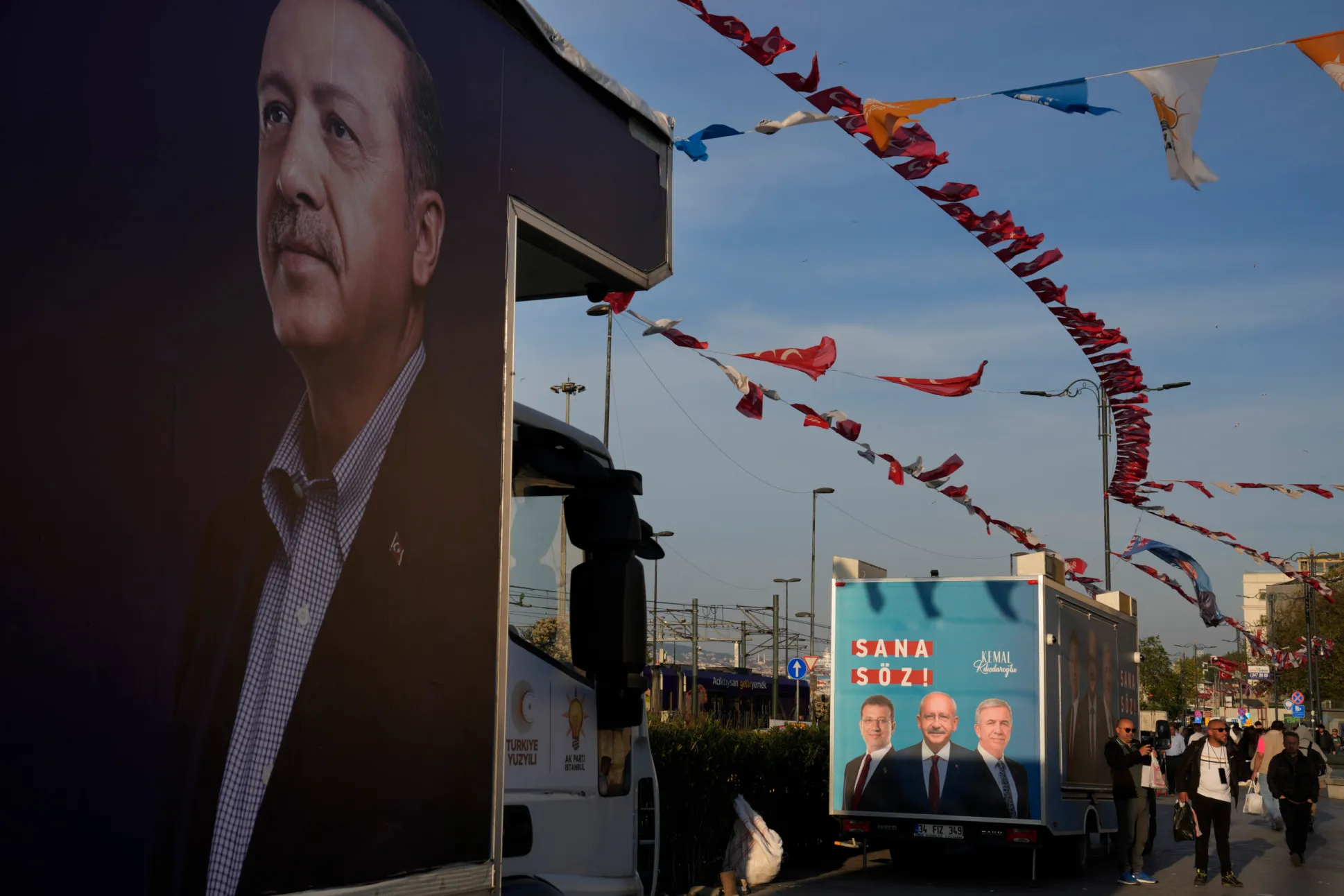
    The November 3 US midterms handed Democrats control of both chambers of Congress, a result many abroad read as a rebuke of President Donald Trump’s policies. How does the “blue wave” resonate among electorates and governments in Turkey and Lebanon, two key American partners in the Middle East? Ankara is weighing an early vote that could let President Recep Tayyip Erdoğan run again while his chief rival stands trial. Beirut, its elections postponed by war, is trying to restore state authority, including over Hizballah’s weapons. MEI Senior Fellows Gönül Tol and Fadi Nicholas Nassar join host Alistair Taylor to discuss how both countries read the results, how issues like corruption struck a chord in each, and what Ankara and Beirut expect from a Democratic Congress.
    November 12, 2026

    Syria’s SDF Integration: Progress, Obstacles, and Security Risks
  • Analysis
  • Syria’s SDF Integration: Progress, Obstacles, and Security Risks

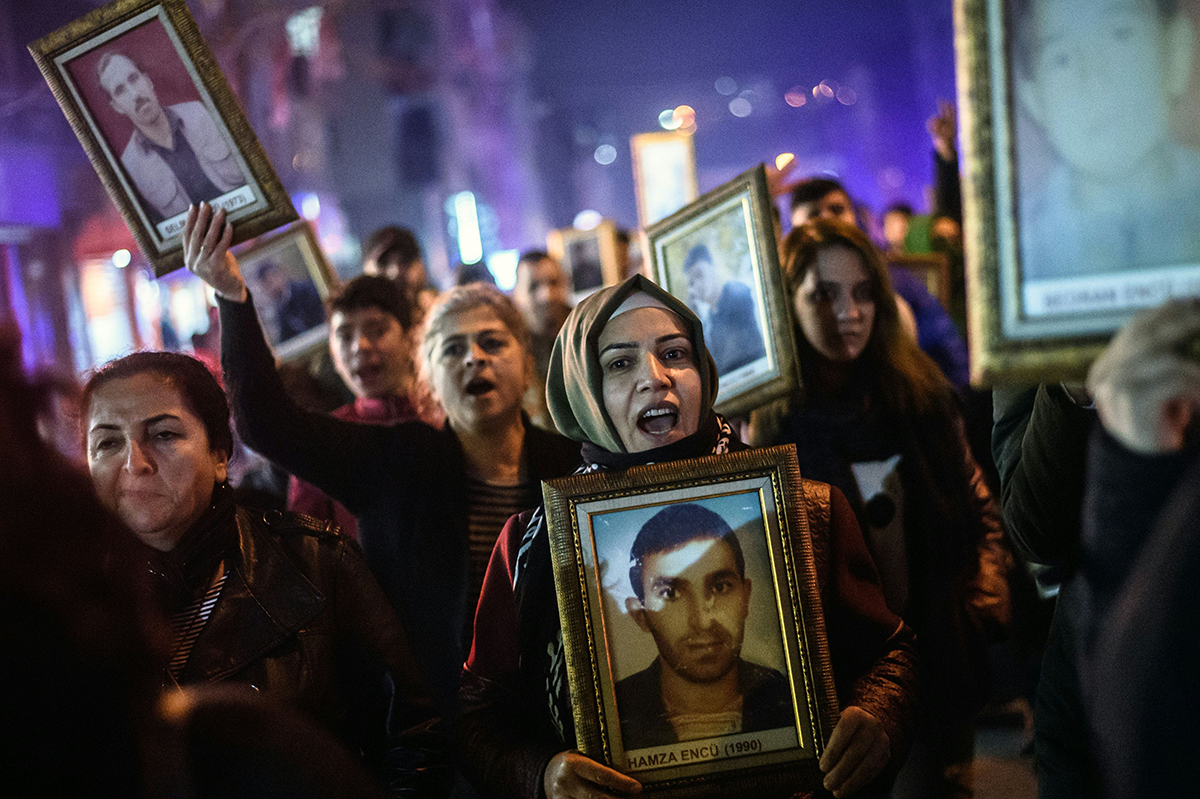
    On October 9, protesters in the northeastern city of Hasakah raised the Syrian flag and called for the extension of state authority, roughly six weeks after the Syrian Democratic Forces (SDF) announced their dissolution as an independent force. The protesters, who came from Ghwayran, al-Nashwa, al-Aziziyah, and the surrounding countryside, carried photographs of detainees. Alongside a stronger state presence, they demanded a say in how it would be exercised, from who is appointed to run local government to who is recruited into the security services.

    November 12, 2026

    The Human Story Behind Gaza: Jaser AbuMousa on the Costs of Survival for Palestinians
  • Podcast
  • The Human Story Behind Gaza: Jaser AbuMousa on the Costs of Survival for Palestinians

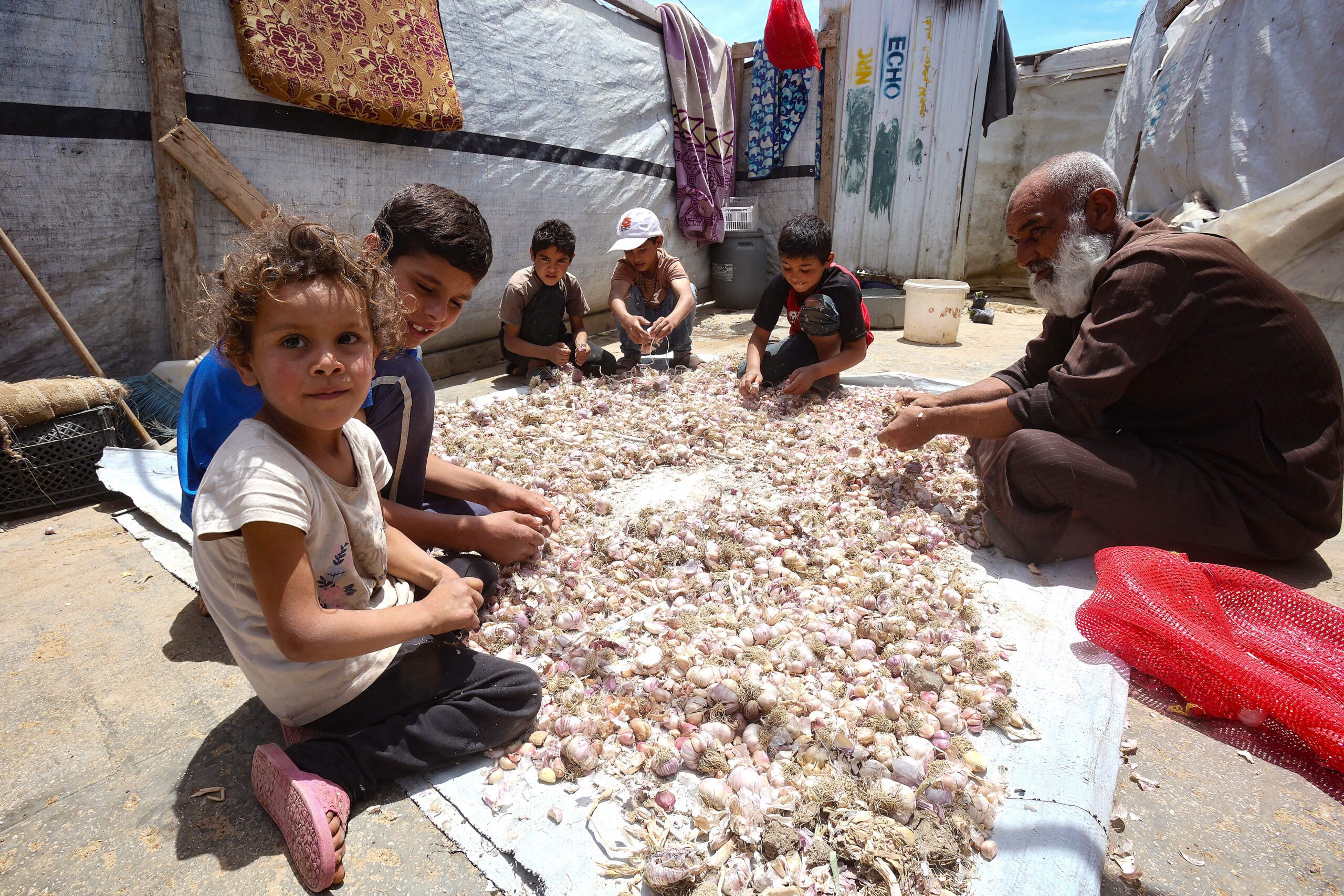
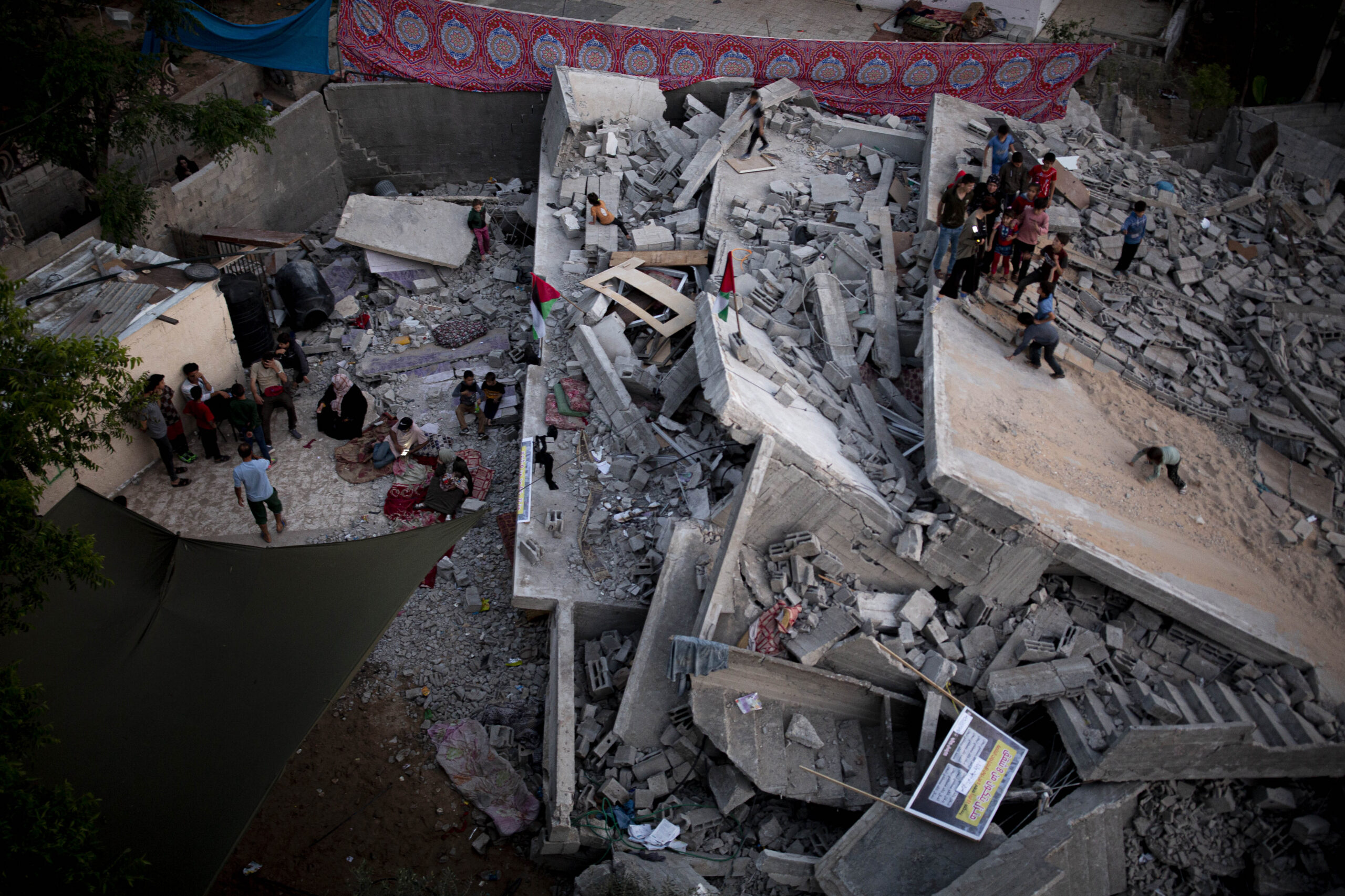
    Brian sits down with MEI Senior Fellow Jaser AbuMousa to assess the situation on the ground in Gaza three years after October 7 and a year into the ceasefire. Drawing on his own personal experience, Jaser explores the toll that the war and continued destruction have taken on Gaza’s residents, the implications of the recent Israeli and US elections, and the difficult path forward.

    Filter by
    3664 Results
    Itamar Rabinovich on “Middle Eastern Maze”
  • Podcast
  • Itamar Rabinovich on “Middle Eastern Maze”

    Brookings’ Distinguished Fellow on Foreign Policy Itamar Rabinovich discusses his new book – “Middle Eastern Maze: Israel, the Arabs, and the Region” – as well as contemporary Israeli politics with MEI’s VP for Policy Brian Katulis.

    June 21, 2023

    A new era for the Turkish economy?
    Photo by ADEM ALTAN/AFP via Getty Images
  • Analysis
  • A new era for the Turkish economy?

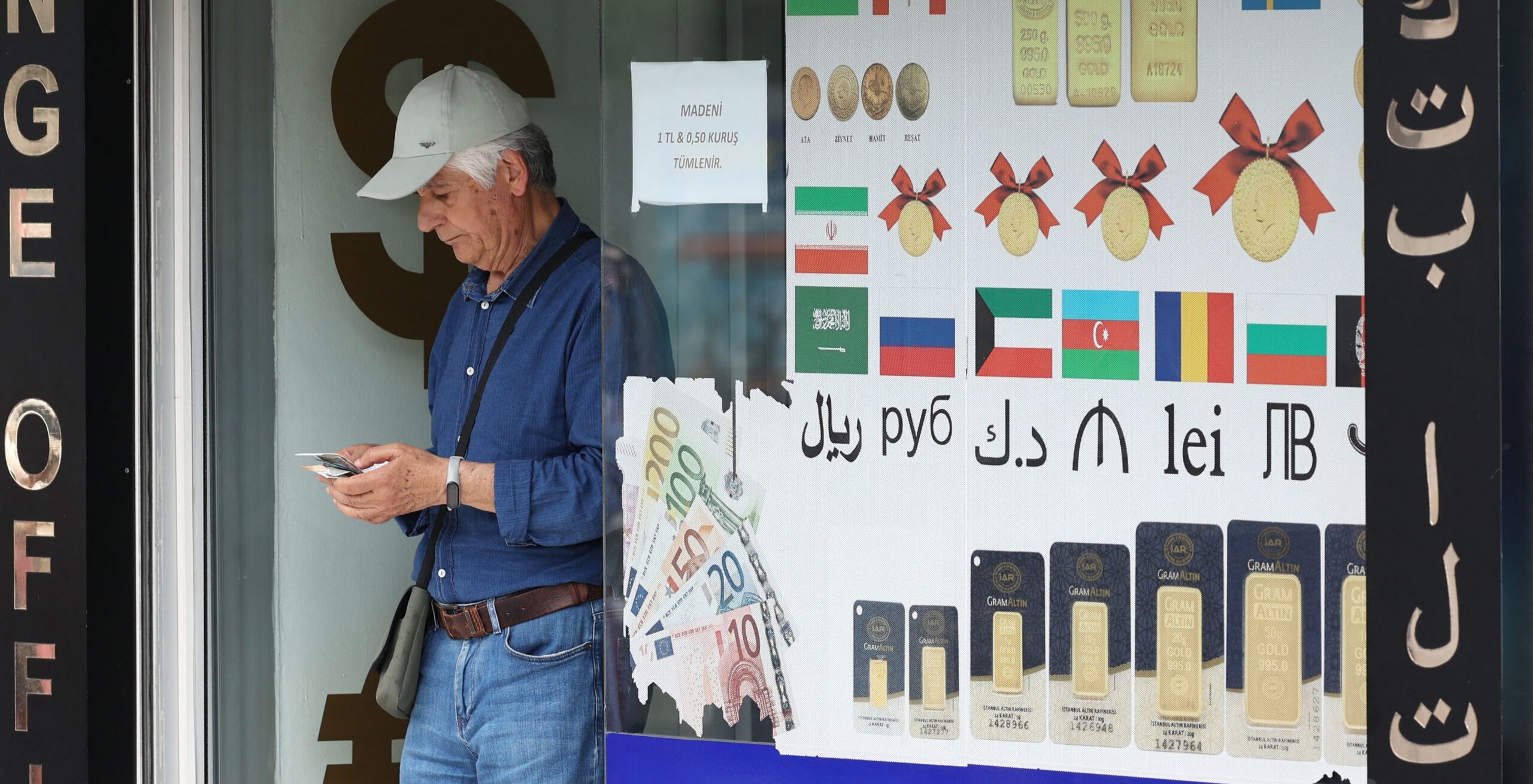
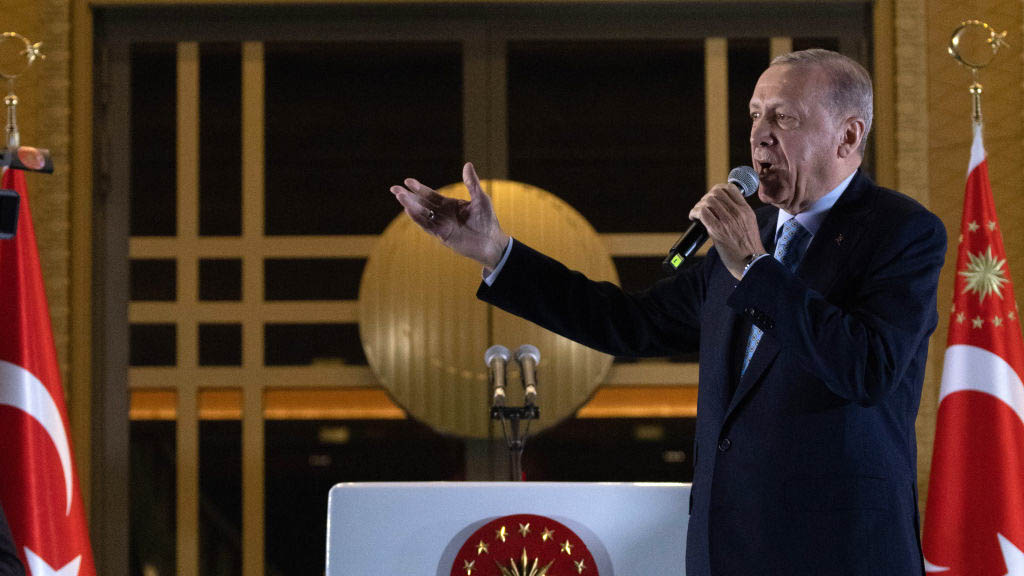
    Turkey’s new economic team may take a more hawkish tone when it comes to tackling inflation and preserving financial stability through fiscal and monetary measures. However, investors and policymakers should not be naïve, as this approach will only be temporary or partial, aimed at winning the upcoming local elections.

    June 21, 2023

    Amid calls for refugee returns, Assad’s property grab continues
    Photo credit GEORGE OURFALIAN/AFP via Getty Images
  • Analysis
  • Amid calls for refugee returns, Assad’s property grab continues

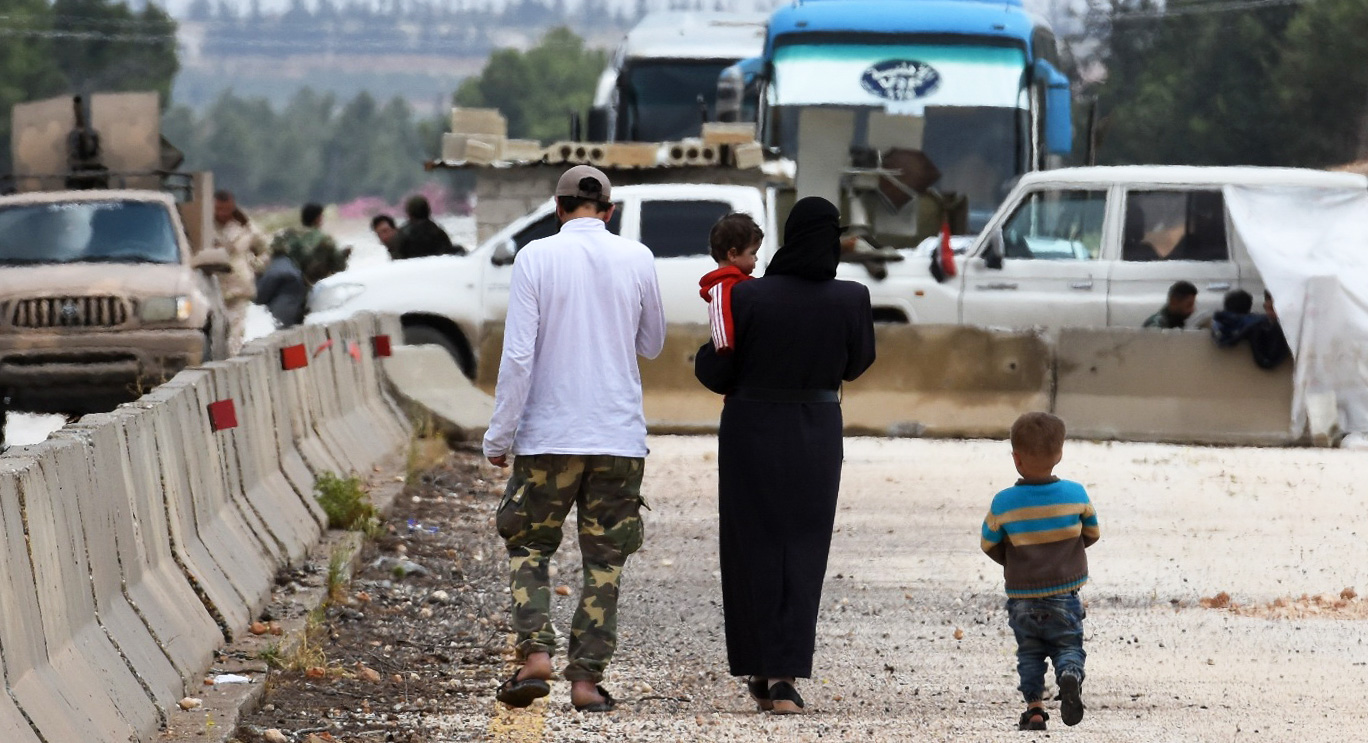
    While calls for the immediate return of Syrian refugees have increased at the regional and international levels, it is imperative to closely examine the direct link between the regime’s policy of property confiscation and the possibility of refugee returns. Property confiscation does not only impact the direct owners and their immediate families’ livelihoods but also hinders the ability of thousands of displaced Syrians to return while leading those who still reside under regime rule to consider migration.

    Disease, destruction, flooded fields, and hunger: The far-reaching consequence of the Kakhovka dam collapse in Ukraine
    Photo by Roman Pilipey/Getty Images
  • Analysis
  • Disease, destruction, flooded fields, and hunger: The far-reaching consequence of the Kakhovka dam collapse in Ukraine

    Last week’s collapse of the Nova Kakhovka dam on the Dnipro River in Ukraine is one of the largest environmental disaster the Black Sea region and Europe has faced in decades. Its far-reaching environmental, economic, and humanitarian consequences will affect not just Ukraine and the Black Sea region, but also the Middle East and Africa.

    The limits of human rights law in an authoritarian context: Torture and impunity in Turkey
    Photo by OZAN KOSE/AFP via Getty Images
  • Analysis
  • The limits of human rights law in an authoritarian context: Torture and impunity in Turkey

    Turkey is a test case of the limits of international human rights law in an authoritarian context. The country is party to all major U.N. and Council of Europe international human rights treaties, including those prohibiting torture and ill treatment, and is subject to the jurisdiction of the European Court of Human Rights. Its constitution and laws ban torture and contain procedural safeguards against it. Yet torture and the impunity of its perpetrators remain state practice, at times reaching systemic levels.

    June 13, 2023

    The US needs to prioritize a Lebanon response to help avoid total collapse
    Photo by Marwan Tahtah/Getty Images
  • Commentary
  • The US needs to prioritize a Lebanon response to help avoid total collapse

    U.S. leadership has been active in offering short-term humanitarian help in Lebanon, but U.S. interests in the country’s stability will be compromised without longer-term attention to the challenges that will determine its viability: from the catastrophic humanitarian and security breakdown, to the destabilizing domestic and regional implications of mounting social and economic tensions and an unsustainable refugee crisis, and the political repercussions of polarization and continued political uncertainty.

    June 7, 2023

    Putting Diplomacy First in the Middle East: Creating Incentives for De-Escalation
    Photo by LUDOVIC MARIN/AFP via Getty Images.
  • Analysis
  • Putting Diplomacy First in the Middle East: Creating Incentives for De-Escalation

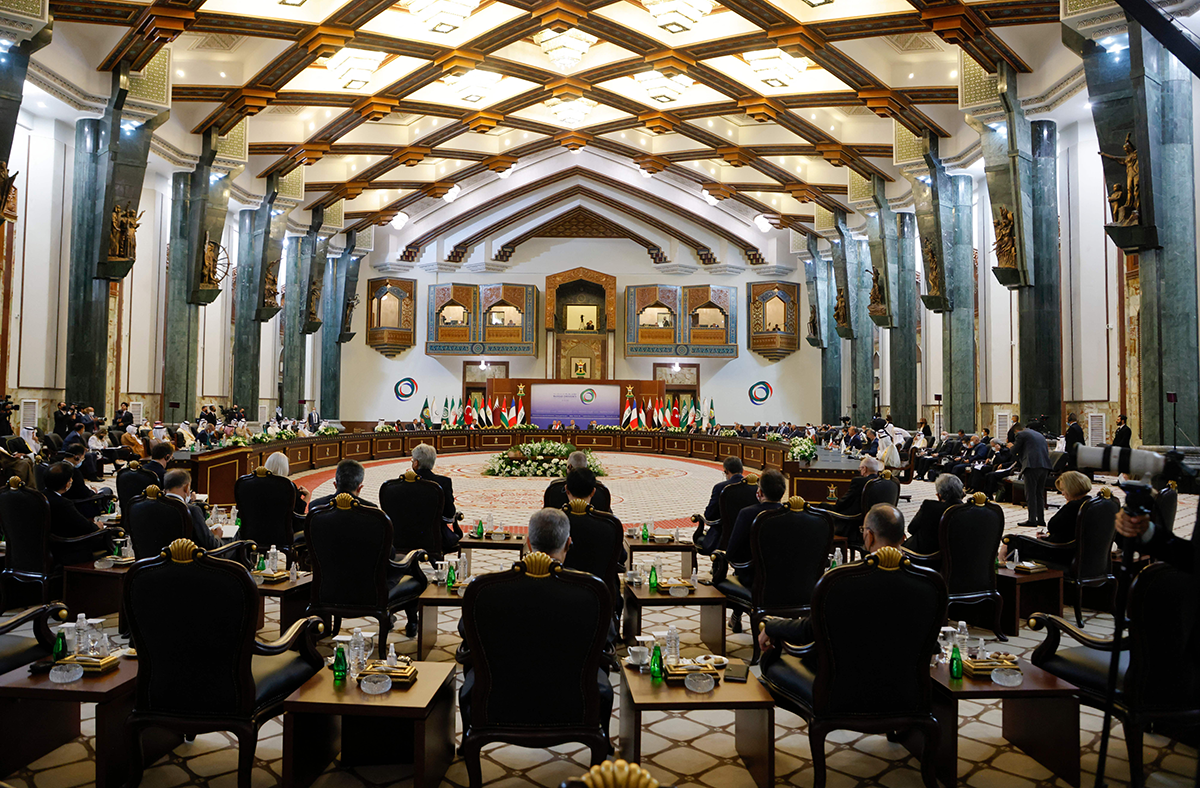
    The Middle East is undergoing a historic transformation with unprecedented opportunities to build new relationships, de-escalate tensions, and foster conditions for stronger integration. At the same time, the region remains on edge because of ongoing tensions in Yemen, Syria, Iraq, and other conflict zones, a civil war that broke out recently in Sudan, along with the overarching challenges presented by fraught relations between Iran, Israel, and several Arab Gulf countries — with the longer-term implications of the still-fragile Iranian-Saudi rapprochement yet to be fully assessed.

    The Slowing Down of Israel-Arab Relations Under the Netanyahu Government
    Photo by GIL COHEN-MAGEN/AFP via Getty Images.
  • Analysis
  • The Slowing Down of Israel-Arab Relations Under the Netanyahu Government

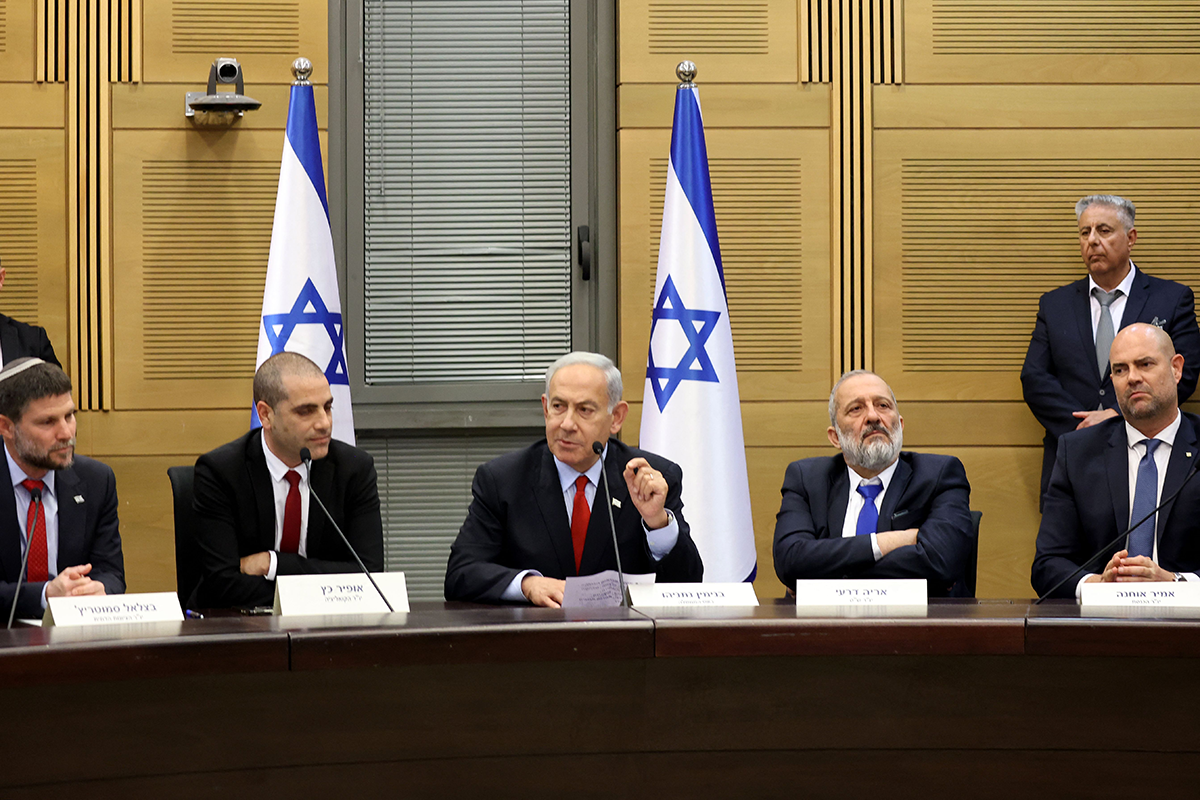
    Dynamics between Israel and the Arab world have taken a turn for the worse in the first few months of the new Israeli government. The positive momentum in Israel-Arab relations, which Prime Minister Netanyahu himself was key in generating through the signing of the Abraham Accords and which picked up pace during the Bennett-Lapid government that followed, has slowed down. Only limited progress may be feasible under the current government, but conditions for positive change do exist and include marginalizing Israeli extremists, avoiding a flare-up with the Palestinians, reducing the domestic turmoil in Israel, and ensuring the effective involvement of the U.S. and the EU.

    May 25, 2023

    Read the Middle East Journal

    The oldest peer-reviewed publication dedicated to the study of the modern Middle East, MEI’s flagship journal covers politics, society, and culture in the region.