Unlocking the Levant: Why the United States and Syria Must Pursue a Bilateral Trade and Investment Agreement
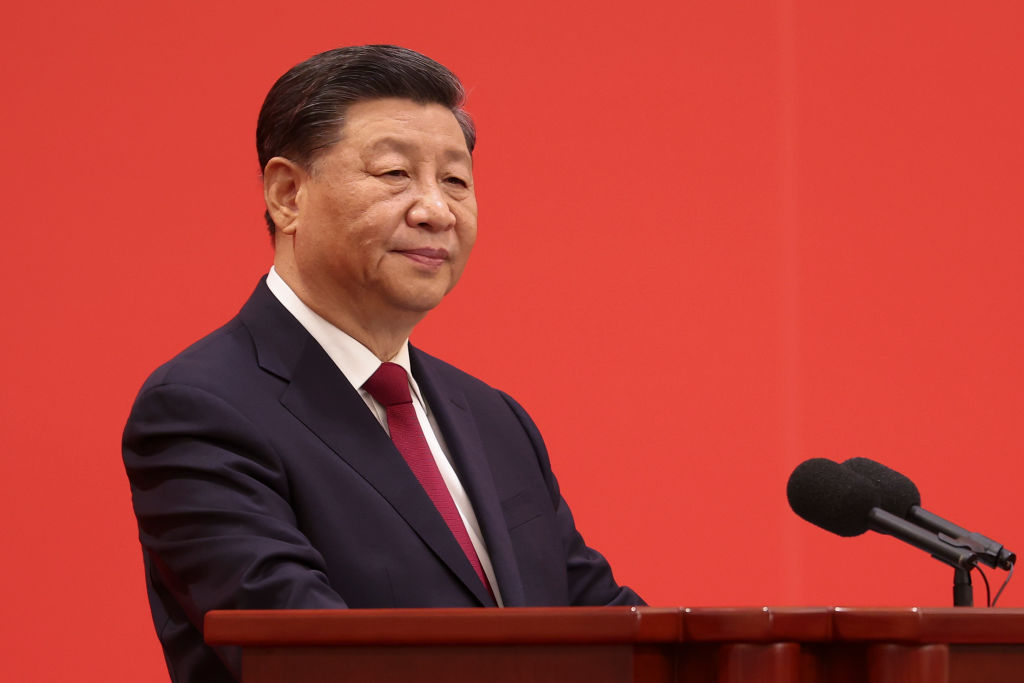
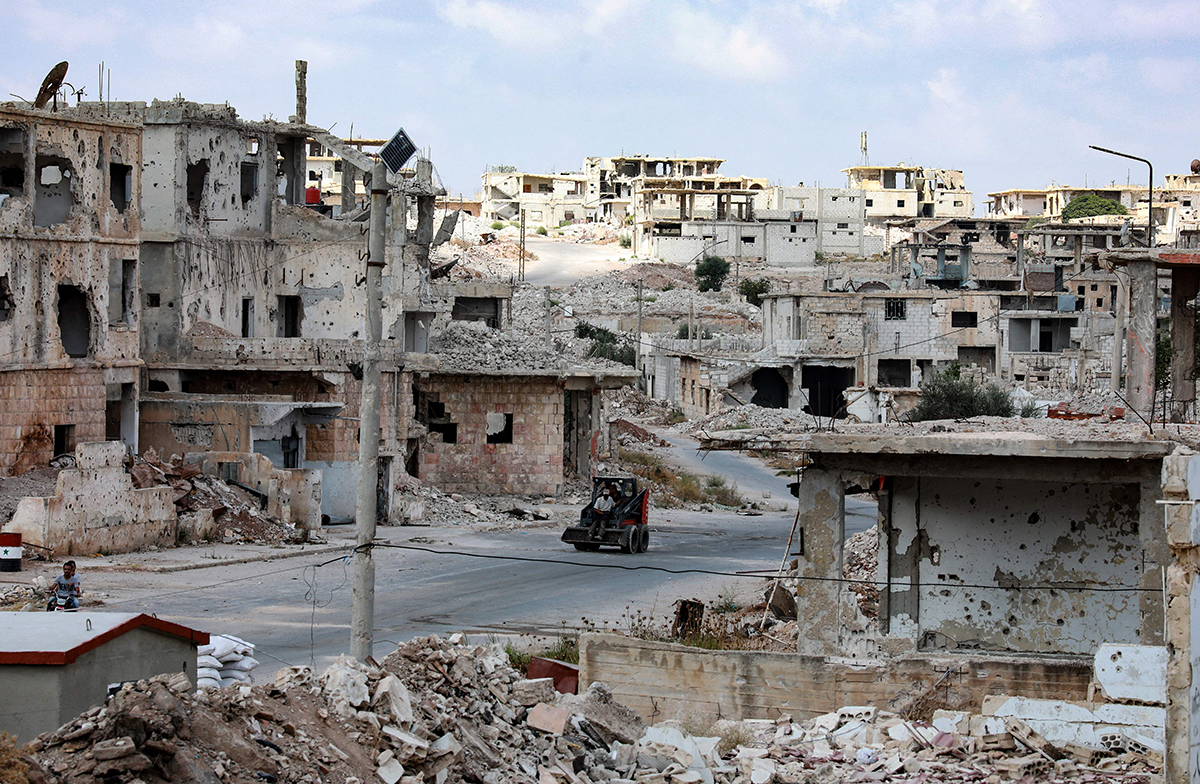
Apart from the brief honeymoon period between 1961 and 1963 under President John F. Kennedy and President Nazim al-Qudsi, US-Syria relations have never held such optimistic potential as they do today. Today, following the fall of Bashar al-Assad regime and the rise of a new government under President Ahmad al-Sharaa at the end of 2024, a new geopolitical window has opened.
Consolidating Sovereignty, Security and Peace: Time to Step up the Game
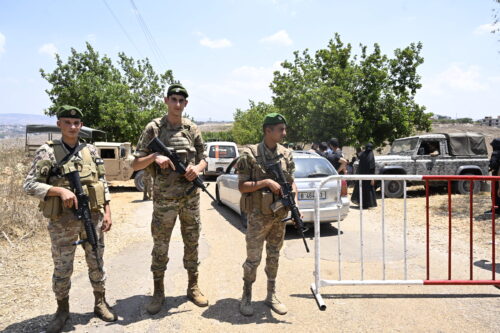
Although it has been a frustrating summer, Lebanon remains on the right track. My observation after a ten-day visit to Beirut and Jerusalem this month is that leaders in both capitals remain strongly committed to a shared objective.
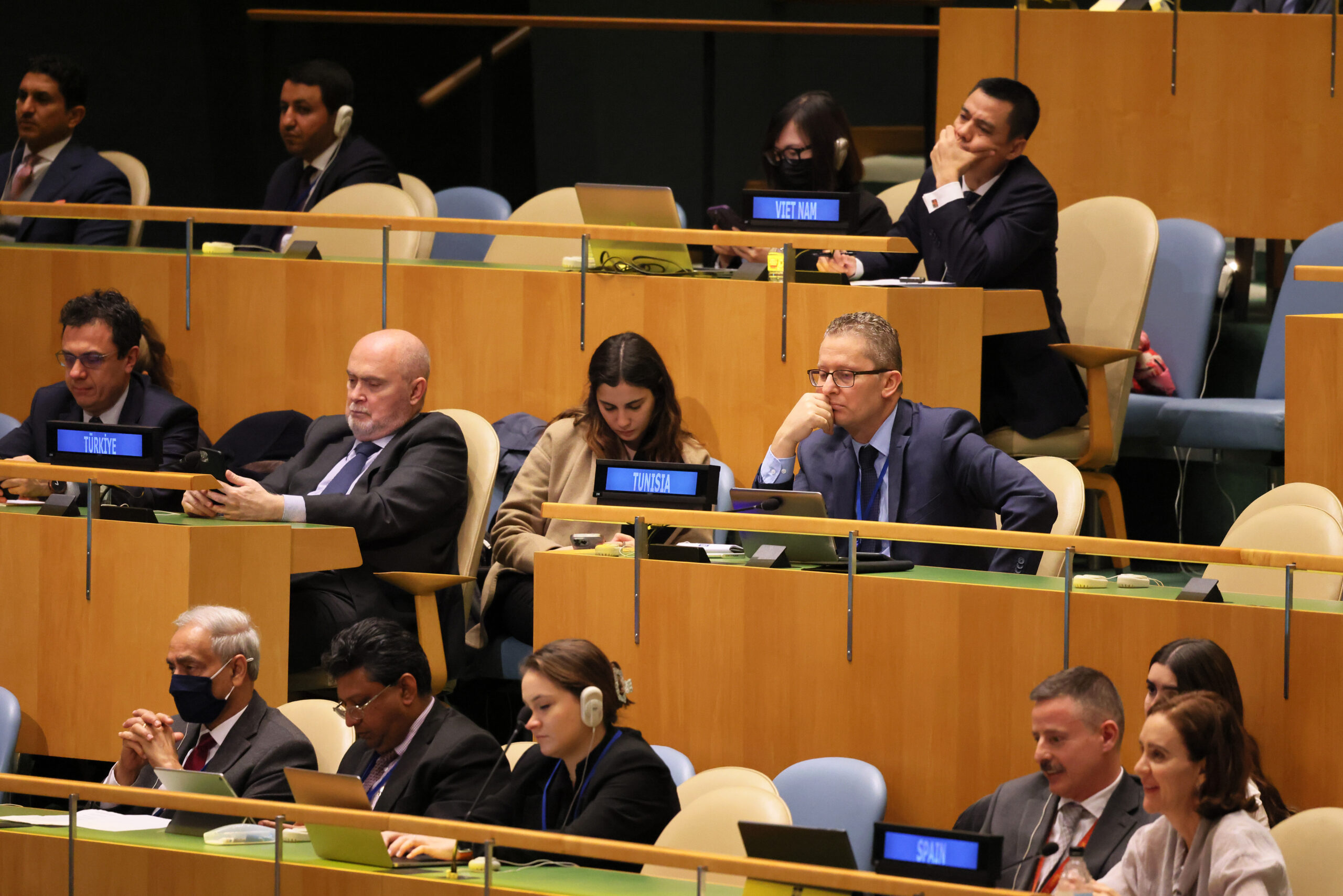
What the UN vote tells us about international sentiments and Israeli diplomacy
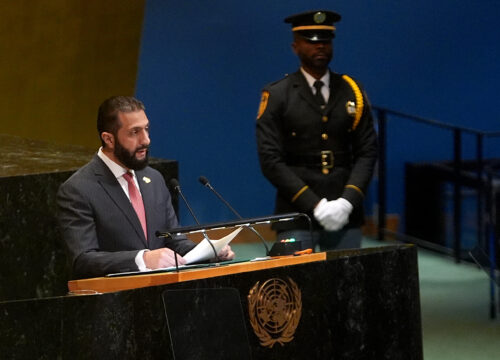
The Dec. 30 vote at the United Nations General Assembly (UNGA) regarding Israel reflected once again that the international community does not generally accept the Israeli narrative regarding the Palestinian issue. It also highlights that the Palestinian issue, while not a top priority on the global agenda, is still one of concern around the world.
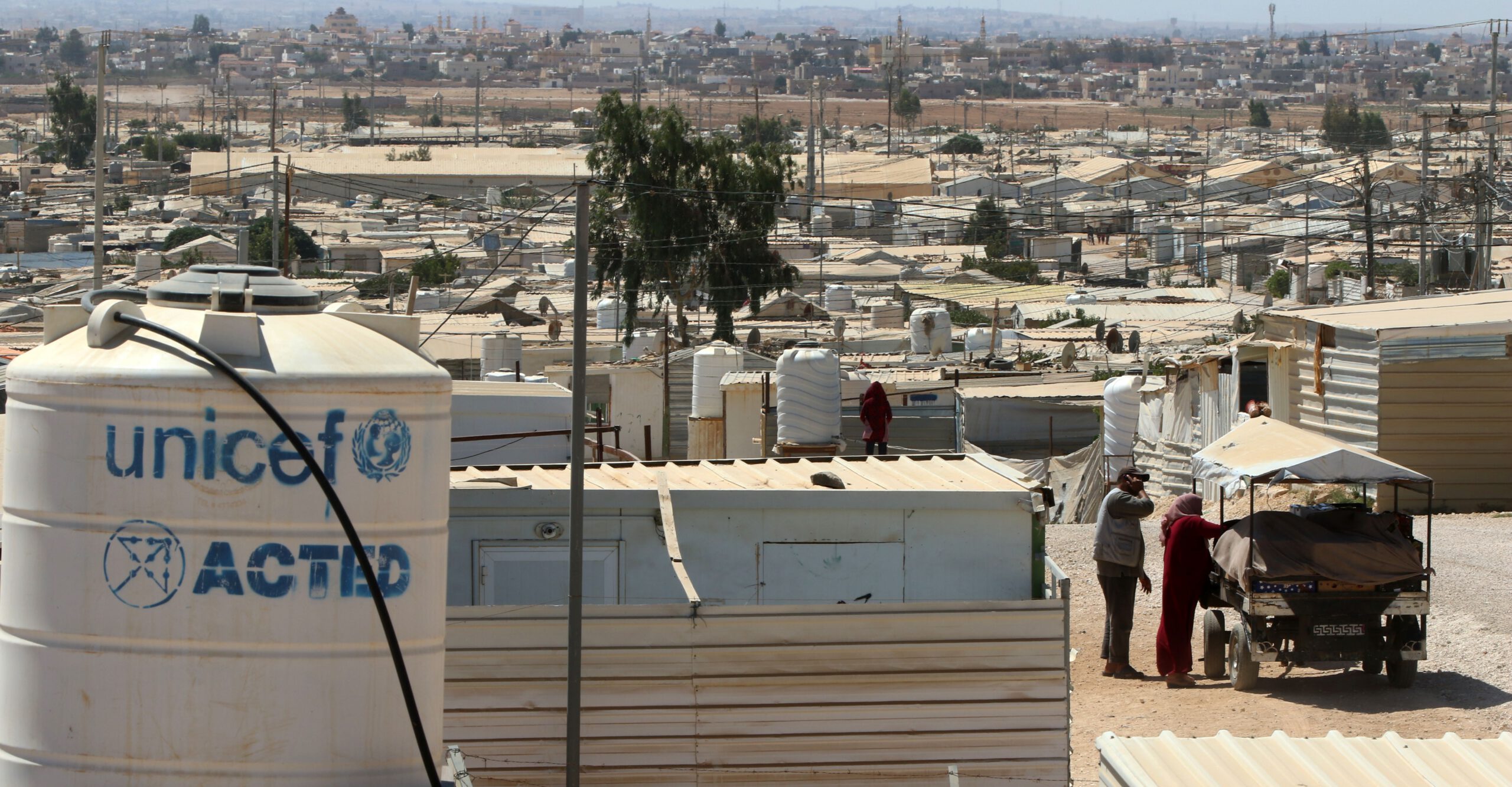
Six and a half years ago, international governments and organizations successfully negotiated the “Grand Bargain,” an agreement that the largest international non-governmental organizations would allocate 25% of their humanitarian funding to small NGOs. Nowhere was the deal more hotly anticipated than Jordan, where the Syrian refugee crisis compounded existing problems of workforce participation and water scarcity.
On today’s episode, Middle East Focus kicks off the new year with Danny Hajjar, whose newsletter Sa’alouni El Nas brings diverse music and perspectives from the MENA region to inboxes worldwide. Interviewing Danny is Fadi Nicholas Nassar, U.S.-Lebanon Fellow at the Middle East Institute, Director of the Institute for Social Justice and Conflict Resolution, and Assistant Professor of Political Science and International Affairs at the Lebanese American University (LAU).
What the United Nations’ 6th Climate Assessment tells us about the Mediterranean’s climate future
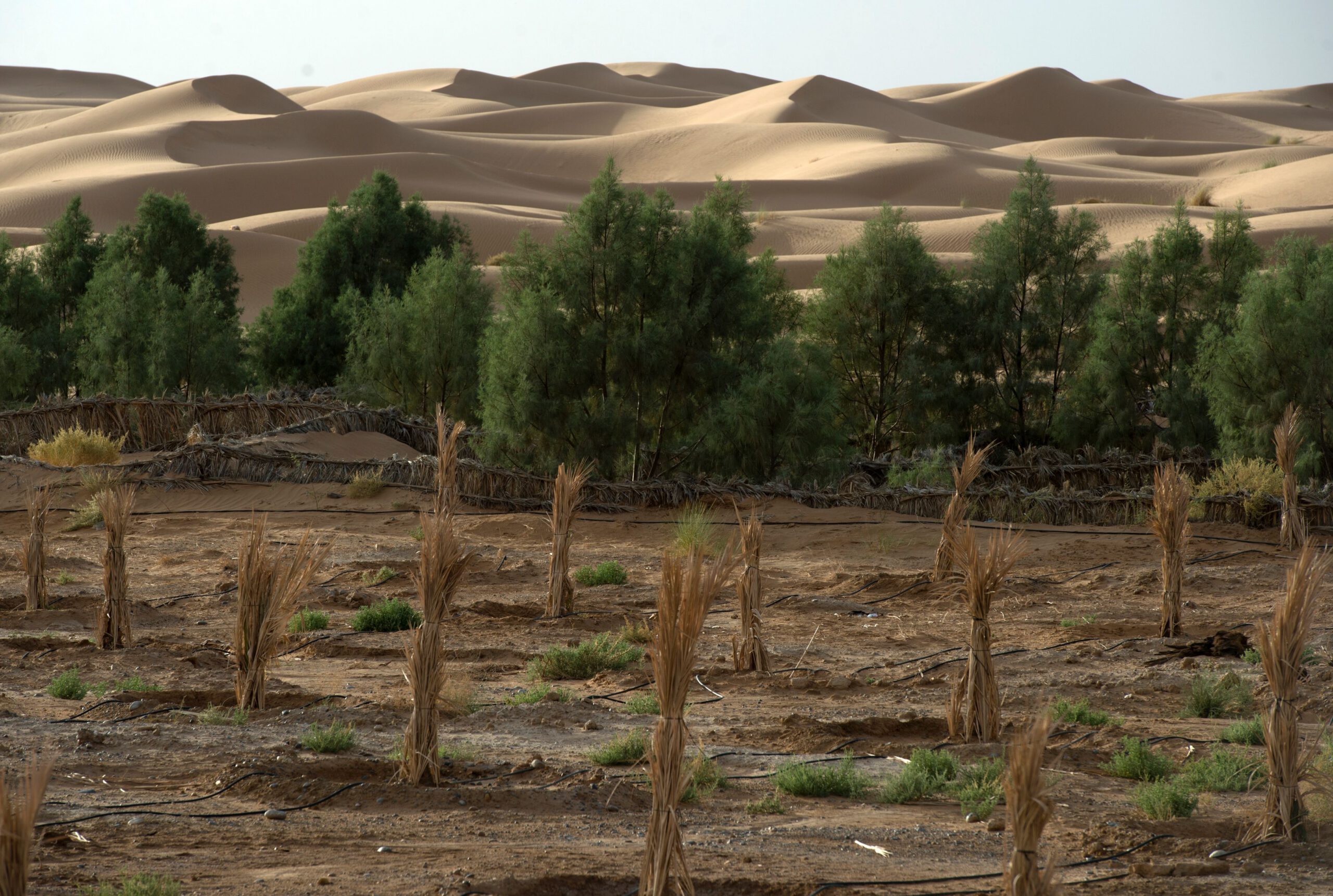
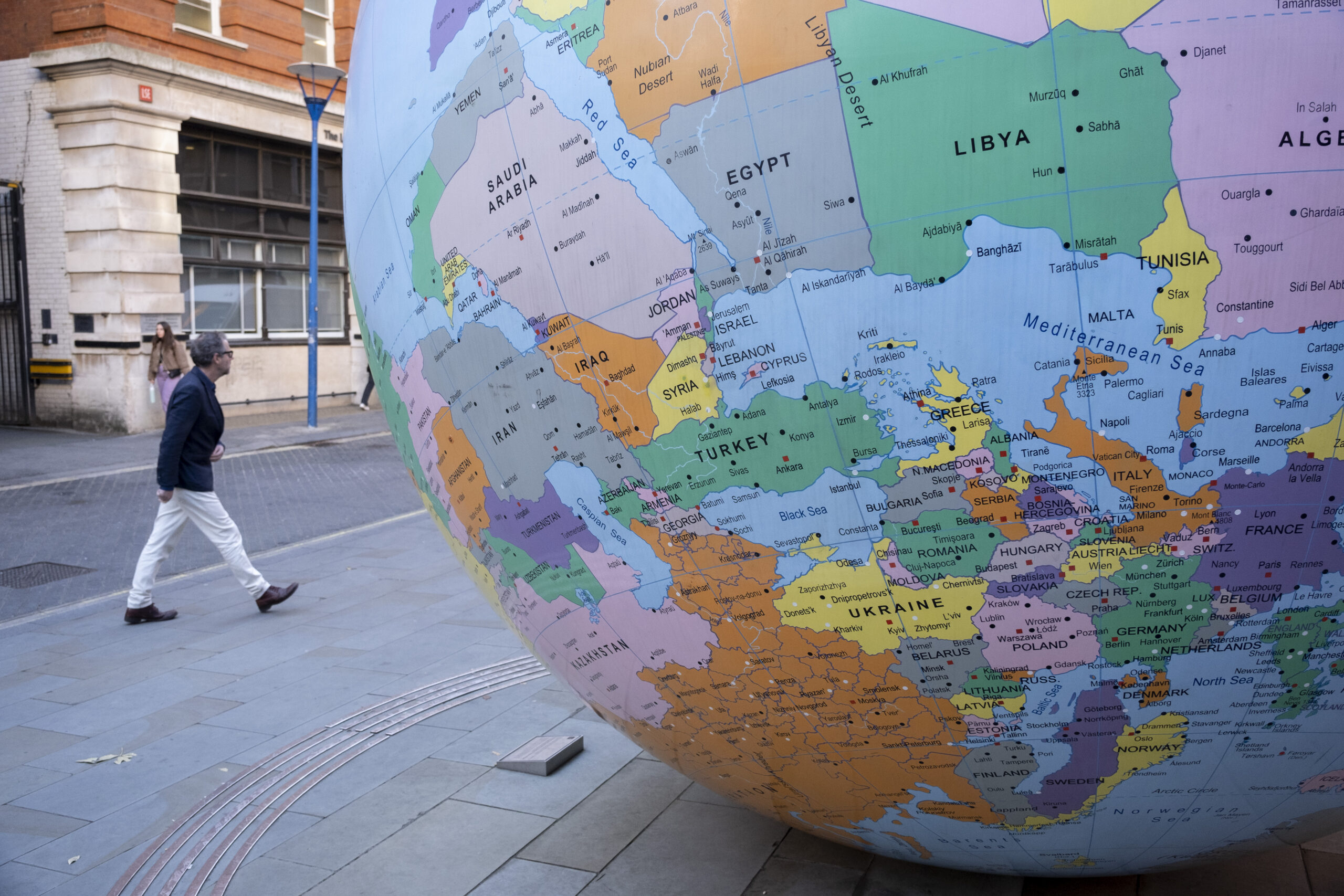
The latest U.N. IPCC report details the alarming changes that Mediterranean countries will experience in the coming decades due to climate change, highlighting three critical areas — warming and droughts, declining ecosystems, as well as socioeconomic and public health risks.
Keeping up appearances: The Ukraine war’s effect on Russian deployments in Syria
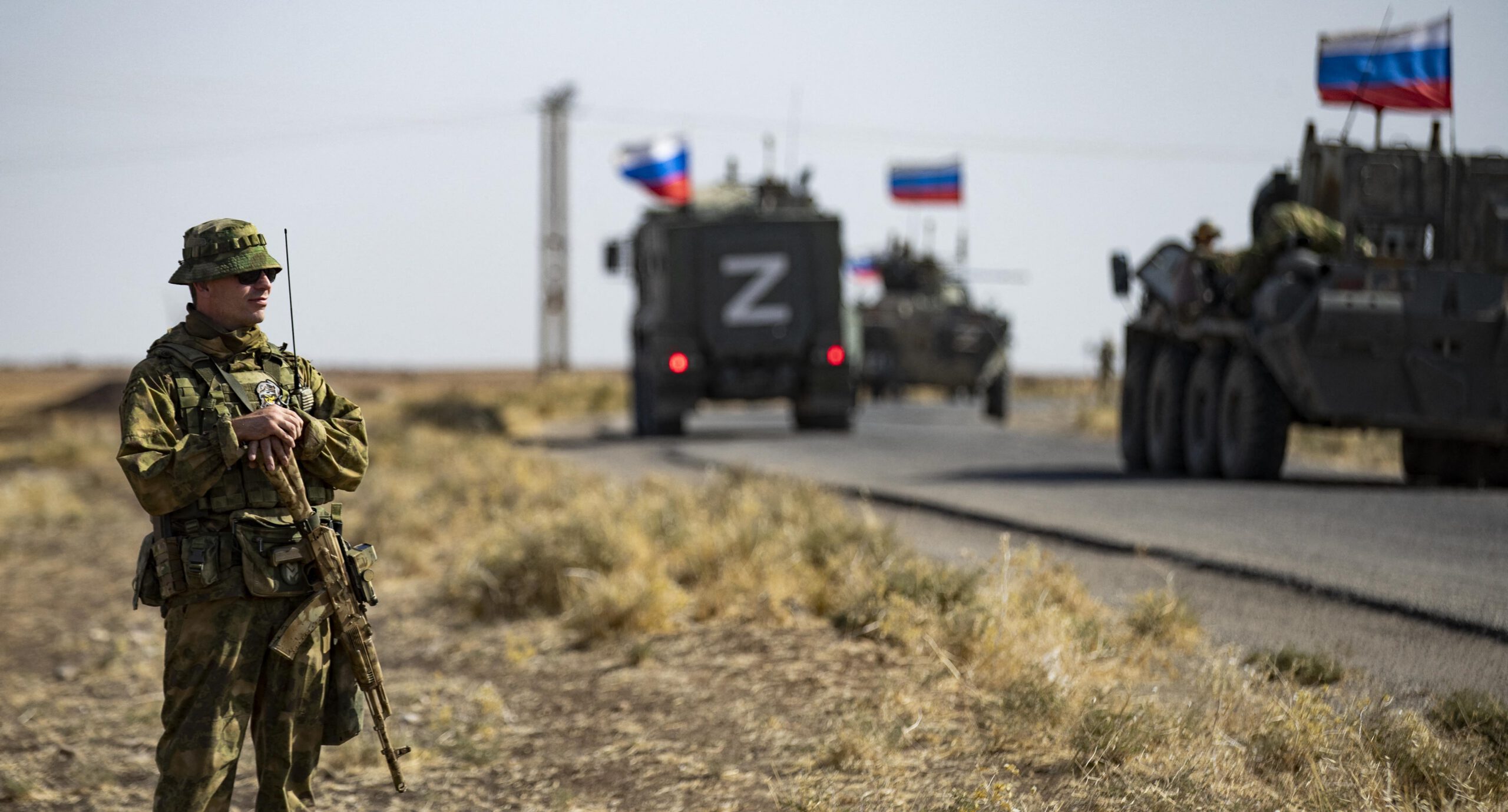
As Russia’s 2022 invasion of Ukraine turned into protracted positional and attrition warfare, often speculative reports emerged about the imminent reduction of the Russian military presence in Syria. Several factors may explain the changes in the Russian military presence in Syria and its future.
The spider of Khanasir and the rising star of Syria’s Hussam Luka
Despite his rural Sunni roots, one general has managed to play a part in nearly every step of the regime’s counter-revolution, all while building a web of networks across much of Syria as he worked his way up the complex internal ladders of the mukhabarat: Maj. Gen. Hussam Luka.
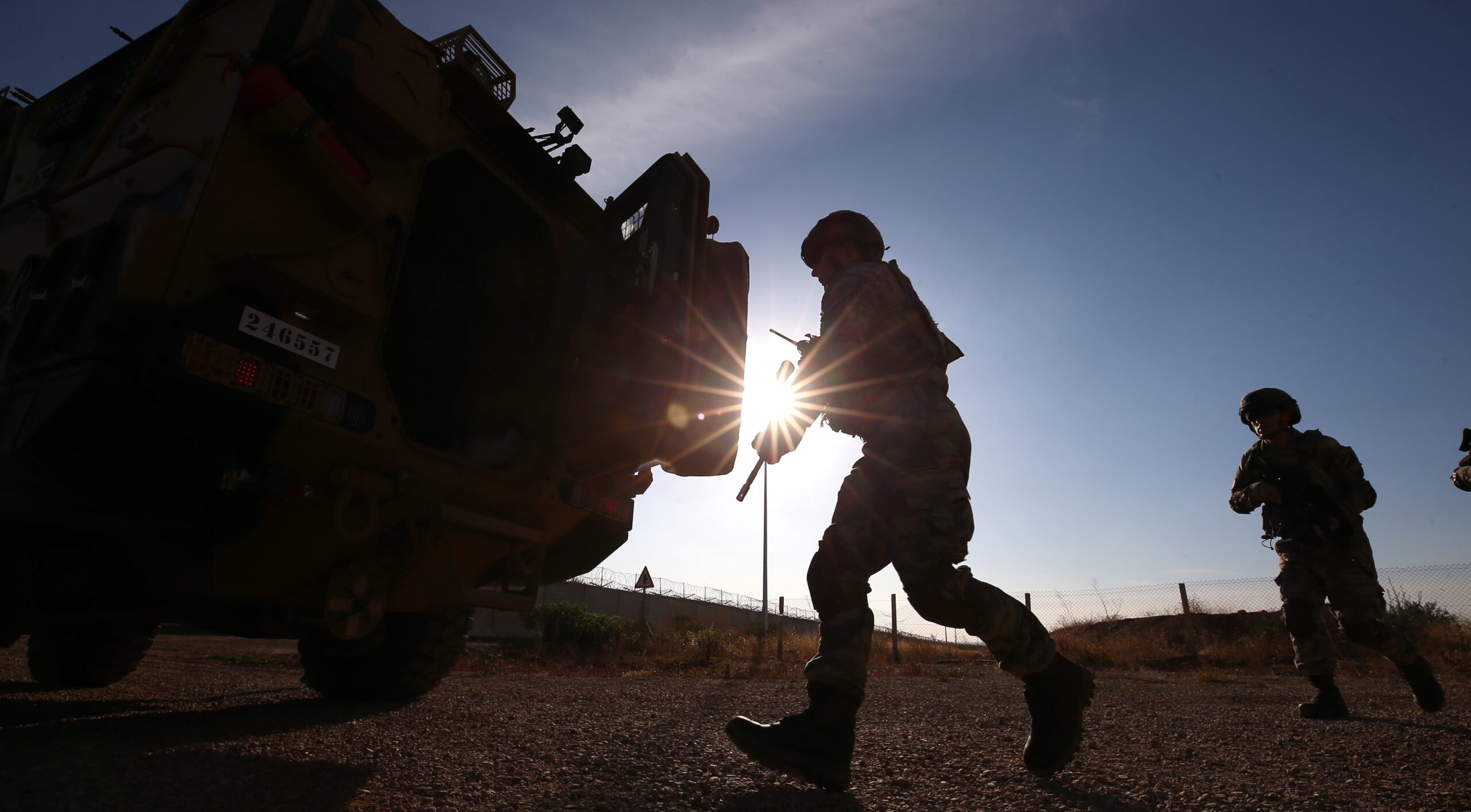
Should the Turkish government make good on its threats to launch yet another military incursion into northern Syria, it would lead to a sharp escalation in violence in a country afflicted by a more-than-decade-long brutal conflict. Not only would Turkey’s military incursion have significant immediate effects on civilians and combatants in Syria, but it could also reverberate further throughout the region and world.
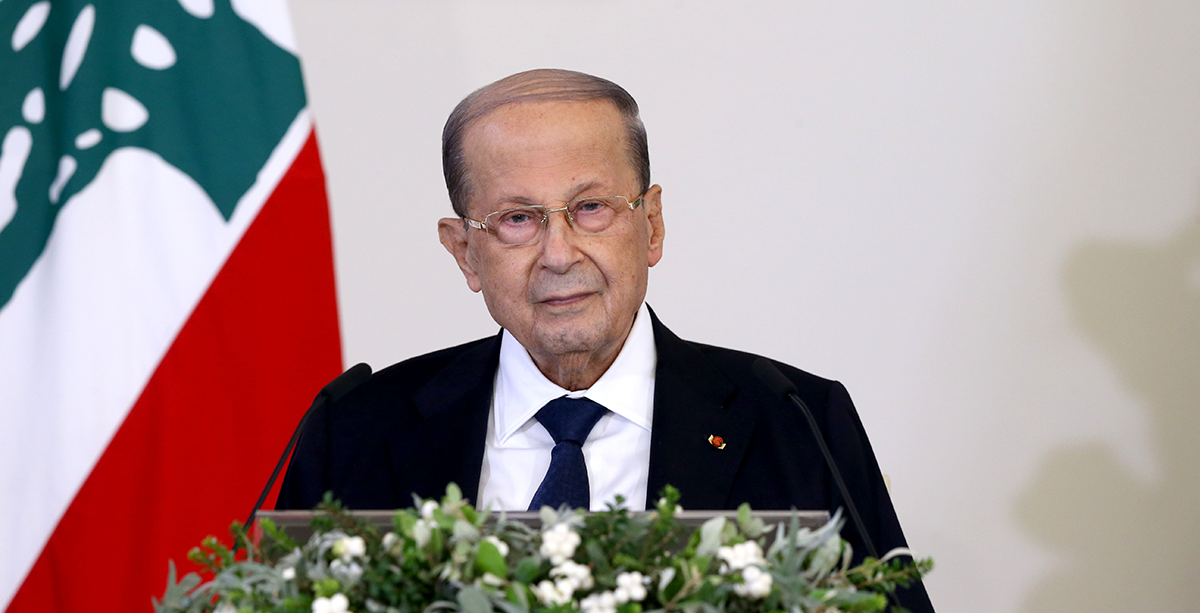
Aoun promised Lebanon a “modern state” — he left it in ruins
Aoun’s talk of a modern state appeared to be a smokescreen to mislead those who followed him into thinking the path to reform lay with the general. As the past six years have made all too clear, his objective seemed squarely fixed on gaining a permanent seat for himself at the table of Lebanon’s sectarian elite and securing his legacy.
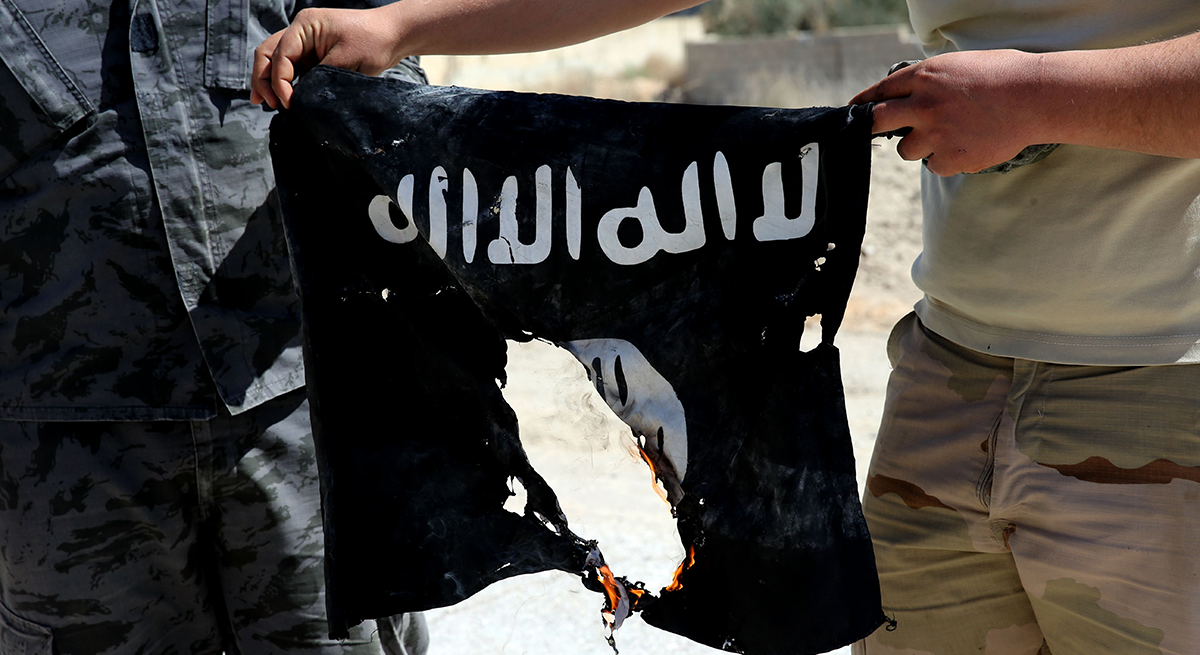
On Nov. 30, the Islamic State announced that its leader, Abu al-Hassan al-Hashimi al-Qurayshi, had been killed in battle and that his successor, Abu al-Hussein al-Husseini al-Qurayshi, was now in place. Hours later, the United States military’s Central Command confirmed the death of Abu al-Hassan, adding that it had occurred in Daraa, in southern Syria, in mid-October at the hands of “the Free Syrian Army.”
Morocco and Israel: Economic Opportunities, Military Incentives, and Moral Hazards
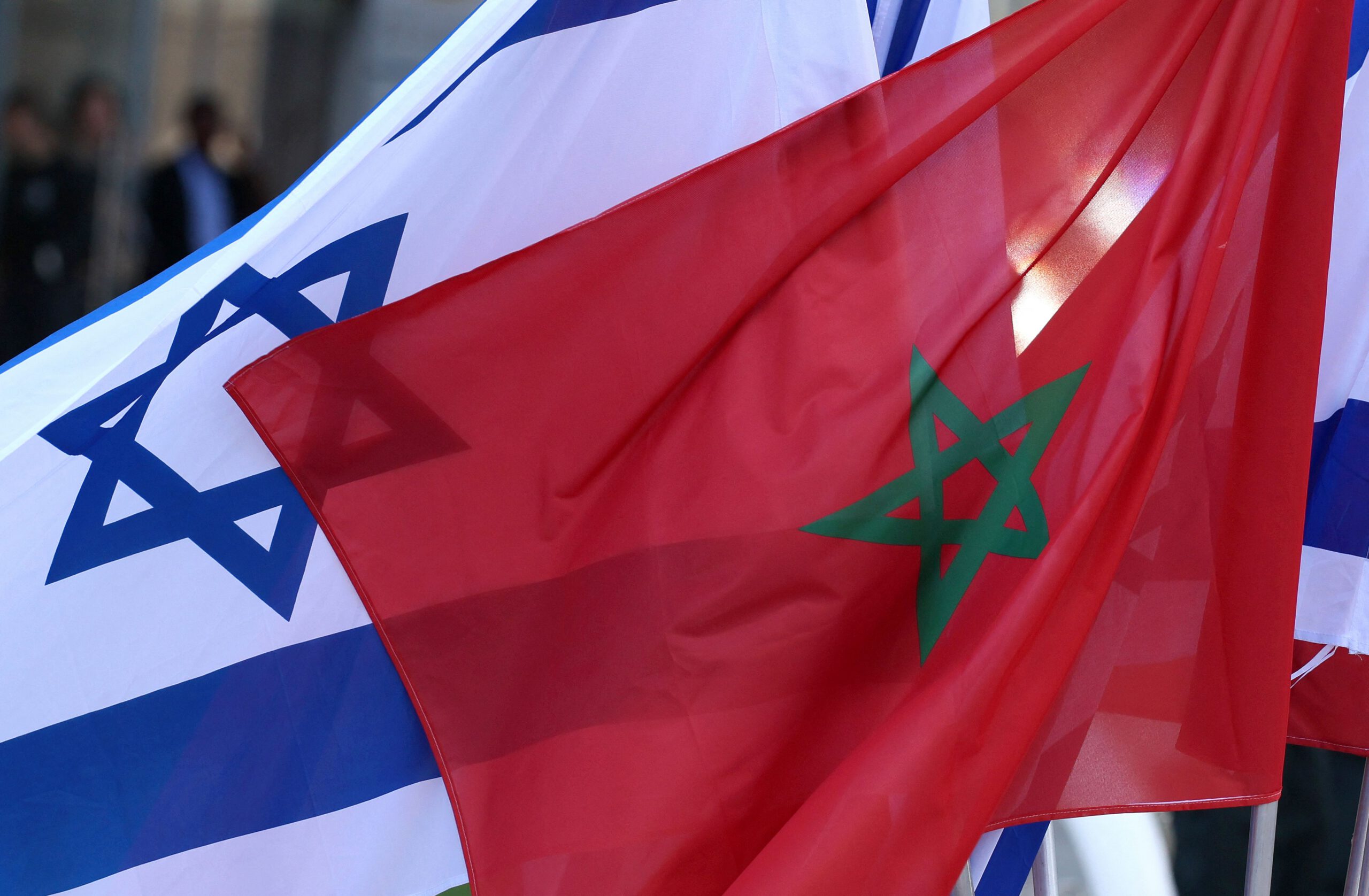
The December 2020 Moroccan-Israeli normalization deal has evolved from a vehicle enabling Morocco to gain long-sought U.S. recognition of its claims on Western Sahara to a broader strategic partnership with Israel. But the relationship further strains relations with neighboring rival Algeria.
أطلقت المجموعات المحلية في مدينة درعا البلد ، وهي مجموعات عسكرية كانت تتبع للجيش السوري الحر، و بقيت في المحافظة بعد توقيع أتفاقية المصالحة مع النظام السوري برعاية روسية في يوليو / تموز عام 2018، عملية عسكرية واسعة على مجموعات هفو _ الحرفوش في أحياء طريق السد والمخيم داخل درعا البلد.
The oldest peer-reviewed publication dedicated to the study of the modern Middle East, MEI’s flagship journal covers politics, society, and culture in the region.