Unlocking the Levant: Why the United States and Syria Must Pursue a Bilateral Trade and Investment Agreement
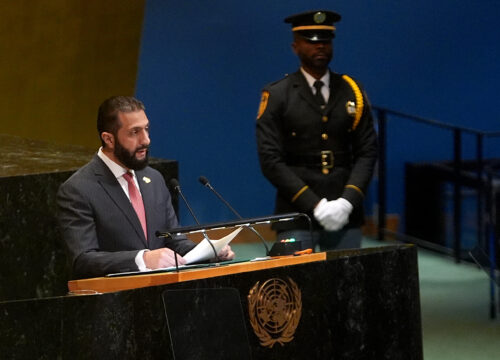
Apart from the brief honeymoon period between 1961 and 1963 under President John F. Kennedy and President Nazim al-Qudsi, US-Syria relations have never held such optimistic potential as they do today. Today, following the fall of Bashar al-Assad regime and the rise of a new government under President Ahmad al-Sharaa at the end of 2024, a new geopolitical window has opened.
Consolidating Sovereignty, Security and Peace: Time to Step up the Game
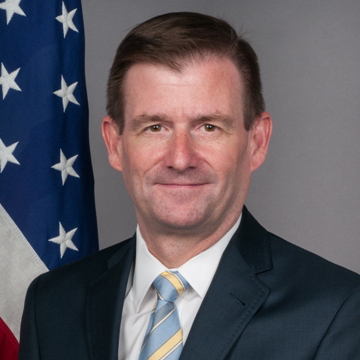
Although it has been a frustrating summer, Lebanon remains on the right track. My observation after a ten-day visit to Beirut and Jerusalem this month is that leaders in both capitals remain strongly committed to a shared objective.
Turkey: A new emerging gas player with resources and infrastructure
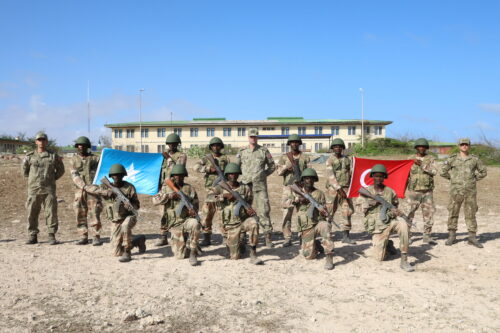
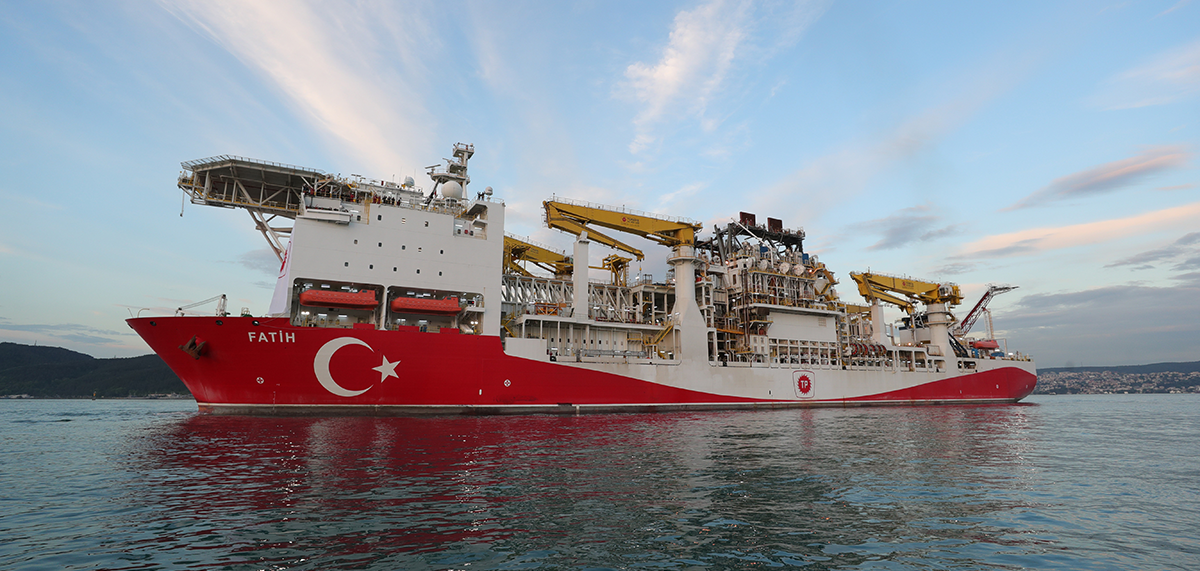
With its recent deepwater exploration success in the Black Sea and prominent geographic location for interregional hydrocarbon pipelines, Turkey can play a material role in shaping the geopolitical landscape today, especially in the natural gas sector. The country will face a strategic conundrum, whether to utilize newly discovered gas resources entirely for domestic needs and thereby reduce gas imports that come with political baggage as well as foreign currency expenditures, or export gas to capture foreign revenue that Ankara desperately needs.
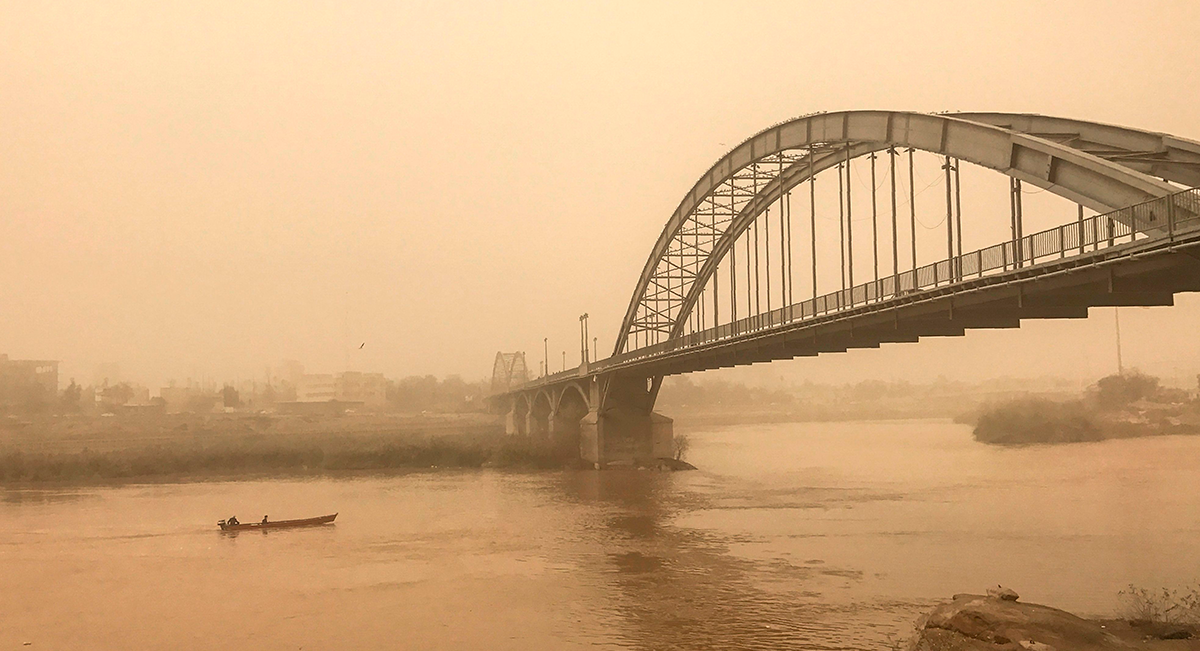
Amid dust storms and drought, Turkey and Iran are at odds over transboundary water management
Water is slowly emerging as yet another potential cause for dispute between Ankara and Tehran. As of late, the two neighboring states have been at loggerheads over a number of issues, including Syria and Iraq, where they have opposing interests. After years of quiet diplomatic juggling, the issue of transboundary water management is gradually taking center stage in the two countries’ relations, a development that could, in the medium run, have serious repercussions for regional security.
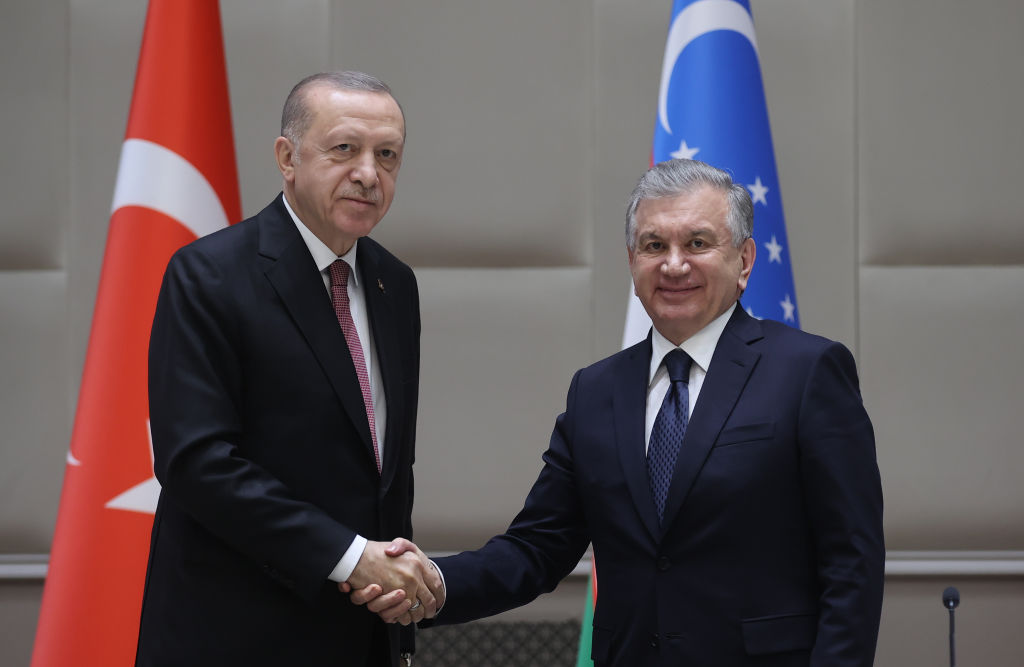
New Turkey-Uzbekistan Strategic Partnership Accelerates Turkey’s Rise as a Eurasian Agenda-Setter
The March 2022 elevation of the Turkey-Uzbekistan relationship to a “Comprehensive Strategic Partnership” provides the Ankara-led Organization of Turkic States with a new geopolitical heft. To preserve its autonomy in the face of Beijing’s growing regional dominance, Tashkent has turned to Ankara to act as a countervailing force in both economic and security affairs. Combined with the expanding Turkey-Pakistan strategic partnership, this makes Turkey a rising Eurasian agenda setter that will impact the strategic calculus of both Beijing and Washington.
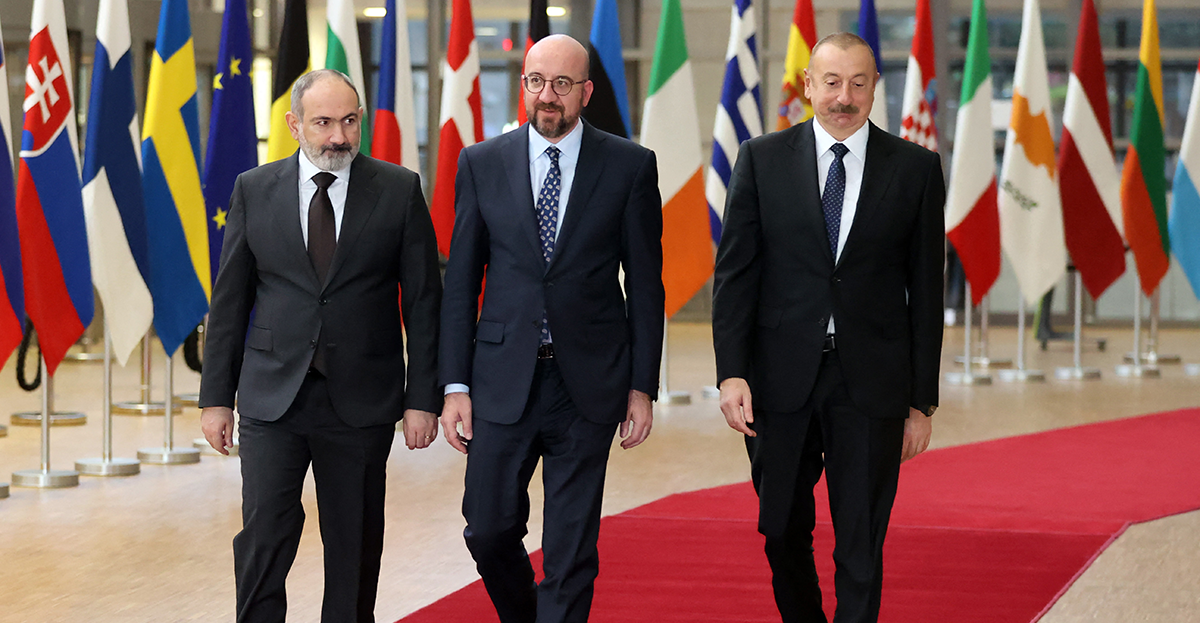
The impact of the war in Ukraine on regional cooperation in the South Caucasus
Since the collapse of the Soviet Union, the South Caucasus has been unable to find a model for regional cooperation or form regional organizations. The relative calm that followed the Second Nagorno-Karabakh War, especially after the signing of the November 2020 cease-fire agreement, renewed hopes that this might change. Significant challenges to regional cooperation remain, however, and Russia’s war with Ukraine has only complicated matters further.
Another blow for the unsteady Israeli coalition government
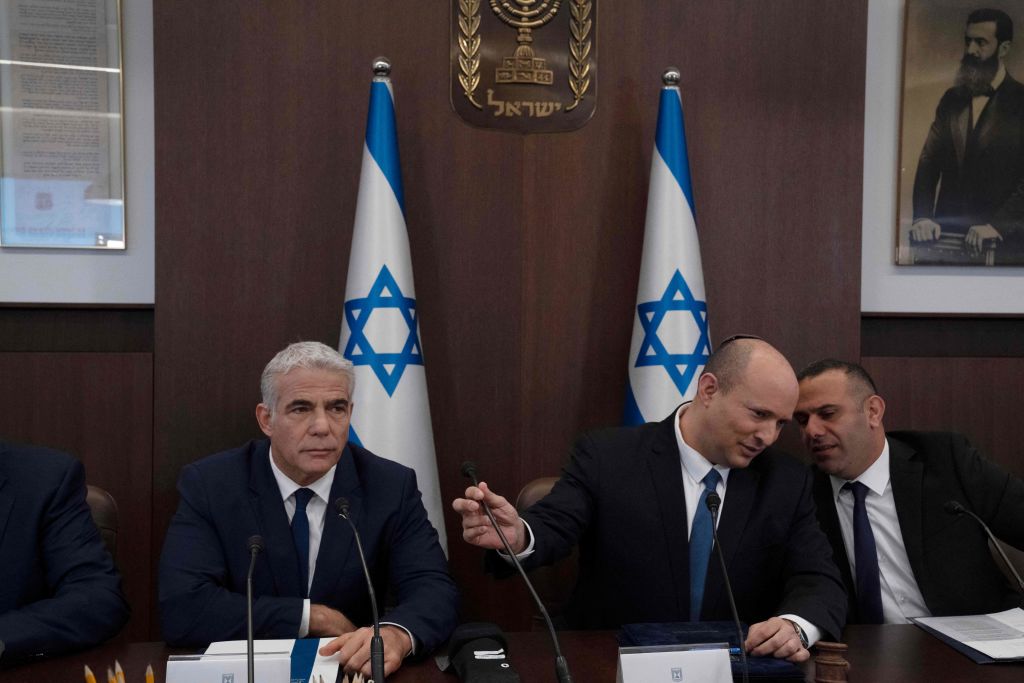
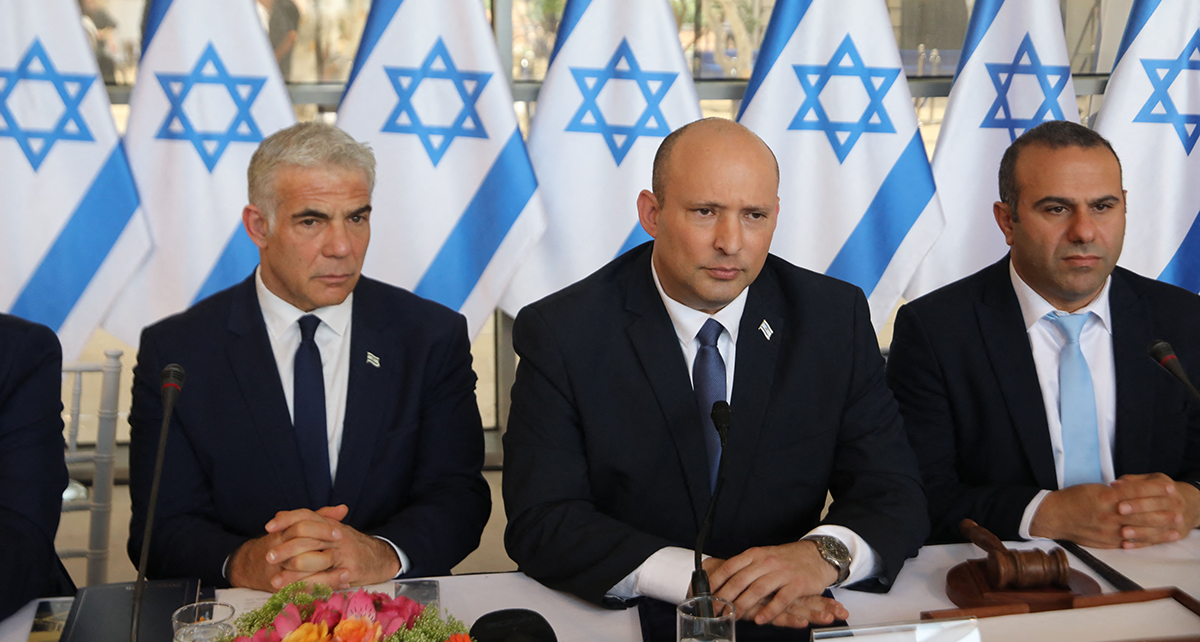
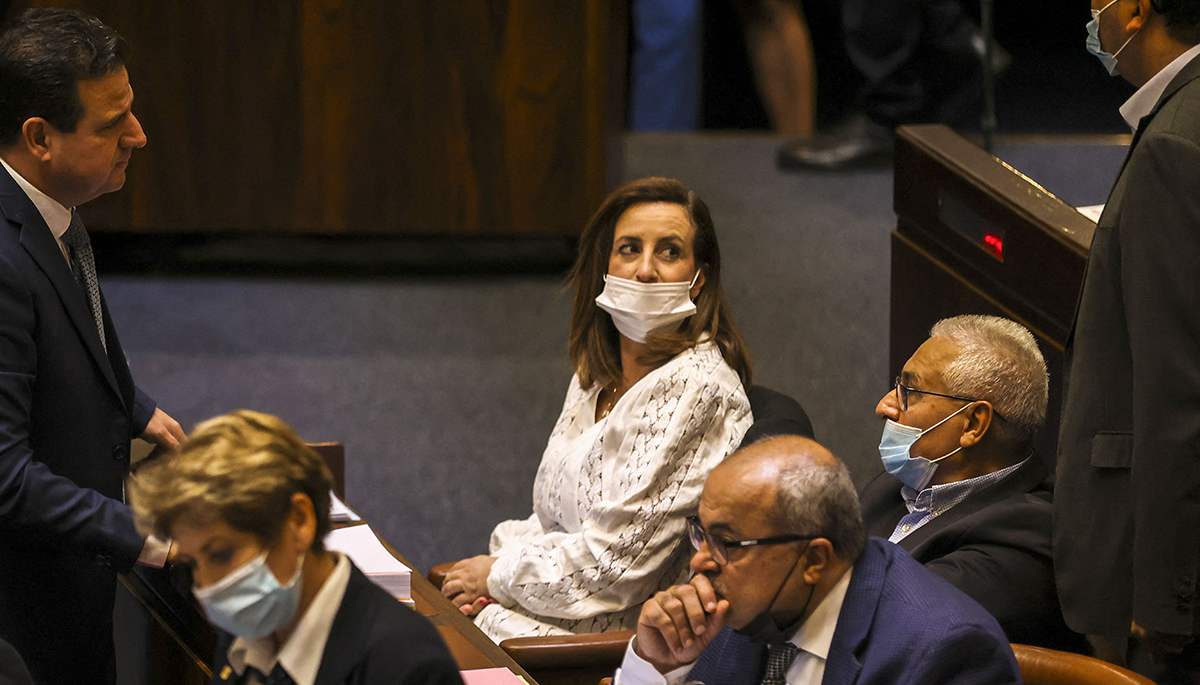
On June 6 Israel’s coalition government lost an important vote, in which more than half of the Knesset members on both sides voted against their own most fundamental beliefs in a desperate effort to either bring down the coalition or to save it. The substance of the legislation was barely more than a pretext, but the opposition smelled blood and was willing to do virtually anything to regain power.
Why Washington should provide direct cash payments to the Lebanese army
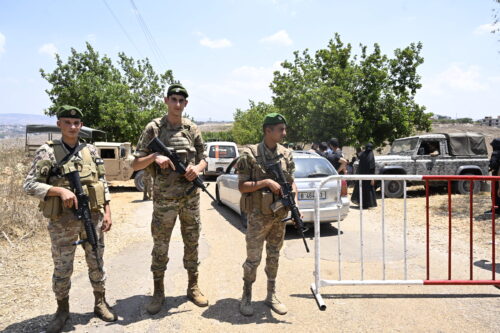
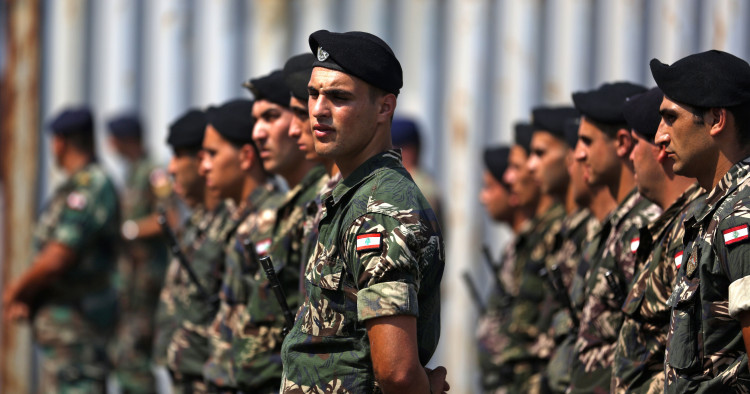
The considerable financial shortfall experienced by the Lebanese Armed Forces (LAF) over the past couple of years has measurably affected its morale, readiness, and operational capacity. There couldn’t be a worse time for the LAF to potentially fall apart. A series of monumental challenges await Lebanon now that the parliamentary elections are over, all of which demand a modicum of stability that only the LAF can provide.
Syria’s eastern factions unite in the Liberation and Construction Movement: A conversation with the leadership
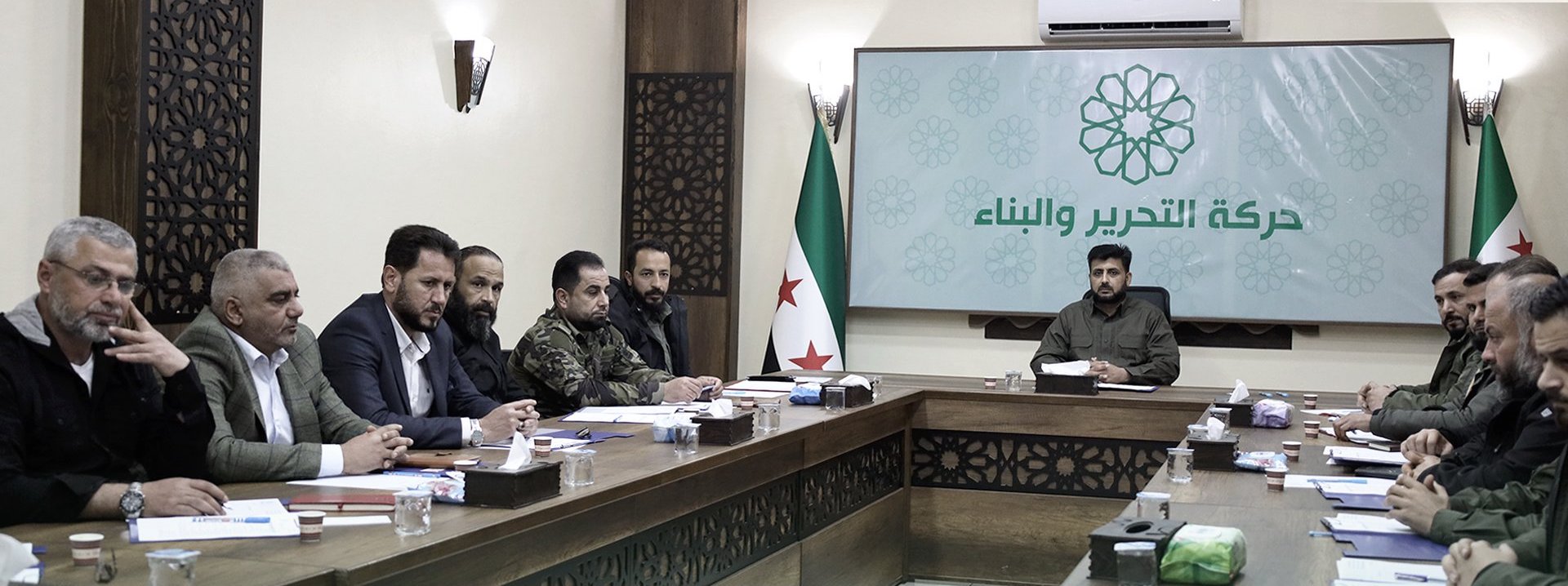
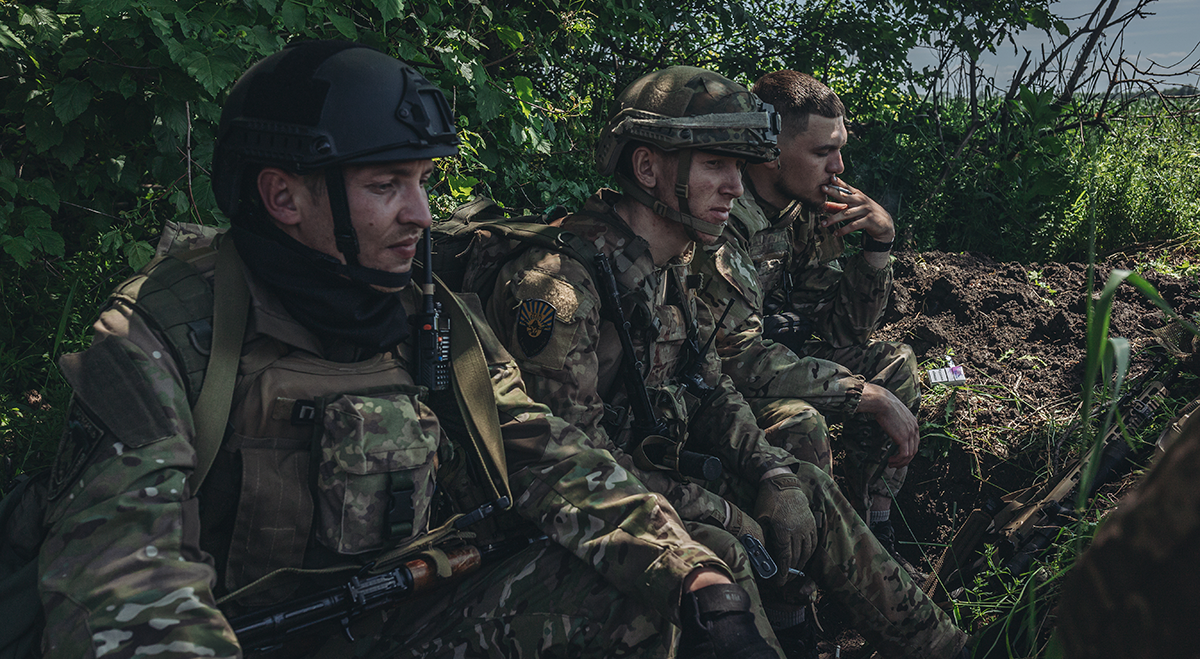
Following a series of reshuffles within the Syrian National Army (SNA), a Turkey-supported alliance of armed opposition groups in northern Syria, four armed groups with roots in Syria’s eastern provinces, Ahrar al-Sharqiya, Jaish al-Sharqiya, the 20th Division, and Suqur al-Sham’s eastern affiliate, announced the formation of the Liberation and Construction Movement (LCM) on Feb. 15, 2022. On April 25, 2022, the author held a four-hour conversation with the LCM’s leadership to discuss its genesis and ambitions, the issue of human rights violations, and the alleged incorporation of former ISIS members. In addition to providing the LCM’s perspectives on the Syrian conflict and its own role as a military, political, and societal actor, this conversation serves as a useful starting point for reflecting on the politics of humanitarian aid and predominant Western approaches to dealing with conflict parties such as the LCM.
The impact of the war in Ukraine on Russian-Turkish relations and Black Sea security: Three potential scenarios
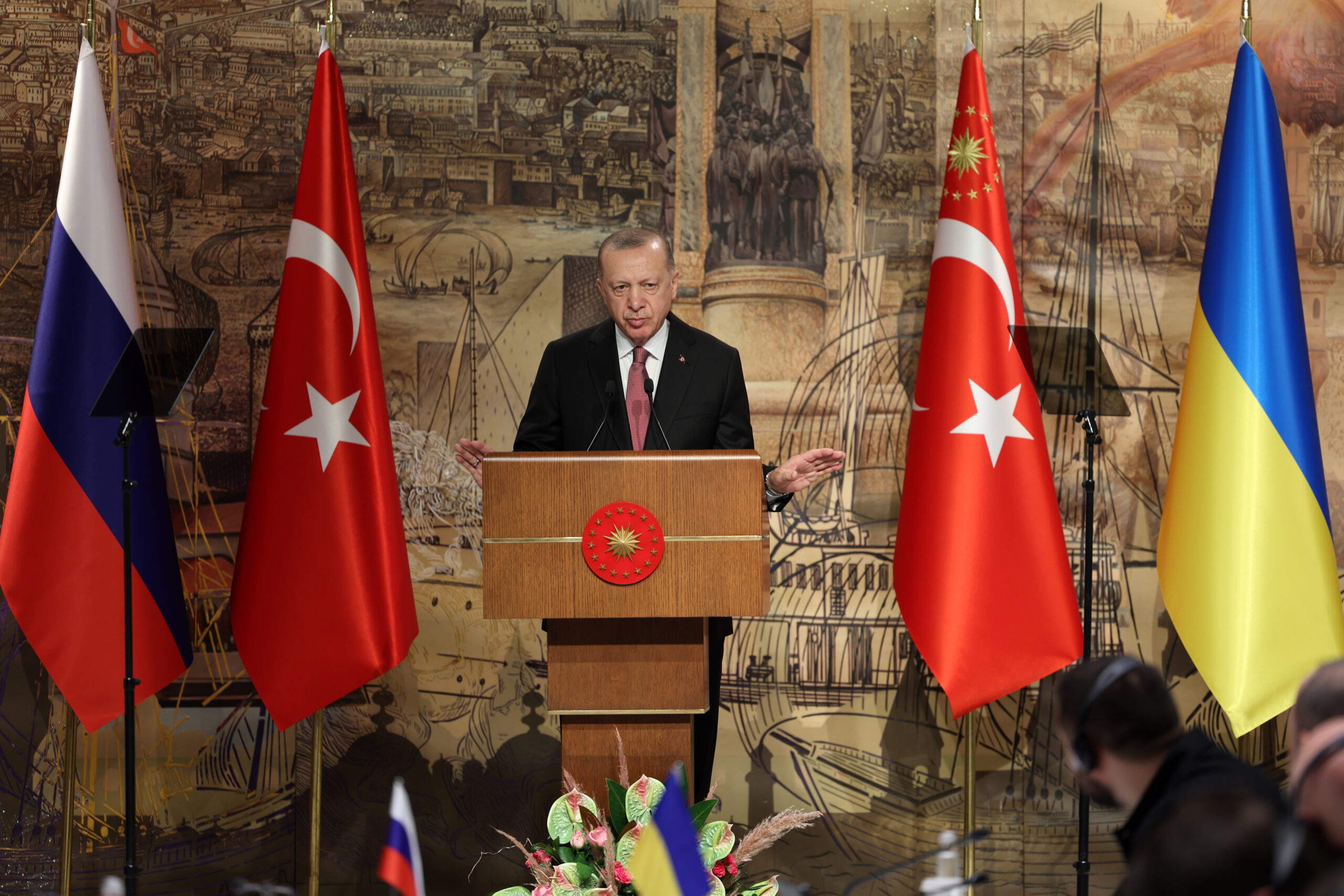
As Russia’s war in Ukraine continues, where things go from here is far from certain, but it is worth considering the range of possibilities. These three scenarios highlight the potential challenges and opportunities that Putin, Erdoğan, and, to a lesser degree, Zelenskyy may face depending on how the conflict plays out, as well as what is at stake for other countries in the Black Sea region.
A false alarm or a wake-up call for Israel’s fragile coalition?
On May 19, Ghaida Rinawi Zoabi, one of Meretz’s two Arab Knesset members, announced she was leaving the governing coalition and her party. On May 22, however, it was announced that she had rejoined both. What happened and what does it tell us about the state of Israel’s fragile coalition government?
The oldest peer-reviewed publication dedicated to the study of the modern Middle East, MEI’s flagship journal covers politics, society, and culture in the region.