Unlocking the Levant: Why the United States and Syria Must Pursue a Bilateral Trade and Investment Agreement
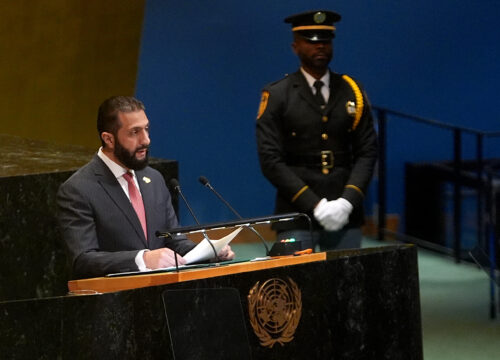
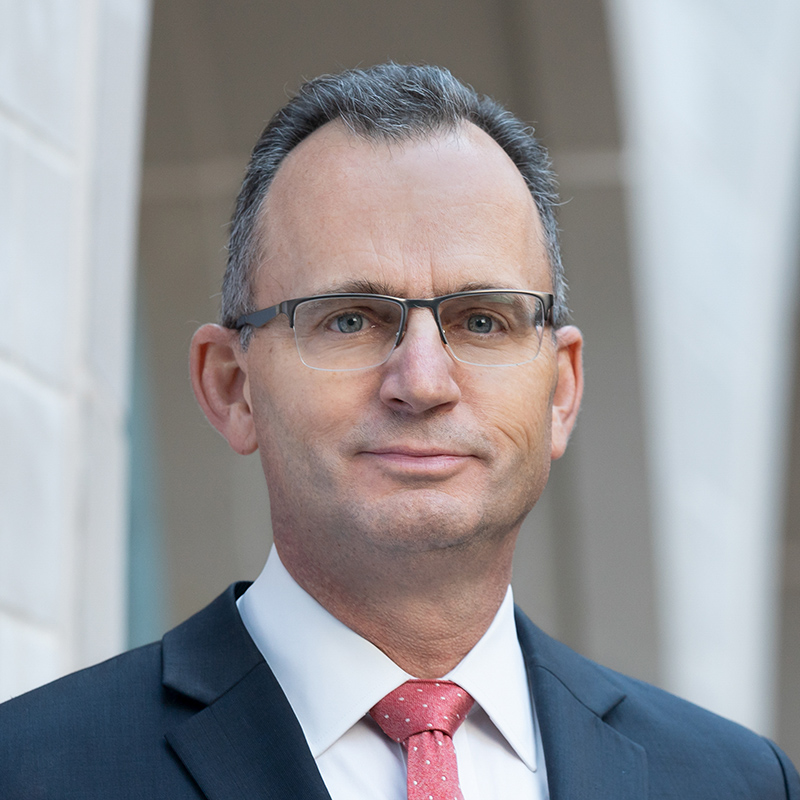
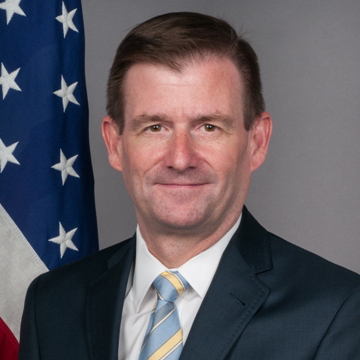
Apart from the brief honeymoon period between 1961 and 1963 under President John F. Kennedy and President Nazim al-Qudsi, US-Syria relations have never held such optimistic potential as they do today. Today, following the fall of Bashar al-Assad regime and the rise of a new government under President Ahmad al-Sharaa at the end of 2024, a new geopolitical window has opened.
Consolidating Sovereignty, Security and Peace: Time to Step up the Game
Although it has been a frustrating summer, Lebanon remains on the right track. My observation after a ten-day visit to Beirut and Jerusalem this month is that leaders in both capitals remain strongly committed to a shared objective.
A personal vantage point on the gamble of the Abraham Accords: Dubai’s first international backgammon championship
Jason Pack on the 2021 Oasis Backgammon Championship, the first major international backgammon tournament to be hosted in the Arab World in recent memory, and how it reflects broader changes in the Middle East.
Leading a Resilient Lebanese Armed Forces Through Crises and for the Long Run
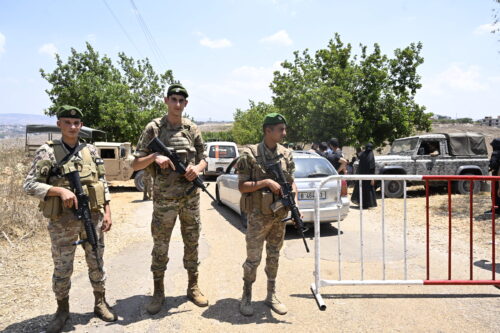
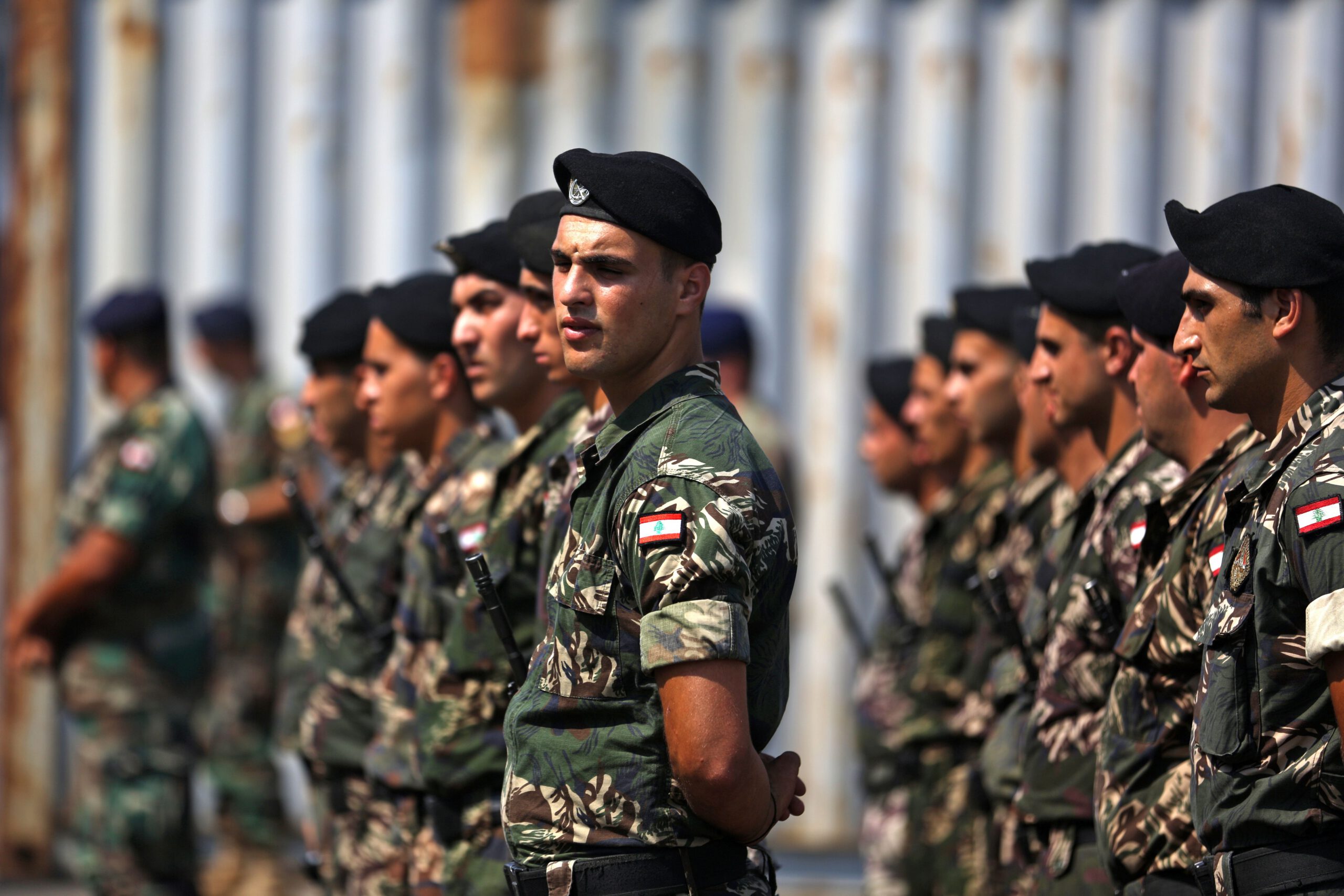
Repeated crises in Lebanon, including the COVID-19 pandemic, have highlighted the need for resilience in the Lebanese Armed Forces (LAF). Amid the current acute economic and financial crisis facing the country, there are warning signs about the LAF’s incapacity to continue, as the resources at its disposal and popular confidence in its effectiveness have both been degraded. In light of the current challenges and those that may lie ahead, the LAF needs to become more resilient, able to both adapt and strengthen as an organization, while also ensuring public security, the conditions of its personnel, and its own long-term status.
The 3+3 format in the South Caucasus doesn’t add up
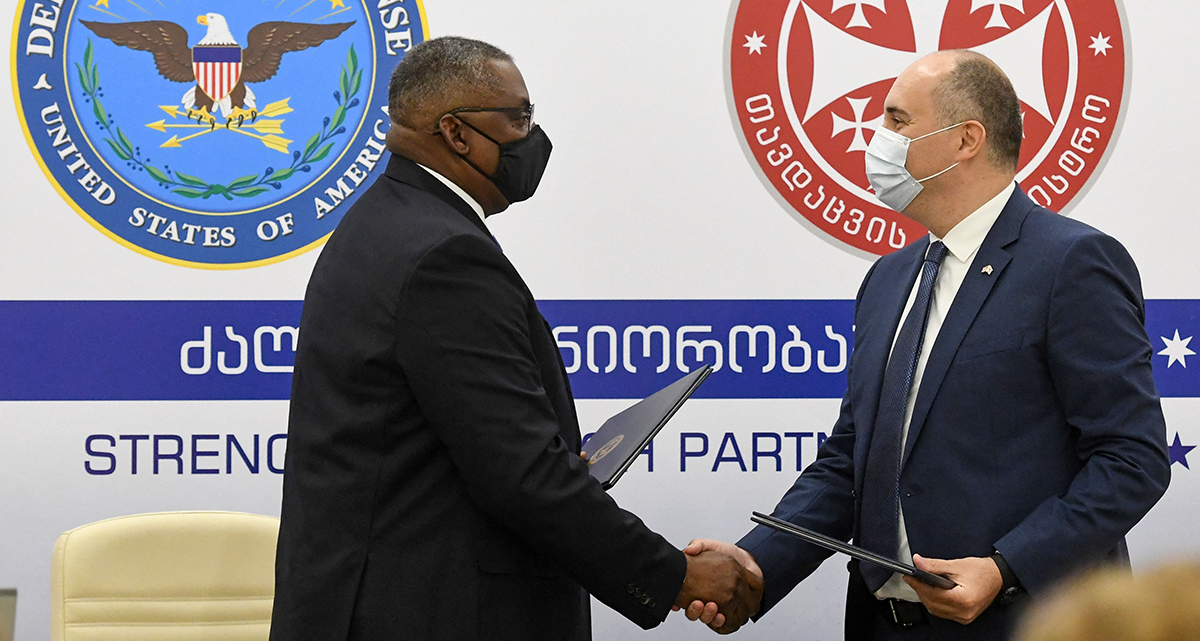
During his recent visit to Tbilisi, U.S. Defense Secretary Lloyd Austin poured cold water on the idea of American support for a so-called “3+3 format” in the South Caucasus. When asked about the proposal, he said, “I would just say that Russia, which currently occupies 20% of Georgia’s territory, should focus on honoring its 2008 cease-fire commitments before promoting any new discussion platforms.”
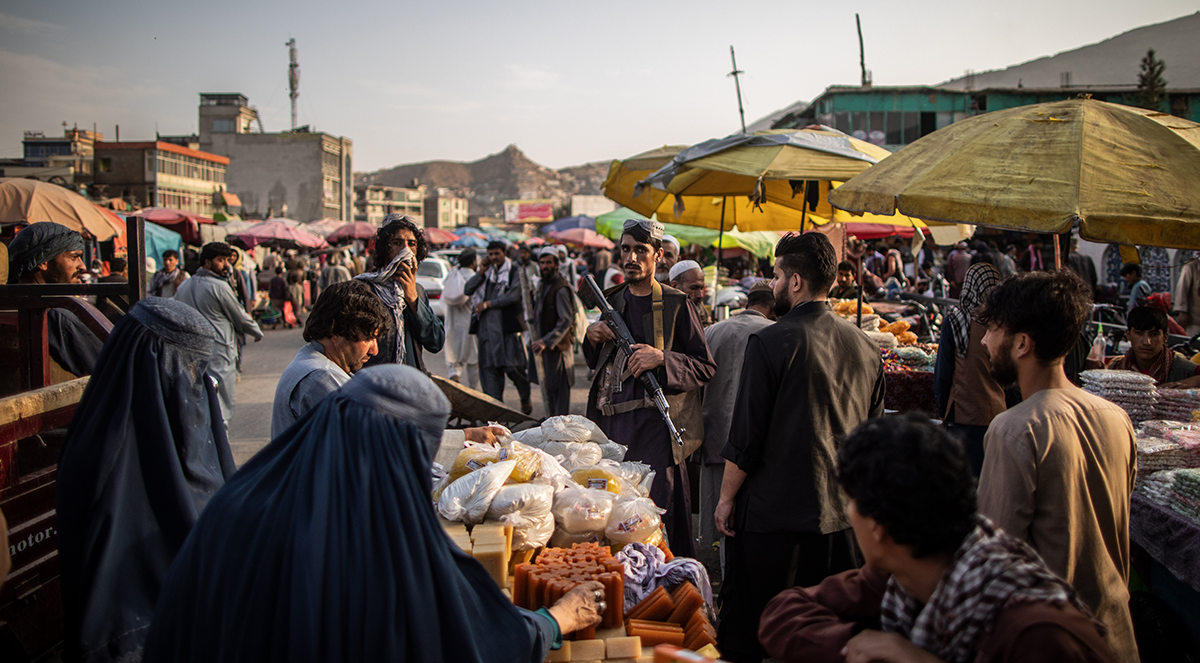
Afghanistan’s economy is collapsing. The Taliban’s forceful seizure of power led to a curtailment of almost all foreign aid, a devastating development for a nation overwhelmingly dependent on international assistance. Widespread drought, pervasive corruption, the perennially inadequate use of the country’s human capital, and a population largely unvaccinated against COVID-19 have exacerbated this longstanding problem of foreign financial dependence.
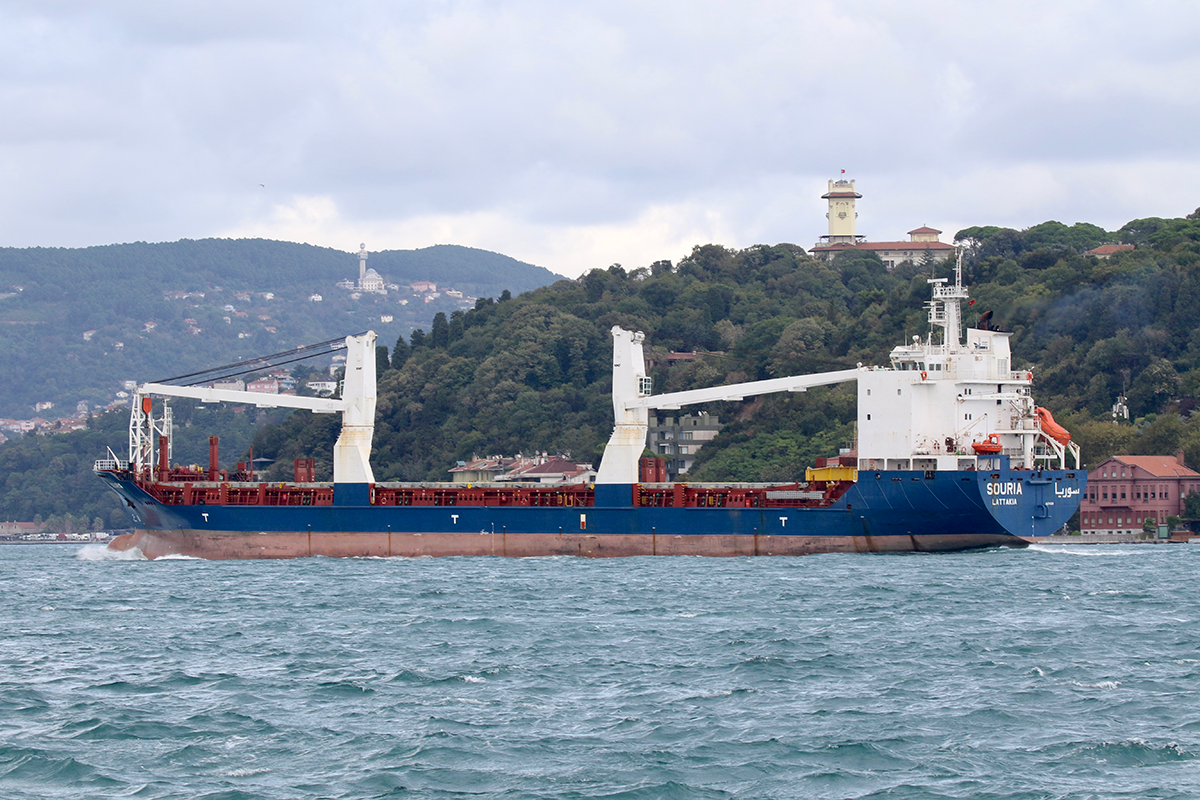
A storm brews over the Black Sea: Turkey’s contradictory maritime policy
Turkey’s official policy supports the territorial integrity of Ukraine and Georgia, and it sells UAVs and ships to Ukraine. Yet, trade continues with the Russian-occupied territories of Abkhazia and Crimea. By allowing this illegal trade, Turkey undermines both its own credibility and its trading partners’ security. Shipped goods not only help connect occupied zones to Russia, but trade also brings hard currency into these zones, which are outside the international banking system.
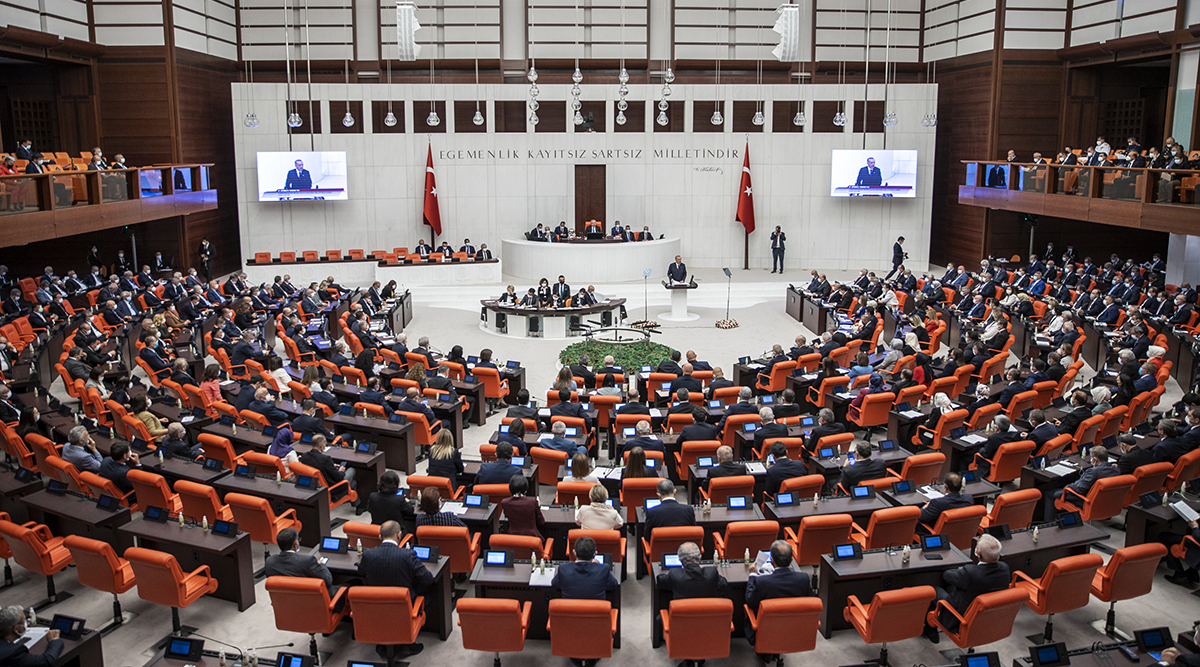
Turkey finally ratified the Paris Agreement. Why now?
Turkey, like many countries worldwide, has recently faced severe environmental events. Suffering from floods and the worst wildfires in its history in the summer of 2021, the country finally took an important step to tackle climate change, ratifying the Paris Agreement international treaty on climate change on Oct. 6, 2021.
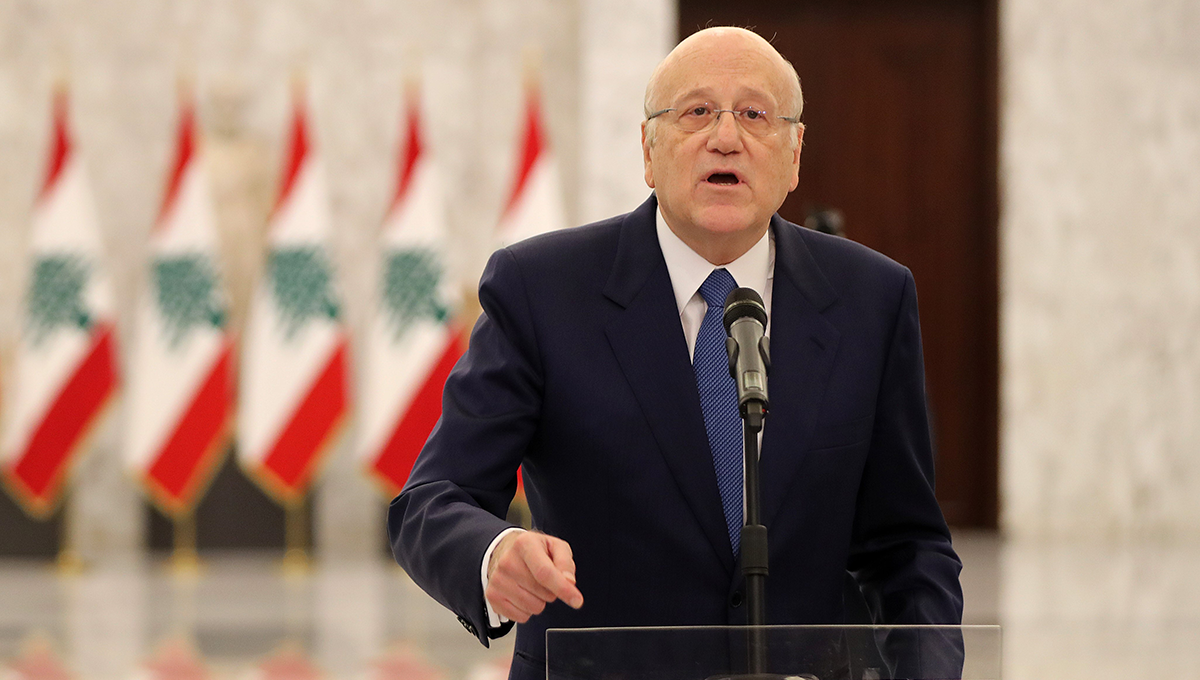
Why Hezbollah wanted the Ministries of Finance and Public Works
After 13 months of political gridlock, economic collapse, and civil unrest, Lebanese politicians formed a new government on Sept. 10. Three-time Prime Minister Najib Mikati heads a new cabinet, the first since the previous one resigned in the wake of Beirut’s devastating port blast in August 2020. Though the formation of a new government provides a way forward to address the myriad crises facing the country, it falls far short of the near-revolutionary changes demanded by Lebanese citizens protesting in the streets. Instead of non-partisan specialists forming a new unity government, Lebanon’s notorious sectarian elites have handpicked a government of technocrats close to them to handle the current situation, the most brazen of which are the new ministers of finance and public works.
Has Israel’s campaign between the wars reached an impasse?
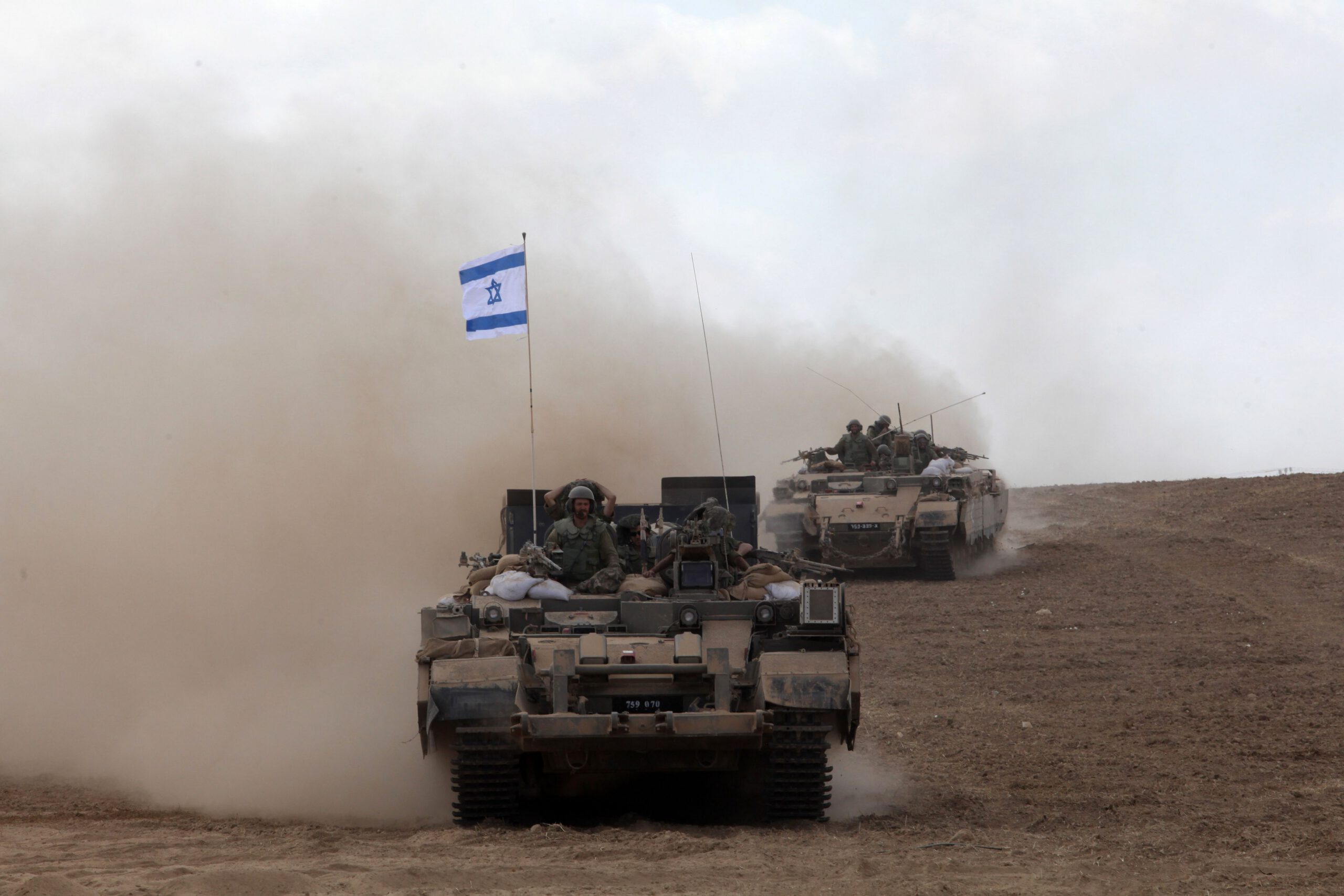
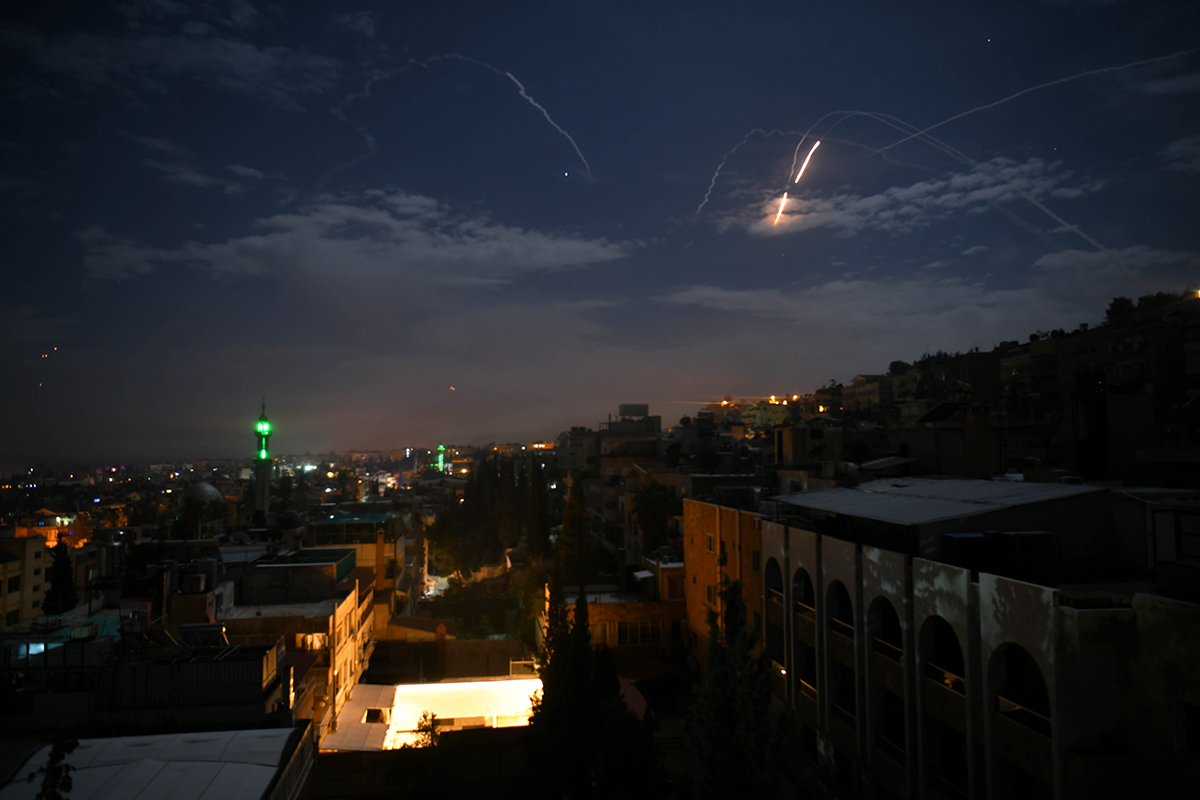
In recent years, Israel has waged a campaign against the military buildup of its enemies, mainly Iran, Syria, and Hezbollah. This ongoing effort is called “the campaign between the wars,” or the Mabam Campaign. Several events in recent weeks have given rise to questions about the effectiveness of this campaign, however, and have underscored the need to rethink its future.
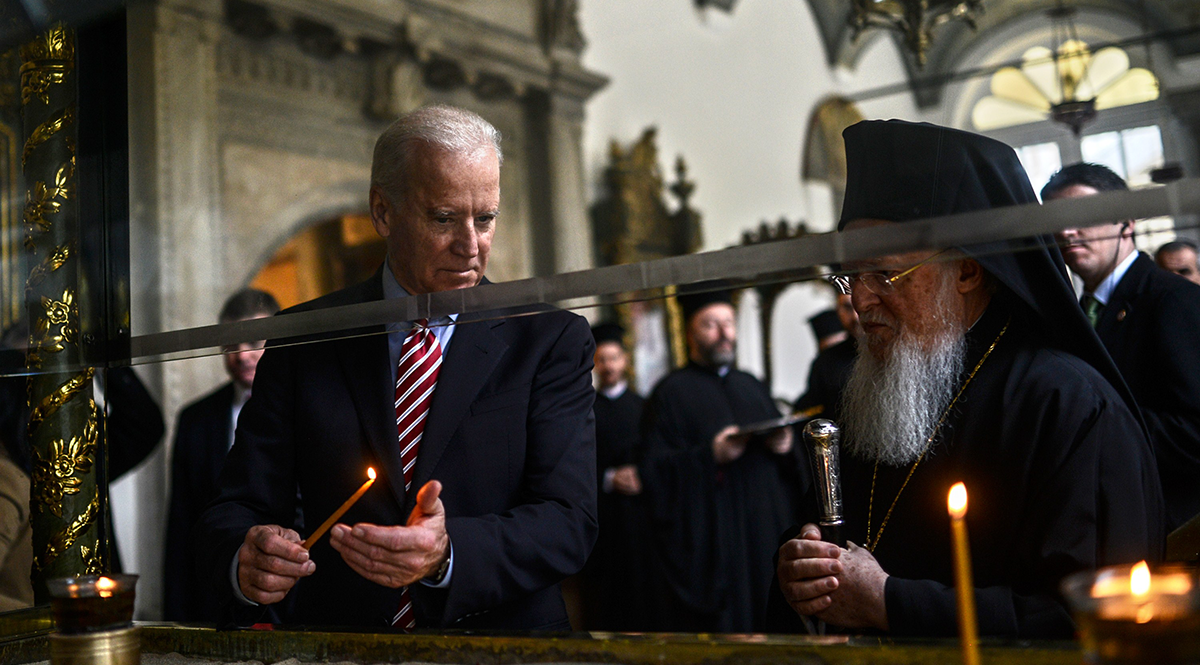
لقاء بايدن في البيت الأبيض مع البطريرك المسكوني يوفر فرصة فريدة
سيزور برثلماوس الأول، البطريرك المسكوني للقسطنطينية والزعيم الروحي لما يقرب من 300 مليون مسيحي أرثوذكسي على مستوى العالم، الولايات المتحدة بين 23 أكتوبر/تشرين الأول و3 نوفمبر/تشرين الثاني. وسيعلن بدء الاحتفال بالذكرى المئوية لتأسيس أبرشية الروم الأرثوذكس بأمريكا في زيارته الأولى للولايات المتحدة الأمريكية منذ 12 عامًا. ستكون المحطة الأولى للبطريرك المسكوني هي واشنطن العاصمة، حيث من المقرر أن يلتقي بالرئيس جو بايدن في البيت الأبيض.
The oldest peer-reviewed publication dedicated to the study of the modern Middle East, MEI’s flagship journal covers politics, society, and culture in the region.