Unlocking the Levant: Why the United States and Syria Must Pursue a Bilateral Trade and Investment Agreement
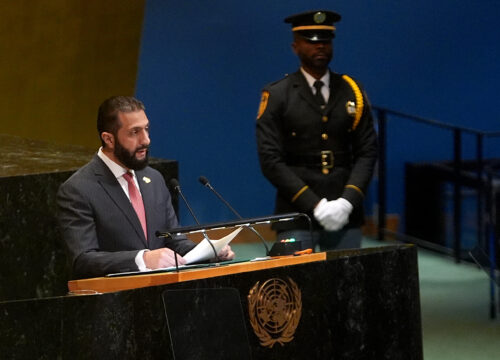
Apart from the brief honeymoon period between 1961 and 1963 under President John F. Kennedy and President Nazim al-Qudsi, US-Syria relations have never held such optimistic potential as they do today. Today, following the fall of Bashar al-Assad regime and the rise of a new government under President Ahmad al-Sharaa at the end of 2024, a new geopolitical window has opened.
Consolidating Sovereignty, Security and Peace: Time to Step up the Game
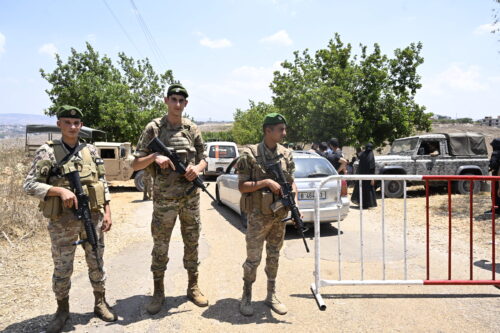
Although it has been a frustrating summer, Lebanon remains on the right track. My observation after a ten-day visit to Beirut and Jerusalem this month is that leaders in both capitals remain strongly committed to a shared objective.
The Pro-Al Qaeda Indonesian Connection with HTS in Syria: Security Implications
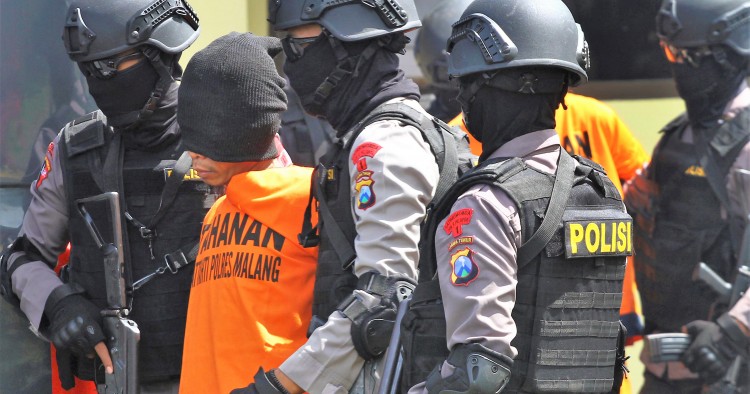
Despite being largely low-key and limited in nature, ties between pro-Al Qaeda jihadists operating in Indonesia and Syria respectively continue to exist. Recent activity involving Jemaah Islamiyah (JI) and other militant Indonesian groups illustrates the potential security risks from this nexus, which should not be overlooked.
A Comprehensive Review of the Effectiveness of US and EU Sanctions on Syria
The subject of Western sanctions on Syria is a divisive one among analysts and policymakers interested in ending the misery of the country’s citizens. The division comes at a time when, more than ever, the country needs a comprehensive policy that ends the agony of most Syrians. This study assesses the effectiveness of the sanctions imposed on the regime of Bashar al-Assad by conducting a comprehensive review of their history, evaluating shortcomings in the current setup, and recommending ways to move forward.
Facing the abyss: Refugees and the Beirut port explosion one year later
On the first anniversary of the catastrophic explosion at the Beirut port last August, Lebanon is threatened by political discord and economic collapse. The past year has been difficult for the average Lebanese citizen and it has been even worse for the country’s most marginalized communities. The ripple effects of the overlapping political, economic, and health crises have pushed the vast majority of refugees and migrant workers into extreme poverty. These communities now stand on the edge of the abyss.
Unforgiven and unforgotten: Beirut’s port blast one year on
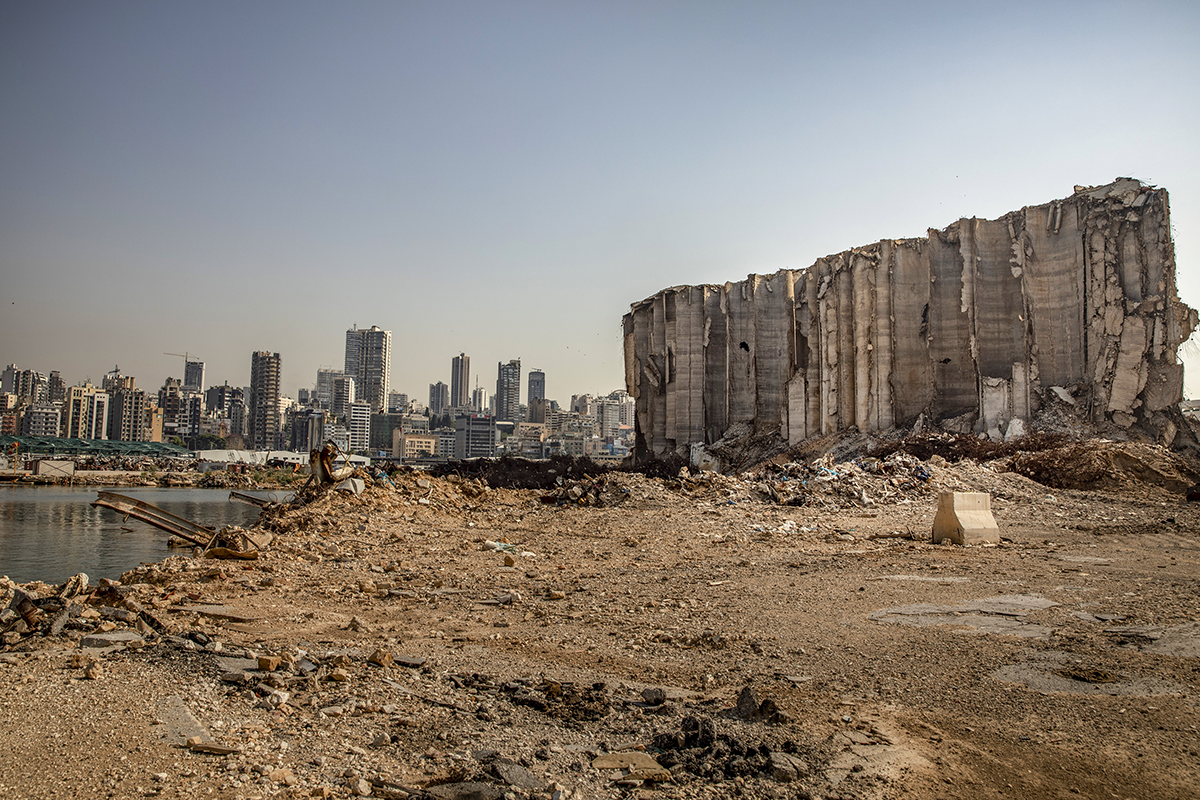
On August 4, 2020, images out of Beirut shocked the world. Hundreds of tons of ammonium nitrate exploded in the capital’s port, destroying most of the city and leaving behind 206 victims, thousands of injured, and hundreds of thousands of displaced. In this series, guest contributors join MEI’s resident and non-resident experts to reflect upon the political, legal, urban, and foreign policy implications of what may well be Lebanon’s crime of the century.
The EU and the Syrian conflict: A decade on, what comes next?
EU institutions and individual member states remain committed to the peaceful settlement of the Syrian conflict, but after 10 years the question of what to do next seems most pressing. Will the EU be a passive bystander, idly watching the actions of other international players like Russia, China, Iran, or Saudi Arabia, or will it take on a more active role? And what would such a role look like?
Testimony | “Lebanon: Assessing Political Paralysis, Economic Crisis, and Challenges for U.S. Policy”
The following testimony was presented to the House Foreign Affairs Subcommittee on the Middle East, North Africa, and Global Counterterrorism on July 29, 2021.
Chairman Deutsch, Ranking Member Wilson, distinguished Members of the Subcommittee, thank you for this opportunity to offer my thoughts on the unfolding economic and political crises in Lebanon, and their implications for U.S. policy.
On August 4, 2020, a cache of improperly stored ammonium nitrate caused a devastating blast in the port of Beirut. Chris Abi-Nassif, Mona Fawaz, and Aya Majzoub join host Alistair Taylor to discuss the investigation into the blast, the reconstruction process, and the political, economic, and social impact in Lebanon.
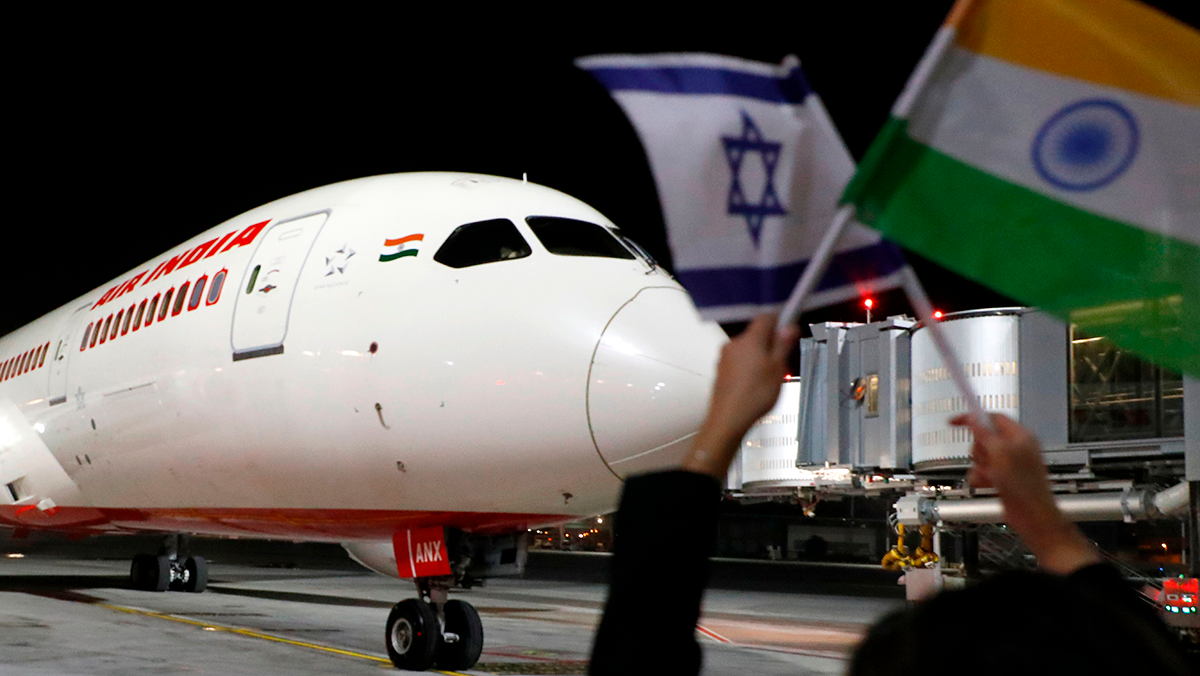
An Indo-Abrahamic alliance on the rise: How India, Israel, and the UAE are creating a new transregional order
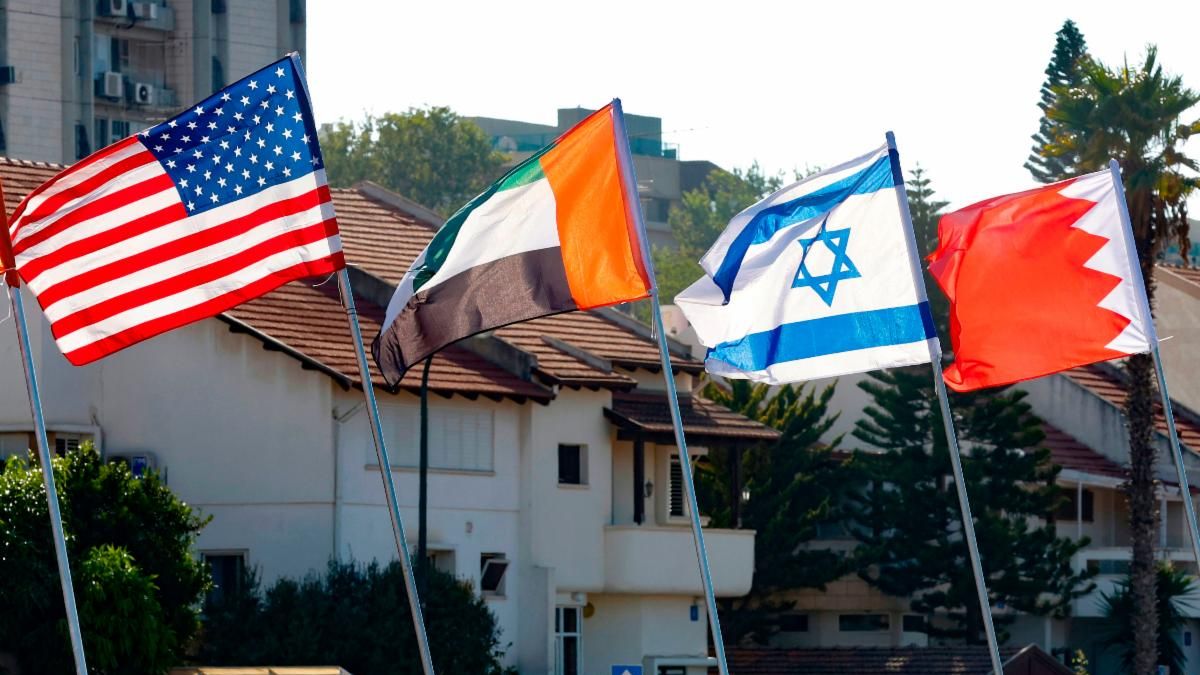
There is a new and little noticed geostrategic alliance on the rise. India, Israel, and the UAE have had surface-level, transactional relations for a long time. However, last year’s normalization agreements between Israel and several Arab states — chief among them, the UAE — along with Turkey’s bid to return as the leader of a Muslim order and the growing distance between the UAE and Pakistan have created an unlikely and unprecedented “Indo-Abrahamic“ transregional order. This emerging multilateral pact may fill the gap the United States is leaving in the Middle East and has the potential to transform the region’s geopolitics and geoeconomics.
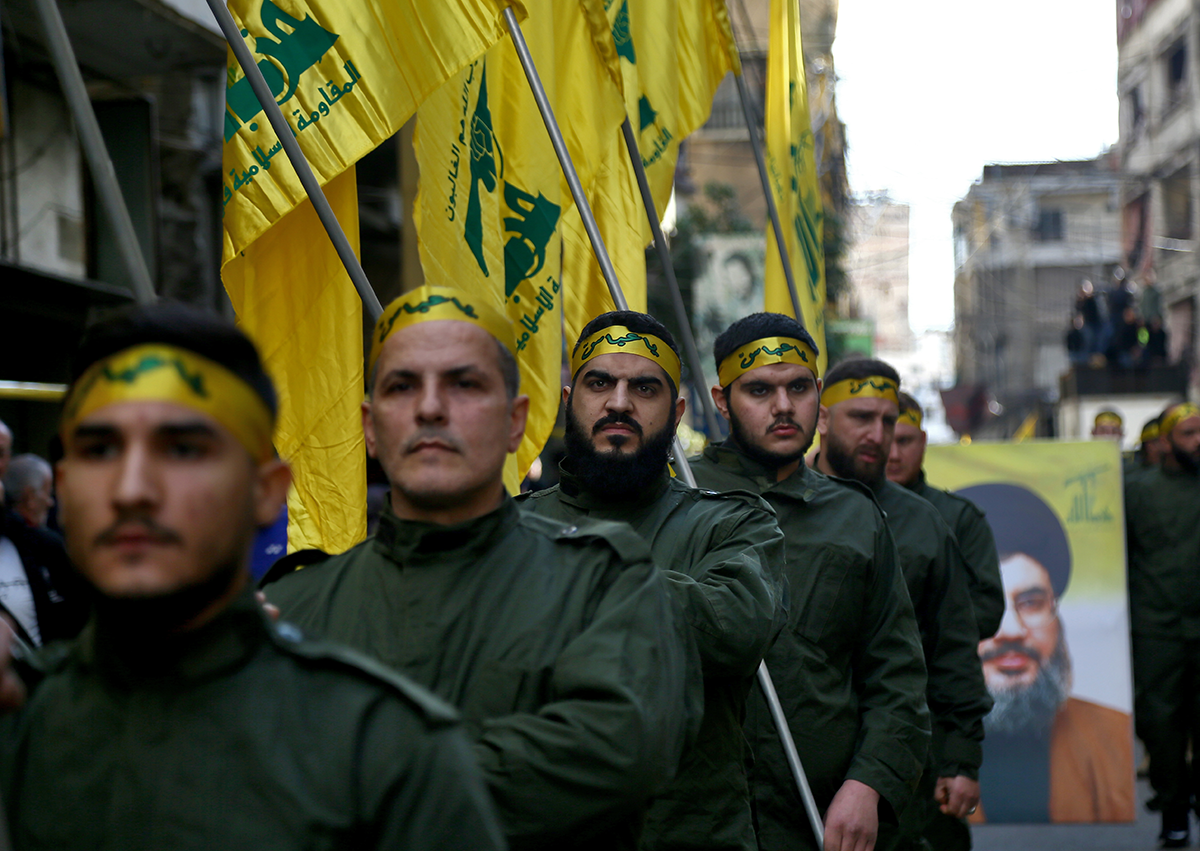
Hezbollah’s Regional Activities in Support of Iran’s Proxy Networks
As a Lebanese actor ideologically tied to Iran, Hezbollah has multiple allegiances and objectives that do not always align symmetrically. Hezbollah’s regional activities are a reflection of the group’s increasingly close alignment with Iran, rather than the interests of the Lebanese state or citizenry. Today, Hezbollah’s regional adventurism is most pronounced in its expeditionary forces deployed in Syria and elsewhere in the region, but no less important are the group’s advanced training regimen for other Shi’a militias aligned with Iran, its expansive illicit financing activities across the region, and its procurement, intelligence, cyber, and disinformation activities. Together, these underscore the scale and scope of the group’s all-in approach to transforming from one of several Lebanese militias into a regional player acting at Iran’s behest.
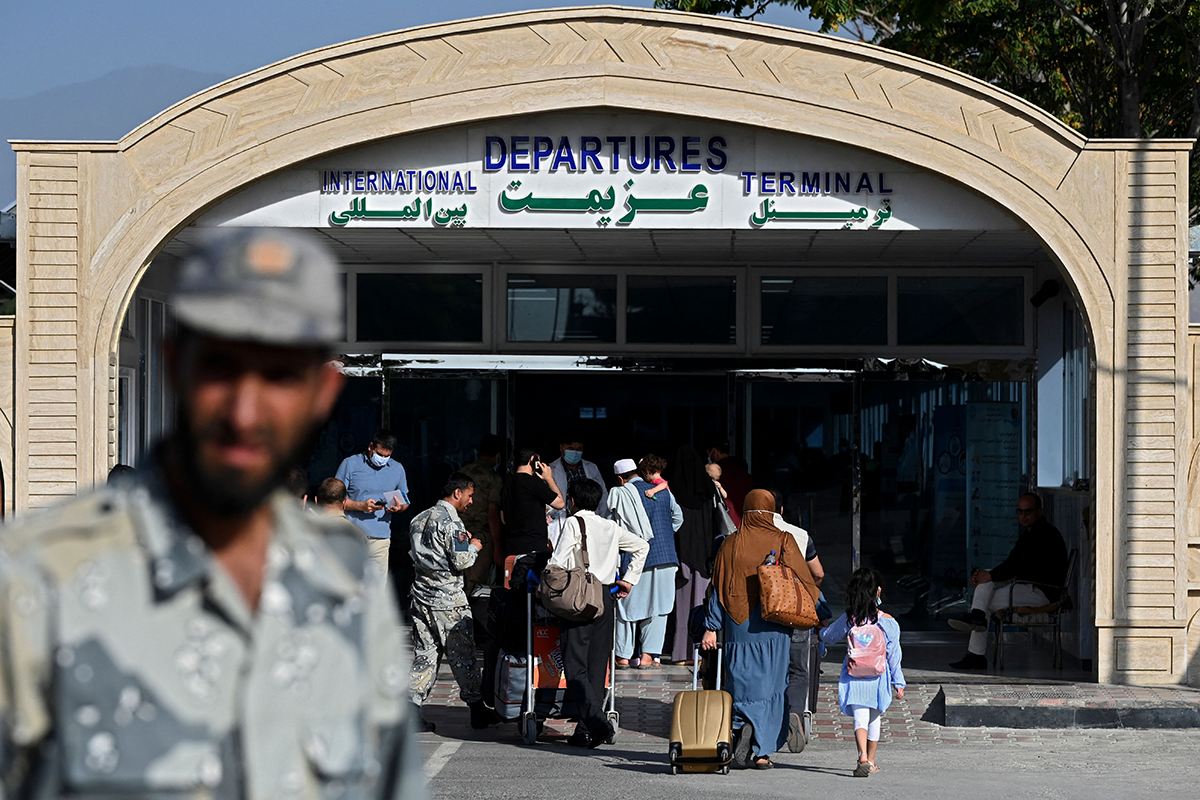
In a politically significant statement, Turkish President Recep Tayyip Erdoğan has asked the Afghan Taliban to “end the occupation of their brothers’ soil.” This follows a Taliban warning of severe consequences if Turkey were to remain in charge of security at Kabul Airport after the exit of American troops. Erdoğan’s message is likely to be interpreted differently by different stakeholders in the unfolding Afghan tragedy, a situation characterized by escalating violence, political uncertainty, and regional chaos.
روسيا تنهي مهمة إعادة هيكلة الجيش السوري.. بعد الفشل
منذ بداية الانتفاضة السورية مايو 2011 وحتى صيف العام 2015، فشلت الميليشيات الإيرانية إلى جانب الجيش السوري والميليشيات المحلية في إعادة السيطرة على البلاد، على الرغم من العدد الهائل لمجموع هذه القوات أمام المتمردين الذين كانت حركتهم فوضوية في مقابل أجهزة أمنية وقوات منظمة، حيث سيطرت هذه القوات المتمردة على النظام السوري مساحات واسعة من سوريا.
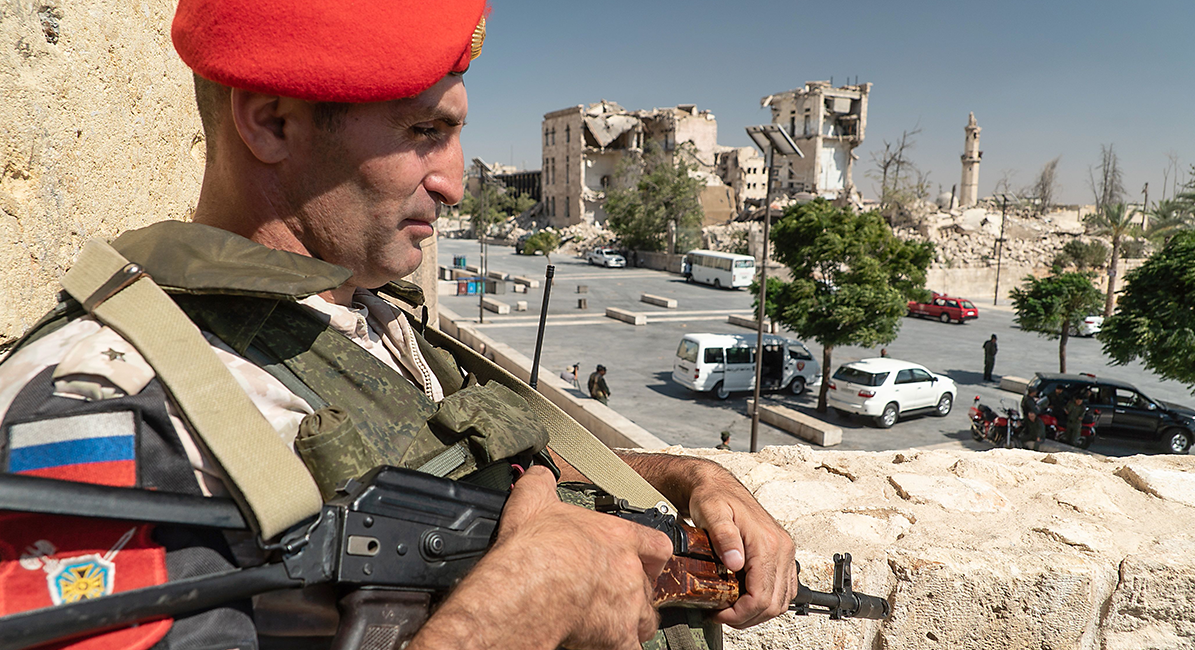
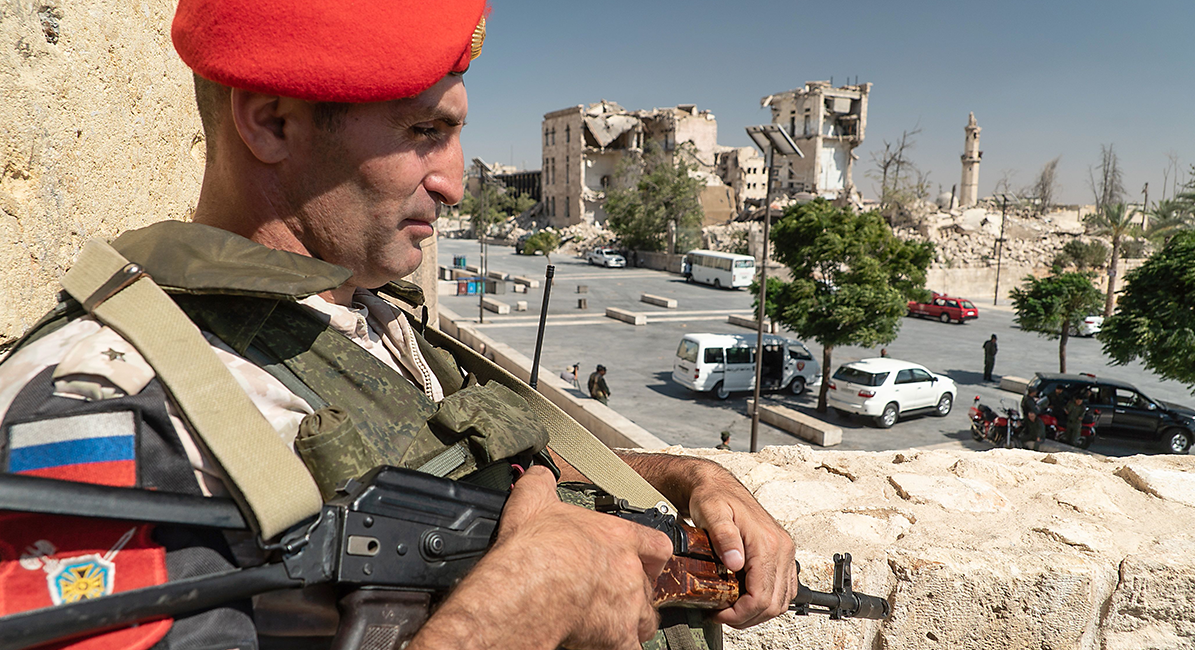
Russia’s failed efforts to restructure the Syrian army
The Russian military intervention in Syria in late 2015 brought about a clear change in the balance of power in the military, political, and psychological spheres. The Russian military, especially its air force, dramatically tipped the scales in the conflict between the armed opposition, the regime, and the Iranian militias. Moscow’s intervention was also accompanied by a project to regain control over the security and military situation in Syria, but this effort proved far less successful.
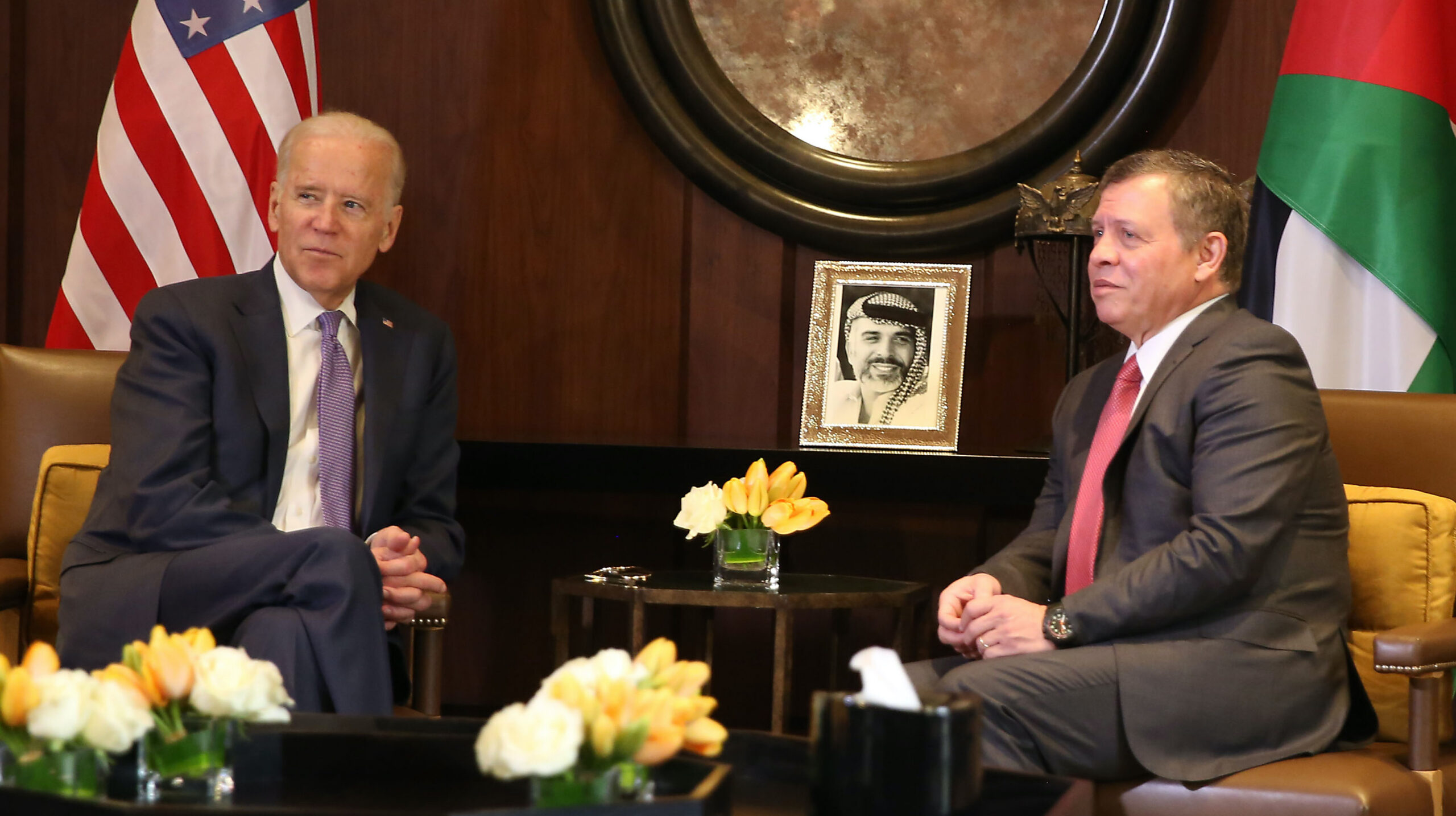
الملك عبد الله يصل إلى واشنطن ليبحث عن إعادة توجيه العلاقات مع أمريكا
التقى العاهل الأردني الملك عبد الله الاثنين بالرئيس جو بايدن، ليكون بذلك أول زعيم من منطقة الشرق الأوسط يقوم بهذه الزيارة، متطلعًا إلى إصلاح جوانب العلاقات الثنائية التي تأزمت خلال السنوات الأربع الماضية. وهو سيجد في الإدارة الجديدة فريقًا أكثر ميلًا لوجهة نظره بشأن القضايا الإقليمية عما كان عليه الحال في علاقته مع الإدارة الأمريكية السابقة.
The oldest peer-reviewed publication dedicated to the study of the modern Middle East, MEI’s flagship journal covers politics, society, and culture in the region.