Unlocking the Levant: Why the United States and Syria Must Pursue a Bilateral Trade and Investment Agreement
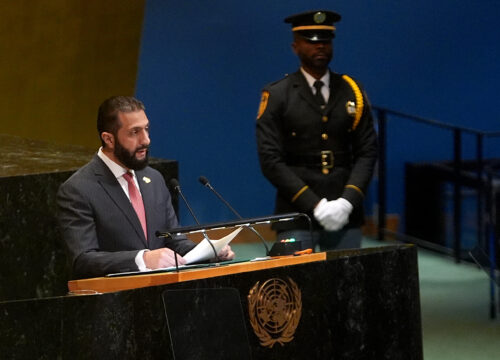
Apart from the brief honeymoon period between 1961 and 1963 under President John F. Kennedy and President Nazim al-Qudsi, US-Syria relations have never held such optimistic potential as they do today. Today, following the fall of Bashar al-Assad regime and the rise of a new government under President Ahmad al-Sharaa at the end of 2024, a new geopolitical window has opened.
Consolidating Sovereignty, Security and Peace: Time to Step up the Game
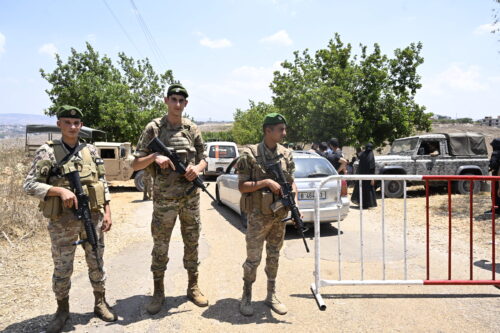
Although it has been a frustrating summer, Lebanon remains on the right track. My observation after a ten-day visit to Beirut and Jerusalem this month is that leaders in both capitals remain strongly committed to a shared objective.
HTS is not al-Qaeda, but it is still an authoritarian regime to be reckoned with
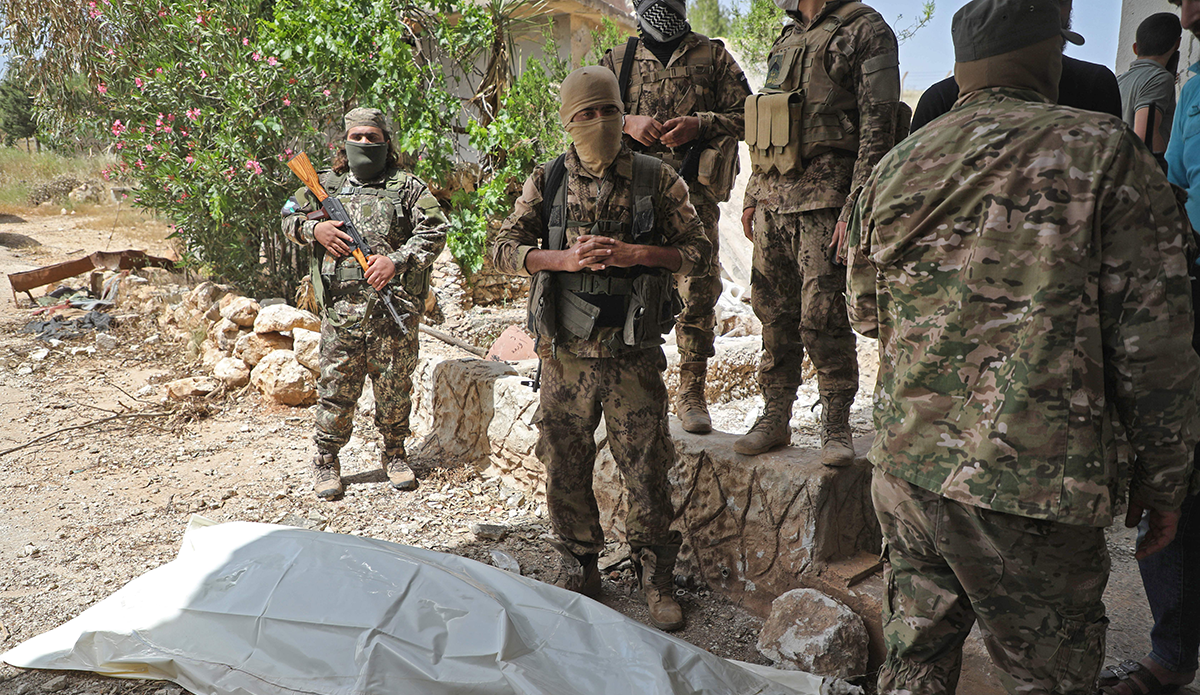
On June 1, PBS Frontline released a documentary entitled “The Jihadist,” which includes an interview by American journalist Martin Smith with al-Jolani, now the leader of Hayat Tahrir al-Sham (HTS), who “opened his heart” about the past, present, and future of his group. The interview revived the question of whether the international community should believe al-Jolani’s claims about his group’s transformation from global jihadism to a local focus and his denial of the allegations of torture in its prisons. This article argues that while HTS’s transformation and split from al-Qaeda is real, al-Jolani must be pressured to share power over Idlib and loosen his group’s authoritarian grip, which is causing grievances that in the long term will push locals into the hands of radical groups like ISIS and al-Qaeda.
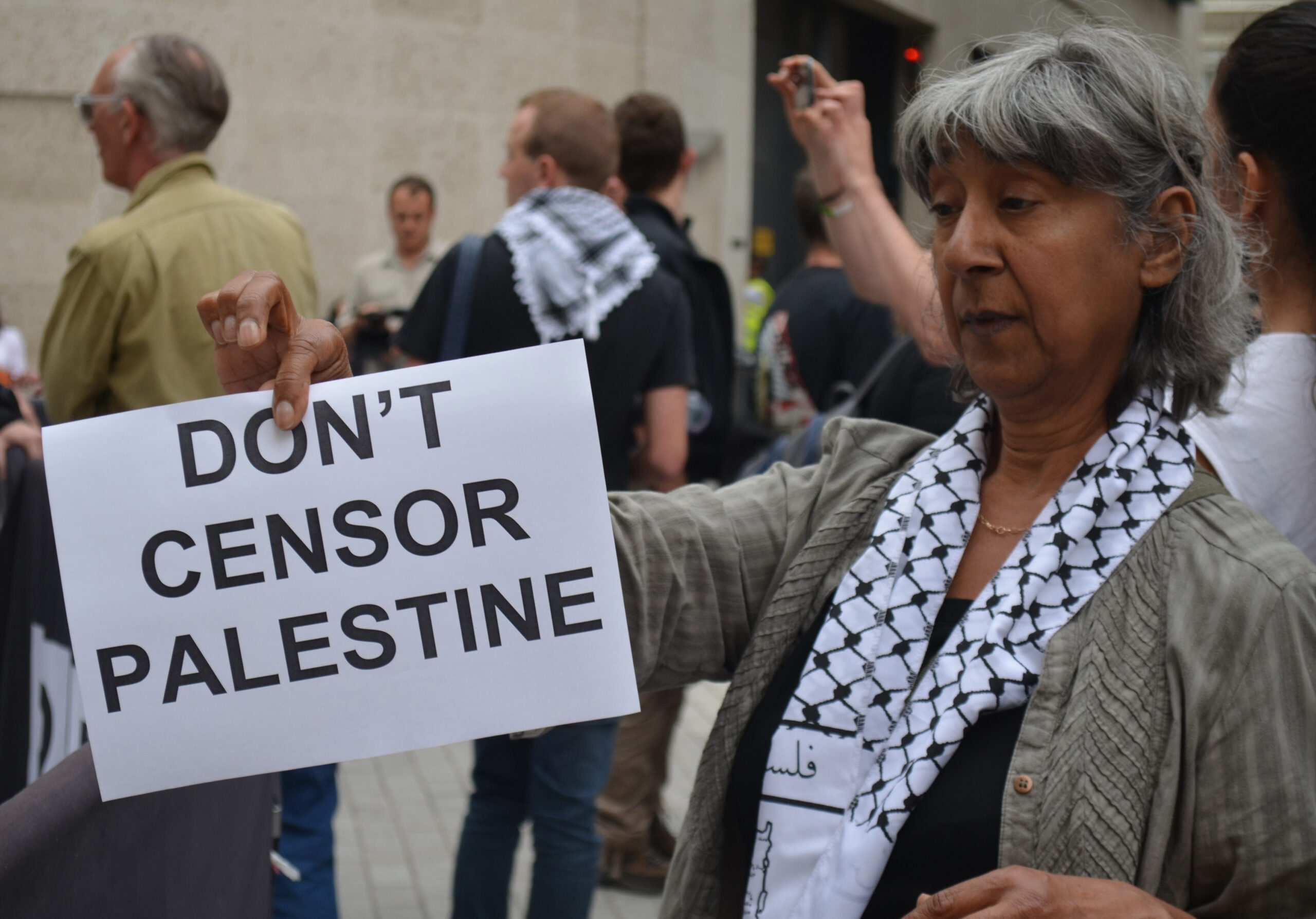
The “Palestinian exception”: Social media censorship of Palestinian activism
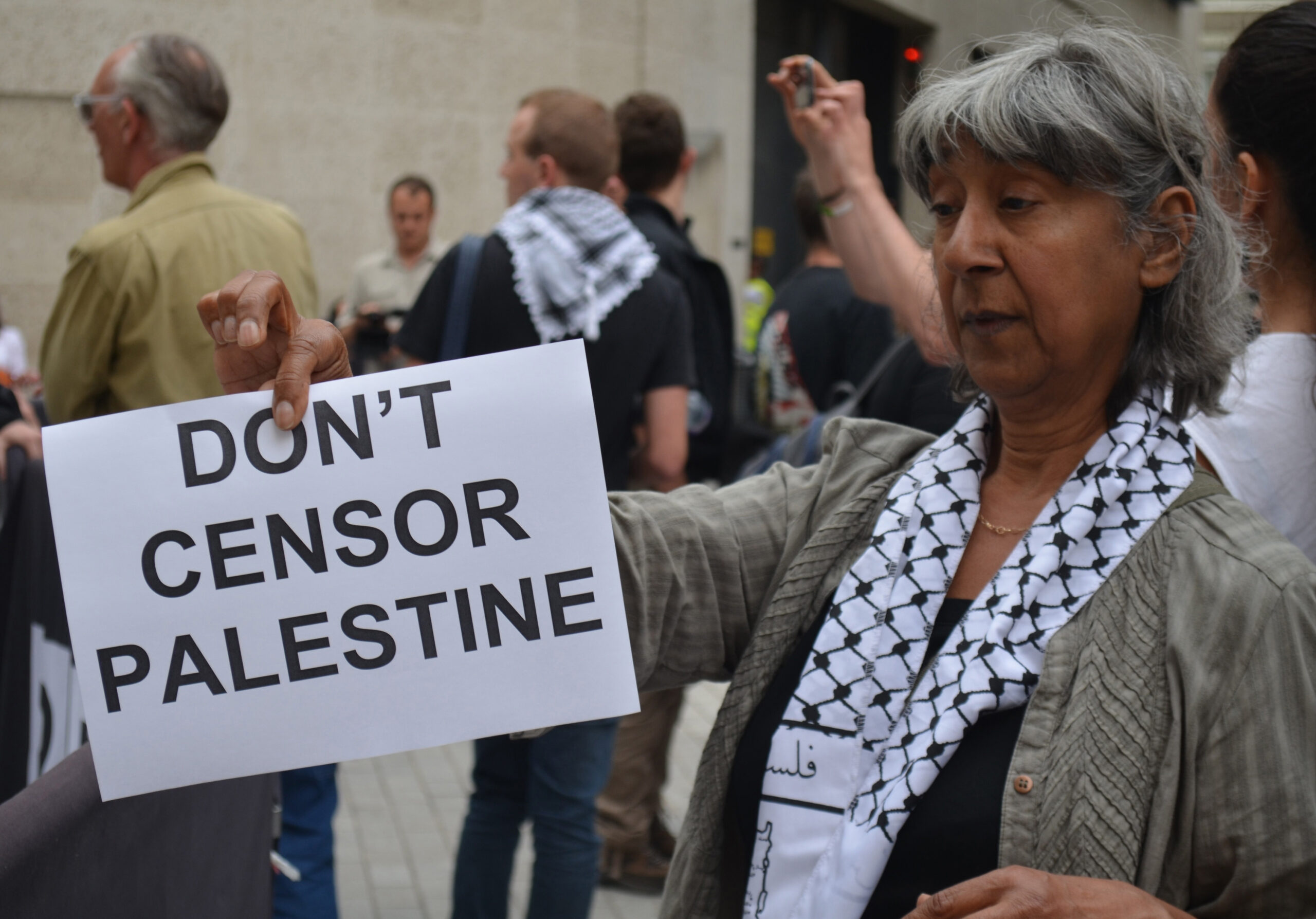
In a landscape of suppression and retaliation against Palestinian journalists and activists at the hands of Israel, social media networks have been at once critical organizing platforms and tools for exacerbating censorship.
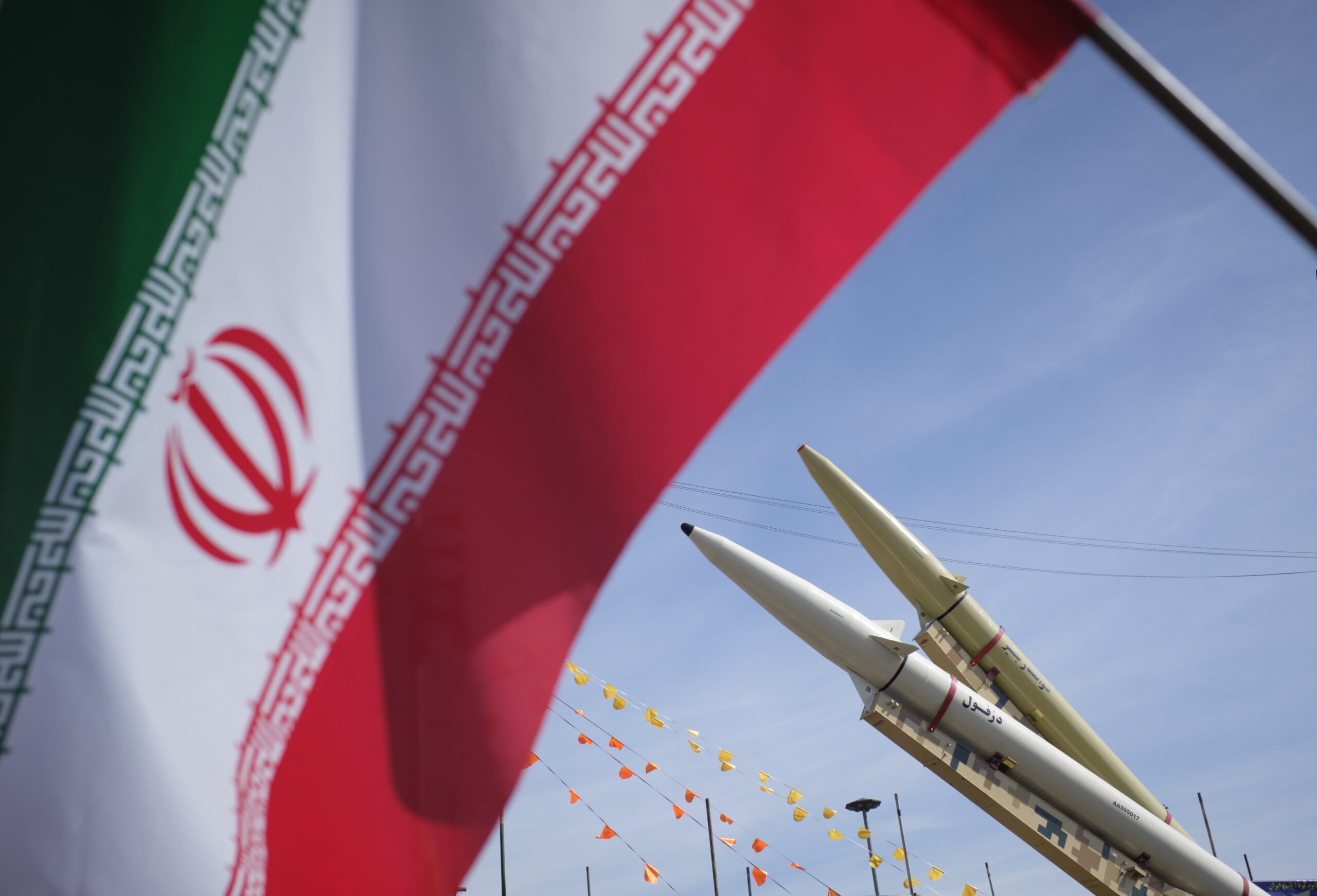
Israel's counter-Iran strategy: Significant accomplishments, but a negative trend
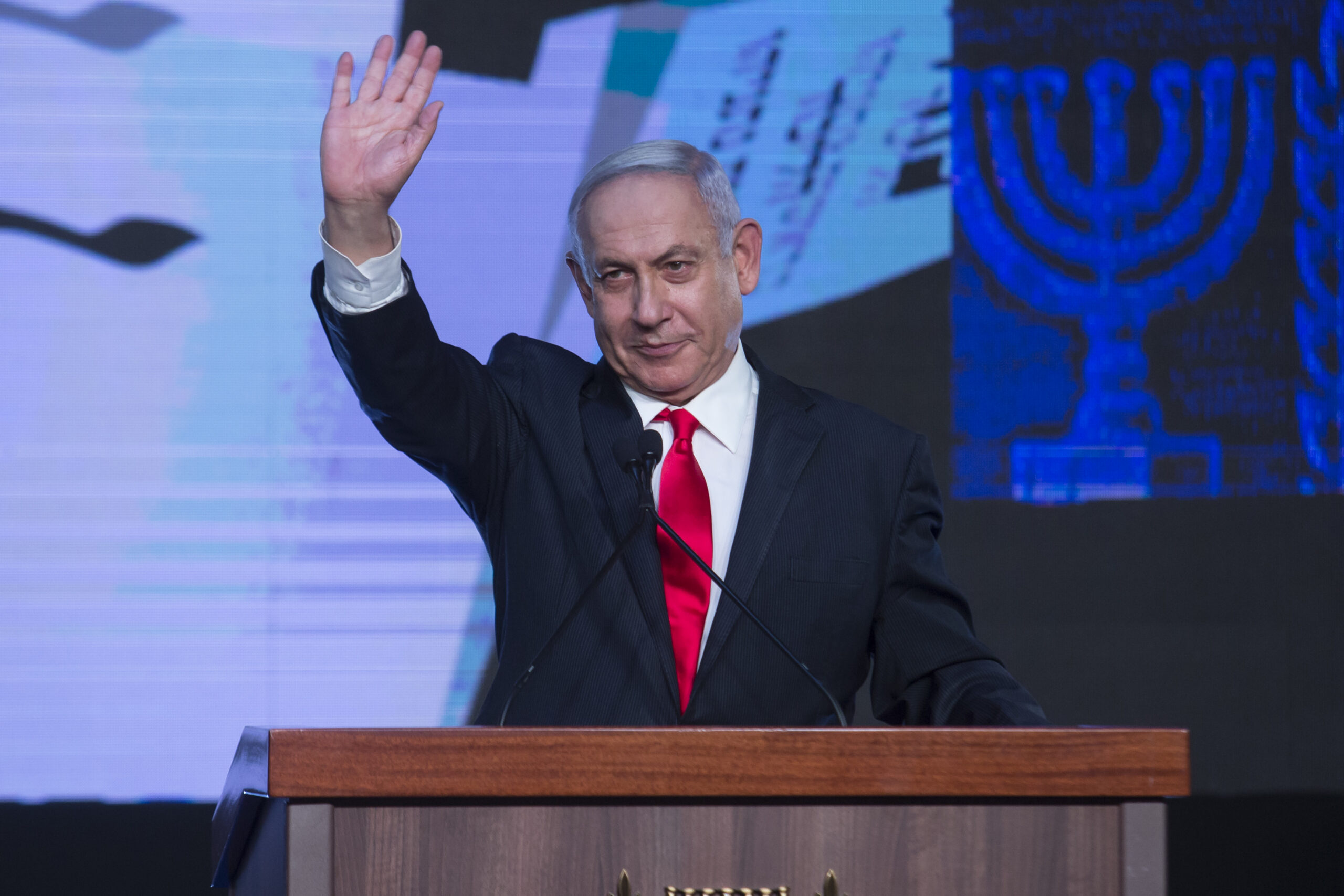
One of the first foreign policy decisions facing Israel’s new government will be if it wants to maintain or modify the policy spearheaded by Netanyahu to counter the United States’ determined effort to return to the 2015 nuclear deal with Tehran. Moreover, the new government needs to assess how successful the maximalist approach Israel has embraced since the negotiations between Iran and the great powers began about two decades ago has been, and to what extent it has pushed the international community to refrain from making concessions and compromises vis à vis Iran.
The Trilemma of Power, Aid, and Peacebuilding in the Israeli-Palestinian Context
On Dec. 21, 2020, the United States Congress passed the Nita M. Lowey Middle East Partnership for Peace Act. The new law provides $250 million over five years to expand peace and reconciliation programs between Israelis and Palestinians as well as to support projects bolstering the Palestinian economy. But such programs are unlikely to be effective because the whole approach on which they are based is structurally flawed in two critical ways: first, because it is disconnected from local political, social, cultural, and economic processes and expectations; and second, because it tends to reinforce the inequalities that sustain the conflict between the two sides while undermining the declared goals of this intervention.
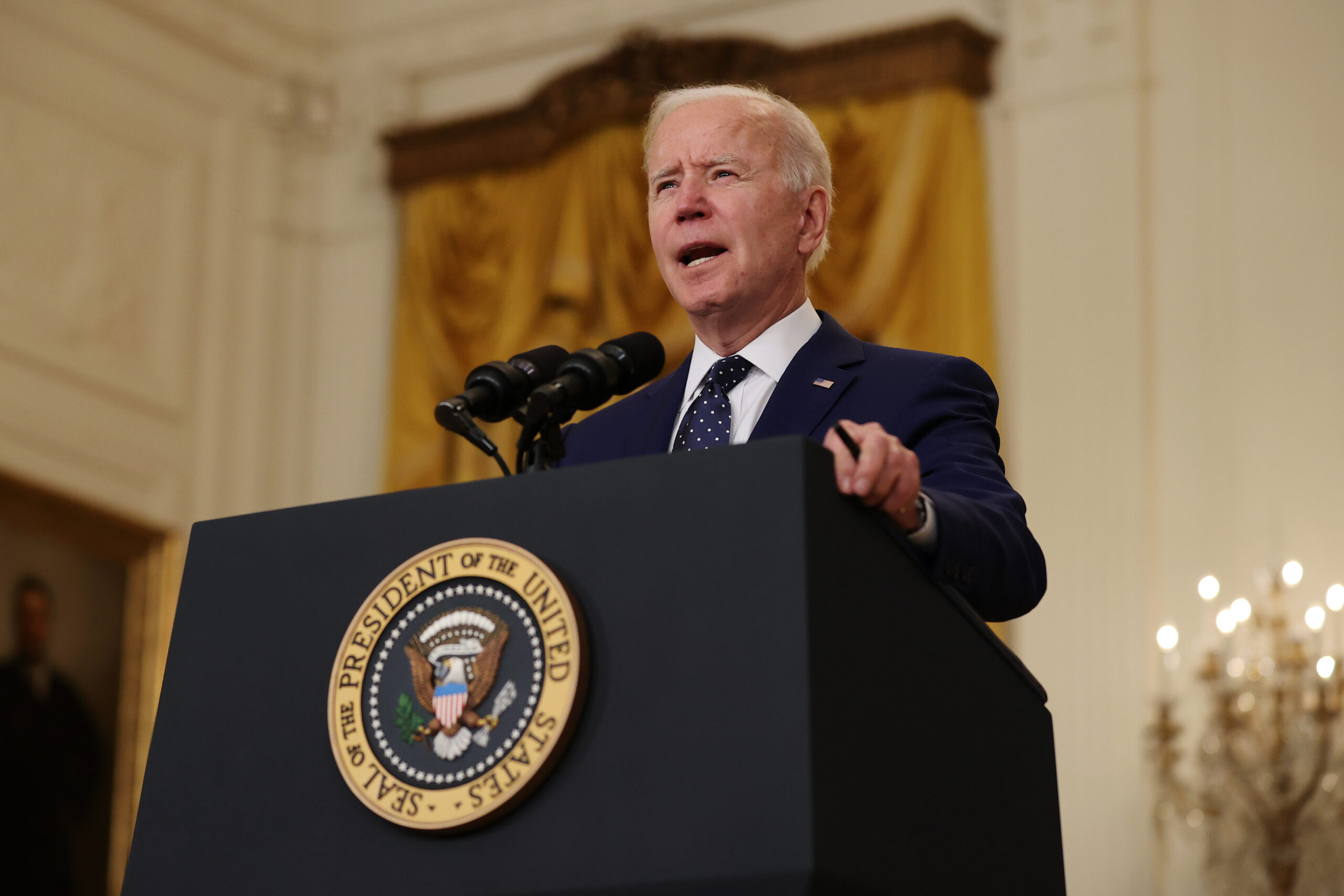
Up for Debate: The Biden administration's approach to Israel/Palestine
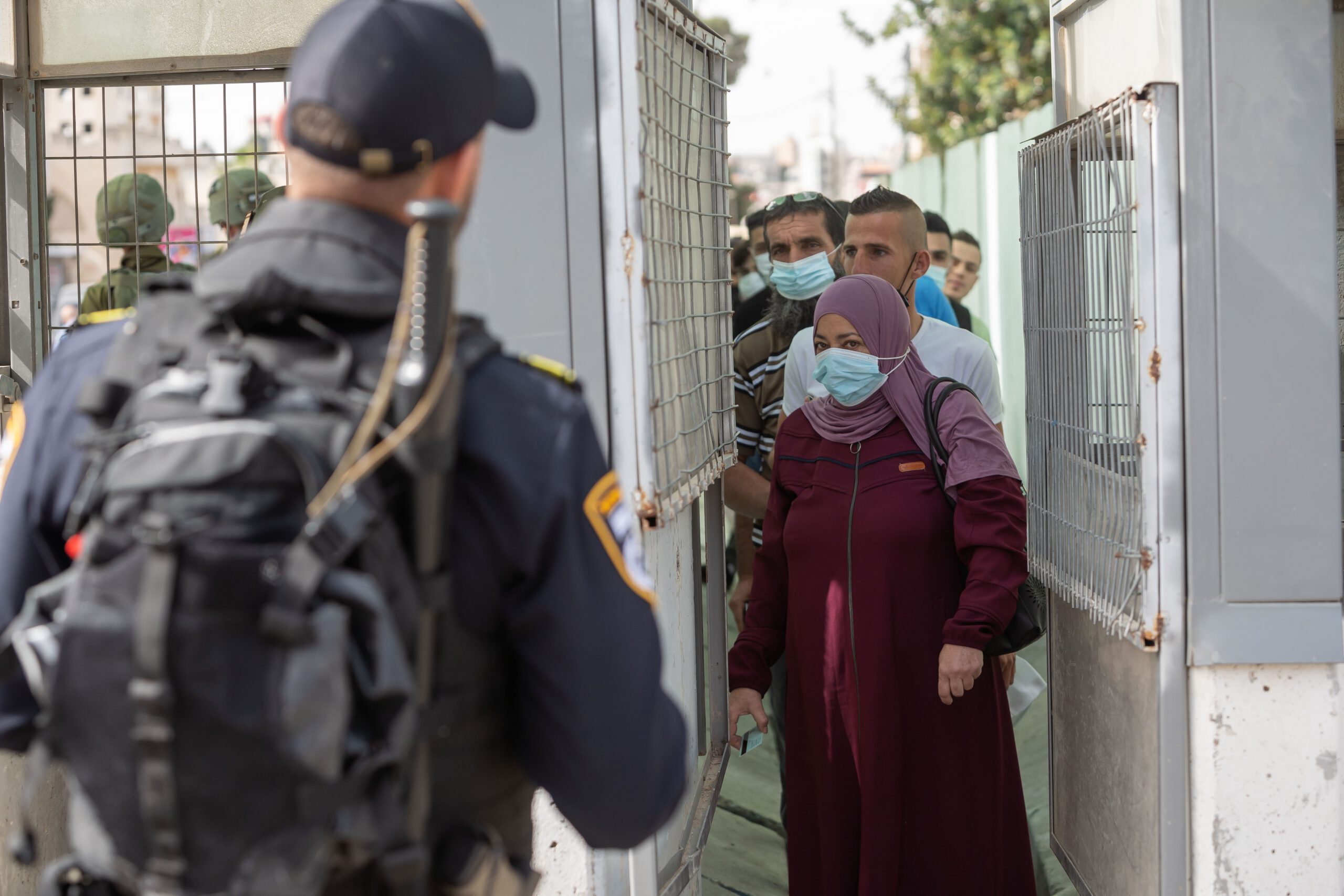
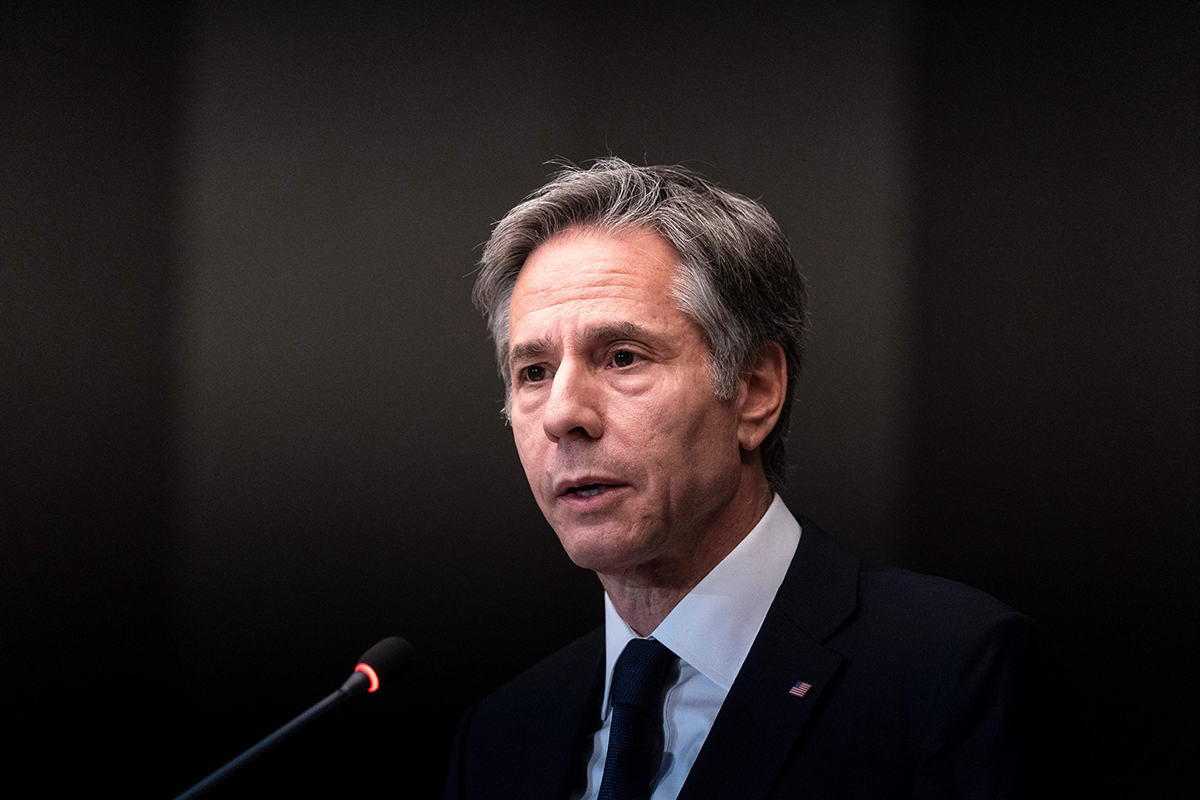
The Biden administration has repeatedly said that Israelis and Palestinians “deserve equal measures of security, freedom, opportunity and dignity” (sometimes expressed as “equal measures of freedom, security, dignity and prosperity”). Since the recent crisis in Gaza and East Jerusalem, Secretary of State Antony Blinken and other U.S. officials have reiterated this formula in one form or another. What is its significance? What does (or should) it mean in the context of the Biden administration’s approach to Israel/Palestine — particularly given the dire humanitarian situation in Gaza, pending expulsions in East Jerusalem, and ongoing settlement expansion in the occupied West Bank and East Jerusalem? We asked eight experts to weigh in with their thoughts.
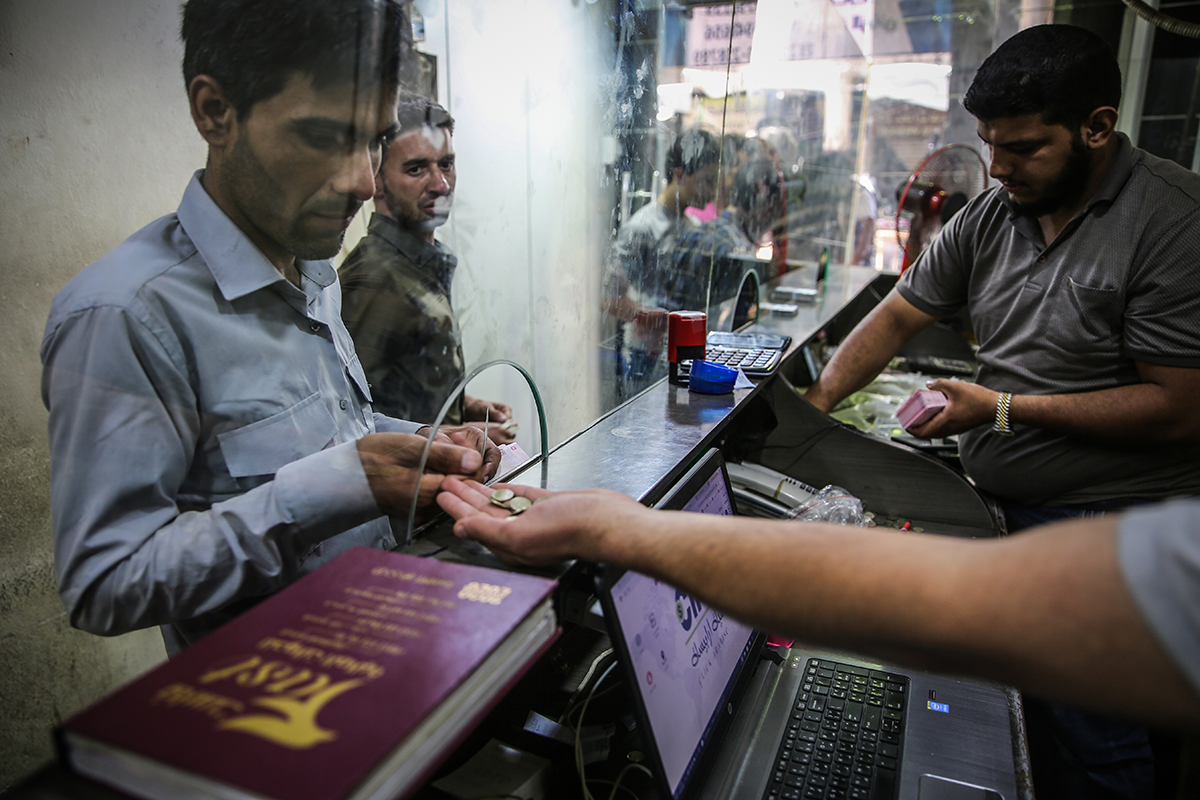
Over the past four years, Hay’at Tahrir al-Sham (HTS) has tried to transform itself from a faction of the Global Jihad movement into the de facto local military and governing power in north-west (NW) Syria. This shift requires the group to seek sources of funding other than al-Qaeda and its donors; consequently, HTS has undertaken a slow but steady takeover of the economy in NW Syria, from financial services and oil and gas to internet and telecommunications. This paper lays out how that process has taken place and provides a detailed look at the economics of HTS.
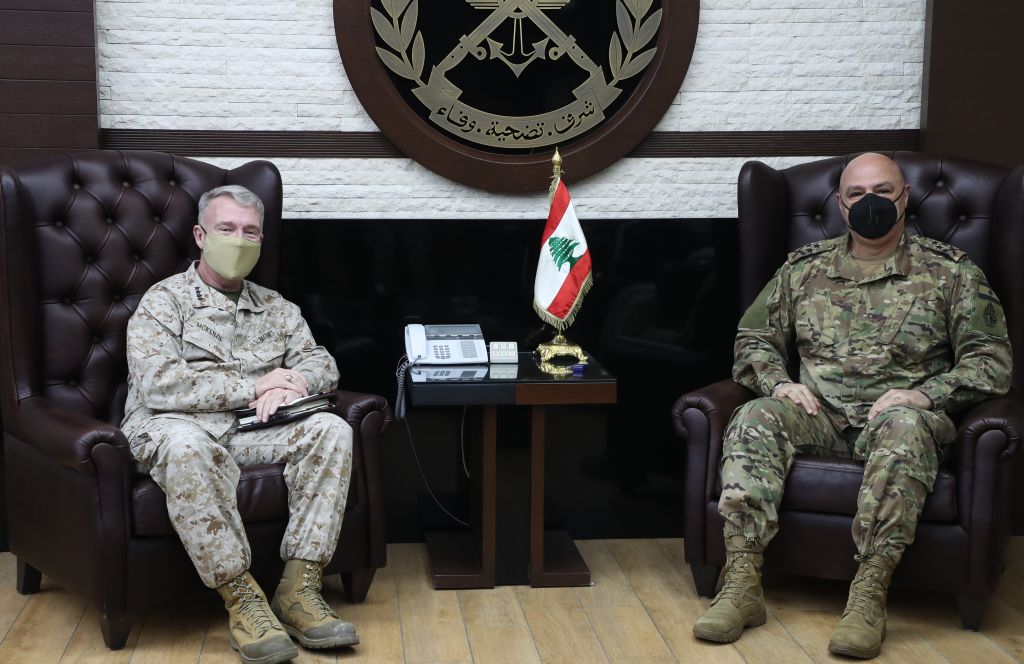
It's Now or Never: Lebanon Policy Conference Key Takeaways
Over the course of two weeks in May and June, the Middle East Institute hosted its inaugural Lebanon policy conference in collaboration with the American Task Force on Lebanon (ATFL) and LIFE. This series of events brought together leading diplomats, policymakers, economists, development practitioners, and think tank professionals from the U.S., Europe, the Middle East, and Lebanon to discuss the urgency and viable paths forward for the country’s political, financial, and humanitarian crises.
تضغط الدول الغربية وبعض دول الخليج وتركيا وبدرجة أقل حتى واحدة من مؤيديه الرئيسيين، روسيا، على رئيس الدولة السوري بشار الأسد ليكون أكثر مرونة بشأن قبول تسوية سياسية للصراع السوري. لكن الأسد رفض التزحزح شبرًا واحدًا.
في الوقت الحالي، تريد معظم الدول المعارضة للنظام السوري من الأسد قبول قرار الأمم المتحدة رقم 2254، الصادر في عام 2015، والذي يدعو، من بين أمور أخرى، إلى انتخابات نزيهة ودستور وحكم ذي مصداقية يتسم بالشمول واللاطائفية.
لفهم سبب عدم تراجع الأسد، عليك أن تفكر في الخيارات التي يواجهها.
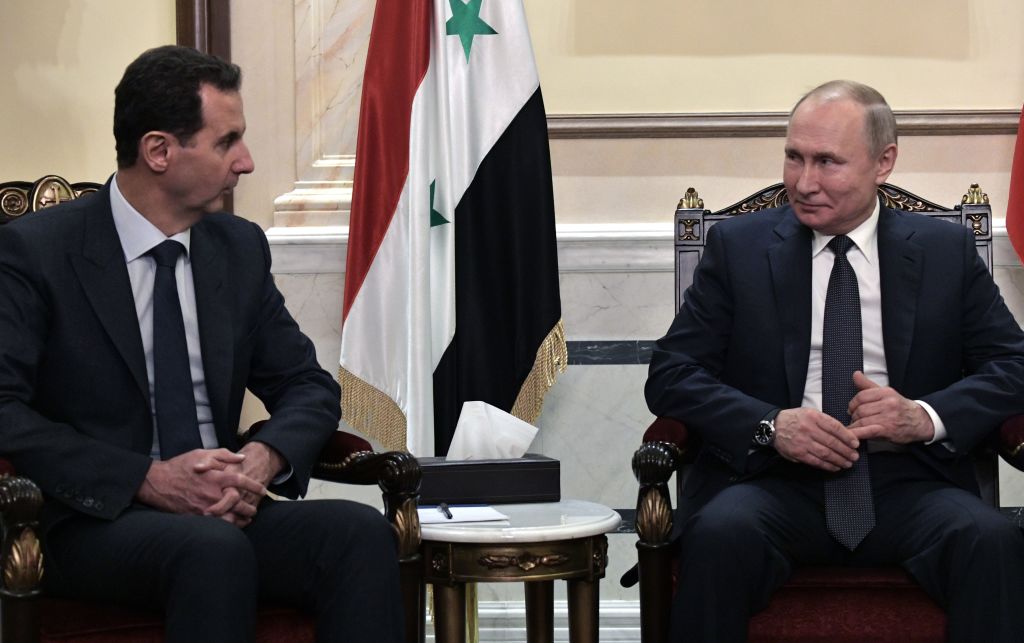
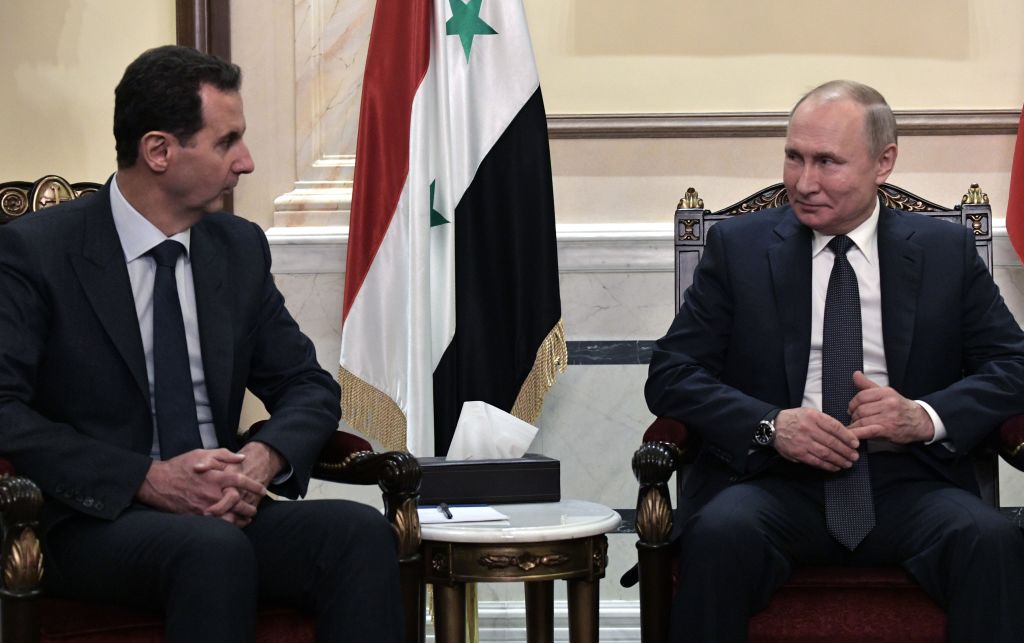
Western countries, some Gulf states, Turkey, and to a far lesser extent even one of his own key backers, Russia, have been pressuring Syrian head of state Bashar al-Assad to be more flexible about accepting a political settlement to the Syrian conflict. But Assad has refused to budge an inch.
The oldest peer-reviewed publication dedicated to the study of the modern Middle East, MEI’s flagship journal covers politics, society, and culture in the region.