Unlocking the Levant: Why the United States and Syria Must Pursue a Bilateral Trade and Investment Agreement
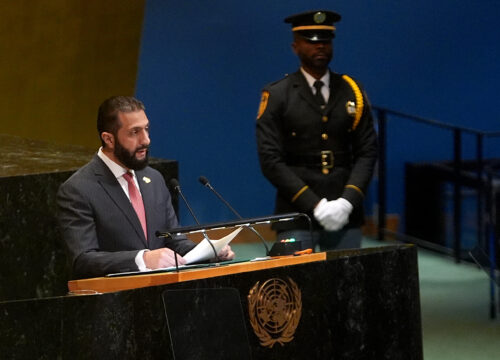
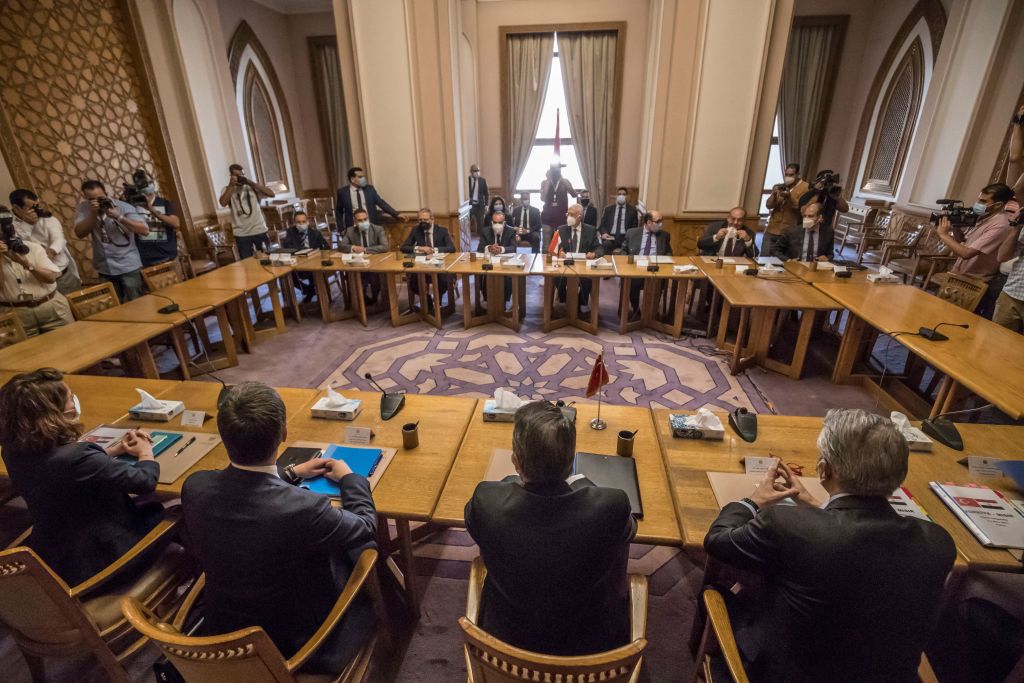
Apart from the brief honeymoon period between 1961 and 1963 under President John F. Kennedy and President Nazim al-Qudsi, US-Syria relations have never held such optimistic potential as they do today. Today, following the fall of Bashar al-Assad regime and the rise of a new government under President Ahmad al-Sharaa at the end of 2024, a new geopolitical window has opened.
Consolidating Sovereignty, Security and Peace: Time to Step up the Game
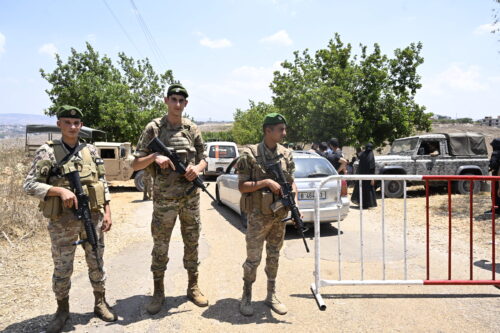
Although it has been a frustrating summer, Lebanon remains on the right track. My observation after a ten-day visit to Beirut and Jerusalem this month is that leaders in both capitals remain strongly committed to a shared objective.
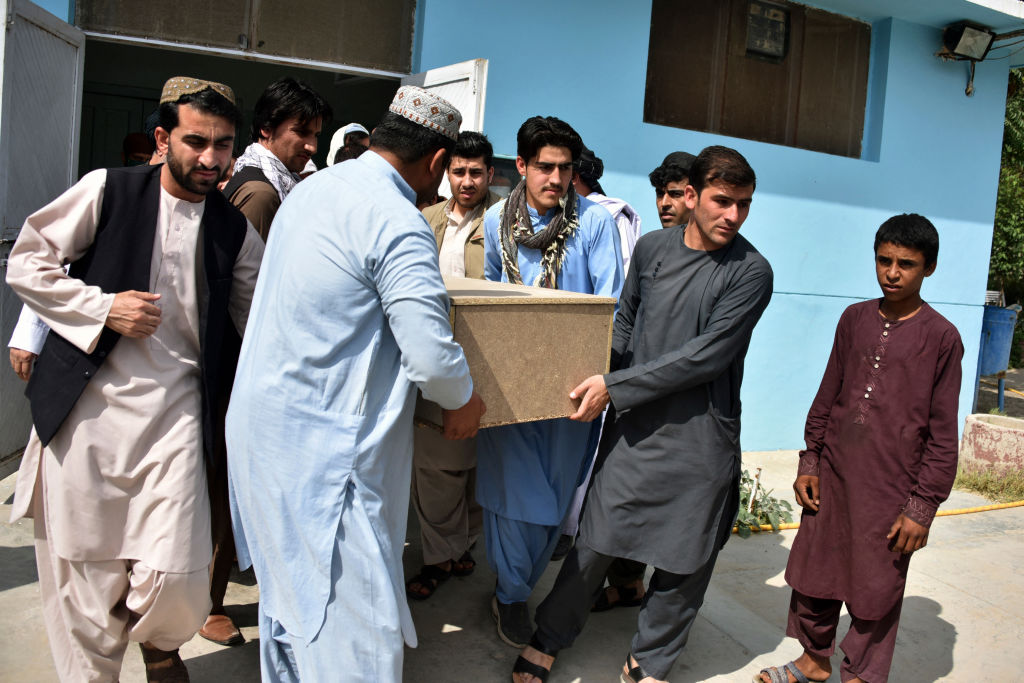
A successful US strategy in Syria must focus on hearts and minds of Syrian youth
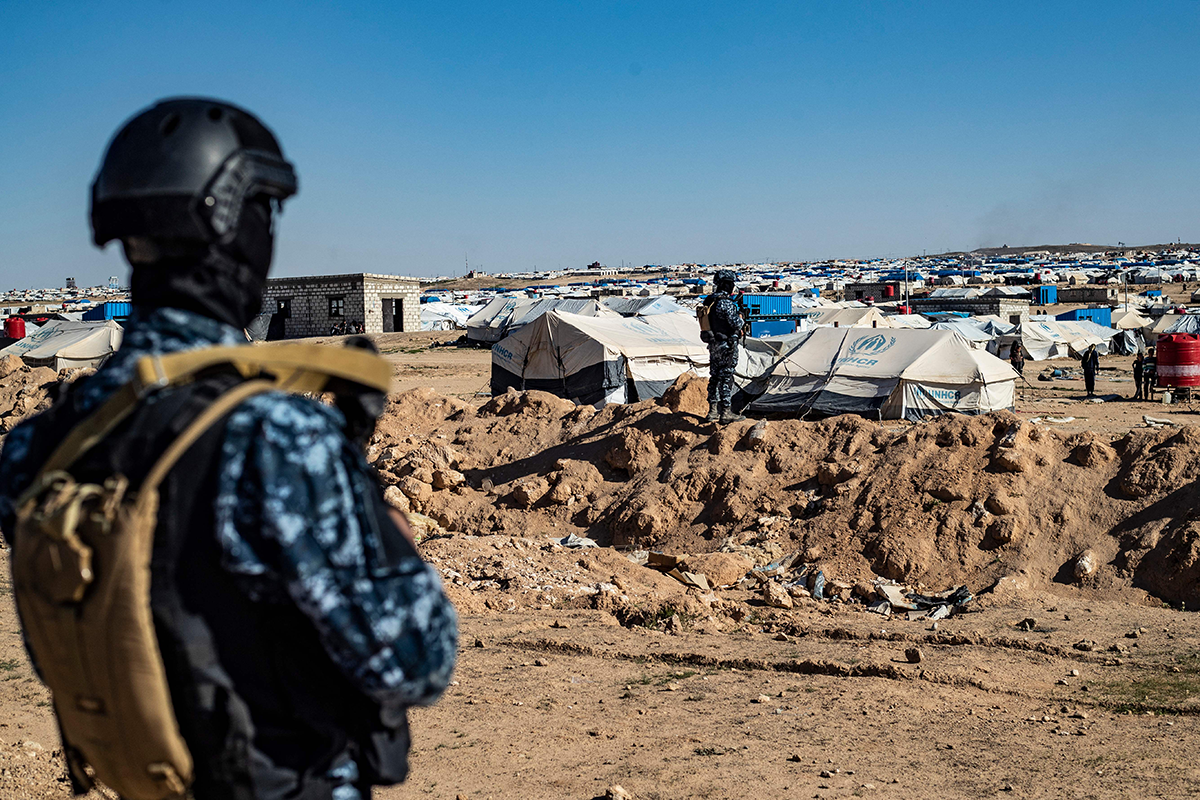
Assad’s current geopolitical challenges present the U.S. with an important opportunity to address a growing national security threat. By taking steps today to ensure that areas currently outside of Assad’s control remain protected from both the Syrian regime and other external actors seeking to further destabilize the country amid the chaos, the U.S can protect itself and the West from an uncertain tomorrow and stand up for Syrian refugees in the process.
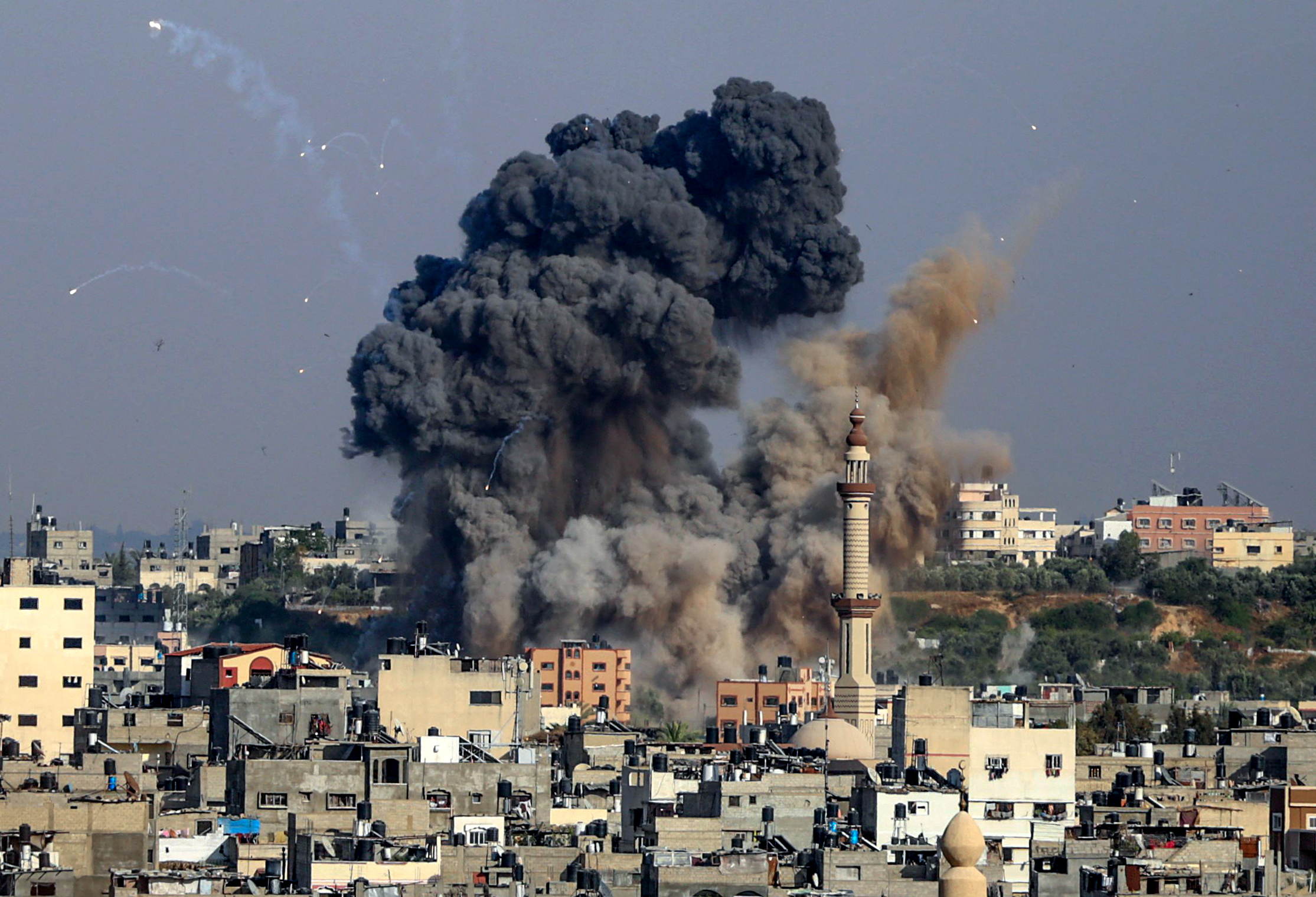
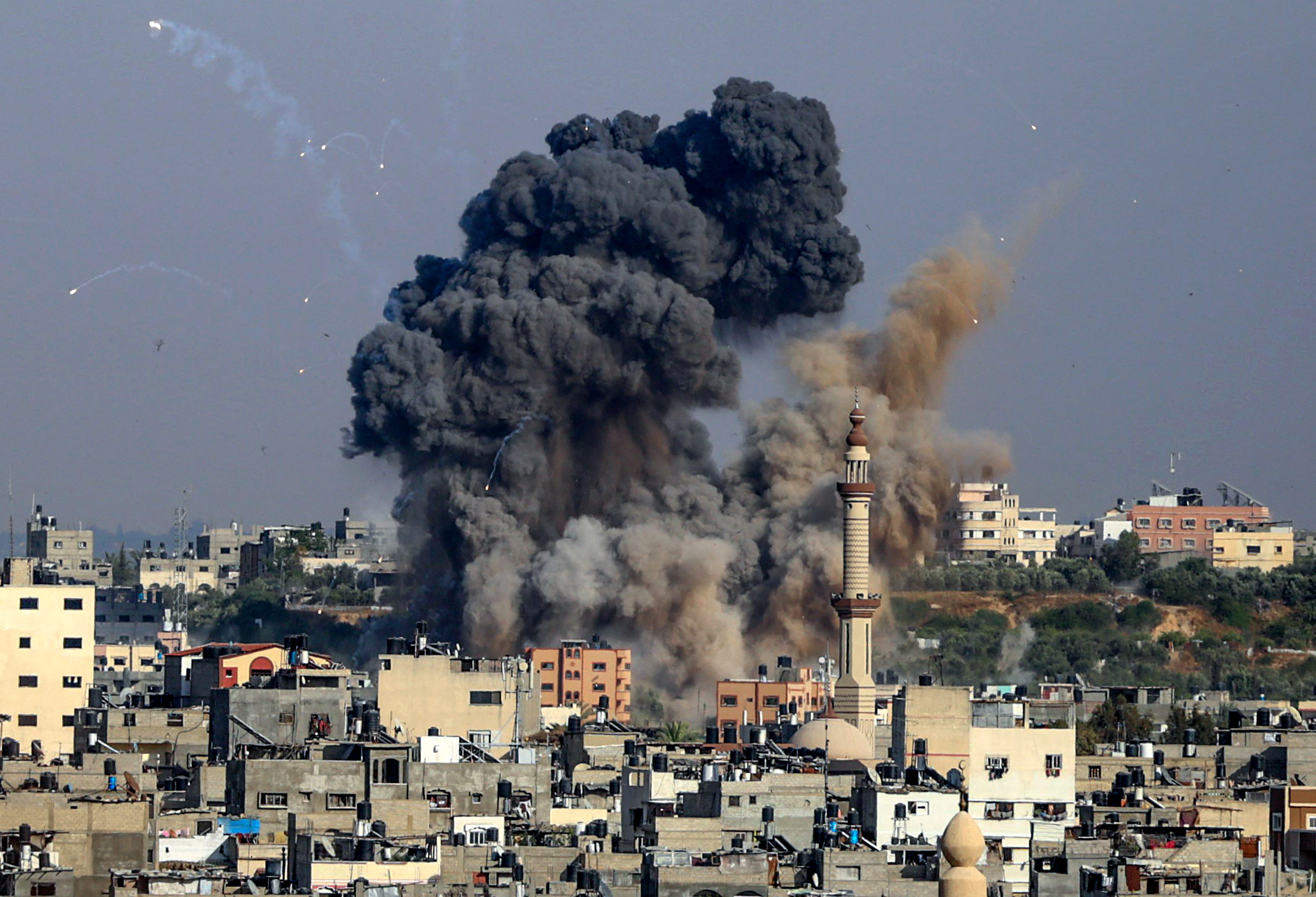
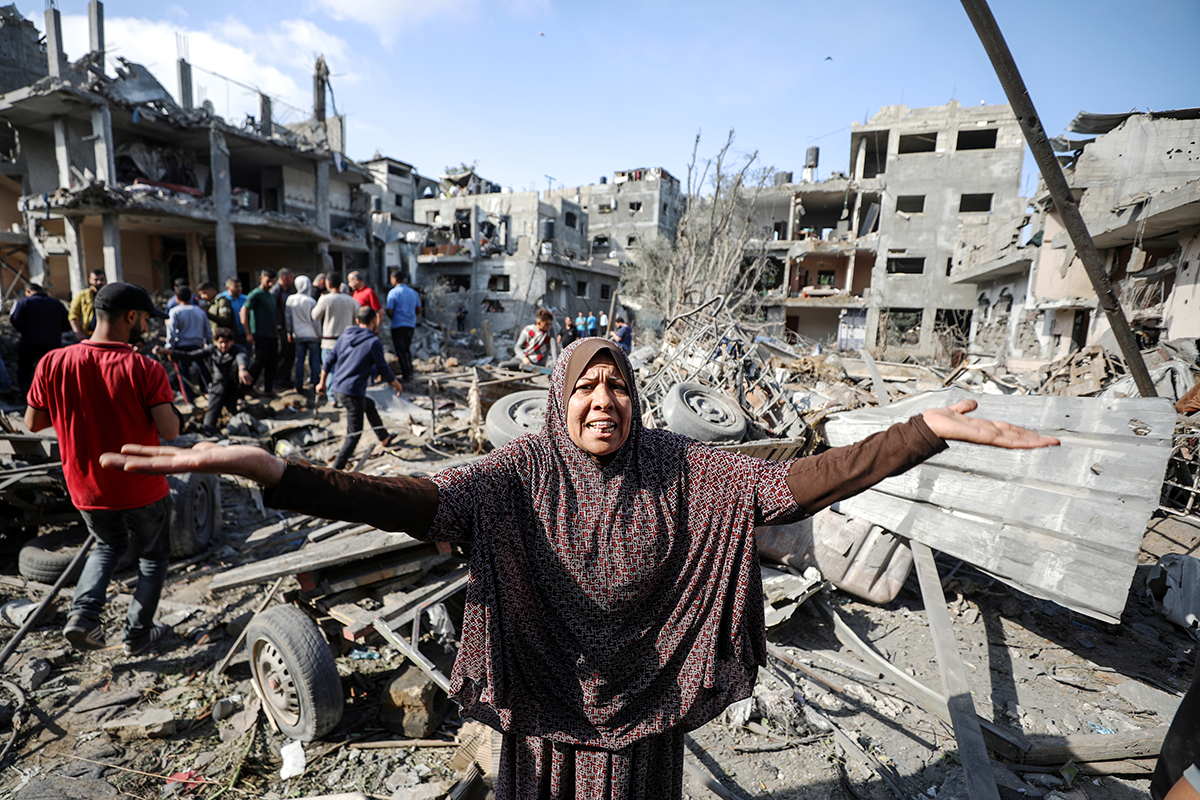
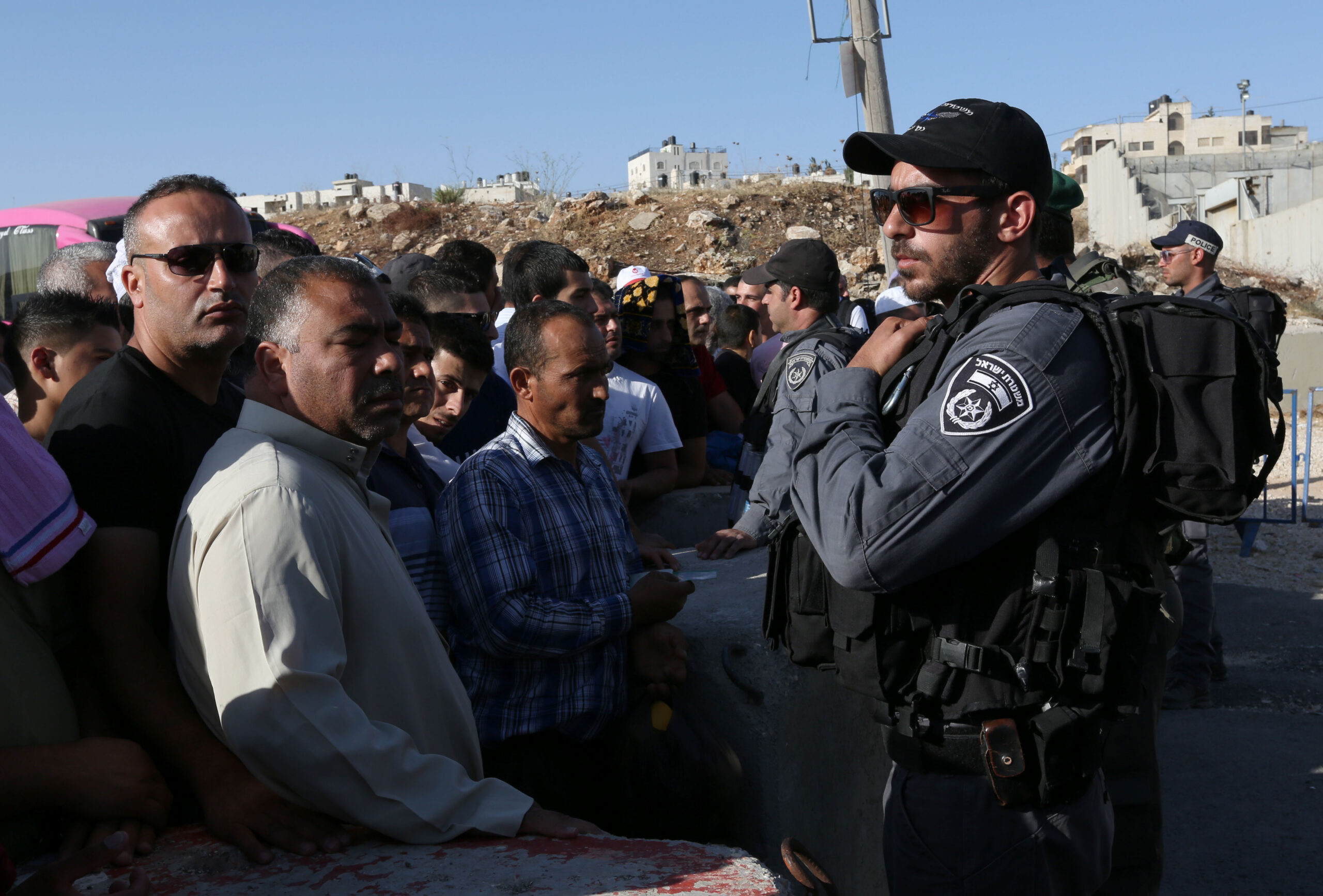
Israeli repression links the violence in Gaza and Jerusalem
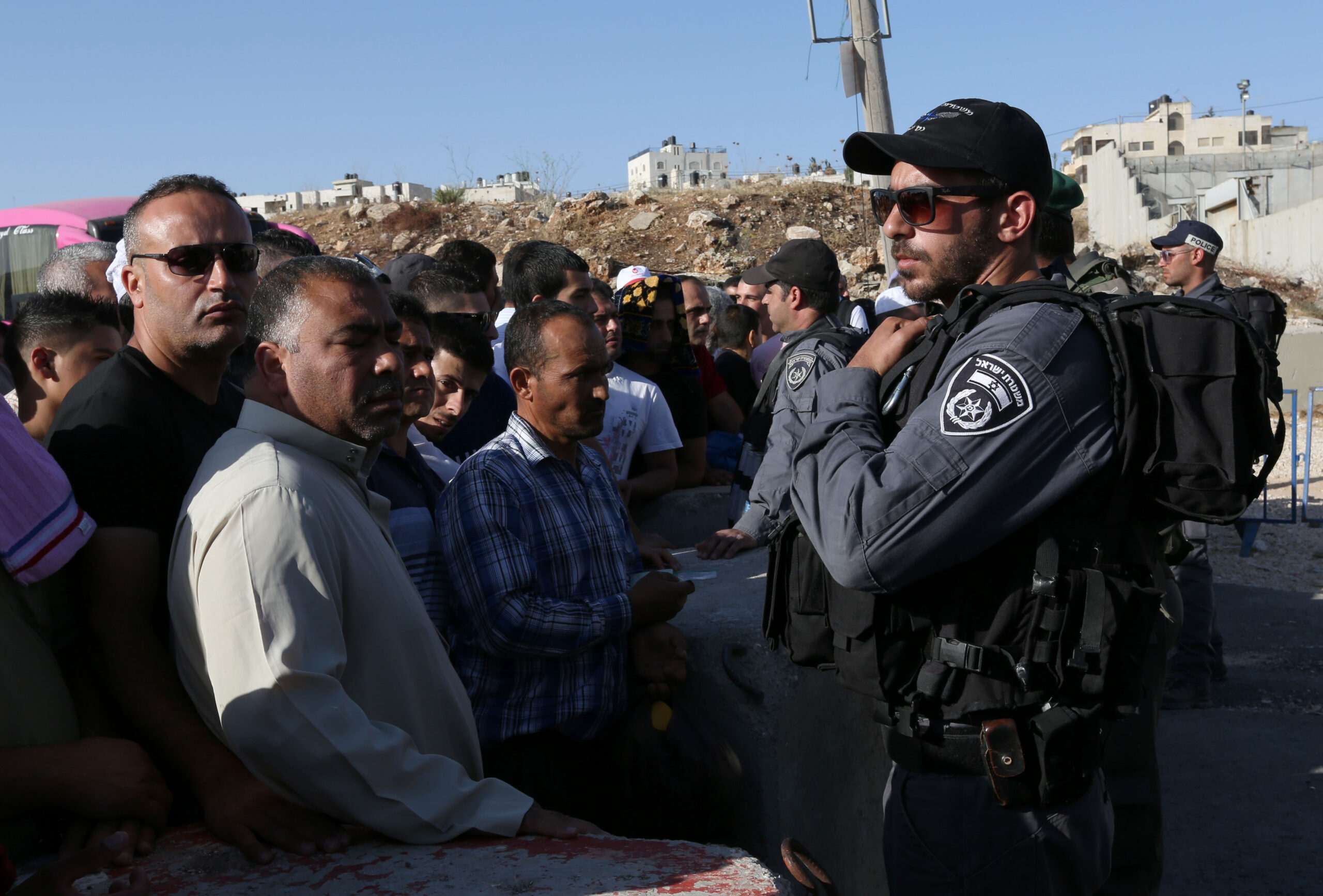
Even as it pays lip service to a two-state solution, the international community—particularly the United States—has largely acquiesced to the Israeli-imposed status quo in Gaza and East Jerusalem by exempting both areas from the political and diplomatic process.
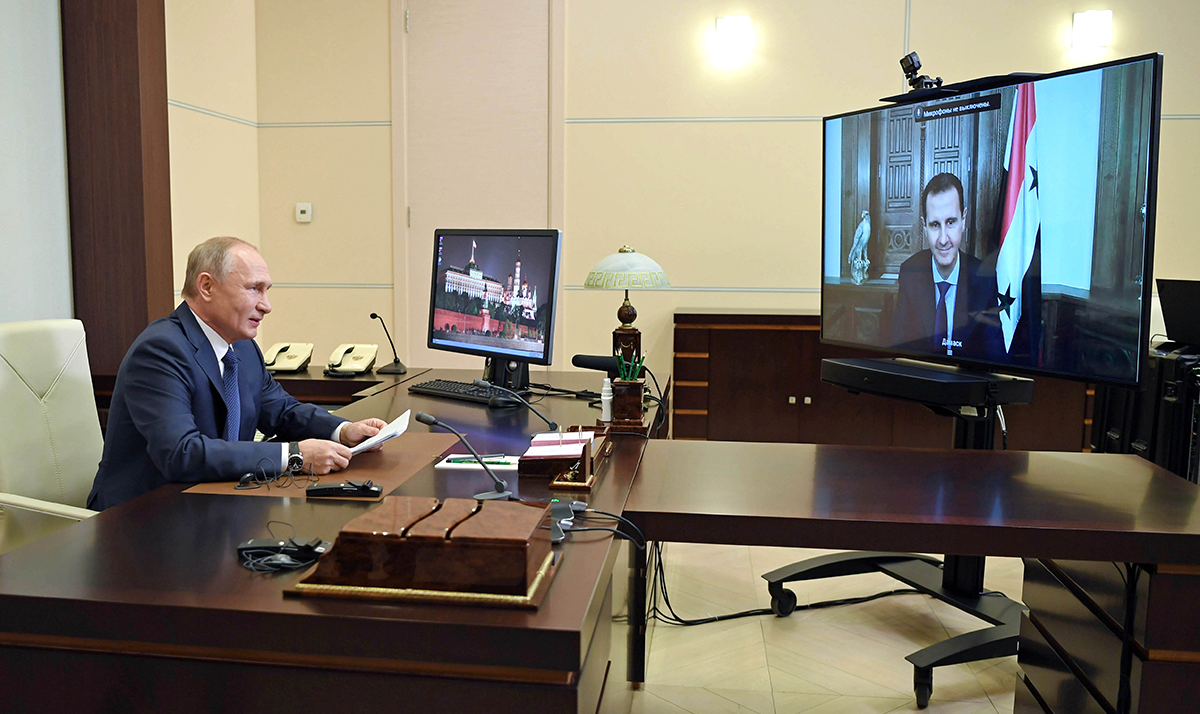
Is Russia prepared for an open-ended conflict in Syria?
Russia’s key foreign policy dilemma is the tension between its aspirations of retaining its Soviet-era geopolitical clout and its lack of ideological and economic tools to achieve that goal. From a strategic standpoint, Russia’s campaign in Syria seems like an open-ended story that bears some resemblance to the situation in Ukraine. These similarities in Russia’s methods are not accidental. The Kremlin lacks the ability to impose its foreign policy blueprint on the West and can only leverage its power to stir up trouble in unstable regions.
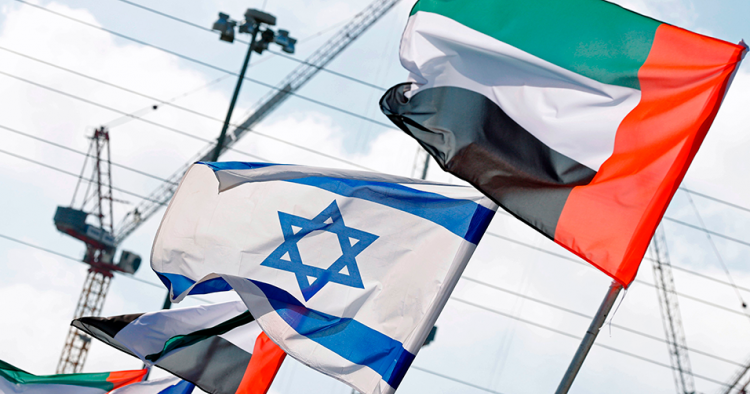
Since the normalization of UAE-Israel relations was first announced, much of the international commentary only focused on the deal’s political and diplomatic significance. However, the deal will create a new digital order in the Middle East, one in which Israel and the UAE will partner more closely than ever in developing emerging technologies and cyber capabilities. This cooperation will be at the forefront of this UAE-Israel tech order.
How Facebook’s Oversight Board Can Do More for Syria
Around the world, there is ongoing debate over the extent to which speech should be regulated for the common good. Facebook has been a key battleground in this debate. Indeed, since nearly its founding day, the company has struggled with the degree to which it bears responsibility for the content that its users post on the platform, including but not limited to, the glorification of violence, incitement to terrorism, and false and misleading political content. In 2020, the company officially launched the Facebook Oversight Board, a trust-based body composed of 40 members and tasked with passing final, binding rulings upon Facebook’s content moderation decisions.
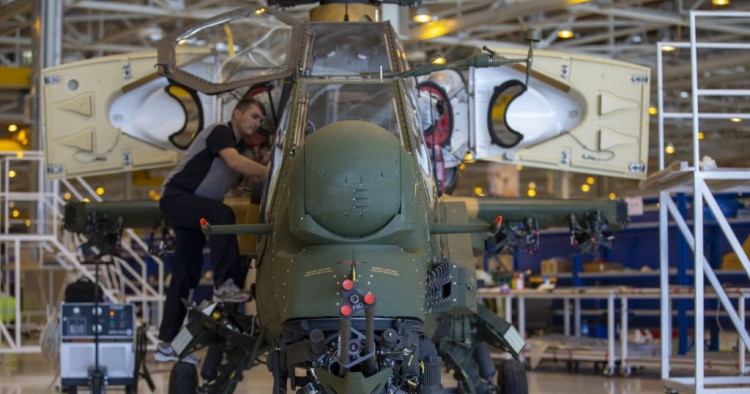
CAATSA sanctions are hurting Turkey’s military readiness at a time when NATO can’t afford it
On Dec. 14, 2020, the Trump administration sanctioned Turkey’s Presidency of Defense Industries (SSB), along with key individuals involved in the purchase of the Russian–made S-400 surface-to-air missile system. The sanctions were issued under the 2017 Countering America’s Adversaries Through Sanctions Act (CAATSA), a law intended to punish Russia for a wide range of malign activities.
كيف ساهمت سياسات الإدارة الذاتية في عودة نشاط "داعش"؟
الرغم من مرور أكثر من عامين على تحرير مخيم الباغوز في محافظة ديرالزور، والذي كان آخر معاقل تنظيم “داعش” في سورية، ومحاولات التحالف الدولي وحليفته الإدارة الذاتية ارساء الاستقرار في مناطق شرق الفرات ومنع عودة التنظيم إلى واجهة الأحداث، إلا أن التنظيم لازال يمارس نشاطه وعملياته الأمنية في المنطقة، والتي تشهد تزايداً ملحوظاً مع مرور الزمن خاصة في العامين الأخيرين.
The oldest peer-reviewed publication dedicated to the study of the modern Middle East, MEI’s flagship journal covers politics, society, and culture in the region.