This article is part of a collection of short essays written by the Fellows of the Middle East Institute to explore aspects of the ongoing war with Iran. The intent of the collection is to help readers see new and unexpected elements of the dynamics and impact of the ongoing hostilities and to think harder, deeper, and broader about the implications of the conflict.
Turkey: Ankara’s Nuclear Ambitions in the Post-Iran War Environment
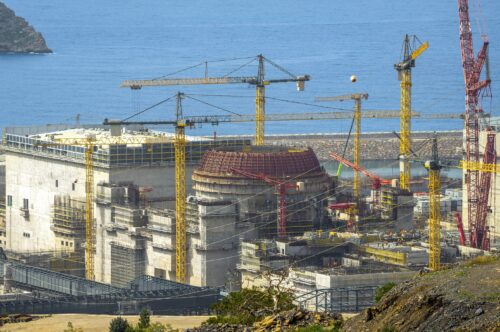
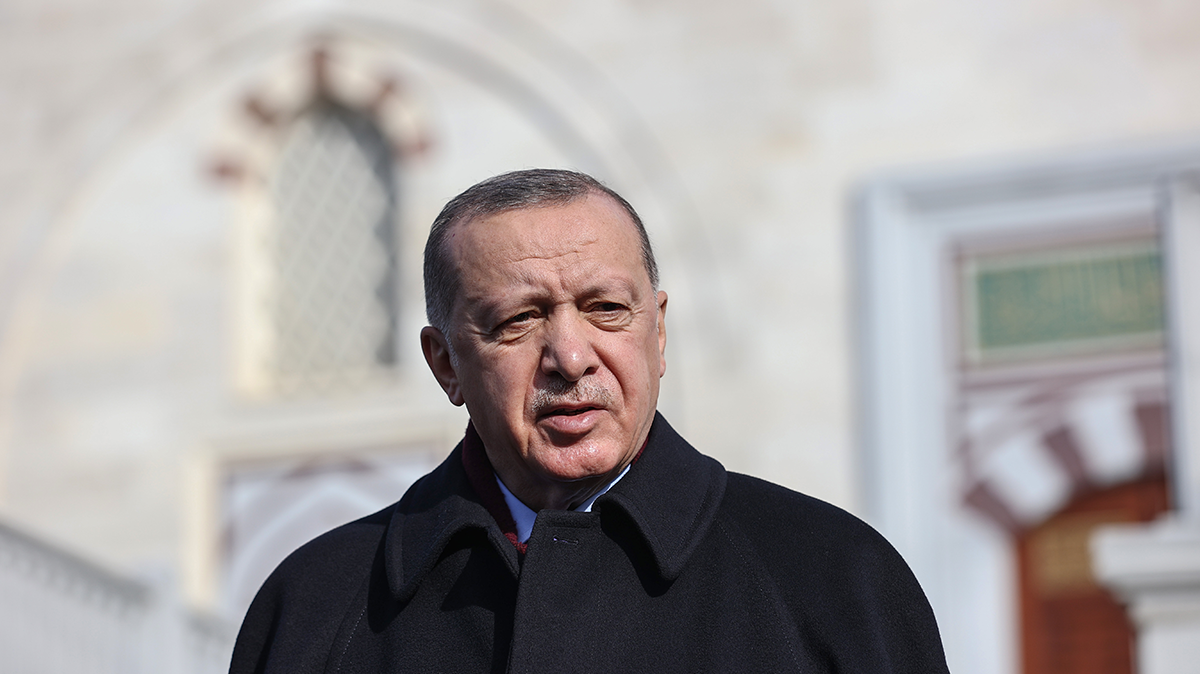
In February 2026, Turkish Foreign Minister Hakan Fidan suggested that shifting international dynamics could push Turkey to acquire nuclear weapons. That rhetoric, combined with Turkey’s civilian nuclear energy and research programs and its indigenous surface-to-surface missile development projects, has fueled concerns that these capabilities could eventually form the backbone of a Turkish nuclear weapons program.
When the US and Israel launched military action against Iran on February 28, 2026, it set in motion a chain of events that saw violence spread across the Middle East. Yet as the region found itself engulfed in conflict, Syria has experienced its most peaceful months in 15 years, and the government in Damascus appears determined to stay its course toward recovery.
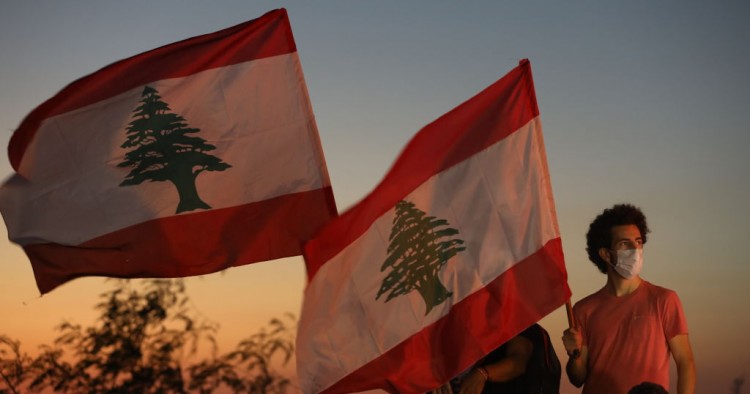
فرضت الحكومة اللبنانية حالة إغلاق صارمة عقب تسجيل أكبر حصيلة إصابات يومية الأسبوع الماضي منذ أن بدأت الجائحة. وتحصد الحكومة اللبنانية الآن ما زرعته بعدما أرخت القيود الصحية العامة خلال فترة العطلات.
MEI experts Gerald Feierstein, Alex Vatanka, Gonul Tol, and Charles Lister join host Alistair Taylor to survey what lies ahead for the region in the year ahead, with particular attention to Yemen, Iran, Turkey, and Syria.
Protesting against techno: How a concert revealed the state of Palestinian society
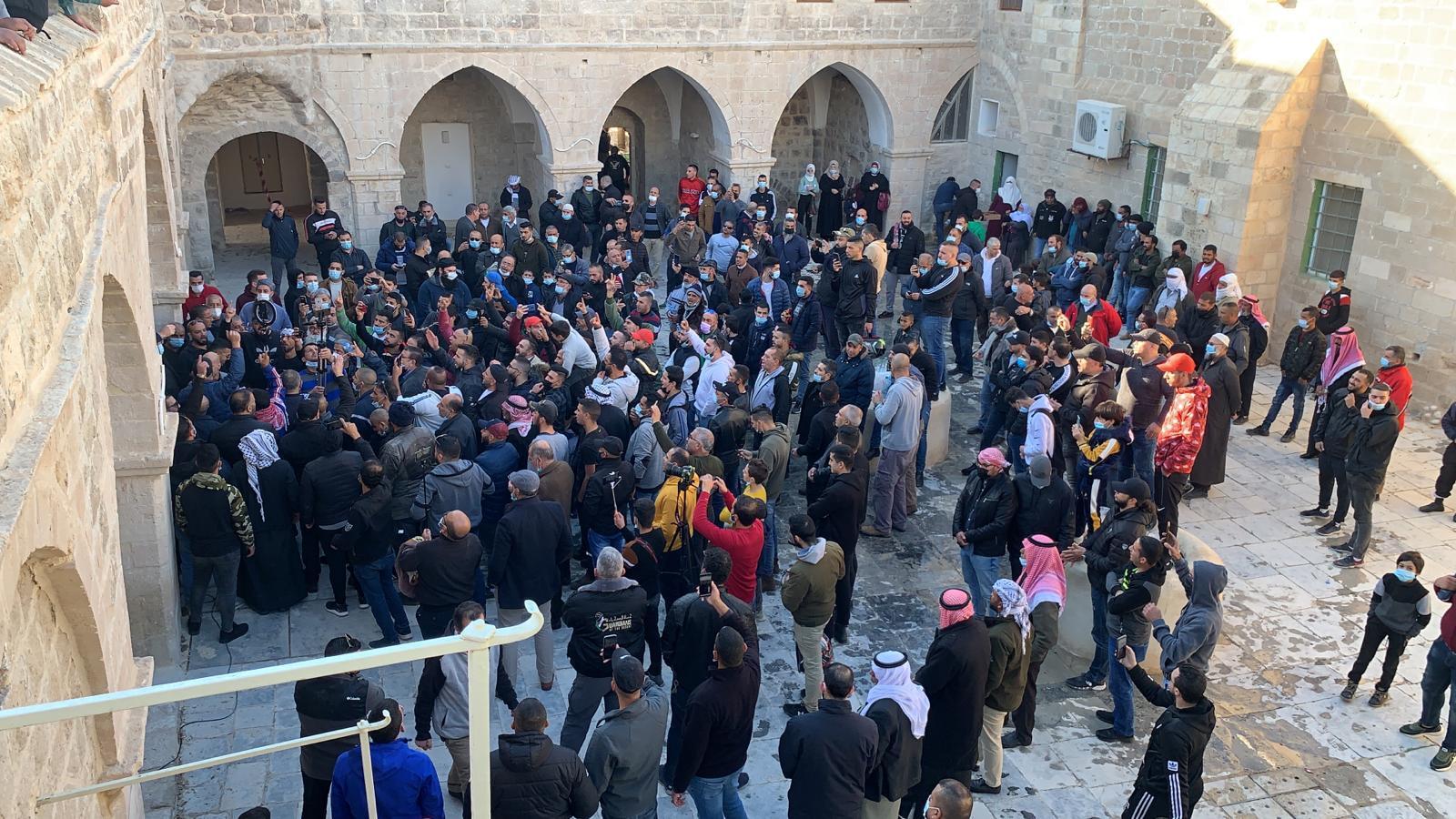
Until December 26, 2020, techno music was not a common topic of conversation in Palestine. That changed when Sama Abdulhadi, a famous techno DJ, gave a concert at Maqam Nabi Musa that provoked a backlash from religious conservatives. Abdulhadi, who is a Palestinian living abroad, decided to return to her homeland to perform three concerts that would be streamed on Beatport, a website specializing in techno music. She reached an agreement with the Ministry of Tourism to perform at Maqam Nabi Musa for a crowd of about 30.
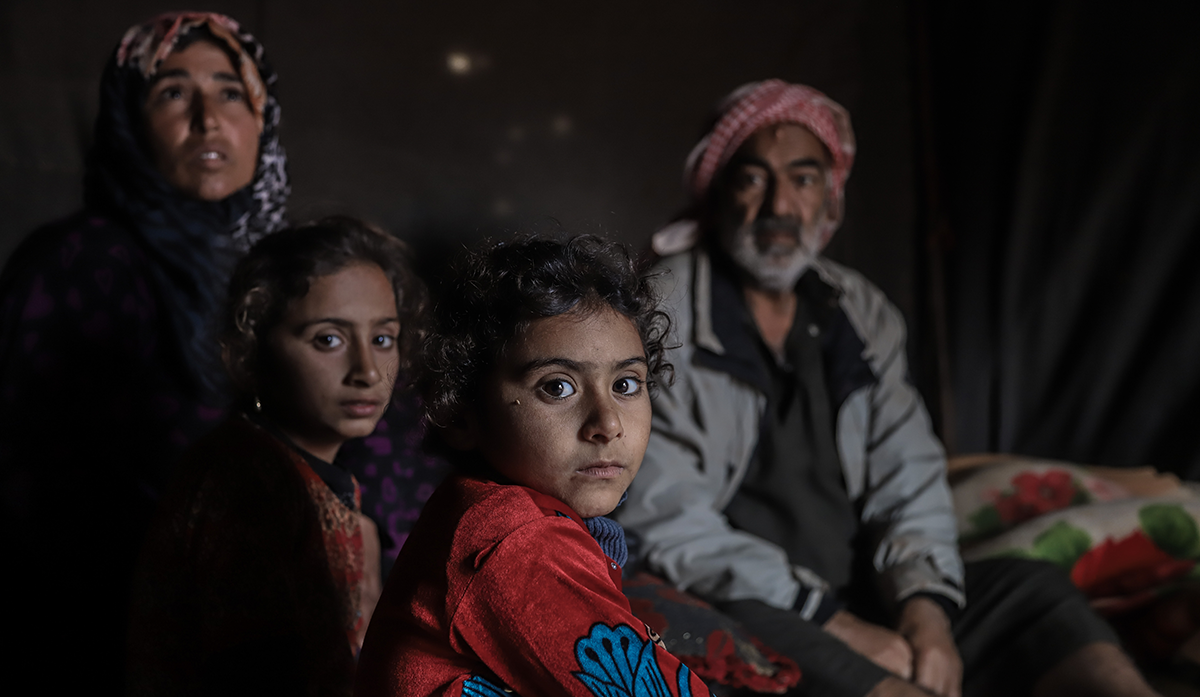
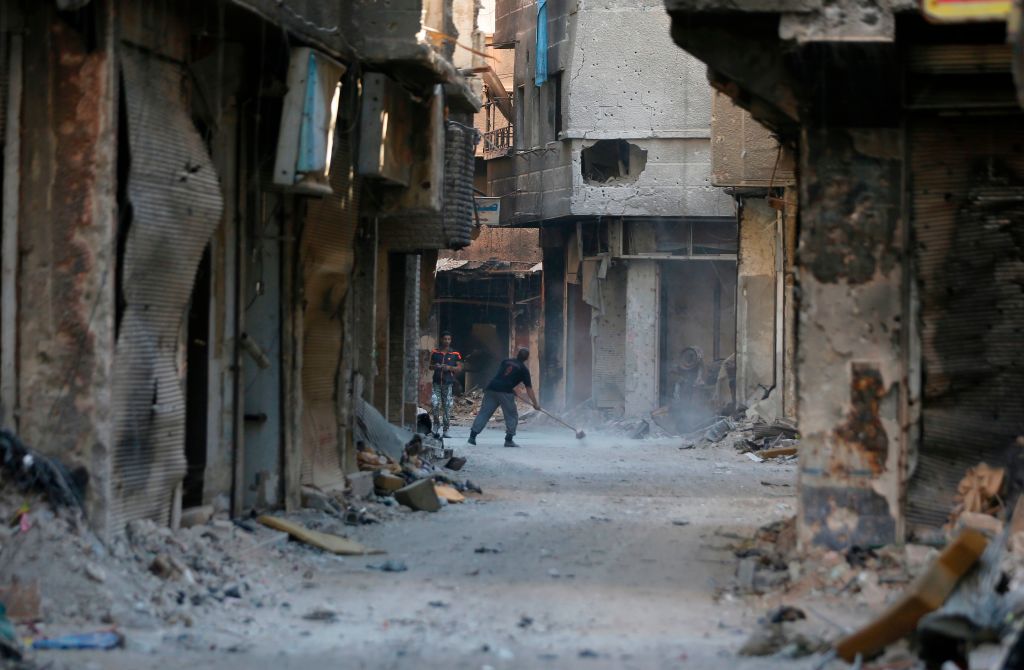
In two months’ time, Syria’s crisis will turn 10 years old — a grim milestone for what has been the most deadly and destructive civil conflict in recent history.
Syria’s Constitutional Committee: The Devil in the Detail
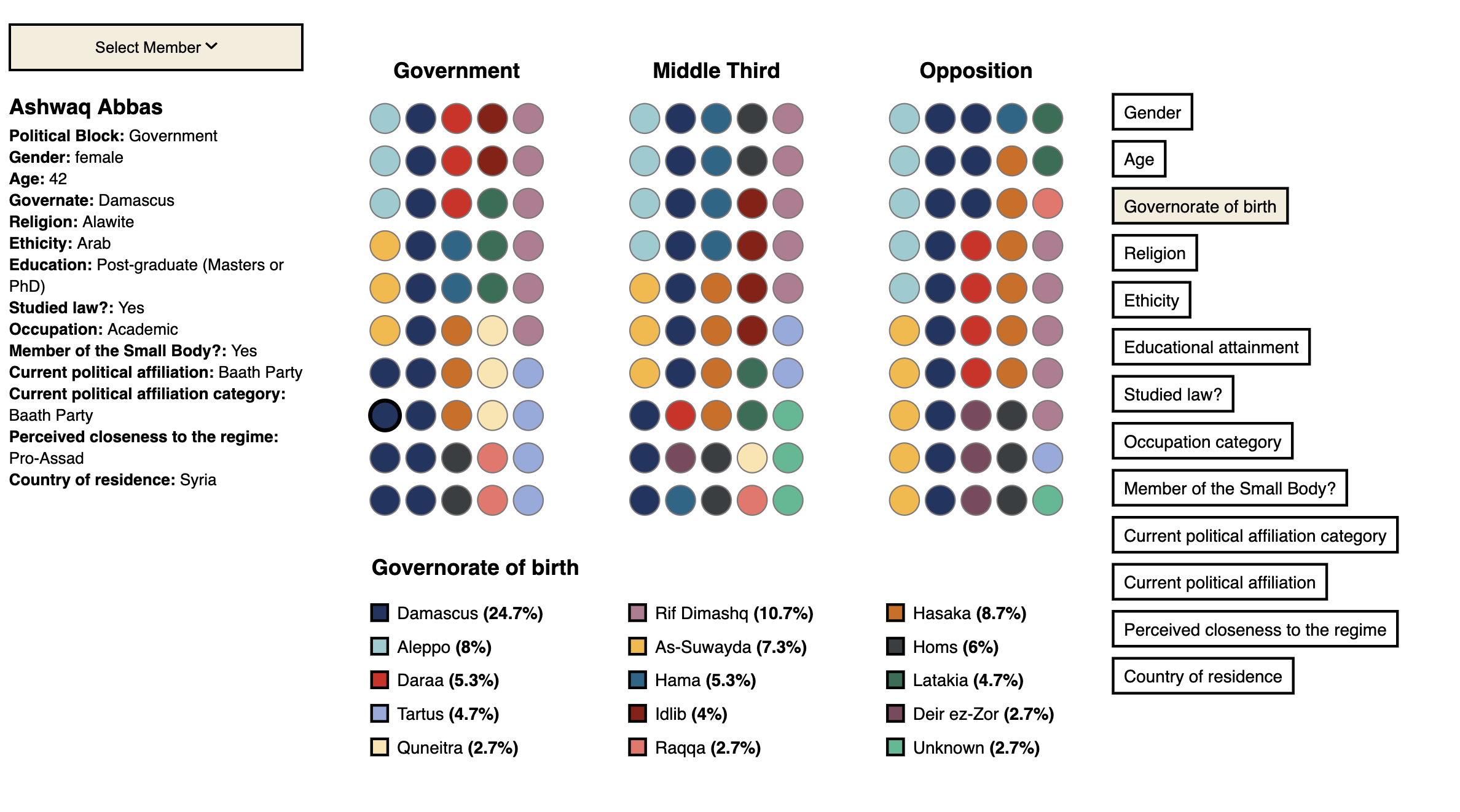
This interactive data visualization and accompanying article provide background information on the members of the Syrian Constitutional Committee as well as analysis of its dynamics and policy recommendations on how to improve it.
This calendar lists key dates in the MENA region in 2021, broken down by month. It is subject to change and will be updated over the course of the year.
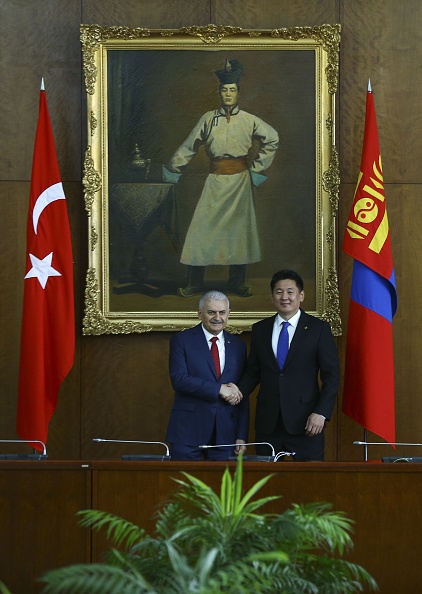
Turkey and Mongolia — unlikely partners? Mongolia’s outreach to Turkey as a potential “third neighbor” has converged with the reorientation of Ankara’s efforts under the Islamist Justice and Development (AK) Party to expand trade links and enhanced relations with countries that were either part of the former Ottoman Empire or have shared ethnic background or cultural histories.
Turkey lies at the crossroads of Europe and Asia. Fueled by a dynamic economy, Turkey has emerged in recent years as an important geopolitical actor not just within the surrounding region but in the global arena as well. Turkey’s foreign and economic policy horizons today extend to the Far East. These essays explore the development of cultural, political, and economic links between Turkey and Asia.
How can China mediate between Israel and Pakistan?
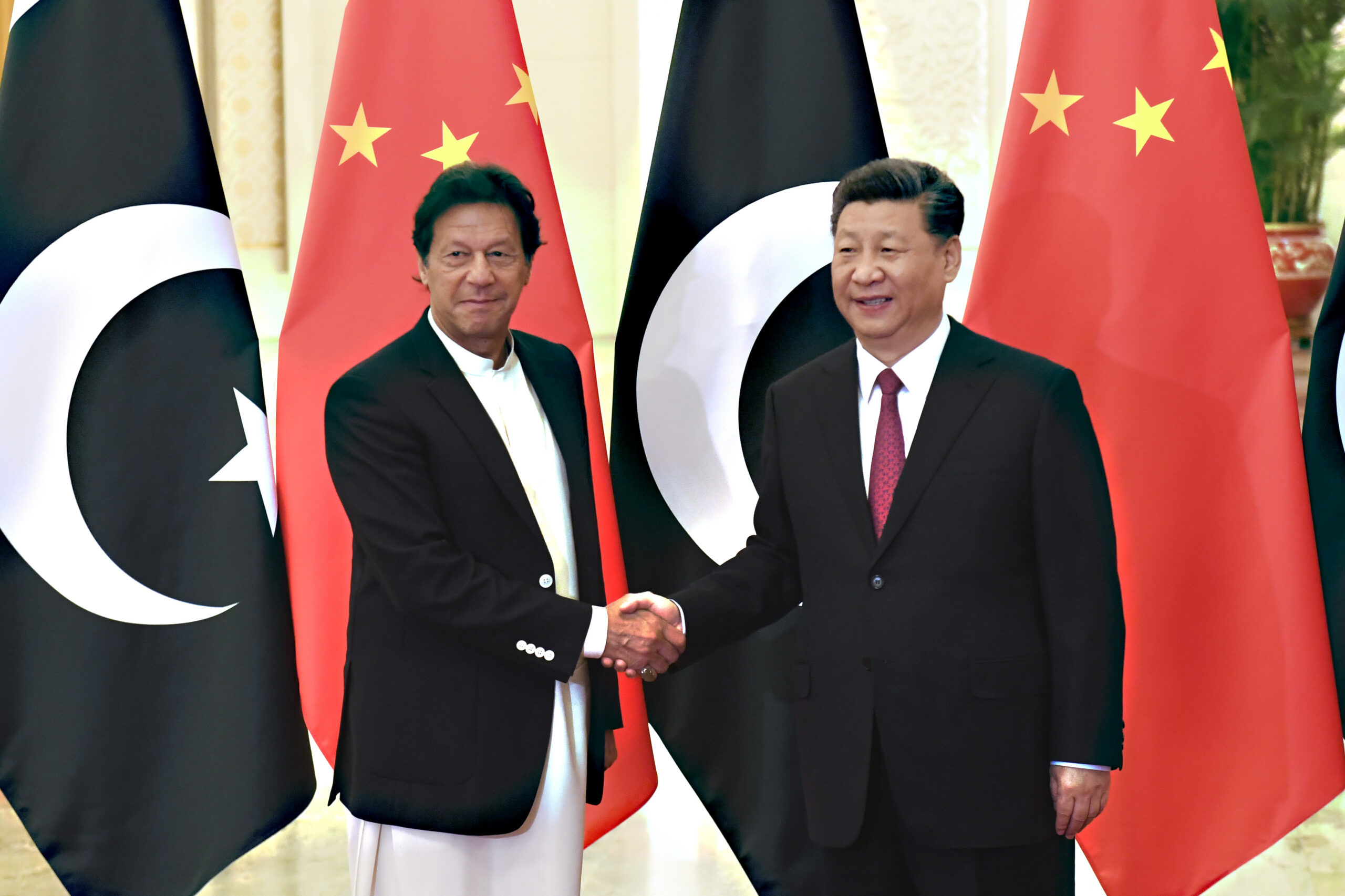
Pakistan’s Prime Minister Imran Khan recently revealed that several countries are pressuring Islamabad to follow in the footsteps of the Gulf states by recognizing the state of Israel. Khan, however, expressed opposition to this idea, at least until there is a political settlement that meets Palestinian demands. While full normalization between Israel and Pakistan may still be out of reach, China could mediate between these two countries which have never established a diplomatic relationship.
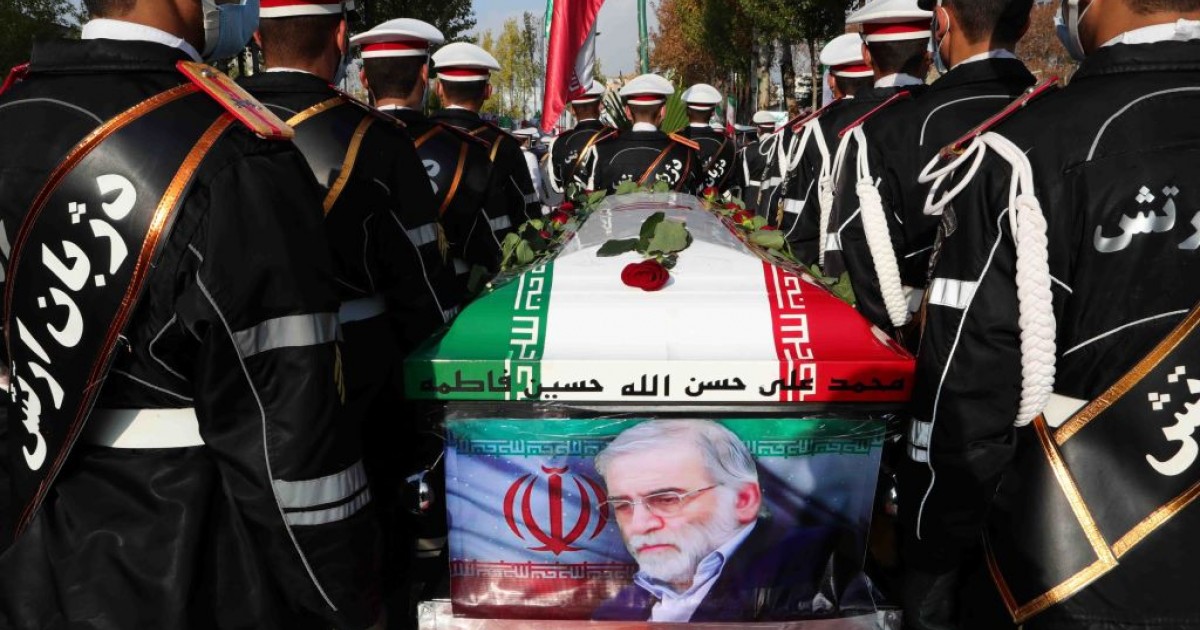
The Fakhrizadeh assassination: A major failure for Iranian intelligence
The assassination of Mohsen Fakhrizadeh, the most important figure in Iran’s nuclear program, in late November 2020 is a major failure for Iran’s intelligence services. Despite all the secrecy and the emphasis on protecting Fakhrizadeh, however, he was still assassinated in the Absard area, about 70 km from Tehran, on Nov. 27. Why was he killed despite such a high level of protection, and what effect will his death have on the Iranian regime’s intelligence and security structures?
On Dec. 3, MEI’s Program on Palestine and Palestinian-Israeli Affairs convened a webinar on the future of Palestinian refugees and their place in the policy discourse following the election of President-elect Joe Biden and the departure of the Trump administration. Below is a summary of the major takeaways from the event, organized by topic.
The oldest peer-reviewed publication dedicated to the study of the modern Middle East, MEI’s flagship journal covers politics, society, and culture in the region.