Reflections on a Diplomatic Career in the Middle East: A Conversation With Ambassador Yael Lempert
Brian is joined by Amb. (ret.) Yael Lempert, Vice President for Outreach at MEI, to discuss her career in diplomacy and the importance of US diplomatic efforts abroad. She shares stories from postings across the Middle East in Baghdad, Cairo, Tripoli, Jerusalem, and Amman and examines how her personal and professional experiences shaped her approach to the work. Together, Brian and Yael discuss the realities of life in the Foreign Service, the core tenets of American diplomacy, and why it matters in today’s Middle East.
The New Old Middle East
In many ways, the U.S.-Israeli war against Iran and the war in Gaza that preceded it seem transformative. After decades of shadow warfare, Iran and Israel have now attacked each other’s homelands directly. And Israel and the United States have joined forces in a genuinely novel way to wage war against Iran.
Get updates from the Middle East Institute
Featured Experts






Exploring the feasibility of the Jordan-Israel energy and water deal
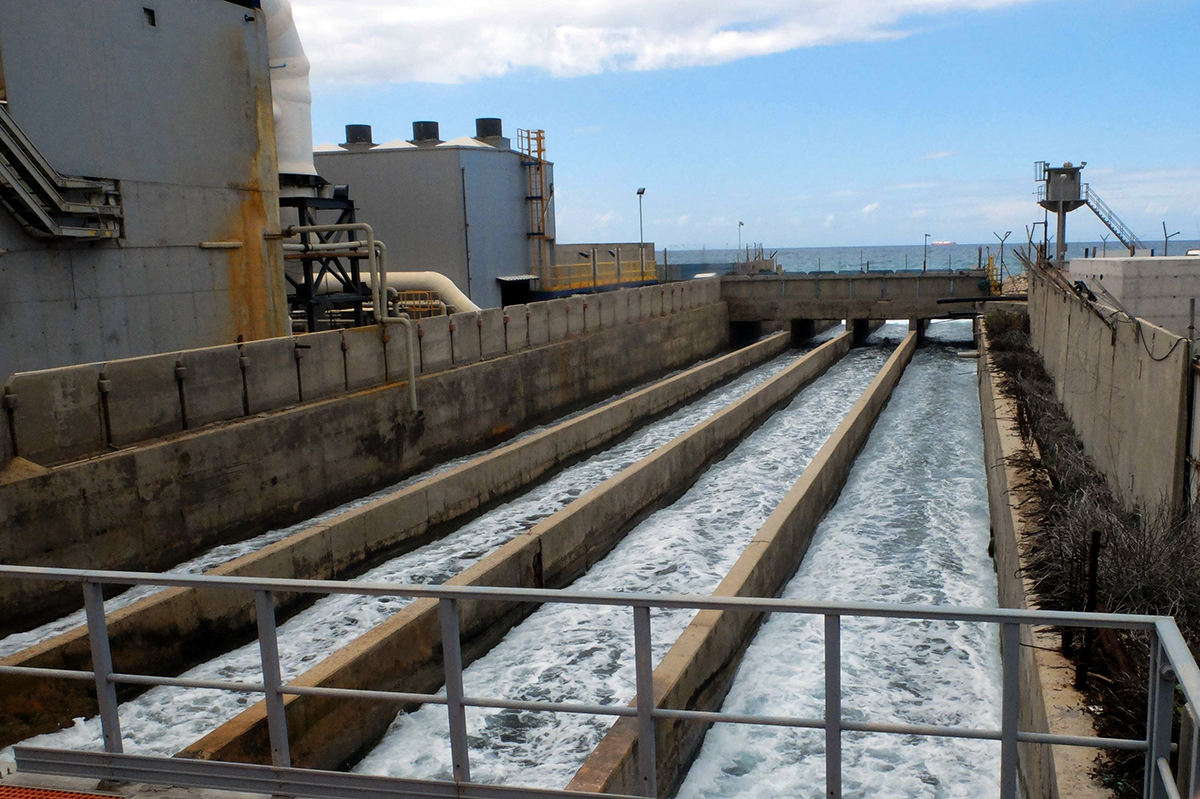
On Nov. 22, the Dubai Expo hosted an event where the United Arab Emirates (UAE), Jordan, and Israel signed a cooperation agreement that would broker an exchange of renewable energy and water between Jordan and Israel. The signing of the agreement between the respective minsters of the three countries took place in the presence of Abu Dhabi Crown Prince Mohammed bin Zayed and U.S. Climate Envoy John Kerry, who played a role in getting the deal done.
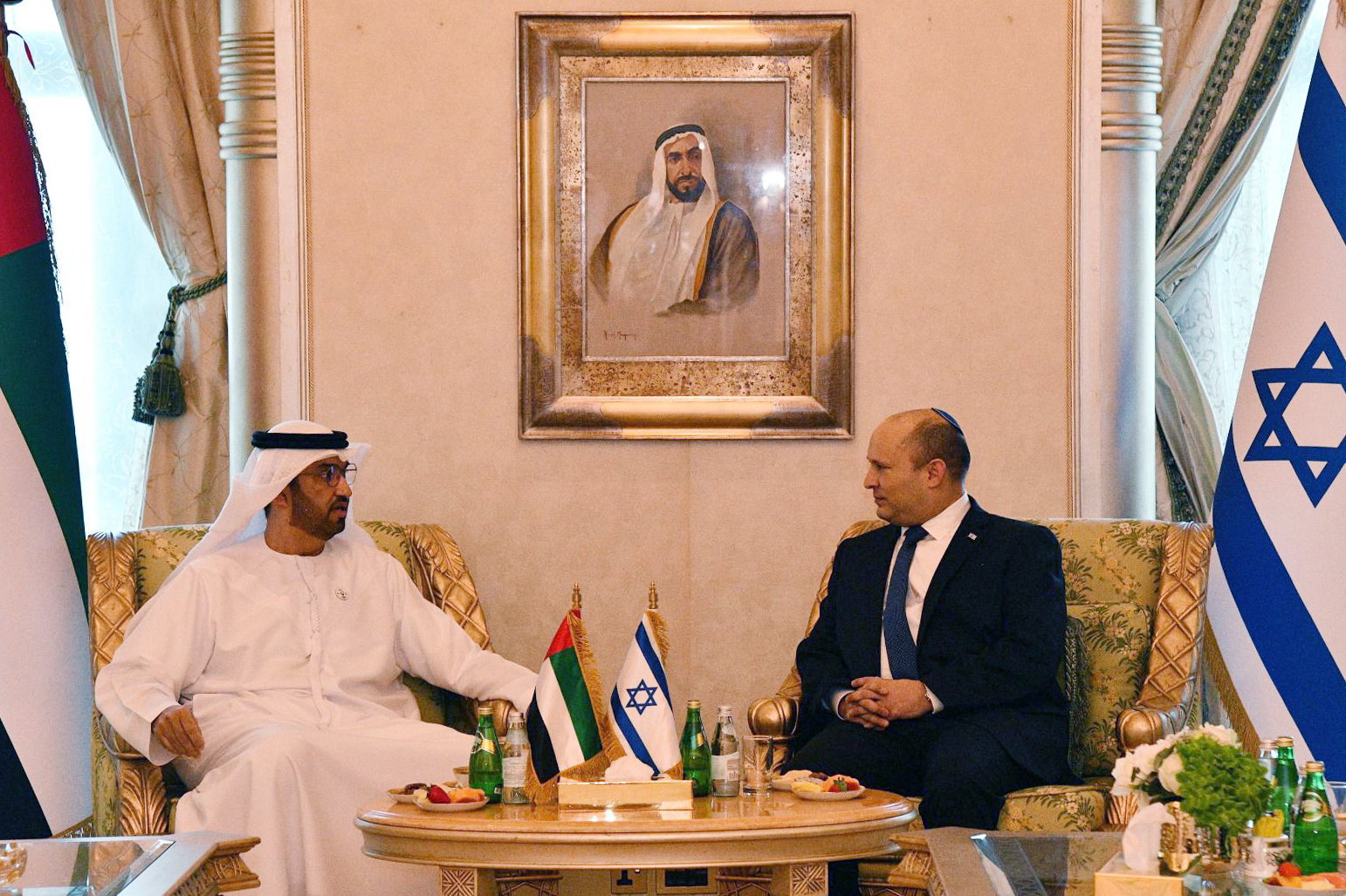
Monday Briefing: A flurry of diplomatic exchanges on the eve of the GCC Summit
Read MEI’s weekly briefing featuring expert analysis of key regional developments for the week ahead.
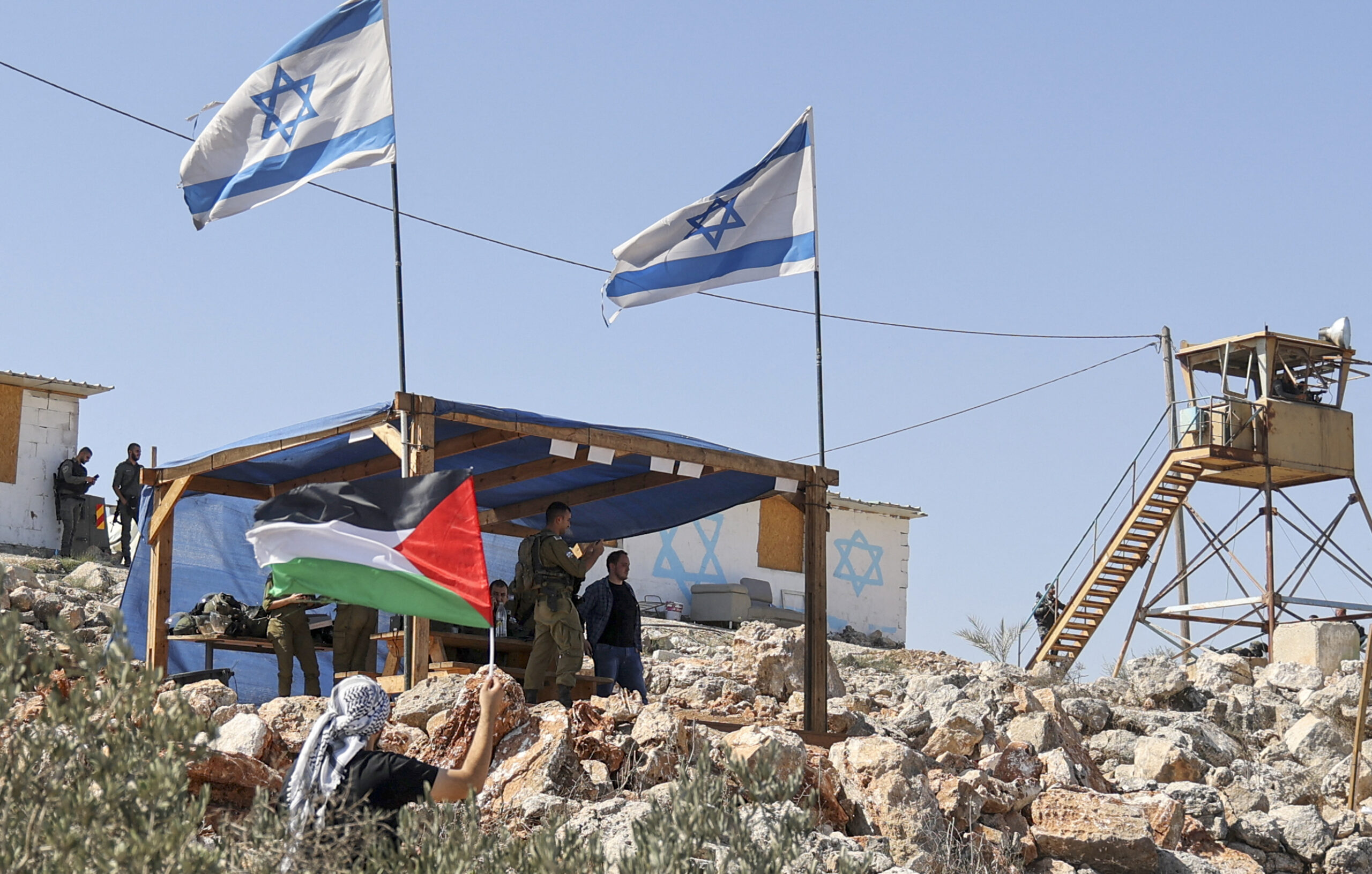
Permission to Narrate: The Shifting Discourse on Israel/Palestine in the U.S.
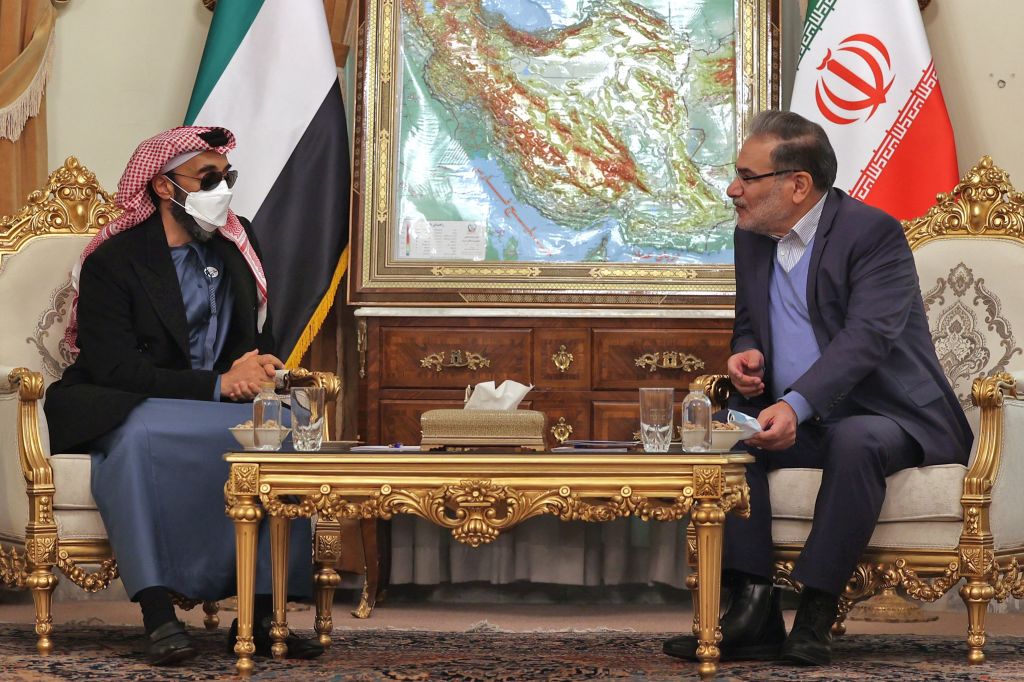
Monday Briefing: With international talks on Iran in limbo, keep an eye on regional action and engagement
Read MEI’s weekly briefing featuring expert analysis of key regional developments for the week ahead.
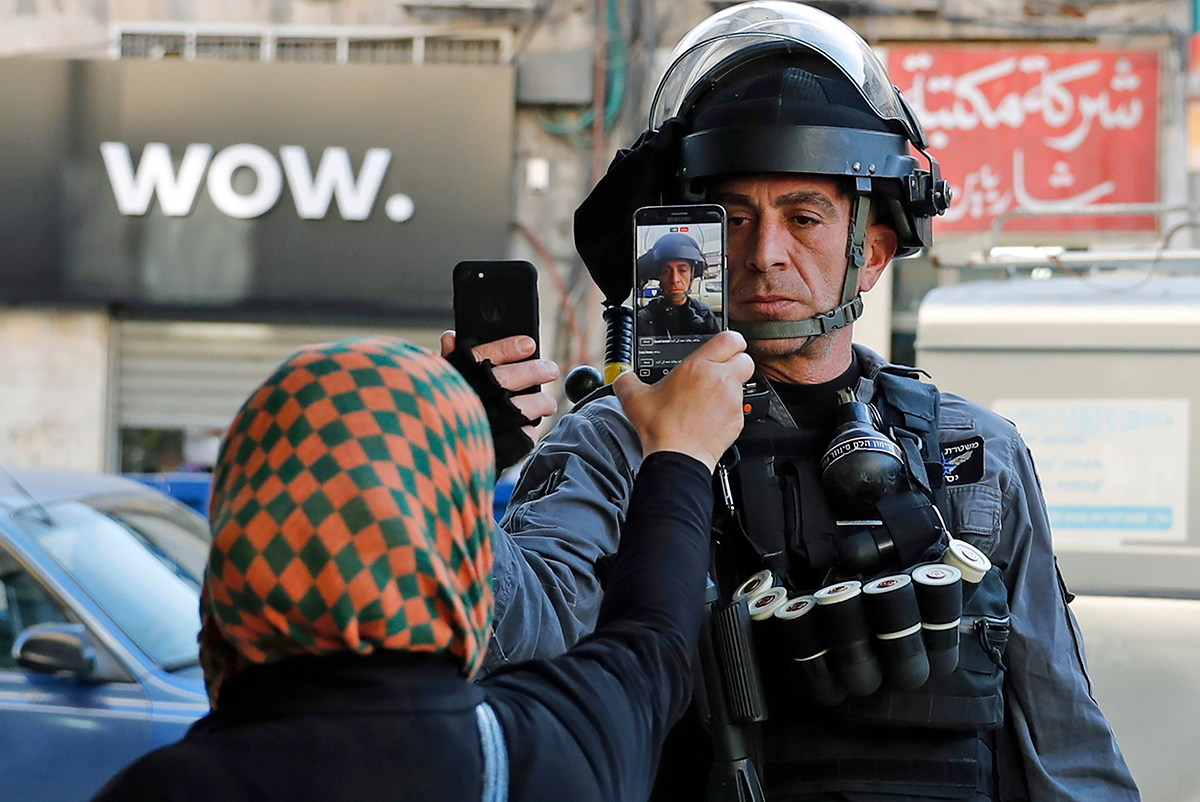
How to End Israel’s Digital Occupation
The 4.8 million residents of the occupied Palestinian territories live in two simultaneous and vastly different realities. In the physical world, Palestinians are captives, crammed into Gaza or West Bank enclaves and blockaded by Israeli military checkpoints. But on the internet, the checkpoints disappear.

Monday Briefing: Last-minute deal pushed through at the conclusion of COP26, but was it enough?
Read MEI’s weekly briefing featuring expert analysis of key regional developments for the week ahead.

A personal vantage point on the gamble of the Abraham Accords: Dubai’s first international backgammon championship
Jason Pack on the 2021 Oasis Backgammon Championship, the first major international backgammon tournament to be hosted in the Arab World in recent memory, and how it reflects broader changes in the Middle East.
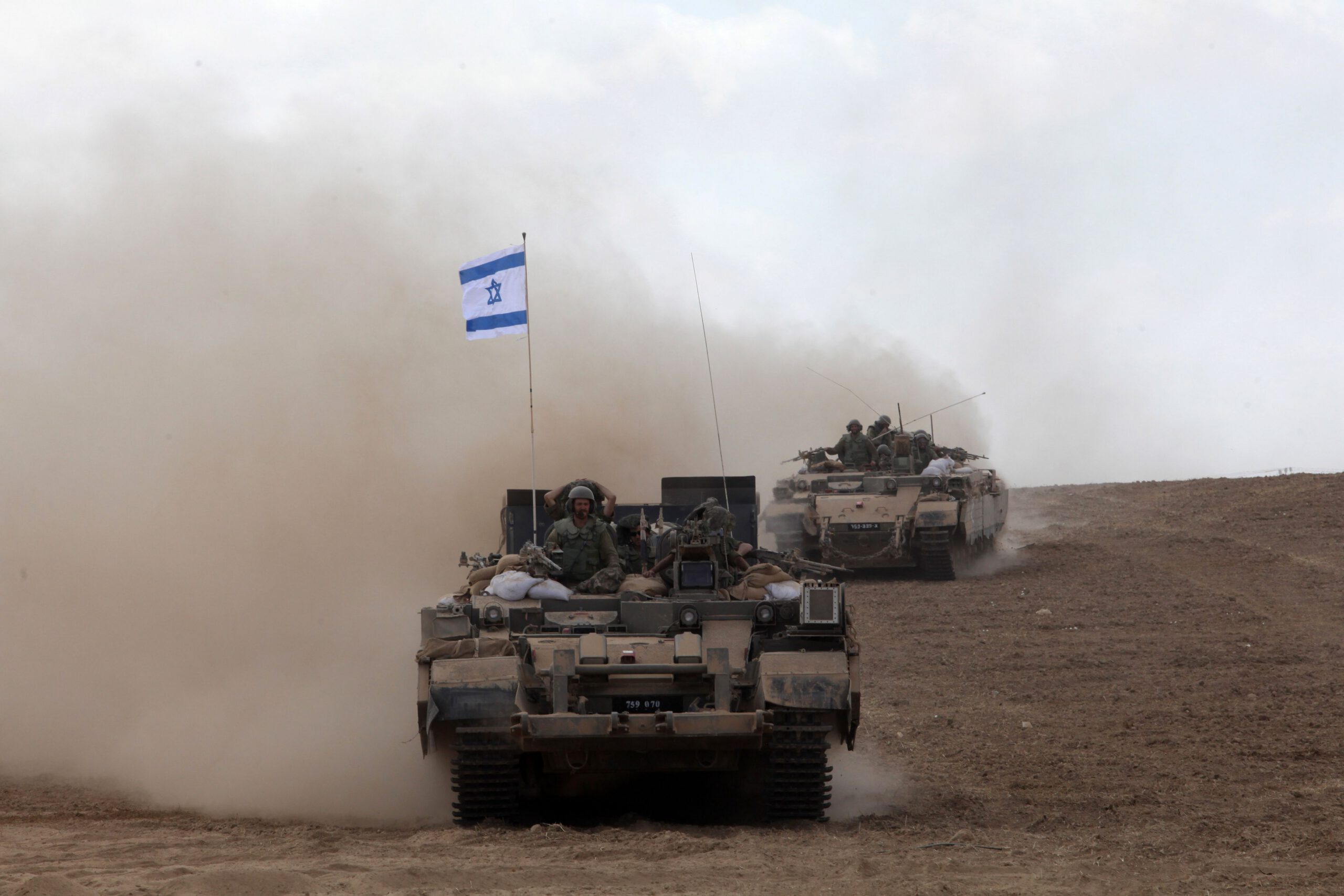
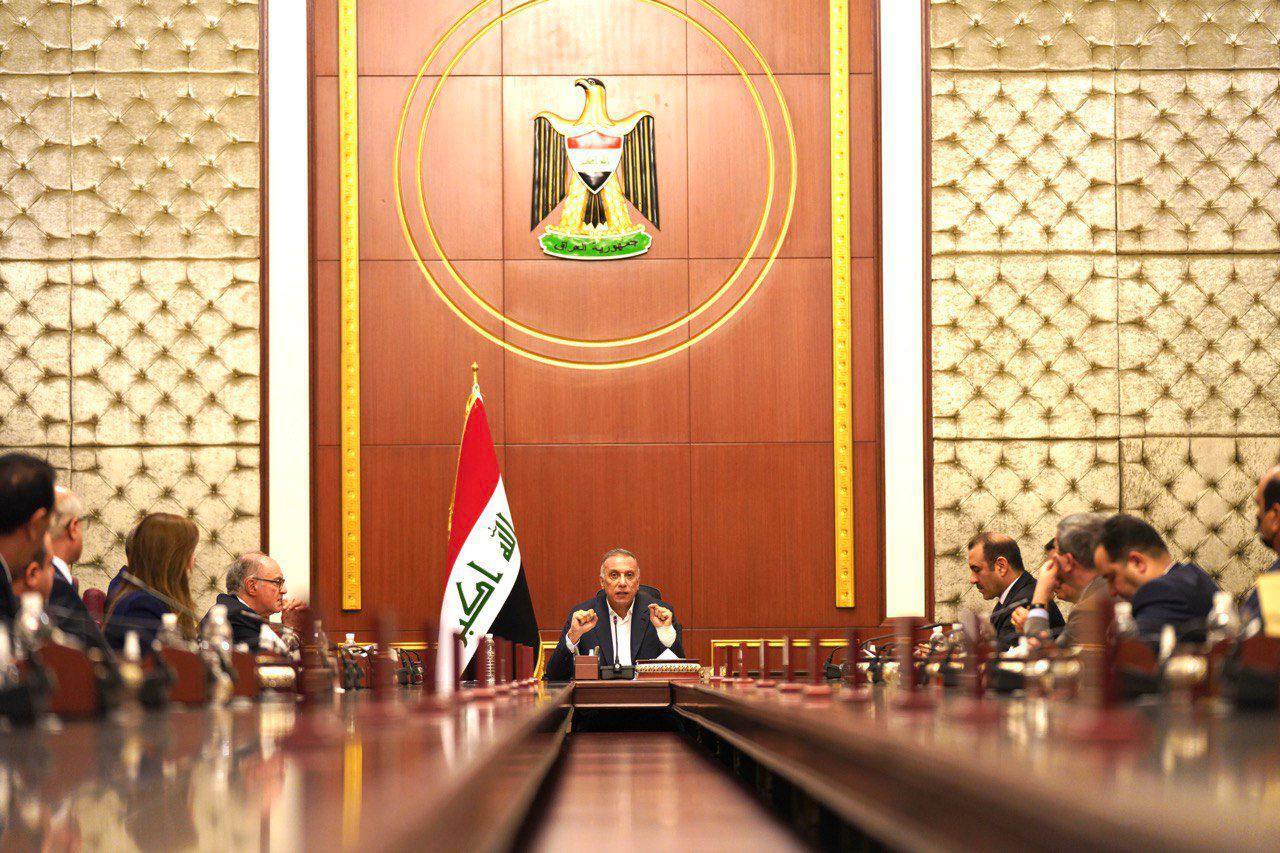
Monday Briefing: Assassination attempt targeting Iraqi PM crosses a major red line
Read MEI’s weekly briefing featuring expert analysis of key regional developments for the week ahead.
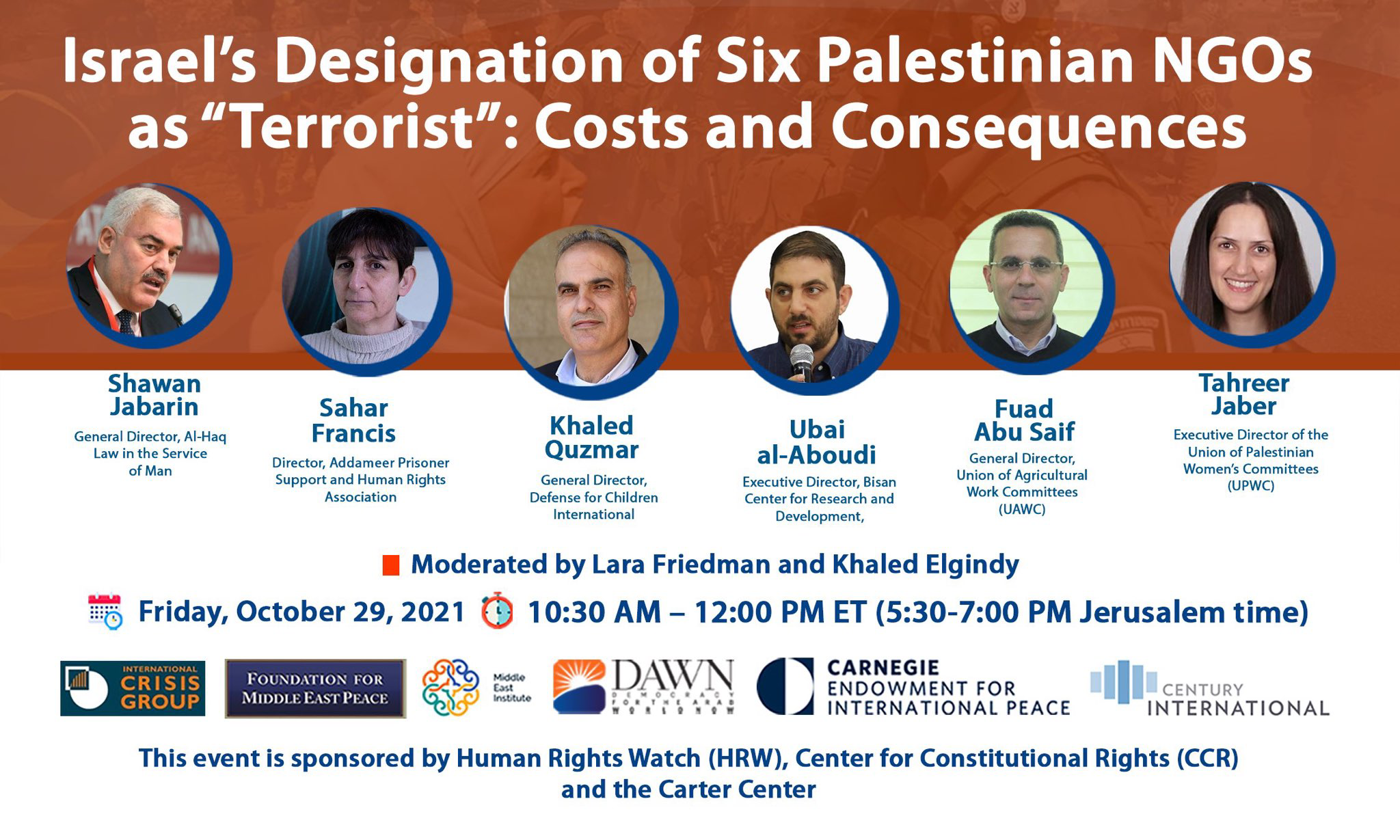
Israel’s Designation of Six Palestinian NGOs as “Terrorist”: Costs and Consequences
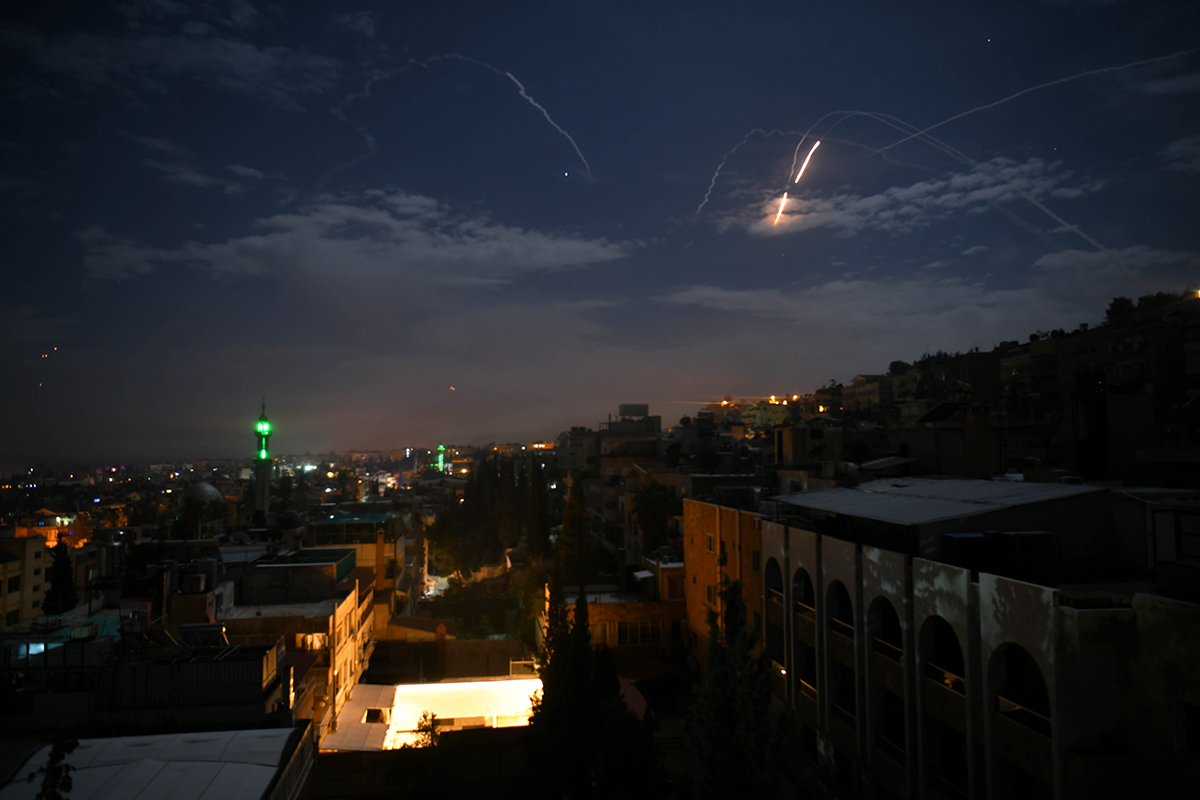
Has Israel’s campaign between the wars reached an impasse?
In recent years, Israel has waged a campaign against the military buildup of its enemies, mainly Iran, Syria, and Hezbollah. This ongoing effort is called “the campaign between the wars,” or the Mabam Campaign. Several events in recent weeks have given rise to questions about the effectiveness of this campaign, however, and have underscored the need to rethink its future.
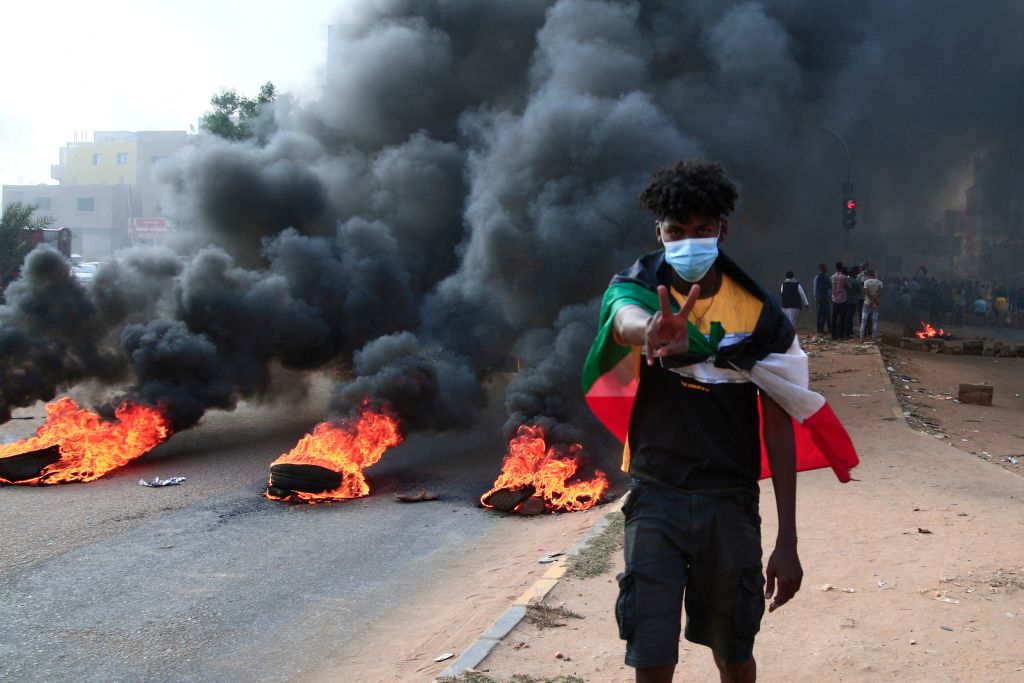
Monday Briefing: Protests in Sudan end in apparent coup
Read MEI’s weekly briefing featuring expert analysis of key regional developments for the week ahead.

The US competes to be the “partner of choice” in the Gulf
Even as the United States continues the strategic pivot to the Pacific inaugurated by the Obama administration, the competition for security and control of maritime space in the Red Sea and eastern Mediterranean is intensifying.
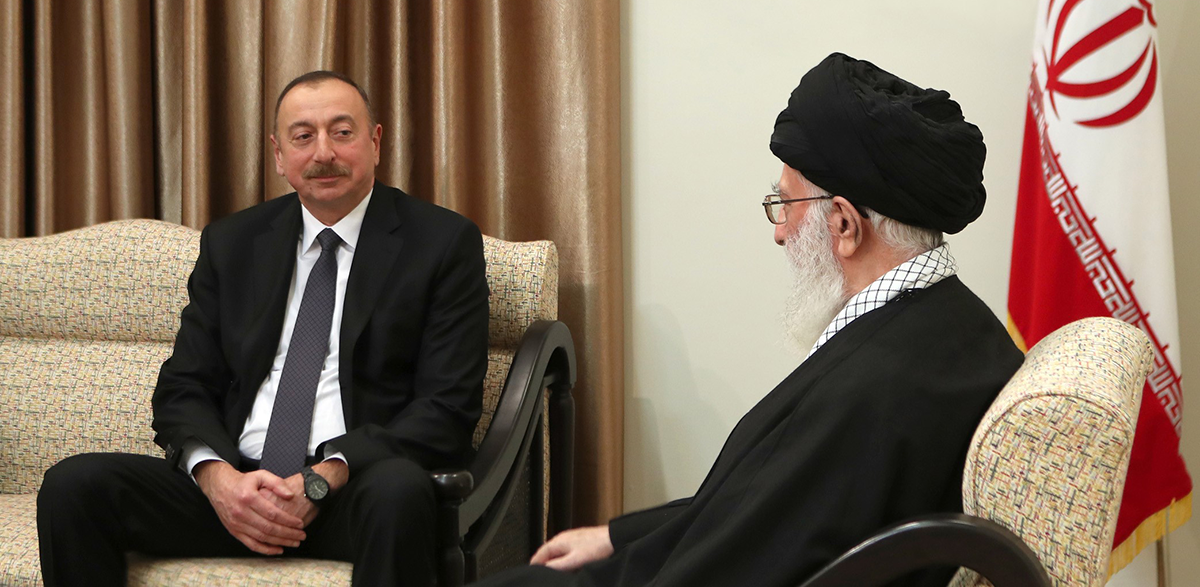
Iran’s threats could strengthen Azerbaijan-Israel relations
Iran-Azerbaijan relations have been going through a rough patch recently; both sides have genuine concerns that they want addressed.
Read the Middle East Journal
The oldest peer-reviewed publication dedicated to the study of the modern Middle East, MEI’s flagship journal covers politics, society, and culture in the region.