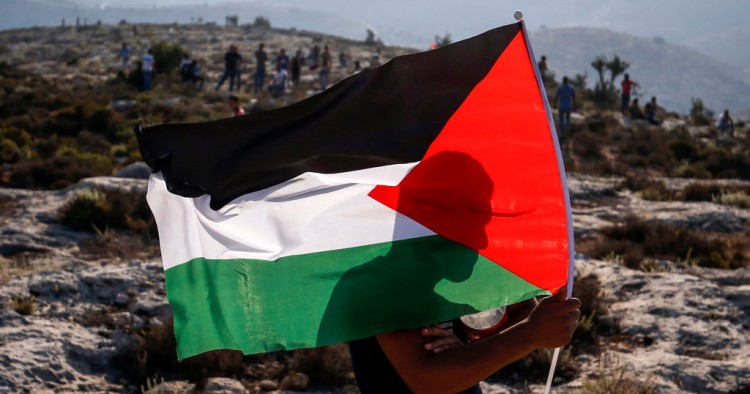
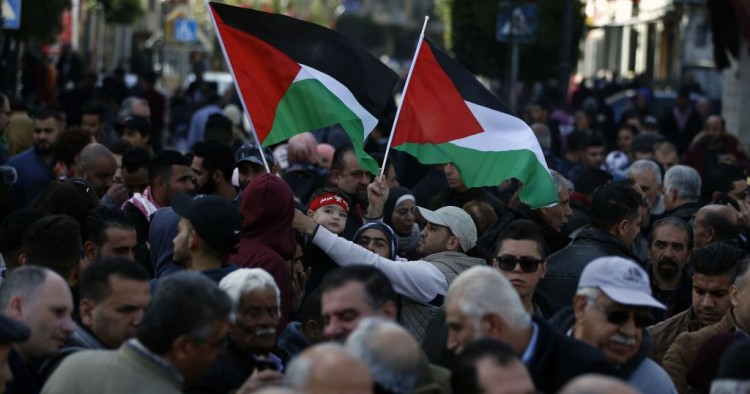
The West Bank economy is in crisis. Since the Hamas attack on Israel on October 7, 2023, Israeli policies, compounded by Palestinian Authority (PA) governance and fiscal management weaknesses, have driven the economy into free fall. The measures are imposing severe hardship on the lives and livelihoods of Palestinians; risk destabilizing the West Bank; carry spillover implications for Israel and its neighbors; and threaten to derail the US administration’s efforts to implement its 20-point plan for Gaza.
Israelis turned out in their highest numbers in decades on October 27 for the country’s first election since the Hamas attacks of October 7, 2023. Prime Minister Benjamin Netanyahu’s bloc lost 15 seats and its Knesset majority, but Gadi Eisenkot’s opposition bloc also fell short, leaving Arab parties, with a record 19 seats, potentially decisive in forming the next government. MEI Senior Fellow Natan Sachs joins hosts Alistair Taylor and Matthew Czekaj to unpack the results, the coalition math, and what comes next for Israel’s security policy, the wider region, and US-Israeli relations.
Recent Elections and What They May Mean for the Middle East
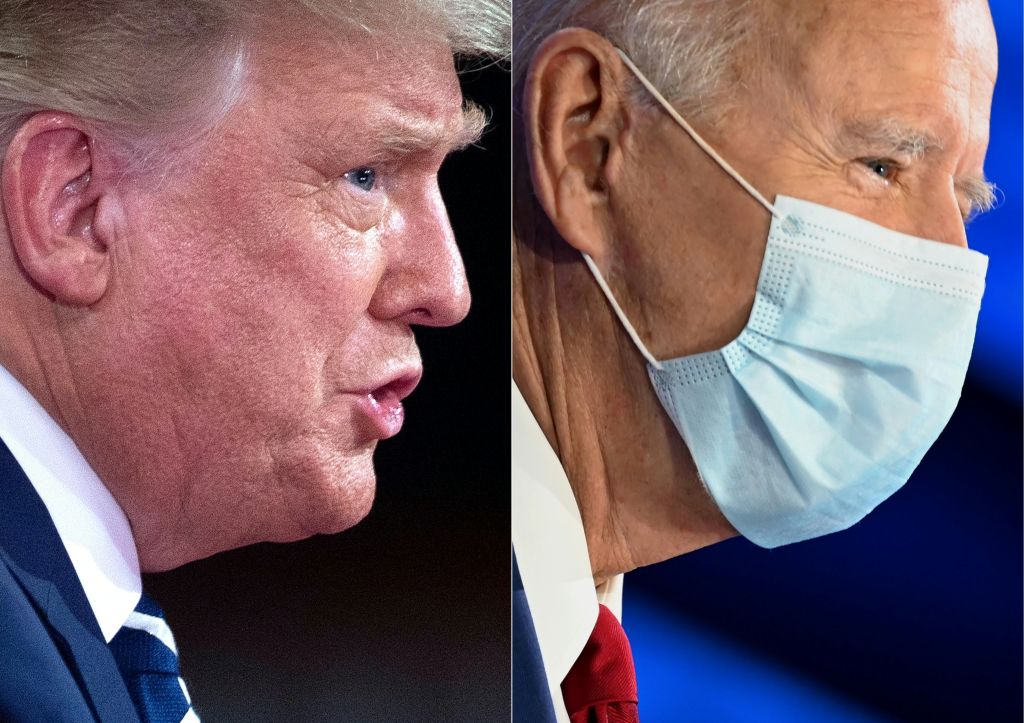
Recent elections for the Israeli Knesset and American Congress may make less of a difference in the Middle East than some people think. Elections are significant indicators of national political trends, but do not always translate into changes in national security strategies. That is likely the case now in both nations.
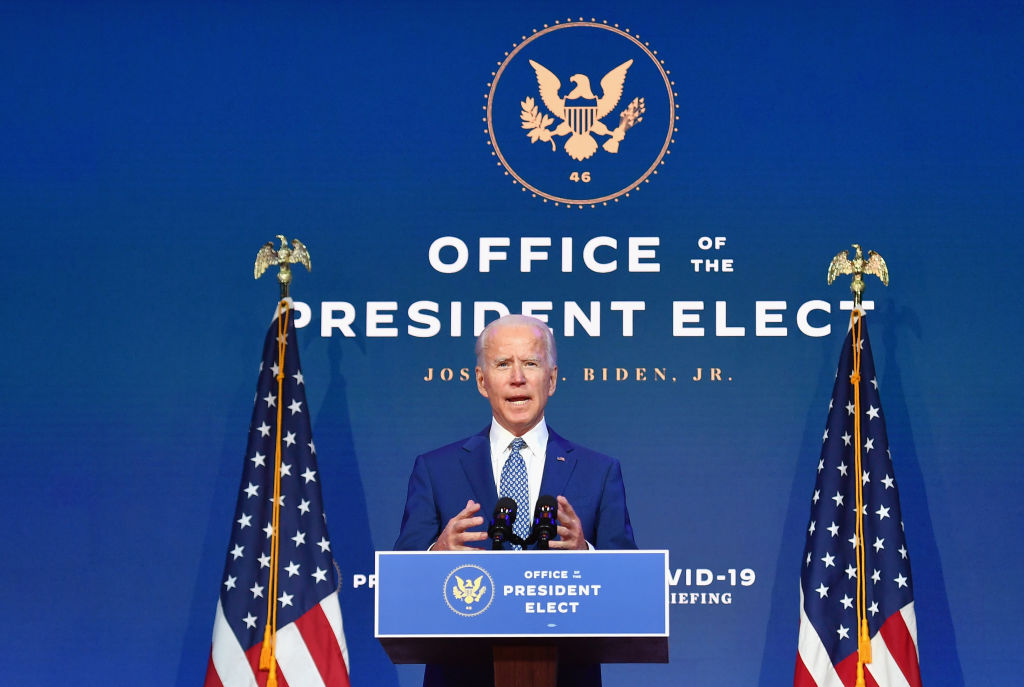
Biden’s presidency cannot mean a return to the status quo for Palestinians
On Nov. 17 and 19, MEI’s Program on Palestine and Palestinian-Israeli Affairs convened a two-part series looking at the future of Palestinian politics and the Palestinian national movement. Below is a summary of Part 2, “Toward a Palestinian National Strategy,” which examined the efficacy of the Palestinian leadership’s current focus on a negotiated two-state settlement, as well as alternative visions and means of liberation, such as a one-state solution and the Boycott, Divestment, and Sanctions (BDS) movement.
Biden’s presidency indicates new opportunities for Palestinian politics
On Nov. 17 and 19, MEI’s Program on Palestine and Palestinian-Israeli Affairs convened a two-part series looking at the future of Palestinian politics and the Palestinian national movement. Below is a summary of Part 1, “Reviving Palestinian Political Life,” which focused on issues such as national reconciliation, elections, succession, the future of institutions like the Palestinian Authority (PA), and reform of the Palestine Liberation Organization (PLO).
Pompeo’s settlement visit caps a four-year effort to destroy the two-state solution
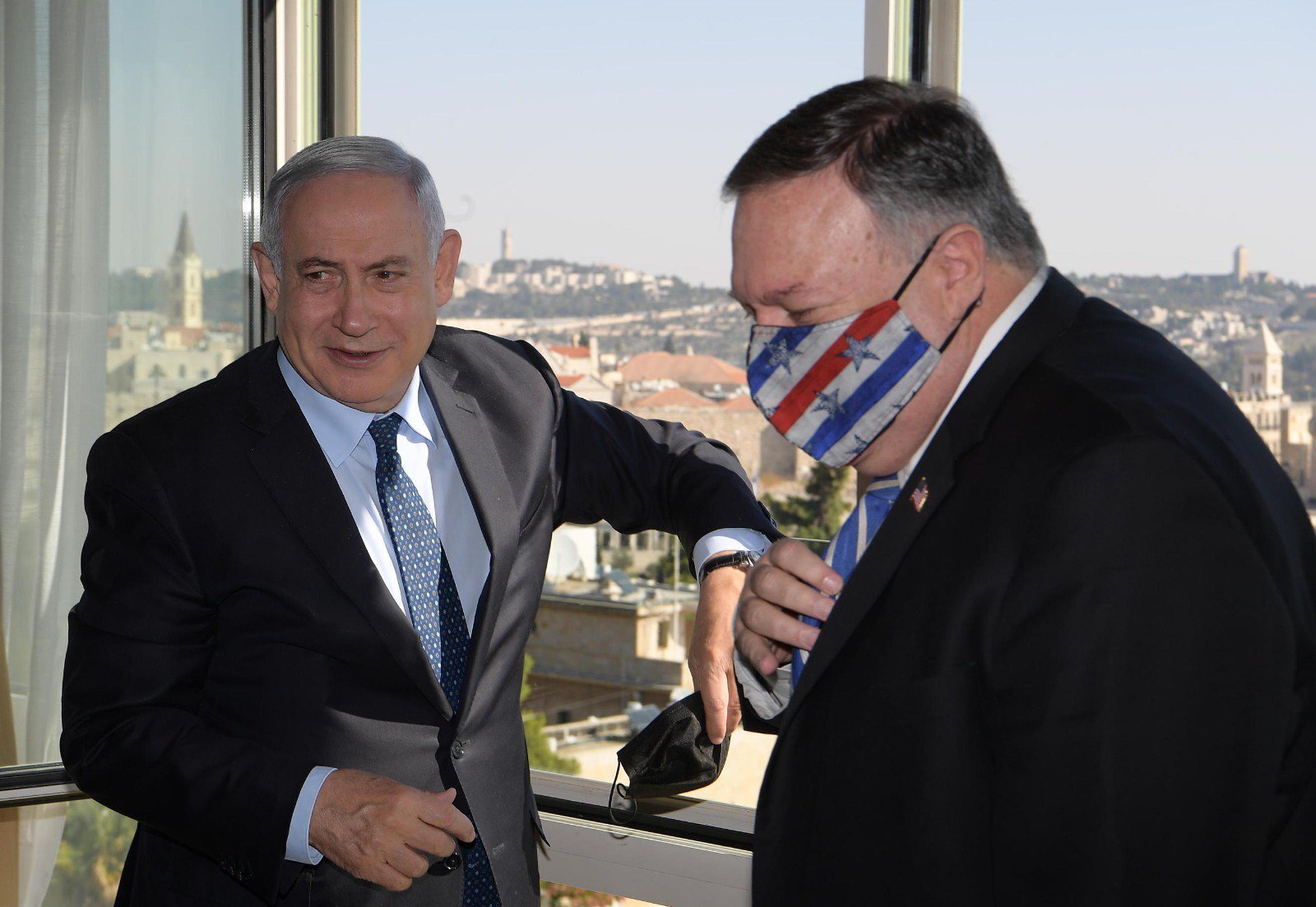
Secretary of State Mike Pompeo made history this week by visiting two Israeli settlements, the Psagot winery located on the outskirts of Ramallah in the heart of the Israeli-occupied West Bank, and the City of David located in the Palestinian neighborhood of Silwan just outside Jerusalem’s Old City, the first ever such visits by a sitting American secretary of state. The visits were clearly aimed at legitimizing and normalizing Israel’s settlement enterprise, which is considered illegal under international law, in keeping with the administration’s approach of the last three years.
The Palestinian-Israeli conflict: Has the equation changed?
Throughout his term in office, the longest in Israeli history, Benjamin Netanyahu has sought to implement his expansionist vision regarding the Palestinian territories occupied in 1967. Netanyahu’s vision was explicitly articulated in the Nation-State Law, which declares that “the state views the development of Jewish settlement as a national value and will act to encourage and promote its establishment and consolidation.” The Israeli PM reiterated his stance at the most recent U.N. General Assembly meeting in a speech that described such Palestinian demands as the right of return for refugees, Israeli withdrawal from the occupied Palestinian Territories, and the evacuation of Israeli settlers from the West Bank as unrealistic.
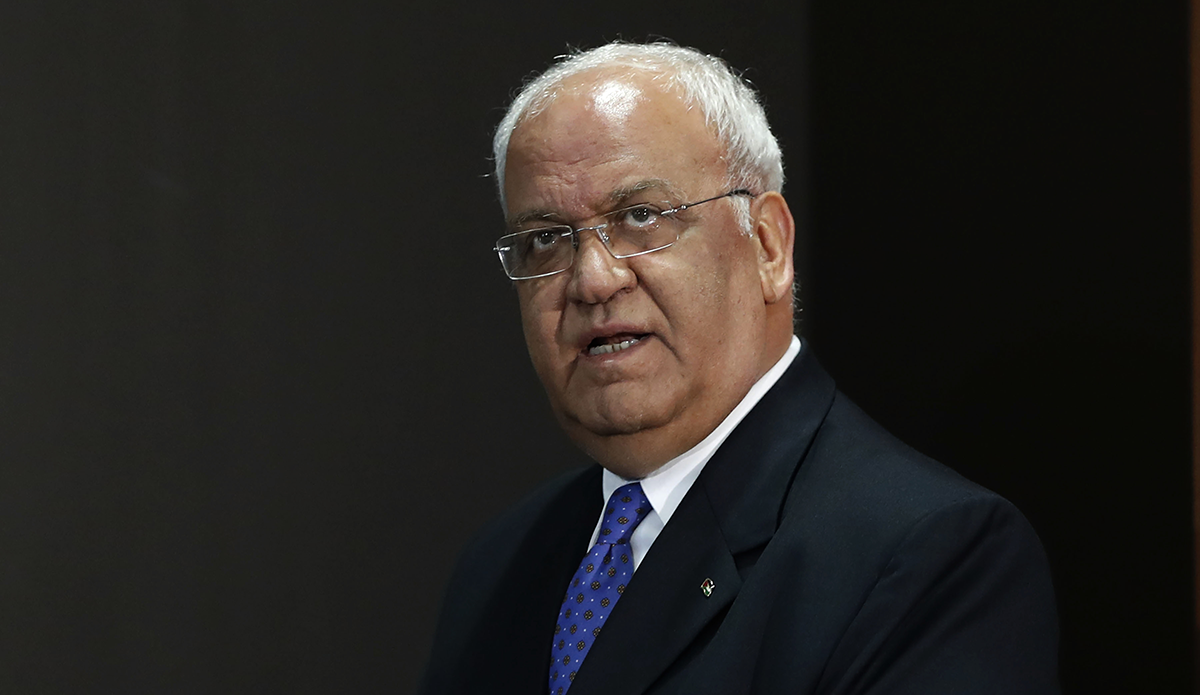
The passing of Palestinian chief negotiator Saeb Erakat is a tremendous loss, not only for his family but for the Palestinian people and all those who knew and worked with him as well. He was a tireless advocate for his people who dedicated his life to the goal of Palestinian freedom and the dream of Israeli-Palestinian peace.
Monday Briefing: The reverberations of the US election in the Middle East
This week’s briefing on recent news and upcoming events in the region featuring Paul Salem, Alex Vatanka, Gonul Tol, Gerald Feierstein, Randa Slim, Khaled Elgindy, Charles Lister, Mirette F. Mabrouk, and Marvin G. Weinbaum.
Forget the US elections, the Palestinians need to choose their own way forward
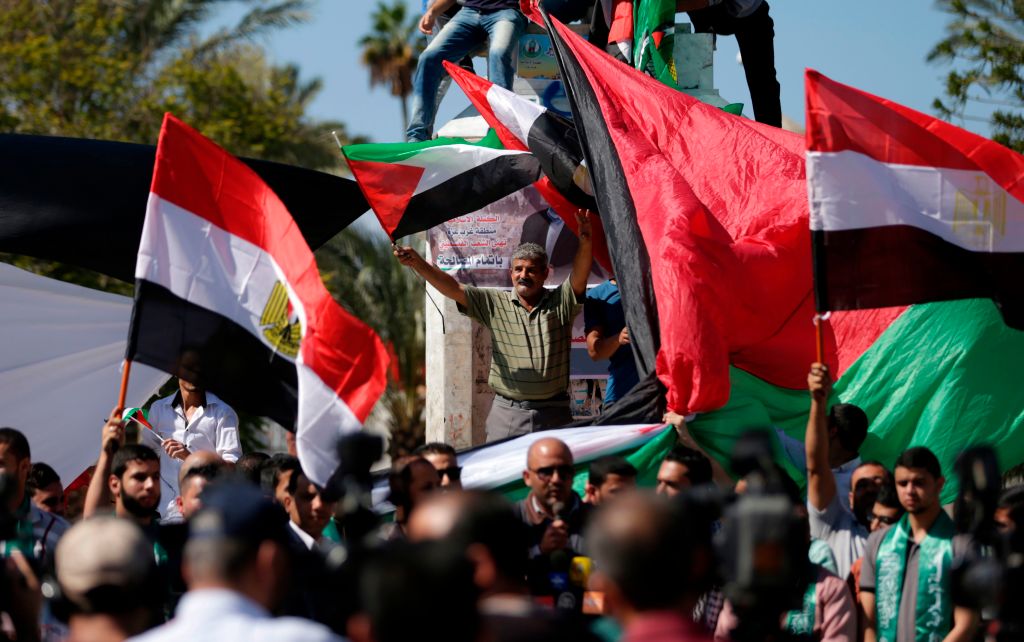
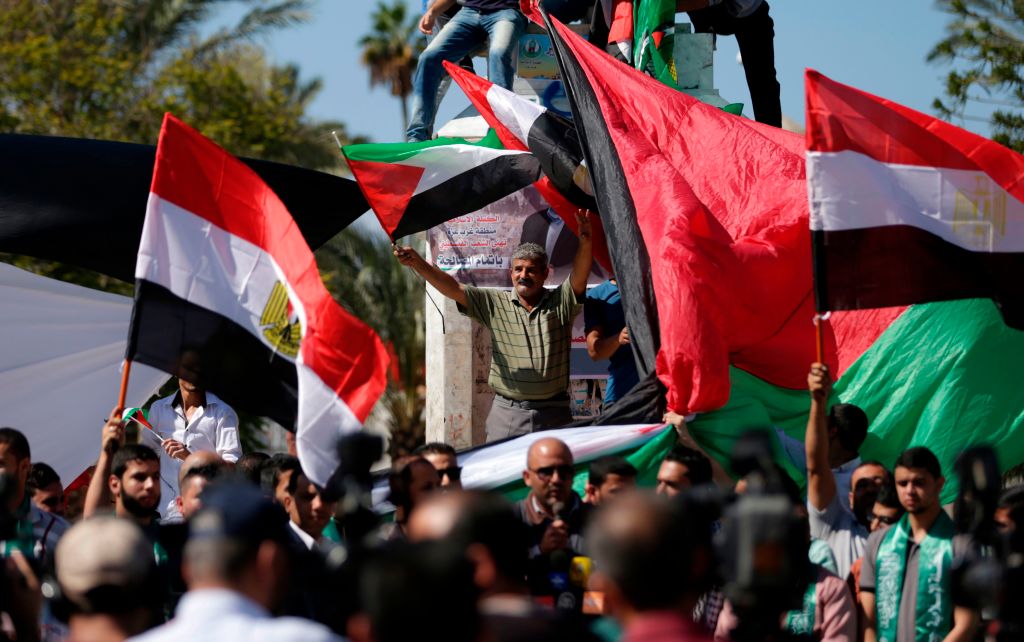
Since Fatah and Hamas reached a reconciliation agreement in September, Palestinian scholars, activists, and journalists have speculated over when, how, and if this latest reconciliation might actually go forward. Many observers, both inside and outside of Palestine, view the move as a response to the recent rapprochement of Arab countries with Israel, as well as to uncertainty over this week’s U.S. presidential elections.
How the UAE-Israel deal could change the regional power balance
While most experts believe that the recent normalization of ties between Israel and the UAE will not lead to a significant change in the regional balance of power, there are indications that it has the potential to bring about such a change in the long run.
Left to fend for themselves, Israel’s Bedouin are struggling with COVID-19
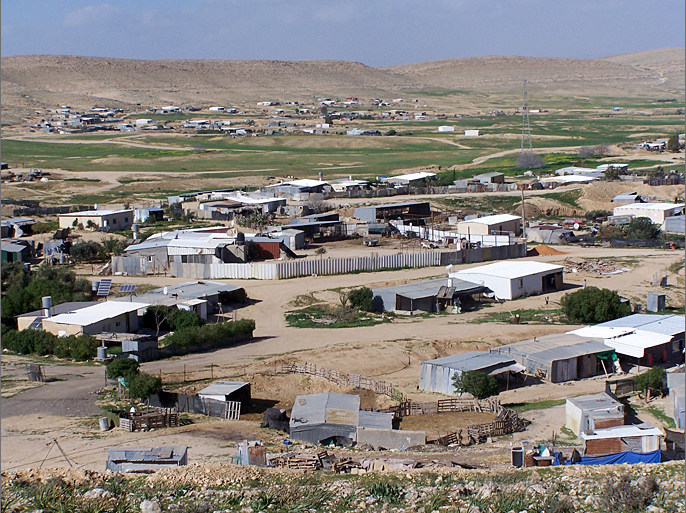
The COVID-19 pandemic is impacting all communities in Israel, but it has hit some of them much harder than others. The plight of the Haredim (ultra-Orthodox Jews) has been widely publicized, but the Bedouin of the Negev Desert are also being devastated by the pandemic and no one seems to care.
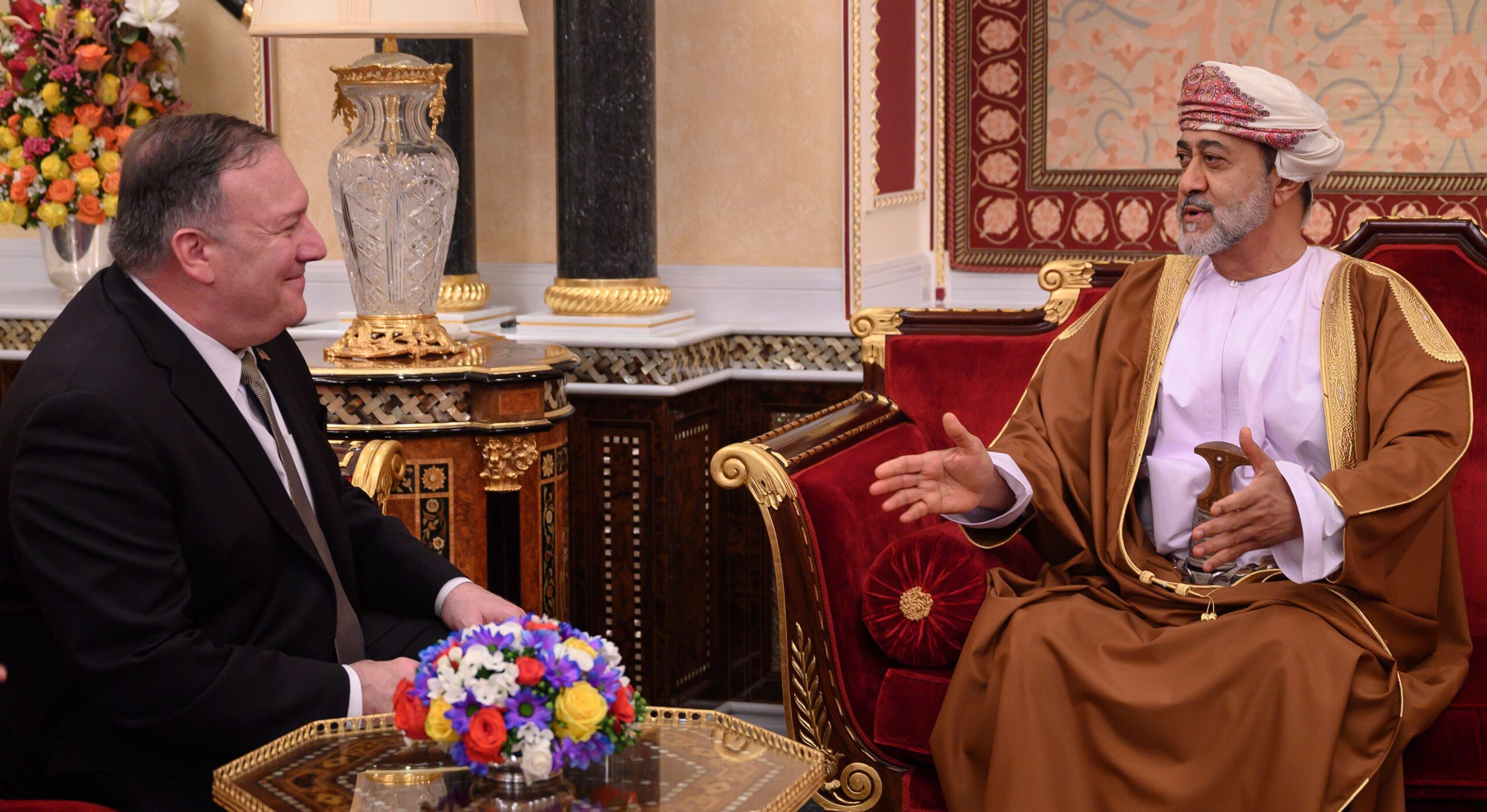
Since Aug. 13, speculation has been rife that the Sultanate of Oman will soon follow the United Arab Emirates’ (UAE) lead and formalize full-fledged ties with Israel. Yet, at least thus far, Muscat has refused to join the UAE, Bahrain, and now Sudan in normalizing relations with Tel Aviv. As a moderate Arab country, where tolerance is firmly embedded into the national ethos and the Ibadi sect of Islam, Oman appears to be maintaining a balanced position on the overall Arab trend toward normalizing relations with Israel. Muscat’s positive reaction to the Abraham Accords is not a major change in strategy and is more illustrative of Oman’s longstanding position on normalization.
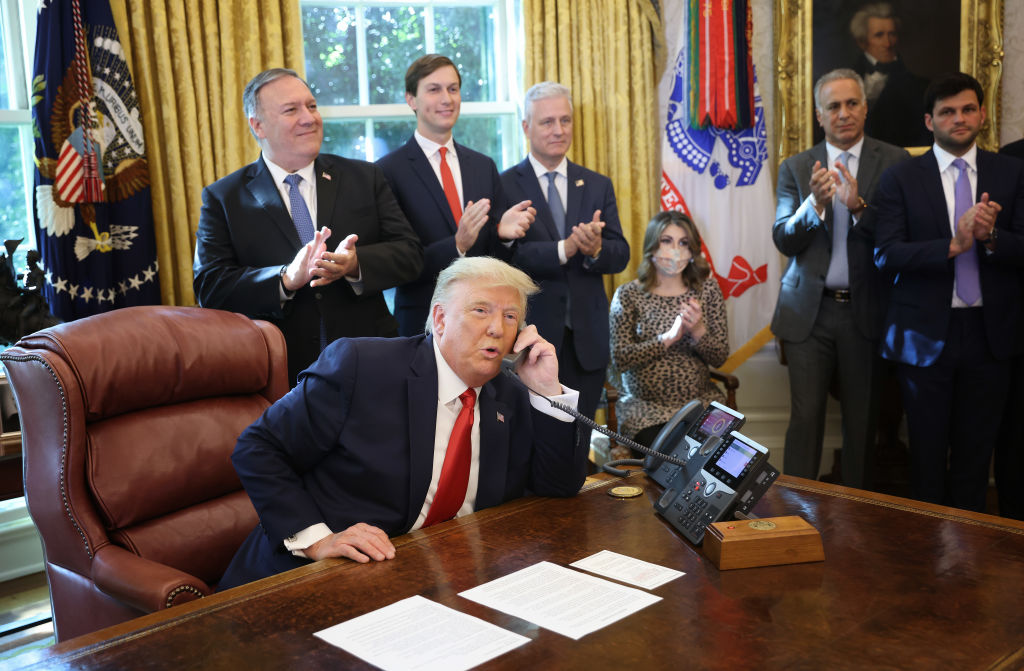
Monday Briefing: Regional reverberations of the Sudan-Israel announcement
This week’s briefing on recent news and upcoming events in the region featuring Paul Salem, Jonathan M. Winer, Gonul Tol, Mohammed Soliman, Marvin G. Weinbaum, Elizabeth Dent, Mirette F. Mabrouk, and Robert S. Ford.
The oldest peer-reviewed publication dedicated to the study of the modern Middle East, MEI’s flagship journal covers politics, society, and culture in the region.