Israel/Palestine: What the Iran War Broke and What May Yet Be Salvaged
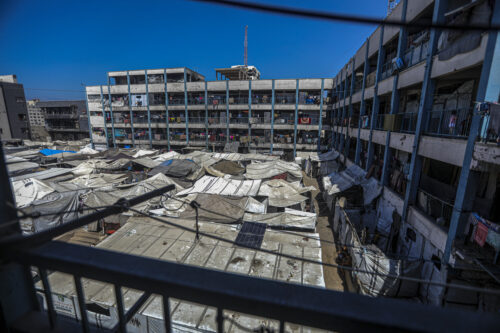
The 20-point plan for Gaza introduced before the war with Iran began has languished, with no meaningful recovery, reconstruction, Hamas disarmament, governance transition, or Israeli withdrawal. The diplomatic pivot back to Gaza in late July and early August suggests that the Iran war’s stubborn persistence may be causing the US and regional actors to seek wins on other fronts.
Israel: Strategic Divergence and Weakened Deterrence
The American-Israeli campaign against Iran that began in February 2026 resulted in a regional conflict its authors never intended. The war’s chief product is not what the United States and Israel destroyed, though that was significant, but what Iran proved: that it holds a strategic lever over its neighbors, the world economy, and the US.
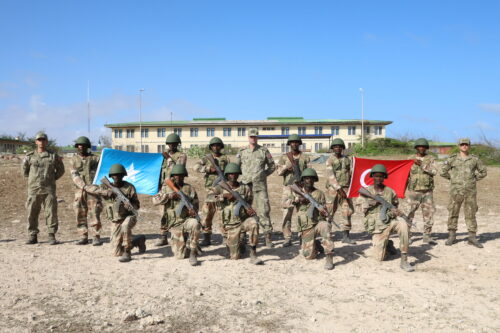
Turkey has become a major player in Africa, with a particularly strong footprint in the Horn. While economic and energy interests’ matter, one sector now stands at the center of Ankara’s regional activism: defense.
The Lebanon Crisis Pivots on Hezbollah’s Presence in Yemen | Monday Briefing
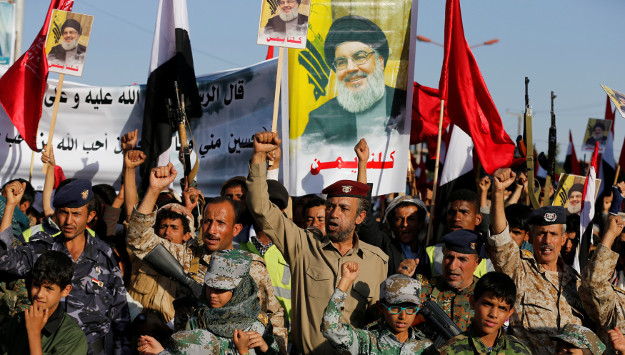
In this week’s Monday Briefing, contributors Paul Salem, Eran Etzion, Alex Vatanka, and Bilal Saab provide analysis on recent and upcoming events including the rising tension between Saudi Arabia and Lebanon over Hezbollah’s presence in Yemen, rumors that an Israeli attack on Lebanon is imminent, the Saudis’ latest attempt to round up collective action against Iran, and the new phase in the Saudi-Iran proxy war following the recent explosion of a pipeline in Bahrain.
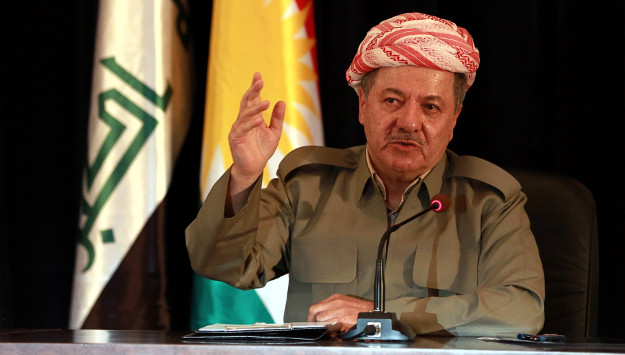
Barzani Stands Down as K.R.G. President | Monday Briefing
In this week’s Monday Briefing, MEI experts Randa Slim, Yousef Munayyer, Charles Lister, Charles Schmitz, and Alex Vatanka provide analysis on recent and upcoming events including President Barzani’s decision to step down from the KRG, the Trump administation’s silent response to Israeli settlement expansion in Jerusalem , the Armed Syrian Opposition’s attendance of the seventh round of Astana Talks, Saudi foreign minister blaming Iran for lack of progress in peace talks in Yemen, and President Rouhani’s failure to advance the reform cause in Iran.
Iran Sees Iraqi Kurdistan’s Push for Independence as “Israeli Project”
Iranian officials and state-run media outlets continue to label the recent Iraqi Kurdish leaders’ push for independence as an “Israeli project” aimed at countering Iran’s influence in the region. Grand Ayatollah Hossein Nuri Hamedani, a senior Iranian cleric, said this week that Tehran would not “allow a new Israel to take shape in the region.” An article in Fars News Agency, which is affiliated with the Islamic Revolution Guards Corps (I.R.G.C.), echoed a similar view.
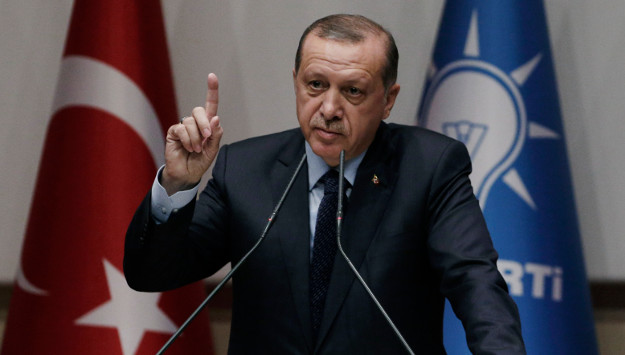
Erdogan Visits Iran as Tension Rises over Kurdish Vote | Monday Briefing
In this week’s Monday Briefing, MEI experts Alex Vatanka, Randa Slim, Marvin G. Weinbaum, Yousef Munayyer, and Gerald Feierstein provide analysis on recent and upcoming events including Turkish President Erdogan’s visit to Iran, Ayatollah Ali al-Sistani’s efforts to push for dialogue after the Kurdish independence referendum, the pending indictment of Nawaz Sharif in Pakistan, signs of progress in the reconcilliation attempt between Hamas and Fatah, and the Saudi king’s visit to Moscow.
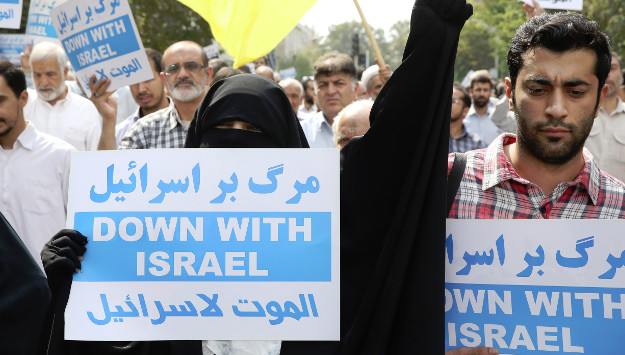
Iran’s New Army Chief: Tiniest Mistake Will Shorten Israel’s 25-Year Lifespan
On Monday, the new chief commander of Iran’s Army said Israel had a maximum life span of 25 years and that the Jewish state would perish even earlier if it “makes any mistake” over its remaining lifetime. “The notion that the Zionist regime of Israel will not be existing 25 years from now does not mean that it would have a full time span of 25 years to live,” Tasnim News Agency quoted Major General Abdolrahim Mousavi as saying. He also warned that any Israeli mistake would result in the destruction of Haifa and Tel Aviv.
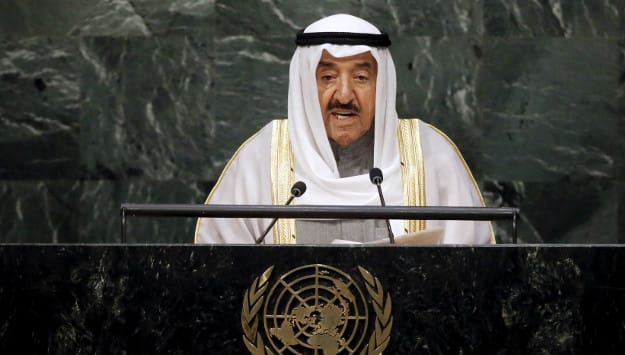
Qatar to Top Agenda of Kuwaiti Emir’s Washington Visit | Weekly Briefing
In this week’s briefing, MEI experts Gerald Feierstein, Charles Schmitz, Jonathan M. Winer, and Yousef Munayyer provide analysis on recent and upcoming events including Kuwaiti Emir Sheikh Sabah al-Sabah’s upcoming visit to Washington, recent clashes in Yemen, the French Foreign Minister’s trip to Libya, and the U.N. Human Rights Council’s discussion on Israel/Palestine.
Israel has weathered the campaign to oust Bashar al-Assad far better than its neighbors. Unlike many others, Israel was never a true believer in the failed effort to topple the Assad regime, preferring an opportunistic rather than a principled strategy that aimed at keeping Israel out of harm’s way.
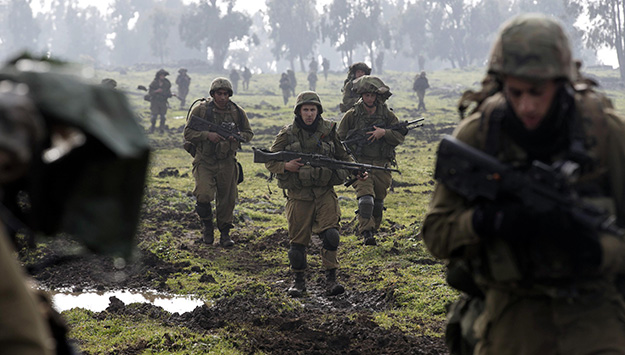
The challenges of postwar Syria, however, may prove more daunting. Israel must now deter any interest by Syria’s Arab and Iranian allies to deploy military forces in Syria against it.
Iran Expanding Influence in Syria, Despite Israeli Warnings
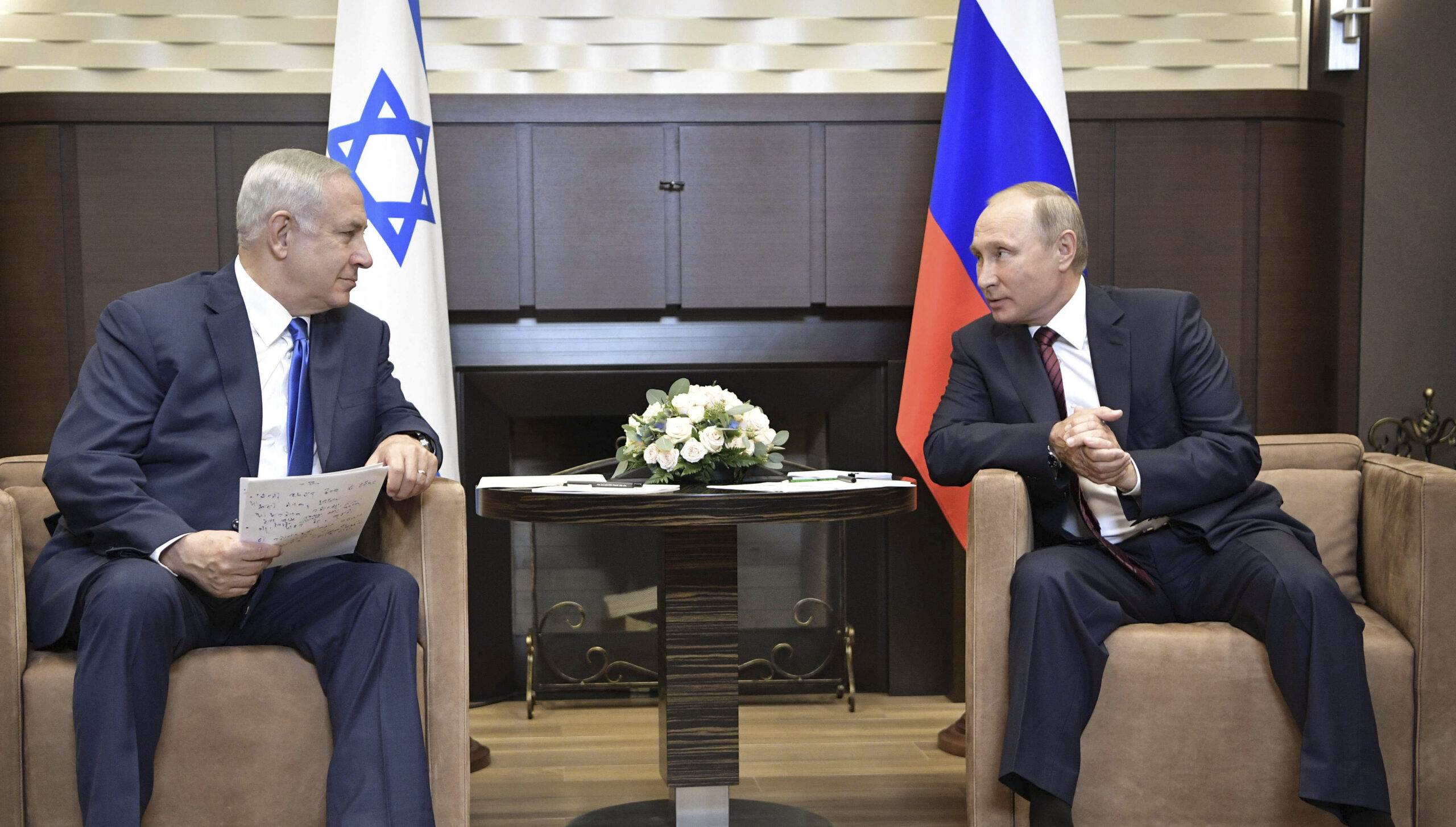
Even before Israeli Prime Minister Benjamin Netanyahu arrived at the Black Sea resort of Sochi last Wednesday for his sixth consultation in two years with Russian President Vladimir Putin, Moscow’s representative in Tel Aviv laid out a soothing if improbable vision of a Syria free of Iranian troops and Shiite militias.
Israel-Palestine: What Can Be Learned from Other Conflicts?
Israelis and Palestinians tend to be invested in the notion that their conflict is unique in its intractability. But other conflicts have reached a measure of resolution, or at least extended periods of non-violence. Learning from their limited success can offer insights and key policy implications; learning from their failures can provide valuable warnings and lessons. Comparing conflicts can even humanize what’s happening in Israel and the occupied territories.
Jared Kushner was on a Middle East mission last week attempting to do what at least half a dozen U.S. emissaries and special presidential envoys have failed to do for more than two decades: putting the peace process on track toward concluding a final settlement between Israel and the Palestinians. But there was a marked change in the U.S. tone, as Kushner, accompanied by Special Envoy for International Negotiations Jason Greenblatt and Deputy N.S.A. Adviser Dina Powell, met with leaders of Saudi Arabia, Jordan and Egypt before heading to Israel and the West Bank.
Monday Briefing | Abbas Hoping for a Commitment from Kushner on MidEast Peace
In this week’s Monday Briefing, MEI experts Yousef Munayyer, Paul Salem, Ahmad Majidyar, Alex Vatanka, and Gonul Tol provide analysis on recent and upcoming events including the upcoming trip by the U.S. delegation headed by Jared Kushner to Israel/Palestine, Iraq’s anti-ISIS operation in Tal Afar, President Trump’s upcoming announcement on U.S. military strategy in Afghanistan, Iran’s efforts to find a role in China’s One Belt, One Road project, and Turkey’s rocky relations with Germany.
Iran-Backed Iraqi Militia Group Vows to Fight with Hezbollah against Israel
Harakat al-Nujaba, an Iranian-supported Iraqi militia group, has announced that it will support the Lebanese Hezbollah in the fight against the “occupying Zionist regime” of Israel, Fars News Agency, which is affiliated with the Islamic Revolution Guards Corps (I.R.G.C.) reports.
The oldest peer-reviewed publication dedicated to the study of the modern Middle East, MEI’s flagship journal covers politics, society, and culture in the region.