Israel/Palestine: What the Iran War Broke and What May Yet Be Salvaged
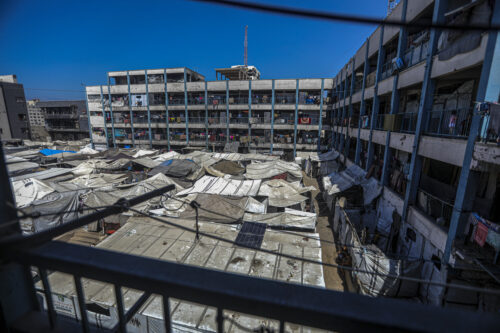
The 20-point plan for Gaza introduced before the war with Iran began has languished, with no meaningful recovery, reconstruction, Hamas disarmament, governance transition, or Israeli withdrawal. The diplomatic pivot back to Gaza in late July and early August suggests that the Iran war’s stubborn persistence may be causing the US and regional actors to seek wins on other fronts.
Israel: Strategic Divergence and Weakened Deterrence
The American-Israeli campaign against Iran that began in February 2026 resulted in a regional conflict its authors never intended. The war’s chief product is not what the United States and Israel destroyed, though that was significant, but what Iran proved: that it holds a strategic lever over its neighbors, the world economy, and the US.
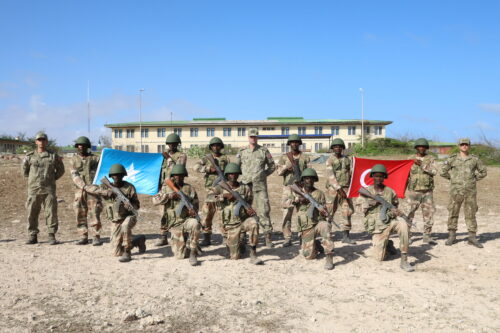
Turkey has become a major player in Africa, with a particularly strong footprint in the Horn. While economic and energy interests’ matter, one sector now stands at the center of Ankara’s regional activism: defense.
Troubled Triangle: The US, Turkey, and Israel in the New Middle East
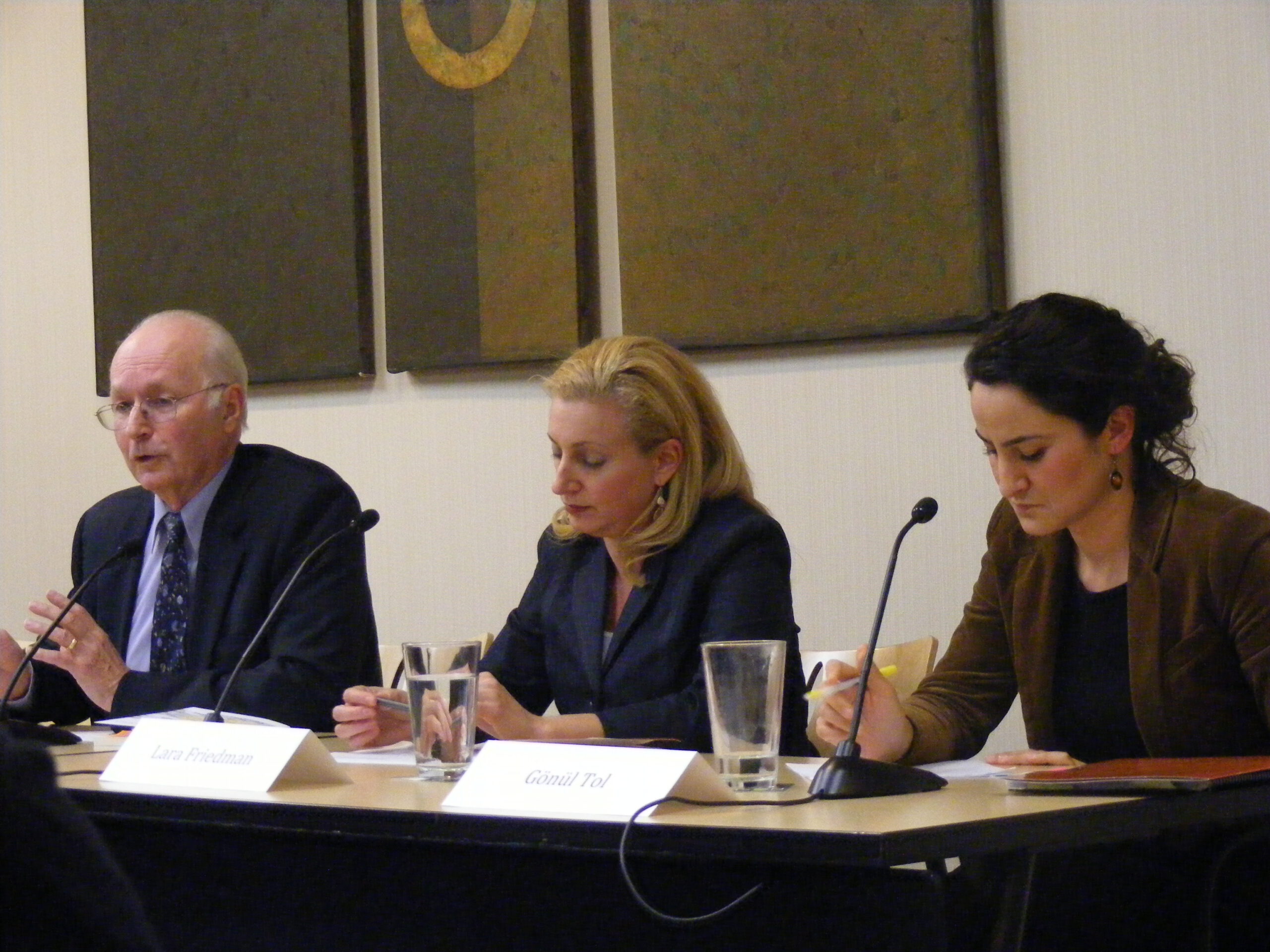
The trilateral relationship between Turkey, Israel and the United States has deteriorated in recent years as Israel's and Turkey's foreign policy goals in the Middle East continue to diverge. Despite repeated attempts, the United States has failed to reconcile these two important regional allies since the divisive Mavi Marmara incident in May 2010. MEI and The Stimson Center held a discussion of this critical yet troubled trilateral relationship in a time of unprecedented change in the Middle East featuring Prof. William B. Quandt, Edward R.
This article first appeared as an Op-Ed on Politico.com on September 19, 2011
Palestinian President Mahmoud Abbas early this week will likely fulfill his longstanding vow to introduce in the U.N. Security Council a resolution to recognize Palestine as the 194th member state. No one should be the least bit surprised.
The Middle East Institute is proud to host Ilan Peleg and Dov Waxman, authors of the book Israel's Palestinians:The Conflict Within (Cambridge, 2011), for a discussion about their findings. One in five citizens of Israel are Palestinian. Often overlooked by outside observers, the challenges facing the Palestinian minority in Israel are an inseparable part of the Israeli-Palestinian conflict. Resolving this conflict – a central concern of U.S. foreign policy and current international diplomacy – requires more than the establishment of a Palestinian state.
This Burning Land: Lessons from the Front Lines of the Transformed Israeli-Palestinian Conflict
The Middle East Institute is proud to host Greg Myre and Jennifer Griffin for a discussion about the ongoing challenges in the Israeli-Palestinian conflict based on their knowledge and experiences recounted in their new book, This Burning Land: Lessons from the Front Lines of the Transformed Israeli-Palestinian Conflict. Myre and Griffin, journalists who are husband and wife, traveled to Jerusalem in 1999 in hopes of finally seeing Middle East peace. Instead, the pair watched as violence in the area escalated and the peace process disintegrated.
This Burning Land: Lessons from the Front Lines of the Transformed Israeli-Palestinian Conflict
The Middle East Institute is proud to host Greg Myre and Jennifer Griffin for a discussion about the ongoing challenges in the Israeli-Palestinian conflict based on their knowledge and experiences recounted in their new book, This Burning Land: Lessons from the Front Lines of the Transformed Israeli-Palestinian Conflict. Myre and Griffin, journalists who are husband and wife, traveled to Jerusalem in 1999 in hopes of finally seeing Middle East peace. Instead, the pair watched as violence in the area escalated and the peace process disintegrated.
The Obama administration's efforts to win a settlement freeze as a confidence-building measure have failed, and the U.S.has not presented a new vision for resuming the moribund peace process. Nevertheless, many analysts now recommend shifting the diplomatic focus to negotiations to define the border between Israel and the future state of Palestine. Resolving the border would address the issues of settlements and Jerusalem as well as potential land swaps between the two states.
Israel After Egypt: Opportunities and Challenges for Peace
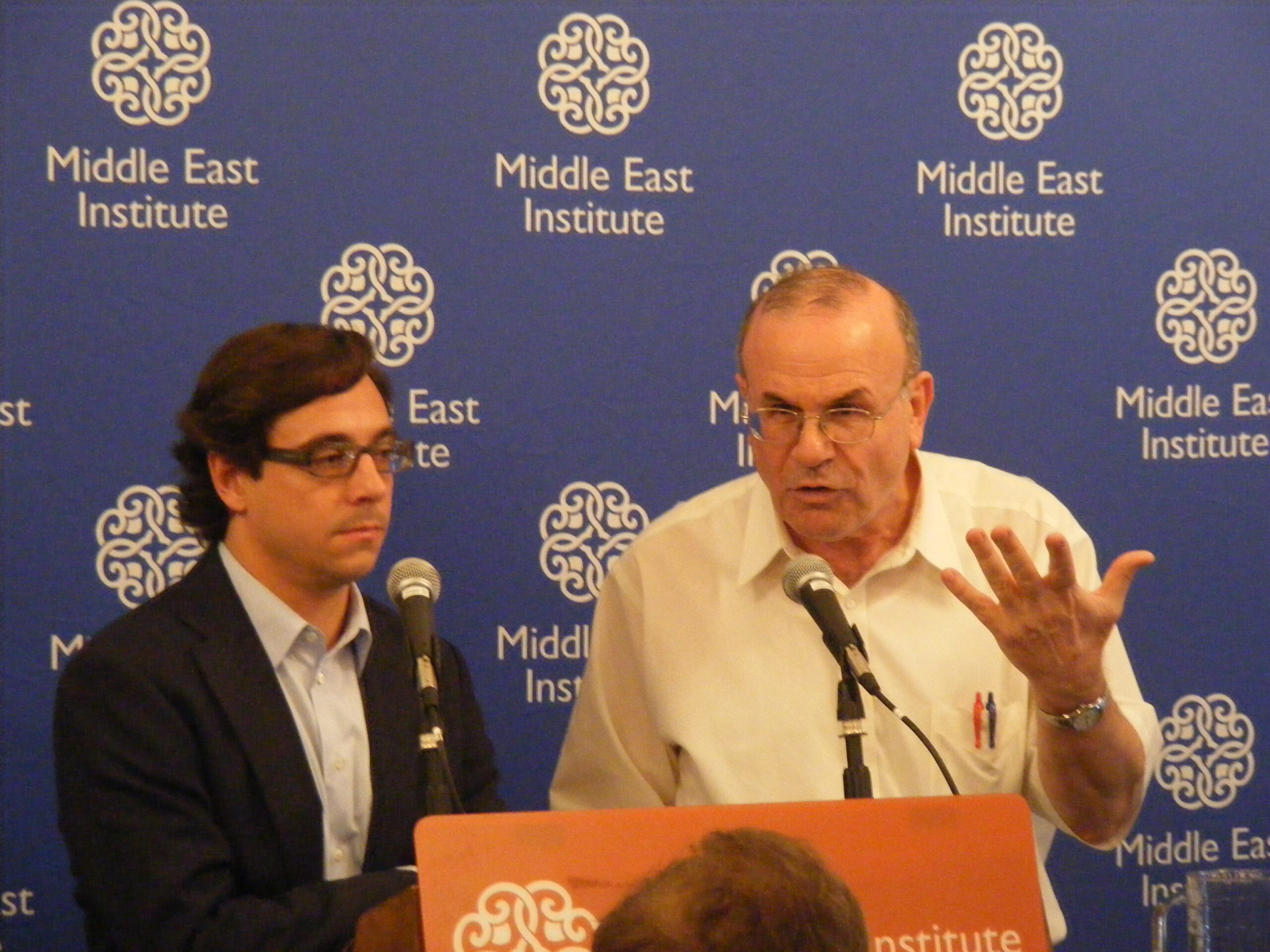
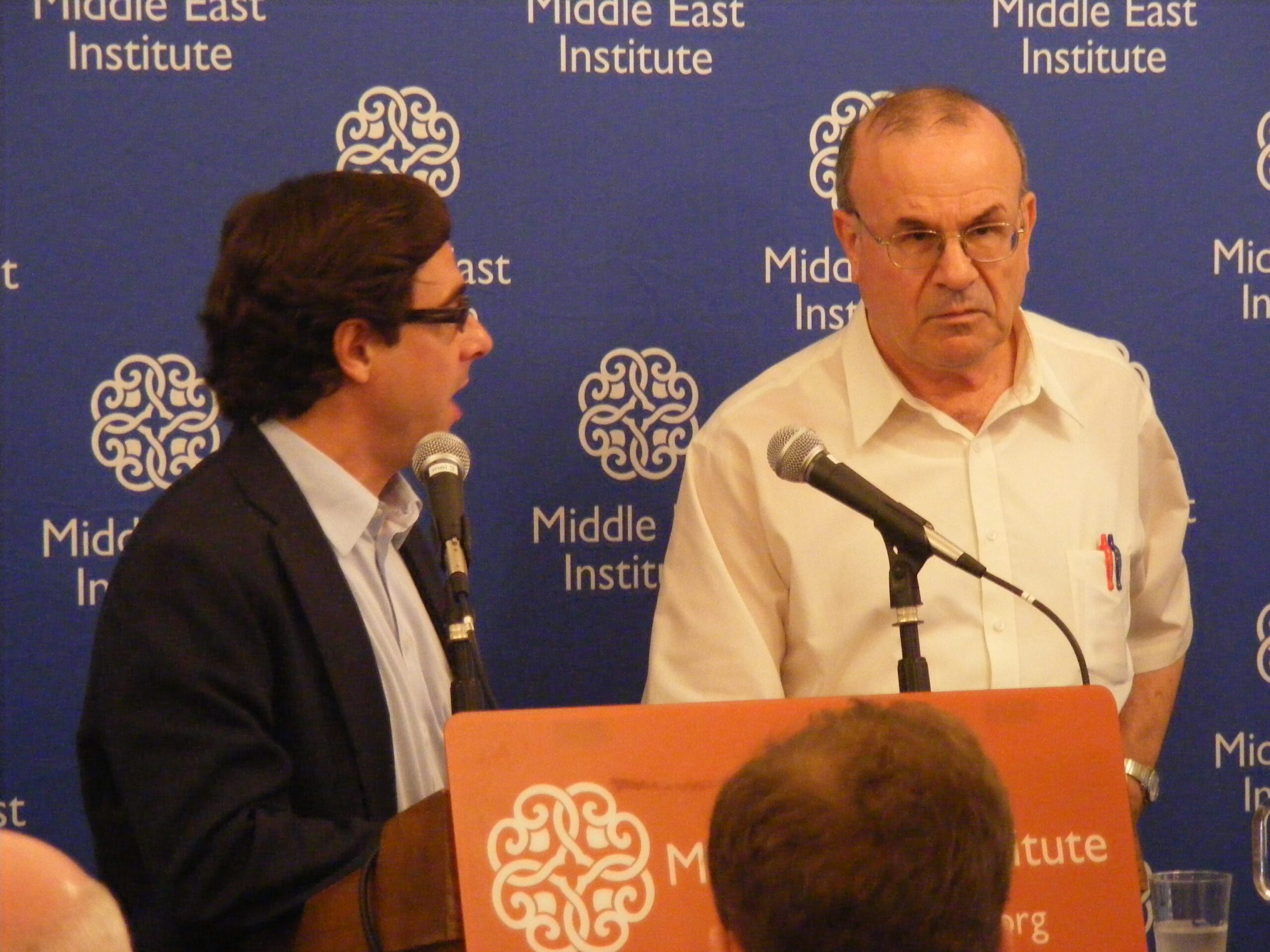
The Middle East Institute is proud to host the Honorable Robert Wexler and Dr. Yoram Peri for a discussion about the challenges facing Israel and the Middle East peace process in the wake of the resignation of Egyptian president Hosni Mubarak. Some in Israel, including former Israeli Prime Minister Ehud Olmert, argue that current events in the region make it imperative that Israel move quickly to secure a peace treaty with the Palestinians. Others insist Israel proceed with caution, given the increased instability in the region.
The oldest peer-reviewed publication dedicated to the study of the modern Middle East, MEI’s flagship journal covers politics, society, and culture in the region.