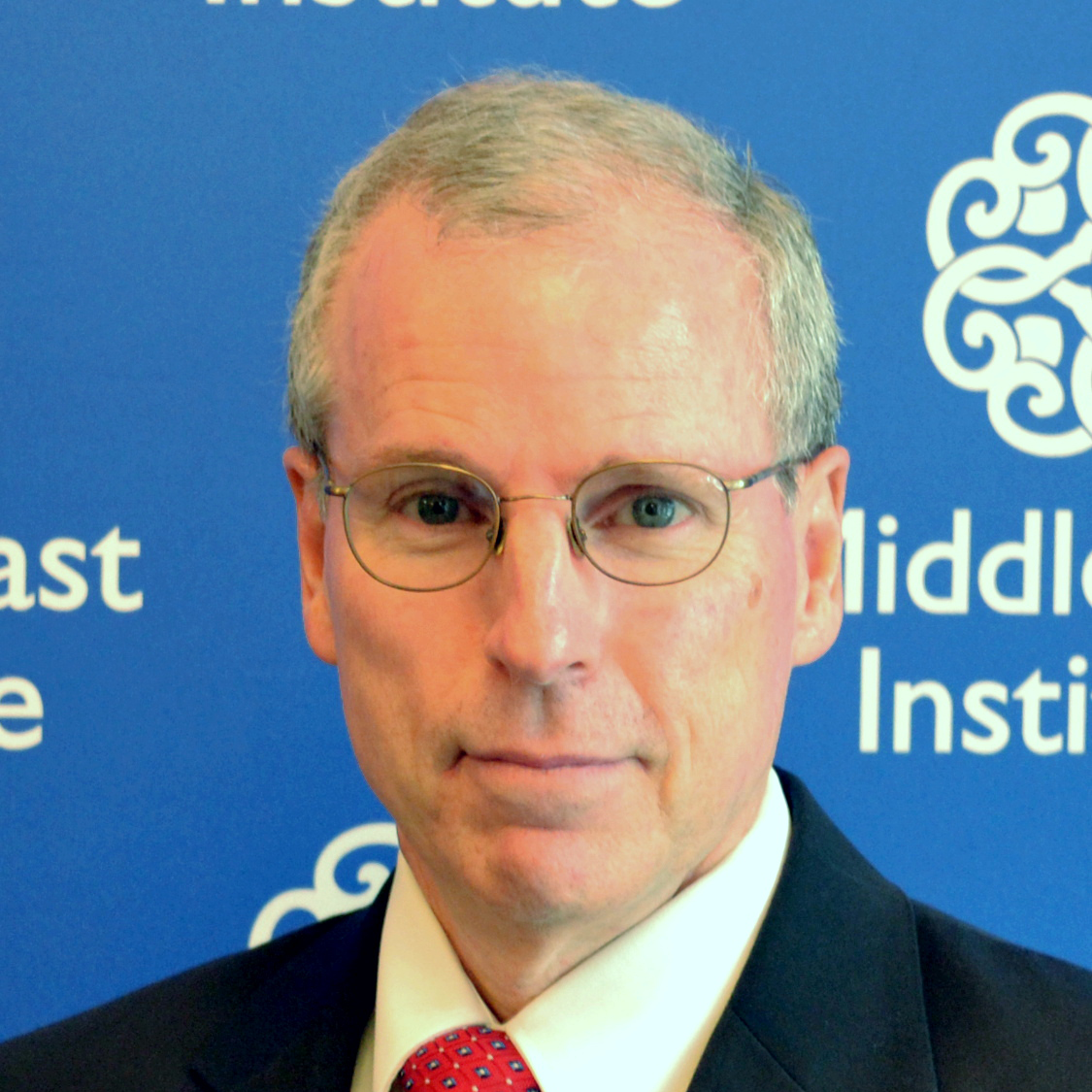
Though it has fallen out of the headlines because of the Iran war, Syria has had a dramatically consequential summer. Hosts Alistair Taylor and Matthew Czekaj are joined by MEI Senior Fellow Charles Lister to take stock of recent developments: the dissolution of the Kurdish-led Syrian Democratic Forces, Israeli strikes and the friction with Turkey they have exposed, the standoff in Sweida, as well as Damascus’s bid to turn Syria into a trade corridor between the Mediterranean and the Gulf. Is the transition consolidating or fragmenting nearly two years after the fall of the Assad regime?
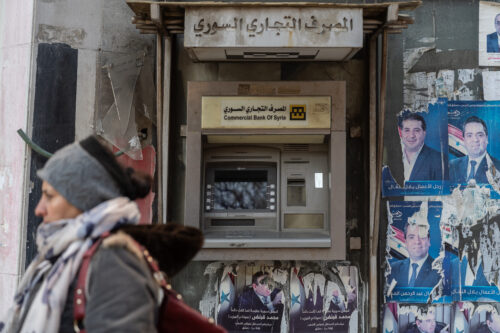
With sanctions repealed, Syrian policymakers must ensure that growing volumes of credit reach beyond the narrow political and commercial networks that have generally dominated Syrian finance. That will require a credit strategy aimed at sectors and regions historically excluded from formal finance. Syria’s specialized state banks offer an imperfect but ready-made mechanism to do so.
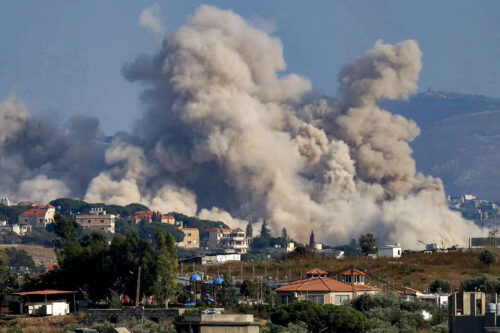
In many ways, the U.S.-Israeli war against Iran and the war in Gaza that preceded it seem transformative. After decades of shadow warfare, Iran and Israel have now attacked each other’s homelands directly. And Israel and the United States have joined forces in a genuinely novel way to wage war against Iran.
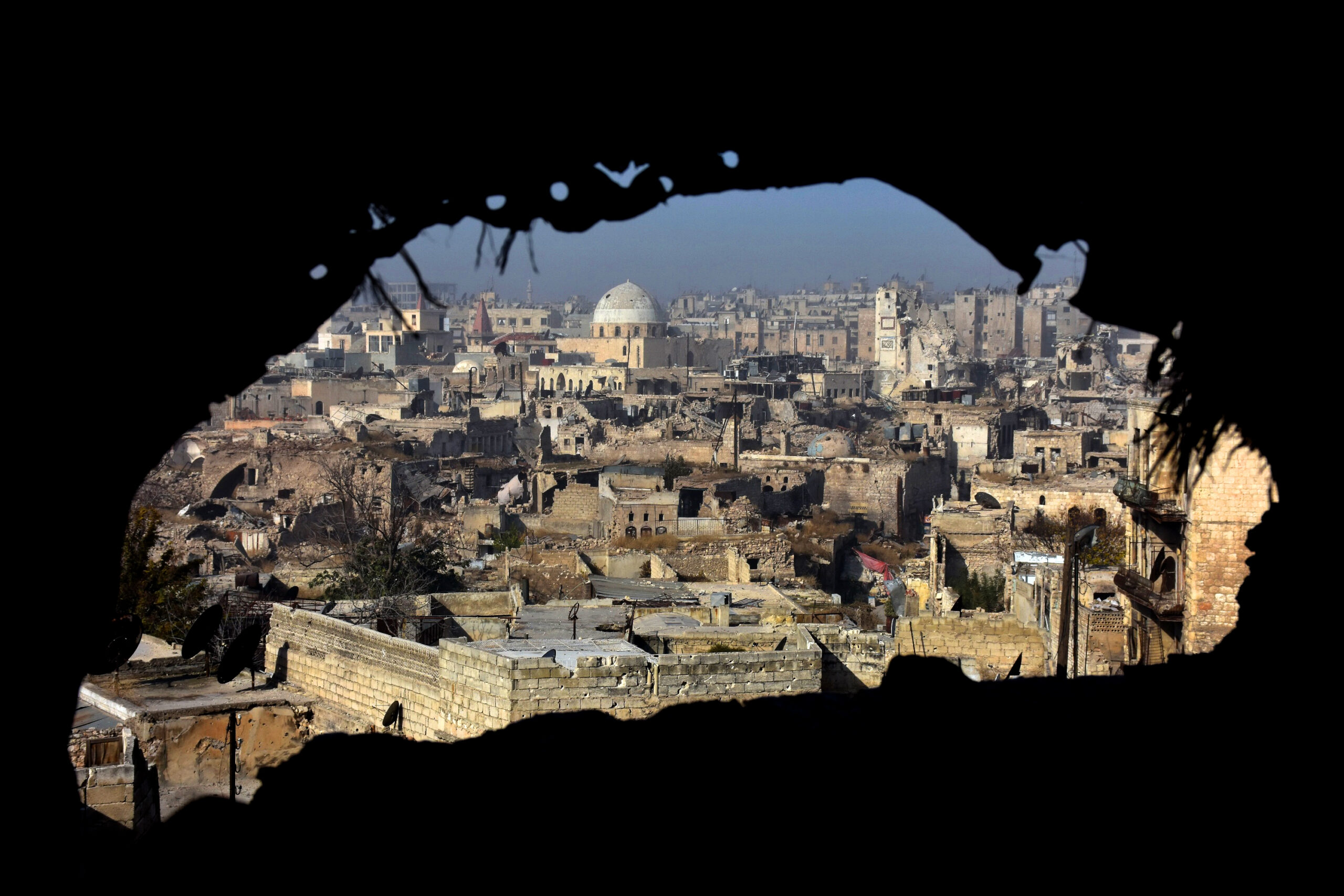
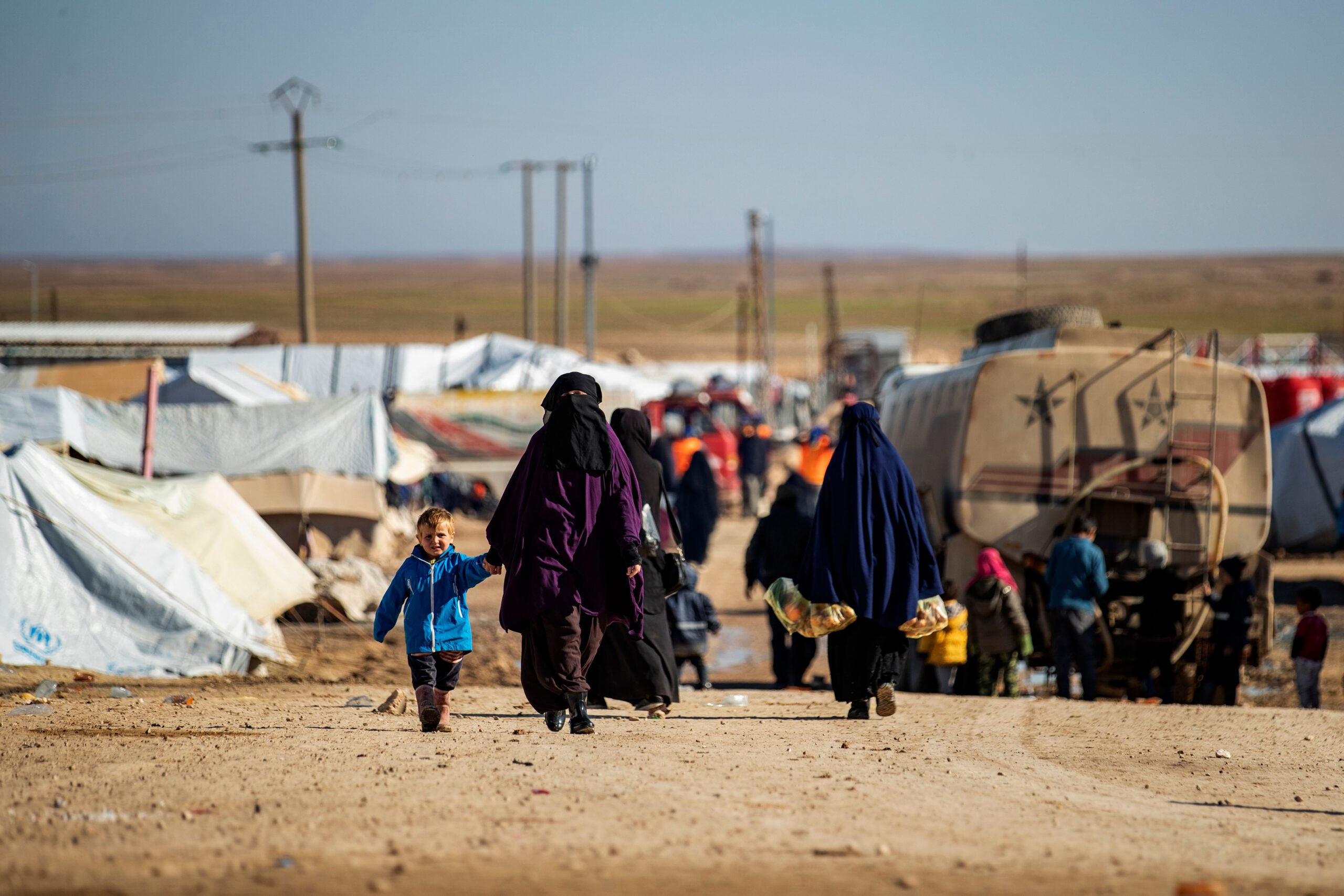
MEI’s Syria Initiative seeks to provide insightful and grounded research and analysis on all things Syria in order to better inform a wide range of audiences and to help sustain and shape a more meaningful policy-oriented discussion.
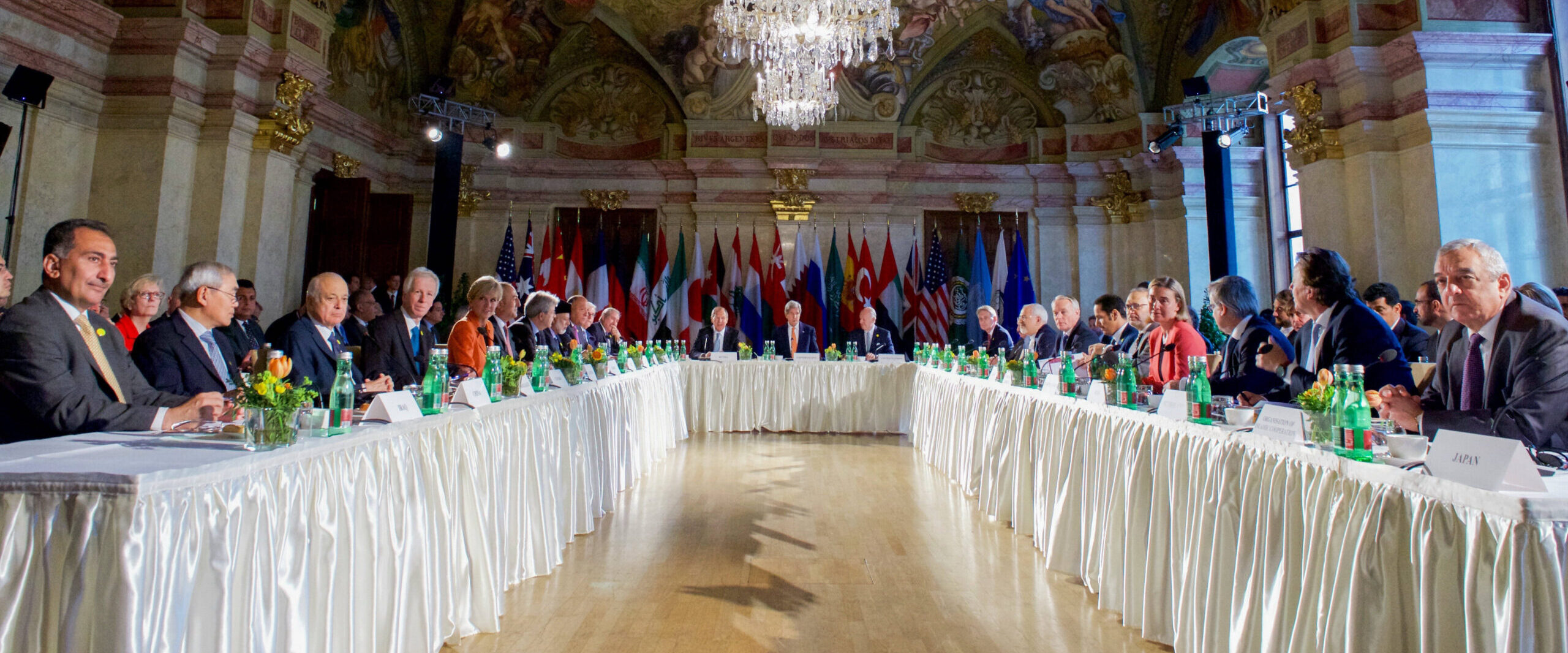
The Middle East Institute, The Atlantic Council, and European Institute of Peace collaborate with subject matter experts and policymakers in the US, Europe, and the Middle East to develop a holistic strategy to sustainably forge a pathway to resolving Syria’s crisis.
The Aftermath of U.S. Airstrikes in Syria | Monday Briefing
In this week’s Monday Briefing, MEI experts Paul Salem, Randa Slim, Charles Lister, Gonul Tol, and Alex Vatanka provide analysis on recent and upcoming events including the need for an overarching strategy in Syria following U.S. airstrikes, Secretary of State Tillerson’s upcoming visit to Moscow, the likely aftermath of U.S. airstrikes in Syria, Turkey’s growing frustration with U.S. strategy in Syria, and the rise of a hardliner challenger to Rouhani in the upcoming Iranian presidential election.
Strikes on Syria: Game Changer for U.S.-Turkey Relations?
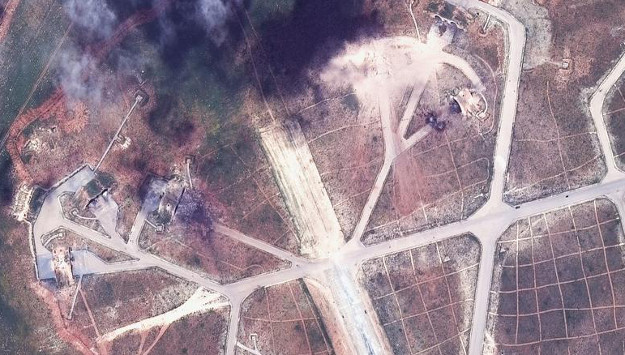
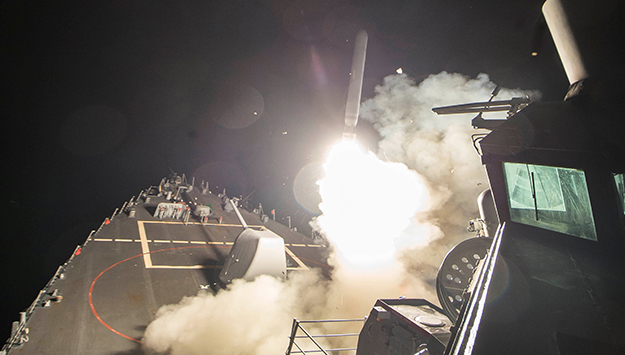
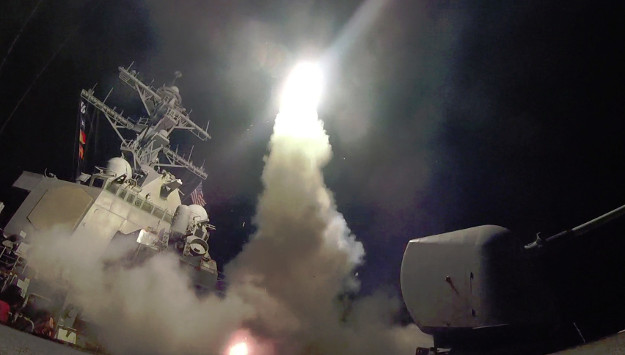
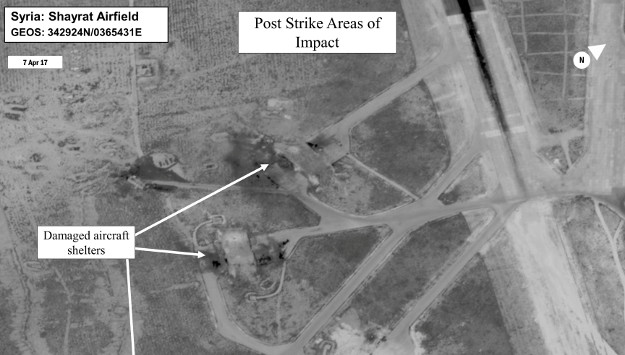
U.S. cruise missile strikes on al-Shayrat airfield northeast of Damascus early April 7 have changed the dynamics of the Syrian war. The strikes were intended as a clear and contained message to the Assad regime that the barbarism of the Syrian government has its limits. It was not a declaration of war by the United States, but it served to delineate last week’s message from the Americans that regime change in Damascus was “not practical”, a message that may have given Bashar al-Assad the impression that he now had a free hand in the war.
U.S. Strike in Syria Prompts Angry Reaction, Threats from Tehran
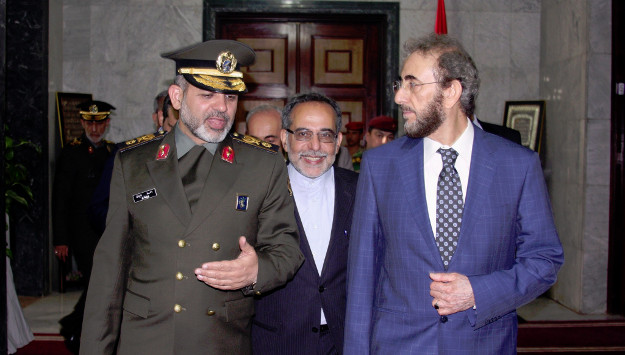
Iranian officials condemned the Trump administration’s missile strikes against a Syrian airfield used for an alleged chemical attack against civilians. “We strongly condemn any unilateral military action and missile attack against the Shayrat airbase in Syria by American warships.
Iran-Controlled Militia Group Says U.S. Strike Won’t Alter War Trajectory in Syria
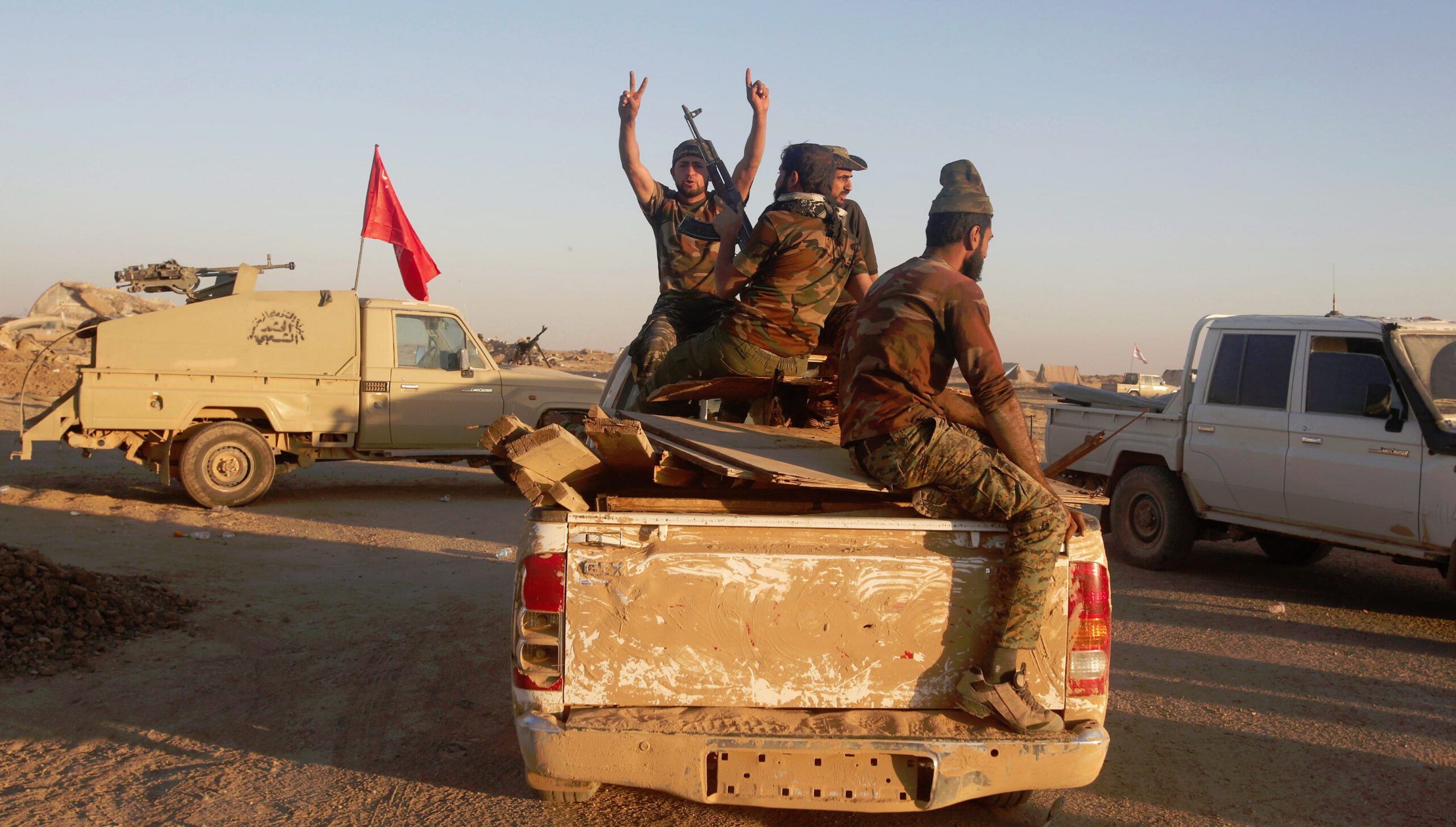
A prominent Iran-backed Iraqi militia group fighting in Syria has announced that the U.S. military strike will not change the trajectory of the Syrian war, the Iranian media reports.
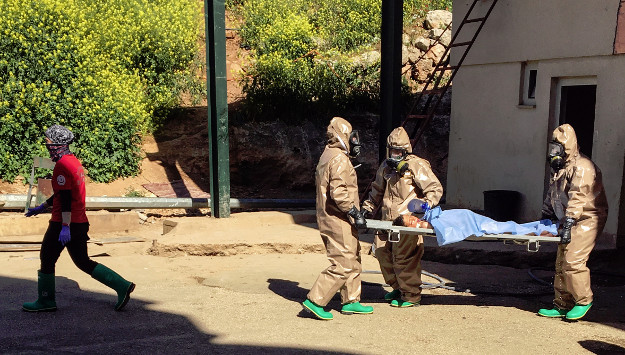
April 6, 2017 – Paul Salem explains three ways that the Syrian government’s use of chemical weapons against civilians is already impacting the Trump administration’s policy toward Syria.
I.R.G.C. Media Defends Assad as U.S. Mulls Military Responses to Syrian Chemical Attack
While more evidence is surfacing that suggests the Syrian army may have been behind the chemical attack that killed scores of civilians in Syria, Iranian media outlets affiliated with the Islamic Revolution Guards Corps (I.R.G.C.) continue to defend the regime of Bashar al-Assad. They argue that Damascus was not responsible for the killings. “Without doubt, the claims by Syrian opposition groups and some western and Arab countries that the Syrian army has used chemical weapons in Idlib can be categorically rejected.
Authorities in Iran Detain Sunni Leader for Opposing I.R.G.C.’s Role in Syria
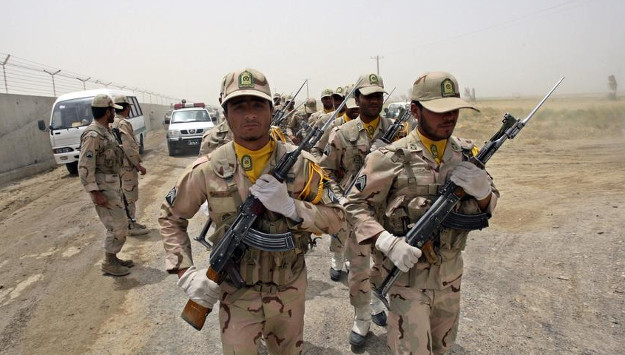
Scores of Sunni Balochs demonstrated in Iran’s southeastern Sistan and Baluchestan Province on Tuesday to protest the detention of a Sunni religious leader, the Iranian media reports.
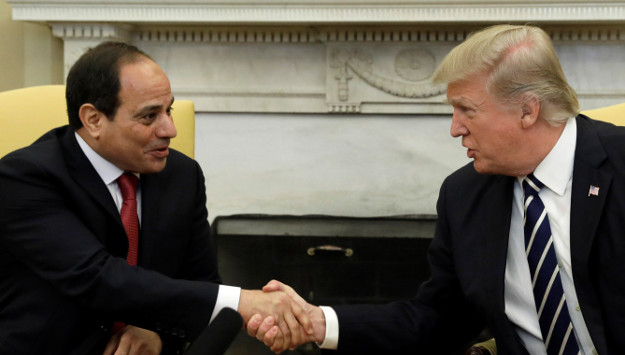
In this week’s Monday Briefing, MEI experts Paul Salem, Yousef Munayyer, and Randa Slim provide analysis on recent and upcoming events including the meeting between Egyptian President Sisi and President Trump, the upcoming meeting between President Trump and Jordan’s King Abdullah, and the Trump administration’s adoption of Obama-era policies in Syria.
MEI’s Syria Initiative seeks to provide insightful and grounded research and analysis on all things Syria in order to better inform a wide range of audiences and to help sustain and shape a more meaningful policy-oriented discussion. Drawing on the expertise of over a dozen renowned scholars, the Syria Program covers all aspects of Syria and its ongoing crises – from political, economic, legal, social, ethnic and religious dynamics, to conflict, insurgency and terrorism and the country’s history and possible futures.