Turkey’s Nuclear Ambitions in the Post-Iran War Environment
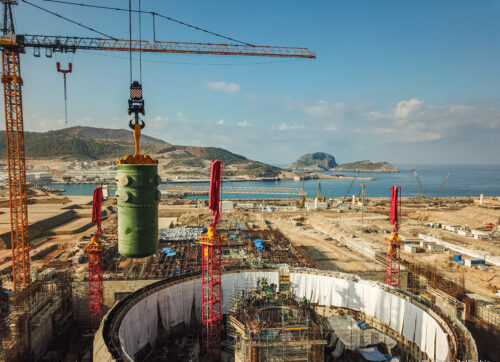
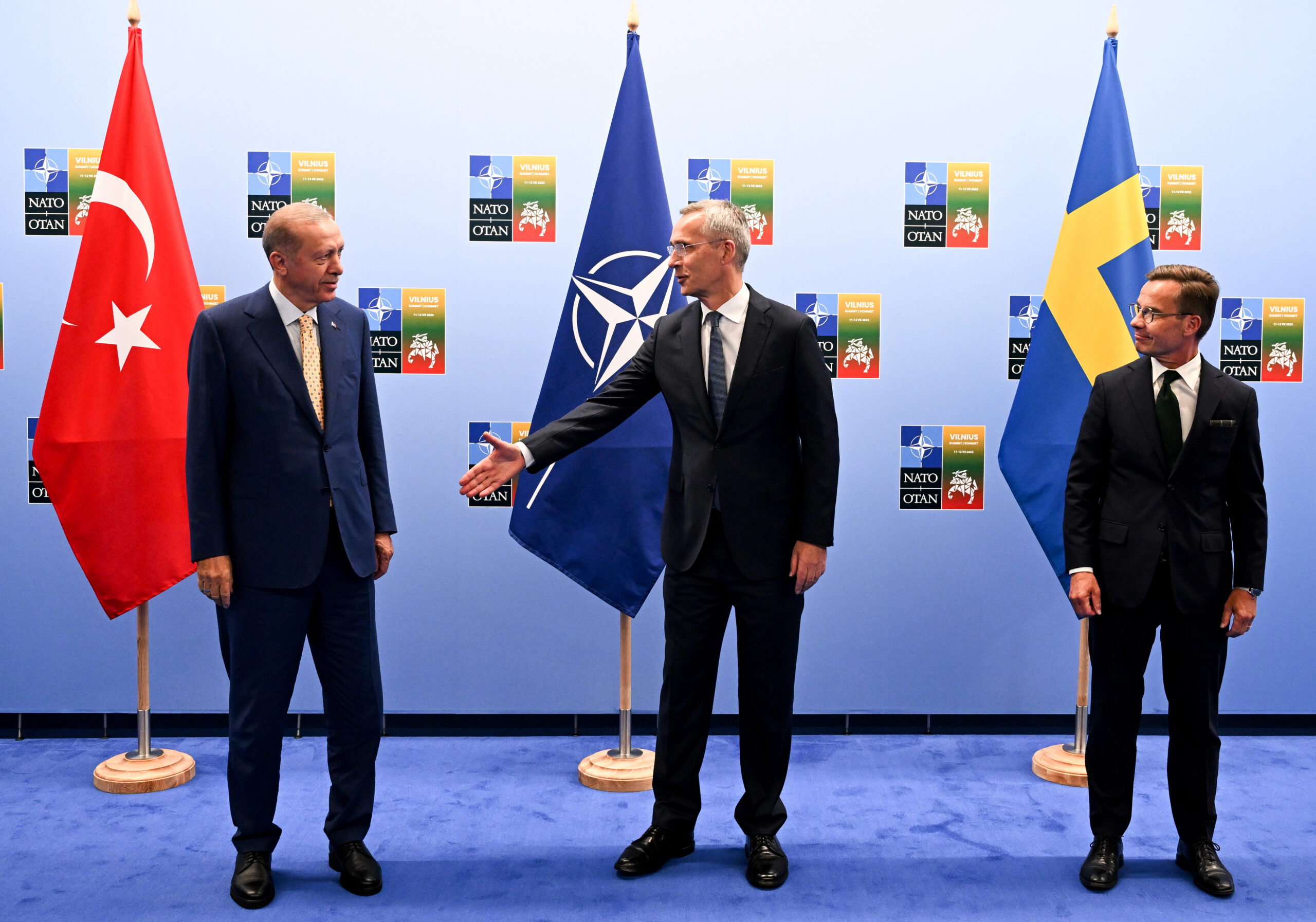
Turkish ambitions to develop nuclear weapons are not new, but the changing security environment is strengthening Ankara’s motivations and rationale for moving away from its longstanding role as a champion of nonproliferation and toward a strategy of preserving the option to build nuclear weapons without actually pursuing them. The challenge for Washington is to manage the nuclear trajectory of regional powers such as Turkey and Saudi Arabia rather than preventing them from acquiring greater nuclear capabilities altogether.
A Turkish court has taken a dramatic step that could reshape the country’s political landscape. It annulled the results of the CHP’s 2023 party congress, effectively overturning the election of Özgür Özel as leader of Turkey’s main opposition party and potentially paving the way for former chairman Kemal Kılıçdaroğlu to return.
The successes and failures of Turkey’s new economic team
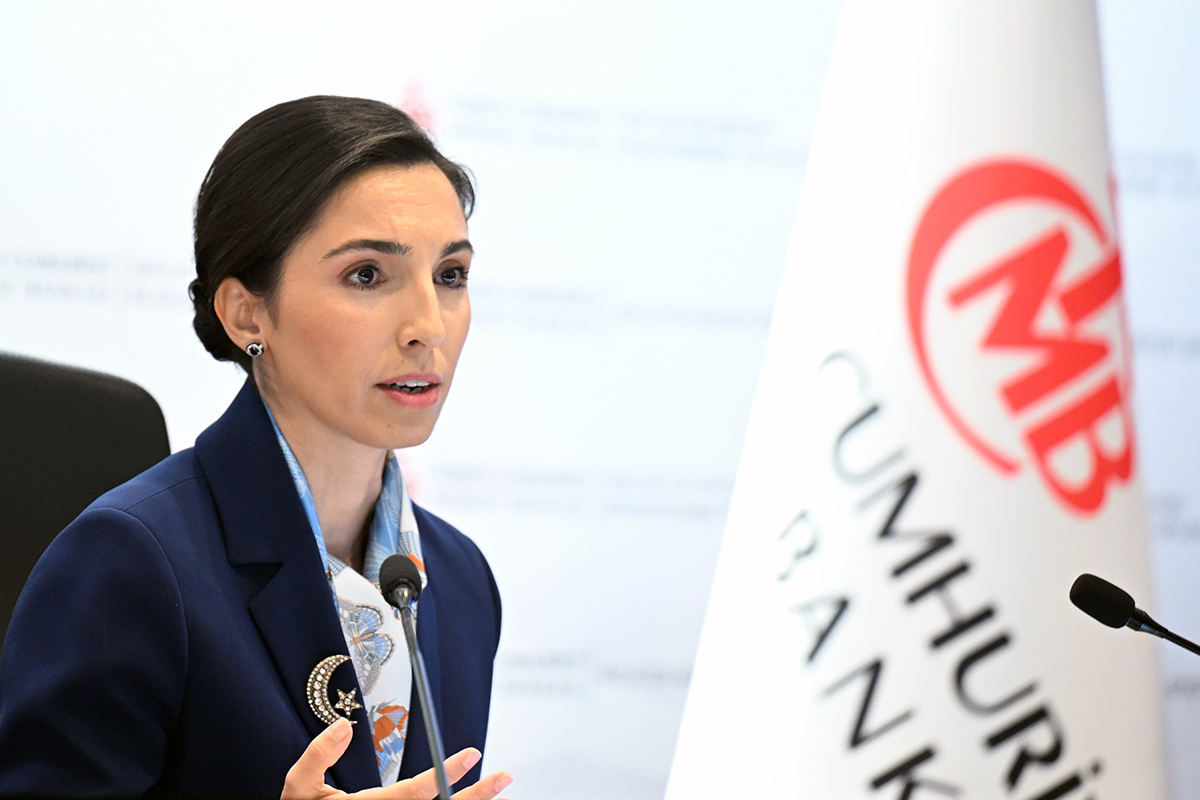
It has been two months since Turkey’s new economic team took over and some progress has been made. Market normalization has begun and the risk of a balance-of-payments crisis has been reduced. At the same time, however, inflation is gaining new momentum, the budget deficit is sharply worsening, and no reform agenda has yet been announced to tackle these threats.
Realigning priorities: Egypt's strategic shift toward Qatar, Turkey, and Iran
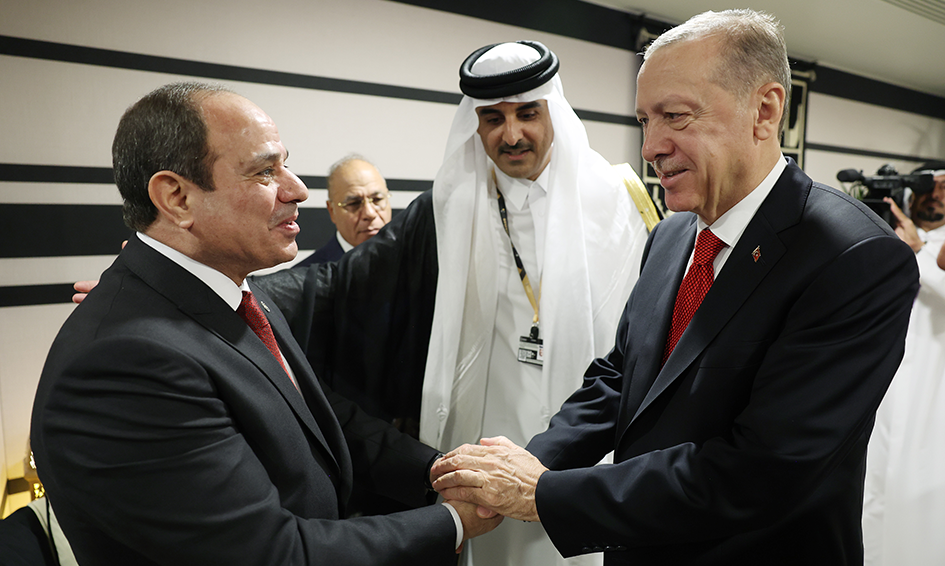
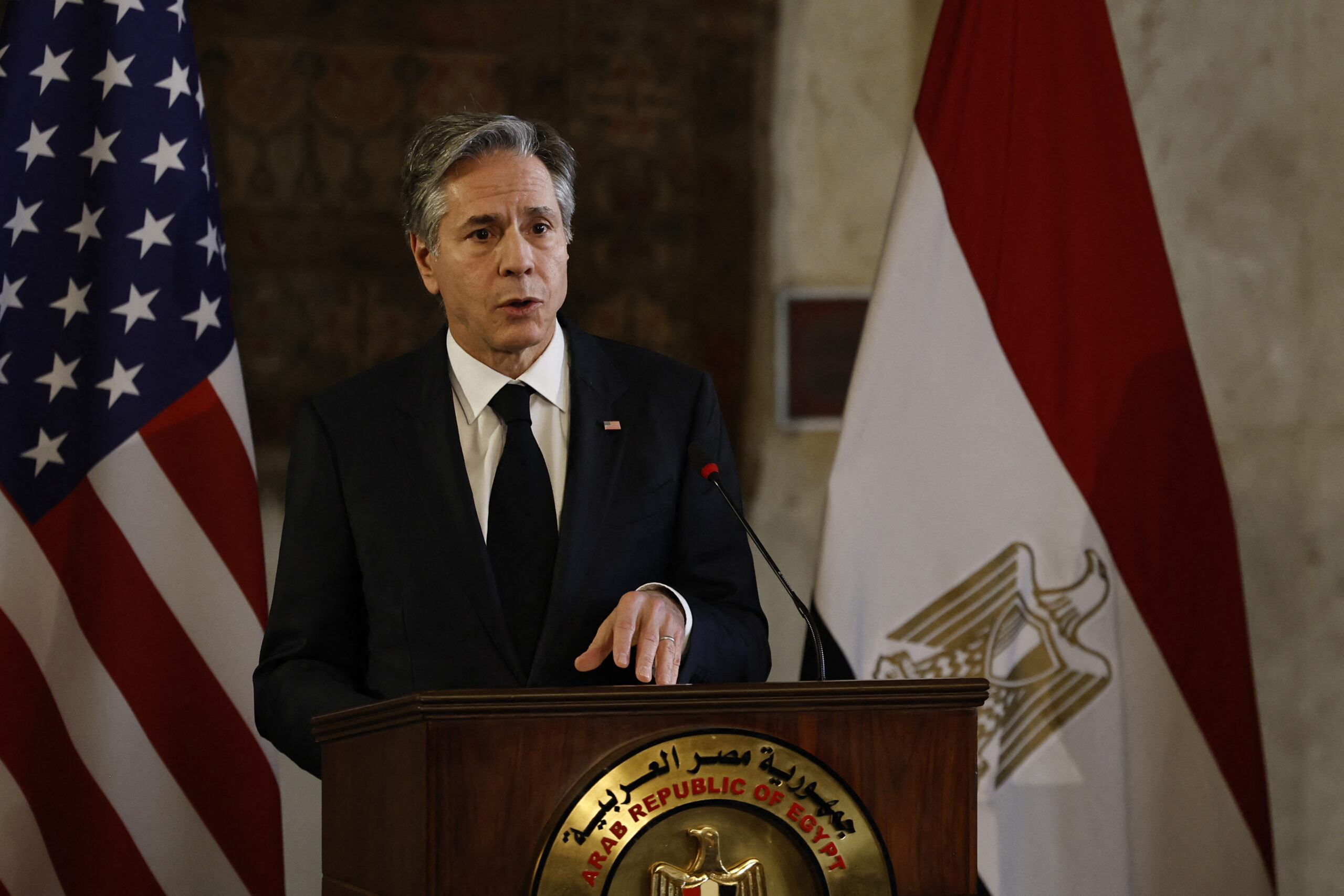
While some analysts attribute Egypt’s realignment toward Turkey, Qatar, and Iran to a change in the foreign policies of its influential allies, the UAE and Saudi Arabia, it can be argued that Egypt’s shift is primarily motivated by its domestic dynamics and its unfulfilled foreign policy objectives between 2014 and 2018. Egypt’s realignment, in that sense, seeks to achieve multiple unmet domestic and regional aims.
Turkey's role after the Black Sea grain deal collapse has become even more critical
During the 500 days since Russia’s invasion of Ukraine, the Middle East avoided a catastrophic food crisis, thanks in part to the Black Sea grain initiative. Russia’s decision to cancel that agreement is raising fears that the return of supply shortages and skyrocketing wheat prices could quickly plunge the most vulnerable countries of the region into crisis.
Climate Change Threatens Turkey’s Role as a Food Supplier to Europe and the Middle East
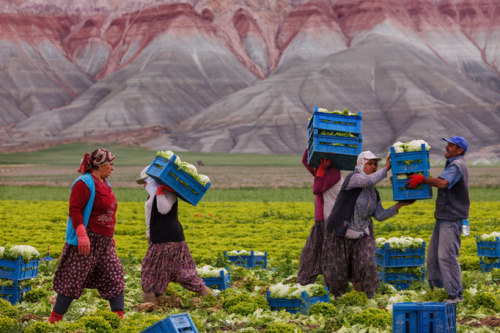
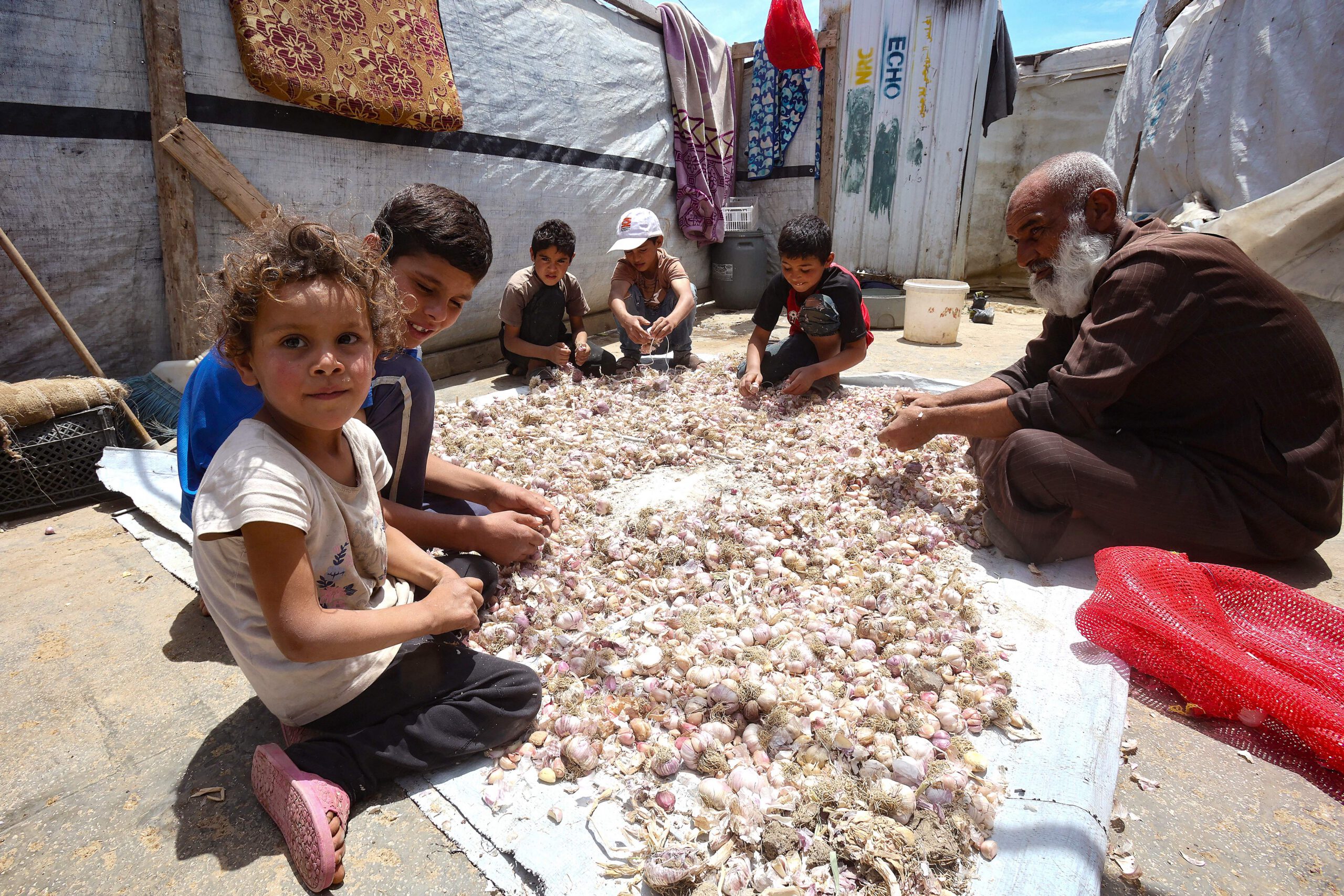
The persistence of high food inflation in Turkey belies a deeper problem. Turkish agrifood production cannot adequately cope with increasing water scarcity due to climate change. Challenging Turkey’s own food security, the growing crisis also threatens Turkey’s role as a food supplier to Europe and the Middle East. Regional food supply chain breakdowns due to a decline in Turkish production would create a debilitating economic impact on both regions.
Regional Environmental Cooperation Between Israel and Its Neighbors
As environmental challenges become a priority for countries across the Middle East and the Mediterranean, this creates new opportunities for regional environmental cooperation, including between Israel and its neighbors. Despite being limited in scope and facing several key obstacles, regional cooperative endeavors are taking place, including on both the bilateral and multilateral levels, and efforts to sustain and expand them are underway. This new report, written under the auspices of the Israel Climate Forum, addresses the importance of regional environmental cooperation in the Middle East and Mediterranean, examines the scope of such cooperation between Israel and its neighbors, and spells out opportunities, obstacles, and recommendations for increased coordination and joint action, including the role the U.S. and Europe can play.
Mastering the growing crisis in the South Caucasus: A role for the West and Turkey
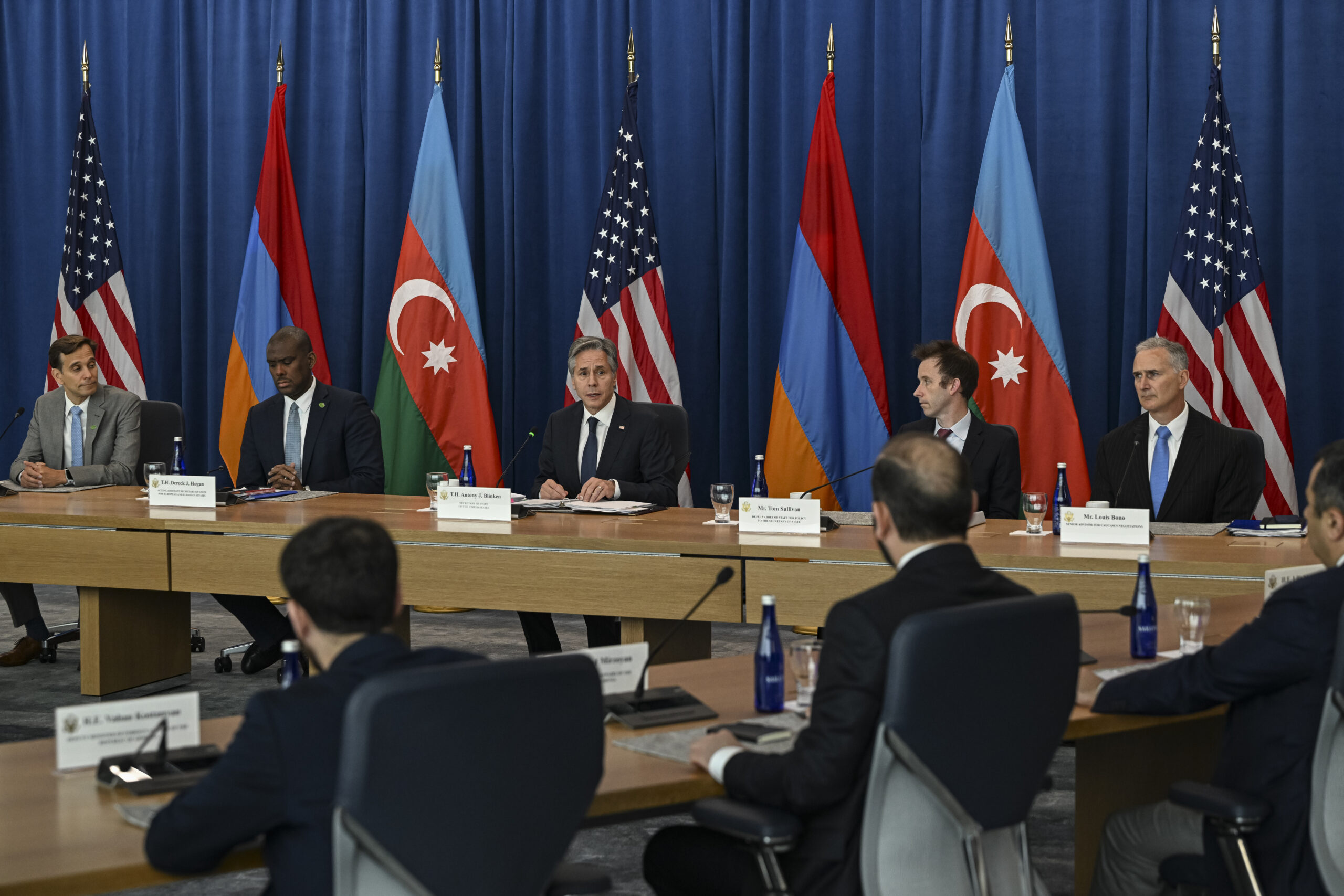
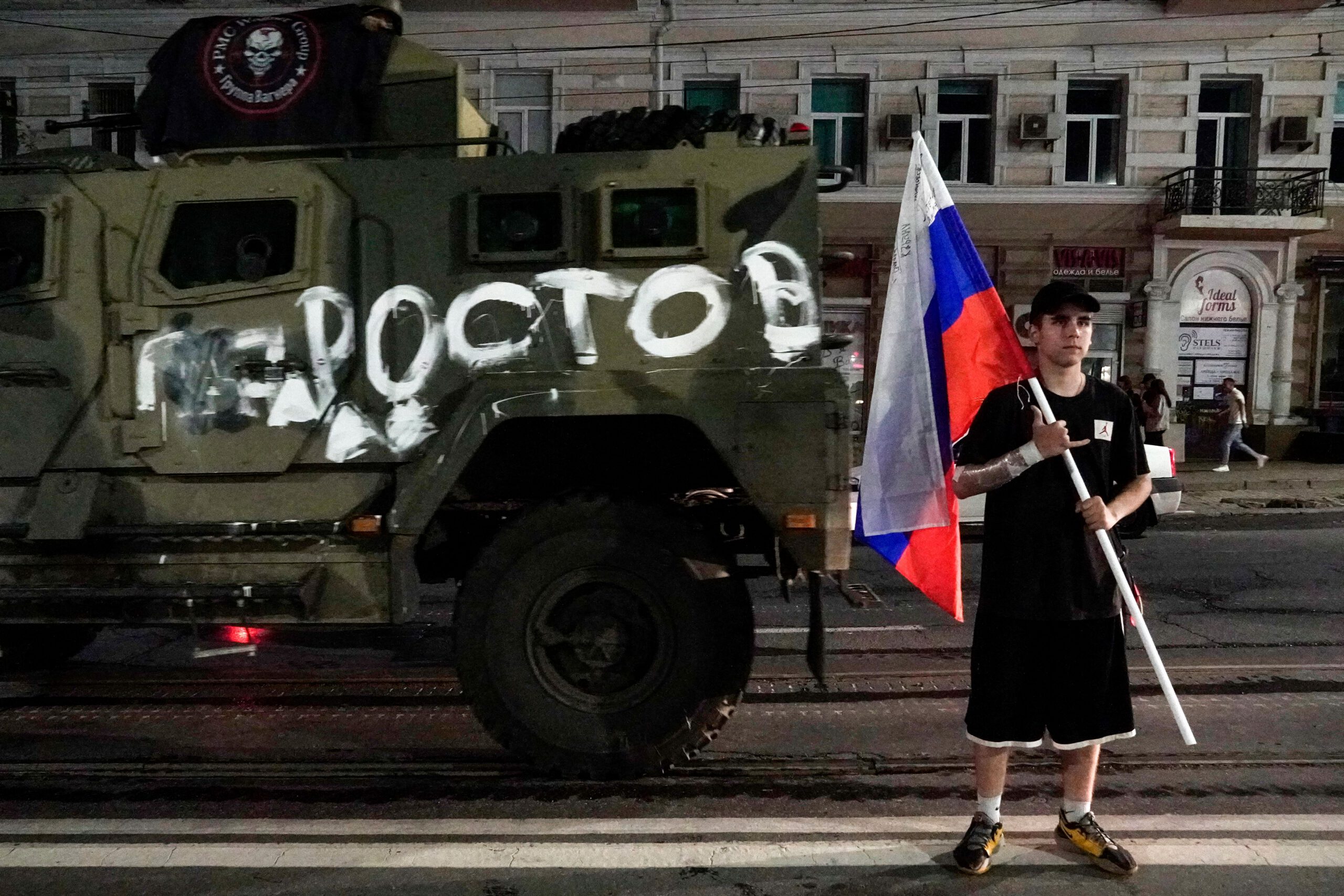
The South Caucasus region needs a clear push from the West to ensure its long-term stability and achieve a pro-Western orientation. But no lasting solutions in this space will be possible until there is an end to the war in Ukraine that fulfills the interests of both Ukraine itself and the broader West. The United States and the European Union, in cooperation with other key players — foremost Turkey — must showcase greater determination, flexibility, and coordination when it comes to their policies toward the region.
Georgia the interconnector — but where’s Washington?
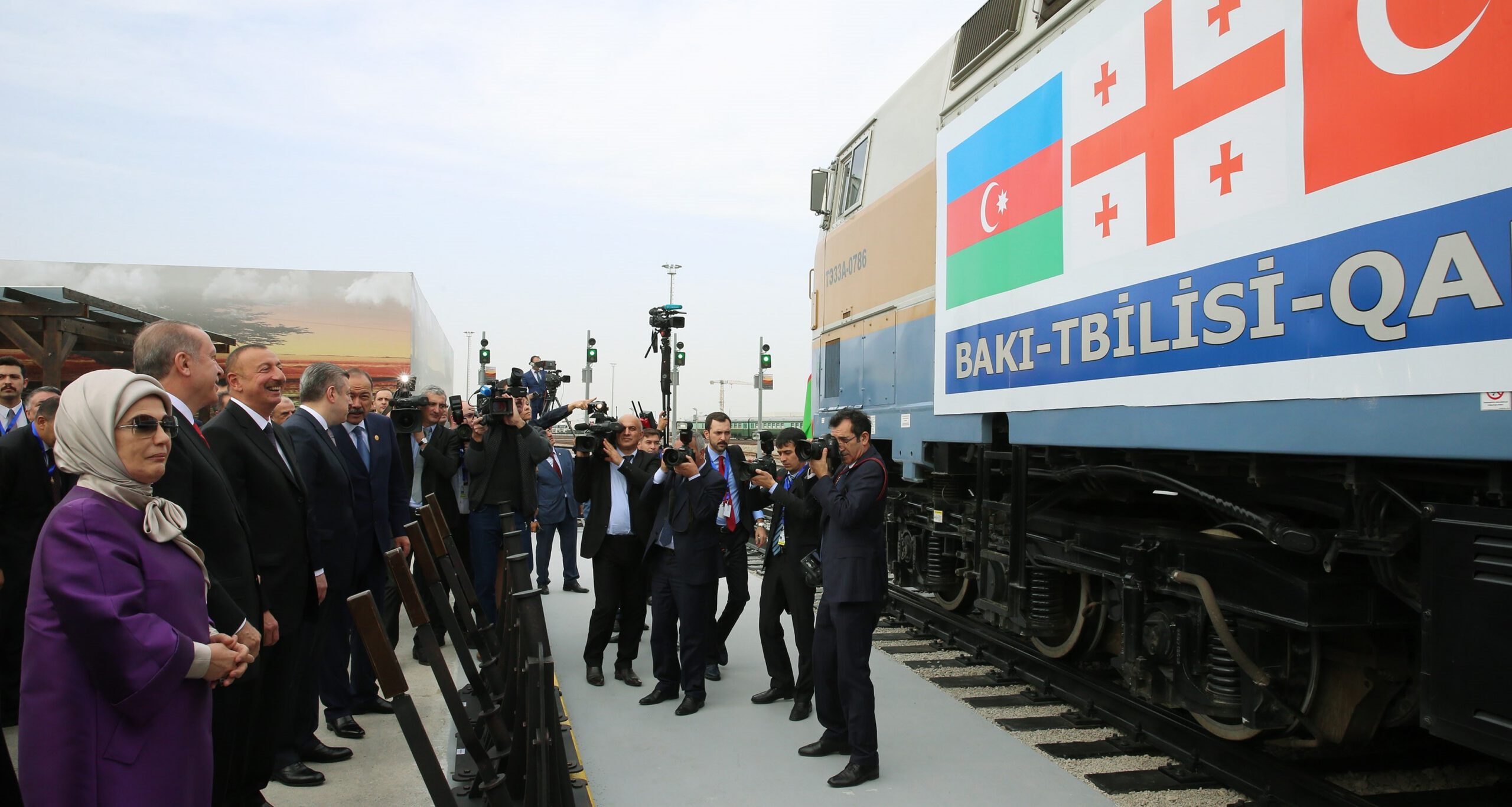
For the sake of safeguarding transatlantic — and thus also American — security interests in the South Caucasus, it is becoming increasingly imperative that the United States better anchor itself economically, politically, and militarily in the eastern Black Sea region, especially strategically placed Georgia.
Turkey’s new economic team may take a more hawkish tone when it comes to tackling inflation and preserving financial stability through fiscal and monetary measures. However, investors and policymakers should not be naïve, as this approach will only be temporary or partial, aimed at winning the upcoming local elections.
The limits of human rights law in an authoritarian context: Torture and impunity in Turkey
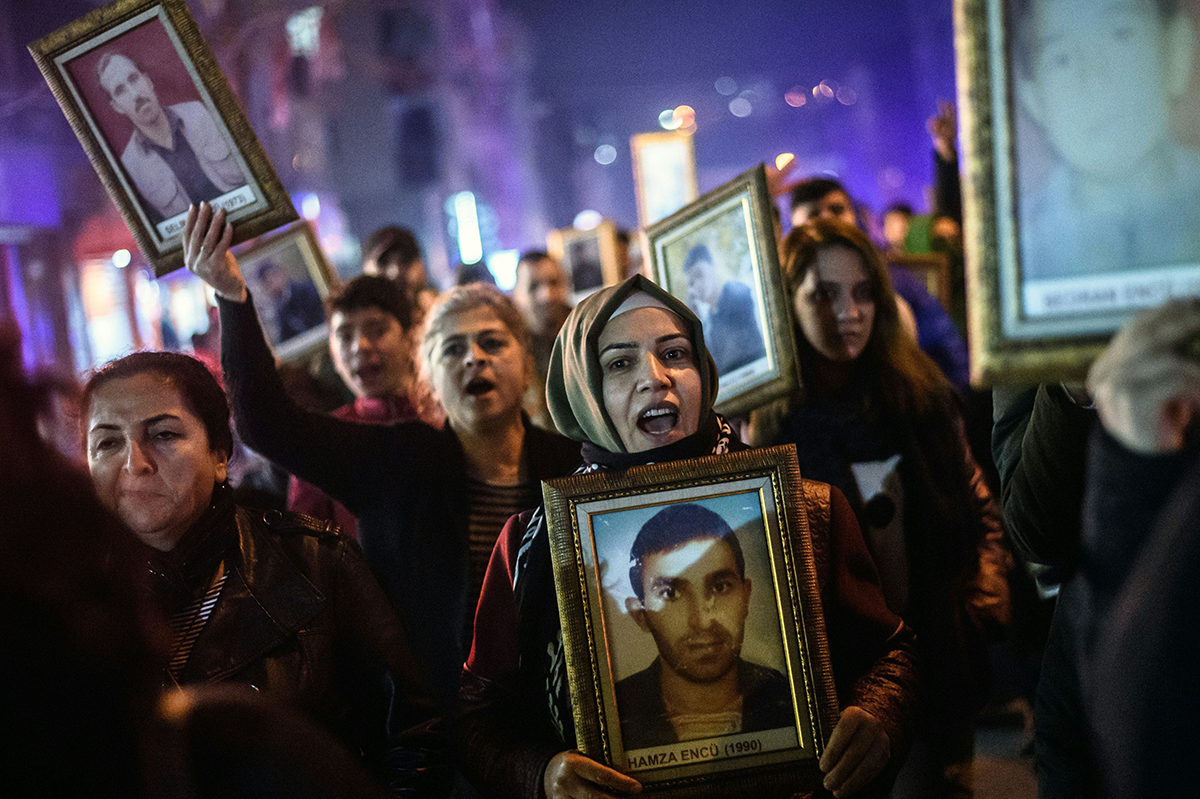
Turkey is a test case of the limits of international human rights law in an authoritarian context. The country is party to all major U.N. and Council of Europe international human rights treaties, including those prohibiting torture and ill treatment, and is subject to the jurisdiction of the European Court of Human Rights. Its constitution and laws ban torture and contain procedural safeguards against it. Yet torture and the impunity of its perpetrators remain state practice, at times reaching systemic levels.
The oldest peer-reviewed publication dedicated to the study of the modern Middle East, MEI’s flagship journal covers politics, society, and culture in the region.