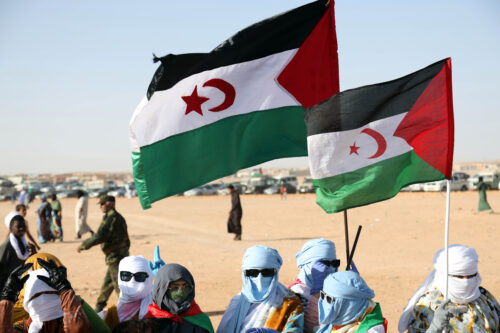
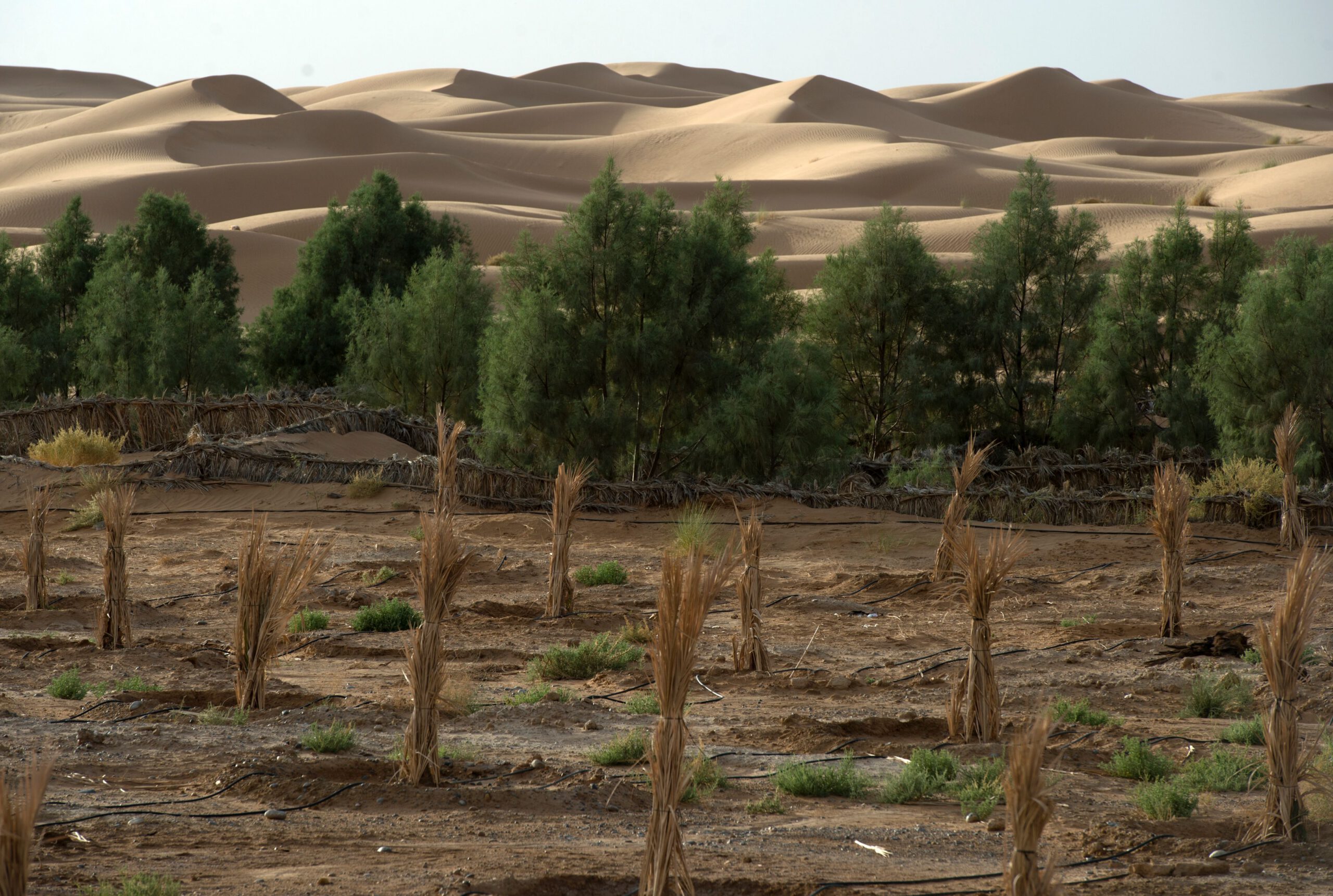
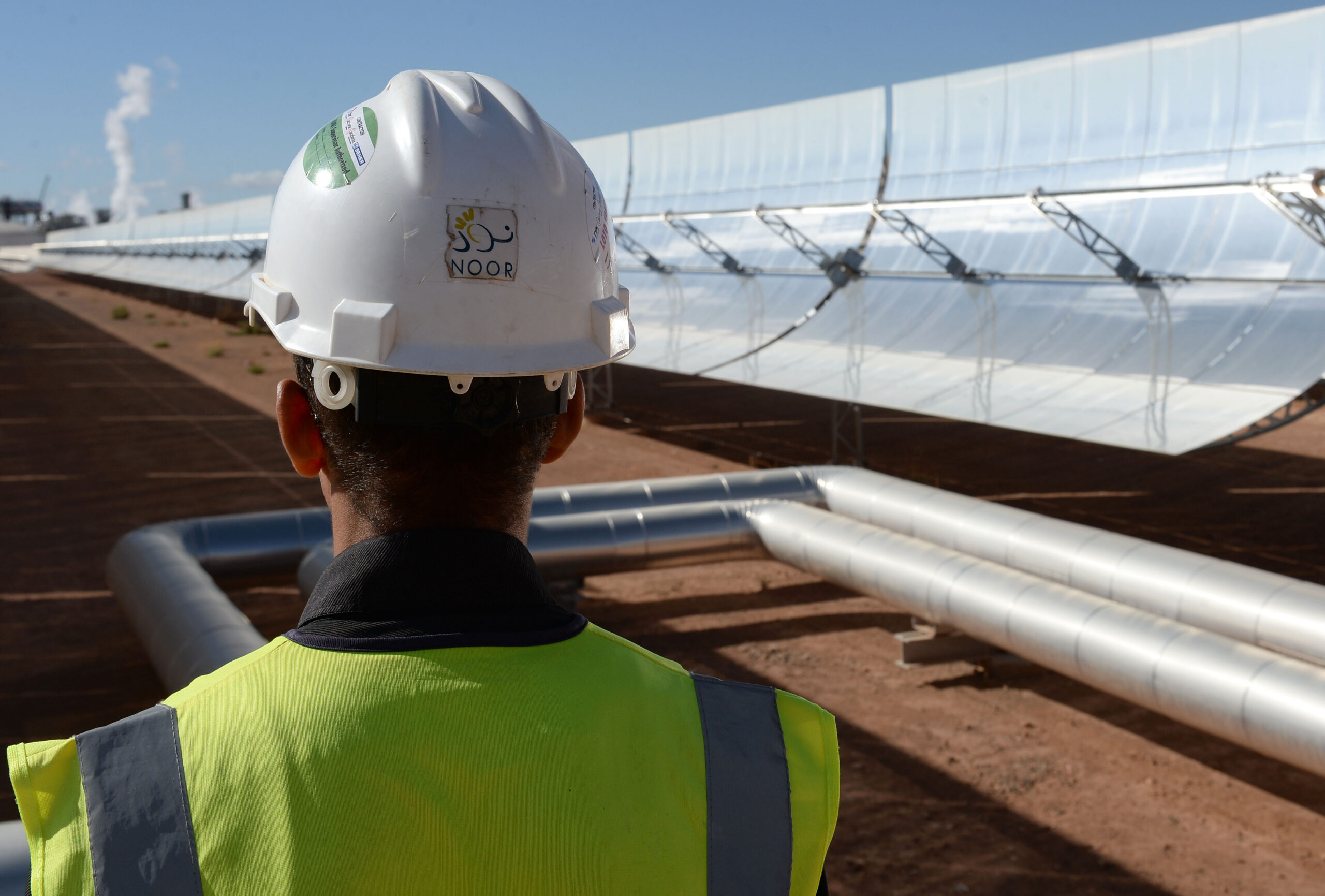
Western Sahara, a sparsely populated territory on the Atlantic coast of northwest Africa, is the site of one of the continent’s longest-running territorial disputes. The conflict dates to Spain’s withdrawal from the territory in 1975, after which Morocco Algeria, and Mauritania vied for control over the former colony.
This article is part of a collection of short essays written by the Fellows of the Middle East Institute to explore aspects of the ongoing war with Iran. The intent of the collection is to help readers see new and unexpected elements of the dynamics and impact of the ongoing hostilities and to think harder, deeper, and broader about the implications of the conflict.
Egypt: How the Iran War Has Affected Egypt’s Calculations
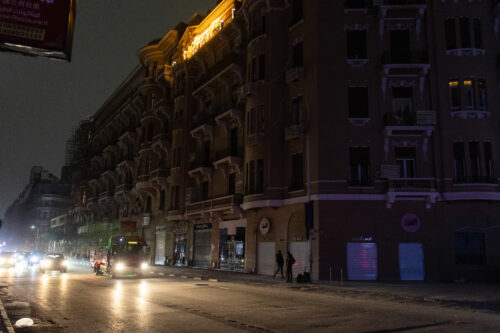
Egypt, which is not party to the war on Iran, has become a target as well as an intermediary in the conflict. As a result, the war has affected Egypt’s future calculations, particularly in three major areas: its economy, its security, and its regional alliances.
Israel After Egypt: Opportunities and Challenges for Peace
The Middle East Institute is proud to host the Honorable Robert Wexler and Dr. Yoram Peri for a discussion about the challenges facing Israel and the Middle East peace process in the wake of the resignation of Egyptian president Hosni Mubarak. Some in Israel, including former Israeli Prime Minister Ehud Olmert, argue that current events in the region make it imperative that Israel move quickly to secure a peace treaty with the Palestinians. Others insist Israel proceed with caution, given the increased instability in the region.
After the People's Revolution: An Examination of the Egyptian Military
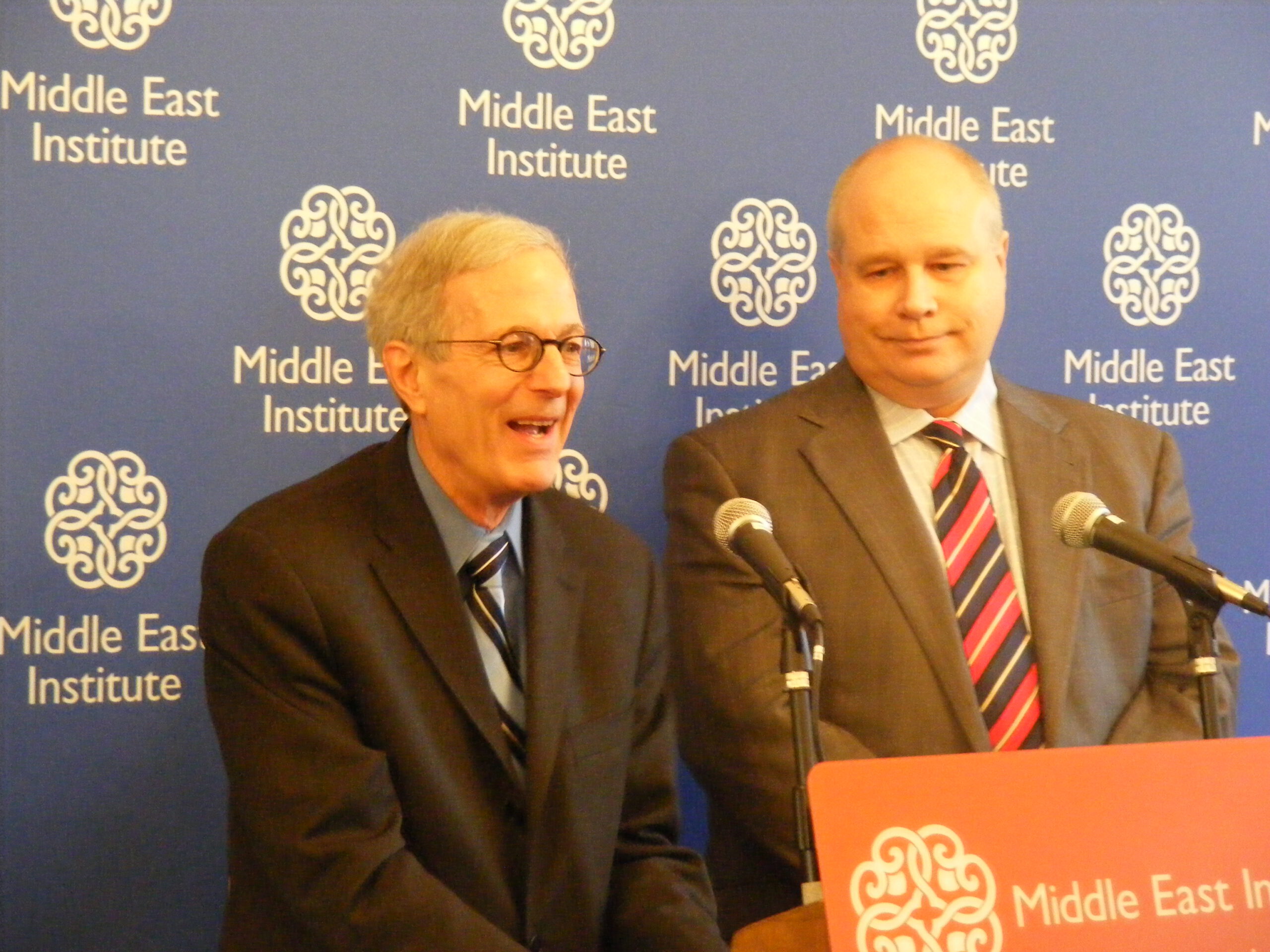
The Middle East Institute is proud to host Dr. Graeme Bannerman and Col. Joseph Engelhardt for an in-depth look at the Egyptian military and its anticipated role in the wake of the resignation of Egyptian President Hosni Mubarak. Bannerman and Engelhardt have had extensive interaction with members of the Egyptian military over the past thirty years.
Covering Egypt, Covering Islam: What the Media Get Wrong (and Occasionally Right)
Drawing on over thirty years' experience covering Middle Eastern and Islamic issues, mostly for the BBC, Roger Hardy argues that the media have all too often shown a chronic lack of understanding of Islam and Muslim societies – and by distorting or sensationalizing Muslim issues have made it harder to combat extremism and win the 'war of ideas.' As Arab and Muslim protesters take to the streets of Cairo and the Arab world, Hardy examines if coverage and understanding of the Muslim world has deepened or improved.
Covering Egypt, Covering Islam: What the Media Get Wrong (and Occasionally Right)
Drawing on over thirty years' experience covering Middle Eastern and Islamic issues, mostly for the BBC, Roger Hardy argues that the media have all too often shown a chronic lack of understanding of Islam and Muslim societies – and by distorting or sensationalizing Muslim issues have made it harder to combat extremism and win the 'war of ideas.' As Arab and Muslim protesters take to the streets of Cairo and the Arab world, Hardy examines if coverage and understanding of the Muslim world has deepened or improved.
After Mubarak: What Do the Egyptian People Really Want?
The Middle East Institute is proud to host Steven Kull and Shibley Telhami for an examination of Egyptian views and attitudes towards governance and their future. As Egyptian demonstrators celebrate the resignation of President Hosni Mubarak, many wonder what kind of system the Egyptian people really want. How do they view the Muslim Brotherhood? If Egypt were to become more democratic what are we likely to see in terms of its relation with the US, Israel and other countries in the region?
After Mubarak:What do the Egyptian People Really Want?
The Middle East Institute is proud to host Steven Kull and Shibley Telhami for an examination of Egyptian views and attitudes towards governance and their future. As Egyptian demonstrators celebrate the resignation of President Hosni Mubarak, many wonder what kind of system the Egyptian people really want. How do they view the Muslim Brotherhood? If Egypt were to become more democratic what are we likely to see in terms of its relation with the US, Israel and other countries in the region?
The shock waves of Hosni Mubarak’s resignation have just started to roll across the Middle East, but in Egypt the upheaval has barely begun. The country now embarks on what the protesters in Tahrir square hope will be a transition to a true, civilian-led democracy. In the meantime, Egypt is headed for a period of military rule in some form, with the ultimate intentions of the armed forces leadership still in doubt. Will the military act to effect the “genuine transition” now demanded by the Obama Administration and the protesters themselves?
US-Libya Relations: Surviving the Wikileaks Controversy?
US-Libya Business Association Honorary Chairman Amb. David Mack and Executive Director Charles Dittrich traveled to Libya for five days in mid-December. They met with Libyan government officials, Libyan private business leaders and representatives of American companies working in the country. They will share impressions regarding the political and economic climate in Libya and the implications for both overall US-Libyan relations and the prospects for American business interests.
Improvement of Air Quality in Egypt: The Role of Natural Gas
Egypt has had more than four decades of intensive natural gas exploration and development activities, which have become the main focus of the country’s hydrocarbon industry.
We are entering the era of water scarcity throughout the world. Water scarcity is different from mined resources that become scarce when the lode runs out. Water is almost always renewable. The scarcity applies to expansion. For thousands of years, supply has been expanded through engineering. Nowhere is that more obvious than in Egypt, where water demand has been met by increasing supply. Expansion accelerated during the 19th and 20th centuries, but has now ground to a halt as there is no more water to collect, store, and distribute.
The oldest peer-reviewed publication dedicated to the study of the modern Middle East, MEI’s flagship journal covers politics, society, and culture in the region.