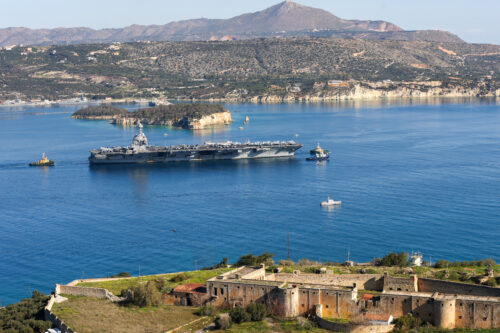
This report explores maritime security conditions in the Mediterranean and the evolving US engagement in the region. As critical infrastructure becomes increasingly vulnerable to sabotage, freedom of navigation is undermined by conflict, and energy disputes generate tension, US policy focus on the region has become fragmented and disengaged. The authors call for a sustained American role to strengthen maritime domain awareness, allied coordination, infrastructure protection, and the capacity to respond when Mediterranean crises affect US and transatlantic interests.
The Multiple Costs of the US–Iran War – From Hormuz to Europe and South Asia: The Widening Economic and Political Geography of the Conflict
Wars are decided by those who hold military power, but their costs are increasingly borne by those who have little or no voice in the decisions that start them. The US–Iran war shows this imbalance very clearly. Its economic consequences have gone far beyond the battlefield and have disrupted energy markets, trade routes, food supplies, public finances and investment in the Gulf, Europe, Africa and Asia. The most striking feature of the conflict, however, is not only the size of the damage but its very unequal distribution.
In less than two decades, a string of offshore discoveries has turned the Eastern Mediterranean into a significant gas-producing region, making Israel an exporter, twice lifting Egypt into the ranks of liquefied natural gas (LNG) exporters, and giving Cyprus finds it has yet to bring to market. This backgrounder explores the potential and challenges of exploiting and managing LNG resources in the region.
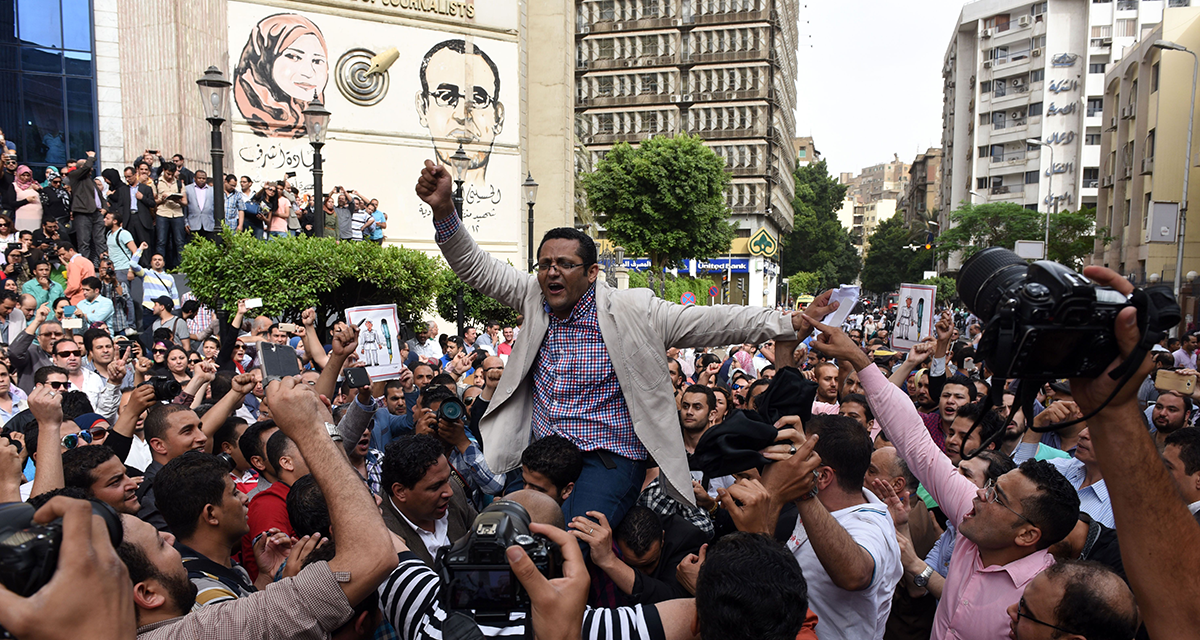
Press Syndicate elections provide a rare chance for Egypt’s journalists to celebrate
Since Egyptian President Abdel-Fattah el-Sisi took office nearly nine years ago, placing all forms of media under total state control has been a top priority. So when seasoned opposition journalist Khaled el-Balshy narrowly won the Egyptian Press Syndicate election on March 17, it was considered a major surprise, and provided a glimmer of hope for weakened opponents that they could still challenge the heavy-handed tactics of the state.
Women’s Reproductive Rights and Abortion in Morocco: Regulatory Reforms Should Not Miss the Bigger Picture
The recent death of a 14-year-old girl following a botched “back alley” abortion at the house of her abuser is the latest reminder of the need to better protect women’s reproductive rights in Morocco and should push Moroccan authorities to address the multi-faceted social, legal, and economic drivers behind unwanted pregnancies.
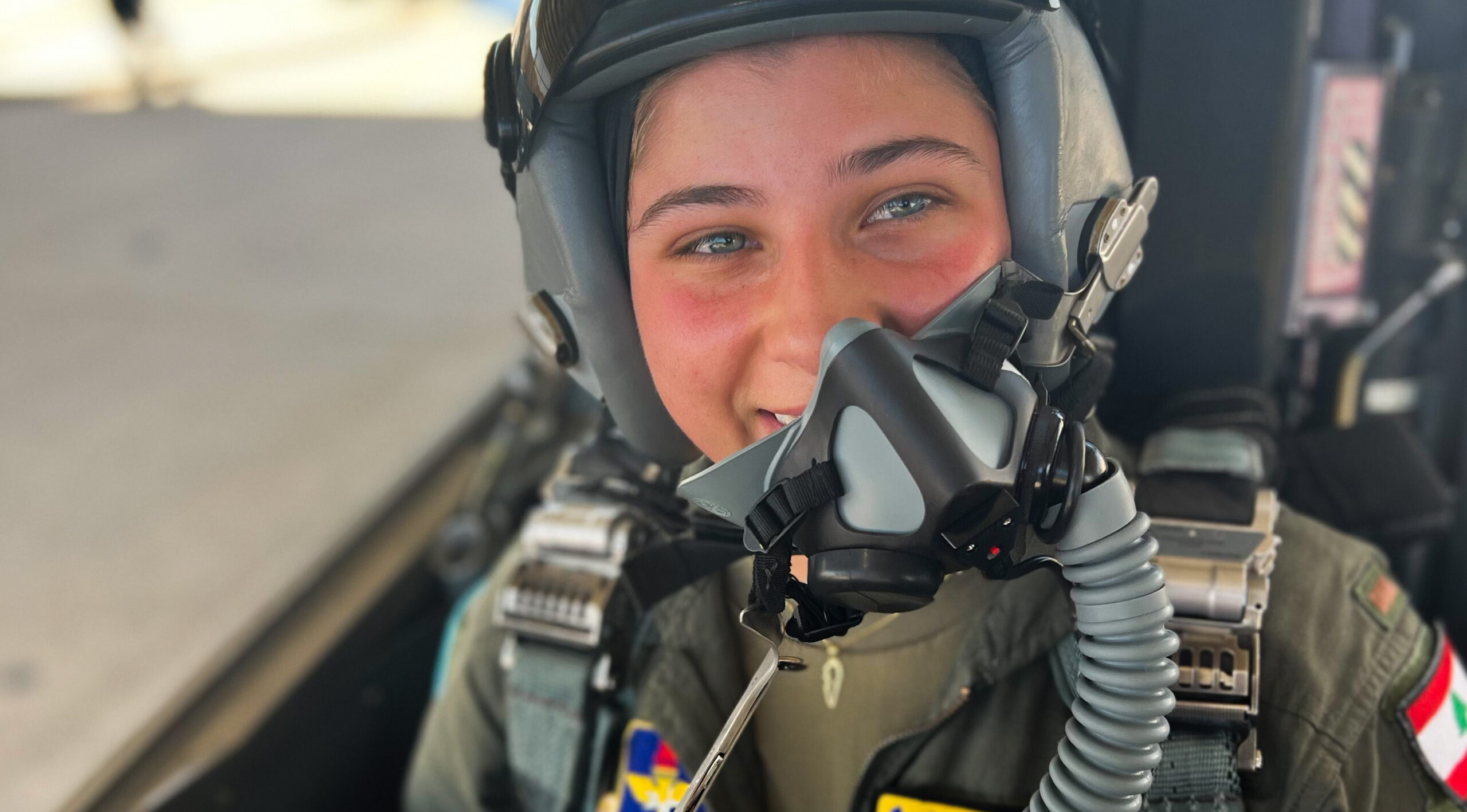
Arab women break boundaries and stereotypes in Middle Eastern militaries
As Women’s History Month in the U.S. draws to a close, women in the armed forces of several Middle Eastern countries continue to achieve historic milestones, with many now serving as pilots, engineers, peacekeepers, and in special forces units. The role of women is steadily increasing as the result of new initiatives, policies, and gradually changing mindsets in the Middle East.
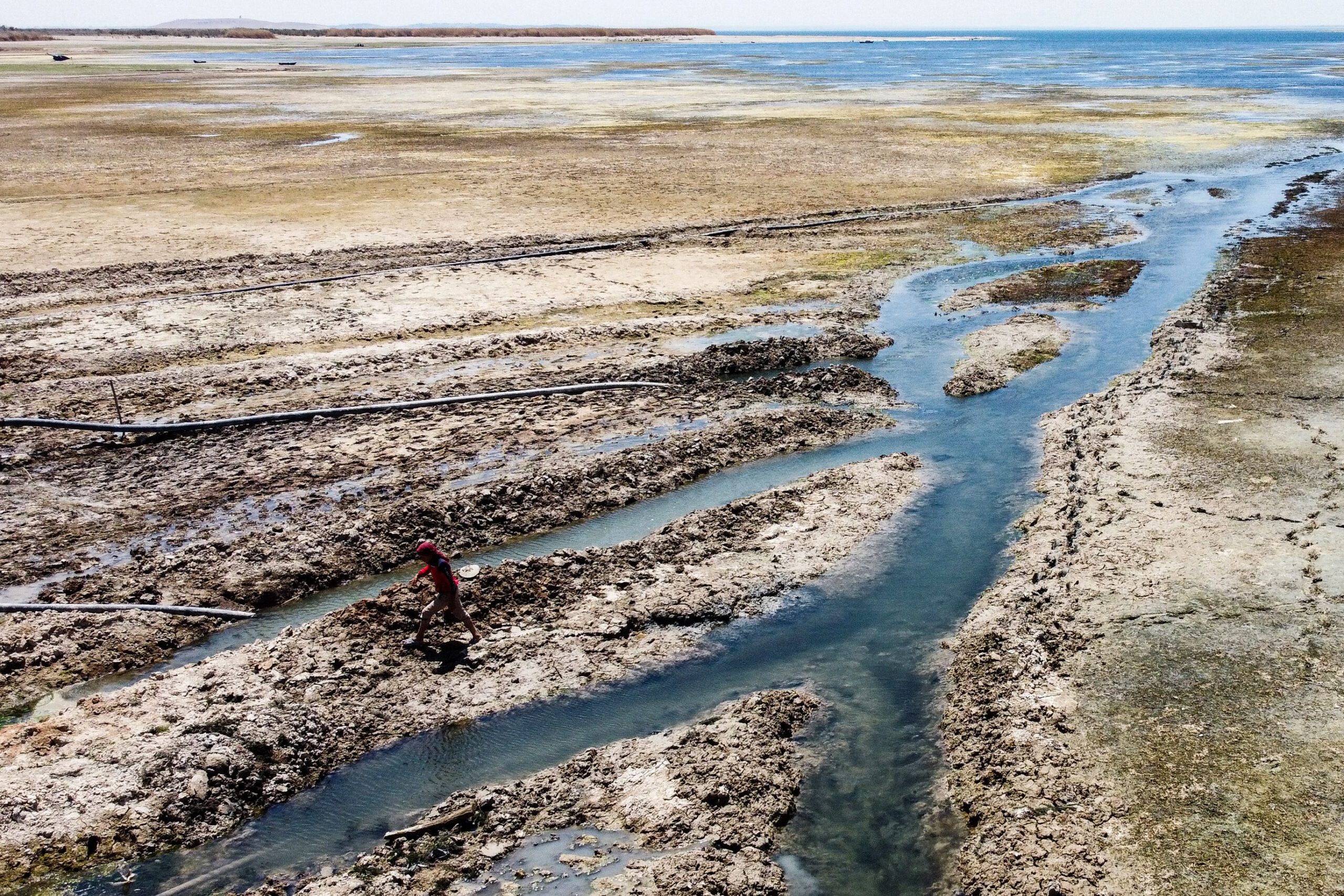
Expert Views: Opportunities to enhance water security in MENA
Water resources are a key component of global sustainability, especially in light of the mounting environmental challenges posed by climate change. We asked some of MEI’s Climate and Water Program scholars to share their perspective on strategies and opportunities that could most readily alleviate the region’s water security concerns.
In Disorder, They Thrive: How Rural Distress Fuels Militancy and Banditry in the Central Sahel
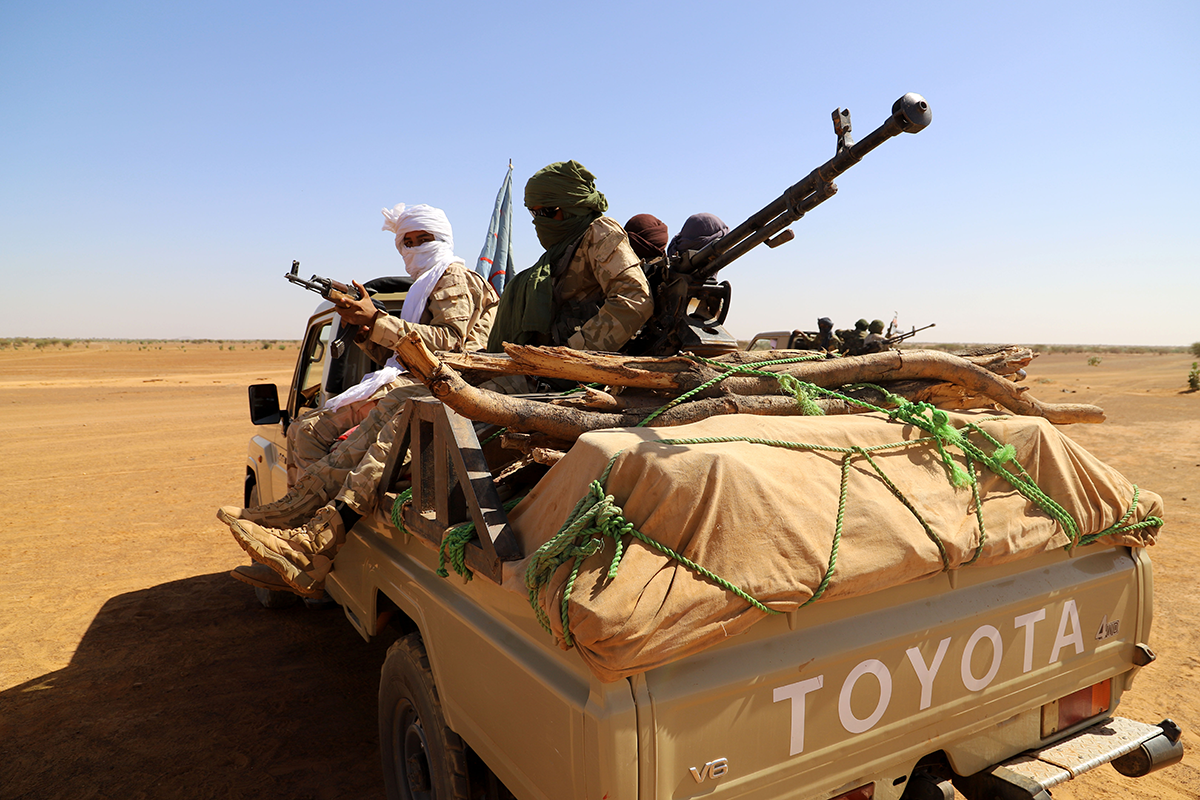
The central Sahel — Burkina Faso, Mali, and Niger — is buffeted by three main forms of armed conflict that overlap and fuel each other: communal conflict, banditry, and violent extremism. These conflicts are partly rooted in a crisis of governance in rural areas, and are exacerbated by climate change, demographics, and internal and cross-border migration.
The Libyan Banking Sector: A Microcosm of Global Enduring Disorder
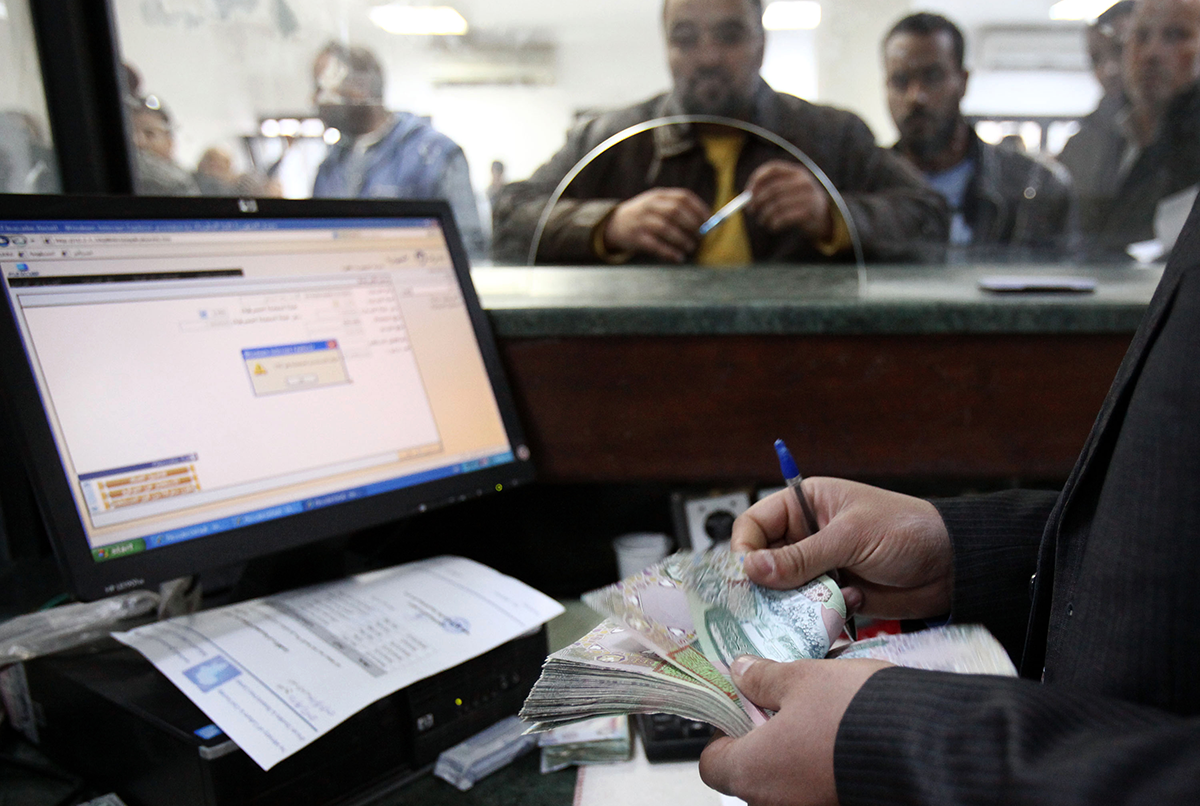
This paper investigates the ongoing Libya conflict through the Enduring Disorder paradigm, focusing on the financial and banking sectors, honing in on stakeholder perceptions of the Central Bank of Libya (CBL), its transparency/opacity, and the “narrative wars” over who is to blame for, and who benefits from, Libya’s economic dysfunction, the lack of an annual budget, and the current lack of a quorum on the CBL board.
The Food-Energy Nexus and Italy–Morocco Cooperation
The unwinding of global food production chains due to the combined shocks of Covid-19 and the war on Ukraine, made worse by the impact of climate change on the food-water-energy nexus, will require the six nations of the western Mediterranean – Morocco, Algeria, Tunisia, Spain, France and Italy – to develop new forms of economic cooperation. An Italy–Morocco partnership on green energy food production can be a model for resilient food production chains.
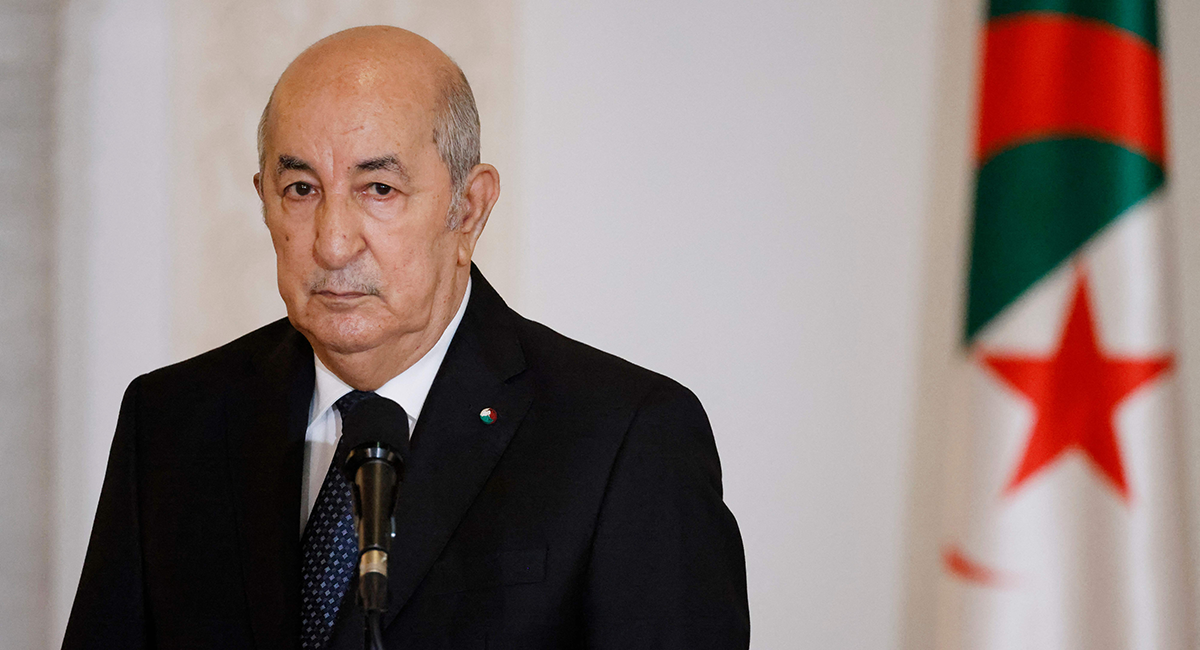
Algeria’s 2023 budget: President Tebboune’s make-or-break first-term project
On Dec. 25, 2022, Algerian President Abdelmadjid Tebboune signed the 2023 budget bill into law. The new finance law lays out unprecedented government spending of $98 billion, the largest state budget in Algeria’s history and a 25% increase from 2022 levels. It also provides clear insight into the authorities’ vision for the future and potential scenarios for Algeria’s direction on the economy and international relations.
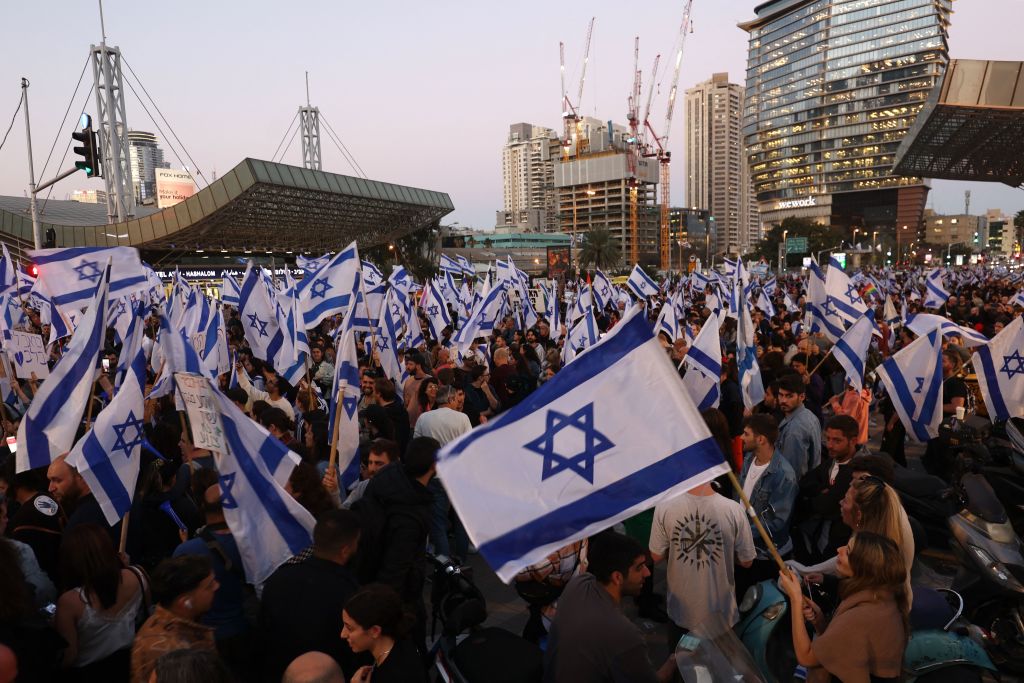
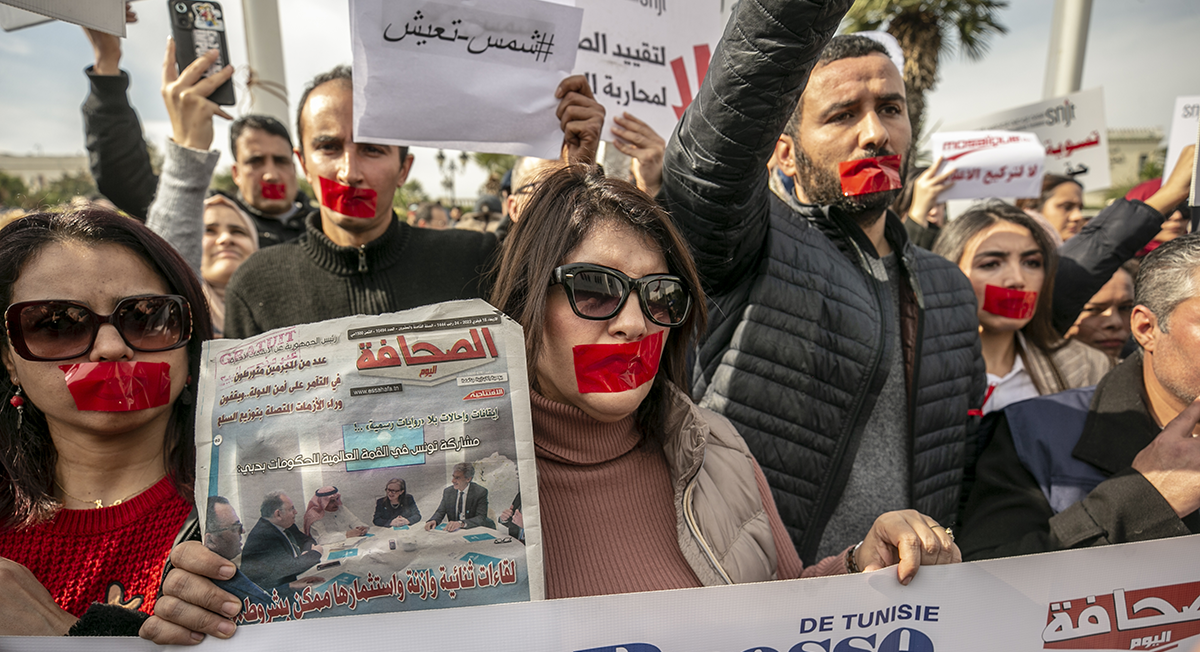
Tunisia’s current system of government is by all indicators continuing to move even farther away from a liberal democratic form envisioned in the 2014 constitution. This is particularly true in the post-July 25, 2021 period after President Kais Saied suspended parliament and assumed full executive and legislative powers. However, analyses that focus solely on Saied miss some of the broader social and political trends that were already rejecting the way Tunisia’s post-2011 “democratic transition” has unfolded. They also miss the nexus that has converged to maintain the current system, in particular between security forces, some sycophantic media, and key figures within the political, business, and civil service sectors.
The oldest peer-reviewed publication dedicated to the study of the modern Middle East, MEI’s flagship journal covers politics, society, and culture in the region.