Skip to Content
Food Security in a Hotter, Drier North Africa
  • Podcast
  • Food Security in a Hotter, Drier North Africa

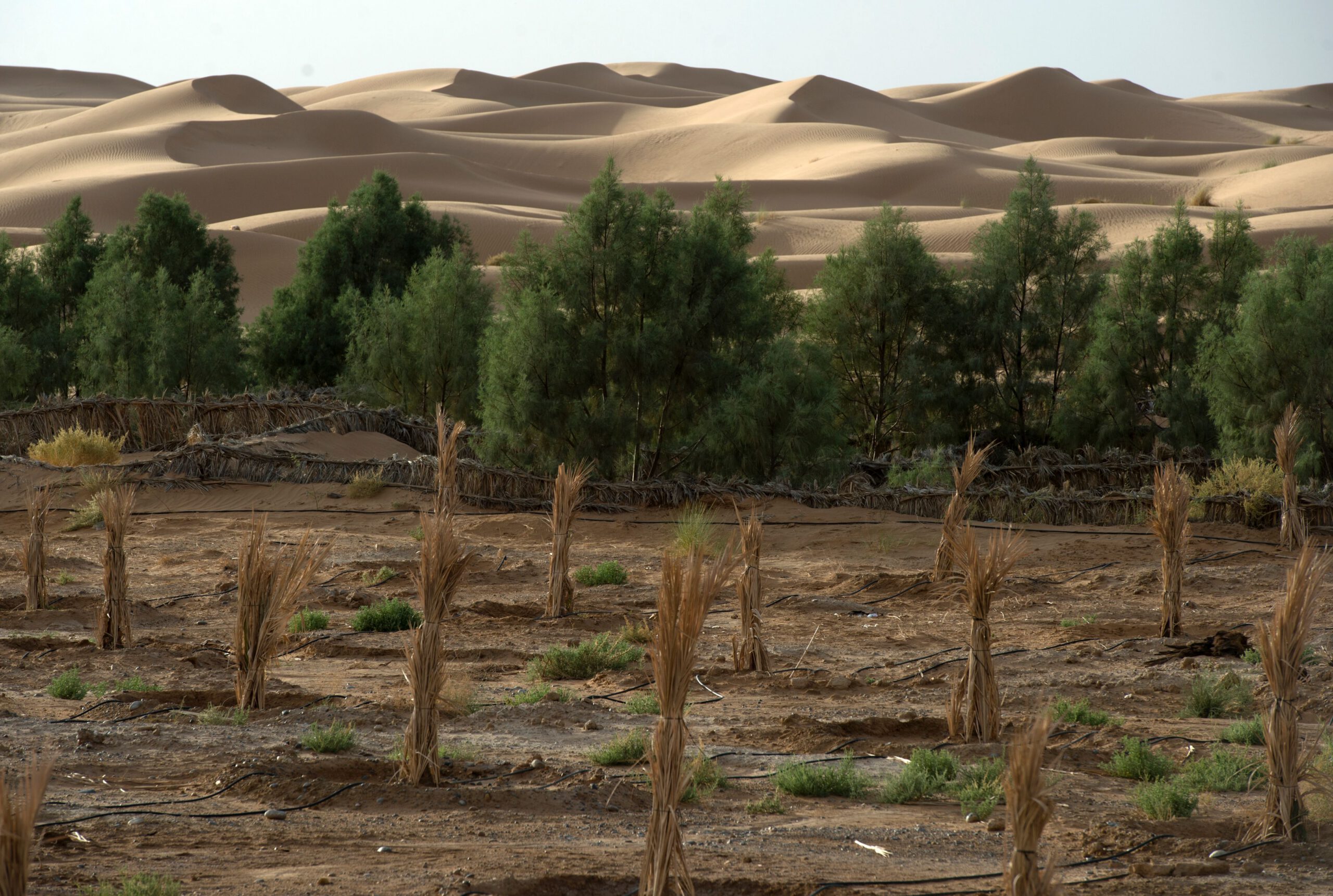
    This summer, brutally hot temperatures, deepening water scarcity, and spiking fertilizer costs have put North Africa’s agricultural sector under intense pressure. Host Alistair Taylor is joined by Mohammed Mahmoud, CEO and founder of the Climate and Water Initiative and lead for Middle East Climate and Water Policy at the United Nations University Institute for Water, Environment, and Health, to unpack the region’s food and water security challenges. Drawing on Mahmoud’s new report card on agricultural sustainability in North Africa, they explore the diverging picture across the region, why some countries have weathered the strain better than others, and what it will take to build a more resilient and secure food system.

    July 23, 2026

    Outlook for Sustainable Agriculture in North Africa: Report Card Assessment
  • Report
  • Outlook for Sustainable Agriculture in North Africa: Report Card Assessment

    This report assesses the future sustainability of agriculture across North Africa using a multidimensional approach that considers the dynamics of water, climate, land, and economics. To enable this assessment of sustainable agriculture across the region, the author evaluates water resources reliability, water use efficiency, agricultural land sustainability, and the food sector economy for Egypt, Sudan, Libya, Tunisia, Algeria, Morocco, and Mauritania, and provides recommendations for action.

    June 22, 2026

    The Human Cost of the Strait of Hormuz Closure
  • Podcast
  • The Human Cost of the Strait of Hormuz Closure

    When the Strait of Hormuz closed in March, fertilizer prices spiked within weeks, triggering a food security crisis across North Africa and the Sahel. Host Alistair Taylor is joined by MEI Senior Fellow Intissar Fakir to explore what it means for the region, unpack the link between food security and regional stability, and assess how the strait’s reopening could impact those affected.

    June 18, 2026

    Projects

    Food Security in the Maghreb and Sahel

    North Africa’s Power Shift: Renewable Energy Development and Energy Security

    The Role of Mid-Sized Enterprises in Fostering Growth in MENA’s Clean Energy Transition

    Filter by
    1564 Results
    The Bab el-Mandeb Strait: Regional and great power rivalries on the shores of the Red Sea
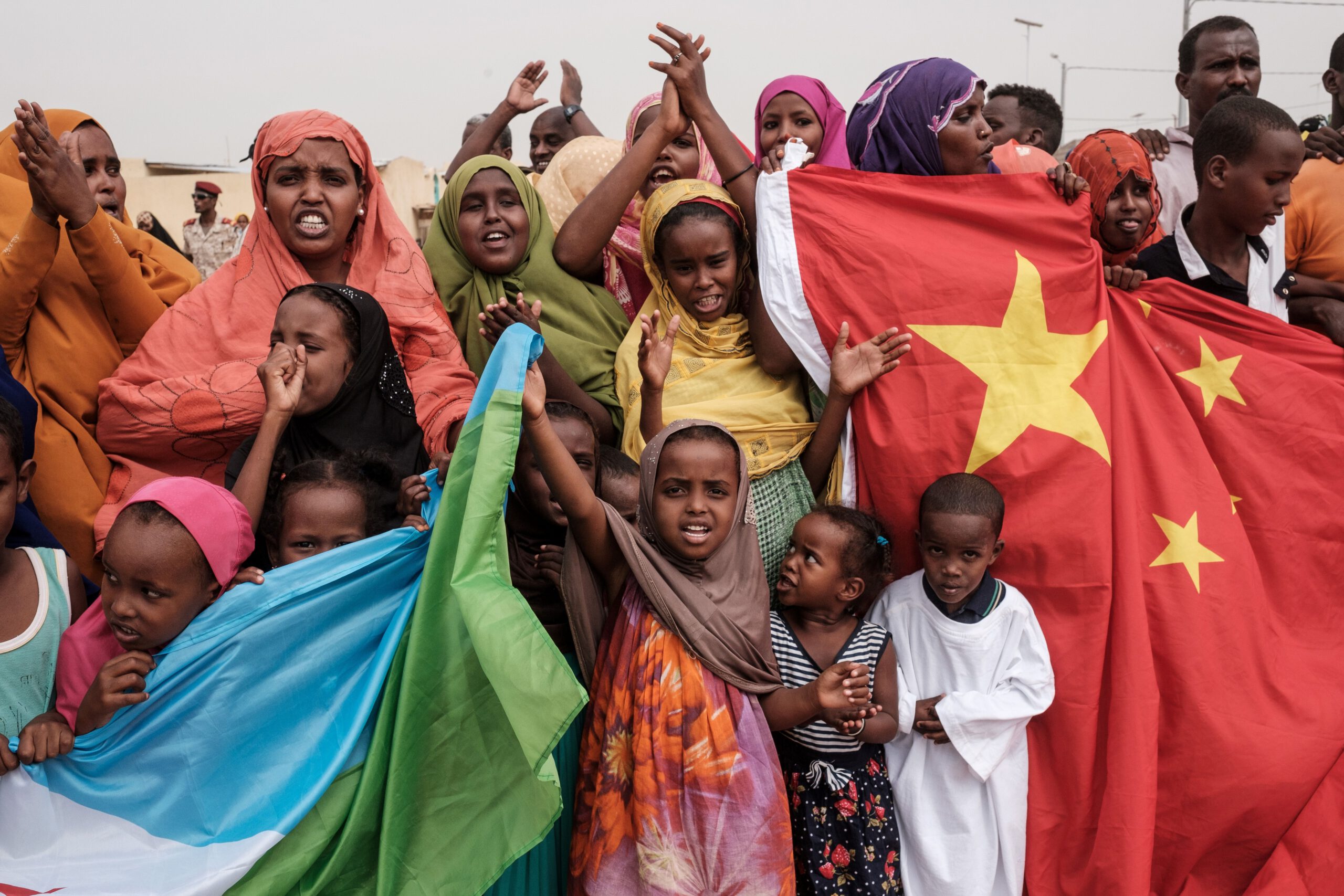
    People hold Chinese and Djiboutian national flags as they wait for the arrival of Djibouti's President Ismail Omar Guellehas before the launching ceremony of new 1000-unit housing contruction project in Djibouti, on July 4, 2018. - The new 1000-unit construction project by the Ismail Omar Guelleh Foundation for Housing is financially supported by China Merchant, the operation parther of newly inaugurated Djibouti International Free Trade Zone (DITTZ) with Djibouti Ports and Free Zones Authority, to build ba
  • Analysis
  • The Bab el-Mandeb Strait: Regional and great power rivalries on the shores of the Red Sea

    The Bab el-Mandeb Strait (“Gate of Tears” in Arabic) forms a vital strategic link in the maritime trade route between the Mediterranean Sea and the Indian Ocean via the Red Sea and the Suez Canal. On one side of the narrow strait lies the Arabian Peninsula. On the other is the Horn of Africa, a fragile region that has been plagued for decades by high levels of violence and instability within and across borders, and which in recent years has served as a launching pad for terrorism, piracy, human trafficking, and smuggling operations.

    Sustainable development: An unavoidable path for Egypt’s future
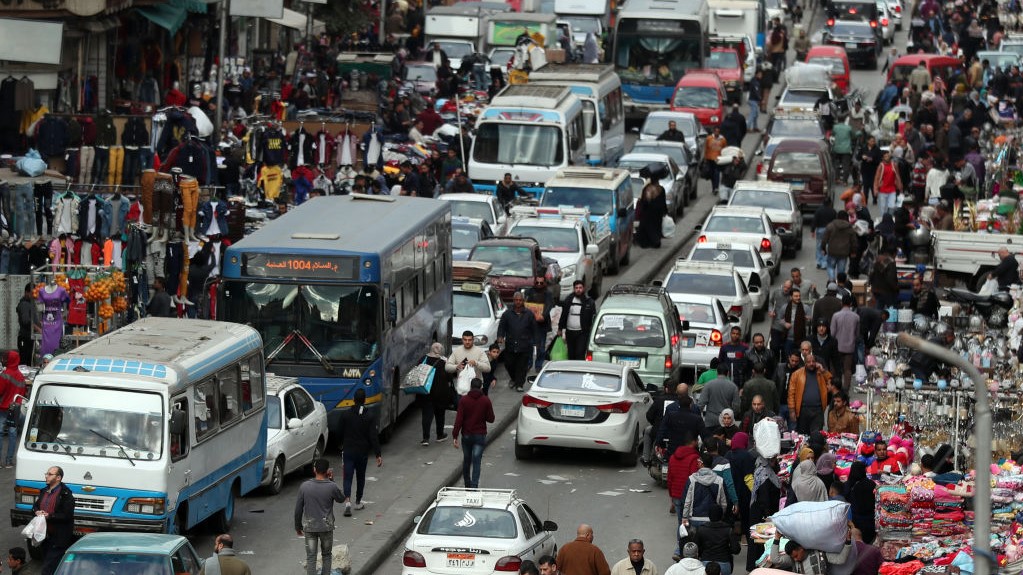
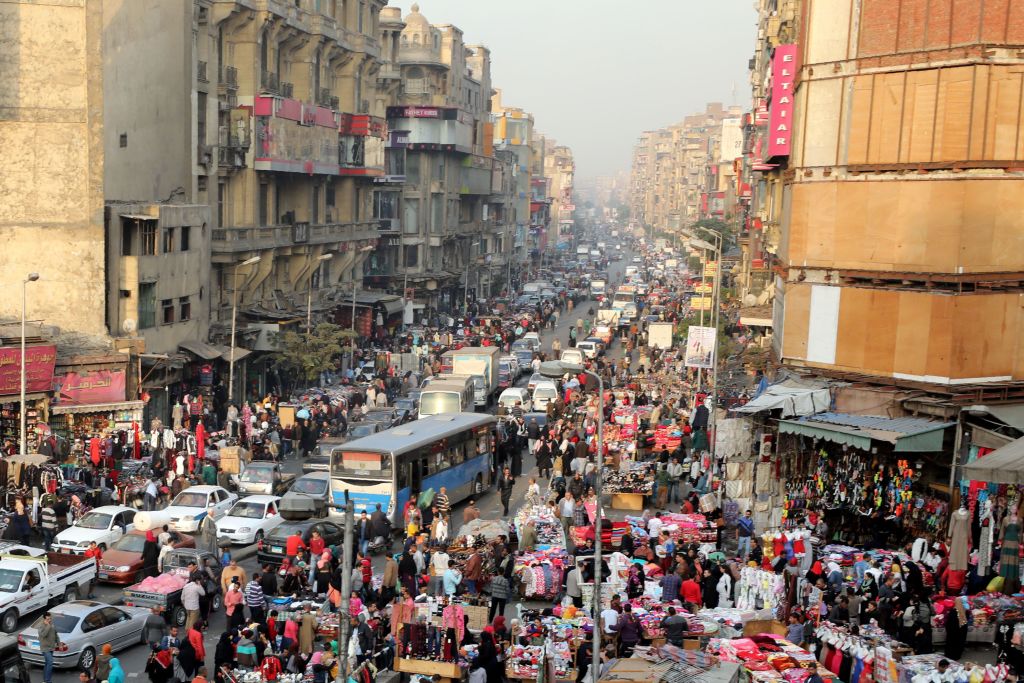
    A picture taken on December 12, 2017 shows an elevated view of al-Attaba district on the edge of downtown Cairo, Egypt. Egypt is the most populated coutry in the Arab world with some 96 million inhabitants and the numbers are rising by 1.6 million every year.
  • Analysis
  • Sustainable development: An unavoidable path for Egypt’s future

    Egypt has realized a significant number of changes in healthcare, education, and economic reform policy over the past decade. It is also increasingly looking toward policy for development that emphasizes cohesive problem solving, in line with its Vision 2030 strategy, which highlights the need for positive knock-on effects from investments in human development

    January 28, 2020

    For Russia, Libya and Idlib are now part of the same gamble
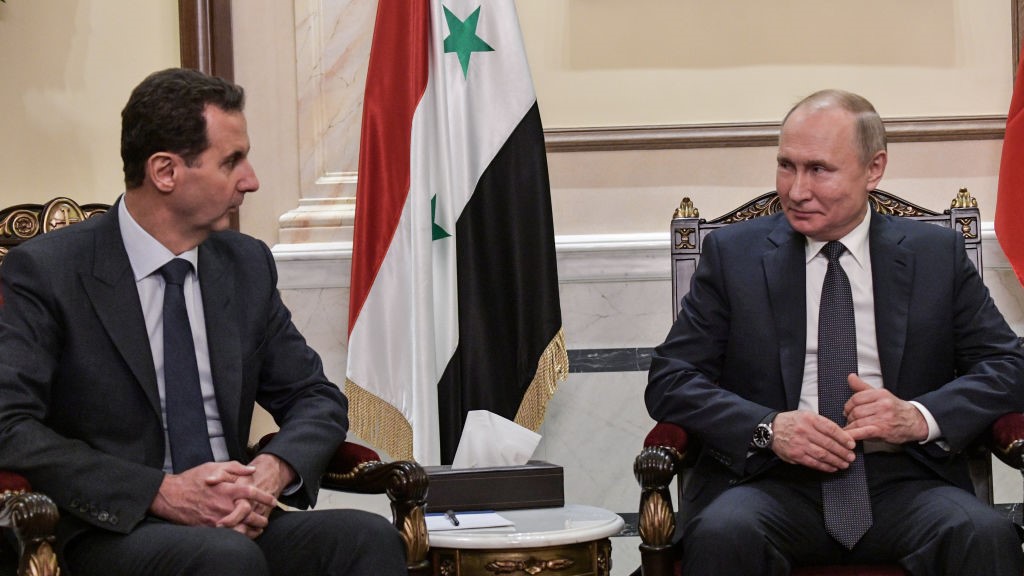
    Syria's President Bashar al-Assad (L) and Russia's President Vladimir Putin during a meeting in the Cathedral of Our Lady of the Dormition.
  • Analysis
  • For Russia, Libya and Idlib are now part of the same gamble

    Although Moscow continues to reap the benefits of its Syrian campaign, it is increasingly faced with diminishing returns. Despite its greater geopolitical involvement in the country, the Kremlin has so far failed to extract major economic dividends and may soon face increased competition from Tehran. With Syria’s future clouded in uncertainty and the unresolved issue of the Idlib region hanging like the sword of Damocles over any potential political settlement, Russia is now trying to bring the Libyan conflict into the equation as well.

    January 21, 2020

    Trends to Watch in the Middle East in 2020
    Middle East Institute
  • Podcast
  • Trends to Watch in the Middle East in 2020

    MEI experts Robert S. Ford, Fatima Abo Alasrar, and Emad Badi join host Alistair Taylor to survey what lies ahead for the Middle East in 2020, with particular attention to Iran, Syria, Yemen, Libya, Iraq and Algeria.

    January 17, 2020

    Safeguarding and celebrating Egypt’s traditional crafts
  • Analysis
  • Safeguarding and celebrating Egypt’s traditional crafts

    Accomplished craftspeople are a dying breed in Cairo, but Jameel House of Traditional Arts and Atelier Cairo are working to change that by training a new generation of artisans in traditional media like ceramics, wood, brass, glass, and gypsum work (stucco), helping to replenish the stock of skilled Egyptian craftspeople and keeping rare and beautiful art forms alive.

    January 14, 2020

    Cease-fires in Idlib and Libya as Turkey looks to buy time
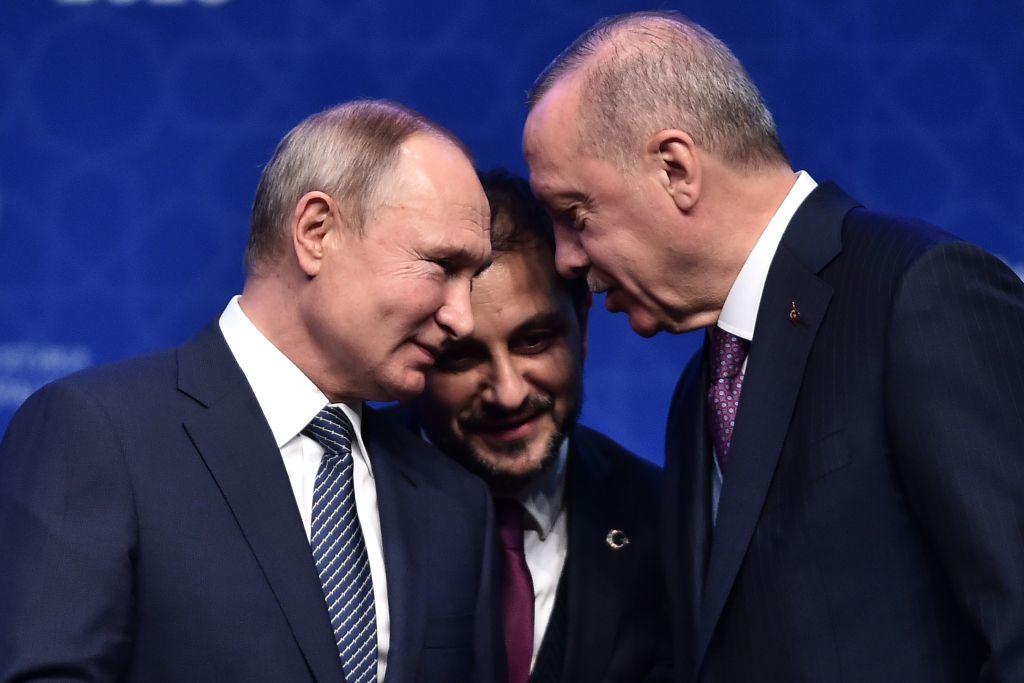
    Russian President Vladimir Putin (L) and Turkish President Recep Tayyip Erdogan (R) attend the opening ceremony of the TurkStream on January 08, 2020 in Istanbul, Turkey.
  • Commentary
  • Cease-fires in Idlib and Libya as Turkey looks to buy time

    It is increasingly the case that the Russian-Turkish decisions on Idlib or Syria need to be understood as part of a broader Russian-Turkish partnership.

    January 13, 2020

    China’s growing role in the Middle East
    China's President Xi Jinping (R) welcomes Egypt's President Abdel Fattah el-Sisi at the Second Belt and Road Forum.
  • Analysis
  • China’s growing role in the Middle East

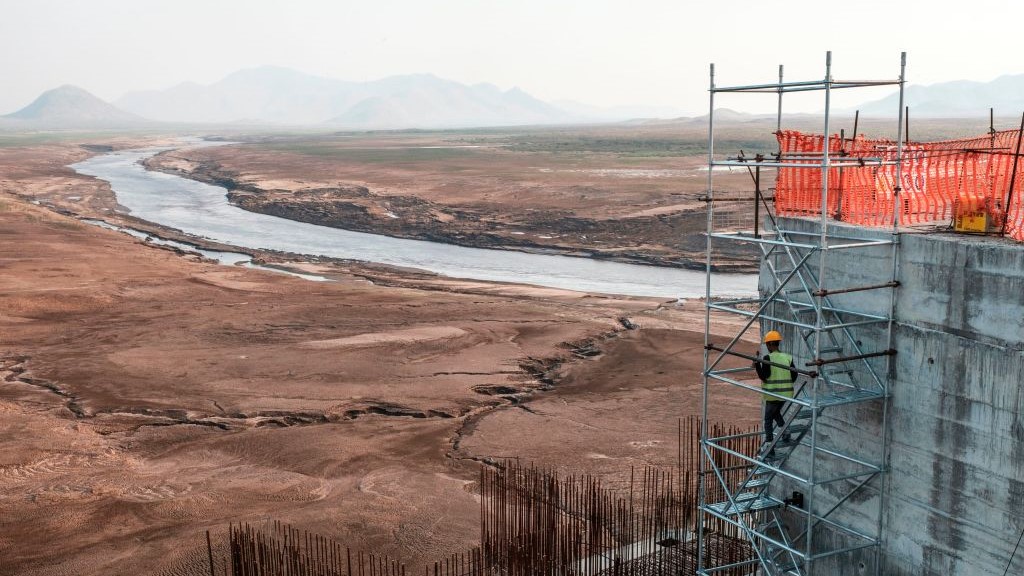
    While the world is engaged in an ongoing discussion about the ramifications of the trade war between Washington, DC and Beijing, the economies of the Middle East are shifting away from their longstanding ties with the U.S. toward economically powerful China. This may have long-term implications for economic and political dynamics in the region.
    January 9, 2020

    Escalation with Iran now dominates 2020
    A drone photo shows thousands of Iranians attend the funeral ceremony of Qasem Soleimani, commander of Iranian Revolutionary Guards' Quds Forces, who was killed in a U.S. drone airstrike in Iraq, in Tehran, Iran on January 06, 2020.
  • Commentary
  • Escalation with Iran now dominates 2020

    Trump has taken such a forward-leaning and aggressive position now that he has set himself, and the U.S., in a conflict trap that he might not be able to defuse.

    January 6, 2020

    The future of the UK’s relationship with the Maghreb
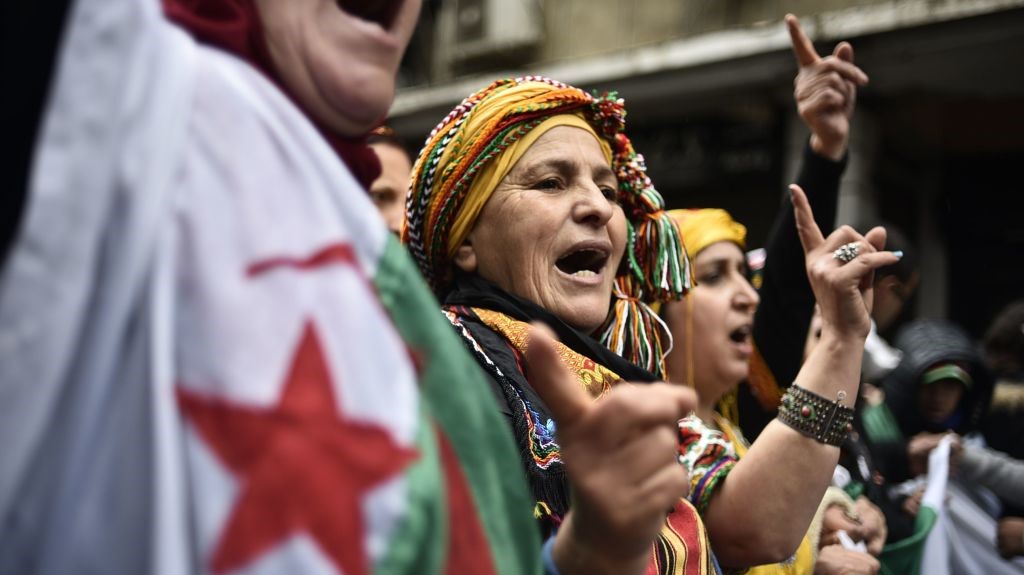
    Algerian protesters wave national flags during an anti-government demonstration in the capital Algiers, on December 20, 2019.
  • Analysis
  • The future of the UK’s relationship with the Maghreb

    The UK’s impending exit from the EU will present a new chapter for British interests in and posture toward the region. If the UK is to find a trade-off for loss of diplomatic and economic heft, it will need to re-prioritize its engagement efforts. Policy continuity toward Morocco and Tunisia appears inevitable; Algeria, in contrast, promises great opportunity for an evolving relationship.
    January 6, 2020

    Read the Middle East Journal

    The oldest peer-reviewed publication dedicated to the study of the modern Middle East, MEI’s flagship journal covers politics, society, and culture in the region.