This article is part of a collection of short essays written by the Fellows of the Middle East Institute to explore aspects of the ongoing war with Iran. The intent of the collection is to help readers see new and unexpected elements of the dynamics and impact of the ongoing hostilities and to think harder, deeper, and broader about the implications of the conflict.
Egypt: How the Iran War Has Affected Egypt’s Calculations
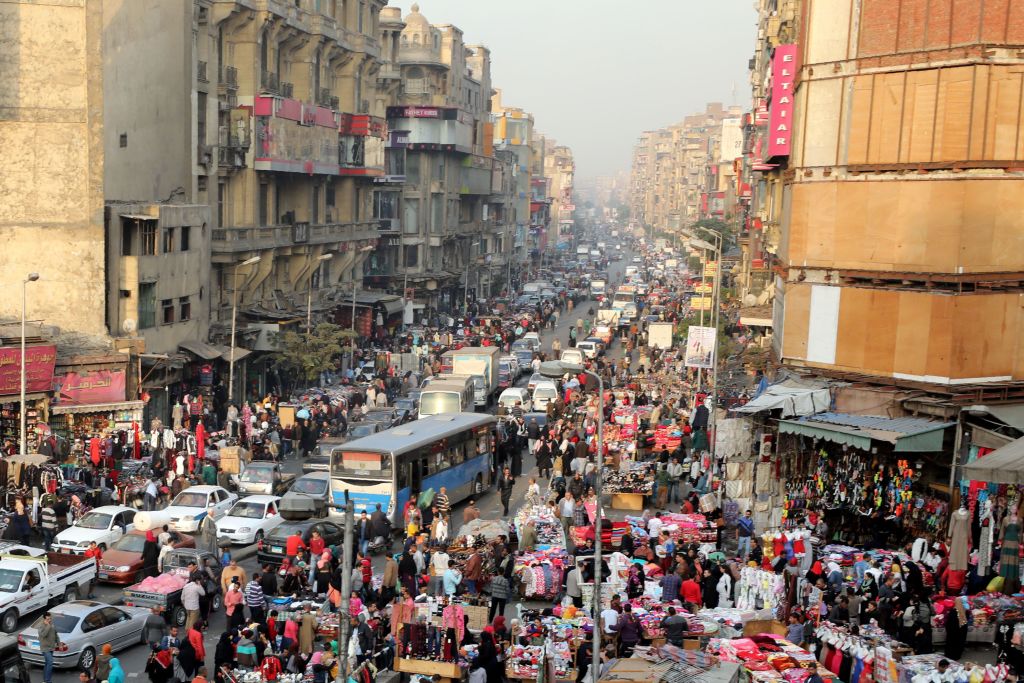
Egypt, which is not party to the war on Iran, has become a target as well as an intermediary in the conflict. As a result, the war has affected Egypt’s future calculations, particularly in three major areas: its economy, its security, and its regional alliances.
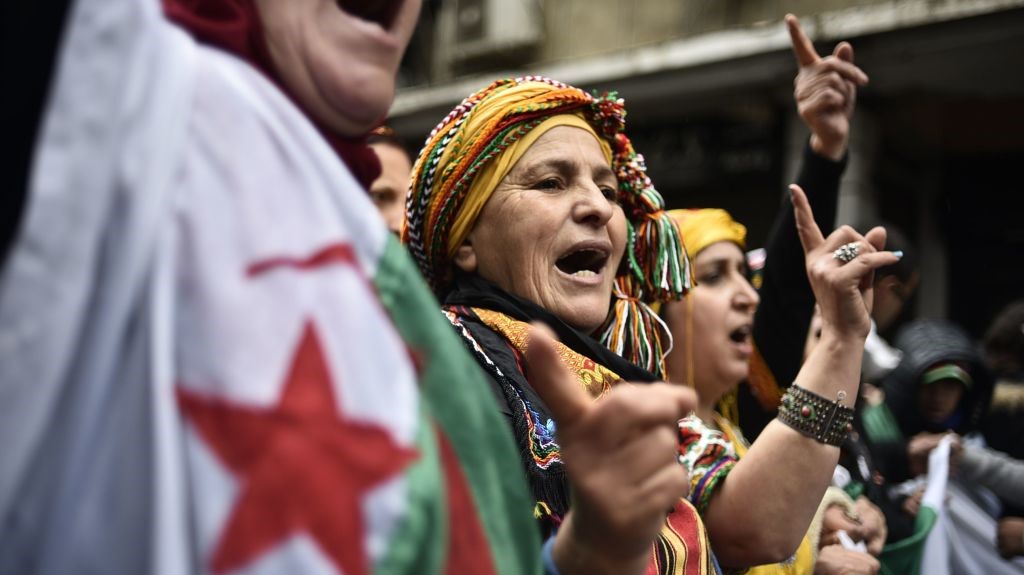
Algeria and Morocco have long been at odds, but recent diplomatic moves may signal a widening geopolitical split in North Africa. Hosts Alistair Taylor and Matthew Czekaj are joined by MEI Senior Fellow Intissar Fakir to unpack Algeria’s decision to sever diplomatic ties with the United Arab Emirates and Morocco’s warming relations with both the UAE and Israel. They also explore linkages between these diplomatic shifts and the Western Sahara conflict, Moroccan domestic concerns, particularly in light of this week’s elections, as well as broader regional stability.
Understanding EU-MENA relations: Current and changing dynamics
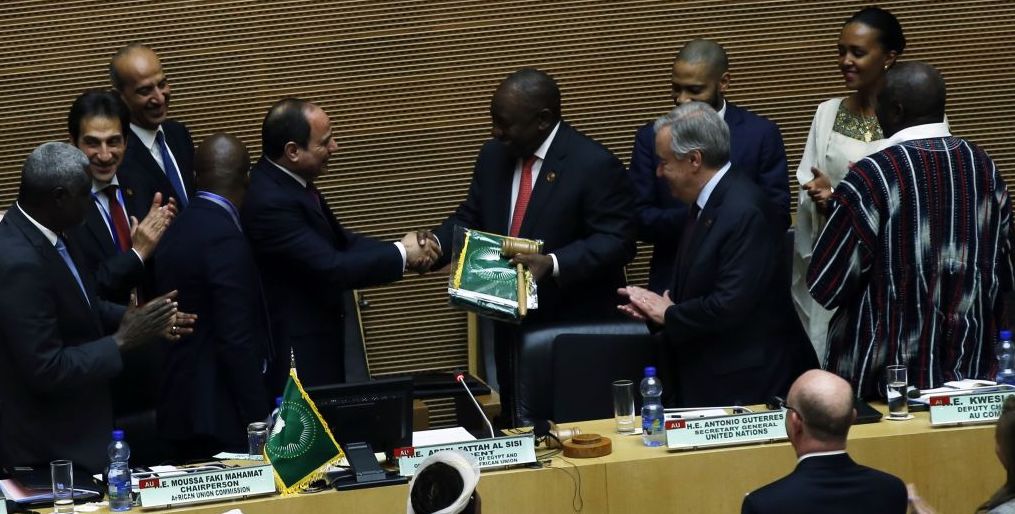
This year could mark a turning point in the European Union’s relations with the countries of the MENA region. If the EU is to realize the objectives laid out in its 2016 global foreign and security policy strategy and become a major world power, it has to be more proactive and creative, especially in the Middle East.
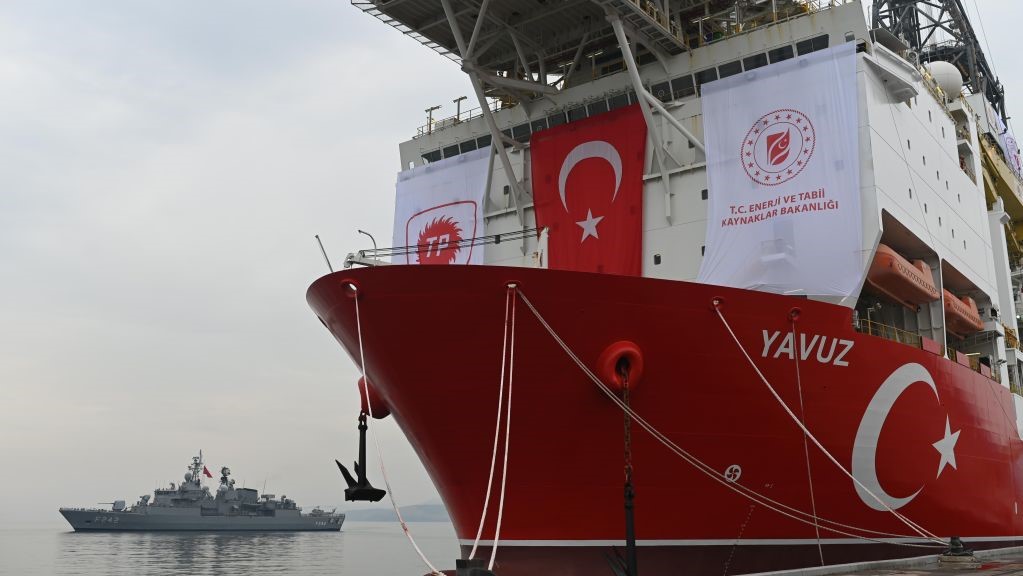
The eastern Mediterranean has become an increasingly important focus for Turkey’s foreign and security policy, but the interlocking of new issues like energy politics and sovereignty rights with old problems like Cyprus has created significant challenges for Ankara.
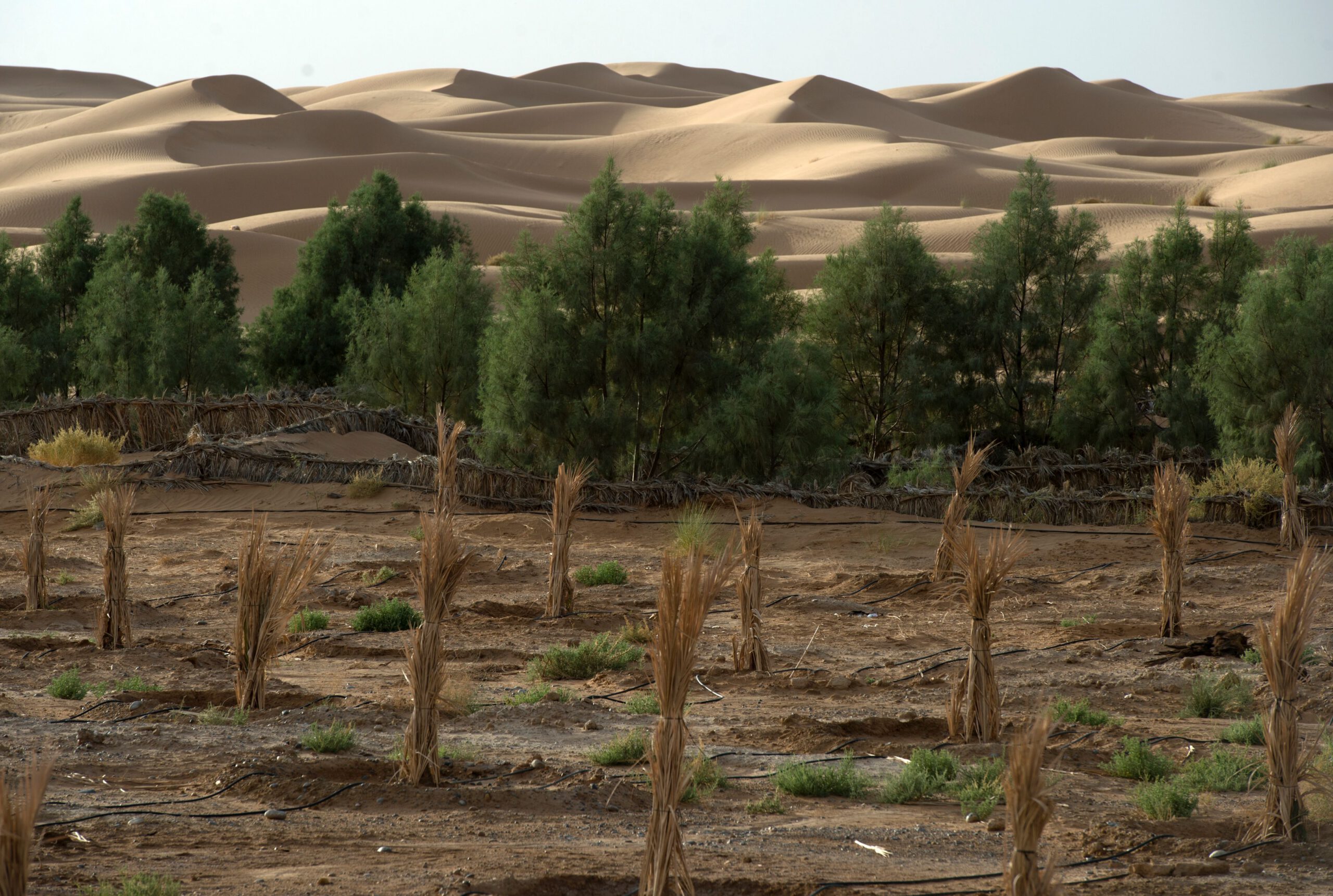
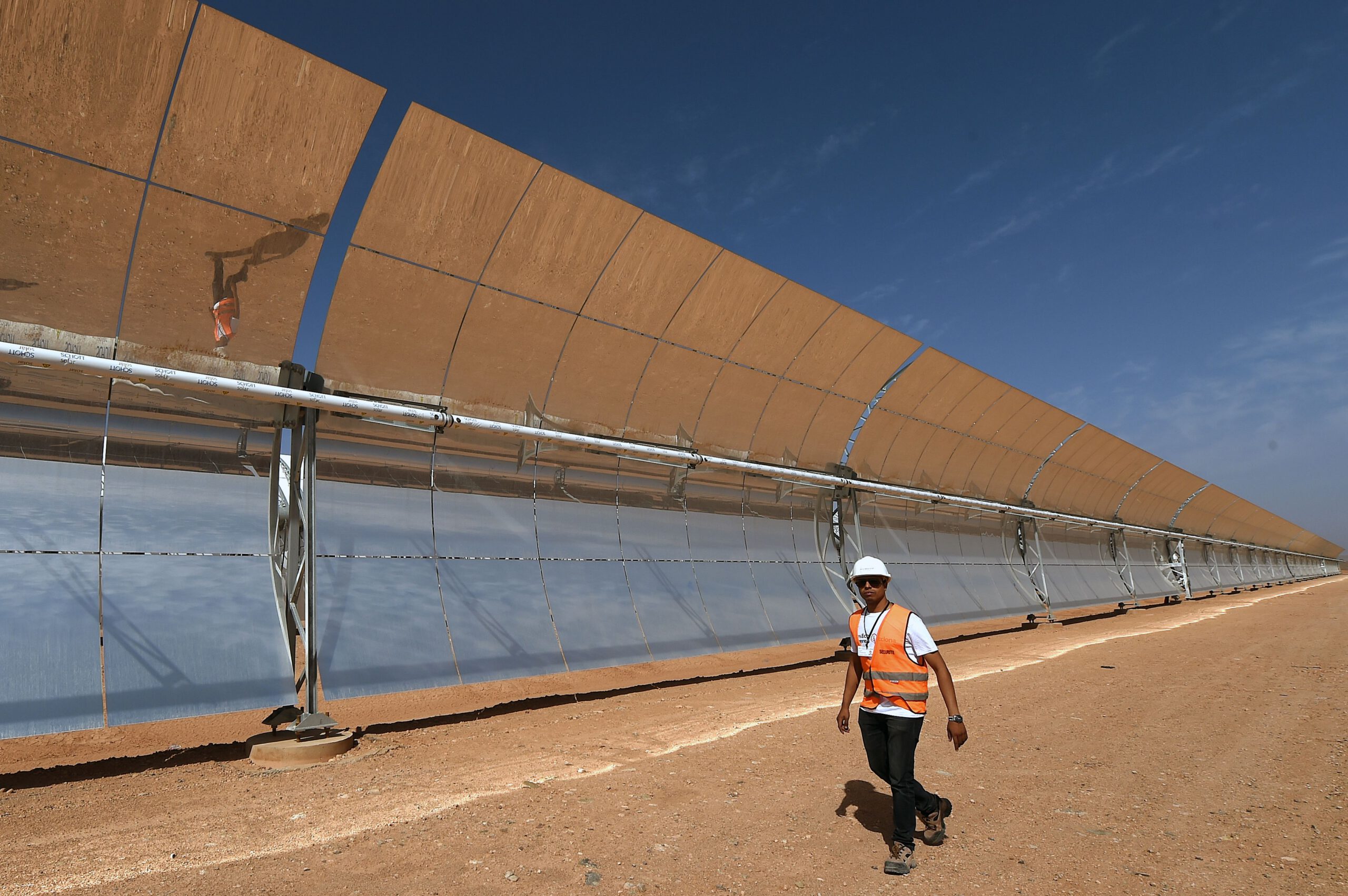
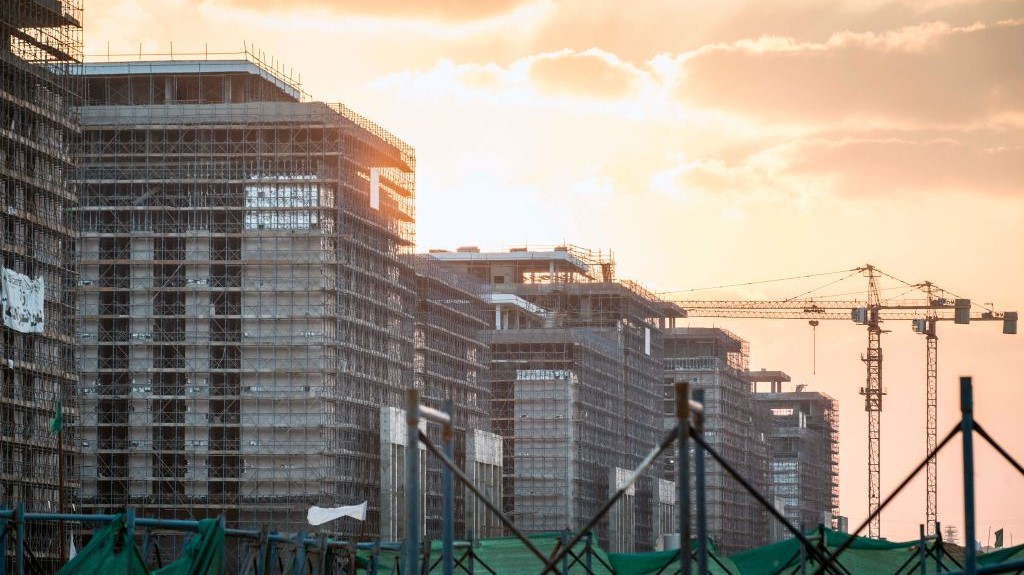
The green movement has been slow to catch on in Egypt, but the January announcement by the Egyptian government that it is finalizing plans to launch the country’s first green bonds could provide the financial incentives to further promote sustainable development. “Sustainability” is one of the fastest growing sectors globally, estimated to reach as much as $12 trillion annually by 2030.
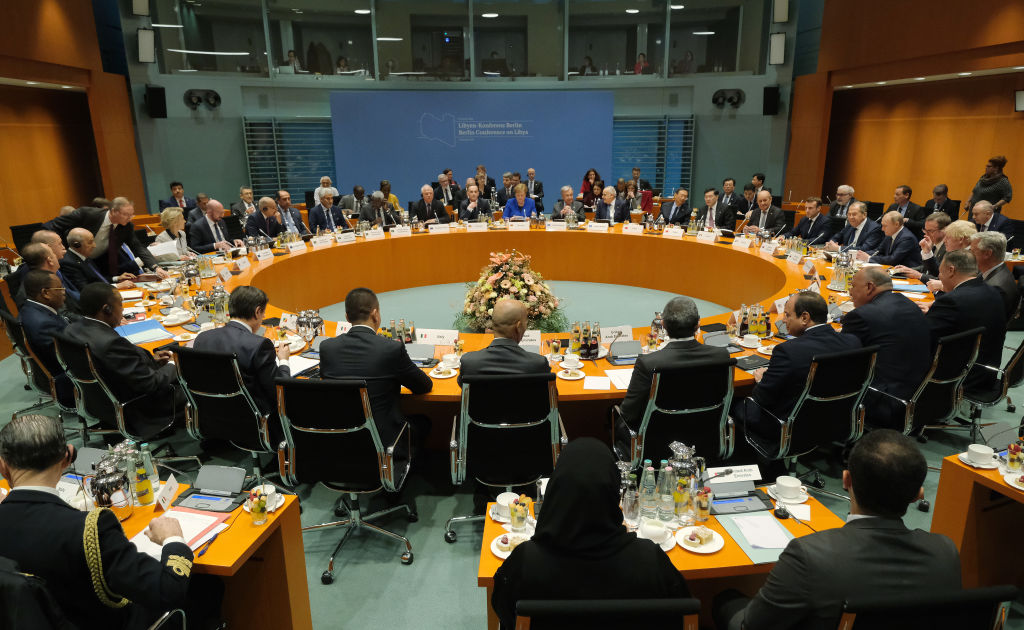
MEI’s Jonathan Winer and Ross Harrison join host Alistair Taylor to discuss the conflict in Libya and how it fits into the broader context of civil wars in the Middle East.
The Bab el-Mandeb Strait: Regional and great power rivalries on the shores of the Red Sea
The Bab el-Mandeb Strait (“Gate of Tears” in Arabic) forms a vital strategic link in the maritime trade route between the Mediterranean Sea and the Indian Ocean via the Red Sea and the Suez Canal. On one side of the narrow strait lies the Arabian Peninsula. On the other is the Horn of Africa, a fragile region that has been plagued for decades by high levels of violence and instability within and across borders, and which in recent years has served as a launching pad for terrorism, piracy, human trafficking, and smuggling operations.
Sustainable development: An unavoidable path for Egypt’s future
Egypt has realized a significant number of changes in healthcare, education, and economic reform policy over the past decade. It is also increasingly looking toward policy for development that emphasizes cohesive problem solving, in line with its Vision 2030 strategy, which highlights the need for positive knock-on effects from investments in human development
For Russia, Libya and Idlib are now part of the same gamble
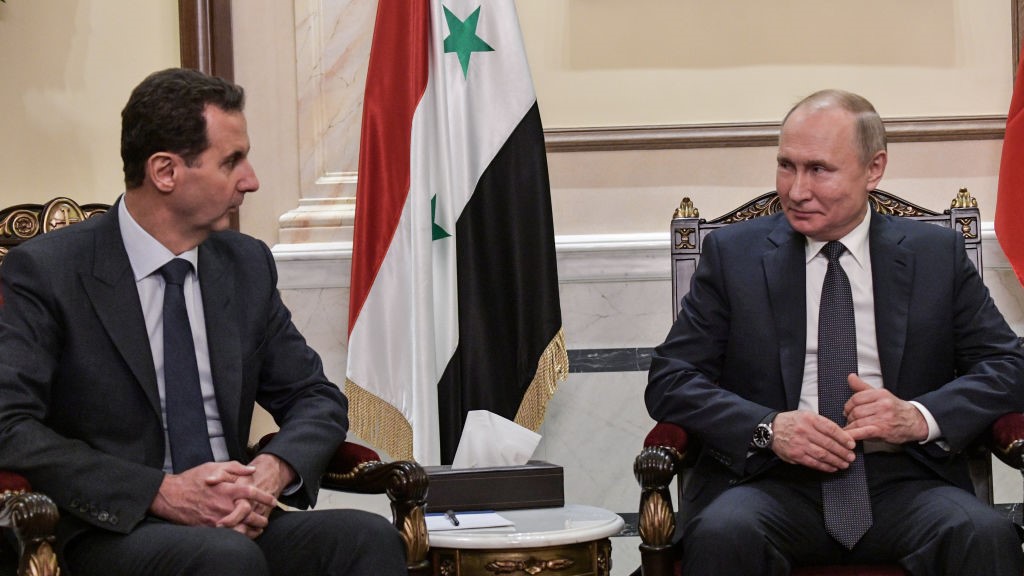
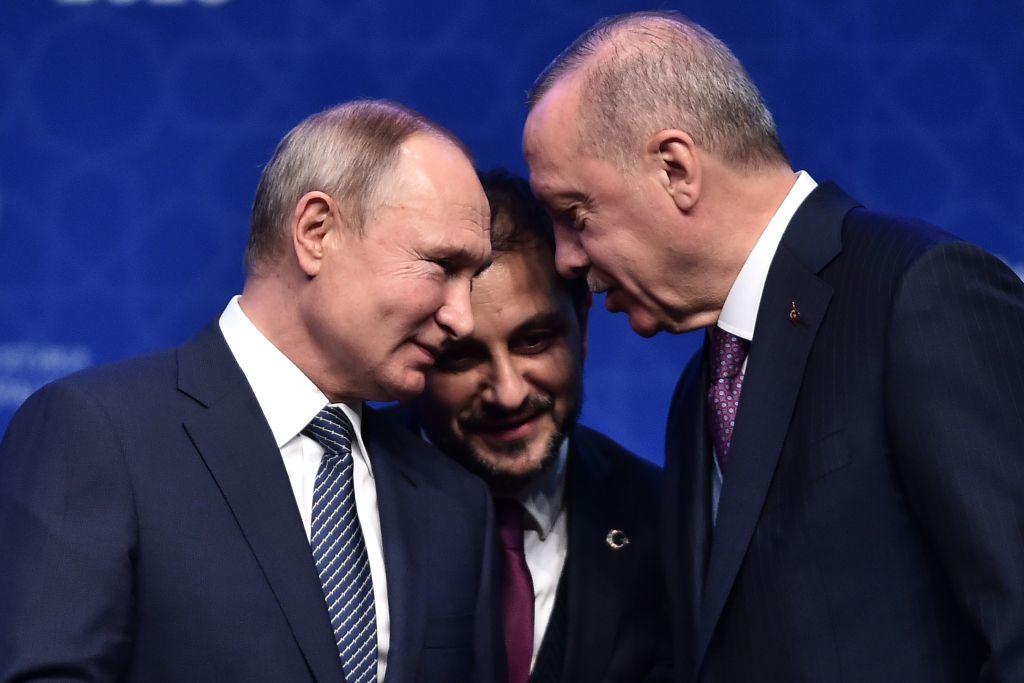
Although Moscow continues to reap the benefits of its Syrian campaign, it is increasingly faced with diminishing returns. Despite its greater geopolitical involvement in the country, the Kremlin has so far failed to extract major economic dividends and may soon face increased competition from Tehran. With Syria’s future clouded in uncertainty and the unresolved issue of the Idlib region hanging like the sword of Damocles over any potential political settlement, Russia is now trying to bring the Libyan conflict into the equation as well.
The oldest peer-reviewed publication dedicated to the study of the modern Middle East, MEI’s flagship journal covers politics, society, and culture in the region.