Reflections on a Diplomatic Career in the Middle East: A Conversation With Ambassador Yael Lempert
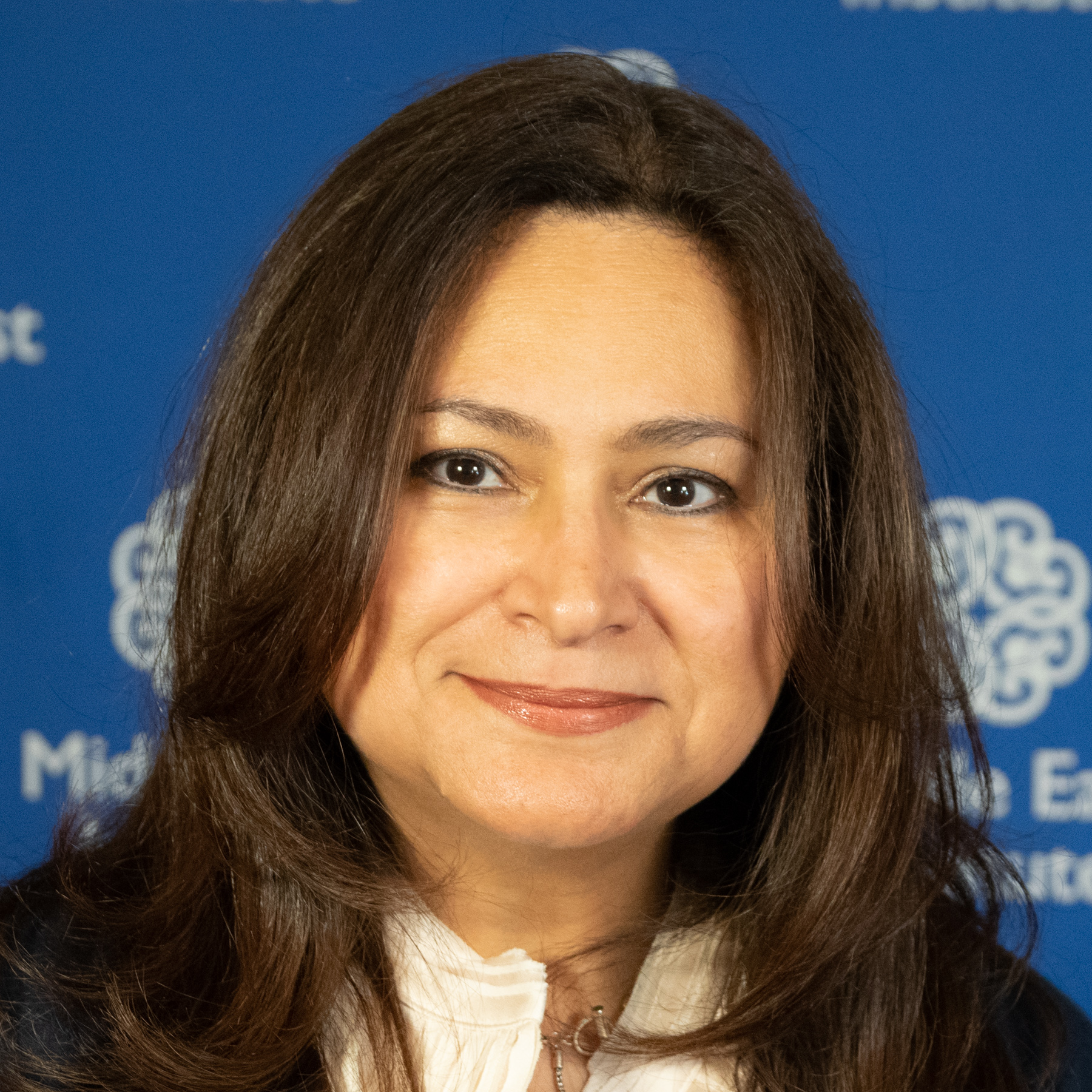
Brian is joined by Amb. (ret.) Yael Lempert, Vice President for Outreach at MEI, to discuss her career in diplomacy and the importance of US diplomatic efforts abroad. She shares stories from postings across the Middle East in Baghdad, Cairo, Tripoli, Jerusalem, and Amman and examines how her personal and professional experiences shaped her approach to the work. Together, Brian and Yael discuss the realities of life in the Foreign Service, the core tenets of American diplomacy, and why it matters in today’s Middle East.
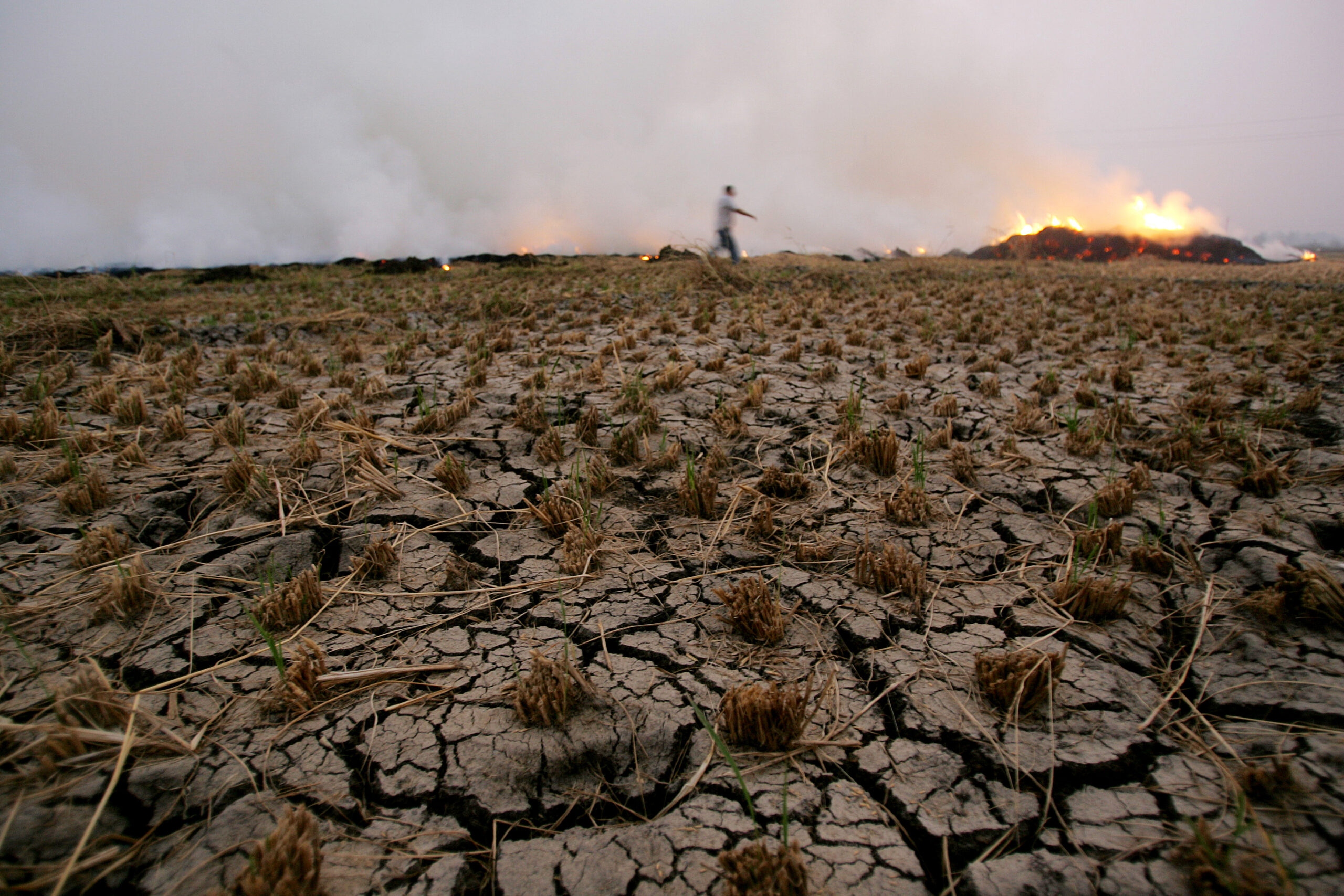
This summer, brutally hot temperatures, deepening water scarcity, and spiking fertilizer costs have put North Africa’s agricultural sector under intense pressure. Host Alistair Taylor is joined by Mohammed Mahmoud, CEO and founder of the Climate and Water Initiative and lead for Middle East Climate and Water Policy at the United Nations University Institute for Water, Environment, and Health, to unpack the region’s food and water security challenges. Drawing on Mahmoud’s new report card on agricultural sustainability in North Africa, they explore the diverging picture across the region, why some countries have weathered the strain better than others, and what it will take to build a more resilient and secure food system.
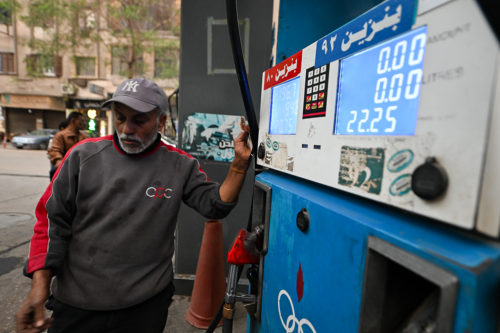
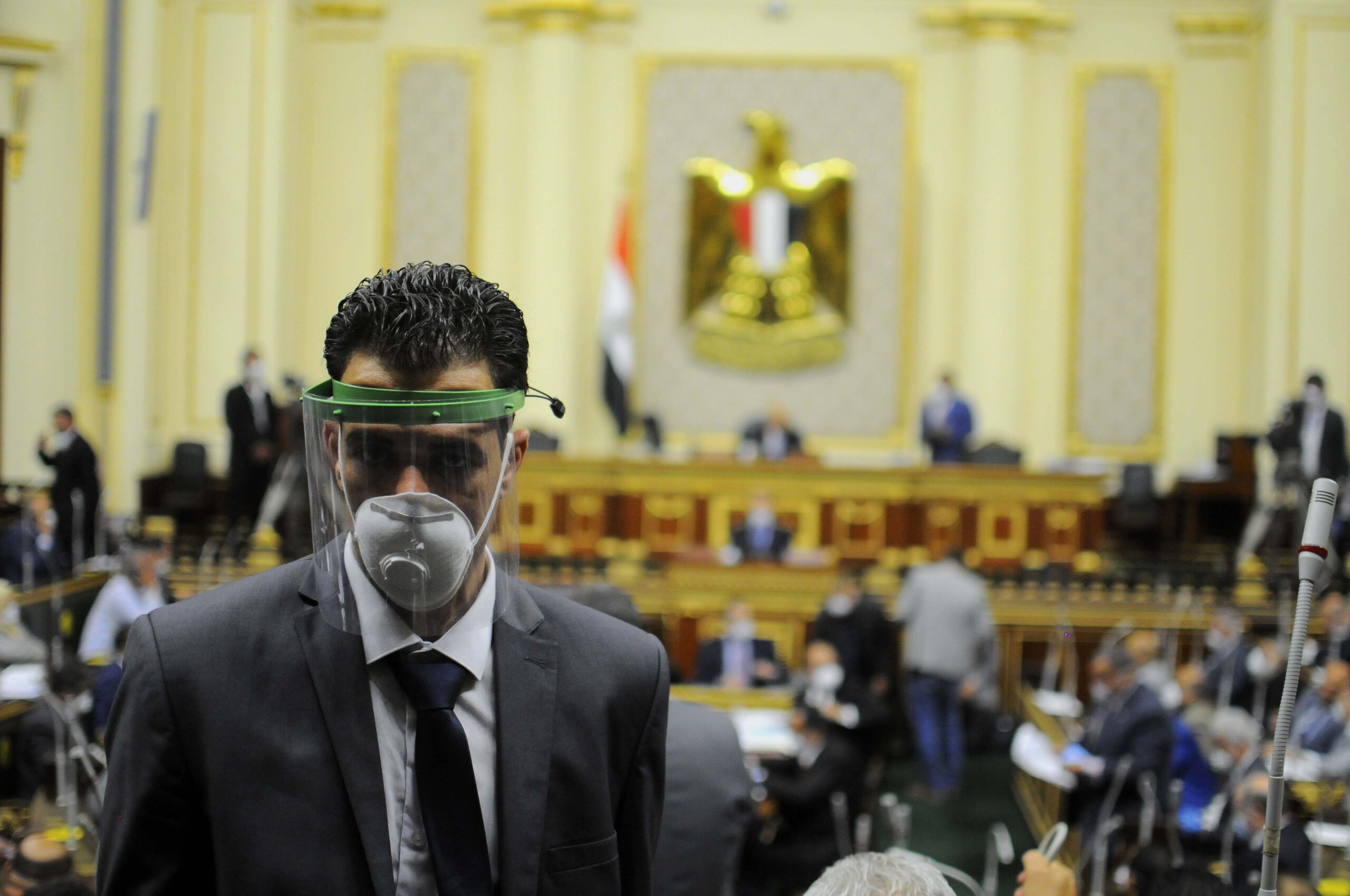
Battered but Still Standing, Egypt Tries to Weather the Economic Ravages of the Iran War
While Egypt is not in the direct line of fire in the US-Israeli war with Iran, its economy is acutely vulnerable to the conflict. In addition to the rising energy prices and shortages that have affected much of the world, it also struggled with issues that reflected its economy’s own underlying structural vulnerabilities.
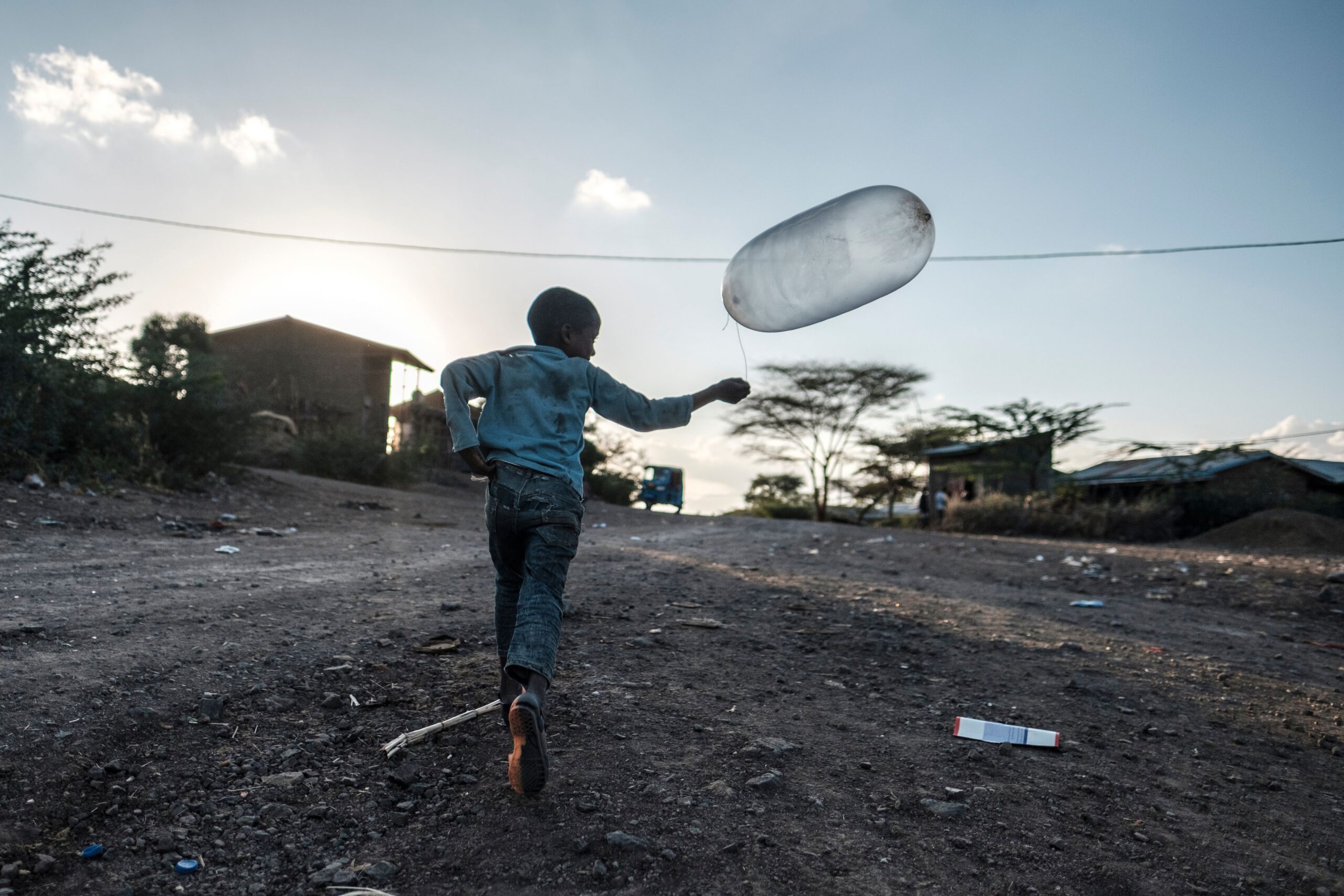
An Emboldened Horn of Africa Axis and an Unfolding Humanitarian Crisis Await the Biden Administration
As Joe Biden prepares to take office on January 20th of 2021, the U.S. and the world are facing multiple crises. Now is one of the worst times in American history as the country struggles through a major economic recession and a pandemic that has taken more than 300,000 American lives.In the Horn of Africa, his upcoming administration will grapple with longstanding challenges. However, this time, he will have to deal with the emboldened and unchecked leaders of the Horn of Africa — Prime Minister Abiy Ahmed of Ethiopia, President Mohamed Abdullahi (Farmaajo) of Somalia, and President Isaias Afwerki of Eritrea. Recently, the three leaders have formed an axis through the Horn of Africa Cooperation (HoAC) deal to consolidate security, stability, and economic integration.
A look back at the year’s most important developments with analysis from Paul Salem, Alex Vatanka, Randa Slim, Gerald Feierstein, Gonul Tol, Jonathan M. Winer, Khaled Elgindy, Marvin G. Weinbaum, Mirette F. Mabrouk, Grace Wermenbol, Syed Mohammad Ali, Robert S. Ford, and Khaldoun Khelil.
Monday Briefing: An end to the intra-GCC dispute: Headline or hype?
This week’s briefing on recent news and upcoming events in the region featuring Gerald Feierstein, W. Robert Pearson, Mirette F. Mabrouk, Paul Scham, and Marvin G. Weinbaum.
DIY futures in the Middle East: What if small got bigger?
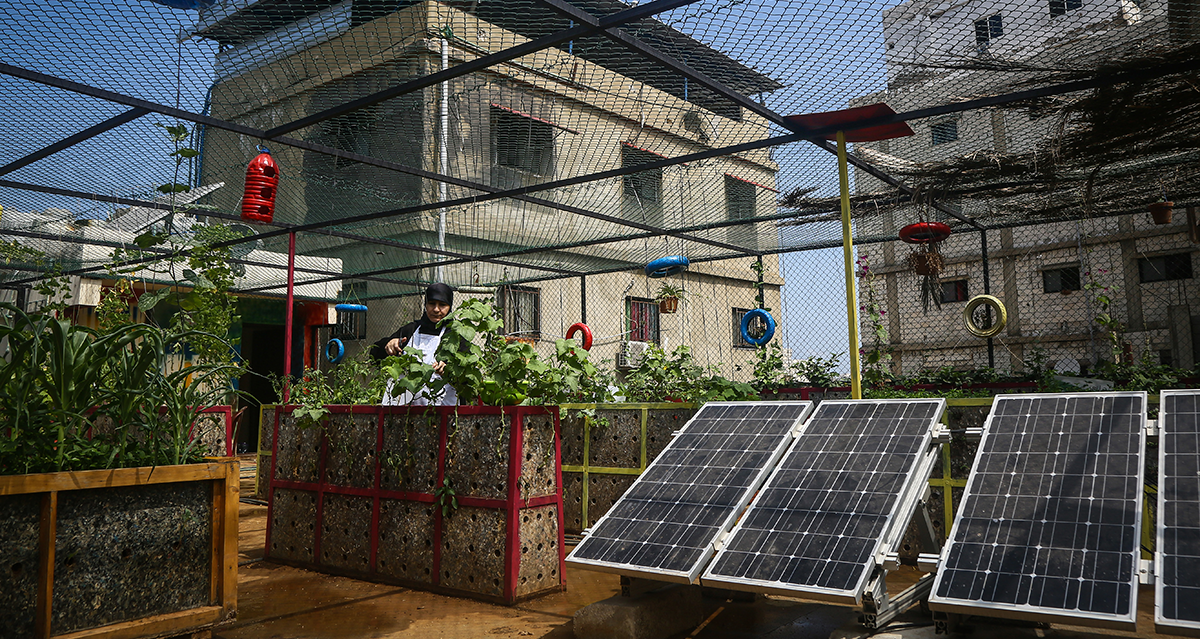
It’s difficult to look at the Middle East and consider its future optimistically. Much of the analysis of the region centers on crisis and collapse. There is plenty of both, fueled by wars and civil conflicts, poverty, extremism, and more. Given the human toll, focusing on all this is natural. It is also necessary if solutions to deeply rooted problems are ever to be developed, leading to a better future.A related risk is becoming blinded to “weak signals” — early indicators of what could become features of potential alternative futures. Weak signals are developments that are emerging outside the dominant norms and trends of today. In the Middle East, probably the most dominant norm is the inability of governments throughout the region to provide security and prosperity for their citizens. The COVID-19 pandemic is making this even more apparent, and markedly worse. It is not just the obvious failed states — as Steven Cook recently observed, “sometimes state failure is a more chronic condition.” But in the midst of this — and fueled by it — there is evidence of activities at the local level to create what is missing. Could these be signals of a future different than the one it is so easy to expect for the region?
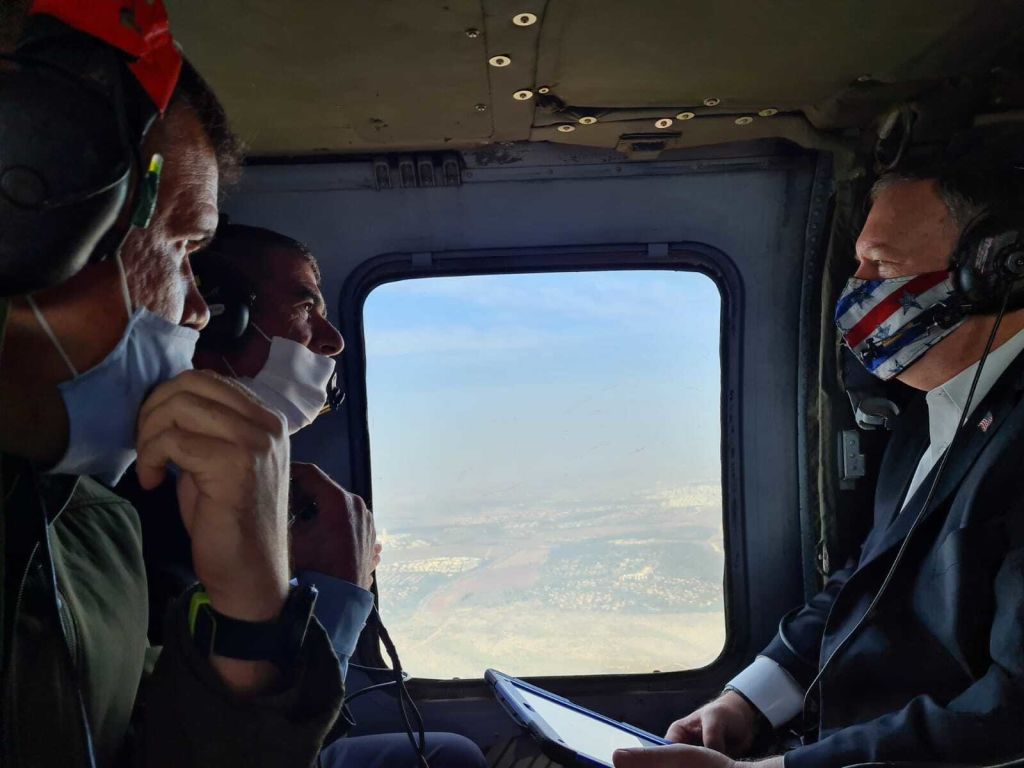
Monday Briefing: Pompeo’s Middle East farewell tour
This week’s briefing on recent news and upcoming events in the region featuring Gerald Feierstein, Mirette F. Mabrouk, Fatima Abo Alasrar, Marvin G. Weinbaum, and Yesar Al-Maleki.
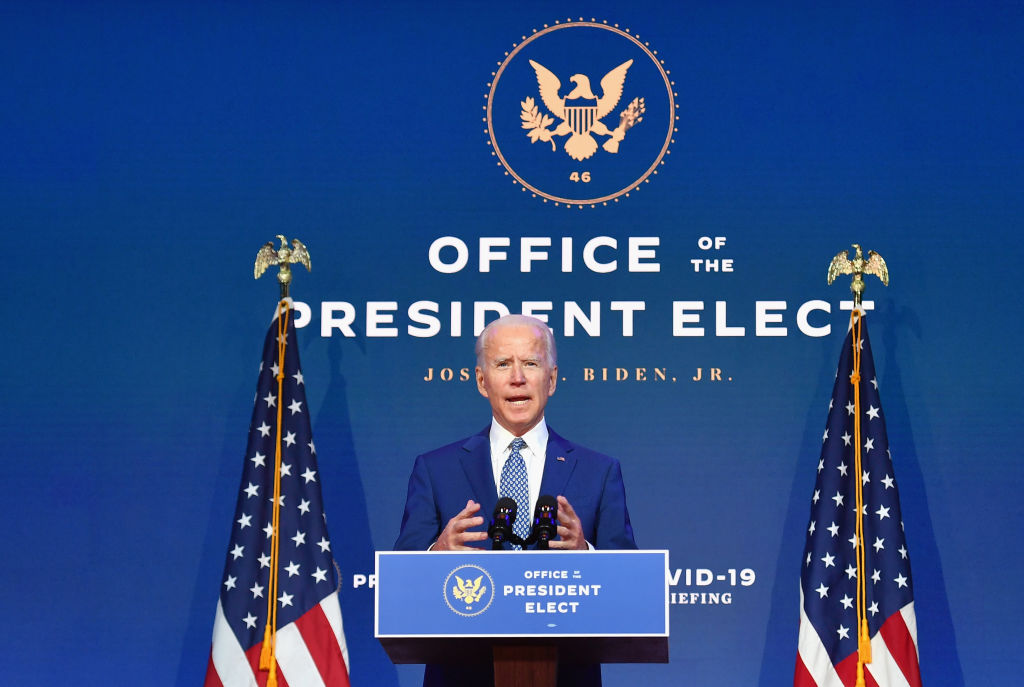
Monday Briefing: The reverberations of the US election in the Middle East
This week’s briefing on recent news and upcoming events in the region featuring Paul Salem, Alex Vatanka, Gonul Tol, Gerald Feierstein, Randa Slim, Khaled Elgindy, Charles Lister, Mirette F. Mabrouk, and Marvin G. Weinbaum.
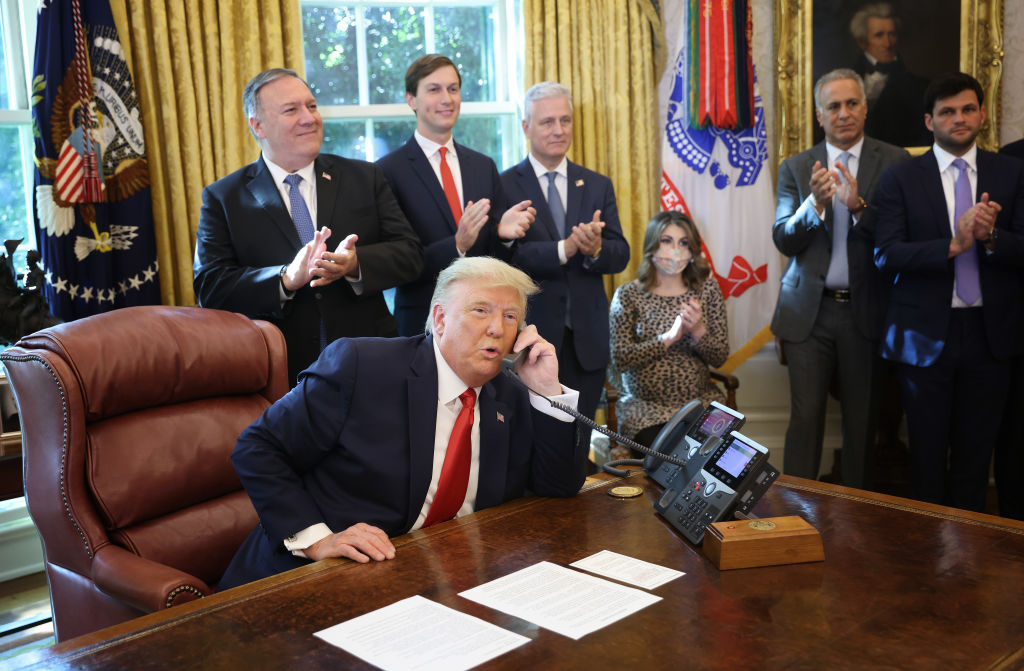
Monday Briefing: Regional reverberations of the Sudan-Israel announcement
This week’s briefing on recent news and upcoming events in the region featuring Paul Salem, Jonathan M. Winer, Gonul Tol, Mohammed Soliman, Marvin G. Weinbaum, Elizabeth Dent, Mirette F. Mabrouk, and Robert S. Ford.
Egypt is not alone in having been knocked into a pit by the fallout from the COVID-19 pandemic, but it will have to dig itself out on its own. However, if Egypt is going to do so, it needs to rethink its approach to development, starting with looking for the silver lining to the pandemic. Is it possible to address existing issues that have been brought home by the exceptional circumstances? In this report, contributors dissect the weaknesses that make Egypt particularly vulnerable to external threats and examine ways in which to address these vulnerabilities and shore up the economy and the business and developmental environment.
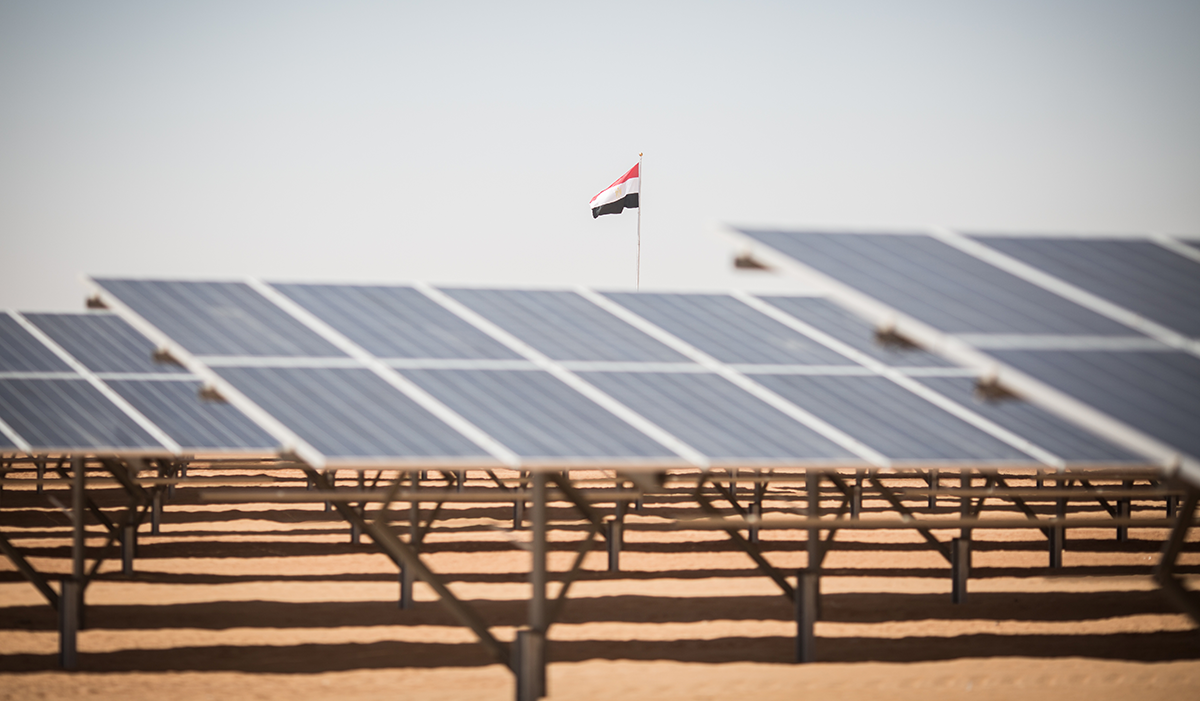
With its successful turnaround, strategic location, and extensive infrastructure, Egypt is repositioning itself as a regional energy hub for not only Europe and the Middle East, but also for Africa. It is useful to reflect on the successful transformation of Egypt’s energy sector while also evaluating where the sector stands today and how it will react to the twin challenges of the COVID-19 global pandemic and the oil price shock.
Towering Ambitions: Egypt and China Building for the Future
Over the past decade, Egypt and China — the former a traditional US partner and the latter America’s strategic competitor — have forged ever-deeper ties. During that time, Beijing has sought to leverage its relationship with Egypt to advance the Belt and Road Initiative (BRI), while Cairo has looked to China as a critical partner in the revitalization of the Egyptian economy. Entering 2020, Egypt was one of the fastest-growing emerging markets, and the Sino-Egyptian economic relationship was thriving. However, the fallout from the pandemic could undermine Egypt’s recent success in restoring growth and regaining investor confidence. It could also test the resilience and delay the further expansion of Sino-Egyptian economic ties.
Election 2020: Challenges and Opportunities for US Policy in the Middle East
In a new briefing book released ahead of the U.S. elections in November, entitled Election 2020: Challenges and Opportunities for US Policy in the Middle East, MEI scholars lay out key issues across the region, highlight the U.S. interests at stake, and provide policy insights and recommendations for the path forward.
Taiwan should implement the “Economic Miracle” model in Somaliland to win Africa’s goodwill
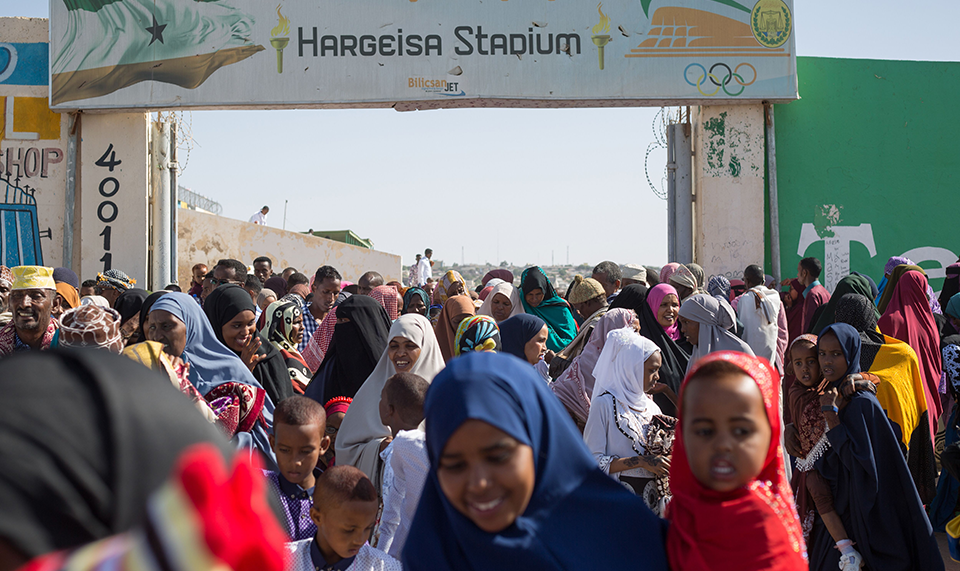
Countries in the Horn of Africa can draw lessons from the Taiwanese because they are themselves attempting to make the same political transition Taiwan did, but have not yet achieved the needed reforms such as ensuring good governance, eradicating corruption, and developing economic self-reliance to reduce dependency on aid. Taiwan may not have the financial resources to win against the PRC’s checkbook-driven One-China policy in Africa, but it could overcome that disadvantage by convincing African nations that it can help them replicate the sustainable growth model of the “Taiwan Economic Miracle.” Taiwan’s recent diplomatic overtures in Somaliland seem like a step in that direction and could be a game-changer, not only for the Horn of Africa but for the continent as a whole.
The oldest peer-reviewed publication dedicated to the study of the modern Middle East, MEI’s flagship journal covers politics, society, and culture in the region.