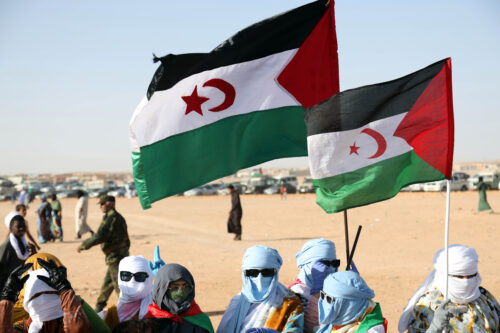
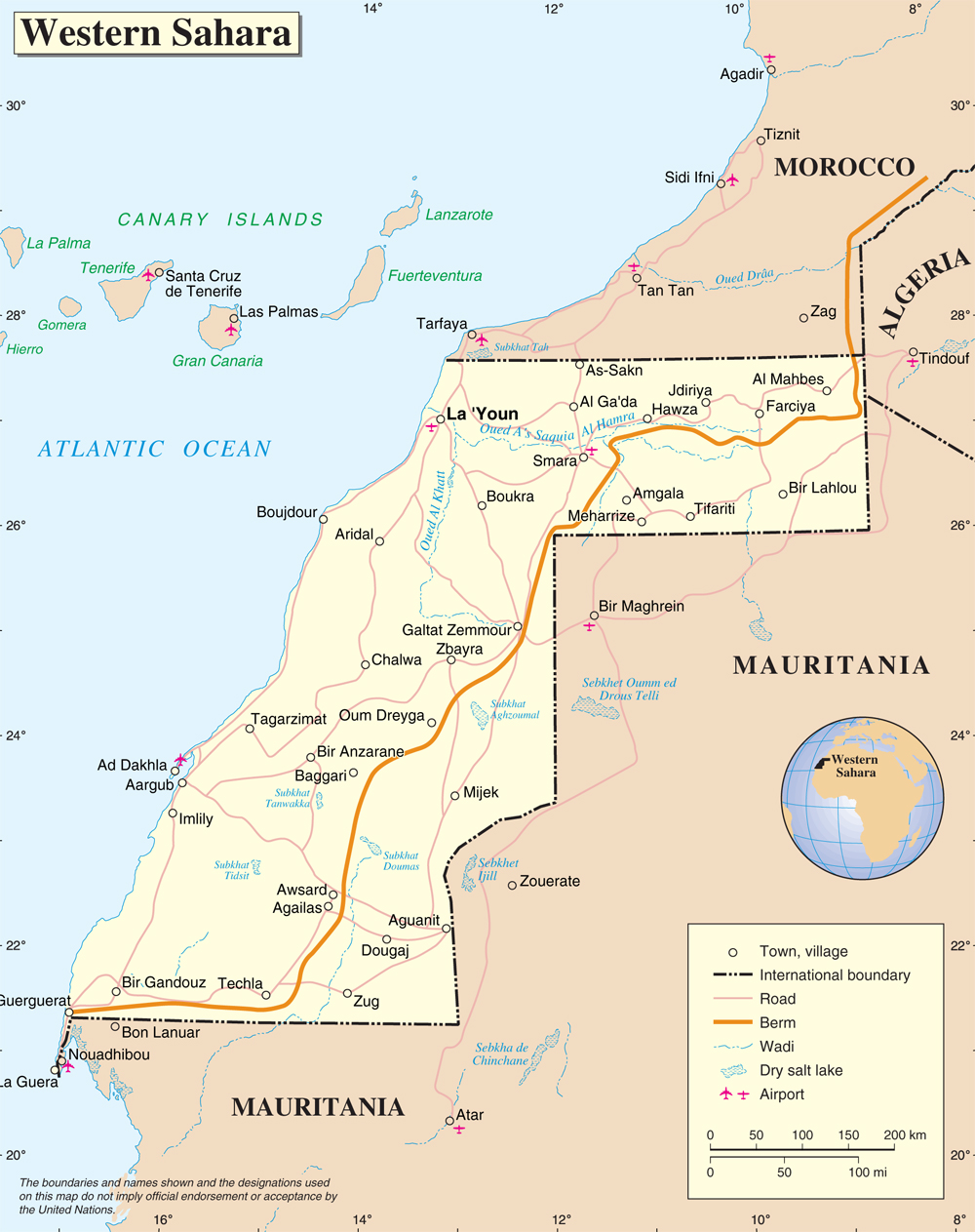
Western Sahara, a sparsely populated territory on the Atlantic coast of northwest Africa, is the site of one of the continent’s longest-running territorial disputes. The conflict dates to Spain’s withdrawal from the territory in 1975, after which Morocco Algeria, and Mauritania vied for control over the former colony.
Algeria and Morocco have long been at odds, but recent diplomatic moves may signal a widening geopolitical split in North Africa. Hosts Alistair Taylor and Matthew Czekaj are joined by MEI Senior Fellow Intissar Fakir to unpack Algeria’s decision to sever diplomatic ties with the United Arab Emirates and Morocco’s warming relations with both the UAE and Israel. They also explore linkages between these diplomatic shifts and the Western Sahara conflict, Moroccan domestic concerns, particularly in light of this week’s elections, as well as broader regional stability.
The Legacy of Morocco’s Gen Z Protests: Development as the New Political Language
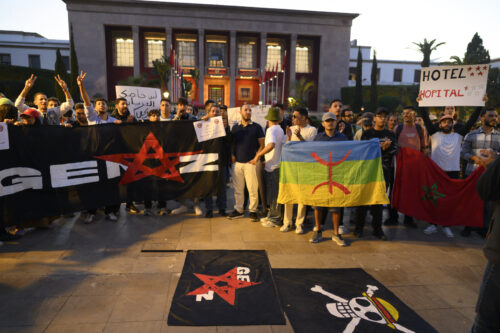
Moroccans head to the polls on September 23 in a parliamentary election that is meant to formally close the chapter opened during last year’s Gen Z 212 protests. The demonstrations, which erupted almost exactly a year ago, drew attention to the mismatch that exists between Morocco’s economic and geopolitical ambitions, and the stark reality of its lagging domestic development.
The Lesson from Morocco and Jordan: Reform or Perish
The basic legitimization of political authority and the specific logics of domination that have for decades regulated Arabs’ behavior and subjugated their life patterns are under siege in much of the Arab world. Only those regimes that still enjoy the historical prestige of traditional authority have so far managed to weather the assaults on the legitimacy of their rule.
Environment and Sustainable Development in the Maghreb
The Maghreb extends about 2,000 kilometers on either side of the Greenwich meridian (-13° West from Cabo Jubi and 11.08° East to Kelibia) and is located on the same longitude as Europe. Although the Maghreb forms a single climatologic and geographical unit, it is a diverse landscape of mountains, fertile areas, and steppes. Nevertheless, the similarity of climate, geography, and culture in the Maghreb provides a solid foundation for developing a common environmental strategy.
Throughout history, North African countries (i.e., Morocco, Algeria, and Tunisia) have experienced various forms of migration – internal and external, voluntary and forced, individual and collective, and legal and illegal.
Several months ago on a Tuesday afternoon, a local girls football team was practicing on a dirt field in Sidi Moumen, a notorious 350,000-person shantytown on the outskirts of Casablanca, Morocco. A crowd of boys had gathered along the fence. One of the boys began making comments. “Look at her touch on the ball,” he mumbled to his friend, “where did she learn to play football?” “My five-year old brother has better control,” shot back the other, slapping his friend’s hand and laughing.
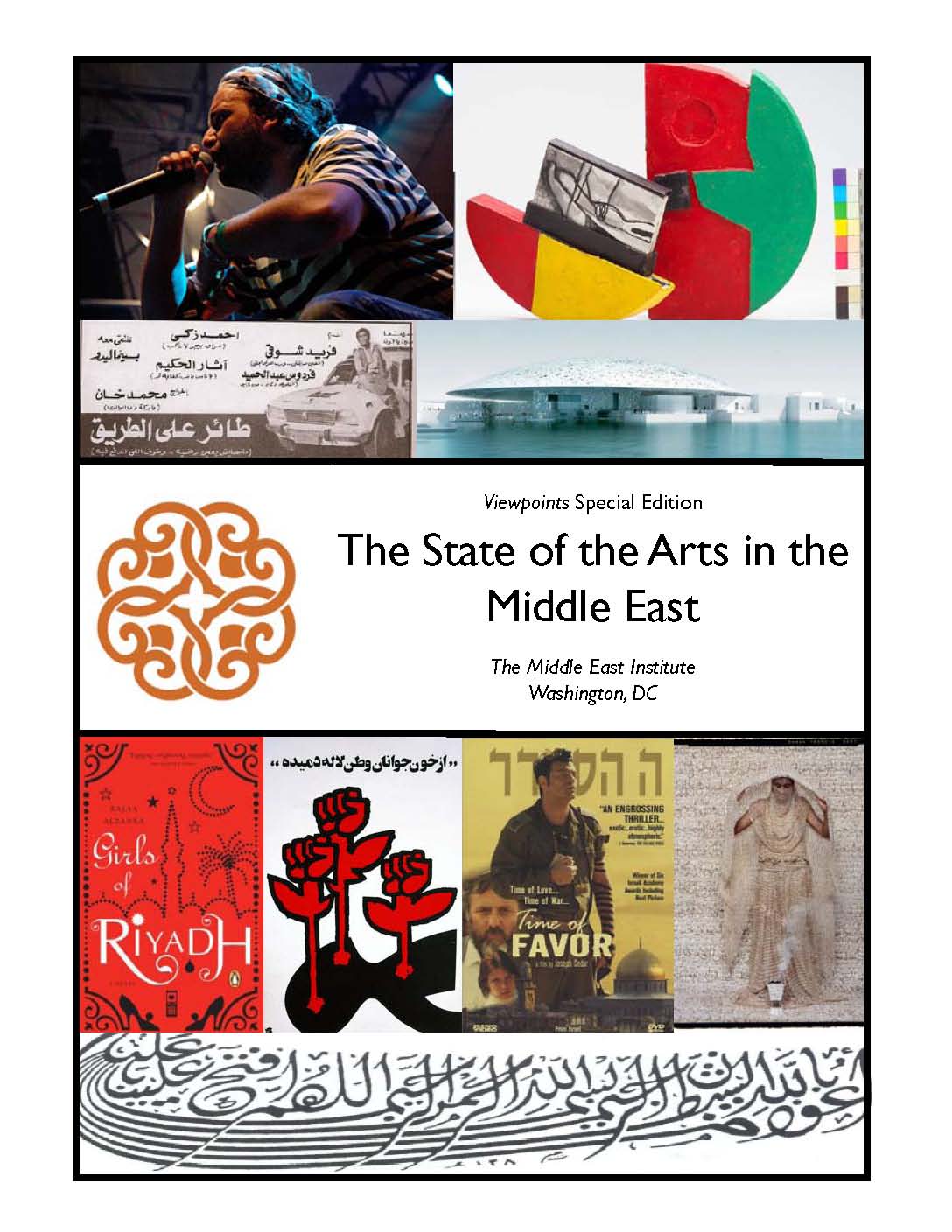
Introduction to The State of the Arts in the Middle East: Volume IV
Literature, visual art, and photography not only serve an aesthetic purpose, but often act as mediums through which their creators explore deeply personal experiences and their broader social implications. In this, the fourth volume of MEI’s “The State of the Arts in the Middle East,” Najat Rahman considers the works of the Palestinian artists Emily Jacir and Eman Haram, and W. Scott Chahanovich (with Pauline Pannier) discusses the memoirs of the Moroccan-born writer Abdellah Taïa.
The Middle East Institute is proud to host Moroccan scholar and author Dr. Mohsine El Ahmadi. Dr. El Ahmadi has written extensively on Islamist movements in Morocco and will examine the government’s efforts to fight radical Islamist movements in the wake of the Casablanca bombings of 2003.
Western Sahara: Self-Determination and International Law
Originally posted April 2008
The failure of the Kingdom of Morocco and the Polisario Front to agree on the modalities of the long-planned United Nations-sponsored referendum on the fate of Western Sahara, combined with a growing nonviolent resistance campaign within the territory against Morocco’s 31-year occupation, has led Morocco to propose granting the former Spanish colony special autonomous status within the kingdom.
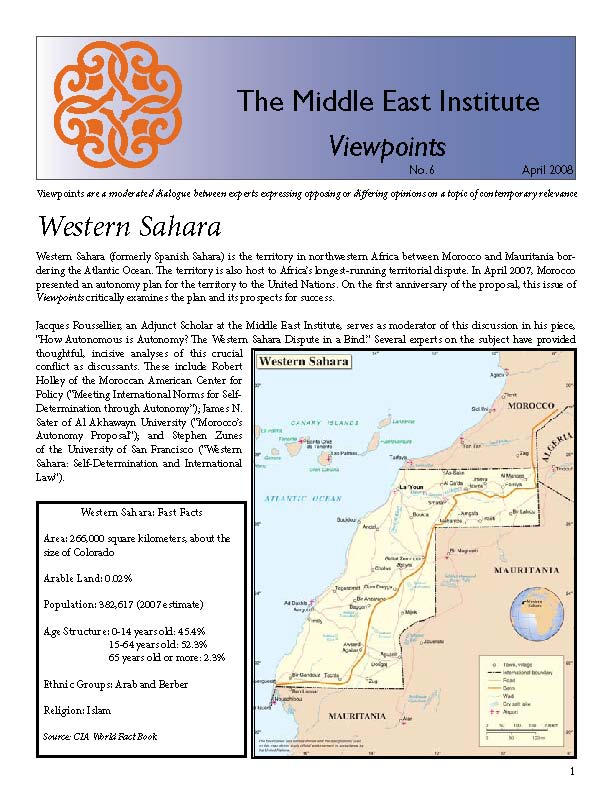
Western Sahara (formerly Spanish Sahara) is the territory in northwestern Africa between Morocco and Mauritania bordering the Atlantic Ocean. The territory is also host to Africa’s longest-running territorial dispute. In April 2007, Morocco presented an autonomy plan for the territory to the United Nations. On the first anniversary of the proposal, this issue of Viewpoints critically examines the plan and its prospects for success.
The oldest peer-reviewed publication dedicated to the study of the modern Middle East, MEI’s flagship journal covers politics, society, and culture in the region.