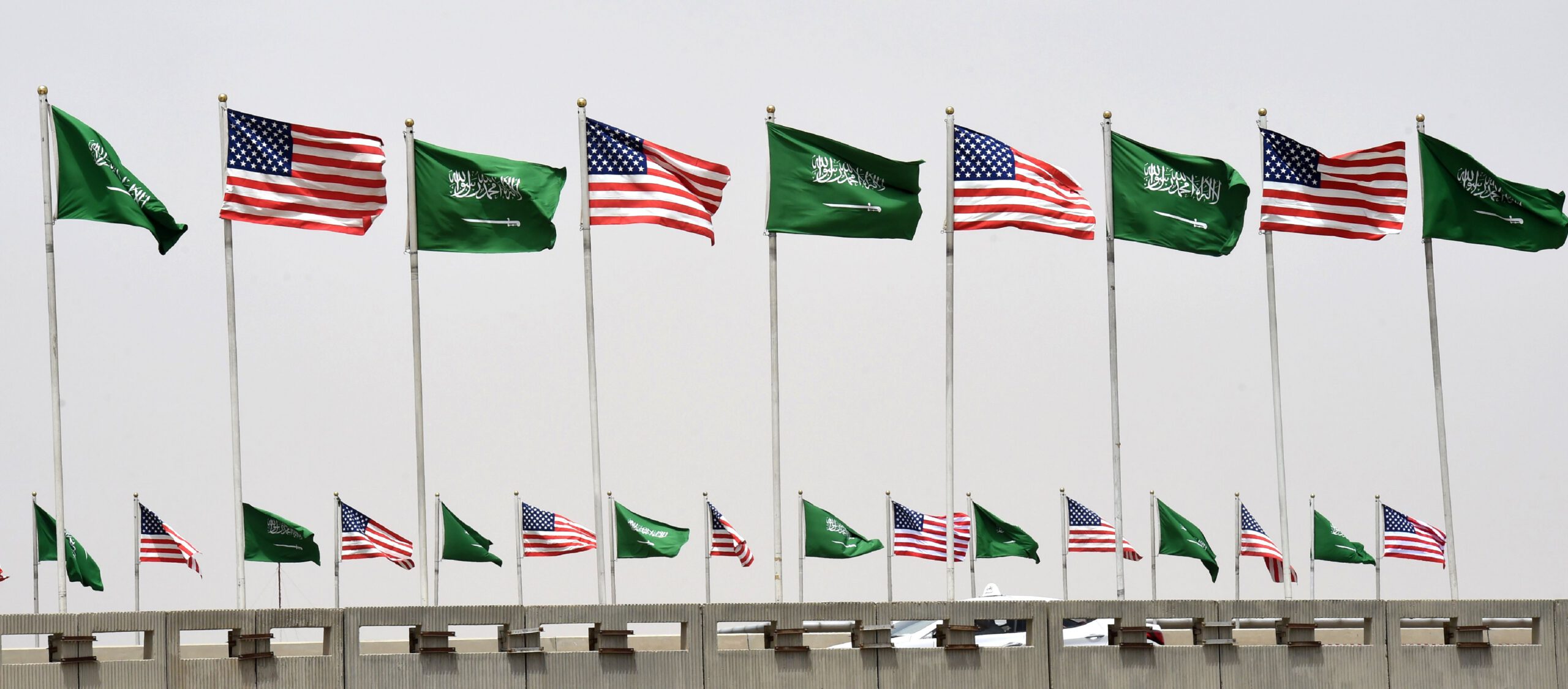
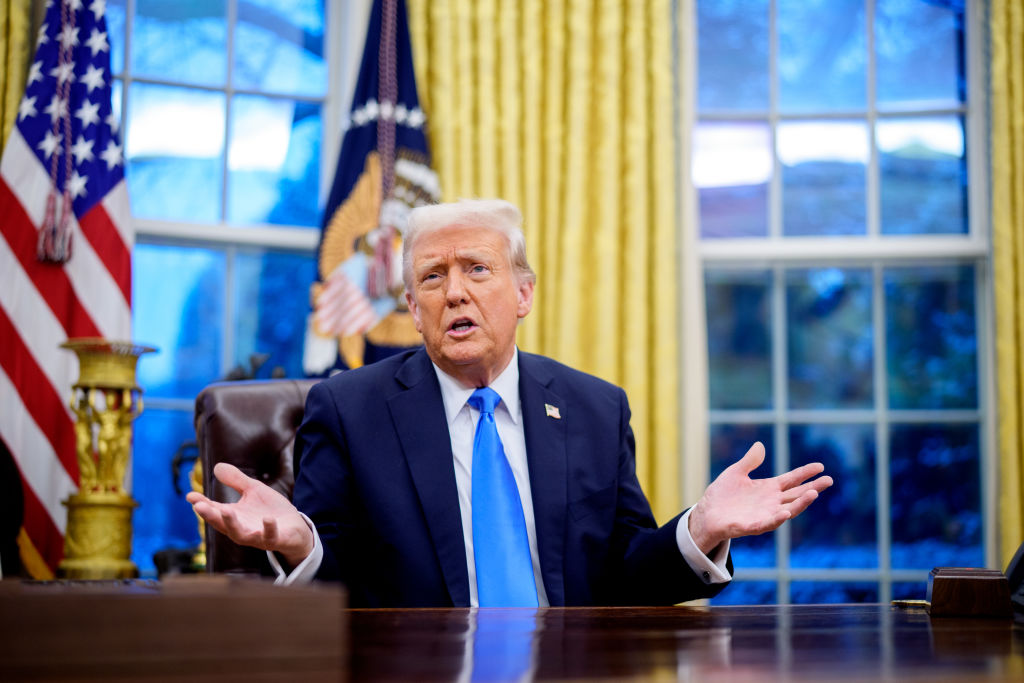
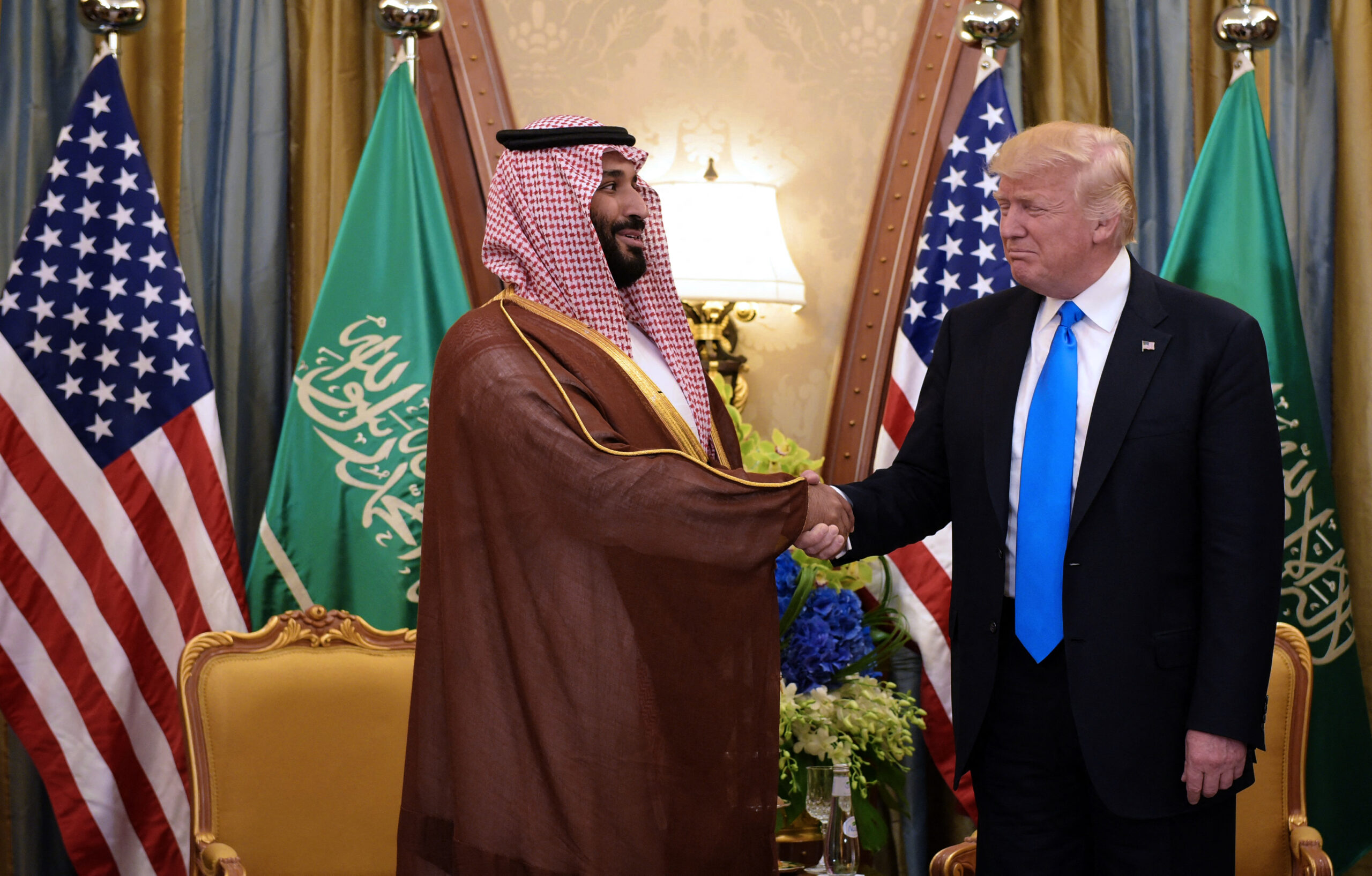
Analysis: Trump’s Gulf tour should deepen economic alignment
It has been a dynamic period in US-Gulf relations. A steady stream of senior Gulf officials has visited Washington to engage the new administration. There have been talks to end the Russia-Ukraine war in Saudi Arabia, the Gaza crisis in Qatar, and nuclear negotiations with Iran in Oman.
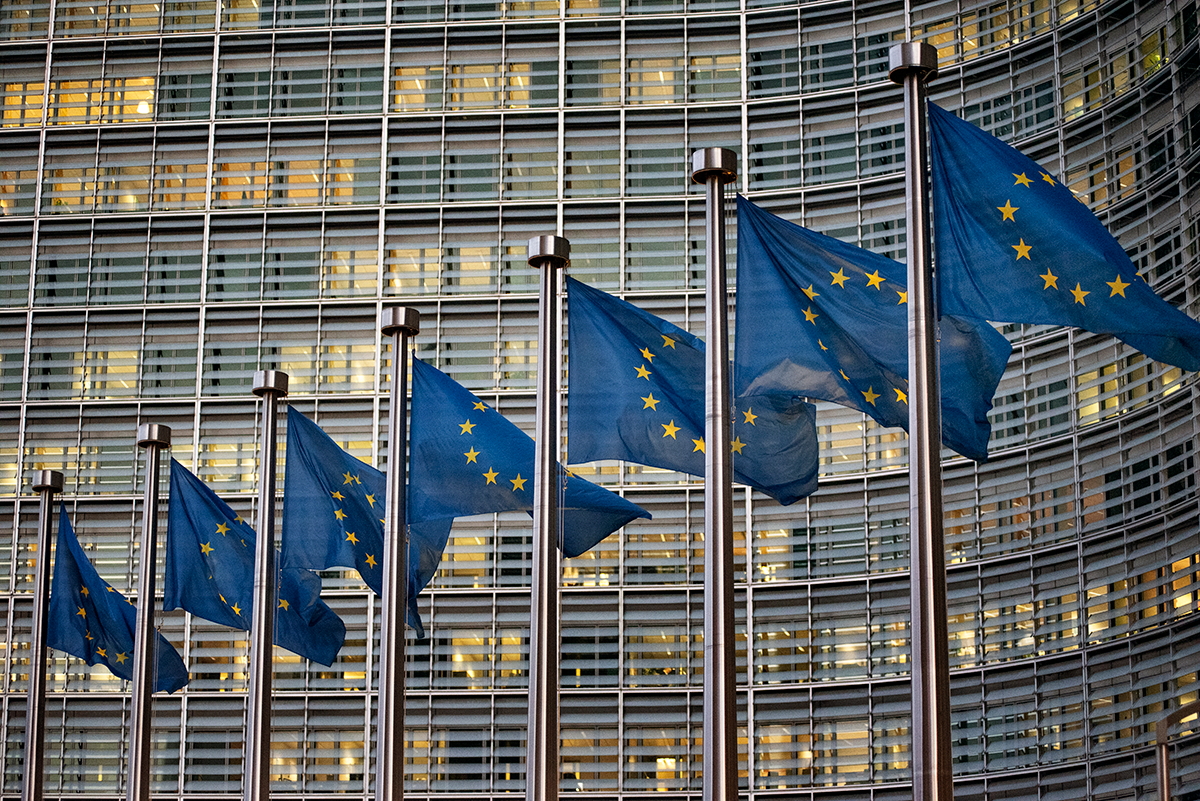
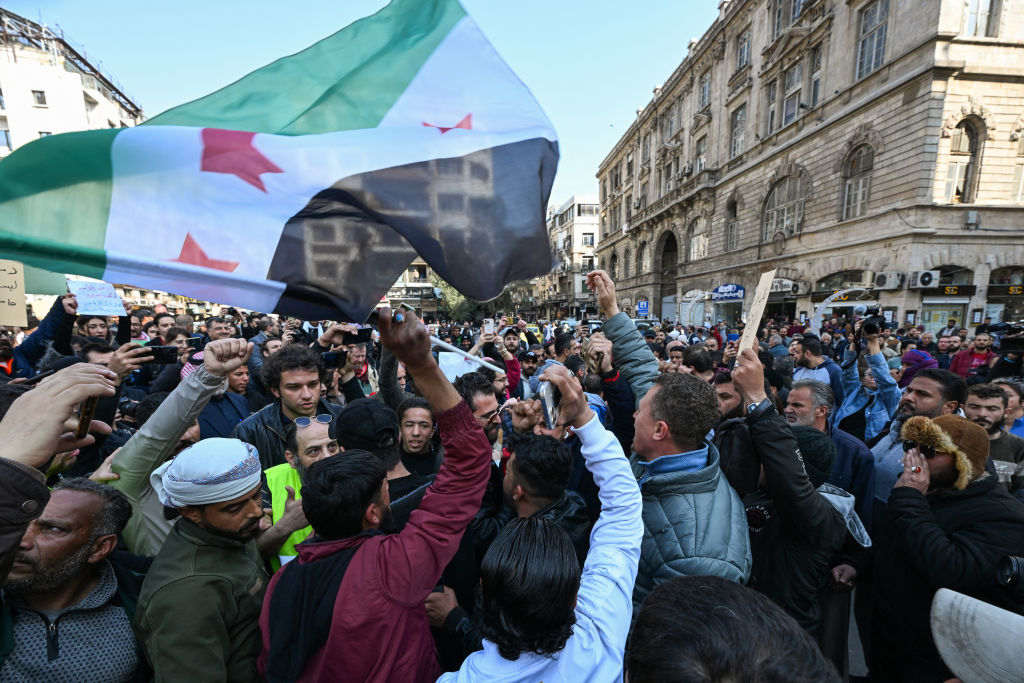
It’s time to end the EU’s Assad-era sanctions on Syria
As the EU prepares for its annual review of sanctions imposed on Syria, it faces a moment of reckoning — an opportunity to demonstrate whether its policies not only continue to be principled and legal, but also in line with its strategic interests. They no longer serve the purpose for which they were designed, and the EU should let the entire sanctions regime on Syria collapse unconditionally and immediately.
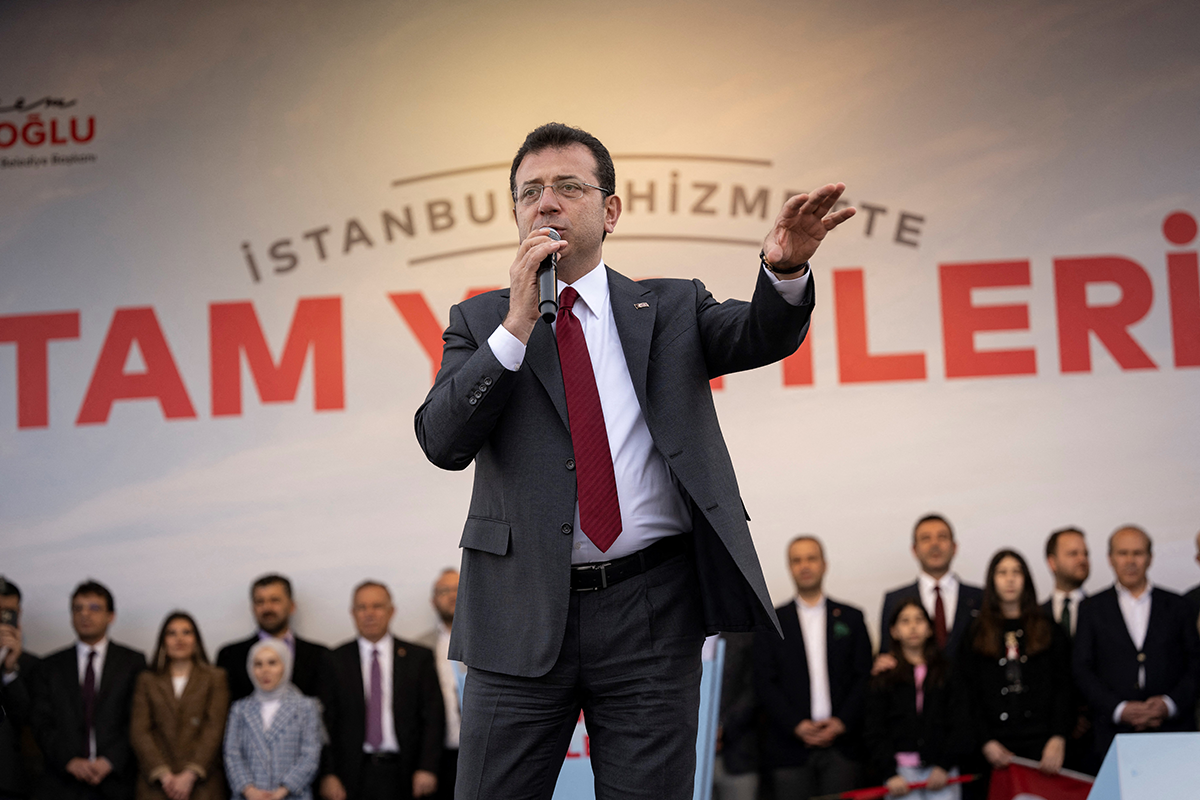
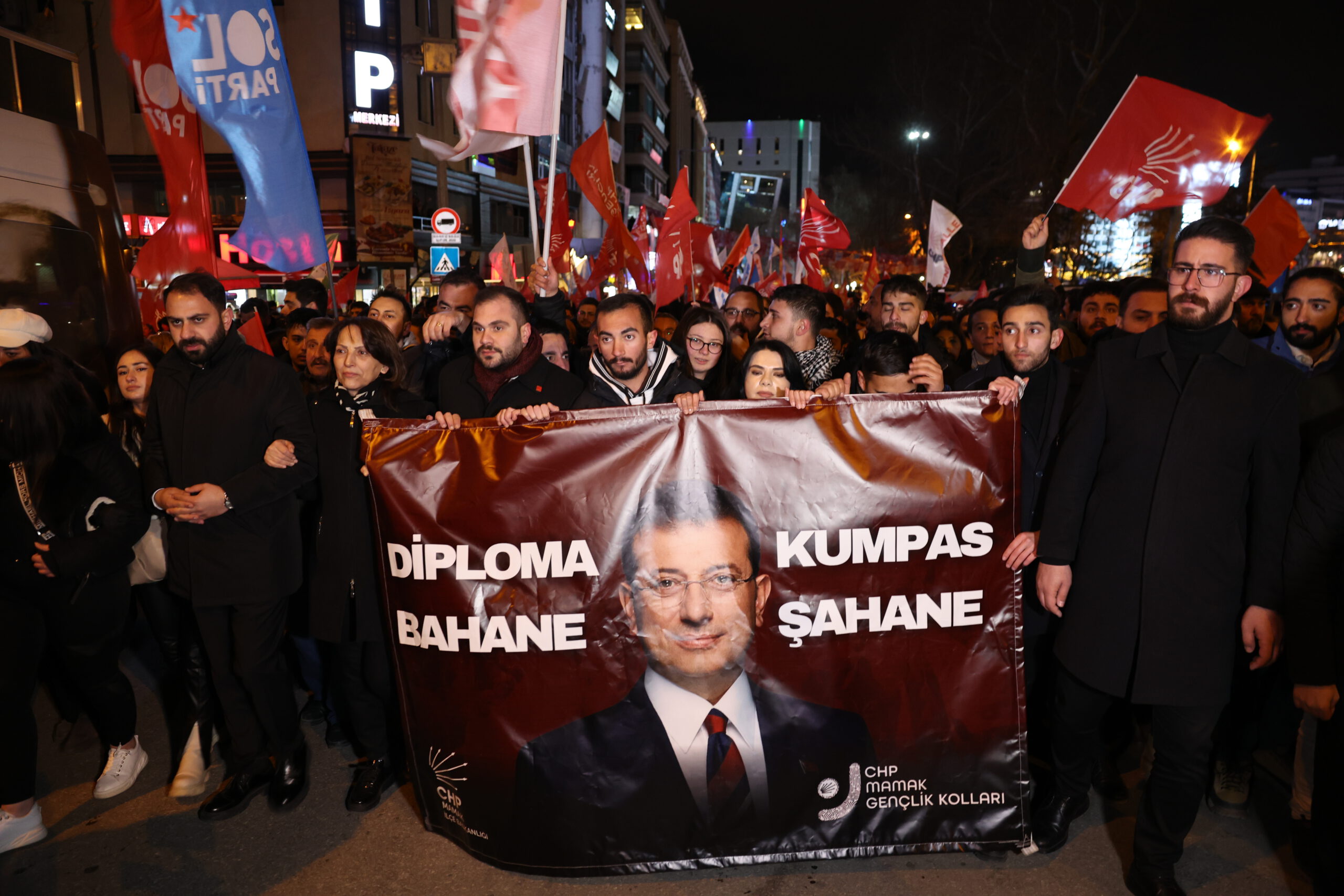
Le Pen vs. İmamoğlu? Why the comparison fails — and matters
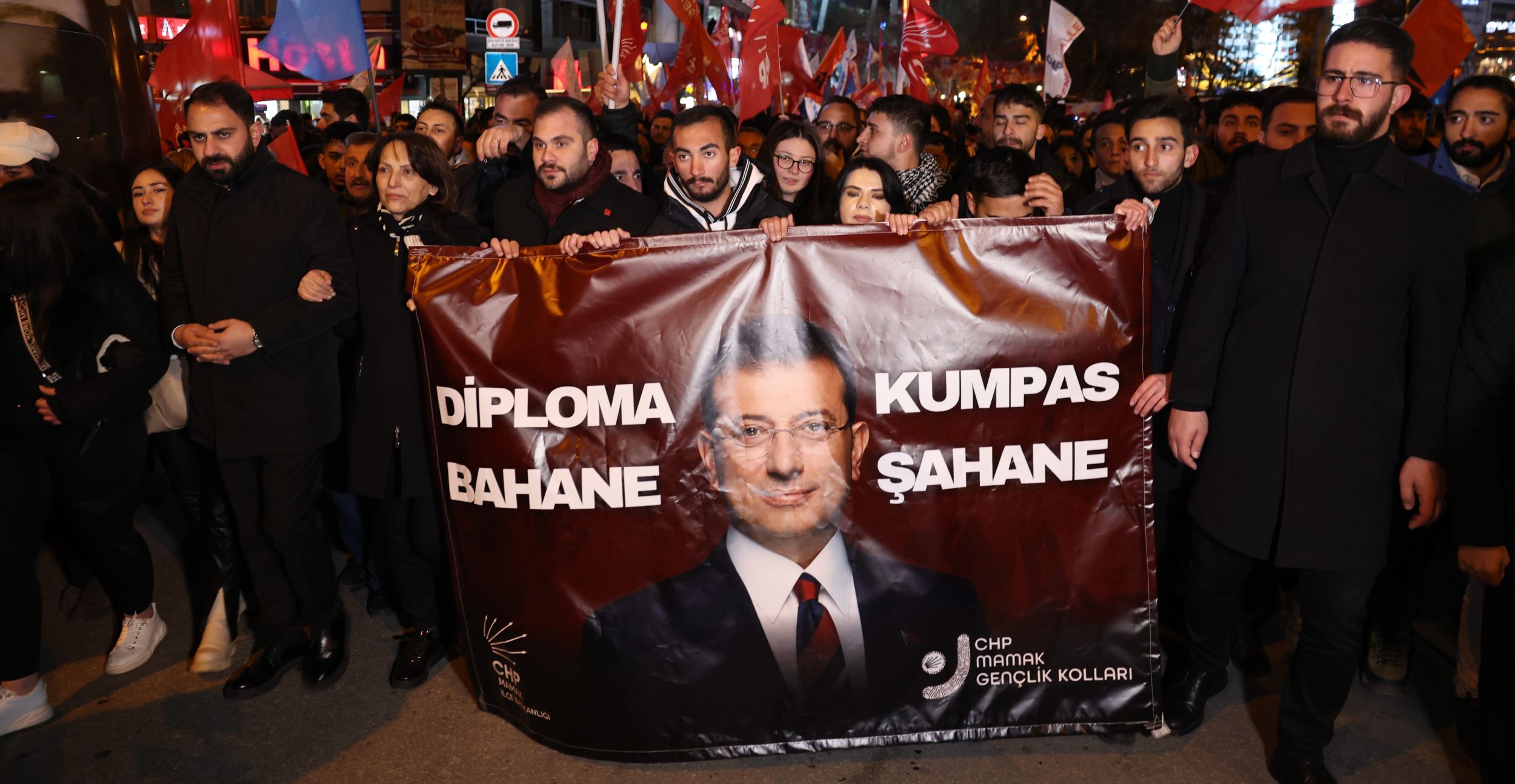
Marine Le Pen, leader of France’s far-right National Rally, was convicted of embezzling EU funds and barred from running for office for five years, effectively disqualifying her from the 2027 presidential race. Meanwhile in Turkey, Ekrem İmamoğlu, mayor of Istanbul and President Recep Tayyip Erdoğan’s most formidable rival, was arrested on corruption charges and jailed, just as he was poised to become the opposition’s presidential candidate. Both Le Pen and Turkish officials are now pointing to each other to justify their own actions.
In the past six weeks, the Israeli military has launched at least 70 ground incursions into southwestern Syria and conducted at least 31 sets of airstrikes across Syria. The intensity of Israel’s ground and air actions in Syria has sharply increased as the country’s profoundly fragile transition seeks to pull the country back together after nearly 14 years of debilitating conflict.
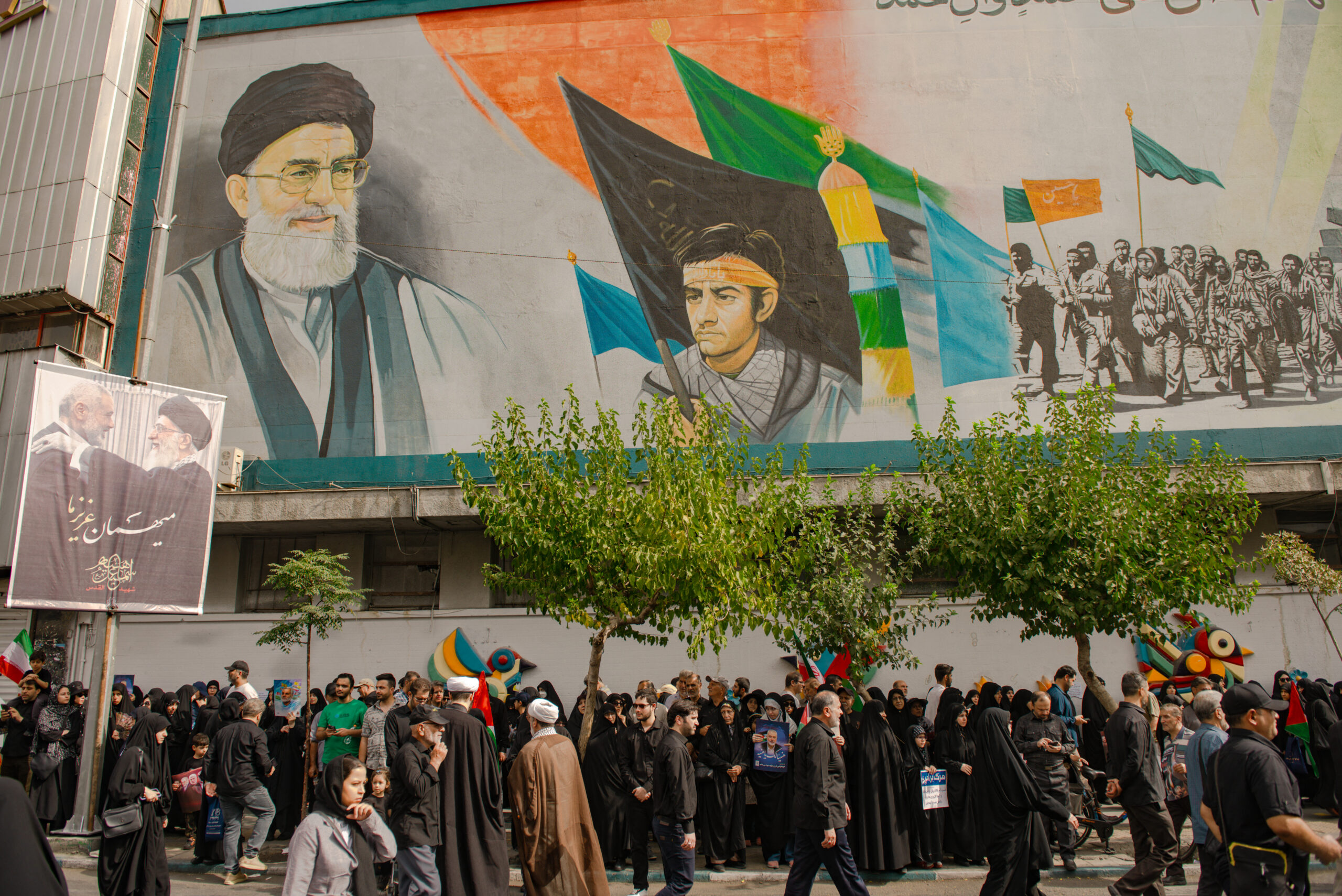
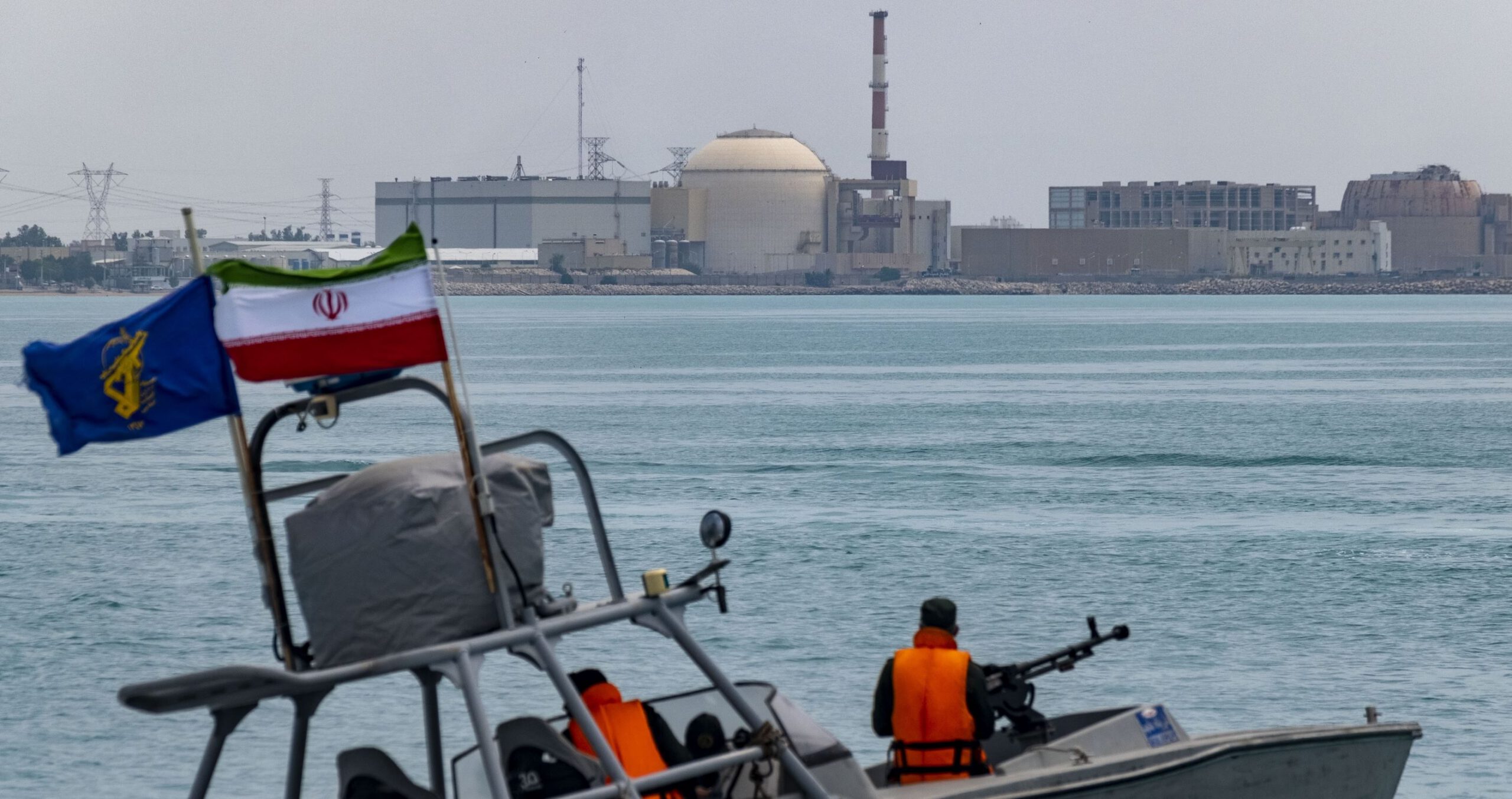
Iran is accumulating enough near-weapons-grade enriched uranium to build a nuclear weapon within weeks or months, not years. President Donald Trump, having withdrawn the United States in 2018 from the nuclear deal that would have postponed that possibility, is now appealing for negotiations with Tehran. But in the Middle East, the nuclear question does not concern only Iran.
A foreign policy for the working class is not merely a call to rebuild America’s physical and technological infrastructure but to restore its moral and spiritual foundations.
Turkey Competes with Israel and India to be a Major MENA Weapons Supplier
With record-breaking arms exports globally, Turkey’s growing market share in the Arab monarchies holds the potential to greatly expand Ankara’s role as a security provider across the Middle East and North Africa. At the same time, Turkey faces growing competition from Israel and India, which have significantly expanded their own weapons sales to the Arab monarchies, notably the UAE and Morocco.
Just days before Turkey’s main opposition party was set to select its next presidential candidate, the leading contender, Istanbul Mayor Ekrem Imamoglu, was arrested and jailed, effectively removing him from the race.
The Damascus-SDF Agreement: A Turning Point for Syria?
Syria’s political landscape has undergone a major shift with the recently announced agreement between the predominantly Kurdish and American-backed Syrian Democratic Forces (SDF) and the transitional Syrian government. After weeks of negotiations, this deal signals a potential breakthrough in the country’s long and complex path to reunification.
How might Trump's presidency shape regional dynamics?
The punishing Israeli response to the Hamas and Hezbollah attacks of October 7 and 8 has devastated Gaza and Lebanon, decimated Hamas and Hezbollah, contributed to the collapse of the Assad regime in Syria, and dealt the most serious blow to Iran’s axis of influence in many decades.
In a historic call last week, Abdullah Öcalan, the jailed Kurdish militant leader, asked fighters with his Kurdistan Workers’ party (PKK) to lay down their arms. The announcement is part of recently launched talks between Öcalan and Turkish President Recep Tayyip Erdoğan’s nationalist coalition. Ending a 40-year war that left 40,000 people dead is something to be celebrated. But consider why the PKK emerged in the first place and optimism quickly fades.
Why, then, does Öcalan think it is time for the PKK to lay down its arms?