Skip to Content

Analysis

Filter by
5932 Results
Balancing ties, Russia expands Afghanistan cooperation with both India and Pakistan
Photo by Russian Foreign MinistryTASS via Getty Images
  • Analysis
  • Balancing ties, Russia expands Afghanistan cooperation with both India and Pakistan

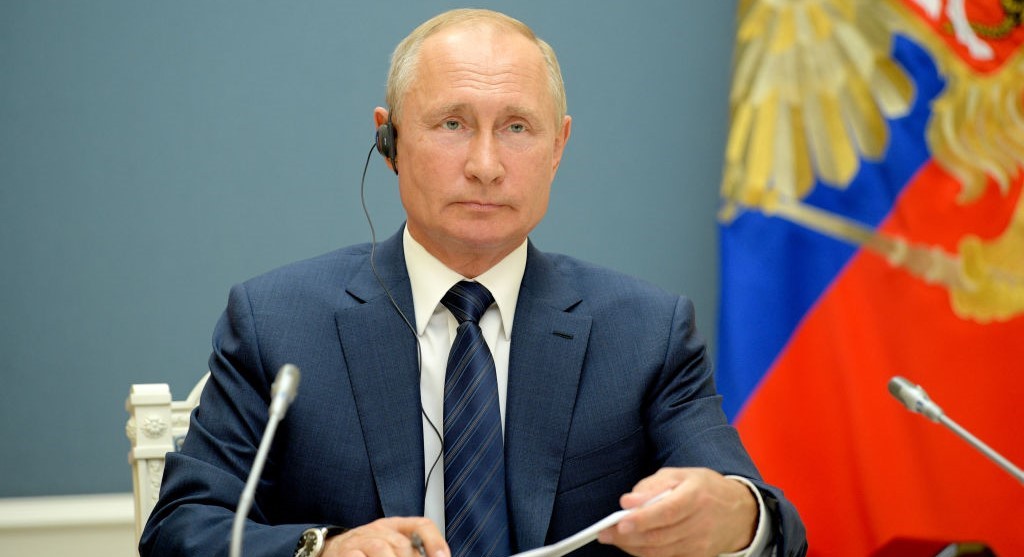
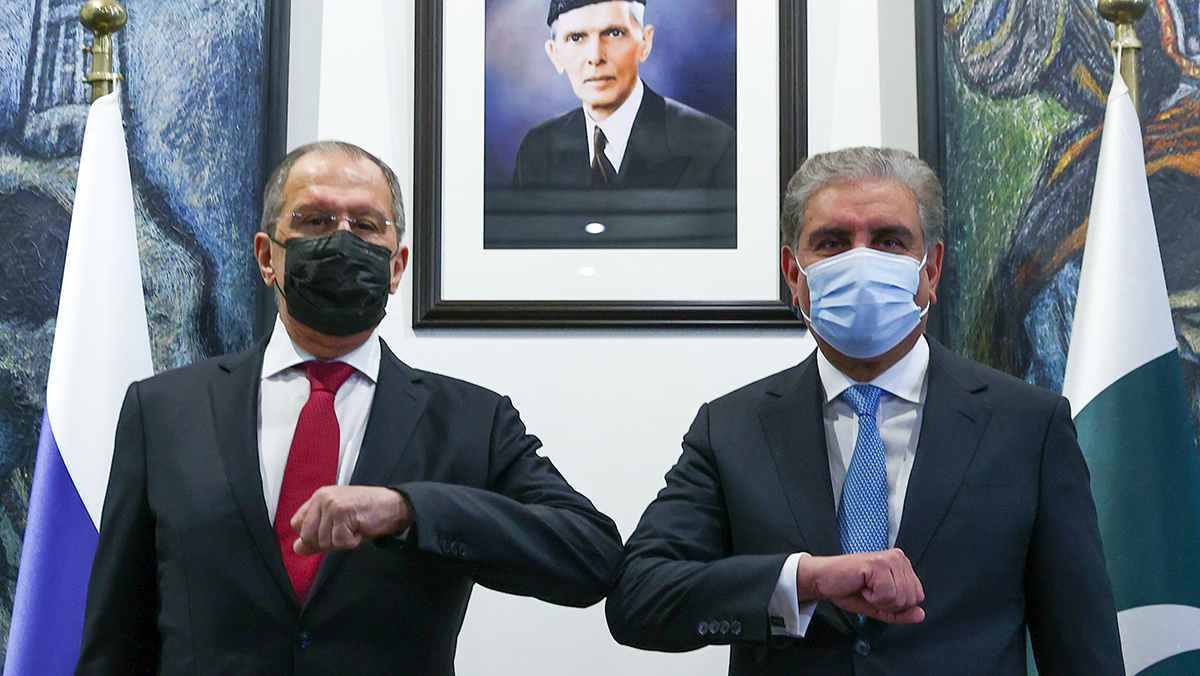
    Since the Taliban seized control of Kabul on Aug. 15, Russia has expanded its engagement with India and Pakistan on Afghanistan. Russian President Vladimir Putin held talks with Indian Prime Minister Narendra Modi on Aug. 24, which resulted in the creation of a permanent bilateral channel for consultations on Afghanistan. On Sept. 8, Modi’s national security advisor, Ajit Doval, met with his Russian counterpart, Nikolay Patrushev, and agreed to expand Russia-India cooperation against terrorism and drug trafficking. On Aug. 25, Putin spoke with Pakistani Prime Minister Imran Khan about the situation in Afghanistan, which resulted in Khan inviting Putin to visit Pakistan. Russia’s simultaneous engagement with India and Pakistan on Afghanistan is the latest iteration of its balancing strategy toward the two South Asian rivals.
    September 13, 2021

    Rida “Lenin” Cheheb Mekki: The ideologue of Tunisia’s July 25 power grab?
    Photo by FETHI BELAID/AFP via Getty Images
  • Analysis
  • Rida “Lenin” Cheheb Mekki: The ideologue of Tunisia’s July 25 power grab?

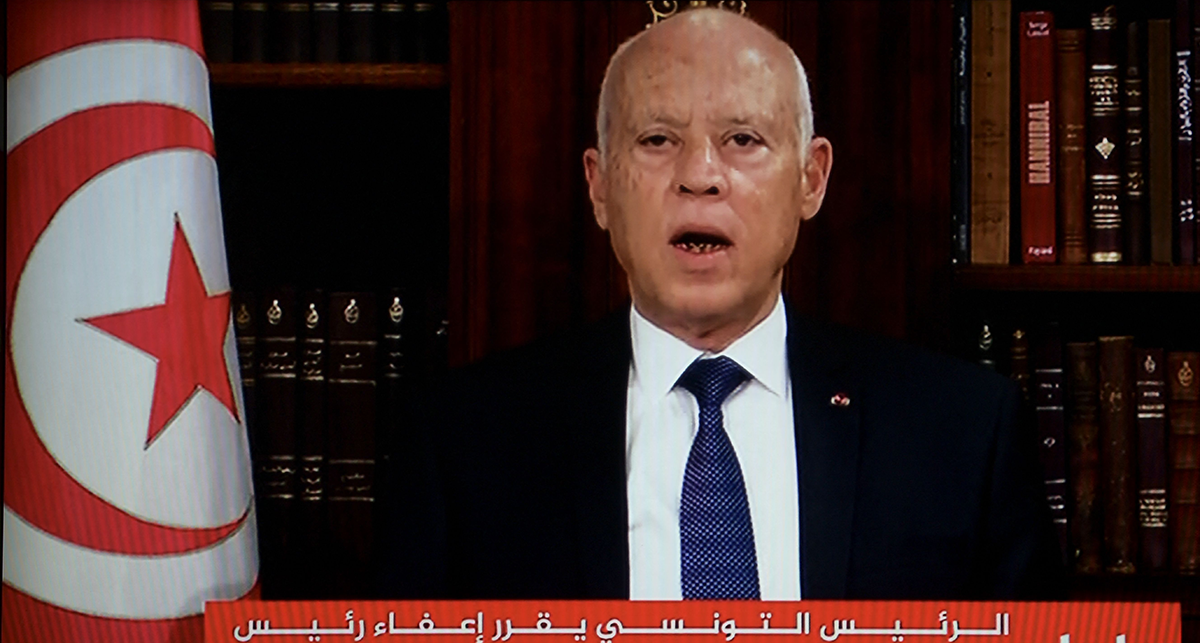
    Tunisia’s July 25 hirak was in the making since 2011, but perhaps we researchers were simply looking in the wrong place. This article presents a simplified account of the ideological roots of President Kais Saied’s July 25 power grab. Drawing on original and previously unused data as well as diverse sources, including a book recently withdrawn from stores, it offers a snapshot of the concept-map of ideas that have thus far remained hidden from the public domain.

    September 13, 2021

    The legacy of 9/11 in the Middle East Peace Process
    Photo by Scott Nelson/Getty Images
  • Analysis
  • The legacy of 9/11 in the Middle East Peace Process

    As we mark 20 years since the 9/11 terror attacks and the subsequent U.S. interventions in Afghanistan, Iraq, and other protracted elements of the ill-fated and ill-conceived “war on terror,” it is easy to overlook other disastrous legacies of U.S. policy in the post-9/11 era. This is particularly true in the case of the Israeli-Palestinian conflict, where Washington’s response to 9/11 effectively marked the beginning of the long, tortured death of the Middle East Peace Process, and with it hopes for a two-state solution.

    September 10, 2021

    The Pakistani stamp on the Taliban cabinet
    Photo by AAMIR QURESHI/AFP via Getty Images
  • Analysis
  • The Pakistani stamp on the Taliban cabinet

    The selection of the interim Afghan government led by Mullah Hasan Akhund has the unmistakable stamp of Pakistan’s security establishment. Islamabad has always wanted the international community to believe that the Taliban are a nationalistic Pashtun force that has a legitimate claim to rule the country, but the manner in which the new government has been announced is a testament to the fact that the Taliban are also a proxy force for Pakistan

    September 10, 2021

    Reflecting on the 20th anniversary of 9/11
  • Analysis
  • Reflecting on the 20th anniversary of 9/11

    Twenty years ago, on September 11, 2001, al-Qaeda attacked New York and Washington, killing nearly 3,000 people. The terrorist attacks and their aftermath transformed U.S. policy, giving rise to the war on terror and the military intervention in Afghanistan. On the 20th anniversary of 9/11, scholars and Advisory Council members of MEI’s Countering Terrorism and Extremism Program offer their reflections. 

    Iran: Breaking up is hard to do
    Photo by JOE KLAMAR/AFP via Getty Images
  • Analysis
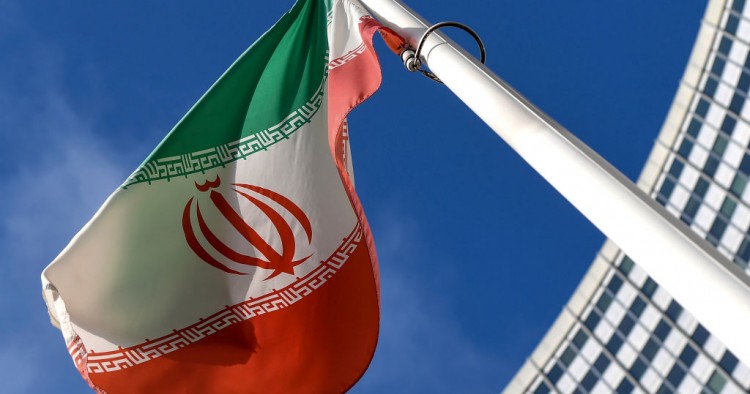
  • Iran: Breaking up is hard to do

    With Iran, American policymakers have often chased phantoms in search of solu­tions to problems they did not understand. This futile shadow-chase continues when “experts” argue that the U.S. should somehow encourage the break-up of Iran on ethnic or linguistic lines. This idea is simply wrong.

    September 9, 2021

    Mega-projects and Small Enterprises: Understanding Saudi Arabian Banks’ Role in Economic Development
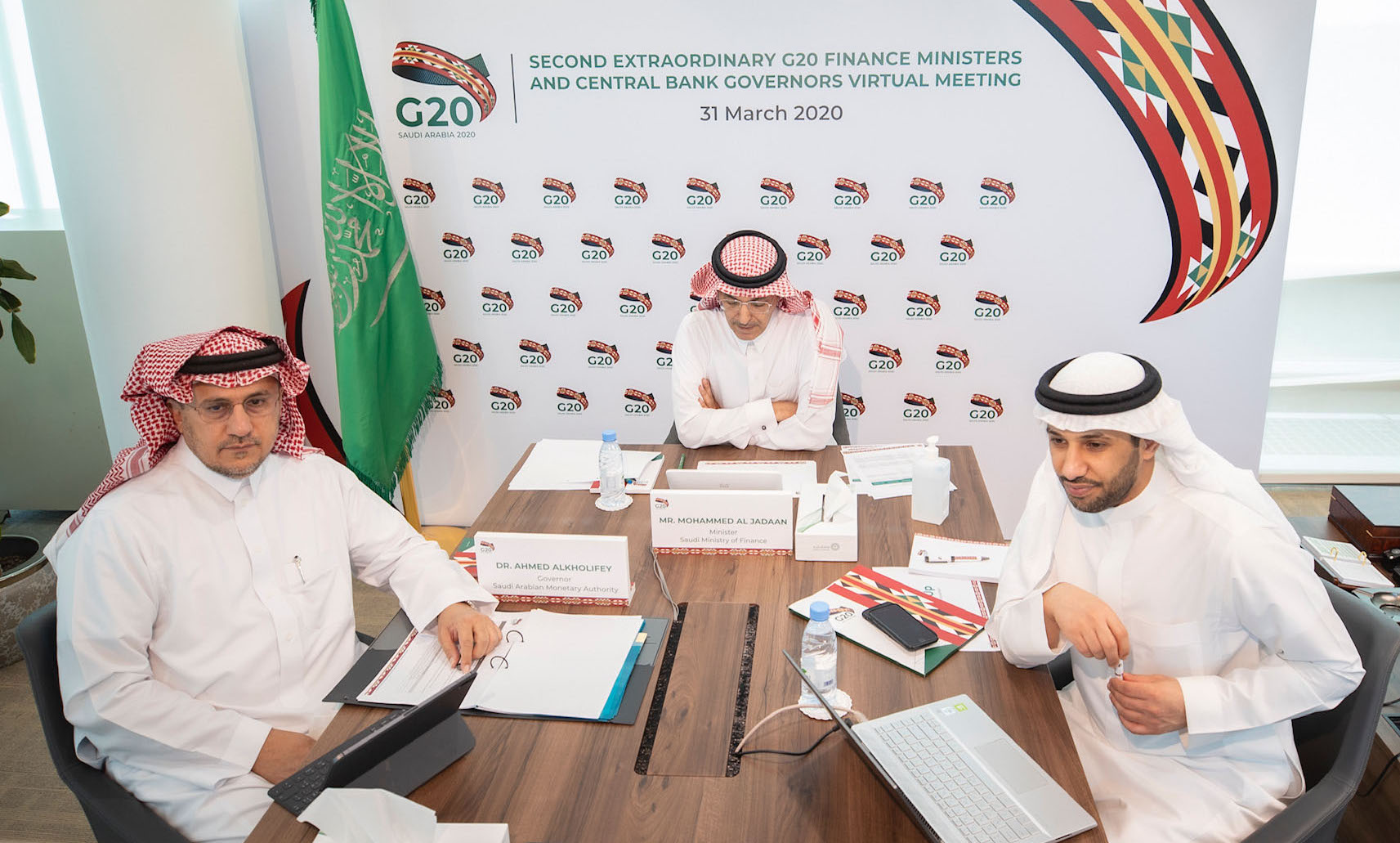
    G20 Saudi Arabia/Handout to Xinhua via Getty Images
  • Analysis
  • Mega-projects and Small Enterprises: Understanding Saudi Arabian Banks’ Role in Economic Development

    Vision 2030 promises a transformation of Saudi Arabia’s economy, and the financial sector will be crucial to achieving this. The sector will facilitate private investment focusing on small and medium-sized enterprise (SME) financing, fund mega-projects, and be a driver for diversifying away from oil. As a result, banks’ role must go from being distributive and largely passive to developmental and active. This article will highlight how the role of the Saudi banking sector has been transformed in the last five years and how its composition is changing to cope.

    September 8, 2021

    The Taliban’s post-battle narratives on women’s rights and governance
    Photo by MARCUS YAM/LOS ANGELES TIMES
  • Analysis
  • The Taliban’s post-battle narratives on women’s rights and governance

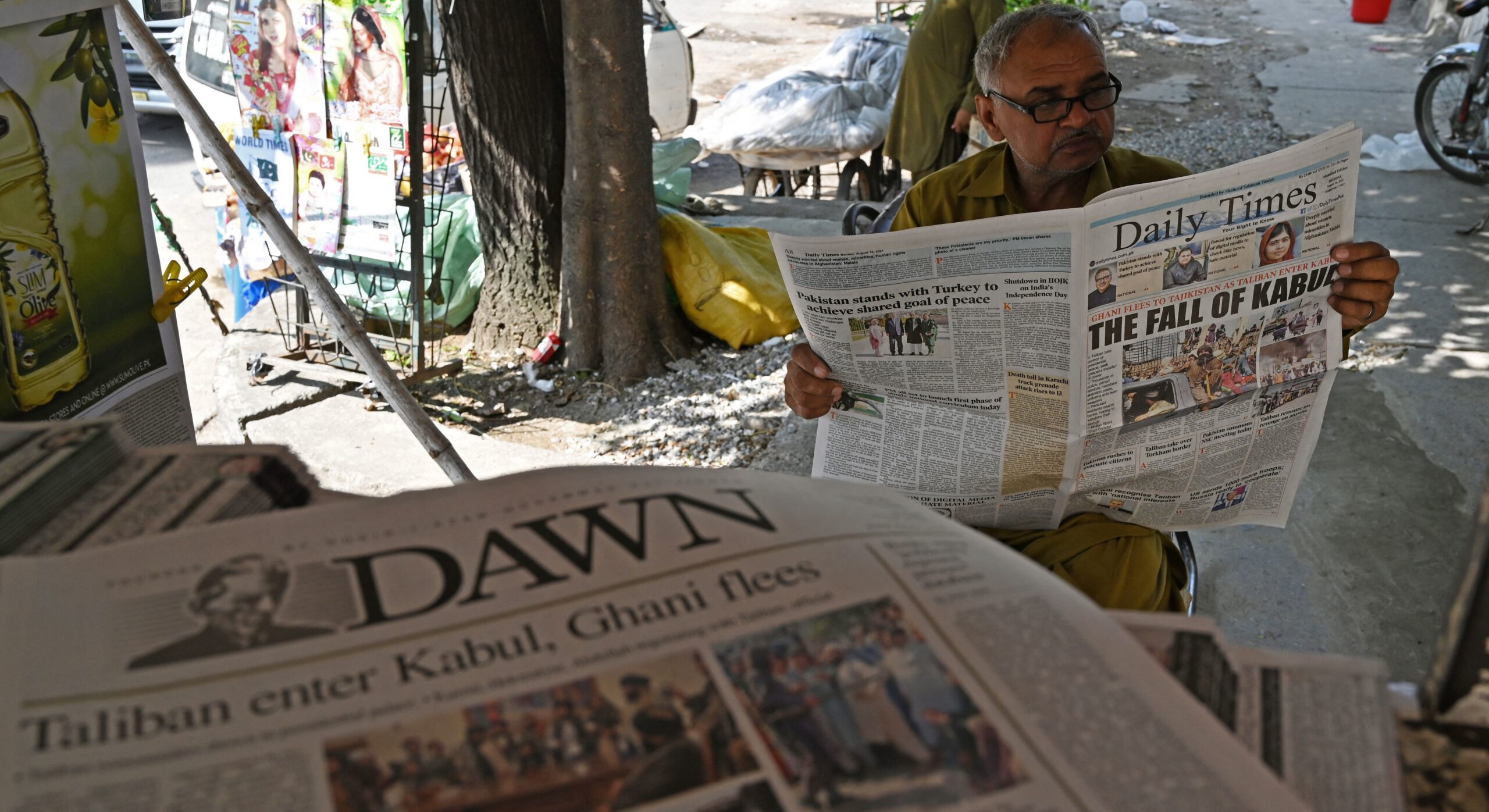
    Unanticipated swiftness of victory can be potentially befuddling, even for the victor. After the Taliban’s dramatic and largely bloodless capture of power, their leadership has struggled to finalize the structure of a government that will rule the country. The group, however, has attempted to use the interregnum period to indulge in a rebranding exercise. Statements issued by its spokespersons in Kabul as well as in Doha indicate that the group does not wish to take revenge on the “collaborators” of the fallen government. Instead, it wishes to form an “inclusive” government, which although it will be governed by sharia, may still have role for former government servants and women. However, this could only be a feeble attempt at building a narrative, which the group will find hard to sustain, even in the short term.  

    September 8, 2021

    Baghdad, Beirut, and the politics of Lebanon’s power crisis
    Photo by AFP via Getty Images
  • Analysis
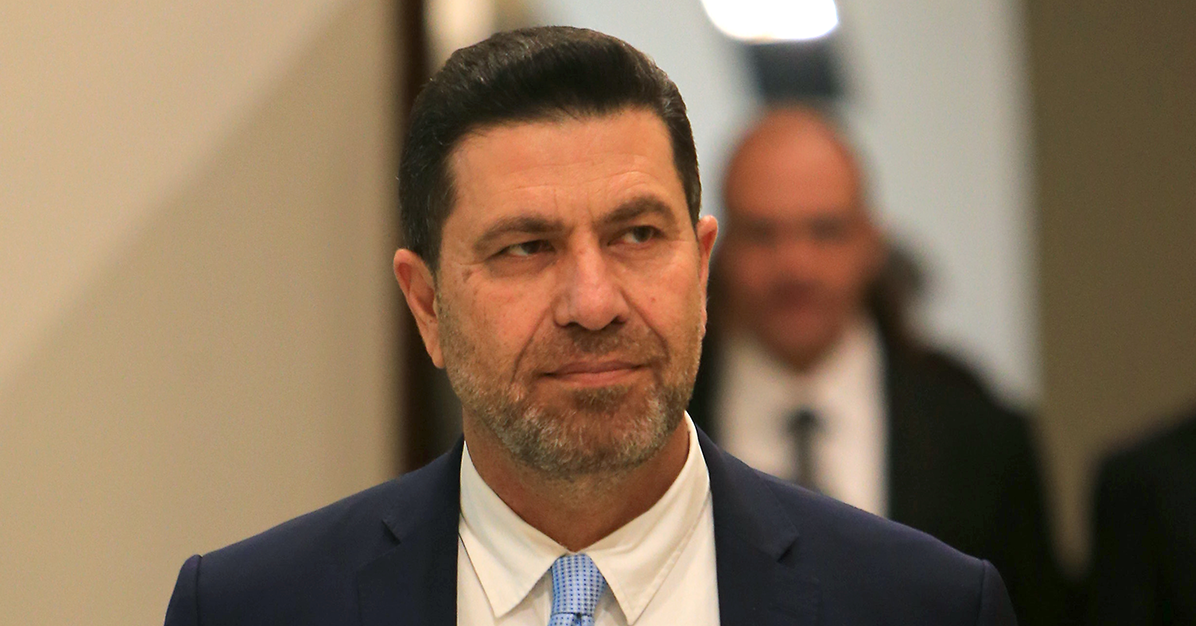
  • Baghdad, Beirut, and the politics of Lebanon’s power crisis

    On July 24, Beirut and Baghdad signed a governmental framework agreement under which Iraq pledged 1 million tons of heavy fuel oil to Lebanon over a full year.

    September 7, 2021

    Russia and the digital Middle East: An old game made new?
    Photo by Alexei DruzhininTASS via Getty Images
  • Analysis
  • Russia and the digital Middle East: An old game made new?

    For over a decade, Russia’s immediate neighborhood has been subject to the vagaries of the Kremlin’s cyber operations. Russia has effectively used cyberspace to advance its adversarial goals, be it through combining cyberattacks with military action during its war with Georgia, or targeting essential power grids in Ukraine. Advancing its cyber capabilities has enabled Russia to reassert its status as a superpower and hit targets anywhere in the world. In recent years, as the use of social media grew, the information war in cyberspace became the Kremlin’s primary tool for discrediting its perceived archenemy: “The West.” The Middle East, with its increasing dependence on social media for news, has also fallen prey to Moscow’s disinformation campaigns. Russia’s main disinformation narratives in the region stem from its Soviet-inherited superpower complex and its broader strategic imperatives on the international stage. 

    September 7, 2021

    Iran’s President Raisi takes over a ruined country
    Photo by Fatemeh Bahrami/Anadolu Agency via Getty Images
  • Analysis
  • Iran’s President Raisi takes over a ruined country

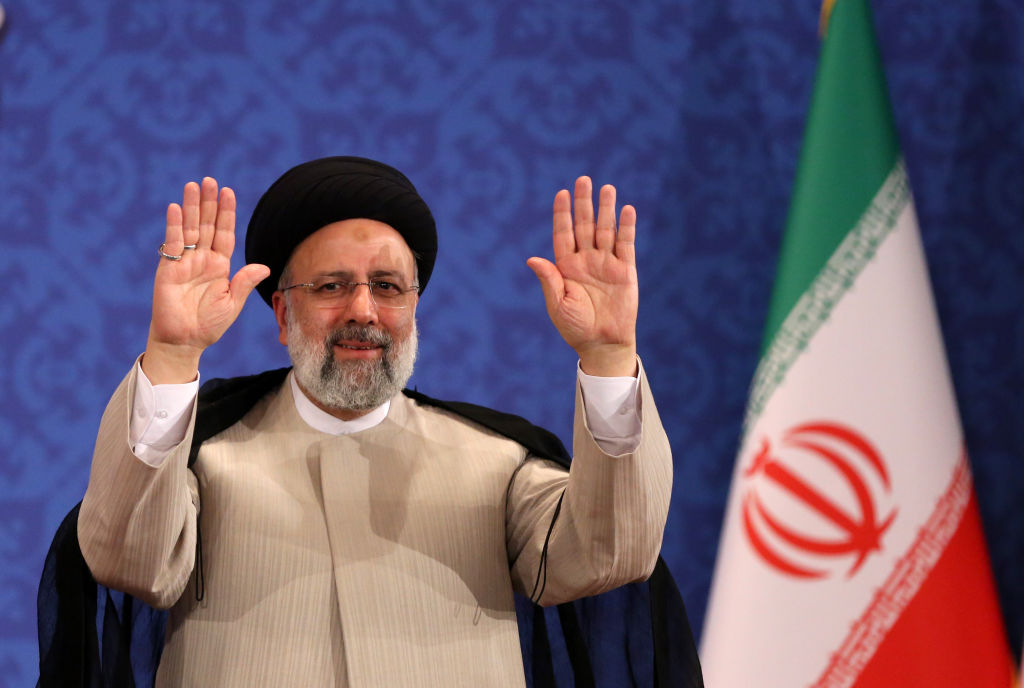
    On Aug. 25, Iran’s parliament voted on the cabinet of its new president, Ebrahim Raisi, approving 18 out of the 19 ministers put forward. Raisi’s government is full of revolutionaries likely to adopt a hardline approach to domestic and international affairs, leading to heightened geopolitical risk and potentially prolonging the country’s economic crisis.

    September 7, 2021

    Morocco's “first in North Africa” electric car production is a European manufacturing gain over China
    Photo by FADEL SENNA/AFP via Getty Images
  • Analysis
  • Morocco's “first in North Africa” electric car production is a European manufacturing gain over China

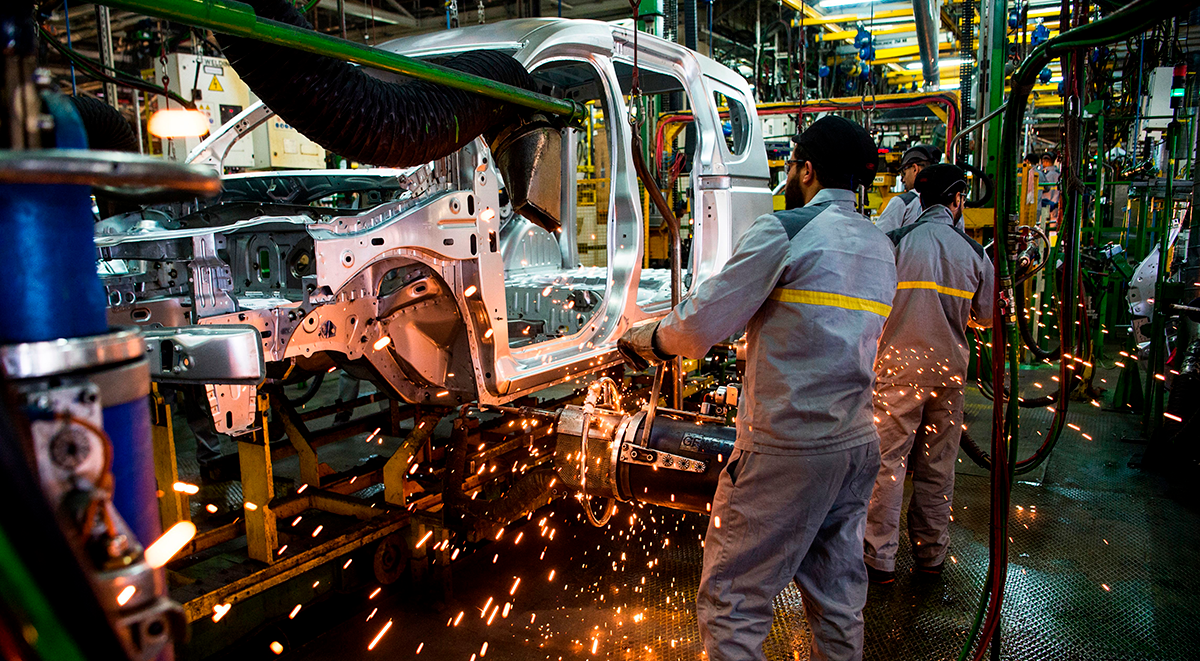
    In an automotive first for North Africa, German automaker Opel will soon begin producing electric cars in Morocco. Opel’s electric car manufacturing in Kénitra leapfrogs China’s plan to build electric cars in Egypt, giving Morocco’s automotive industry an important first-mover advantage. The move also represents a strategic gain for European automotive manufacturing over China. As a gateway to West Africa, Morocco provides Opel and its parent company Stellantis a nearby production base for the eventual cost-effective export of electric vehicles to rapidly expanding markets in Sub-Saharan Africa.

    After Afghanistan: What’s next for Pakistan and the US?
    Photo by AAMIR QURESHI/AFP via Getty Images
  • Analysis
  • After Afghanistan: What’s next for Pakistan and the US?

    The evacuation crisis precipitated by the Taliban’s swift takeover of Afghanistan following the rapid withdrawal of American troops may further widen the divide between Pakistan and the United States. The Aug. 26 terror attack at Kabul airport claimed by Islamic State-Khorasan Province (ISKP), ISIS’s local affiliate, is a clear manifestation of Washington’s epic defeat in the two-decade-long “war on terror” and a sign that President Joe Biden is losing his grip on the Afghan narrative.

    September 2, 2021

    Islamic State Under-Reporting in Central Syria: Misdirection, Misinformation, or Miscommunication?
  • Analysis
  • Islamic State Under-Reporting in Central Syria: Misdirection, Misinformation, or Miscommunication?

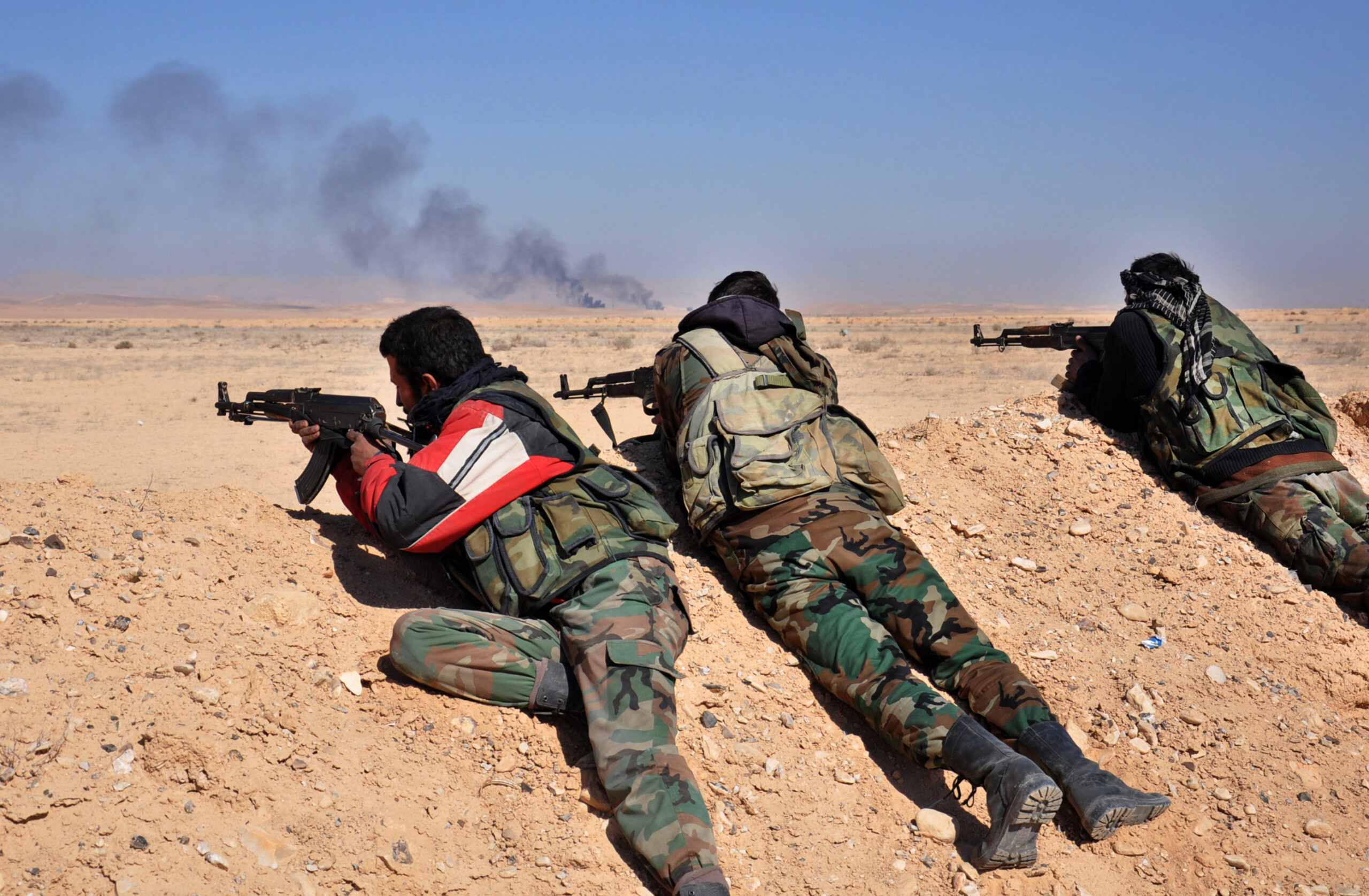
    The central media apparatus of the Islamic State group is mis-reporting on the activities of its cells in central Syria. Rather than exaggerating their capabilities, something that it is conventionally assumed to be doing all the time, its Central Media Diwan appears either to be deliberately under-playing them, or, less likely, to be unaware of their full extent, possibly due to communication issues.

    September 2, 2021

    Jihadi Recruitment and Return: Asian Threat and Response
    Middle East Institute
  • Analysis
  • Jihadi Recruitment and Return: Asian Threat and Response

    The large number of foreign fighters joining ISIS is reminiscent of the flow of volunteers who joined the Afghan jihad against the Soviet occupation in the 1980s. At that time, many young Muslims from Southeast Asia traveled to Pakistan to support the Afghan mujahideen. Some of them returned to their countries of origin to establish extremist groups, most notably Jemaah Islamiyah.

    September 2, 2021