Dispatches from Jerusalem: On the brink in the Middle East between escalation and de-escalation
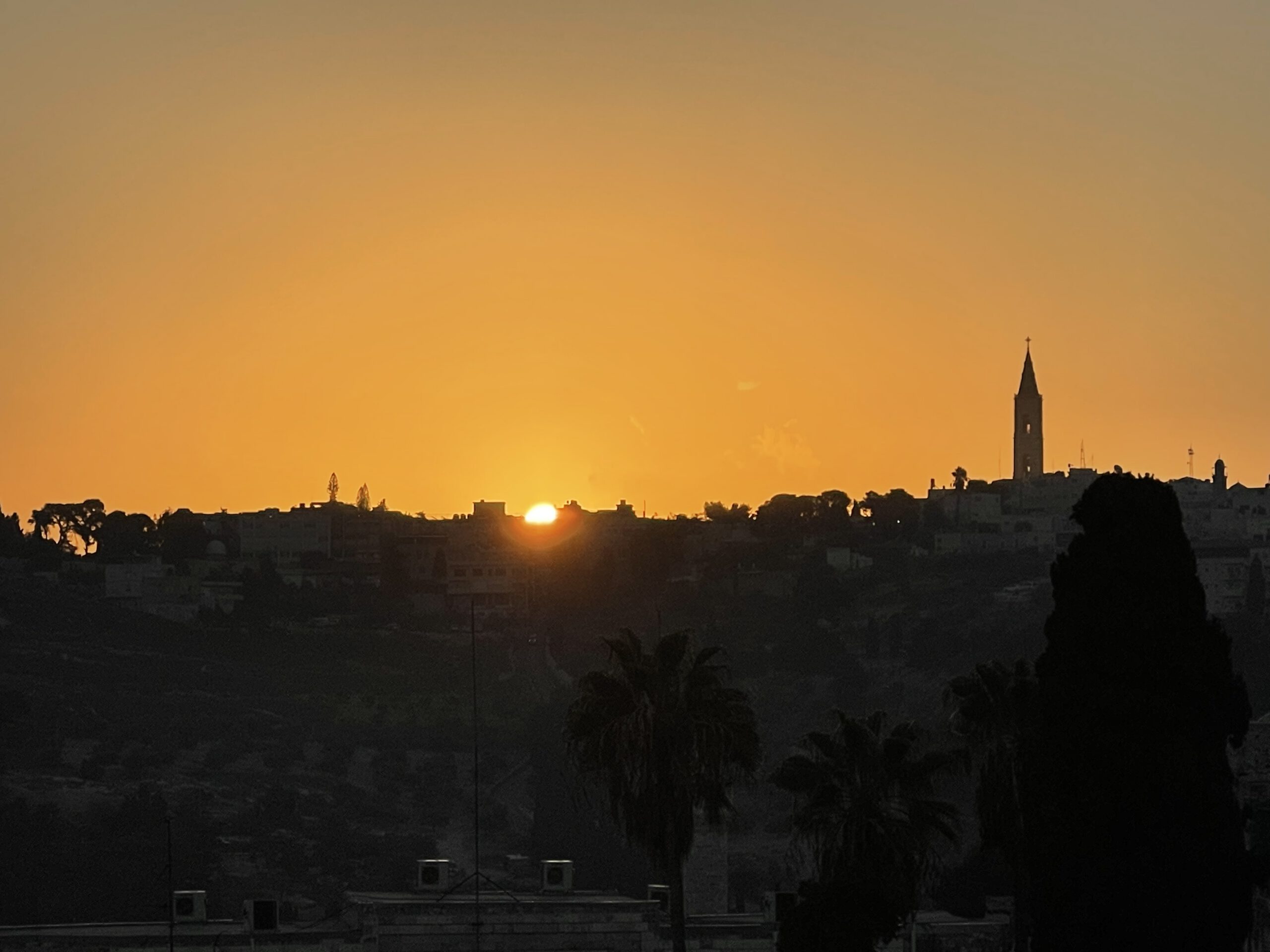
My week of meetings with Israeli and Palestinian officials and analysts in mid-September has left me groping for a coherent through line in the story about today’s Middle East. It’s the best of times and the worst of times, depending on where one sits.
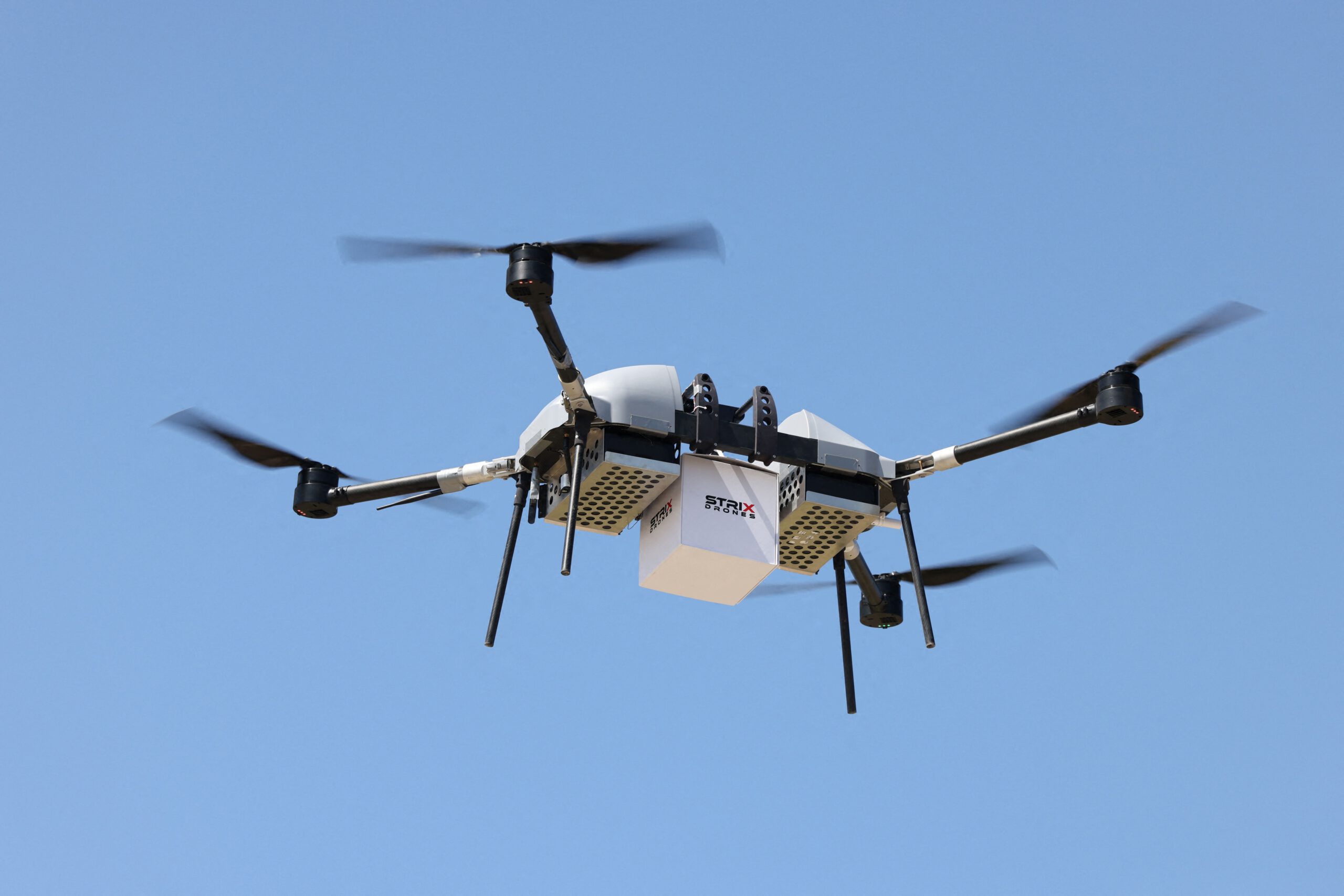
Technology represents one potentially fruitful area where the I2U2 member states — Israel, India, the U.S. and the UAE — could cooperate together, expand their format to include more countries, deliver tangible results, and avoid agitating other global and regional powers.
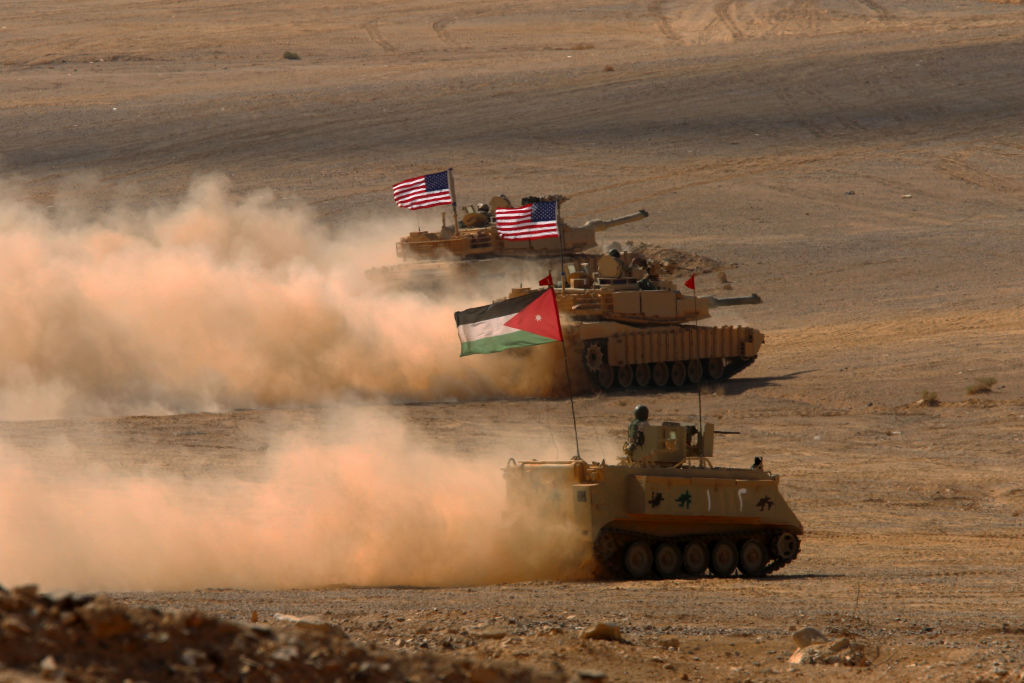
CENTCOM’s Got a New Mission. It Needs More Support.
U.S. Central Command is quietly making a historic transition from a wartime command center to something like a hub for cajoling the region’s partners large and small toward stouter collective defense. But since CENTCOM’s new commander has vastly fewer resources for his tough new mission, defense and national security leaders in Washington need to back him up with a larger measure of policy coherence.
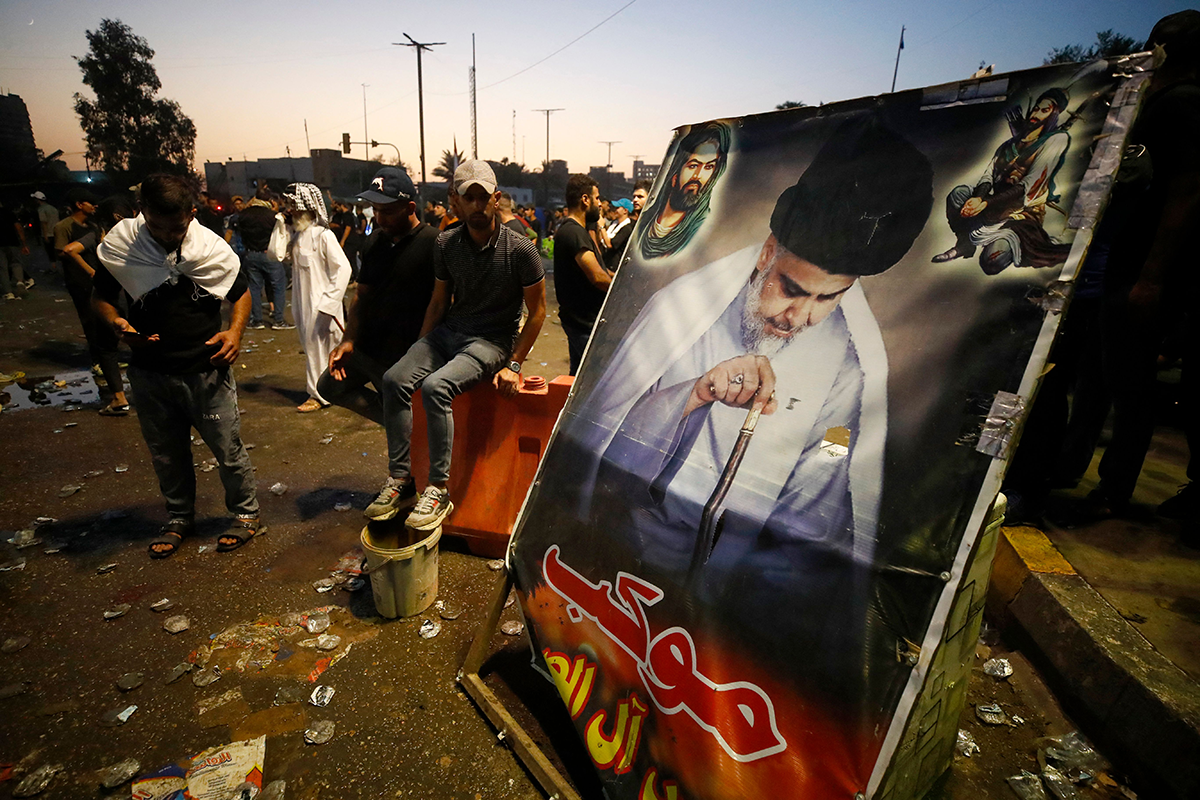
Iraq’s crisis of elite, consensus-based politics turns deadly: The Sadrists
More than 11 months after Iraq’s October 2021 parliamentary elections, the government has yet to be formed. The government formation power struggle pits the Sadrist Movement against the Coordination Framework. The ongoing Arba’een religious pilgrimage forces political downtime, but the deadlock continues and many fear future violence unless both camps can agree on mutually acceptable concessions.
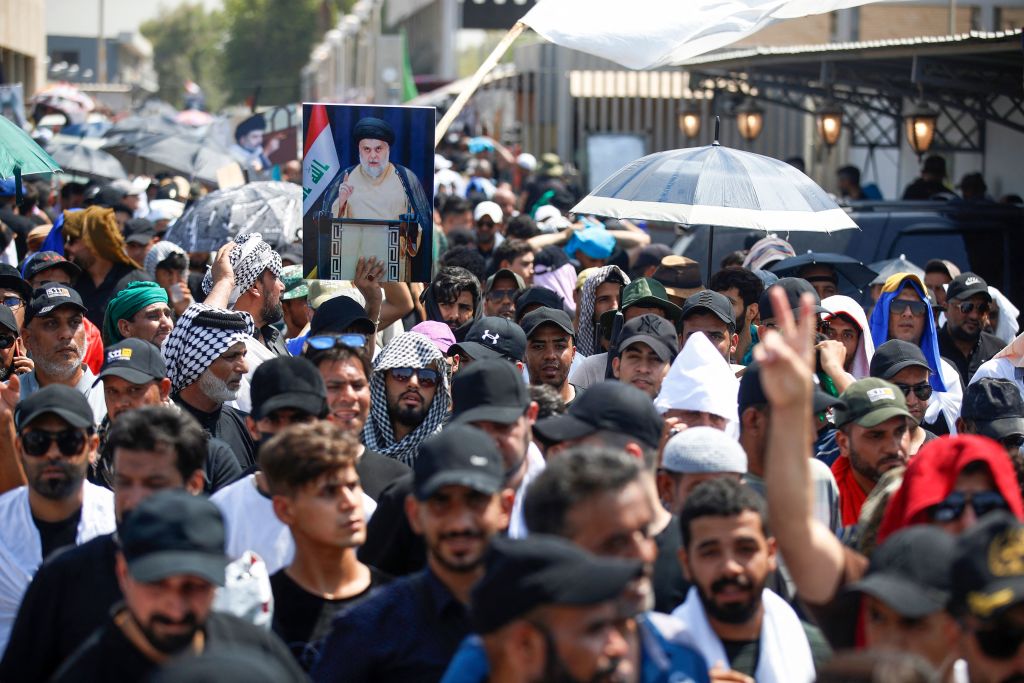
Iraq: A crisis of elite, consensus-based politics turns deadly
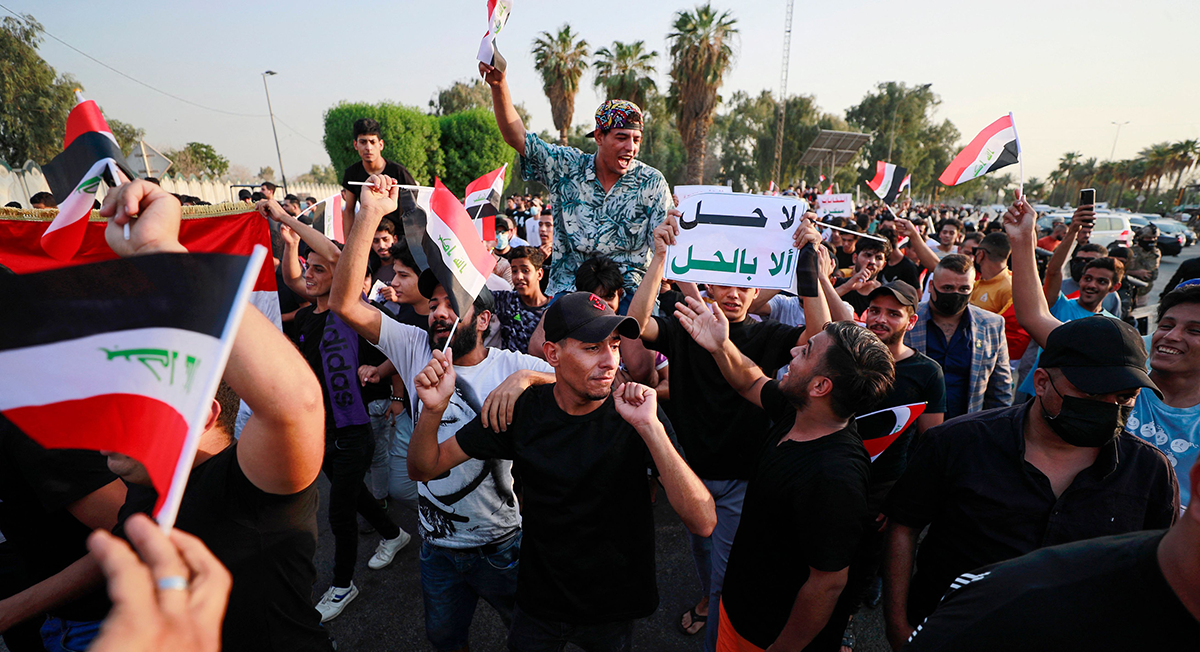
Iraq is facing one of its worst political crises in years. Following the bloody street battles at the end of August that left more than 30 dead, violence has stopped, for now, but the political crisis is far from over, even if superficial solutions may be found in the interim. Iraqis anxiously await the end of the Arba’een holiday on Sept. 17 to see what will happen next.
Domestic Political Chaos Is Not the Only Thing Happening in Iraq
It appears that calm has returned to Iraq after the reported intervention of Ayatollah Ali al-Sistani, the country’s chief and widely respected Shia cleric. In recent weeks, violence had occurred in and near parliament, which has been unable to implement last October’s election results. The clashes involved demonstrators and armed forces loyal to Moqtada al-Sadr, the leading candidate in the elections, and militias loyal to a loose array of rival Shia political parties calling themselves the Coordination Framework.
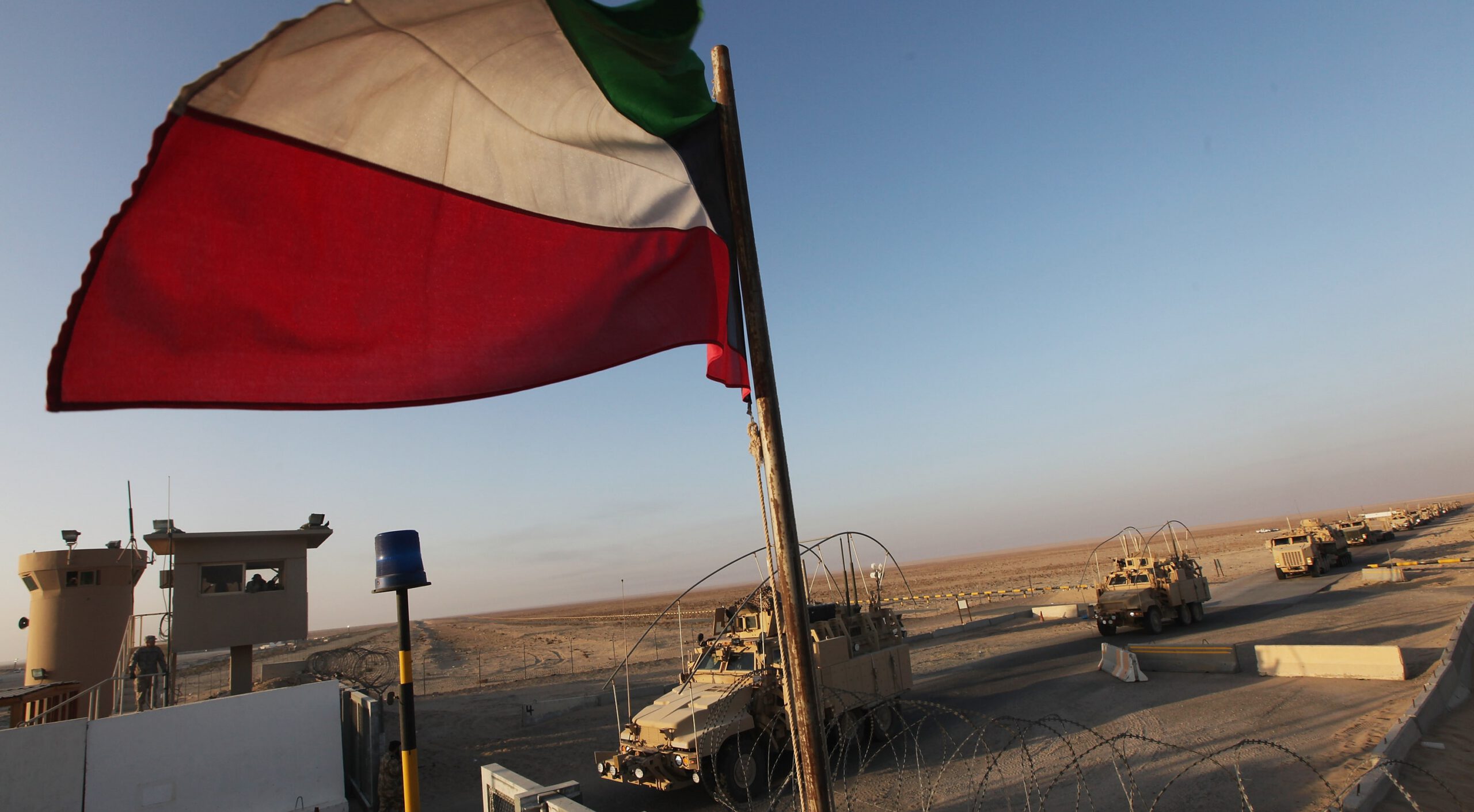
Beyond Post-Desert Storm: How to Elevate the US-Kuwait Security Partnership
Kuwait plays a larger role than is often assumed in America’s present and future military plans in the Middle East. But as Washington prioritizes the Indo-Pacific, it is critical that the security arrangement between the United States and Kuwait is thoughtfully reconfigured.
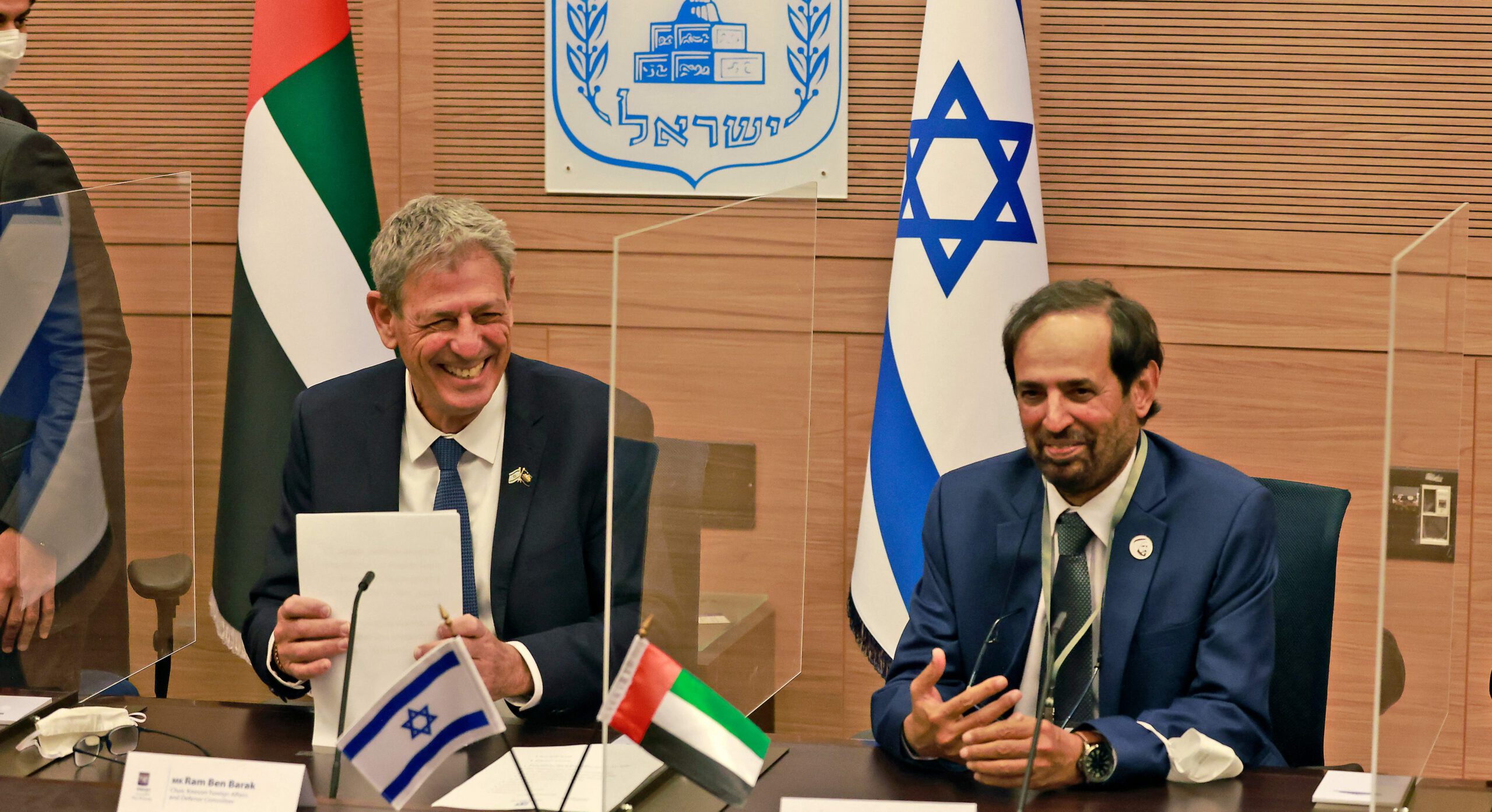
Two years on, what is the state of the Abraham Accords?
Two years after the signing of the Abraham Accords, progress in developing relations between Israel and its Arab neighbors has achieved mixed results, opening up some greater cooperation in the security sphere but failing to change Arab publics’ minds due to the lack of movement on the Israeli-Palestinian conflict.
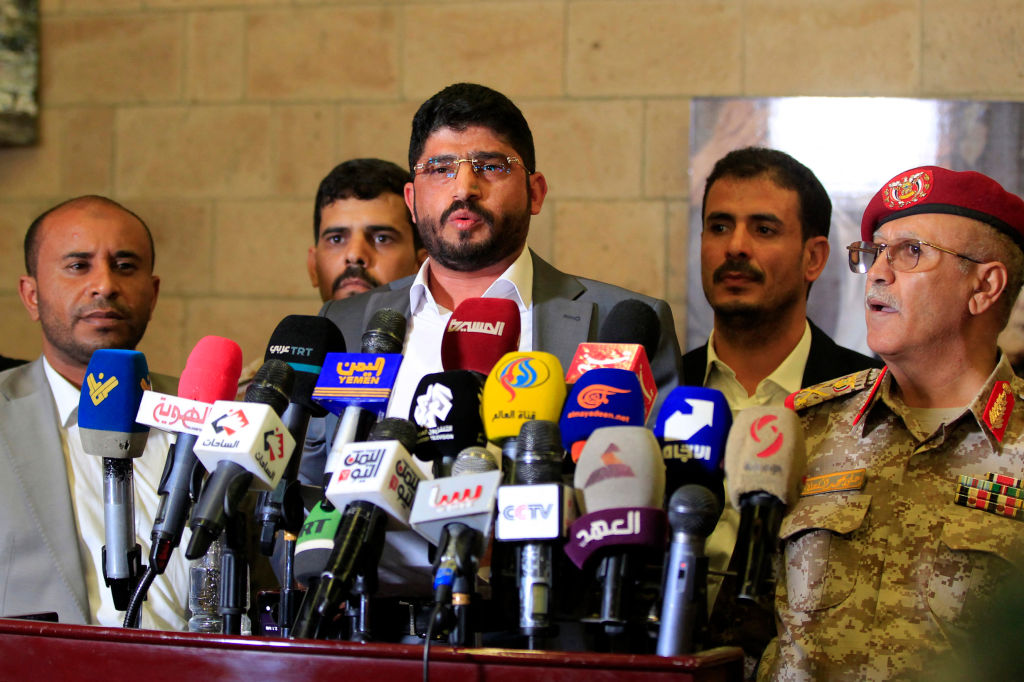
Now in the fifth month of a ceasefire, what are the prospects for a negotiated end to the Yemeni Civil War, and the beginning of a sustained peace? MEI Distinguished Sr. Fellow on U.S. Diplomacy and Director of the Arabian Peninsula program Gerald Feierstein discusses these questions with two outstanding scholars who have followed and written extensively about Yemen over the years. Fatima Abo Alasrar is a nonresident scholar at MEI and a Senior Analyst for the Washington Center for Yemeni Studies.
حياكة السجاد الإيراني شرق الفرات: رغم الرفض الشعبي جماعات إيرانية تزيد نفوذها في الحسكة
شهدت مدينة الحسكة شمال شرق سوريا يوم 22 أغسطس الحالي توزيعا لمنشورات وملصقات مناهضة للنفوذ الإيراني في المدينة، حيث ظهرت الملصقات في عدة مناطق حساسة وسط المدينة في المنطقة المعروفة بـ “المربع الأمني” التي تخضع لسيطرة جيش النظام السوري وميليشيات الدفاع الوطني التي أصبحت تخضع لنفوذ إيران.
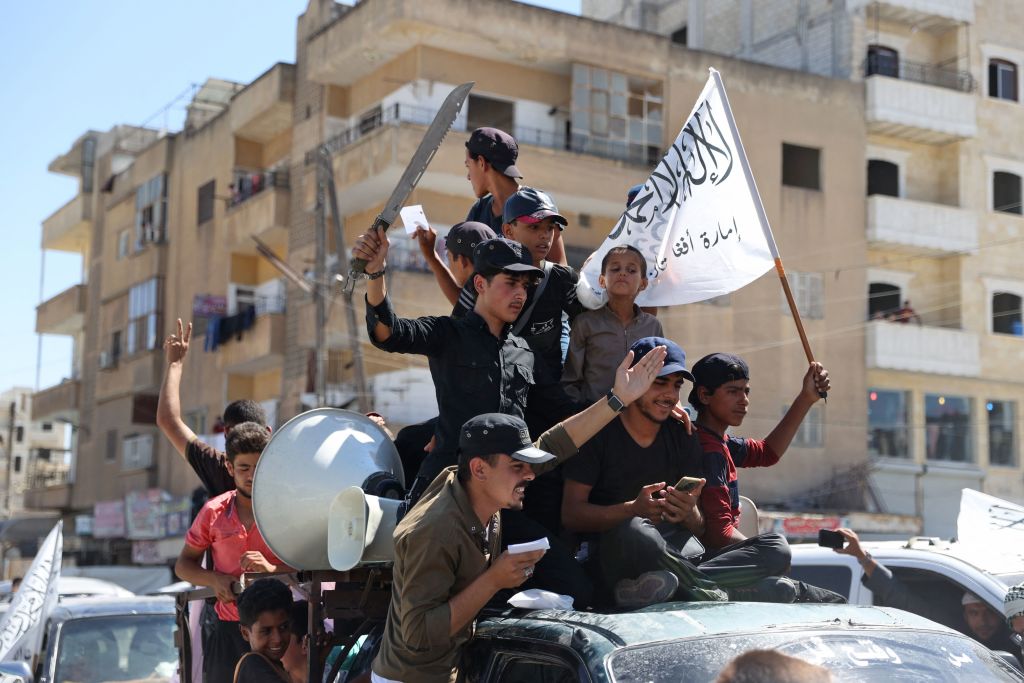
“Carpet weaving” east of the Euphrates: Iranian proxy groups expand their influence in Syria’s Hasakah Province
On Aug. 22, the northeastern Syrian city of al-Hasakah was inundated with leaflets condemning creeping Iranian influence in the area. The printed messages were plastered around several highly sensitive locations in the city center, including the local branch of the Ba’ath Party, the neighborhoods of al-Matar and al-Mahatah, as well as near the Great Mosque and market streets.
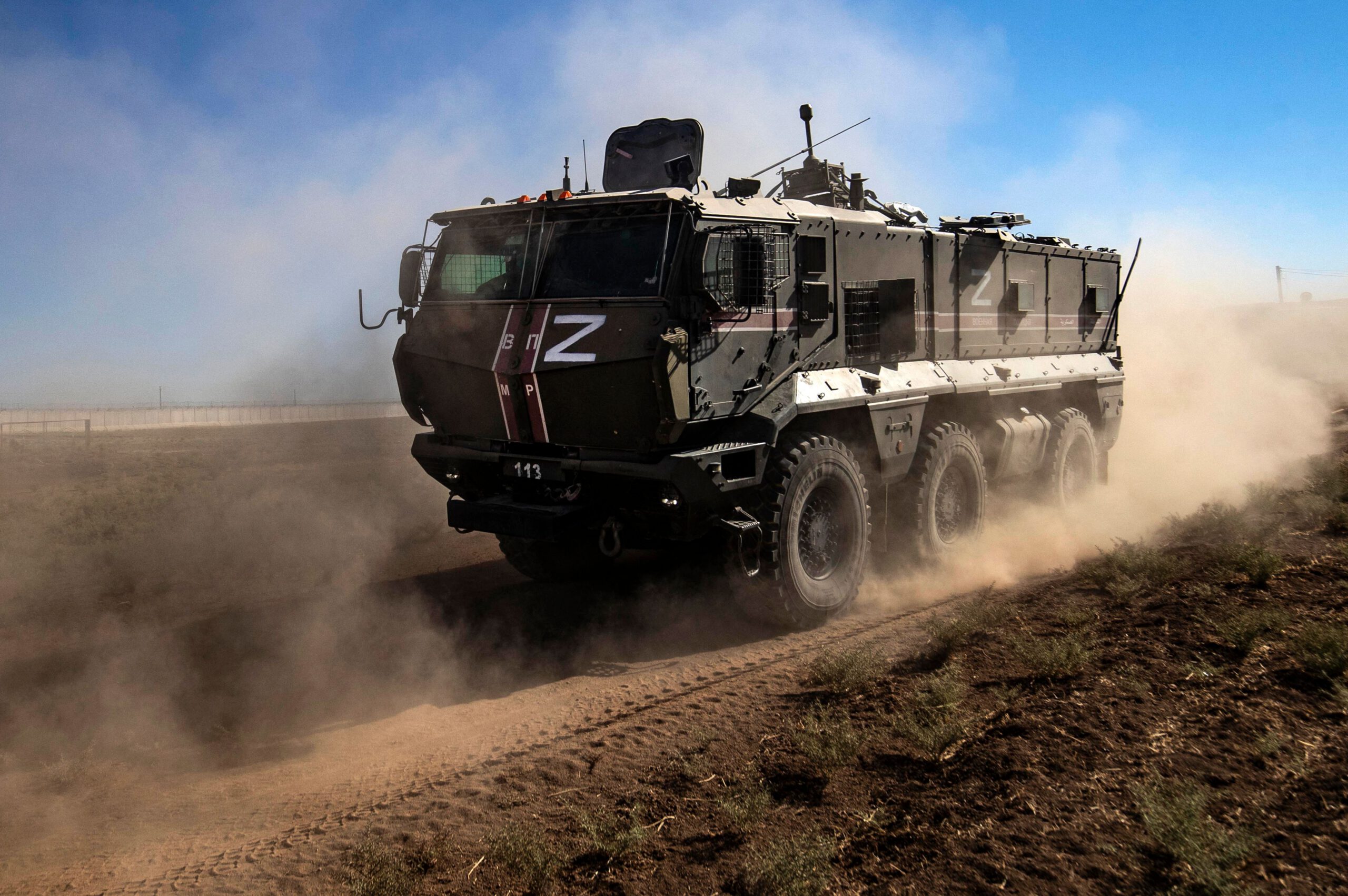
From Tiger Forces to the 16th Brigade: Russia’s evolving Syrian proxies
Russia’s 2022 invasion of Ukraine renewed focus on Moscow’s earlier military intervention in Syria, which often became framed as a “testing ground” for the weapons and tactics it now employs against Ukrainian cities. But crucially, the Russian forces backing Assad’s embattled regime also understood the importance of rebuilding the broken Syrian security forces into more effective fighting units.