The past 30 years of the Saudi-American relationship have seen highs of intense geopolitical cooperation and the lows of the post-September 11, 2001 period. What has tied those ups and downs together is the fluctuating relationship between both governments and the transnational Salafi Islamist movement. Both governments fostered the movement — domestically in Saudi Arabia and as an international force — during the Afghan jihad against the Soviet Union in the 1980s. Both have seen the movement shift from a tool of their foreign policies to a threat.
In various entries in his unpublished diaries, British Mesopotamian officer Harry St. John Philby, on special mission to central Arabia during 1917-1918, recorded the minutes of his many private “interviews” with Ibn Saud. He concluded that the newly re-emerging Wahhabi movement under Ibn Saud would, with British political and military support, effectively serve British military and political objectives in the Arabian Peninsula and beyond during the ongoing war and in its aftermath.
The United States and Saudi Arabia: Challenges Ahead
The Obama Administration confronts a vexing set of challenges across the greater Middle East, an area that stretches from Egypt in the west, Afghanistan and Pakistan in the east, Central Asia in the north and Yemen in the south. In the midst of this “arc of instability” sits Saudi Arabia, a long-standing partner whose relationship with the United States has been enduring but fraught.
Introduction to The Legacy of Camp David: 1979-2009
Since the “Six Day War” in June 1967, countless American and other diplomats have sought almost continuously to broker peace between Israel and its surrounding Arab enemies. From that tangled history, one achievement stands tallest in a forest of scrub: the Egypt-Israel Treaty signed on March 26, 1979 on the White House front lawn by President Anwar Sadat, Prime Minister Menachem Begin, and President Jimmy Carter.
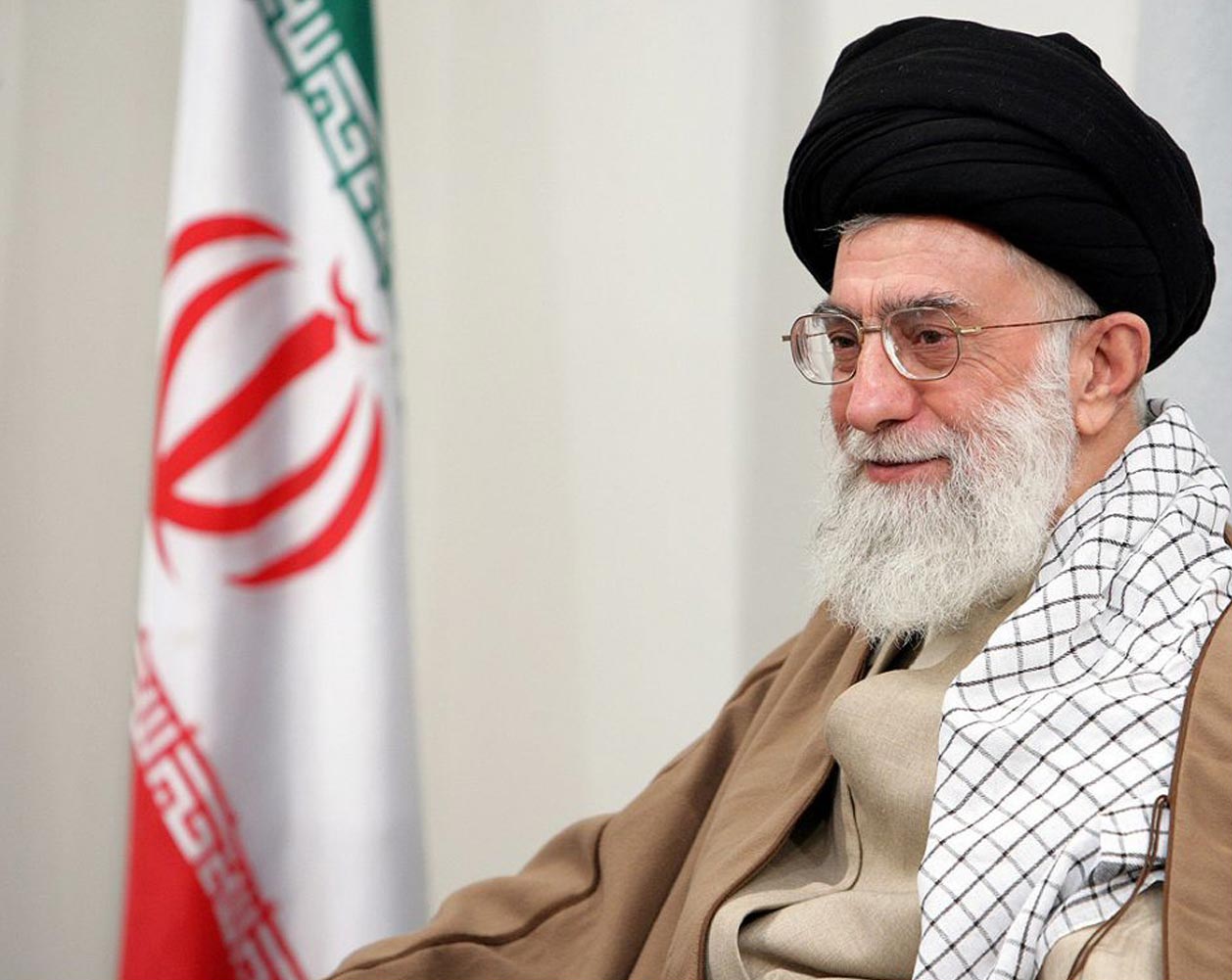
Almost immediately after the triumph of the Islamic revolution, Ayatollah Khomeini and the new Iranian leadership turned against Saudi Arabia and its ruling family.
The Arab world, especially the Gulf countries, face many environmental threats and problems such as desertification, biodiversity loss, marine and coastal areas pollution, air pollution, and water scarcity and quality. Beside these traditional environmental threats, various other environmental problems have begun to emerge in the last few years, related to military conflicts, construction and demolition debris, and climate change.
How the New Arab Media Challenges the Arab Militaries: The Case of the War between Israel and Hizbullah in 2006
One, Two / the Arab army where are you?/ The Arab army where are you?/The Egyptian Arab Army/ resides in an-Nasr [victory] compound/ Wakes up in the afternoon/ to drink its tea/ The Gulf Arab army/ can do absolutely nothing/ “Strategic silence” indeed/ “cut us some slack, man!”/ The Tunisian Arab army/ is green like parsley/ But ‘Aziza loves Yunis/ the wars can wait/ The Sudanese Arab army/ I can hear its clamor in my ears/ “Damn it!
Affirming the Saudi Will to Power: Domestic Challenges to King ‘Abdullah
Over a single week in late 2007, the Custodian of the Two Holy Mosques, King ‘Abdullah bin ‘Abd al-‘Aziz, authorized the establishment of a Supreme Court, issued by-laws for his 2006 succession edict that named its permanent members, and ordered his foreign minister to take necessary steps to counter the rise of the kingdom’s regional hegemonic foe, Iran.
The Jordan Valley is a lush, wetland ecosystem that is the biological heart of the Middle East region at large. As the meeting point of the Asian, African, and European continents, the valley is at the crossroads of biodiversity. In addition to the unique flora and fauna, the valley is one of the world’s most important migratory pathways for birds. Over 500 million birds migrate from Europe to Africa twice a year, dependent on the Jordan Valley as a stopping ground on their long journey.
Within a mere few years after World War II the Middle East was remade. The creation of the State of Israel in 1948 and its consequences helped propel that part of the world to what seems to be a permanent and unenviable spot on any list of world crises.
Climate Change Threats, Opportunities, and the GCC Countries
Originally posted April 2008
Oil and gas revenues for GCC countries have enabled exceptional and accelerated development in all aspects of life. These countries have become a hub of intense activity in many spheres—geopolitical, military, economic, industrial, construction, and tourism, to name a few. However, the scale of oil and gas production and use has also led to severe environmental problems.